Most cats should eat kitten food until about 12 months old, although large breeds may need it longer.
If you adopted a kitten from a U.S. shelter, brought one home from a local breeder, or found a tiny cat waiting on your porch, you may wonder when to change its food. The answer is usually simple: feed kitten food until your cat is around one year old. This gives your growing pet the extra energy and nutrients it needs to build strong bones, muscles, and healthy organs.
The exact timing can vary with breed, growth, health, and the food itself. Some large cats mature more slowly, while a kitten that gains weight too fast may need a feeding plan from a veterinarian. I cannot assess your cat’s individual needs without its health and growth details, so use age as a starting point rather than the only rule. Most cats do best with a gradual switch to a complete adult food when they are ready.
Source: i.pinimg.com
How Long Should a Cat Eat Kitten Food?
Most cats should eat kitten food until they reach about 12 months of age. At this point, many cats have finished most of their rapid growth and can move to a complete and balanced adult cat food. The change helps match daily calories and nutrients to a cat that no longer needs the same level of support for growth.
Kitten food is designed for a different job than adult food. A young cat uses energy to grow, play, build muscle, and develop its bones and organs. An adult cat still needs good nutrition, but it usually needs a different balance of calories and nutrients to maintain its body rather than keep growing.
The first birthday is a useful guide, not a strict deadline for every cat. A small domestic cat may be ready around 12 months, while a large breed may keep growing well beyond that age. If you are unsure, your veterinarian can review your cat’s growth and body condition before you change its diet.
Source: rawznaturalpetfood.com
Under 6 months
Feed a complete kitten food made for growth. Young kittens need frequent meals and enough energy to support fast development.
6 to 12 months
Continue kitten food while growth slows. Check weight and body condition so you can adjust portions if needed.
Around 12 months
Most cats can begin a gradual transition to adult maintenance food if their growth and health support the change.
12 to 18 months or longer
Some large breeds may need growth food for longer. Ask your veterinarian when to change if your cat is still developing.
Does Every Cat Need Kitten Food for a Full Year?
No single age fits every cat, but about 12 months is the common starting point for the switch. A kitten should not be moved to adult food early just because it looks big or eats well. Growth depends on more than size, and a young cat may still need the nutrient balance found in kitten food.
If your kitten was orphaned, arrived at your home underweight, or has a health problem, ask a veterinarian about the best timing. These cats may need a feeding plan based on their current condition rather than age alone.
Use age and growth together
Consider your cat’s age, weight trend, body condition, and health history before changing foods.
Do not rush the switch
A cat that seems fully grown may still benefit from a food designed for growth until the usual transition point.
Why Kittens Need a Different Food From Adult Cats
Kittens need food that supports growth, not just daily maintenance. Their bodies build new tissue, develop bones, and form muscle at a fast pace. A suitable kitten diet provides energy, protein, fat, vitamins, minerals, and other nutrients in amounts designed for this stage of life.
Adult maintenance food is made for cats that have finished most of their growth. Feeding it to a young kitten before the right time may not provide the nutrient profile needed for normal development. The exact difference varies by recipe, so compare the life-stage statement on the package rather than assuming every kitten food is the same.
More calories are not always better. Kitten food is often energy-dense, which helps a small cat meet its needs in modest portions. If an older kitten eats too much, however, it can gain excess body fat. The goal is healthy growth, not the fastest possible weight gain.
Source: thesprucepets.com
Energy
Growing kittens often need more calories per pound of body weight than adult cats. Their needs still vary with activity, size, and health.
Protein and fat
These nutrients help support tissue growth and provide energy. A complete kitten diet supplies them in amounts suited to development.
Vitamins and minerals
Nutrients such as calcium and phosphorus help support bones and other body functions when supplied in suitable amounts and balance.
Life-stage balance
A food intended for growth is not automatically the best choice for lifelong adult feeding. Match the food to the cat’s current stage.
What Does Complete and Balanced Mean?
In the United States, look for a nutritional adequacy statement on the pet food label. Under the Association of American Feed Control Officials, or AAFCO, framework, a food may state that it is complete and balanced for growth, adult maintenance, or all life stages when it meets the applicable requirements.
A food labeled for growth is intended for kittens and other animals in that life stage. A food labeled for adult maintenance is intended for adult cats. An all-life-stages food may be suitable for both, but its calorie density and feeding directions still matter. Ask your veterinarian whether it fits your cat’s needs, especially if weight control is a concern.
Read the nutritional adequacy statement
Check whether the food is intended for growth, adult maintenance, or all life stages.
Check the feeding guide
Use the package as a starting point, then adjust portions based on body condition and veterinary advice.
When Should You Switch From Kitten Food to Adult Food?
For most cats, begin planning the switch when they approach their first birthday. If your cat is healthy and growing as expected, you can usually start changing its food around 12 months. Make the decision with its body condition and health in mind, not just the number on the calendar.
Some cats may need a different timeline. Large breeds often mature more slowly, and a cat with a medical condition may need a diet selected for that condition. Your veterinarian can help decide whether to continue growth food, use an adult formula, or choose a therapeutic diet.
Do not wait for your cat to stop eating kitten food or become less playful before you consider a change. Cats may remain energetic well into adulthood. The better signs are age, a steady growth pattern, healthy body condition, and a food plan that meets adult needs.
Source: mrbosscat.com
Check the age
Most cats approach the adult-food transition at about 12 months.
Review body condition
Look for a healthy shape, with ribs you can feel under a light layer of fat and a visible waist from above.
Consider the breed
Large breeds may need growth nutrition longer than many smaller domestic cats.
Review health needs
Cats with ongoing illness, unusual weight changes, or prescribed diets need an individualized plan.
How Long Should Maine Coons Eat Kitten Food?
Maine Coons are a large breed that can take longer to reach full physical maturity than many other cats. Some may benefit from kitten food beyond 12 months, often into the 15- to 18-month range, depending on their growth and the food’s directions.
There is no need to keep a Maine Coon on kitten food for a fixed number of months without checking its condition. Ask your veterinarian to assess growth, weight, and body condition. A larger frame does not mean a cat should be overweight, and a longer growth period does not justify unlimited portions.
Follow growth, not size alone
A large cat may still be growing, but a heavy cat may simply have excess body fat.
Ask about timing
Use a veterinary assessment to choose the best transition point for your individual cat.
Can a Kitten Switch to Adult Food at 10 Months?
A healthy 10-month-old kitten will usually still benefit from food made for growth. Switching a little early is not automatically an emergency, but adult maintenance food may not be the best routine choice before the kitten is ready.
If your kitten is gaining too much weight, do not use an early switch as the only weight-control plan. Ask your veterinarian to check portion size, treats, activity, and body condition. A measured feeding plan may solve the issue without cutting off nutrients needed for growth.
Keep growth needs in mind
Most kittens should remain on suitable growth food until around 12 months.
Get help with excess weight
A veterinarian can help manage calories while protecting normal development.
How to Transition Your Cat to Adult Food
Switch your cat’s food gradually over about 7 to 10 days. A slow change gives your cat time to adjust to a new taste, texture, and nutrient mix. It can also help you spot digestive trouble before the new food becomes the only food in the bowl.
Before you begin, choose a complete and balanced adult food suited to your cat’s age and health. Check the feeding directions on both packages because the calories per cup or can may differ. Do not assume that the same scoop of kitten food and adult food provides the same number of calories.
Keep fresh water available throughout the change. Feed measured meals, watch your cat’s stool and appetite, and avoid adding several new treats or foods at the same time. If your cat has a history of food intolerance or a medical diet, ask your veterinarian before starting.
Source: i.pinimg.com
Days 1 and 2
Mix about 75% of the current kitten food with 25% of the new adult food.
Days 3 and 4
Use about 50% kitten food and 50% adult food if your cat is eating well and its stool remains normal.
Days 5 to 7
Move to about 25% kitten food and 75% adult food if the change is going smoothly.
Days 8 to 10
Offer 100% adult food if your cat tolerates each earlier step.
What If Your Cat Gets Diarrhea During the Switch?
Loose stool, gas, vomiting, or reduced appetite can occur when a diet changes too quickly, although other causes are possible. If mild digestive signs begin, pause the transition and return to the last food mixture your cat tolerated, provided your cat is otherwise well. Once its stool and appetite are normal, ask your veterinarian whether to restart at a slower pace.
Do not assume that every digestive problem comes from food. Parasites, infections, food intolerance, and other health problems can cause similar signs. Contact a veterinarian promptly if symptoms persist, worsen, or recur, and seek urgent care for repeated vomiting, marked weakness, blood in the stool, or signs of dehydration.
Slow down
A longer transition may help a sensitive cat adjust, but repeated symptoms need veterinary guidance.
Do not withhold food
Cats, especially young kittens, can become unwell when they do not eat enough. Contact your veterinarian if your cat refuses food.
Watch for warning signs
Repeated vomiting, severe diarrhea, blood, weakness, or dehydration warrants prompt veterinary care.
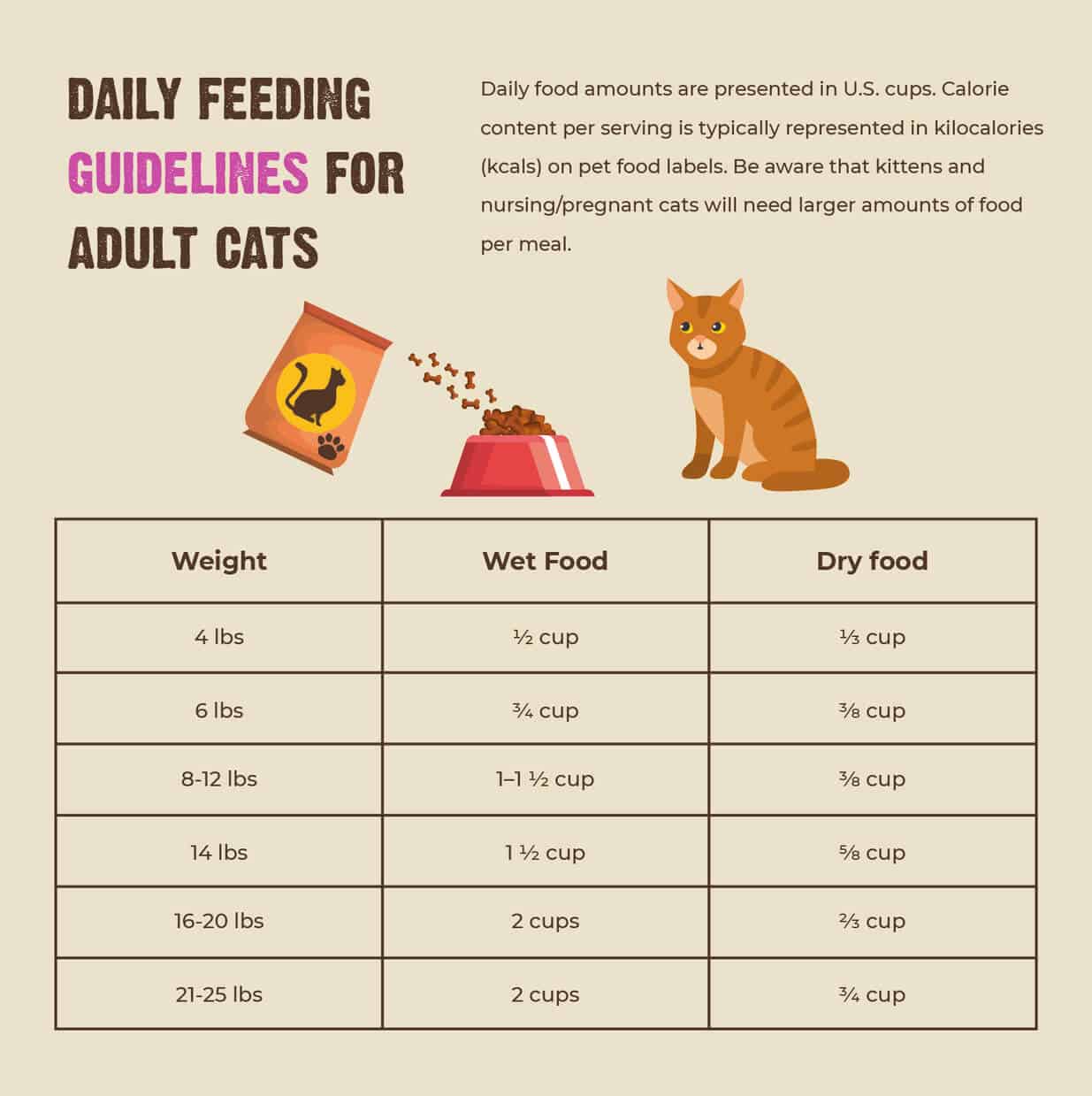
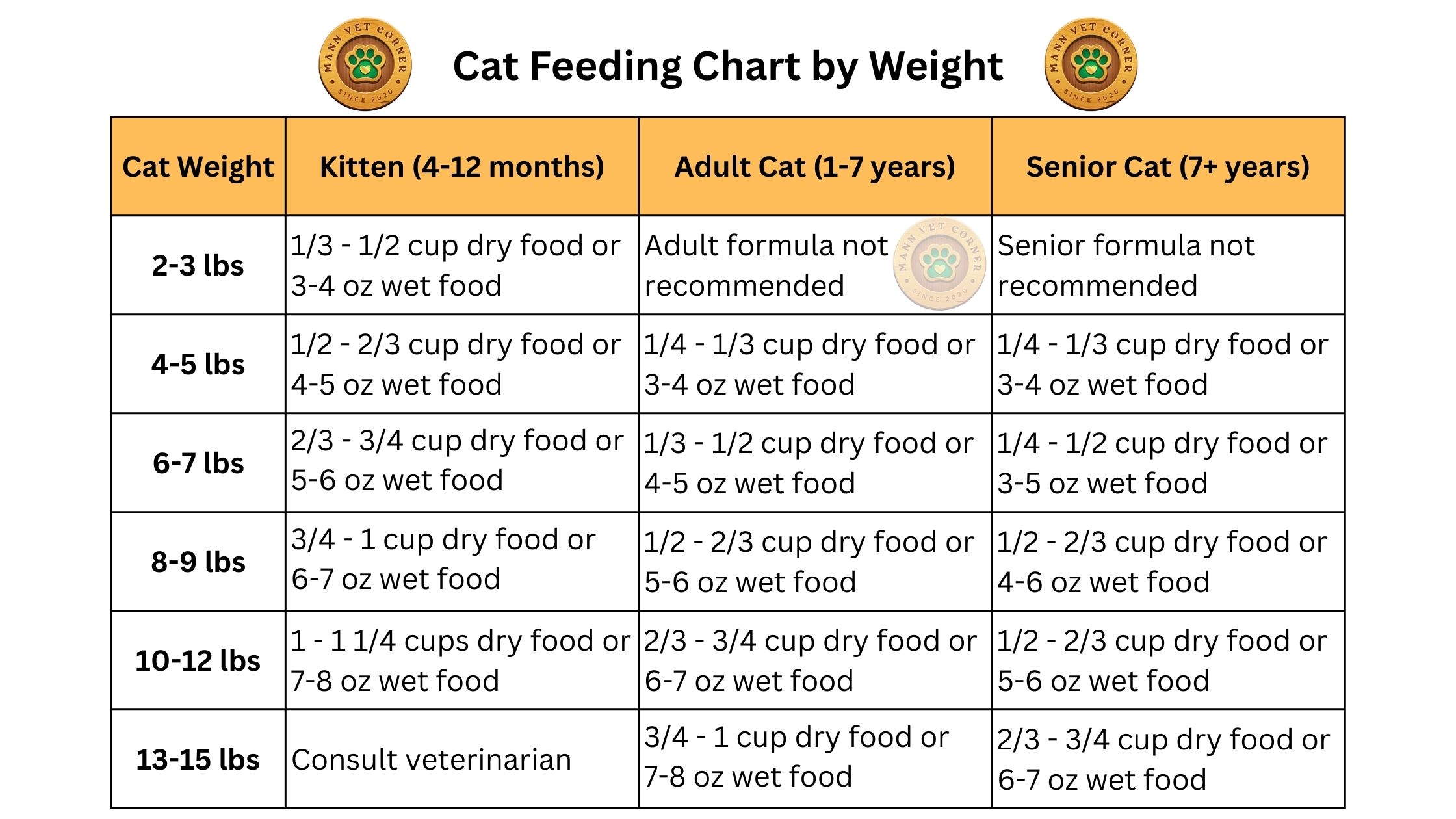
How Much Kitten Food Should You Feed Each Day?
The right amount depends on your kitten’s age, weight, activity, health, and the calorie content of its food. Start with the feeding chart on the package, then adjust the amount as your kitten grows. A small kitten and a large, active kitten will not have the same daily needs.
Young kittens usually do better with several small meals rather than one or two large meals. As they grow, you can adjust meal frequency to suit their routine and your veterinarian’s advice. Keep a regular schedule so you can track appetite and notice changes early.
Measure dry food with a consistent scoop or, for greater accuracy, a kitchen scale. For wet food, follow the label’s daily feeding guide and account for any dry food or treats. Free-feeding can make it harder to know how much your cat eats and may contribute to excess weight in some cats.
Source: cdn.shopify.com
Use the package as a starting point
Feeding charts provide a general guide. They may need adjustment for your cat’s actual needs.
Count all food
Include meals, treats, table scraps, and any other food when considering daily calories.
Check body condition
A healthy kitten should grow steadily without becoming too thin or carrying excess fat.
Keep water available
Clean, fresh water should be available at all times, even when your cat eats wet food.
Should You Feed Wet or Dry Kitten Food?
Both wet and dry foods can work if they are complete and balanced for kitten growth. Wet food adds moisture and may suit kittens that prefer a soft texture. Dry food is easy to measure and store, but it does not replace the need for fresh drinking water.
Some owners feed a mix of wet and dry food. If you do, make sure the combined amount meets your kitten’s daily calorie needs rather than giving a full serving of each food on top of the other. The best choice is one your cat eats well and can digest while meeting its nutritional needs.
Wet food
Can add moisture and offer a soft texture. Refrigerate opened food as directed by the manufacturer and remove uneaten portions promptly.
Dry food
Is convenient to portion and store. Keep it in a sealed container in a cool, dry place and follow the package instructions.
Mixed feeding
Can combine the benefits of both formats when portions are measured and total daily calories are appropriate.
Signs Your Cat Is Ready for Adult Food
Age is the main starting point, but your cat’s overall condition helps confirm whether the transition makes sense. A cat approaching 12 months that has grown steadily, maintains a healthy body shape, and has no special dietary needs may be ready for adult maintenance food.
You do not need to wait until your cat becomes less active or stops growing completely. Many cats remain playful as adults, and some large breeds continue to mature for longer. Use a combination of age, growth history, and veterinary advice rather than one behavior as a signal.
A cat’s weight can rise or fall for reasons unrelated to its life stage. Sudden weight loss, a poor appetite, vomiting, or persistent diarrhea should not be treated as signs that it is time to change food. These changes deserve a health check.
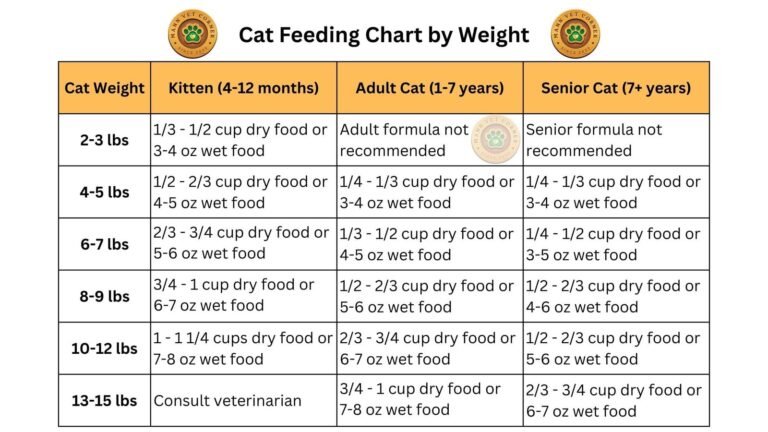
Source: mannvetcorner.com
Steady growth
Your cat has followed a consistent growth pattern without unexplained weight loss or poor development.
Healthy body shape
You can feel the ribs under a light layer of fat, and the waist is visible when viewed from above.
Suitable age
Your cat is near 12 months old, or your veterinarian has advised a different timeline.
No unresolved health problems
Your cat eats normally and has no ongoing symptoms that require a medical assessment.
How Can You Tell if Your Cat Is Getting Too Much Food?
Excess weight may be hard to spot when you see your cat every day. Check its shape from above and from the side, and gently feel along its ribs. If you cannot feel the ribs without pressing firmly or the waist has disappeared, your cat may be carrying too much fat.
Do not cut portions sharply or switch to a weight-loss diet without advice when your cat is still growing. A veterinarian can help set a safe calorie target and decide whether the current food should change. Sudden or unexplained weight gain also deserves attention.
Measure portions
Avoid repeatedly filling the bowl without tracking how much your cat eats.
Limit extra calories
Keep treats small and count them as part of the daily food allowance.
Ask for a body-condition check
Your veterinarian can assess whether weight gain reflects normal growth or excess body fat.
What Happens if an Adult Cat Keeps Eating Kitten Food?
An adult cat that eats kitten food is not automatically in danger. Many kitten foods provide complete nutrition, and some foods labeled for all life stages are intended to meet the needs of both growing and adult cats. The main concern is whether the food’s calorie content and nutrient profile suit the adult cat’s needs.
Kitten food often has more calories per serving than an adult maintenance formula. An adult cat that eats the same volume may take in more energy than it uses, which can lead to weight gain over time. This is especially worth watching in indoor cats that have limited activity.
Do not assume that every kitten food is unsuitable for every adult cat. The right choice depends on the food label, the cat’s body condition, and any medical needs. A healthy adult may tolerate kitten food, but a complete adult maintenance food is usually the more suitable routine option after growth is finished.
A calorie-dense food can contribute to weight gain if the adult cat eats too much.
Different life-stage needs
Adult cats need nutrition suited to maintenance rather than rapid growth.
Check the label
A food labeled for all life stages may be suitable for adult cats, but portions still matter.
Can Adult Cats Eat Kitten Food Temporarily?
A healthy adult cat can often eat kitten food for a short time if no better option is available, provided the food is complete and balanced for its needs. This does not mean kitten food is the best long-term choice for every adult cat.
If an adult cat needs a special diet because of kidney disease, diabetes, urinary problems, food allergies, or another condition, do not change its food without veterinary guidance. A therapeutic diet may have a specific nutrient profile that ordinary kitten food cannot provide.
Short-term use
Check the food label and return to an appropriate routine diet when practical.
Medical conditions
Ask your veterinarian before using kitten food for a cat with a prescribed diet.
Common Mistakes When Changing Kitten Food
The most common feeding mistake is changing food too quickly. A sudden change can upset digestion or make a cautious cat refuse a new flavor or texture. A gradual plan gives you time to see how your cat responds and make adjustments.
Another mistake is choosing food by age wording alone without reading the full label. A product called kitten food may have different calorie levels from another kitten formula, and a food intended for all life stages may also fit some adults. Check the nutritional adequacy statement and feeding instructions.
Avoid using food changes to solve every health or weight concern. A cat that loses weight, refuses meals, or has ongoing digestive problems may need a veterinary exam rather than another brand. Nutrition is important, but it cannot treat every underlying cause.
Source: dailypaws.com
Switching overnight
Use a gradual transition unless your veterinarian gives you a different plan.
Using the same portion for every food
Different formulas can provide different calories per cup or can, so adjust the amount using the label.
Overfeeding treats
Treats add calories and should not replace a complete diet.
Ignoring warning signs
Persistent vomiting, diarrhea, poor appetite, or unexpected weight changes need attention.
Choosing a diet without checking life stage
Make sure the food is complete and balanced for growth, adult maintenance, or all life stages as appropriate.
When Should You Call a Veterinarian?
Contact your veterinarian if your kitten is not growing as expected, regularly refuses food, or has repeated digestive problems. Young kittens have small energy reserves, so prolonged poor intake can become serious. Do not wait for a routine food transition to resolve symptoms that may have another cause.
Seek prompt veterinary care for repeated vomiting, severe or bloody diarrhea, marked weakness, trouble breathing, or signs of dehydration. If your cat has a known medical condition or takes medication, ask before changing its diet. A tailored plan is safer than guessing at a new food.
Poor growth or sudden weight loss
Arrange an assessment to check for nutrition problems and possible illness.
Refusal to eat
Contact a veterinarian promptly, especially for a young kitten or a cat that also seems unwell.
Severe digestive signs
Seek urgent care for repeated vomiting, blood in stool, weakness, or dehydration.
A Simple Feeding Plan for Your Growing Cat
A simple feeding plan makes it easier to meet your kitten’s needs without overthinking every meal. Start by checking the food’s life-stage statement, following its feeding guide, and arranging routine veterinary visits. Track your cat’s weight and body shape so you can notice a change before it becomes a larger problem.
As your kitten approaches 12 months, ask whether it is ready for adult food. If it is healthy and growing normally, choose a suitable adult formula and plan a gradual transition. If it is a large breed or has a health concern, get advice on timing and portions first.
Once the switch is complete, keep watching appetite, stool, weight, and energy. A good diet should help your cat maintain a healthy body condition and normal daily habits. If the new food causes repeated problems, speak with your veterinarian rather than repeatedly changing brands.
Source: i.pinimg.com
During early growth
Feed a complete kitten food and offer age-appropriate meals throughout the day.
As the first birthday approaches
Review growth, body condition, and the food label with your veterinarian if needed.
During the transition
Mix the old and new foods gradually over about 7 to 10 days, or longer if advised.
After the switch
Use measured portions of adult food and monitor weight, appetite, and digestion.
How to Keep the Feeding Routine Consistent
Feed your cat at regular times and use the same method to measure portions. Keep food storage clean, follow instructions for opened wet food, and wash bowls often. A steady routine makes it easier to spot changes in appetite or digestion.
If more than one cat lives in your home, feed them separately when possible. This helps prevent an adult cat from eating the kitten’s calorie-dense food and makes it easier to track each pet’s intake. Use separate feeding areas or supervised meals if one cat tends to steal food.
Measure daily portions
Use a scale or a consistent measuring tool instead of guessing.
Separate feeding areas
Help each cat get the right food and amount for its life stage.
Keep a simple record
Write down food amounts, weight changes, and any digestive signs to discuss at veterinary visits.
Frequently Asked Questions
Q
Can a 1-year-old cat still eat kitten food?
A cat that has just turned one may be ready to move to adult food. Eating kitten food briefly is not automatically harmful, but the extra calories may contribute to weight gain if portions are too large. Check the label and your cat’s body condition, then plan a gradual transition if adult food is appropriate.
Q
Is it bad to switch to adult cat food too early?
Switching too early may leave a growing kitten without the nutrient balance intended for its life stage. Most cats should stay on complete kitten food until about 12 months. If weight or health concerns make an earlier change seem necessary, ask your veterinarian to plan the diet.
Q
Can I mix kitten food with adult cat food?
Yes. Mixing the two foods is a common way to make the transition easier. Start with a small amount of adult food and increase it gradually over about 7 to 10 days, provided your cat tolerates each step. Check the calorie content so the combined portions meet your cat’s needs.
Q
Do indoor kittens need kitten food until 12 months?
Usually, yes. Indoor kittens still need nutrients for growth even if they do not run around outside. Their activity level can affect calorie needs, so measure portions and monitor body condition instead of switching to adult food early solely because the cat lives indoors.
Q
Can a pregnant or nursing cat eat kitten food?
A complete food formulated for growth or all life stages is often used for pregnant or nursing cats because their energy and nutrient needs can rise. The right food and amount depend on the cat’s condition and stage of reproduction. Ask your veterinarian for a feeding plan rather than applying the standard adult transition schedule.
Q
Should I change my cat’s food after spaying or neutering?
Spaying or neutering can change energy needs, and some cats gain weight if they continue eating the same amount. The procedure does not automatically mean a kitten should switch to adult food before it is ready. Ask your veterinarian how to adjust portions and when to change the life-stage formula.
Q
What if my cat refuses adult food?
Try a slower transition and offer the new food in a small amount mixed with the familiar food. Check whether the texture, smell, or serving temperature differs from what your cat prefers. Do not let a cat go without food for an extended period to force acceptance; contact your veterinarian if it refuses meals, especially if it is young or seems unwell.
Q
Can I feed kitten food to all the cats in my home?
It may be suitable for some adult cats in the short term, but it is not always the best routine choice because kitten food can be calorie-dense. In a home with cats of different ages, separate feeding areas can help each cat get the right food. Check each food label and seek veterinary advice if any cat has a medical diet.
✦ Wrapping Up
Conclusion
Most cats should eat kitten food until about 12 months old. This gives them the nutrients and energy they need during their main growth period. Large breeds may need growth food for longer, while cats with medical or weight concerns may need a more tailored plan.
When your cat is ready, move to a complete and balanced adult food over about 7 to 10 days. Measure portions, keep fresh water available, and watch for changes in appetite, stool, and body condition. If your cat has trouble with the switch or is not growing as expected, ask your veterinarian for guidance.
💡 Key Takeaway
Check your cat’s age and food label today. If your cat is approaching 12 months, review its weight and growth with your veterinarian, choose a suitable adult food, and plan a gradual transition rather than changing the diet overnight.
Your dog won’t stop scratching. The carpet is covered in fur. You can see red, raw patches forming. Treating skin allergies in dogs starts with figuring out…
If your dog won’t stop scratching, gets chronic ear infections, or has tummy problems that never quite clear up, you’re probably wondering how to tell if your…
How to treat grass allergies in dogs is the question every owner with an itchy, pawlicking, grassrolling dog eventually asks. The honest answer is that there…