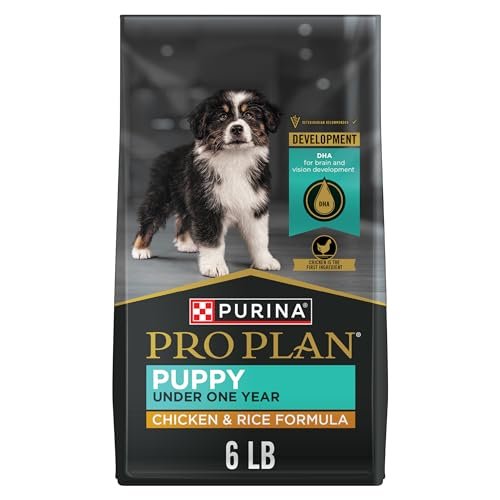
Puppy vs Adult Dog Food: Key Differences

Is Puppy Food Good?
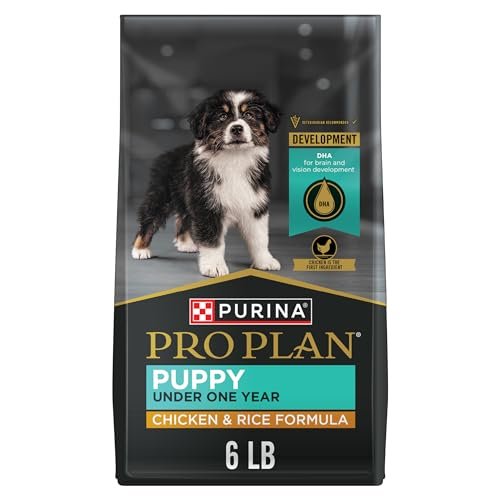
Yes, puppy food is usually the right choice for puppies that are still growing. In my puppy vs adult dog food test, puppy food made the most sense for the younger dog because growth changes the body’s needs. Puppies build bones, muscle, organs, and other tissues at a fast rate. They also tend to burn more energy than a calm adult dog.
I noticed this most during the first months of puppyhood. A young dog can go from a nap to a full-speed play session in seconds. Meals need to keep up with that pace. A complete puppy diet can provide the energy and key nutrients needed during this stage. For large and giant breeds, I would be even more careful because excess calories and poor mineral balance can affect healthy skeletal growth.
The main catch is that puppy food is not meant to be a forever diet for every dog. Once growth is complete, continuing a calorie-rich growth diet may make weight control harder. The exact switch time varies by breed and size, so I would follow the food label and ask a veterinarian when unsure.
What Makes It Stand Out / Key Features
- Growth nutritionDesigned to provide nutrients that support the development of bones, muscles, organs, and other tissues.
- Higher energy needsPuppies often need more energy per pound than mature dogs because they grow and stay active.
- Protein supportAdequate high-quality protein helps support growing muscle and other body tissues.
- Calcium and phosphorusProper levels and balance help support normal bone development, which matters greatly during growth.
- DHA and brain developmentMany puppy diets include DHA, an omega-3 fat linked with brain and eye development.
- Small and large breed choicesPuppy diets may be tailored to different growth rates, with large-breed formulas paying special attention to calorie and mineral intake.
My Recommendation
Consider puppy food when your dog is still growing. Choose a formula labeled complete and balanced for growth or all life stages. Large-breed puppies need extra care with calories and minerals.
| Best For | Why |
|---|---|
| Growing puppies | Their bodies need more support for rapid growth and development. |
| Large-breed puppies | A suitable large-breed growth formula can help support controlled development. |
| Very active young dogs | Higher energy needs can make a growth-focused diet useful. |
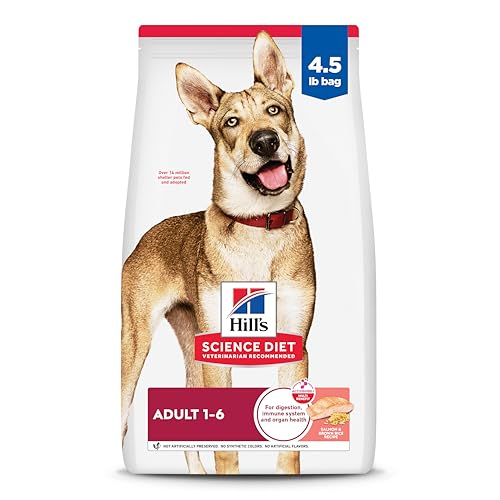
Is Adult Dog Food Good?
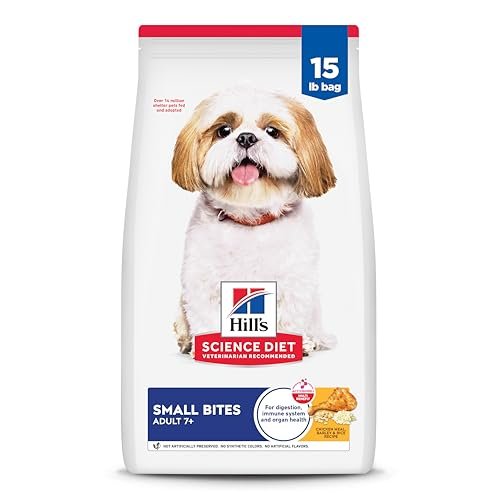
Yes, adult dog food is a strong choice for dogs that have finished growing and need a steady maintenance diet. In my puppy vs adult dog food comparison, adult food won for the mature dog because it matched his slower growth needs. The goal is no longer rapid development. The goal is to maintain a healthy body over time.
In a typical US routine, an adult dog may spend much of the day resting while getting a walk, yard time, and a few play sessions. That is very different from a puppy that seems to treat the whole house like an obstacle course. Adult maintenance food helps provide daily nutrition without the same growth-focused approach.
I also liked how easy it was to manage portions with an adult formula. That matters because extra calories can slowly add weight. Still, adult food is not one single type. Active dogs, less active dogs, overweight dogs, and dogs with medical needs may need different diets. A veterinarian can help when a special diet is needed.
What Makes It Stand Out / Key Features
- Maintenance nutritionMade to meet the daily needs of dogs that have reached physical maturity.
- Balanced caloriesAdult formulas can help provide enough energy without the growth-focused calorie level often used for puppies.
- Daily proteinAdequate protein helps mature dogs maintain muscle and other body tissues.
- Weight managementPortion control and the right calorie level can help maintain a healthy body condition.
- Long-term useA complete and balanced adult maintenance food can be used as a regular daily diet for mature dogs.
- Many formula choicesAdult foods come in options for different sizes, activity levels, and dietary needs.
My Recommendation
Consider adult food for mature dogs that have finished growing. Pick a complete and balanced formula that fits the dog’s size, activity level, body condition, and health needs.
| Best For | Why |
|---|---|
| Mature adult dogs | It is designed for daily maintenance after growth is complete. |
| Less active dogs | A suitable adult formula can make calorie control easier. |
| Dogs at a healthy weight | It can support stable daily nutrition when portions match energy needs. |
puppy vs adult dog food: Side-by-Side Test
The biggest lesson from my puppy vs adult dog food test is simple: age comes first. These foods are not rivals in the usual sense. Each one has a different job.
A puppy needs fuel for growth. An adult dog needs fuel for maintenance. Picking the right food is like choosing the right shoes. A child’s growing feet need a different fit than an adult’s feet.
Nutrition: Which Fits Growth?
The first difference in puppy vs adult dog food is the nutrient target. Puppies need a diet built around growth.
| Feature | Puppy Food | Adult Dog Food |
|---|---|---|
| Main goal | Growth and development | Maintenance and daily health |
| Energy needs | Usually higher during growth | Usually lower after growth |
| Protein needs | Supports growing tissues | Supports maintenance |
| Mineral focus | Careful support for developing bones | Maintenance levels |
⭐ Puppy Food – 10/10 | Adult Dog Food – 9/10
Puppy food has the edge for growth because that is its main job.
Calories: Which Is Easier to Manage?
Calories matter at every age, but a puppy’s fast growth can raise energy needs.
| Feature | Puppy Food | Adult Dog Food |
|---|---|---|
| Growth energy | Designed to support growth | Not designed for rapid growth |
| Weight control | Needs careful portions | Often easier for mature dogs |
| Active young dogs | Strong fit | May not meet growth needs |
⭐ Puppy Food – 9/10 | Adult Dog Food – 10/10
Adult food has the edge for mature-dog calorie control, while puppy food wins for growing bodies.
Bone Development: Which Wins?
Bone growth is a key reason the puppy vs adult dog food choice matters so much.
| Feature | Puppy Food | Adult Dog Food |
|---|---|---|
| Growing bones | Designed to support growth | Designed for maintenance |
| Large breeds | Use an appropriate large-breed growth formula | Not the first choice during rapid growth |
| Mineral balance | Important for controlled development | Meets adult maintenance needs |
⭐ Puppy Food – 10/10 | Adult Dog Food – 7/10
Puppy food clearly has the edge when a dog is still building its skeleton.
Muscle Support: Which Is Better?
Both can support muscle, but they serve different stages of a dog’s life.
| Feature | Puppy Food | Adult Dog Food |
|---|---|---|
| New muscle growth | Strong fit | Not its main goal |
| Muscle maintenance | Provides support | Strong fit |
| Active adult dogs | May provide excess growth-focused nutrition | Can be matched to activity level |
⭐ Puppy Food – 9/10 | Adult Dog Food – 9/10
It is a tie because both can support muscle at the life stage they are designed for.
Long-Term Use: Which Makes Sense?
The best long-term choice depends on whether the dog is still growing or has reached maturity.
| Feature | Puppy Food | Adult Dog Food |
|---|---|---|
| Growing puppy | Excellent fit | Usually not preferred |
| Mature dog | May provide unnecessary calories | Excellent fit |
| Daily maintenance | Growth-focused | Maintenance-focused |
⭐ Puppy Food – 8/10 | Adult Dog Food – 10/10
Adult food has the edge for long-term feeding after a dog has finished growing.
Cost: Which Is More Practical?
Price varies by brand, formula, and serving size, so the bag price alone does not tell the whole story.
| Feature | Puppy Food | Adult Dog Food |
|---|---|---|
| Typical purpose | Growth nutrition | Maintenance nutrition |
| Formula range | Many specialty options | Very broad range |
| Budget options | Widely available | Widely available |
⭐ Puppy Food – 8/10 | Adult Dog Food – 9/10
Adult food gets a small edge for value because mature dogs have many maintenance options.
Daily Feeding: Which Is Simpler?
Both can fit a simple US home routine when portions follow the label and the dog’s body condition.
| Feature | Puppy Food | Adult Dog Food |
|---|---|---|
| Meal planning | Often needs age-based changes | Usually more stable |
| Portion changes | Can change as puppy grows | Often changes with activity or weight |
| Routine | Growth-focused routine | Maintenance routine |
⭐ Puppy Food – 8/10 | Adult Dog Food – 10/10
Adult food is simpler for a stable routine, but puppies naturally need more feeding adjustments.
Final Verdict: Which Should You Buy?
In the puppy vs adult dog food matchup, there is no single winner for every dog. Puppy food wins for growing puppies because it is made for growth. Adult dog food wins for mature dogs because it is made for maintenance.
If I were feeding a young puppy today, I would choose a complete and balanced puppy formula suited to its expected adult size. If I were feeding a healthy adult dog, I would choose a complete and balanced adult maintenance food that matches its activity and body condition. The right label matters more than clever marketing.