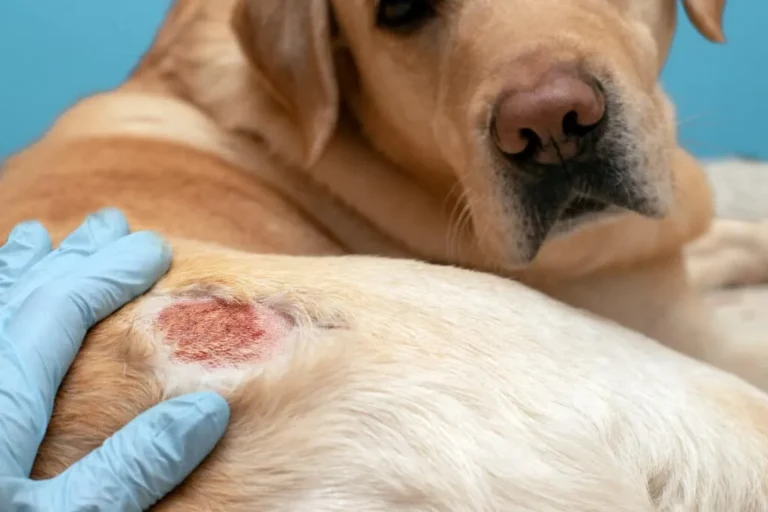
How much benadryl can i give my dog for allergies: Easy Guide
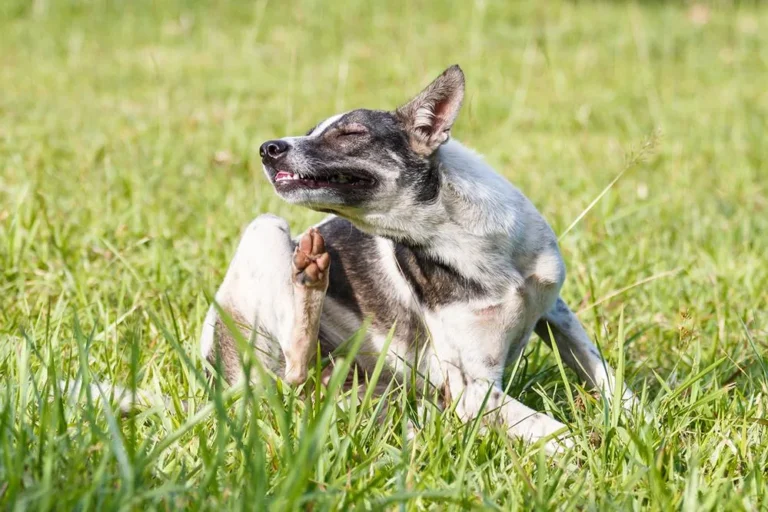
You're watching your dog scratch, lick their paws, or rub their face on the carpet, and you want a safe answer fast. The short version on how much Benadryl can i give my dog for allergies is this: most dogs take 1 mg per pound of body weight, given two to three times daily, using plain diphenhydramine only. But the dosage is the easy part.
The product you grab off the shelf matters just as much, and a wrong choice can turn a mild allergy into an emergency.
Veterinary pharmacology references put the standard dose at 1 mg per pound (2 mg per kg), and most 25 mg tablets are designed for a medium-sized dog in a single dose. That math is simple, but the list of things that can go wrong is long. Some Benadryl products contain xylitol or decongestants.
Some are time-release capsules that dose unpredictably in dogs. And a percentage of dogs have health conditions that rule out Benadryl entirely. We'll walk through every one of those landmines below, starting with what the drug actually does.
Quick Answer
The standard Benadryl dose for dogs is 1 mg per pound of body weight, given two to three times daily. Use plain diphenhydramine only, with no decongestants or xylitol. Always confirm the dose and product with your vet before giving it, especially for small dogs or dogs with health conditions.
Why This Question Deserves a Careful Answer
Search the question and you'll find a wall of conflicting charts. Some say 1 mg per pound. Others say 2 mg per kg.
A few list 25 mg per dog across the board, regardless of size. Each is partly right, partly dangerous. The dose depends on your dog's weight, the formulation you buy, and your dog's underlying health.
Getting any of those wrong has consequences that range from a sleepy afternoon to a trip to the emergency clinic.
That's why the FDA's drug labeling for diphenhydramine (the active ingredient in Benadryl) lists it for human use only, with canine dosing considered "off-label" by definition. Off-label doesn't mean unsafe, but it does mean your vet's input matters. We're going to lay out the dosing math, flag every product that should stay on the shelf, and explain when Benadryl is the wrong tool entirely.
What Benadryl Actually Does in a Dog's Body
Benadryl is the brand name for diphenhydramine, an H1 receptor antagonist that blocks histamine. Histamine is the chemical released during allergic reactions, and it's the reason your dog's skin itches, eyes water, or face swells. Block the receptor, block the symptom.
That's the whole game.
A few other things happen along the way. Diphenhydramine crosses the blood-brain barrier and acts on the central nervous system, which is why drowsiness is the most frequent side effect. It also has mild anticholinergic effects, meaning it can dry up secretions, slow gut motility, and occasionally cause urinary retention.
In healthy dogs these effects are usually minor. In dogs with glaucoma, prostate disease, or certain heart conditions, they can tip into dangerous territory.
Onset is fast, typically 30 to 60 minutes. Duration runs 8 to 12 hours, which is why most dosing schedules allow two to three administrations per day. That's a wide window.
It also means a missed dose isn't urgent, and an extra dose without checking the clock can stack uncomfortably on the last one.
Forms of Benadryl That Are Safe vs. Dangerous
Not everything on the Benadryl shelf is safe for dogs. Before you open a box, check the active ingredient panel closely. Three categories deserve your attention.
| Product Type | Safe for Dogs? | Why |
|---|---|---|
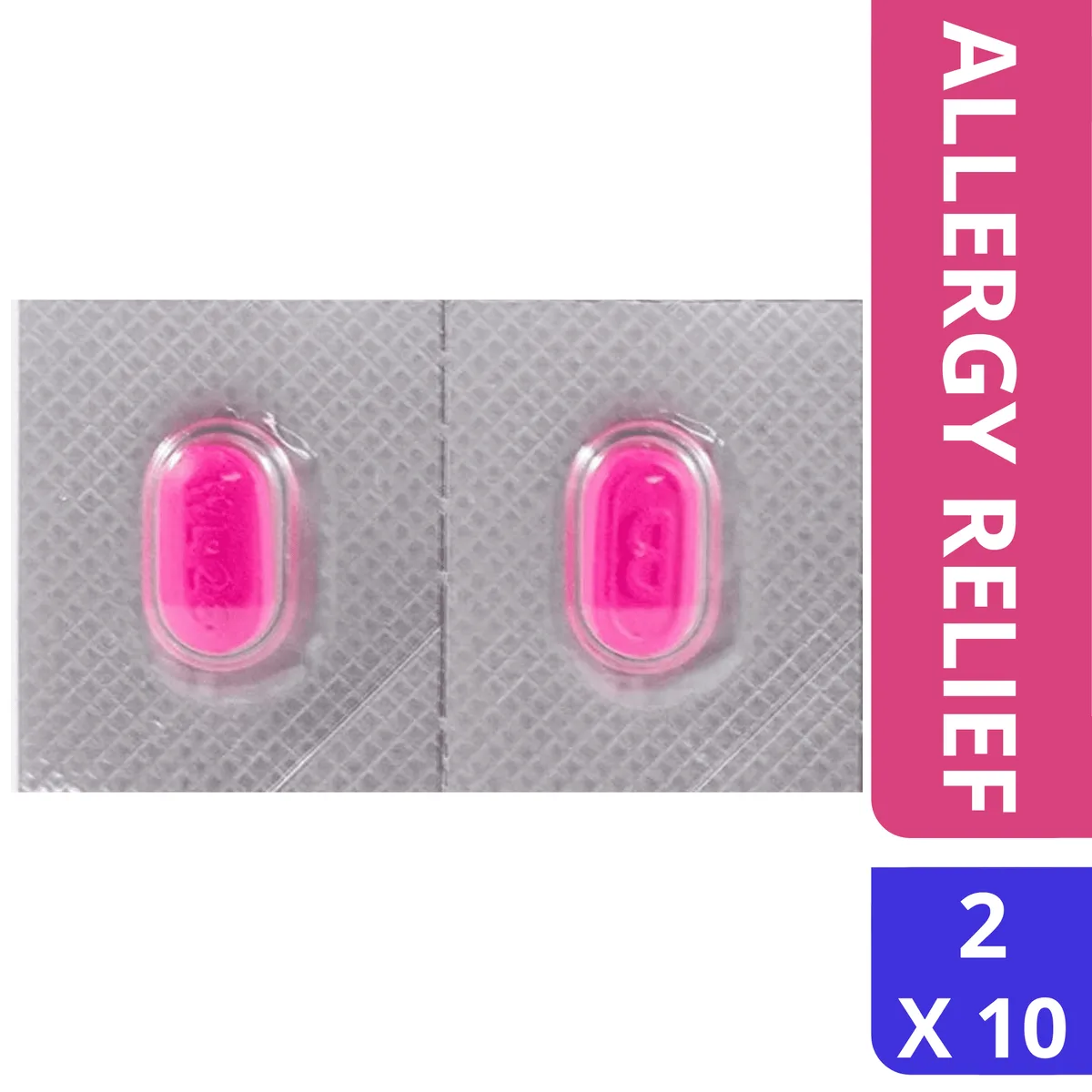
| Plain diphenhydramine tablets (25 mg or 50 mg) | Yes, with vet guidance | Contains only diphenhydramine HCl |
| Children's Benadryl liquid (diphenhydramine only) | Yes, with vet guidance | Easier to dose for small dogs, no alcohol in children's formula |
| Allergy Plus Congestion or Cold & Flu versions | No | Contains pseudoephedrine or phenylephrine, which can cause seizures |
| Time-release capsules or "12-hour" formulas | No | Releases unpredictably in dogs, risking overdose |
| Any product listing xylitol as an inactive ingredient | No | Xylitol is toxic to dogs, even in small amounts |
| Topical Benadryl creams | Avoid | Often contain diphenhydramine plus zinc or camphor that dogs lick off |
The label matters as much as the dose. Manufacturers list inactive ingredients in plain English, so check the back of the box, not just the front. If you see pseudoephedrine, phenylephrine, acetaminophen, or xylitol, put it back on the shelf and grab a different box.
The American Veterinary Medical Association reinforces this in its consumer guidance on over-the-counter medications, which warns that combination cold products are one of the most common causes of accidental canine toxicity.
Children's liquid Benadryl is often the easiest option for small dogs because you can measure partial milliliters with a syringe. Make sure it's the children's formulation, not the adult liquid, because adult versions sometimes contain alcohol as a solvent. Children's Benadryl is alcohol-free in most US formulations.
Benadryl Dose Chart by Weight (25 mg Tablets and Children's Liquid)
The math starts simple: 1 mg of diphenhydramine per pound of body weight, per dose. Most tablets come in 25 mg, so you'll be splitting pills or measuring liquid for anything under roughly 50 pounds. Here's how that plays out across the most common size brackets.
For dogs under 10 pounds, the liquid formulation is usually easier to dose accurately.
| Dog's Weight | Standard Dose (1 mg/lb) | 25 mg Tablet Equivalent | Children's Liquid (12.5 mg/5 mL) |
|---|---|---|---|
| 5 lbs | 5 mg | 1/5 of a 25 mg tablet | 2 mL |
| 10 lbs | 10 mg | Just under half a tablet | 4 mL |
| 15 lbs | 15 mg | Just over half a tablet | 6 mL |
| 25 lbs | 25 mg | One full tablet | 10 mL |
| 50 lbs | 50 mg | Two tablets | 20 mL |
| 75 lbs | 75 mg | Three tablets | 30 mL |
| 100 lbs | 100 mg | Four tablets | 40 mL |
A few important rules before you dose from it. The chart assumes a healthy adult dog with no contraindications. Puppies under 12 weeks, senior dogs with kidney or liver issues, and any dog on other sedating medications should be dosed by your vet only.
If your dog sits between weight brackets, round down rather than up. The difference between 22 mg and 25 mg rarely helps, but the difference between 25 mg and 50 mg in a small dog can matter.
Frequency sits at two to three times daily, with most dogs doing well on twice-daily dosing. Don't dose more often than every 8 hours, and don't stack doses if you missed one. If you're unsure whether it's safe to redose, call your vet or the ASPCA Animal Poison Control Center at 888-426-4435 before giving anything else.
When Benadryl Makes Sense for Allergies
Benadryl is a reasonable choice for mild, predictable allergic reactions. If your dog gets itchy every spring when pollen counts spike, Benadryl can take the edge off. The same goes for occasional hives, mild facial swelling, or post-vaccine soreness.
The Merck Veterinary Manual lists antihistamines, including diphenhydramine, as a frontline option for atopic dermatitis and seasonal allergy symptom control in dogs, which is the textbook endorsement most vets lean on.
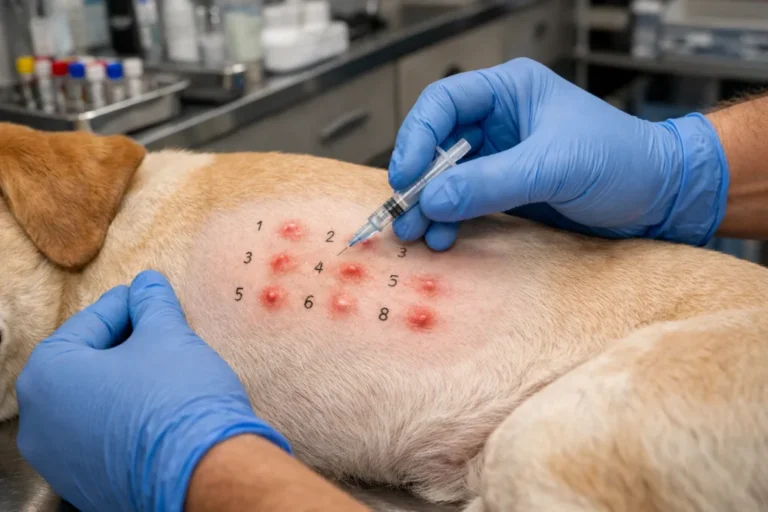
It also works as a pre-treatment for dogs with known mild vaccine reactions. If your vet has recommended it for that purpose in the past, follow their specific timing instructions rather than guessing.
Where Benadryl falls short is anything severe. Acute facial swelling that affects breathing, sudden collapse, repeated vomiting, or pale gums signals anaphylaxis. Anaphylaxis in dogs is a true emergency, and Benadryl will not buy you enough time.
Head straight to an emergency clinic if you see any of those signs.
Chronic skin conditions are another weak spot. Benadryl helps roughly 20, 30% of dogs with chronic allergies, according to aggregate reviews of veterinary dermatology outcomes. The rest either don't respond or become sedated without relief.
For long-term management, vets typically escalate to prescription options like Apoquel or Cytopoint, which target the itch pathway more directly.
Travel anxiety and motion sickness are sometimes treated with diphenhydramine off-label, but that's a separate dosing conversation. If that's what you're after, talk to your vet first. The sedation profile overlaps with the allergy use, but the timing and goals differ.
Dogs That Should Never Get Benadryl Without a Vet's Approval
A clean dose on paper doesn't mean a safe dose for every dog. Some conditions turn Benadryl from a benign antihistamine into a real risk. The list isn't long, but it's worth knowing before you dose.
Glaucoma is the first flag. Diphenhydramine's anticholinergic effects can raise intraocular pressure, which aggravates both primary and secondary glaucoma. If your dog has any history of eye pressure issues, skip Benadryl and ask your vet about alternatives.
Cardiovascular disease sits in the same category. Dogs with arrhythmias, congestive heart failure, or high blood pressure can react poorly to diphenhydramine's mild cardiovascular effects. The risk isn't dramatic at standard doses, but it's enough that vets typically prefer a different antihistamine or a non-drug approach for these patients.
Prostate disease and urinary retention are another reason to pause. Anticholinergic effects slow bladder emptying. For an older male dog with borderline urinary function, that can mean a same-day emergency catheter.
Pregnant or nursing dogs fall into a gray area. Most references recommend avoiding diphenhydramine during pregnancy because safety data is thin. If your pregnant dog has severe allergies, your vet can walk you through safer options.
Dogs already on sedating medications, including opioids, gabapentin, or certain anxiety meds, can stack their sedation dangerously when Benadryl is added. If your dog is on any chronic medication, check with your vet or pharmacist before layering in an antihistamine.
Working dogs, including service dogs, hunting dogs, and performance dogs, should usually skip Benadryl. The sedation impairs their work, even at standard doses, and the trade-off rarely makes sense.
The last group is small-breed puppies under 12 weeks. Their liver enzymes are still developing, and their small body size makes dosing errors disproportionately dangerous. Vets typically prefer to evaluate these patients directly.
Step-by-Step: How to Give Benadryl to Your Dog Safely
If your dog is a healthy adult with no contraindications, and your vet has signed off, the actual administration is straightforward. Run through these steps in order.
Step 1: Weigh your dog. Don't estimate. A bathroom scale plus the "weigh yourself, weigh yourself holding the dog, subtract" trick works at home. A vet visit or pet scale at a feed store is more accurate.
Step 2: Calculate the dose. Multiply your dog's weight in pounds by 1. That's your dose in milligrams. A 30-pound dog gets 30 mg, which is just over one 25 mg tablet.
Step 3: Pick the right product. Plain diphenhydramine tablets or children's liquid only. No decongestants, no time-release, no xylitol.
Step 4: Measure carefully. For tablets, use a pill cutter for anything under a full tablet. For liquid, use a calibrated oral syringe rather than a kitchen spoon.
Step 5: Give with food. A small treat, a spoonful of wet food, or a pill pocket reduces the chance of stomach upset and helps the medication absorb predictably.
Step 6: Watch for 30, 60 minutes. That's when the drug kicks in. You're checking for both expected effects (drowsiness, less scratching) and warning signs (vomiting, agitation, trouble breathing).
Step 7: Log the dose. Write down the time, the amount, and any reactions. If you need to call your vet or an emergency line later, that log is gold.
Step 8: Repeat only as directed. Most dogs do well on twice-daily dosing. Don't dose more often than every 8 hours. If symptoms persist, call your vet rather than escalating on your own.
That's the entire workflow. Most of it is discipline around the math and the product choice. The skill isn't giving the pill, it's making sure you're giving the right pill at the right amount in the first place.
Common Mistakes Dog Owners Make With Benadryl
We've covered the major risks, but a few smaller mistakes come up again and again in veterinary toxicology reports.
The most common is grabbing the wrong box in a hurry. Allergy & Congestion Benadryl looks nearly identical to plain Benadryl on the shelf. The packaging is similar, the brand is the same, and the front label still says "Benadryl." The back panel is where the danger hides.
If you read nothing else, read the active ingredients.
The second is dosing by age instead of weight. Puppies can outweigh seniors, and weight is the only number that matters for the math.
The third is treating Benadryl as a fix rather than a band-aid. If your dog needs Benadryl more than a few days in a row, something else is going on. Persistent itching often points to food allergies, skin infections, or atopic dermatitis that needs a different treatment.
The fourth is skipping the vet call because the dose "looks right." Charts are starting points. They're not prescriptions.
The fifth is doubling up after a missed dose. Benadryl has a long duration. If you're within four hours of the next scheduled dose, just wait.
If you're further out, give the missed dose and resume the schedule.
Side Effects and Overdose Warning Signs
Standard dosing produces a predictable side-effect profile. Drowsiness tops the list, with mild dry mouth, slight incoordination, and occasional urinary retention rounding it out. These effects typically fade as the drug wears off.
Overdose looks different. Restlessness, agitation, rapid heart rate, vomiting, dilated pupils, and high body temperature are the classic signs. Seizures are possible at high doses.
The ASPCA Animal Poison Control Center fields thousands of diphenhydramine-related calls every year, and the majority stem from combination products or accidental double-dosing rather than the plain tablets.
If you suspect your dog got too much, don't wait for symptoms to worsen. Call your vet or the ASPCA hotline at 888-426-4435. A consultation fee may apply, but the alternative is far more expensive.
Benadryl vs. Other Antihistamines for Dogs
Benadryl isn't the only option, and for some dogs it isn't even the best one. Here's how the common alternatives compare.
| Antihistamine | Active Ingredient | Dosing Note | Best For |
|---|---|---|---|
| Benadryl | Diphenhydramine | 1 mg/lb, 2–3x daily | Acute mild reactions, predictable dosing |
| Zyrtec | Cetirizine | ~1 mg per dog, 1x daily | Less sedation, once-daily convenience |
| Claritin | Loratadine | ~0.5 mg per dog, 1x daily | Mild seasonal allergies, minimal drowsiness |
| Apoquel (Rx) | Oclacitinib | Vet-prescribed only | Chronic atopic dermatitis |
| Cytopoint (Rx) | Lokivetmab injection | Vet-administered | Long-lasting itch control |
Cetirizine and loratadine are popular alternatives because they're non-sedating for most dogs and only need once-daily dosing. They're not as strong for acute swelling, but they work well for ongoing seasonal itch. Vets sometimes rotate through these options to find the best fit.
Prescription options like Apoquel and Cytopoint are a different tier. They target the itch pathway directly and often succeed where over-the-counter antihistamines fall short. They're also significantly more expensive, which is part of why many owners try Benadryl first.
Pairing Benadryl With Other Allergy Strategies
Benadryl handles the histamine side of an allergic reaction. It does nothing for the inflammatory cascade, the skin barrier, or the environmental triggers that keep firing. That's why most veterinary dermatologists recommend combining it with at least one or two non-drug strategies.
Omega-3 fatty acid supplements are the most commonly paired add-on. Fish oil and algal oil supplements shift skin lipid profiles over weeks, reducing the inflammatory response to allergens. They don't replace Benadryl, but they reduce how often you need it.
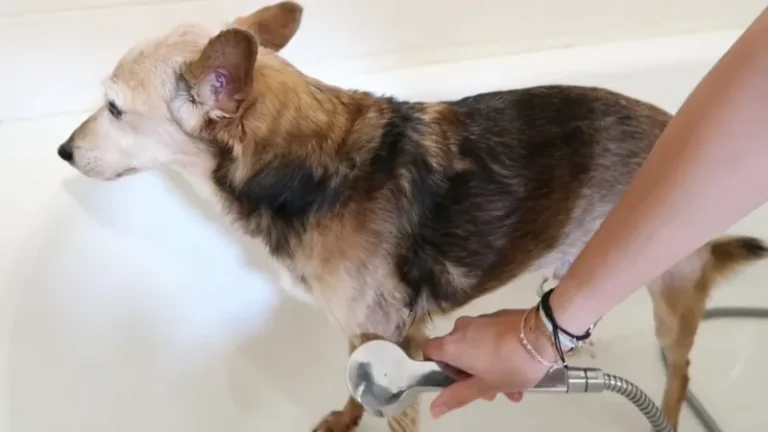
Frequent baths with a hypoallergenic or oatmeal-based shampoo physically remove pollen from the coat. For seasonal flare-ups, two to three baths per week during peak pollen counts makes a measurable difference.
A HEPA filter in the room where your dog spends the most time reduces airborne allergen load. It's a small change that often surprises owners with how much it helps.
If your dog has a diagnosed food allergy, no amount of Benadryl will substitute for a proper elimination diet. Antihistamines mask symptoms while the trigger keeps firing.
How Long Before You Should See Improvement
For an acute allergic reaction, like a bee sting or vaccine flare, improvement typically shows within the first hour. Swelling starts to come down, redness fades, and your dog settles. If there's no change after two hours at a full correct dose, something else may be happening, and a vet visit is the safer call.
For chronic seasonal allergies, the timeline is longer. Benadryl reduces itch perception but doesn't fix the underlying inflammation. Expect the first few days to look better, with continued gradual improvement over one to two weeks.
If you see no change after 14 days of consistent dosing, the medication probably isn't the right match for your dog's allergy profile.
Seasonal vs. Year-Round Allergy Patterns in Dogs
Seasonal allergies typically flare during spring and fall pollen peaks. Year-round allergies usually point to dust mites, mold, or food triggers.
Dogs with seasonal patterns often respond well to Benadryl started two to three weeks before peak pollen. Pre-emptive dosing tends to work better than reactive dosing once symptoms are full-blown.
Year-round allergy sufferers usually need a layered plan: antihistamines for daily control, prescription options like Apoquel for breakthrough itch, and environmental management for dust and mold exposure.
Tracking symptoms in a simple journal reveals the pattern. After two or three months, the timing usually makes the trigger obvious.
Storage, Expiration, and Practical Handling
Benadryl tablets are stable at room temperature for years past the printed expiration date in most cases, though potency does drift down. The liquid formulation is more sensitive to heat and light, so keep it in its original bottle away from bathroom humidity.
If your dog is on a long-term Benadryl plan, store the medication somewhere pets and kids can't reach. Canine overdoses from owners accidentally dropping a bottle are a regular call type for poison hotlines.
Dispose of expired liquid at a pharmacy take-back program rather than the trash. Dogs that get into bathroom waste bins account for a surprising share of emergency calls.
When Benadryl Is the Wrong Tool
There are specific situations where Benadryl should not be your first move, regardless of dose.
Skin infections need antibiotics, not antihistamines. If your dog has crusty patches, oozing spots, or a foul odor from the skin, Benadryl buys nothing while the infection spreads.
Hot spots are the same story. They look like an allergy flare but are a localized bacterial infection that responds to clipping, cleaning, and topical medication.
Anaphylaxis is the big one. If your dog's face is swelling rapidly, gums are pale, or breathing is labored, skip the Benadryl and head to the emergency clinic. Diphenhydramine won't reverse anaphylaxis in dogs the way epinephrine does.
Behavioral scratching from anxiety or boredom doesn't respond to Benadryl either. Treating a behavioral issue with an antihistamine delays the real fix.
Quick Reference Card for Your Fridge
Plain diphenhydramine only. 1 mg per pound. Twice daily. No decongestants, no time-release.
Vet first.
A laminated card on the fridge beats scrolling through your phone when your dog is scratching at 11 p.m. Write the dose for your dog's current weight in the corner, and update it after every vet visit.
When to Skip Benadryl and Head Straight to the Vet
Difficulty breathing, facial swelling that worsens, pale gums, or collapse. Those signs mean anaphylaxis, and Benadryl won't reverse it.
Vomiting that won't stop, hives covering most of the body, or sudden lethargy also warrant an emergency call. Home dosing isn't worth the risk once symptoms escalate.
Talking to Your Vet About Long-Term Allergy Plans
Bring a log of symptoms, triggers, and Benadryl response. That's the fastest path to a prescription plan that actually fits.
Ask about Apoquel and Cytopoint if over-the-counter options aren't enough. Both have strong track records in canine dermatology and may be more cost-effective than years of daily Benadryl.
Mention any other medications or supplements during the conversation. Drug interactions get missed when the full list isn't on the table.
Final Checklist Before You Dose
Before you open that blister pack, run through this list once. It takes thirty seconds and can save an emergency trip.
- Plain diphenhydramine, no decongestants or xylitol.
- Correct weight measured, not guessed.
- Dose calculated at 1 mg per pound.
- No history of glaucoma, heart disease, or urinary issues.
- No other sedating medications in the mix.
- Vet has signed off, or your dog is a healthy adult with a known mild allergy history.
If you can check every box, you're dosing responsibly. If even one box gives you pause, that's the call to make first.
Frequently Asked Questions
Can I give my dog Benadryl every day for allergies?
Yes, many dogs take Benadryl daily during peak allergy season under veterinary guidance. Long-term daily use is generally considered safe at standard doses, but your vet should still sign off, especially if your dog has any chronic conditions.
How long does it take for Benadryl to work in dogs?
Most dogs show effects within 30 to 60 minutes. Full antihistamine action peaks around the two-hour mark and lasts 8 to 12 hours. If you don't see any change after two hours, the dose may be too low for your dog's weight.
Can I use Benadryl cream on my dog?
Topical Benadryl creams aren't recommended. Most contain additional ingredients like zinc acetate or camphor that dogs lick off, leading to stomach upset or worse. Stick to oral diphenhydramine if your vet approves.
What happens if I give my dog too much Benadryl?
Overdose signs include agitation, vomiting, rapid heart rate, dilated pupils, and high body temperature. Seizures are possible at very high doses. Call your vet or the ASPCA Animal Poison Control Center at 888-426-4435 right away if you suspect an overdose.
Is Benadryl safe for puppies?
Puppies over 12 weeks can typically take Benadryl at adjusted doses, but you should always check with your vet first. Puppies under 12 weeks should be evaluated directly, since their liver and kidneys are still developing.
Can Benadryl help with my dog's anxiety?
Some vets prescribe diphenhydramine off-label for mild situational anxiety, but it's not a first-line treatment. For travel anxiety, separation anxiety, or noise phobias, your vet can recommend more targeted options.
The Bottom Line: Talk to Your Vet First
The math behind how much Benadryl you can give your dog for allergies is straightforward: 1 mg per pound, plain diphenhydramine only, two to three times daily. The harder part is everything around the math. Choosing the right product, recognizing contraindications, and knowing when an allergic reaction has crossed into an emergency.
None of that is something a chart alone can answer.
If your dog has mild seasonal allergies and is otherwise healthy, a quick call to your vet can clear the plan in under five minutes. If your dog is small, senior, on other medications, or showing anything beyond mild symptoms, skip the chart and book the appointment. That's the line between responsible home care and a problem you didn't need to create.