
How common is chicken allergy in dogs: Best guide
How common is chicken allergy in dogs? It's rarer than most owners think. True food allergies affect only about 1, 2% of the canine population overall.
While chicken does show up on the allergen list, it's not the runaway leader many blogs claim.
The confusion comes from two things. First, true chicken allergy often gets lumped with general food sensitivity, which inflates the numbers. Second, chicken is one of the most used proteins in commercial dog food, so it naturally appears more often in diagnostic workups.
Veterinary research from institutions like the American College of Veterinary Dermatology confirms that adverse food reactions are real but statistically uncommon. As of 2026, published veterinary dermatology data still places true chicken-specific allergy in the lower tier of diagnosed cases. Let's break down what the science actually says, and what it means for your dog.
Quick Answer
Chicken allergy affects roughly 1, 2% of dogs with diagnosed food allergies. Chicken ranks among the top five reported allergens, but true allergy remains uncommon. Most dogs tolerate chicken without issue.
Actual diagnosis requires a strict 8, 12 week elimination diet trial under veterinary guidance. Symptoms often mimic environmental allergies, which leads to frequent misdiagnosis.
How Common Is Chicken Allergy in Dogs, Really?
Let's put some honest numbers on the table. Peer-reviewed veterinary literature consistently reports that true adverse food reactions affect about 1, 2% of all dogs. That's your baseline.
Within that small group, the most commonly cited culprit proteins are beef, dairy, and wheat, with chicken, lamb, and egg close behind.
Here's the catch. Chicken shows up so often in diagnostic lists partly because it's everywhere in commercial dog food. When a vet runs an elimination trial, chicken is one of the first proteins removed, so it gets flagged more frequently.
That doesn't mean dogs are biologically more prone to reacting to it. It means we're testing for it more often.
Veterinary immunology research, including work published through Tufts Cummings School of Veterinary Medicine, points out that breed, geography, and diet history play bigger roles than any single ingredient. The 1, 2% figure holds steady across most studies, which is reassuring. Chicken allergy is real, but your dog is overwhelmingly more likely to be reacting to pollen, flea bites, or simple food intolerance than to the chicken in his bowl.
What a True Chicken Allergy Actually Looks Like in Dogs
A genuine chicken allergy is an immune system overreaction. The dog's body produces IgE antibodies against certain chicken proteins. Those antibodies trigger inflammation, usually in the skin or gut.
That's what separates a true allergy from a food intolerance, which is a digestive issue without the immune response.
The symptoms are frustratingly vague, which is why chicken allergy gets missed so often. Watch for these key signs:
- Chronic itching around the paws, ears, armpits, or groin
- Recurring ear infections that won't clear up
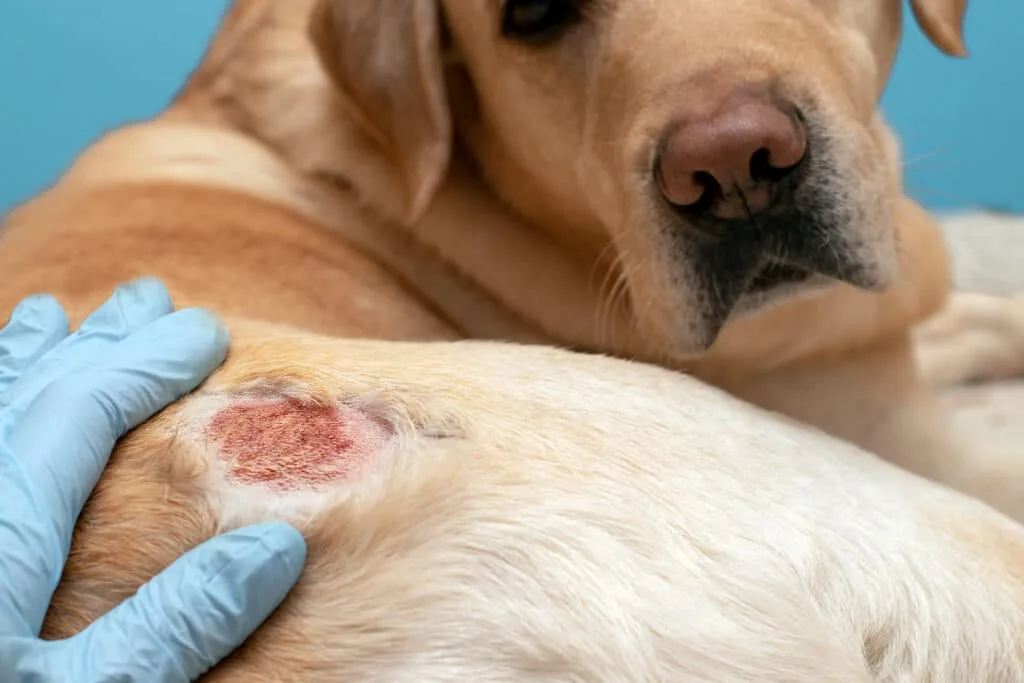
- Red, inflamed skin or hot spots
- Chronic diarrhea, loose stools, or unusually foul gas
- Vomiting shortly after meals
- Skin that smells yeasty even after a bath
Most allergic dogs show skin symptoms first. About 60, 80% of dogs with food allergies present with skin signs, while 20, 30% show only gastrointestinal issues. If your dog has been treated for "yeast infections" three times in six months with no lasting improvement, that's a red flag.
Age of onset is usually under one year, but adult dogs can develop chicken allergy at any point.
How Vets Define Chicken Allergy vs. Chicken Intolerance
This distinction matters more than you'd think, because the treatment path is completely different.
True Chicken Allergy (Immunologic)
The dog's immune system identifies chicken protein as a threat. IgE or non-IgE mediated pathways trigger inflammation. Symptoms can show up within hours or days.
Even a tiny exposure can cause a flare. This diagnosis requires strict lifelong avoidance.
Chicken Intolerance (Non-Immunologic)
The digestive system simply can't handle chicken well. There is no antibody response. Symptoms are usually limited to GI upset, gas, or loose stools.
Dose often matters. A small bite might be fine, but a full meal causes problems. Intolerance is uncomfortable but not dangerous in the immune sense.
Why This Matters
Owners often report their dog is "allergic to chicken" after one bad meal. That might actually be an intolerance, food poisoning, or a dog who ate something rancid from the trash. Veterinary dermatologists will tell you the only way to confirm a true allergy is through a controlled elimination and challenge protocol.
Guessing based on one episode leads to unnecessary diet restrictions and nutritional gaps. If your dog gets a single upset stomach after stealing chicken from the counter, that's not an allergy diagnosis.
Where Chicken Ranks Among the Top Dog Food Allergens
Chicken sits somewhere in the middle of the pack, not at the top. Here's how it typically stacks up in published veterinary dermatology case reviews:
| Allergen | Approximate Reported Frequency |
|---|---|
| Beef | 30–40% of diagnosed cases |
| Dairy | 15–25% |
| Wheat | 10–15% |
| Chicken | 8–15% |
| Lamb | 5–10% |
| Egg | 5–10% |
| Soy | 3–8% |
These numbers shift slightly between studies, but the pattern is consistent. Chicken shows up, but beef and dairy dominate. Chicken gets outsized attention online because of market share.
It's one of the most common proteins in kibble and canned food, so it's the one most often removed during an elimination trial. That creates a selection bias in reported data.
If your dog is genuinely reacting to food, beef is statistically more likely to be the culprit. Chicken remains worth investigating, but don't assume it's the top suspect just because the internet says so.
Which Dogs Are More Likely to Develop a Chicken Allergy
No breed is immune, and no breed is guaranteed to develop one. Still, veterinary dermatology data shows some patterns worth knowing.
Age and Onset Patterns
Most food allergies in dogs show up before age one, but chicken allergy can appear at any life stage. Dogs who've eaten the same protein for years sometimes suddenly become reactive. Researchers think repeated exposure sensitizes the immune system over time.
Breed Considerations
Certain breeds appear overrepresented in food allergy case studies:
- Cocker Spaniels
- Labrador Retrievers
- Golden Retrievers
- German Shepherds
- Shar-Peis
- Boxers
- French Bulldogs
These breeds also tend toward other allergic conditions, so the chicken link may be partly coincidental. What matters more is whether the dog has a personal or family history of atopy.
Diet History Matters
Dogs fed a single protein source for years, especially chicken-based kibble, have higher reported rates of developing an allergy to that protein. Variety early in life appears mildly protective. A dog who's eaten nothing but chicken kibble for eight years is a more plausible chicken allergy case than one who rotates proteins monthly.
Symptoms That Point Toward Chicken (Not Just Any Allergy)
Pinpointing chicken as the specific trigger requires careful detective work. The symptoms of food allergy in dogs are nearly identical regardless of which protein is causing them.
Skin Clues
Pruritus, which is the medical term for itchiness, is the most common sign. Look for:
- Licking or chewing the paws, especially between the toes
- Scratching at the ears or shaking the head
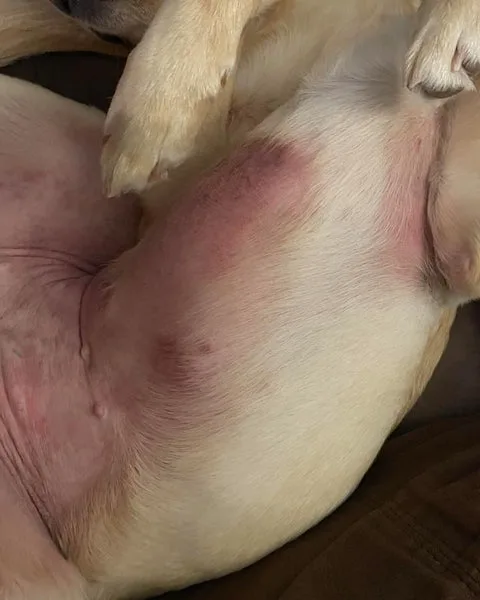
- Red, inflamed belly skin or inner thigh skin
- Recurring bacterial or yeast skin infections
- Hair loss along the flanks or tail base
These signs are often seasonal, which fools people into blaming pollen. But true food allergy symptoms don't follow weather patterns. If your dog's "allergies" don't improve with the season, food is worth considering.
Digestive Clues
About 20, 30% of food-allergic dogs show gut symptoms without skin involvement. Watch for loose stools or diarrhea recurring weekly, excess gas that smells unusually foul, vomiting shortly after meals, increased stool volume or mucus in stool, and poor weight gain in younger dogs.
Timing Clues
Food allergy symptoms typically appear within hours to a few days after eating the trigger. Compare that to environmental allergies, which fluctuate with pollen counts and indoor exposures. If your dog flares predictably after meals, food is the more likely suspect.
Why Chicken Allergy Gets Missed or Misdiagnosed
Misdiagnosis is the norm, not the exception. Here are the most common reasons chicken allergy slips through the cracks.
Symptom Overlap
Itchy skin and ear infections are hallmarks of both food and environmental allergies. Vets often treat for atopic dermatitis first and only consider food if symptoms don't respond. This delays the correct diagnosis by months.
Reliance on Blood Tests
Many owners ask for a "food allergy blood test." Current veterinary consensus is that serum IgE tests for food allergies are unreliable in dogs. They produce false positives and false negatives at high rates. The elimination diet remains the only trustworthy diagnostic tool.
Short Elimination Trials
Some owners try a two-week food switch, see no improvement, and conclude chicken isn't the issue. Skin symptoms can take 8, 12 weeks to fully resolve. Short trials miss slow responders.
Hidden Chicken in Foods
Chicken meal, chicken fat, chicken broth, and egg show up in foods labeled as "beef" or "fish." Cross-contamination during manufacturing is also common. A dog who "failed" an elimination trial may have actually been getting trace chicken the whole time.
Treating Infections Without Finding the Cause
Repeated ear infections treated with antibiotics return because the underlying allergy is never addressed. If your dog has had three or more ear infections in a year, food allergy should be on the differential list.
The Elimination Diet Trial: The Gold Standard for Diagnosis
There's no shortcut here. The elimination diet trial is the only reliable way to confirm chicken allergy in dogs.
Step 1: Choose a Novel or Hydrolyzed Protein
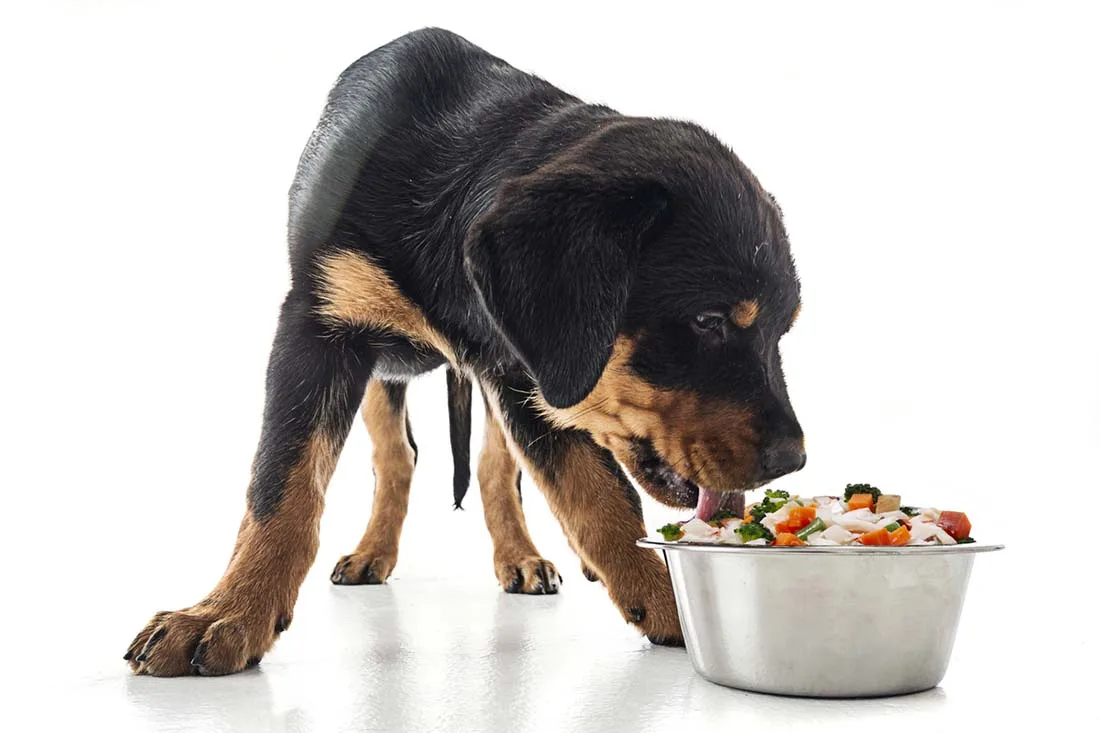
Your dog needs to eat a protein they've never encountered before, or one broken down so small the immune system can't recognize it. Common options include novel proteins (venison, rabbit, kangaroo, duck, alligator) and hydrolyzed proteins (prescription diets where the protein is enzymatically broken into pieces too small to trigger an immune response).
Hydrolyzed diets are prescription-only and available through your vet. Home-cooked elimination diets should be nutritionally balanced by a veterinary nutritionist.
Step 2: Feed Nothing Else for 8–12 Weeks
This is where most trials fail. Your dog gets only the new food and water. No treats.
No table scraps. No flavored medications if avoidable. Every bite matters, because a single chicken-flavored treat can reset the whole trial.
Step 3: Watch for Symptom Improvement
Skin symptoms often start improving by week 4. Full resolution usually takes 8, 12 weeks. GI symptoms can improve faster, sometimes within 1, 2 weeks.
If your dog is still itchy at week 6, that doesn't mean the trial failed. Give it the full 12 weeks.
Step 4: The Challenge Phase
Once symptoms resolve, reintroduce chicken deliberately. Feed a small amount of plain cooked chicken as a "challenge." If symptoms return within days to two weeks, you've confirmed chicken allergy. If nothing changes, chicken wasn't the culprit.
| Trial Phase | Duration | Goal |
|---|---|---|
| Elimination | 8–12 weeks | Resolve all allergy symptoms |
| Challenge | 1–2 weeks | Confirm chicken as the trigger by symptom return |
| Maintenance | Lifelong | Avoid confirmed allergens |
This process is tedious. It's also the only method veterinary dermatologists actually trust. Shortcuts like saliva tests, hair analysis, or "energy" testing don't hold up under scientific scrutiny.
Common Mistakes Owners Make Around Chicken Allergy
Even well-meaning owners sabotage their own diagnostic efforts.
Treating Symptoms Without Testing
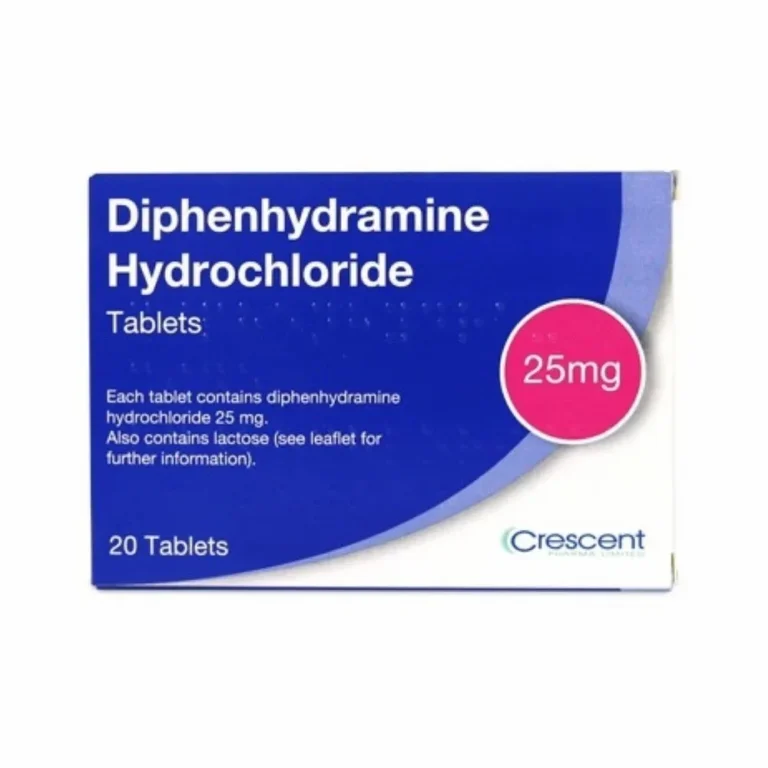
Reaching for Benadryl or Apoquel calms the itch but masks the cause. Vets typically recommend staying off itch suppressants during trials when possible.
Sneaking Treats "Just This Once"
A single chicken-flavored training treat during an elimination trial can keep symptoms alive for weeks. Strict means strict. Read every label, including chewable heartworm preventives and pill pockets.
Stopping the Trial Too Early
Owners often abandon elimination diets at week 3 or 4 when they don't see fast results. Skin turnover takes time.
Trusting Boutique or Raw Diets Blindly
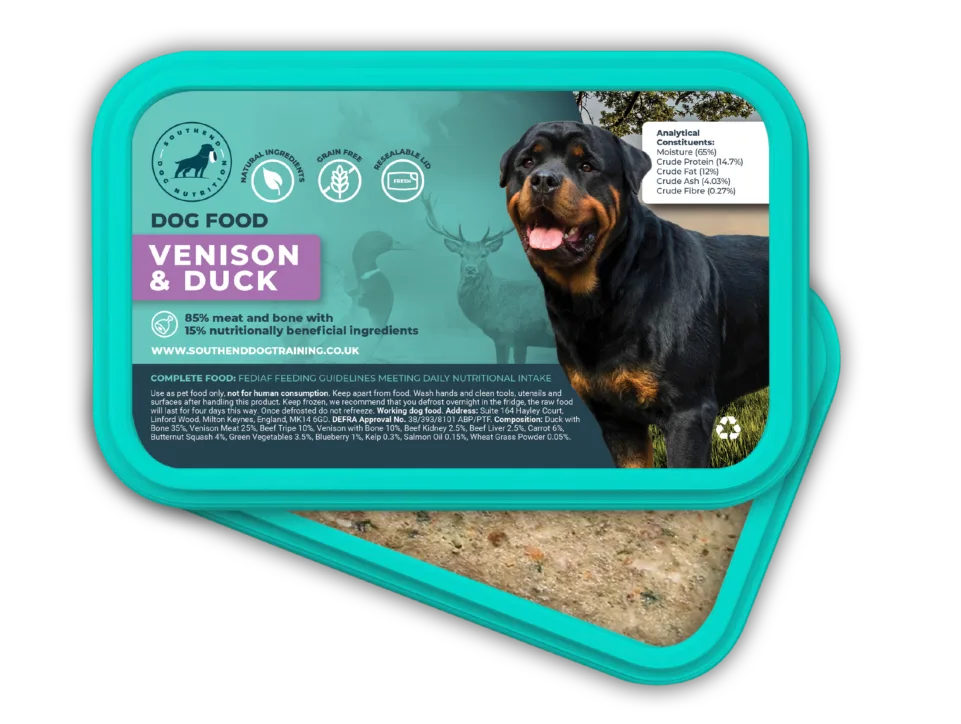
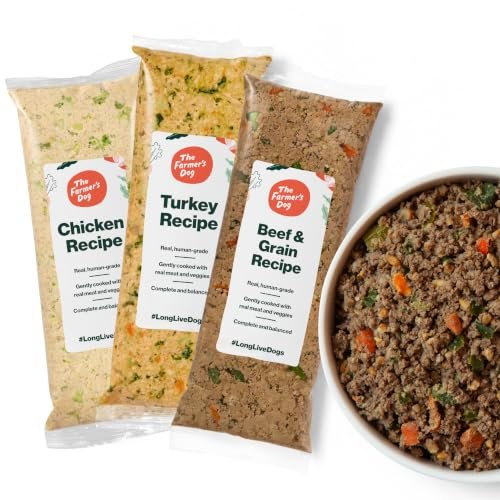
A food marketed as "natural," "holistic," or "raw" isn't automatically safe during an elimination trial. Some contain multiple protein sources, making it impossible to know which one your dog is reacting to.
Skipping the Challenge Phase
If symptoms improve and you stop there, you've only confirmed a food allergy, not specifically a chicken allergy.
What to Feed a Dog With a Confirmed Chicken Allergy
Once chicken is confirmed, lifelong avoidance is the standard approach.
Read Labels Carefully
Chicken hides under many names. Watch for chicken, chicken meal, chicken fat, chicken broth, poultry by-product, egg, and "natural flavoring." Look for AAFCO statements on the package. The AAFCO Official Publication sets nutritional adequacy standards for complete and balanced pet foods in the US.
Choose a Single-Protein Diet
Limited-ingredient diets (LIDs) simplify label reading. One protein source, one carb source, and a short ingredient list reduce hidden chicken risk. Many commercial LID options use salmon, lamb, or duck as the primary protein.
Consider Prescription Hydrolyzed Diets Long-Term
Some dogs with severe allergies do best on prescription hydrolyzed protein diets indefinitely. These break proteins into molecules the immune system can't recognize.
Add Safe Toppers and Treats
Training treats, freeze-dried single-protein snacks, and homemade toppers made from approved proteins keep life interesting. Always verify the protein source matches your dog's safe list.
Protein Alternatives Compared for Sensitive Dogs
Not all alternative proteins work equally well for chicken-allergic dogs.
| Protein | Pros | Cons |
|---|---|---|
| Duck | Easily available, palatable | Closely related to chicken, some cross-reactivity |
| Turkey | Widely available, affordable | Same cross-reactivity risk as duck |
| Venison | Novel for most dogs, low cross-reactivity | More expensive, harder to find |
| Rabbit | True novel protein, well tolerated | Limited commercial availability |
| Salmon | Omega-3 benefit for skin | Can itself become an allergen over time |
| Hydrolyzed soy | Prescription only, hypoallergenic | Not ideal long-term for some dogs |
Cross-reactivity matters here. Dogs allergic to chicken sometimes react to other poultry like duck or turkey because the proteins are structurally similar. Truly novel proteins like venison, rabbit, or kangaroo carry lower cross-reactivity risk.
When to See a Vet vs. When You Can Manage at Home
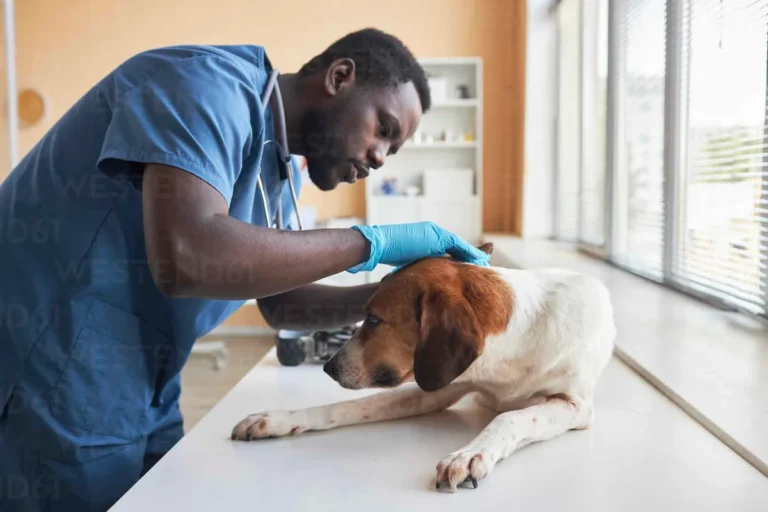
Chicken allergy diagnosis and management almost always requires a vet.
See a Vet Promptly If Your Dog Has:
- Facial swelling or hives
- Difficulty breathing
- Repeated vomiting
- Severe or widespread skin infection
- Chronic diarrhea lasting more than 48 hours
These can signal anaphylaxis or secondary infections that need immediate care.
Schedule a Non-Urgent Vet Visit If:
- Your dog has recurring ear infections
- Itching hasn't improved with seasonal changes
- You suspect food allergy based on symptom patterns
- You've started an elimination trial and want guidance
Home Management Is Reasonable For:
- Maintaining an already-confirmed avoidance diet
- Choosing safe commercial foods using label reading
- Logging symptoms to share with your vet
Self-diagnosing and self-treating food allergies without veterinary input is risky. Elimination diets done wrong lead to nutritional deficiencies and prolonged suffering. Partnering with your vet, or a veterinary dermatologist for tough cases, gives you the best shot at a clear answer.
Safety Notes: What Not to Do During an Elimination Trial
A few hard rules keep your trial valid and your dog safe.
Don't Use Flavored Medications or Supplements
Many chewable medications contain chicken or poultry flavoring. Switch to non-flavored versions during the trial.
Don't Feed Dental Chews or Edible Toys
Greenies, rawhides, bully sticks, and similar products often contain chicken. Check every package.
Don't Assume "Grain-Free" Means Chicken-Free
Grain-free diets often contain chicken as the primary protein. The label tells you what's missing, not what's included.
Don't Add New Proteins Mid-Trial
Stick to one novel protein for the entire 8, 12 weeks. Switching mid-trial resets your data.
Don't Ignore Nutritional Balance
Home-cooked elimination diets need veterinary nutritionist input to meet FDA Center for Veterinary Medicine nutritional guidelines. A balanced trial diet is critical for adult dogs and absolutely essential for puppies.
Frequently Asked Questions
Can a dog suddenly develop a chicken allergy later in life?
Yes. Dogs can develop chicken allergy at any age, even after years of eating the same food. Repeated exposure can sensitize the immune system over time, leading to sudden onset symptoms.
Is chicken meal more allergenic than whole chicken?
No strong evidence shows chicken meal causes more allergic reactions than whole chicken. Processing changes protein structure slightly, but the allergenic potential remains similar. What matters more is whether the immune system has become sensitized to chicken proteins in any form.
Are certain dog breeds more prone to chicken allergy?
Cocker Spaniels, Labrador Retrievers, German Shepherds, Shar-Peis, and Boxers appear more frequently in food allergy case studies. No breed is immune, and breed alone doesn't predict chicken allergy.
Can dogs outgrow a chicken allergy?
True food allergies rarely resolve spontaneously. Most dogs diagnosed with chicken allergy need lifelong avoidance. Some puppies with early-onset food sensitivities may tolerate previously offending proteins later, but this is uncommon and should only be tested under veterinary supervision.
How long does it take for chicken allergy symptoms to clear after switching food?
Skin symptoms typically improve within 4 to 8 weeks of strict avoidance. Full resolution can take up to 12 weeks. Gastrointestinal symptoms often improve faster, sometimes within 1 to 2 weeks of dietary change.
Should I try a raw or home-cooked diet if my dog has chicken allergy?
Raw and home-cooked diets can work for chicken-allergic dogs, but only if carefully formulated. Home-cooked elimination diets must be nutritionally balanced by a veterinary nutritionist. Raw diets carry additional food safety risks, so discuss options with your vet before committing.

3 Comments