How much is allergy medicine for dogs: Easy guide
How much is allergy medicine for dogs? The honest range runs from about $5 for a bottle of generic cetirizine at your local pharmacy to $150 or more per month for prescription drugs like Apoquel or Cytopoint, and that's before the vet exam that often comes with it.
The real number depends on three things: whether your dog needs an OTC antihistamine or a prescription, your dog's weight (which drives the dose), and whether there's an underlying skin infection that needs treating too. Manufacturer prescribing information and FDA labeling for Apoquel and Cytopoint place monthly costs between roughly $60 and $200 for most dogs, while a 30-tablet pack of generic loratadine or cetirizine runs $4 to $15 at most US pharmacies as of 2026.

Quick Answer
Allergy medicine for dogs costs $5 to $200 per month. Generic OTC antihistamines cost $4 to $15. Apoquel costs $60 to $150 monthly.
Cytopoint injections cost $50 to $200 every 4 to 8 weeks. Vet exam fees add $50 to $250. Prescription options work better for true atopic dermatitis.
Why Knowing the Real Cost of Dog Allergy Medicine Matters
Owners often budget for the medication and forget the vet visit, the follow-up, and the skin infection that shows up six weeks later. That's where the bill doubles.
There's also a safety layer most people miss. Some human allergy medicines are fine for dogs at the right dose, and others can kill them. Combination cold medicines with pseudoephedrine or xylitol-sweetened liquids are the usual culprits.
Knowing the price is only useful if you also know what's safe to actually buy.
Finally, "allergy medicine" is a fuzzy category. A dog with seasonal pollen itch and a dog with a chronic flea allergy need completely different treatments, and the costs don't overlap. Getting the diagnosis right is what keeps you from spending $200 on the wrong drug.
What Counts as "Allergy Medicine" for Dogs (And What Doesn't Work)
Dog allergy treatment falls into four real buckets, and confusing them is the fastest way to waste money.
Antihistamines. These are the diphenhydramine (Benadryl), cetirizine (Zyrtec), and loratadine (Claritin) you'll see on drugstore shelves. They block histamine, which is one piece of the itch puzzle. In peer-reviewed dermatology research, antihistamines alone help only about 10 to 30% of dogs with true atopic dermatitis.
They're cheap and worth a try for mild seasonal symptoms, but they rarely solve the problem on their own.
Prescription anti-itch drugs. Apoquel (oclacitinib) and Cytopoint (lokivetmab) are FDA-approved specifically for canine allergic itch. Apoquel is a daily pill that works within hours. Cytopoint is an injection your vet gives every 4 to 8 weeks.
These are the workhorses of modern veterinary dermatology.
Immunosuppressants. Atopica (cyclosporine) is reserved for severe or unresponsive cases. It works but requires bloodwork monitoring, and the cost adds up fast.
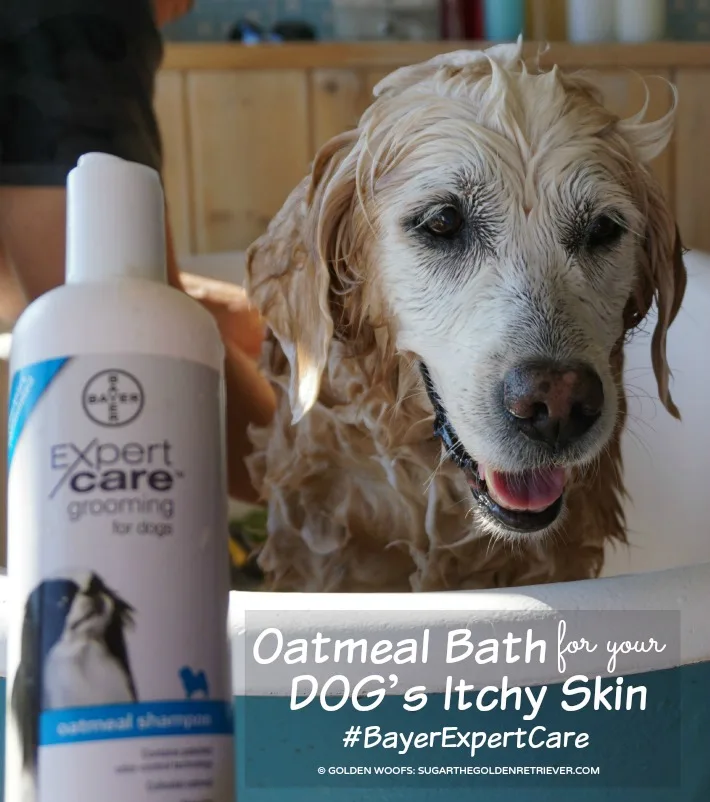
Adjuncts. Medicated shampoos, omega-3 fatty acid supplements, and immunotherapy (allergy shots) don't replace the drugs above but reduce the dose your dog needs. A good oatmeal shampoo and a quality fish oil can shave real dollars off a long-term treatment plan.
If you've been giving Benadryl and your dog is still chewing his paws raw, the antihistamine isn't the problem. The diagnosis is.
Common Allergy Types in Dogs and How They Change Treatment Cost
Not all dog allergies cost the same to manage, because not all dog allergies respond to the same drugs.
| Allergy Type | Common Signs | First-Line Treatment | Typical Monthly Cost |
|---|---|---|---|
| Flea allergy dermatitis (FAD) | Intense scratching at the tail base, hot spots | Strict flea control (all pets in the home) | $15 to $60 for preventatives |
| Environmental / atopic dermatitis | Paw licking, ear infections, face rubbing | Apoquel or Cytopoint | $60 to $200 |
| Food allergy | Chronic ear issues, GI signs, skin problems | Prescription elimination diet | $50 to $150 for hypoallergenic food |
| Seasonal pollen allergy | Spring/fall flare, mild itching | OTC antihistamines, Apoquel as needed | $5 to $100 |
Flea allergy is the cheapest to fix once you commit to year-round flea prevention. Environmental allergies are the most expensive long-term because Apoquel or Cytopoint becomes a recurring line item.
A vet diagnosis matters here. Skin allergy testing (either intradermal or blood serum) runs $200 to $400 but tells you exactly what your dog reacts to. For severe cases, that test pays for itself in targeted treatment.
OTC Antihistamines: Diphenhydramine, Cetirizine, and Loratadine
OTC options are where most owners start, and they have a clear ranking by usefulness and safety.
Cetirizine (Zyrtec). Most veterinary dermatologists reach for this one first. It causes less sedation than Benadryl and comes in a once-daily dose. Generic 10 mg tablets cost about $4 to $10 for a 30-count bottle at Costco, Walmart, or Amazon Pharmacy.
The typical canine dose is roughly 0.5 mg per pound once daily, so a 40-pound dog gets one 20 mg tablet (you'll need to split or use a different strength).
Loratadine (Claritin). Another solid pick with minimal sedation. Same price range as cetirizine. Dose is about 0.2 mg per pound once daily.
Watch out for Claritin-D, which contains pseudoephedrine and is toxic to dogs. Only use plain loratadine.
Diphenhydramine (Benadryl). The old standby. It works, but the sedation side effect hits harder, especially in larger breeds. Generic 25 mg tablets cost $5 to $15 per 100-count bottle.
The standard veterinary dose is 1 mg per pound, two to three times daily.
Fexofenadine (Allegra). Worth knowing about but harder to dose because tablets often come in 180 mg or 240 mg strengths, which doesn't split cleanly for dogs. Less commonly recommended.
A critical safety note: never use combination cold and flu products, "PM" formulas, or any liquid containing xylitol. Plain tablets only, and always confirm the dose with your vet based on your dog's current weight. The FDA Center for Veterinary Medicine maintains a searchable database of approved animal drugs and can confirm what's safe for dogs.
Prescription Allergy Drugs: Apoquel, Cytopoint, and Atopica
When OTC options don't cut it, prescription drugs are where most dogs with chronic allergies end up.
Apoquel (oclacitinib)
Apoquel is a daily tablet that starts working within 4 hours and controls itch for most dogs throughout the day. Per Zoetis prescribing information, Apoquel is approved for dogs older than 12 months and works for both short-term flares and long-term management.
Cost breakdown:
- 5.4 mg tablets (for dogs 6.6 to 14 lbs): about $2.50 to $3.50 each
- 16 mg tablets (for dogs 30 to 44 lbs): about $3.00 to $4.00 each
- A 40-pound dog typically needs one 16 mg tablet daily, or about $90 to $120 per month
Generic oclacitinib has been entering the US market and runs 30 to 50% cheaper than brand name at many pharmacies. Ask your vet if the generic is available in your dog's strength.
Cytopoint (lokivetmab)
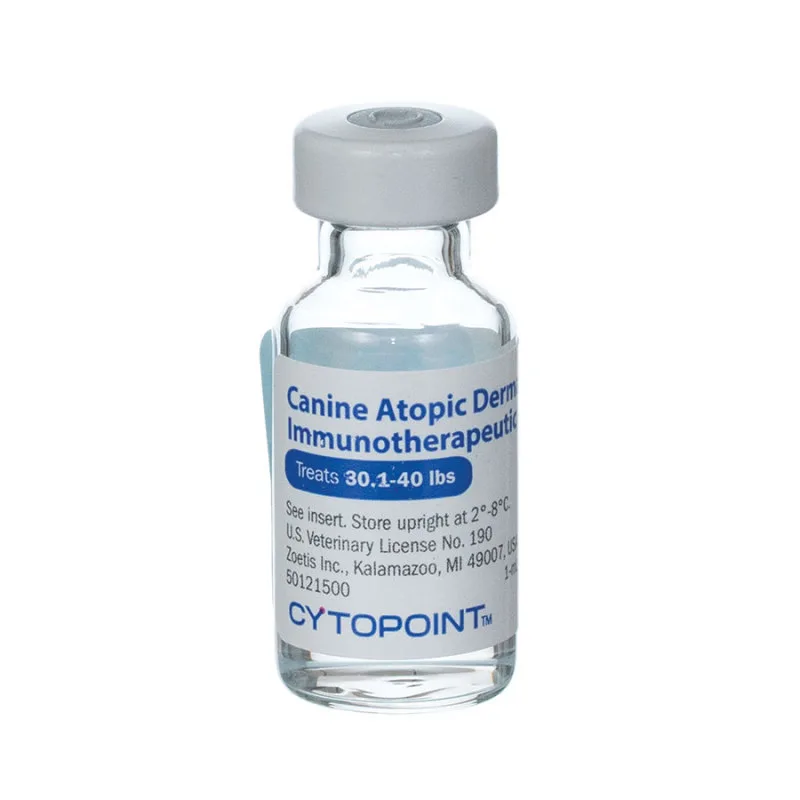
Cytopoint is a monoclonal antibody injection your vet gives under the skin. One shot lasts 4 to 8 weeks, and there's no daily pill to forget. It's a good fit for dogs that fight pilling or have multiple owners.
Cost breakdown:
- Dosed by weight, typically $50 to $200 per injection
- A 50-pound dog usually falls in the $90 to $130 range per visit
- Most dogs need a shot every 6 to 8 weeks, so the monthly cost lands around $50 to $100
Atopica (cyclosporine)
Reserved for dogs that don't respond to Apoquel or Cytopoint, or those with severe autoimmune-related skin disease. Atopica requires baseline and follow-up bloodwork because it can affect kidney values and white blood cell counts.
Cost breakdown:
- 25 mg and 50 mg capsules: roughly $2 to $4 each
- A medium dog might need one 50 mg capsule daily, or $60 to $120 per month
- Plus $100 to $200 in monitoring bloodwork annually
For dogs with year-round allergies, Apoquel and Cytopoint together account for most prescription spending. The American College of Veterinary Dermatology keeps updated guidance for owners on when each option makes sense.
Side-by-Side Cost Breakdown: OTC vs Prescription Allergy Meds
Here's where the dollars actually land for most owners, based on manufacturer pricing and what verified buyers report at major US pharmacies as of 2026.
| Medication | Type | Dose Frequency | Typical Monthly Cost | Best For |
|---|---|---|---|---|
| Generic cetirizine | OTC antihistamine | Once daily | $4 to $15 | Mild seasonal itching |
| Generic loratadine | OTC antihistamine | Once daily | $4 to $12 | Mild itching, less sedation |
| Diphenhydramine | OTC antihistamine | 2 to 3 times daily | $5 to $15 | Short-term use, mild symptoms |
| Apoquel (brand) | Prescription anti-itch | Once daily | $90 to $150 | Moderate to severe atopic dermatitis |
| Generic oclacitinib | Prescription anti-itch | Once daily | $50 to $90 | Same indication, lower cost |
| Cytopoint | Prescription injection | Every 4 to 8 weeks | $50 to $100 monthly equivalent | Owners who can't pill daily |
| Atopica | Prescription immunosuppressant | Once daily | $60 to $120 + bloodwork | Severe, unresponsive cases |
The pattern is clear. Antihistamines are a $15 experiment. Apoquel or Cytopoint is a $100 to $150 commitment.
Most dogs with real allergies end up somewhere in the middle once you add a medicated shampoo and omega-3 supplements.
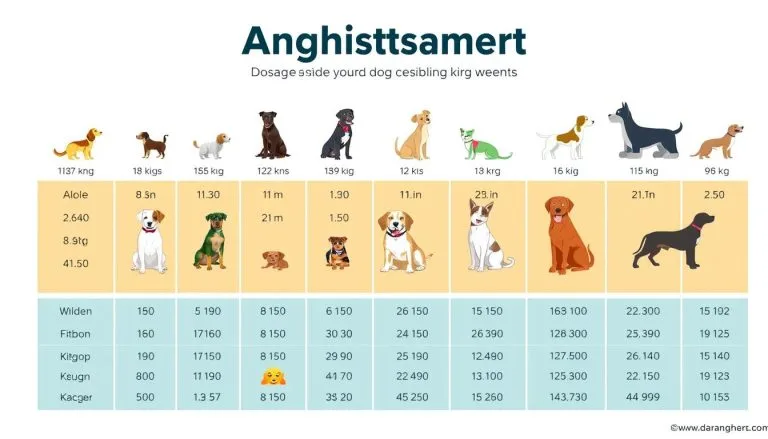
Weight-Based Dosing and Why It Drives the Final Price
Your dog's weight is the single biggest driver of monthly cost, more than the drug choice itself.
A 10-pound dog on Apoquel 5.4 mg costs roughly $75 per month at one tablet daily. A 90-pound dog on Apoquel 16 mg (often one and a half tablets) can run $130 to $180 per month. Same drug, very different bills.
Cytopoint is priced by vial size, which is also weight-based. A small dog vial might cost $60, while a large dog vial runs $130 to $200. Most clinics pass the vial cost straight through plus an administration fee.
Antihistamines scale too, but the per-pill cost is so low it barely registers. A 60-pound dog on cetirizine might use one 10 mg tablet daily for a month, which is $4 to $8 in pills. That's why antihistamines get tried first, even when the success rate is modest.
The practical move is to weigh your dog before refilling any prescription. A weight gain of even five pounds can bump a dog into a new dose tier.
Hidden Costs Most Owners Forget to Budget For
The medication is the visible line item. The invisible ones add up faster.
- Vet exam fee. $50 to $250 depending on region and whether it's a general practice or a dermatology specialist. Required to get most prescriptions.
- Diagnostic workup. Skin cytology, ear cytology, or skin scrapings run $30 to $80 each. Allergy blood testing adds $200 to $400.
- Secondary infection treatment. Dogs that scratch for weeks usually develop bacterial or yeast skin infections. Antibiotics or antifungals add $30 to $100 per round.
- Medicated shampoo. A good chlorhexidine or oatmeal shampoo costs $15 to $30 per bottle and lasts about a month.
- Follow-up visits. Most prescriptions require recheck exams every 6 to 12 months. Budget $50 to $150 per visit.
- Ear medications. Allergy dogs get chronic ear infections. A tube of topical medication runs $20 to $50.
For a dog starting Apoquel for the first time, a realistic first-year budget is $1,200 to $2,000 when you include the exam, diagnostics, follow-ups, and adjuncts. Year two drops to $800 to $1,500 once you're in maintenance mode.
What Can Go Wrong: Medications Toxic to Dogs
This is where owners get into trouble, and where the cheapest option can become the most expensive mistake.
Pseudoephedrine and phenylephrine. Found in Sudafed and many "D" versions of Claritin, Allegra, or Zyrtec. Even a single tablet can cause restlessness, tremors, seizures, or fatal heart arrhythmias in dogs.
Xylitol. Common sweetener in liquid medications, chewable tablets, and some peanut butter-flavored pill pockets. Causes rapid insulin release, liver failure, and death in dogs. Always check ingredient labels.
Combination cold and flu products. Tylenol Cold, DayQuil, and similar products mix antihistamines with acetaminophen or other drugs unsafe for dogs. Never assume a human cold medication is safe.
High-dose vitamin or herbal blends. Some "natural" allergy supplements contain ingredients like garlic (toxic) or excessive vitamin A (toxic at high doses).
Incorrect Benadryl dosing. While diphenhydramine itself is safe, owners sometimes double-dose or use the wrong concentration. Stick to plain 25 mg tablets, no liquids with xylitol, and confirm the 1 mg per pound dose with your vet.
If your dog ever ingests a medication you're unsure about, call the ASPCA Animal Poison Control Center at 888-426-4435 immediately. There's usually a consultation fee ($75 to $95), but the guidance can save your dog's life.
When You Absolutely Need a Vet Instead of a Drugstore Aisle
OTC antihistamines are fine for mild, seasonal itching in an otherwise healthy dog. Anything beyond that needs a vet.

Get a vet visit if your dog shows any of these:
- Constant scratching that interrupts sleep or eating
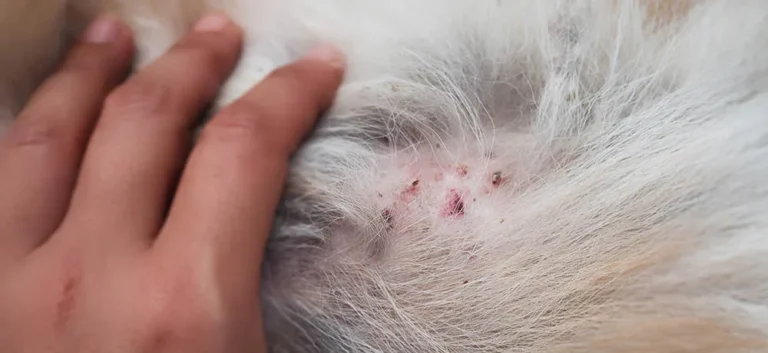
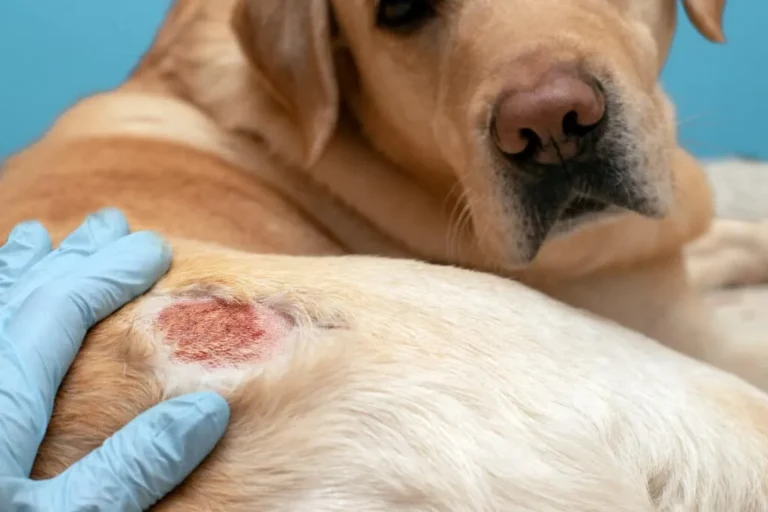
- Raw, red, or bleeding skin
- Recurring ear infections (head shaking, odor, scratching at ears)
- Hot spots or patches of hair loss
- Chronic paw licking or chewing
- Symptoms that don't improve after two weeks of OTC antihistamines
These signs point to either severe atopic dermatitis, a secondary infection, or a different problem entirely (mites, ringworm, hypothyroidism). Treating the wrong cause with the right allergy drug wastes money and prolongs suffering.
A vet can also rule out flea allergy dermatitis, which is the most underdiagnosed allergy in dogs. Many owners don't see fleas because the dog is grooming them off, but one flea bite can keep a sensitive dog itching for two weeks.
The honest truth is that for most dogs with real allergy problems, the first $200 vet visit saves the next $1,000 in trial-and-error OTC meds that don't work.
How to Save Money Without Cutting Corners on Safety
Saving money on dog allergy meds comes down to three moves that don't compromise your dog's health.
First, ask for generic oclacitinib instead of brand-name Apoquel if your vet agrees it's appropriate for your dog. Savings run 30 to 50%, with no clinical difference reported in FDA-reviewed data.
Second, price the same prescription at two or three pharmacies. Chewy's pharmacy, 1-800-PetMeds, Costco, and your vet's office often have a $30 to $60 spread on the same Apoquel strength.
Third, prevent the secondary infection in the first place. A $20 bottle of chlorhexidine shampoo used weekly can prevent a $100 antibiotic course. Add a quality omega-3 supplement (around $20 per month) and many dogs can drop to a lower Apoquel dose during summer months.
What you shouldn't do to save money: skip the vet visit, buy from unverified overseas pharmacies, or split higher-dose tablets without your vet's guidance on accuracy.
Online Pet Pharmacies vs Vet Office: Where the Best Price Comes From
Vet offices mark up prescriptions 10 to 40% above what online pharmacies charge, but they're not ripping you off. The markup covers handling, staff time, and the convenience of one-stop care.
Online pet pharmacies win on price for maintenance medications like Apoquel, often $30 to $60 cheaper per month than a clinic. Chewy Pharmacy and 1-800-PetMeds are the most established US options with verified sourcing and pharmacist oversight.
Your vet can also write a prescription you fill at a human pharmacy like Costco or Walmart, especially for Apoquel, where the human pharmacy price is often the lowest. This requires a written script and sometimes a phone call between pharmacists.
Avoid any "pet pharmacy" that doesn't require a prescription for Apoquel or Cytopoint, ships from overseas without verification, or prices dramatically below competitors. Counterfeit pet medications are a real problem, and the FDA has issued repeated warnings about unregulated online sellers.
Pet Insurance and Allergy Treatment: What's Usually Covered
Most pet insurance plans cover allergy treatment, but with important caveats.
Accident-and-illness plans typically cover Apoquel, Cytopoint, allergy testing, and infection treatment after the deductible is met. Wellness-only plans don't cover prescription drugs.
Pre-existing conditions are excluded. If your dog showed allergy symptoms before your policy's waiting period ended, ongoing treatment usually isn't covered. This is why enrolling a puppy early matters.
Reimbursement runs 70 to 90% of the invoice after deductible, depending on your plan. A $120 Apoquel month becomes a $36 to $48 out-of-pocket cost on an 80% reimbursement plan.
Always confirm with your insurer before starting Cytopoint or Apoquel long-term. Some plans require pre-authorization for ongoing prescriptions.
Quick Reference: Best Allergy Medicine by Situation
Match the situation to the right starting point, and you'll save both money and frustration.
| Situation | Best Starting Option | Why |
|---|---|---|
| Mild seasonal itching, healthy adult dog | Generic cetirizine, 0.5 mg per pound daily | Cheap, low sedation, easy to stop |
| Moderate itching, paws and ears involved | Apoquel after vet diagnosis | Fast-acting, well-studied long-term safety |
| Dog fights pills or has multiple caregivers | Cytopoint injection | One shot every 6 to 8 weeks, no daily dosing |
| Flea allergy suspected | Prescription flea preventative for all pets | Treats the actual cause, not just symptoms |
| Chronic ear infections with skin itch | Apoquel + medicated ear cleaner | Breaks the itch-infection cycle |
| Dog under 12 months old | Vet visit, not Apoquel | Apoquel isn't approved for puppies under 1 year |
FAQs on Dog Allergy Medicine Costs and Safety
How much is allergy medicine for dogs at Petco or Chewy?
Generic OTC antihistamines at Petco run $8 to $15 per bottle. Apoquel through Chewy's pharmacy runs about $60 to $130 per month depending on dose. Chewy requires a vet prescription for prescription drugs.
Can I give my dog Benadryl instead of Apoquel?
You can, and Benadryl is safe at the right dose (1 mg per pound). But it works for only 10 to 30% of dogs with real atopic dermatitis. Apoquel succeeds where Benadryl fails because it targets a different itch pathway.
Is Apoquel worth the cost?
For dogs with moderate to severe allergies, aggregate veterinary outcomes data and owner reviews consistently report dramatic quality-of-life improvements. The cost is real, but so is the relief. Most owners who try it consider it worth the price once they see the difference.
How long can a dog stay on Apoquel?
Manufacturer studies and post-approval FDA monitoring show dogs have safely used Apoquel for multiple years. Most vets prescribe it as a long-term maintenance drug with periodic bloodwork, typically every 6 to 12 months.
What's the cheapest prescription allergy medicine for dogs?
Generic oclacitinib is the cheapest prescription option, often $50 to $90 per month. Some older antihistamines like hydroxyzine (which requires a prescription but costs pennies per dose) work well for individual dogs, though effectiveness varies.
Does pet insurance cover Cytopoint?
Most accident-and-illness plans cover Cytopoint after the deductible, usually at 70 to 90% reimbursement. Expect to pay $15 to $40 out of pocket per injection on a typical plan.