
How much benadryl do i give my dog for allergies
How much Benadryl do I give my dog for allergies is one of the most searched pet health questions online, and the answer is more nuanced than most lists make it sound. The general veterinary guideline is 1 mg of diphenhydramine per pound of body weight, given two to three times daily, but that single number only works if your dog is otherwise healthy, you're using the right formulation, and you've cleared it with your vet first.
The standard dose assumes plain diphenhydramine HCl only, which is the active ingredient in Benadryl. As of 2026, veterinarians continue to recommend this same 1 mg per pound benchmark, but always paired with a check on your dog's health history and current medications. That context is what separates a safe dose from a dangerous one, and it's exactly what we'll walk through below.
Quick Answer
The standard Benadryl dose for dogs is 1 mg per pound of body weight, given by mouth every 8 to 12 hours. Use only plain diphenhydramine HCl tablets or liquid. Always confirm the dose with your vet first, especially for puppies, seniors, or dogs on other medications.
The Quick Answer You Need Before Anything Else
If your dog is having a mild allergic reaction right now, here's the bottom line. For most healthy adult dogs, the widely cited dose is 1 mg of diphenhydramine per pound of body weight, given two to three times a day. A 25-pound dog would get 25 mg, which is one standard adult Benadryl tablet.
A 10-pound dog would get half a tablet, or roughly 4 mL of children's liquid Benadryl.
That said, "widely cited" isn't the same as "right for your dog." If your dog has heart disease, glaucoma, prostate issues, high blood pressure, or a seizure history, Benadryl can do more harm than good. If your dog is on any other medication, especially sedatives or other antihistamines, the combination can be risky. And if you're looking at the liquid form, you need to be sure it doesn't contain xylitol or alcohol, both of which are toxic to dogs.
The safest path is fast, simple, and worth repeating. Call your vet or the ASPCA Animal Poison Control Center at 888-426-4435 before you dose, even if you think you know the answer. Five minutes on the phone beats a midnight emergency visit every single time.
How Benadryl Actually Works in a Dog's Body
Diphenhydramine is a first-generation antihistamine. It blocks H1 histamine receptors, which are the receptors responsible for the itching, swelling, and hives you see during an allergic response. In dogs, it also crosses into the brain, which is why sedation is the most common side effect.
That sedative effect is sometimes useful, especially for an itchy dog that won't stop scratching long enough to heal.
Onset is fairly quick. Most dogs show some effect within 30 to 60 minutes, with peak action around 1 to 3 hours. The half-life in dogs runs roughly 4 to 8 hours, which is why dosing every 8 to 12 hours keeps a steady level in the bloodstream.
Benadryl works best as a preventive or for mild reactions. It's not strong enough to stop a serious allergic event on its own, and it won't treat the underlying cause of chronic allergies.
That's an important distinction. Antihistamines suppress symptoms. They don't fix the immune system misfire that's causing the reaction.
For seasonal or environmental allergies, your vet may pair Benadryl with prescription options like Apoquel or Cytopoint, which target the allergic response at a different point in the immune cascade. For food allergies or atopic dermatitis, a long-term plan usually involves diet trials, skin management, or immunotherapy, with Benadryl playing a supporting role at best.
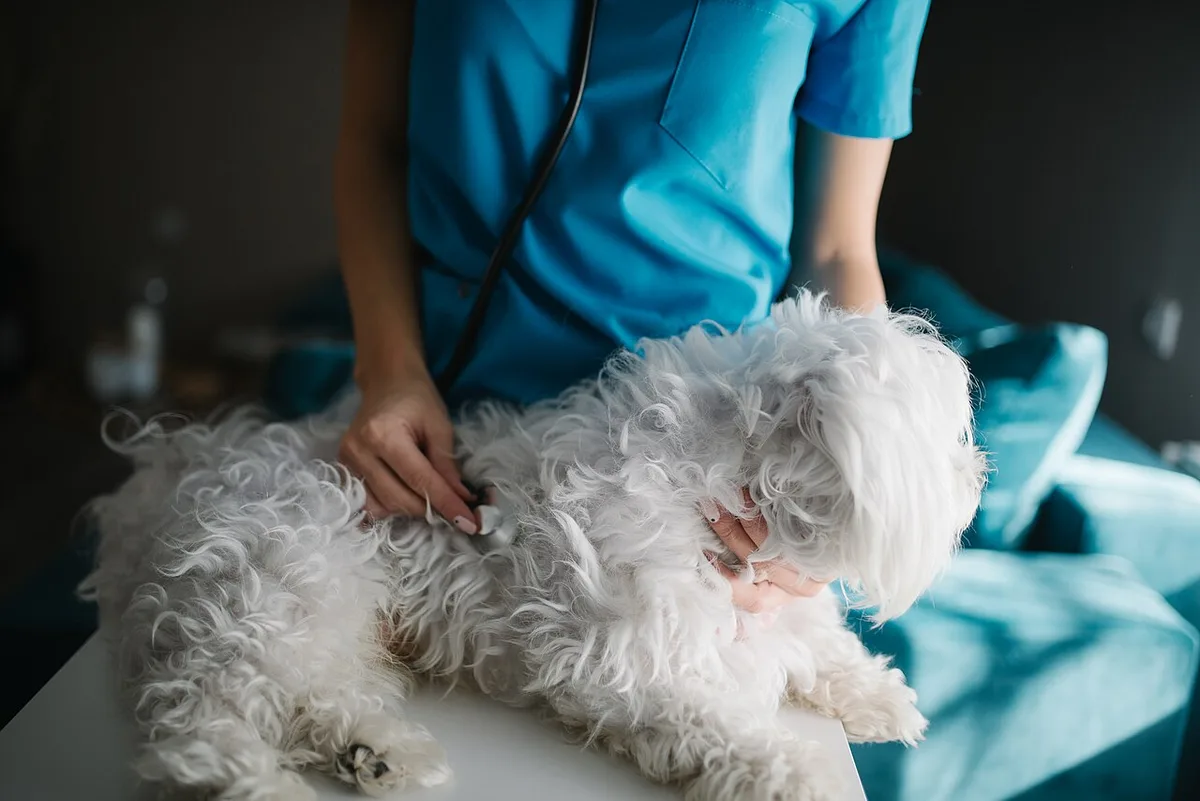
The Standard Dosage: 1 mg per Pound Explained
The 1 mg per pound guideline (equivalent to about 2.2 mg per kilogram) comes from decades of veterinary pharmacology references, including the Merck Veterinary Manual and Plumb's Veterinary Drug Handbook. It's a general adult dose for healthy dogs, and it's the figure most vets will start with before adjusting for your specific situation.
Here's the math in plain terms. If your dog weighs 30 pounds, the dose is 30 mg. If you have 25 mg tablets, that's one tablet plus roughly a fifth of a second tablet.
If you have children's liquid Benadryl, which is typically 12.5 mg per 5 mL, you'd give 12 mL. Round down rather than up if you're between tablet sizes, and always use a proper oral syringe for liquids, never a kitchen spoon.
Some vets use a slightly wider range of 0.5 to 2 mg per pound depending on the situation. Lower doses often work for mild itching, while the higher end is reserved for acute allergic reactions. Your vet will tell you which end of the range applies to your dog.
Don't push toward 2 mg on your own, since overdose symptoms can start showing up well before you'd expect.
Frequency matters too. Twice daily is the most common schedule. Three times daily is sometimes used for short periods during a flare, but going beyond that increases the risk of side effects without adding meaningful benefit.
If Benadryl isn't controlling the symptoms at the right dose, the answer is usually a different medication, not more Benadryl.
Benadryl Dosage Chart by Dog Weight
The chart below assumes plain 25 mg diphenhydramine tablets. For liquid children's Benadryl at 12.5 mg per 5 mL, halve the tablet number to get the mL dose.
| Dog's Weight | Benadryl Dose | 25 mg Tablets | Children's Liquid (12.5 mg/5 mL) |
|---|---|---|---|
| 5 lbs | 5 mg | About 1/5 tablet | 2 mL |
| 10 lbs | 10 mg | About 2/5 tablet | 4 mL |
| 15 lbs | 15 mg | About 3/5 tablet | 6 mL |
| 20 lbs | 20 mg | About 4/5 tablet | 8 mL |
| 25 lbs | 25 mg | 1 tablet | 10 mL |
| 30 lbs | 30 mg | 1 + 1/5 tablet | 12 mL |
| 40 lbs | 40 mg | 1 + 3/5 tablet | 16 mL |
| 50 lbs | 50 mg | 2 tablets | 20 mL |
| 60 lbs | 60 mg | 2 + 2/5 tablets | 24 mL |
| 75 lbs | 75 mg | 3 tablets | 30 mL |
| 90 lbs | 90 mg | 3 + 3/5 tablets | 36 mL |
| 100+ lbs | 100 mg | 4 tablets | 40 mL |
A few important notes on using this table. Always weigh your dog on a real scale before dosing. Guessing at weight is one of the most common causes of accidental overdose, especially in small breeds where a 2-pound guess can mean a 20% overdose.
If your dog is between weights, round down to the lower dose. And if you have any doubt at all, call your vet or the ASPCA Animal Poison Control hotline at 888-426-4435 before you give anything.
For extra-small dogs under 5 pounds, the children's liquid is usually the only practical option, since splitting a 25 mg tablet into accurate eighths is nearly impossible at home. For giant breeds over 100 pounds, the math starts to look odd, but the 1 mg per pound rule still applies. The therapeutic ceiling is generally around 50 to 75 mg per dose, so very large dogs don't always get the full weight-based calculation.
Your vet can confirm the right cap for your dog.
Which Benadryl Formulation Is Safe (and Which Can Kill Your Dog)
This is the part most dosage charts skip, and it's the part that matters most. The active ingredient, diphenhydramine, is the same across formulations. The difference is everything else in the pill or the bottle, and some of those extras are genuinely lethal to dogs.
Plain Benadryl tablets or capsules containing only diphenhydramine are the safest choice for most dogs. Look at the active ingredient panel. If it lists only diphenhydramine HCl, you're in the clear.
If it lists anything else, put it back on the shelf.
Combination cold and flu products are the most common danger. Anything labeled "Benadryl Allergy Plus Cold," "Benadryl Severe Allergy," or "Benadryl-D" usually contains pseudoephedrine or phenylephrine, both of which are toxic to dogs even in small amounts. Acetaminophen and ibuprofen show up in combination products too, and both are dangerous.
Stick to plain diphenhydramine and ignore the rest.
Liquid Benadryl comes with its own set of risks. Some formulations contain xylitol, a sugar substitute that's safe for humans but can cause sudden liver failure and death in dogs. Alcohol is another concern, especially in some children's formulations, since dogs are much more sensitive to it than people are.
The only liquid form most vets feel comfortable recommending is the standard children's Benadryl, which is alcohol-free and xylitol-free, and even then you should read the label yourself before dosing.
Topical Benadryl creams and sprays are a different story. They're not a substitute for oral dosing, and they can be irritating if your dog licks them off. If your dog has a localized skin reaction, your vet can recommend a dog-safe topical that won't cause problems if ingested.
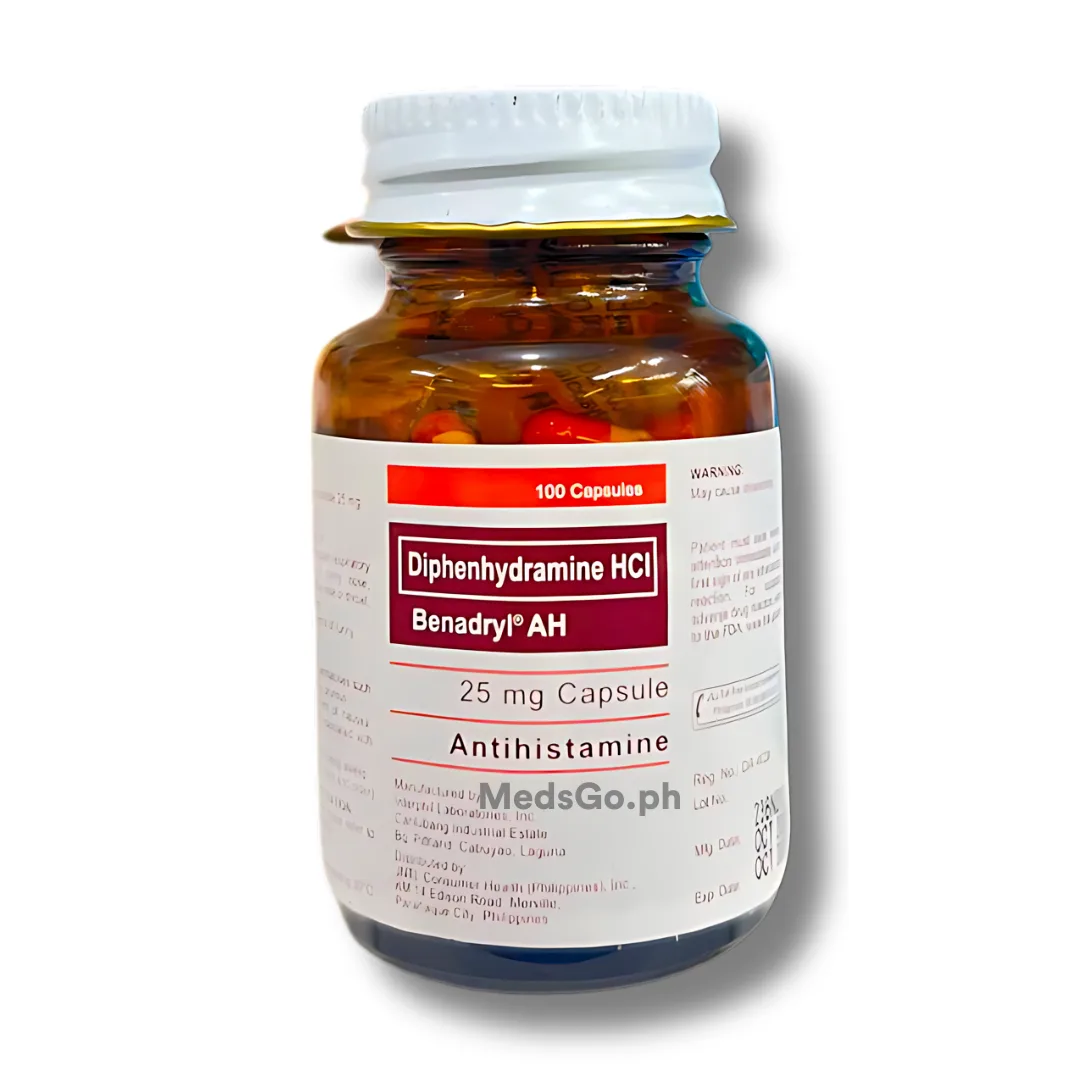
For more detail on formulation safety and ingredient red flags, the FDA Center for Veterinary Medicine maintains guidance on OTC medications in pets. Worth bookmarking if you ever find yourself staring at a drugstore shelf wondering what's actually safe.
Benadryl Dosage Chart by Dog Weight
The chart below is the quick-reference version, but always confirm with your vet before dosing.
| Dog's Weight | Benadryl Dose | 25 mg Tablets | Children's Liquid (12.5 mg/5 mL) |
|---|---|---|---|
| 5 lbs | 5 mg | About 1/5 tablet | 2 mL |
| 10 lbs | 10 mg | About 2/5 tablet | 4 mL |
| 15 lbs | 15 mg | About 3/5 tablet | 6 mL |
| 20 lbs | 20 mg | About 4/5 tablet | 8 mL |
| 25 lbs | 25 mg | 1 tablet | 10 mL |
| 30 lbs | 30 mg | 1 + 1/5 tablet | 12 mL |
| 40 lbs | 40 mg | 1 + 3/5 tablet | 16 mL |
| 50 lbs | 50 mg | 2 tablets | 20 mL |
| 60 lbs | 60 mg | 2 + 2/5 tablets | 24 mL |
| 75 lbs | 75 mg | 3 tablets | 30 mL |
| 90 lbs | 90 mg | 3 + 3/5 tablets | 36 mL |
| 100+ lbs | 100 mg | 4 tablets | 40 mL |
Three things to keep in mind while reading this chart. First, weigh your dog on a real scale before dosing. Guessing is the single most common cause of accidental overdose, especially in small breeds where a 2-pound error can mean a 20% overdose.
Second, if your dog lands between weights, round down. A slightly under-dose is far safer than an over-dose. Third, for dogs under 5 pounds, skip the tablets entirely and use the children's liquid with an oral syringe.
Splitting a 25 mg tablet into eighths at home is asking for a math error.
For dogs over 100 pounds, the 1 mg per pound rule still applies, but the practical ceiling is usually around 50 to 75 mg per dose. Your vet can confirm what's right for your giant breed. A 150-pound Great Dane doesn't typically get 150 mg of Benadryl, because the dose-response curve flattens out well before that.

When Benadryl Helps and When It's the Wrong Choice
Benadryl works well for a specific set of situations, and knowing which is which saves you from giving a useless dose during a real emergency.
It helps with mild environmental allergies. Seasonal pollen, dust, or grass exposure that causes itching, mild hives, or red skin often responds to Benadryl within an hour. It also helps with mild vaccine reactions, where a small lump or mild facial swelling shows up hours after a shot.
It can take the edge off insect bites and bee stings in dogs without a history of severe reactions. And it sometimes helps with motion sickness during car rides, since the sedative effect calms the stomach.
It does not help with anaphylaxis. If your dog's face is swelling rapidly, gums are turning pale, or breathing is labored, Benadryl alone won't be enough. You need emergency veterinary care immediately, and Benadryl at most is a bridge while you get there.
It also does not help with food allergies in the gut. Vomiting, diarrhea, or chronic ear infections tied to diet need a different treatment plan. And it generally does not help with severe itching from atopic dermatitis, where the response is too weak to make a real dent.
A simple rule of thumb. If your dog is uncomfortable but stable, Benadryl is a reasonable call after a vet check-in. If your dog is deteriorating quickly, skip the Benadryl and head to the emergency clinic.
Time matters more than any single dose.
Health Conditions That Make Benadryl Dangerous
The 1 mg per pound dose is built around a healthy adult dog. If your dog has any of the following conditions, the math can change completely, and the risk-benefit calculation flips.
Glaucoma is a hard contraindication. Benadryl has mild anticholinergic effects, which can raise intraocular pressure and worsen the condition. Dogs with a history of angle-closure glaucoma should not take it.
Cardiovascular disease is another red flag. Diphenhydramine can affect heart rate and rhythm, especially in dogs with existing arrhythmias or congestive heart failure. Prostatic enlargement, urinary retention issues, and hyperthyroidism also fall into the cautious-use category for similar reasons.
Seizure disorders deserve special attention. In most dogs with well-controlled epilepsy, Benadryl is generally safe. In dogs with poorly controlled seizures or a history of severe episodes, the sedative and CNS effects can complicate the picture.
Always run it by your vet first. Hypertension is worth flagging too, since diphenhydramine can interact with blood pressure medications.
Pregnant or nursing dogs are a separate concern. Benadryl crosses into milk and can sedate puppies, so it's generally avoided in late pregnancy and lactation unless your vet specifically recommends it. Puppies under 8 weeks should only get Benadryl under direct veterinary supervision, since their liver and kidney function is still developing and the drug clears more slowly from their system.
The bottom line is straightforward. The presence of any chronic condition moves this question from "look up a dose chart" to "call your vet first." The dose itself may not change, but the safety margin shrinks, and your vet is the only one who knows your dog's full picture.
Drug Interactions Every Dog Owner Should Know
Benadryl doesn't live alone in your dog's system. If your dog is on any other medication, the combination can amplify side effects or create new problems.
Other antihistamines are an obvious one. Combining diphenhydramine with cetirizine (Zyrtec), loratadine (Claritin), or hydroxyzine stacks the sedative effects and can leave your dog dangerously drowsy or uncoordinated. Sedatives and tranquilizers fall in the same bucket.
If your dog takes trazodone, gabapentin, or a behavioral medication, adding Benadryl on top can produce excessive sedation. Your vet may still okay the combination at reduced doses, but never combine them on your own.
MAO inhibitors are a serious concern, even though they're uncommon in dogs. The combination can spike blood pressure and trigger serotonin-related issues. If your dog is on any psychiatric medication, flag it before adding Benadryl.
Opioid pain medications and certain anti-nausea drugs can also interact, mostly through additive sedation.
A useful habit. Keep a current list of every medication and supplement your dog takes, including fish oil, CBD, and joint chews. Bring that list to every vet call.
Five seconds of cross-checking beats a week of dealing with a bad interaction. If your dog takes something regularly and you want to add Benadryl, call your vet or the ASPCA Animal Poison Control Center at 888-426-4435 for a free, fast interaction check.
How to Give Your Dog Benadryl the Right Way
Once the dose is right and the formulation is clean, administering it correctly is the easy part, but a few habits make it go smoother.
For tablets, the most reliable method is to hide the pill in a small amount of high-value food. Pill pockets, a dab of peanut butter (xylitol-free), or a chunk of cheese usually works. Some dogs spit pills out, so check the floor after.
If your dog is a master pill-spitter, you can use a pill syringe to place the tablet at the back of the tongue, then hold the mouth closed and stroke the throat until you see a swallow.
For liquid, use an oral syringe, not a kitchen spoon. Kitchen spoons vary wildly in size, and an error of 2 mL is a big deal for a small dog. Draw up the exact dose, squirt it into the side of the mouth between the cheek and teeth, and hold the head tilted slightly up until you see a swallow.
Children's liquid Benadryl usually has a cherry flavor that most dogs accept, but a small follow-up treat doesn't hurt.
Timing matters less than consistency. If you're dosing twice daily, aim for roughly 12 hours apart, give or take an hour. Pick a window that fits your schedule, since you'll be more likely to stick with it.
With or without food is a common question, and the honest answer is either is fine. Giving Benadryl with a small meal reduces the chance of mild stomach upset, which is a real but minor side effect.
After the dose, watch your dog for 30 to 60 minutes. You're looking for normal expected effects (slight drowsiness) versus concerning reactions (agitation, vomiting, trouble breathing, or extreme lethargy). A mildly sleepy dog is fine.
A dog that can barely lift its head needs a call to the vet.
Side Effects vs. Overdose Symptoms: Know the Difference
Most dogs handle Benadryl well at the correct dose, but a predictable set of side effects shows up often enough to be worth knowing.
The common, expected effects are drowsiness, dry mouth, and mild urinary retention. Some dogs get the opposite of drowsiness and become hyperactive or restless, which sounds odd but is well documented. Mild stomach upset or a slightly reduced appetite can happen too, usually within the first hour or two.
None of these are emergencies by themselves.
Overdose symptoms are a different story and tend to escalate quickly. The first signs often include extreme lethargy or agitation, vomiting, rapid breathing, and a racing heart. As it progresses, you can see tremors, seizures, dilated pupils, and a dangerously elevated body temperature.
Toxicity can show up at roughly five times the therapeutic dose, but smaller dogs and dogs with underlying conditions can show serious symptoms at much lower multiples.
If you suspect an overdose, don't wait for symptoms to worsen. Call the ASPCA Animal Poison Control Center at 888-426-4435 immediately, or head straight to the nearest emergency vet. Have the product packaging with you, since the formulation and exact milligrams help the vet calculate the risk and decide on treatment.
Benadryl vs. Other Allergy Options for Dogs
Benadryl is the antihistamine most dog owners know, but it's not always the best tool. The right choice depends on what you're treating, how often, and how severe the symptoms are.
Zyrtec (Cetirizine) for Dogs
Zyrtec is a second-generation antihistamine that causes less sedation than Benadryl. The typical canine dose is around 1 mg per kilogram of body weight, given once daily. It's a good option for dogs that get too sleepy on Benadryl, or for long-term seasonal allergy management.
It doesn't work for every dog, but the side effect profile is generally milder.
Claritin (Loratadine) for Dogs
Claritin is another second-generation option with minimal sedation. It's dosed at roughly 0.5 mg per kilogram once daily. Some dogs respond well to Claritin when Benadryl isn't enough, though the evidence is more mixed.
It's worth trying if other options haven't panned out.
Apoquel for Dogs
Apoquel (oclacitinib) is a prescription medication that targets the itch signal at a different point in the immune cascade. It works fast, often within hours, and is FDA-approved for canine allergic dermatitis. The downside is cost and the need for a vet visit and ongoing bloodwork.
For dogs with severe, chronic itching, Apoquel often outperforms any OTC antihistamine.
Cytopoint Injections for Dogs
Cytopoint is an injectable antibody therapy given by a vet, usually every 4 to 8 weeks. It targets itch specifically and is a good fit for dogs that don't tolerate oral medications well. It's one of the more expensive long-term options, but the convenience and effectiveness are hard to beat for chronic cases.
| Option | Best For | Sedation | Needs Prescription |
|---|---|---|---|
| Benadryl | Mild acute reactions | Moderate to high | No |
| Zyrtec | Long-term seasonal allergies | Low | No |
| Claritin | Mild chronic itching | Low | No |
| Apoquel | Moderate to severe allergies | Minimal | Yes |
| Cytopoint | Chronic itching, hard-to-pill dogs | Minimal | Yes |
A practical takeaway. For a one-off mild reaction, Benadryl is fine. For ongoing seasonal allergies, talk to your vet about Zyrtec or Apoquel, since daily Benadryl adds up in sedation and lost effectiveness over time.
When Allergies Are Actually an Emergency
Most allergic reactions in dogs are uncomfortable but manageable. Some are not, and the difference between the two is a fast-moving clock.
True anaphylaxis in dogs is rare but real. It can be triggered by insect stings, vaccines, medications, or, less commonly, foods. The hallmark signs are sudden facial swelling, hives spreading across the body, vomiting, pale gums, collapse, and difficulty breathing.
Any one of these signs, especially in combination, warrants an immediate emergency vet visit. Don't wait to see if Benadryl helps. Anaphylaxis can progress to shock within minutes, and antihistamines alone won't stop it.
A "wait and see" approach is reasonable for a small area of localized swelling that isn't growing. It's not reasonable for any reaction involving the face, throat, or breathing. As a rule, swelling near the nose, mouth, or eyes gets worse fast and is harder to reverse once it progresses.
If you're debating whether to go, the answer is to go.
After any allergic reaction, regardless of severity, follow up with your vet. They can help identify the trigger, document the episode in your dog's medical record, and put together a plan for next time, which might include keeping an emergency dose of diphenhydramine on hand or, in severe cases, an epinephrine auto-injector prescribed for your dog's weight.
Calling for Help: ASPCA Poison Control and Your Vet
When something goes wrong, knowing exactly who to call saves minutes that matter.
The ASPCA Animal Poison Control Center is the single best resource for any suspected poisoning, overdose, or unexpected reaction. The number is 888-426-4435. There's a consultation fee, but the toxicologists on staff can tell you within minutes whether your dog is in danger, what symptoms to watch for, and whether you need to head to an emergency clinic.
They're available 24/7, including holidays.
Your regular vet is the right call for non-emergency questions. Calling before you dose, asking about a drug interaction, or following up after a mild reaction all fit this category. If your vet is closed, most clinics have an after-hours line or a partner emergency hospital.
Save both numbers in your phone before you need them.
If your dog is in active distress, skip the phone call and head straight to the nearest emergency veterinary hospital. Time spent on hold is time not spent getting oxygen, fluids, or epinephrine into a dog that needs them. The ASPCA hotline and your regular vet are for the gray zone.
The red zone gets you in the car.
Frequently Asked Questions
Can I give my dog Benadryl every day?
Yes, but only under veterinary guidance. Long-term daily dosing is sometimes used for chronic seasonal allergies, but it requires monitoring for reduced effectiveness, cumulative side effects, and underlying conditions that might emerge over time. Your vet will want to check in regularly and may eventually transition your dog to a more targeted option like Apoquel or Cytopoint.
How fast does Benadryl work in dogs?
Most dogs show effects within 30 to 60 minutes, with peak action around 1 to 3 hours after dosing. If you don't see any improvement after 2 hours, the dose may be too low, the wrong medication, or the reaction may be more severe than Benadryl can handle. Call your vet if there's no response, especially if symptoms are worsening.
What's the difference between Benadryl and Zyrtec for dogs?
Benadryl (diphenhydramine) is a first-generation antihistamine that often causes drowsiness and is given two to three times daily. Zyrtec (cetirizine) is a second-generation antihistamine with less sedation and once-daily dosing. Zyrtec is often preferred for long-term seasonal allergies, while Benadryl is more useful for acute reactions where the sedative effect is welcome.
Can puppies take Benadryl?
Puppies can take Benadryl, but dosing requires extra care. Their liver and kidney function is still developing, so the drug clears more slowly. Puppies under 8 weeks should only get Benadryl under direct veterinary supervision.
For older puppies, the same 1 mg per pound rule applies, but always confirm the dose and formulation with your vet first.
What happens if I give my dog too much Benadryl?
Mild overdoses cause drowsiness, dry mouth, and urinary retention. Larger overdoses can cause rapid breathing, racing heart, vomiting, tremors, seizures, and a dangerous rise in body temperature. Toxicity can begin at roughly five times the therapeutic dose, though smaller dogs can show serious symptoms at lower multiples.
Call the ASPCA Animal Poison Control Center at 888-426-4435 or head to an emergency vet immediately.
Is children's Benadryl safer than adult Benadryl for dogs?
Children's liquid Benadryl isn't inherently safer, but it allows much more precise dosing in small dogs because it comes as 12.5 mg per 5 mL instead of 25 mg per tablet. The key is to make sure the formulation contains only diphenhydramine and no xylitol or alcohol. Both children's and adult Benadryl are equally effective at the right dose.
The Safe-Use Checklist Before You Dose
Before you reach for the bottle, run through this list. It takes 60 seconds and prevents most of the emergencies we see.
- Confirm your dog's current weight on a real scale.
- Read the active ingredient panel. Plain diphenhydramine HCl only.
- Check the inactive ingredients. No xylitol, no alcohol, no pseudoephedrine.
- Run through the contraindications: glaucoma, heart disease, prostate issues, seizures, hypertension.
- Check for drug interactions with anything else your dog takes.
- Call your vet or the ASPCA hotline at 888-426-4435 if anything is unclear.
- Calculate the dose carefully, rounding down if between weights.
- Use an oral syringe for liquid, never a kitchen spoon.
- Watch your dog for 30 to 60 minutes after dosing.
- Head to the emergency vet immediately for facial swelling, breathing trouble, or collapse.
If everything checks out and your vet gives the green light, Benadryl is a useful tool in your dog's allergy kit. Just remember that it's a tool, not a treatment. It manages symptoms.
It doesn't fix the underlying allergy. For anything beyond occasional mild reactions, a long-term plan with your vet will serve your dog far better than any single dose, no matter how precisely it's measured.
Side Effects vs. Overdose Symptoms: Know the Difference
Most dogs handle Benadryl well at the correct dose, but a predictable set of side effects shows up often enough to be worth knowing.
The common, expected effects are drowsiness, dry mouth, and mild urinary retention. Some dogs get the opposite of drowsiness and become hyperactive or restless, which sounds odd but is well documented. Mild stomach upset or a slightly reduced appetite can happen too, usually within the first hour or two.
None of these are emergencies by themselves.
Overdose symptoms are a different story and tend to escalate quickly. The first signs often include extreme lethargy or agitation, vomiting, rapid breathing, and a racing heart. As it progresses, you can see tremors, seizures, dilated pupils, and a dangerously elevated body temperature.
Toxicity can show up at roughly five times the therapeutic dose, but smaller dogs and dogs with underlying conditions can show serious symptoms at much lower multiples.
If you suspect an overdose, don't wait for symptoms to worsen. Call the ASPCA Animal Poison Control Center at 888-426-4435 immediately, or head straight to the nearest emergency vet. Have the product packaging with you, since the formulation and exact milligrams help the vet calculate the risk and decide on treatment.
Benadryl vs. Other Allergy Options for Dogs
Benadryl is the antihistamine most dog owners know, but it's not always the best tool. The right choice depends on what you're treating, how often, and how severe the symptoms are.
Zyrtec (Cetirizine) for Dogs
Zyrtec is a second-generation antihistamine that causes less sedation than Benadryl. The typical canine dose is around 1 mg per kilogram of body weight, given once daily. It's a good option for dogs that get too sleepy on Benadryl, or for long-term seasonal allergy management.
It doesn't work for every dog, but the side effect profile is generally milder.
Claritin (Loratadine) for Dogs
Claritin is another second-generation option with minimal sedation. It's dosed at roughly 0.5 mg per kilogram once daily. Some dogs respond well to Claritin when Benadryl isn't enough, though the evidence is more mixed.
It's worth trying if other options haven't panned out.
Apoquel for Dogs
Apoquel (oclacitinib) is a prescription medication that targets the itch signal at a different point in the immune cascade. It works fast, often within hours, and is FDA-approved for canine allergic dermatitis. The downside is cost and the need for a vet visit and ongoing bloodwork.
For dogs with severe, chronic itching, Apoquel often outperforms any OTC antihistamine.
Cytopoint Injections for Dogs
Cytopoint is an injectable antibody therapy given by a vet, usually every 4 to 8 weeks. It targets itch specifically and is a good fit for dogs that don't tolerate oral medications well. It's one of the more expensive long-term options, but the convenience and effectiveness are hard to beat for chronic cases.
| Option | Best For | Sedation | Needs Prescription |
|---|---|---|---|
| Benadryl | Mild acute reactions | Moderate to high | No |
| Zyrtec | Long-term seasonal allergies | Low | No |
| Claritin | Mild chronic itching | Low | No |
| Apoquel | Moderate to severe allergies | Minimal | Yes |
| Cytopoint | Chronic itching, hard-to-pill dogs | Minimal | Yes |
A practical takeaway. For a one-off mild reaction, Benadryl is fine. For ongoing seasonal allergies, talk to your vet about Zyrtec or Apoquel, since daily Benadryl adds up in sedation and lost effectiveness over time.
When Allergies Are Actually an Emergency
Most allergic reactions in dogs are uncomfortable but manageable. Some are not, and the difference between the two is a fast-moving clock.
True anaphylaxis in dogs is rare but real. It can be triggered by insect stings, vaccines, medications, or, less commonly, foods. The hallmark signs are sudden facial swelling, hives spreading across the body, vomiting, pale gums, collapse, and difficulty breathing.
Any one of these signs, especially in combination, warrants an immediate emergency vet visit. Don't wait to see if Benadryl helps. Anaphylaxis can progress to shock within minutes, and antihistamines alone won't stop it.
A "wait and see" approach is reasonable for a small area of localized swelling that isn't growing. It's not reasonable for any reaction involving the face, throat, or breathing. As a rule, swelling near the nose, mouth, or eyes gets worse fast and is harder to reverse once it progresses.
If you're debating whether to go, the answer is to go.
After any allergic reaction, regardless of severity, follow up with your vet. They can help identify the trigger, document the episode in your dog's medical record, and put together a plan for next time, which might include keeping an emergency dose of diphenhydramine on hand or, in severe cases, an epinephrine auto-injector prescribed for your dog's weight.
Calling for Help: ASPCA Poison Control and Your Vet
When something goes wrong, knowing exactly who to call saves minutes that matter.
The ASPCA Animal Poison Control Center is the single best resource for any suspected poisoning, overdose, or unexpected reaction. The number is 888-426-4435. There's a consultation fee, but the toxicologists on staff can tell you within minutes whether your dog is in danger, what symptoms to watch for, and whether you need to head to an emergency clinic.
They're available 24/7, including holidays.
Your regular vet is the right call for non-emergency questions. Calling before you dose, asking about a drug interaction, or following up after a mild reaction all fit this category. If your vet is closed, most clinics have an after-hours line or a partner emergency hospital.
Save both numbers in your phone before you need them.
If your dog is in active distress, skip the phone call and head straight to the nearest emergency veterinary hospital. Time spent on hold is time not spent getting oxygen, fluids, or epinephrine into a dog that needs them. The ASPCA hotline and your regular vet are for the gray zone.
The red zone gets you in the car.
Frequently Asked Questions
Can I give my dog Benadryl every day?
Yes, but only under veterinary guidance. Long-term daily dosing is sometimes used for chronic seasonal allergies, but it requires monitoring for reduced effectiveness, cumulative side effects, and underlying conditions that might emerge over time. Your vet will want to check in regularly and may eventually transition your dog to a more targeted option like Apoquel or Cytopoint.
How fast does Benadryl work in dogs?
Most dogs show effects within 30 to 60 minutes, with peak action around 1 to 3 hours after dosing. If you don't see any improvement after 2 hours, the dose may be too low, the wrong medication, or the reaction may be more severe than Benadryl can handle. Call your vet if there's no response, especially if symptoms are worsening.
What's the difference between Benadryl and Zyrtec for dogs?
Benadryl (diphenhydramine) is a first-generation antihistamine that often causes drowsiness and is given two to three times daily. Zyrtec (cetirizine) is a second-generation antihistamine with less sedation and once-daily dosing. Zyrtec is often preferred for long-term seasonal allergies, while Benadryl is more useful for acute reactions where the sedative effect is welcome.
Can puppies take Benadryl?
Puppies can take Benadryl, but dosing requires extra care. Their liver and kidney function is still developing, so the drug clears more slowly. Puppies under 8 weeks should only get Benadryl under direct veterinary supervision.
For older puppies, the same 1 mg per pound rule applies, but always confirm the dose and formulation with your vet first.
What happens if I give my dog too much Benadryl?
Mild overdoses cause drowsiness, dry mouth, and urinary retention. Larger overdoses can cause rapid breathing, racing heart, vomiting, tremors, seizures, and a dangerous rise in body temperature. Toxicity can begin at roughly five times the therapeutic dose, though smaller dogs can show serious symptoms at lower multiples.
Call the ASPCA Animal Poison Control Center at 888-426-4435 or head to an emergency vet immediately.
Is children's Benadryl safer than adult Benadryl for dogs?
Children's liquid Benadryl isn't inherently safer, but it allows much more precise dosing in small dogs because it comes as 12.5 mg per 5 mL instead of 25 mg per tablet. The key is to make sure the formulation contains only diphenhydramine and no xylitol or alcohol. Both children's and adult Benadryl are equally effective at the right dose.
The Safe-Use Checklist Before You Dose
Before you reach for the bottle, run through this list. It takes 60 seconds and prevents most of the emergencies we see.
- Confirm your dog's current weight on a real scale.
- Read the active ingredient panel. Plain diphenhydramine HCl only.
- Check the inactive ingredients. No xylitol, no alcohol, no pseudoephedrine.
- Run through the contraindications: glaucoma, heart disease, prostate issues, seizures, hypertension.
- Check for drug interactions with anything else your dog takes.
- Call your vet or the ASPCA hotline at 888-426-4435 if anything is unclear.
- Calculate the dose carefully, rounding down if between weights.
- Use an oral syringe for liquid, never a kitchen spoon.
- Watch your dog for 30 to 60 minutes after dosing.
- Head to the emergency vet immediately for facial swelling, breathing trouble, or collapse.
If everything checks out and your vet gives the green light, Benadryl is a useful tool in your dog's allergy kit. Just remember that it's a tool, not a treatment. It manages symptoms.
It doesn't fix the underlying allergy. For anything beyond occasional mild reactions, a long-term plan with your vet will serve your dog far better than any single dose, no matter how precisely it's measured.
Side Effects vs. Overdose Symptoms: Know the Difference
Most dogs handle Benadryl well at the correct dose, but a predictable set of side effects shows up often enough to be worth knowing.
The common, expected effects are drowsiness, dry mouth, and mild urinary retention. Some dogs get the opposite of drowsiness and become hyperactive or restless, which sounds odd but is well documented. Mild stomach upset or a slightly reduced appetite can happen too, usually within the first hour or two.
None of these are emergencies by themselves.
Overdose symptoms are a different story and tend to escalate quickly. The first signs often include extreme lethargy or agitation, vomiting, rapid breathing, and a racing heart. As it progresses, you can see tremors, seizures, dilated pupils, and a dangerously elevated body temperature.
Toxicity can show up at roughly five times the therapeutic dose, but smaller dogs and dogs with underlying conditions can show serious symptoms at much lower multiples.
If you suspect an overdose, don't wait for symptoms to worsen. Call the ASPCA Animal Poison Control Center at 888-426-4435 immediately, or head straight to the nearest emergency vet. Have the product packaging with you, since the formulation and exact milligrams help the vet calculate the risk and decide on treatment.
Benadryl vs. Other Allergy Options for Dogs
Benadryl is the antihistamine most dog owners know, but it's not always the best tool. The right choice depends on what you're treating, how often, and how severe the symptoms are.
Zyrtec (Cetirizine) for Dogs
Zyrtec is a second-generation antihistamine that causes less sedation than Benadryl. The typical canine dose is around 1 mg per kilogram of body weight, given once daily. It's a good option for dogs that get too sleepy on Benadryl, or for long-term seasonal allergy management.
It doesn't work for every dog, but the side effect profile is generally milder.
Claritin (Loratadine) for Dogs
Claritin is another second-generation option with minimal sedation. It's dosed at roughly 0.5 mg per kilogram once daily. Some dogs respond well to Claritin when Benadryl isn't enough, though the evidence is more mixed.
It's worth trying if other options haven't panned out.
Apoquel for Dogs
Apoquel (oclacitinib) is a prescription medication that targets the itch signal at a different point in the immune cascade. It works fast, often within hours, and is FDA-approved for canine allergic dermatitis. The downside is cost and the need for a vet visit and ongoing bloodwork.
For dogs with severe, chronic itching, Apoquel often outperforms any OTC antihistamine.
Cytopoint Injections for Dogs
Cytopoint is an injectable antibody therapy given by a vet, usually every 4 to 8 weeks. It targets itch specifically and is a good fit for dogs that don't tolerate oral medications well. It's one of the more expensive long-term options, but the convenience and effectiveness are hard to beat for chronic cases.
| Option | Best For | Sedation | Needs Prescription |
|---|---|---|---|
| Benadryl | Mild acute reactions | Moderate to high | No |
| Zyrtec | Long-term seasonal allergies | Low | No |
| Claritin | Mild chronic itching | Low | No |
| Apoquel | Moderate to severe allergies | Minimal | Yes |
| Cytopoint | Chronic itching, hard-to-pill dogs | Minimal | Yes |
A practical takeaway. For a one-off mild reaction, Benadryl is fine. For ongoing seasonal allergies, talk to your vet about Zyrtec or Apoquel, since daily Benadryl adds up in sedation and lost effectiveness over time.
When Allergies Are Actually an Emergency
Most allergic reactions in dogs are uncomfortable but manageable. Some are not, and the difference between the two is a fast-moving clock.
True anaphylaxis in dogs is rare but real. It can be triggered by insect stings, vaccines, medications, or, less commonly, foods. The hallmark signs are sudden facial swelling, hives spreading across the body, vomiting, pale gums, collapse, and difficulty breathing.
Any one of these signs, especially in combination, warrants an immediate emergency vet visit. Don't wait to see if Benadryl helps. Anaphylaxis can progress to shock within minutes, and antihistamines alone won't stop it.
A "wait and see" approach is reasonable for a small area of localized swelling that isn't growing. It's not reasonable for any reaction involving the face, throat, or breathing. As a rule, swelling near the nose, mouth, or eyes gets worse fast and is harder to reverse once it progresses.
If you're debating whether to go, the answer is to go.
After any allergic reaction, regardless of severity, follow up with your vet. They can help identify the trigger, document the episode in your dog's medical record, and put together a plan for next time, which might include keeping an emergency dose of diphenhydramine on hand or, in severe cases, an epinephrine auto-injector prescribed for your dog's weight.
Calling for Help: ASPCA Poison Control and Your Vet
When something goes wrong, knowing exactly who to call saves minutes that matter.
The ASPCA Animal Poison Control Center is the single best resource for any suspected poisoning, overdose, or unexpected reaction. The number is 888-426-4435. There's a consultation fee, but the toxicologists on staff can tell you within minutes whether your dog is in danger, what symptoms to watch for, and whether you need to head to an emergency clinic.
They're available 24/7, including holidays.
Your regular vet is the right call for non-emergency questions. Calling before you dose, asking about a drug interaction, or following up after a mild reaction all fit this category. If your vet is closed, most clinics have an after-hours line or a partner emergency hospital.
Save both numbers in your phone before you need them.
If your dog is in active distress, skip the phone call and head straight to the nearest emergency veterinary hospital. Time spent on hold is time not spent getting oxygen, fluids, or epinephrine into a dog that needs them. The ASPCA hotline and your regular vet are for the gray zone.
The red zone gets you in the car.
Frequently Asked Questions
Can I give my dog Benadryl every day?
Yes, but only under veterinary guidance. Long-term daily dosing is sometimes used for chronic seasonal allergies, but it requires monitoring for reduced effectiveness, cumulative side effects, and underlying conditions that might emerge over time. Your vet will want to check in regularly and may eventually transition your dog to a more targeted option like Apoquel or Cytopoint.
How fast does Benadryl work in dogs?
Most dogs show effects within 30 to 60 minutes, with peak action around 1 to 3 hours after dosing. If you don't see any improvement after 2 hours, the dose may be too low, the wrong medication, or the reaction may be more severe than Benadryl can handle. Call your vet if there's no response, especially if symptoms are worsening.
What's the difference between Benadryl and Zyrtec for dogs?
Benadryl (diphenhydramine) is a first-generation antihistamine that often causes drowsiness and is given two to three times daily. Zyrtec (cetirizine) is a second-generation antihistamine with less sedation and once-daily dosing. Zyrtec is often preferred for long-term seasonal allergies, while Benadryl is more useful for acute reactions where the sedative effect is welcome.
Can puppies take Benadryl?
Puppies can take Benadryl, but dosing requires extra care. Their liver and kidney function is still developing, so the drug clears more slowly. Puppies under 8 weeks should only get Benadryl under direct veterinary supervision.
For older puppies, the same 1 mg per pound rule applies, but always confirm the dose and formulation with your vet first.
What happens if I give my dog too much Benadryl?
Mild overdoses cause drowsiness, dry mouth, and urinary retention. Larger overdoses can cause rapid breathing, racing heart, vomiting, tremors, seizures, and a dangerous rise in body temperature. Toxicity can begin at roughly five times the therapeutic dose, though smaller dogs can show serious symptoms at lower multiples.
Call the ASPCA Animal Poison Control Center at 888-426-4435 or head to an emergency vet immediately.
Is children's Benadryl safer than adult Benadryl for dogs?
Children's liquid Benadryl isn't inherently safer, but it allows much more precise dosing in small dogs because it comes as 12.5 mg per 5 mL instead of 25 mg per tablet. The key is to make sure the formulation contains only diphenhydramine and no xylitol or alcohol. Both children's and adult Benadryl are equally effective at the right dose.
The Safe-Use Checklist Before You Dose
Before you reach for the bottle, run through this list. It takes 60 seconds and prevents most of the emergencies we see.
- Confirm your dog's current weight on a real scale.
- Read the active ingredient panel. Plain diphenhydramine HCl only.
- Check the inactive ingredients. No xylitol, no alcohol, no pseudoephedrine.
- Run through the contraindications: glaucoma, heart disease, prostate issues, seizures, hypertension.
- Check for drug interactions with anything else your dog takes.
- Call your vet or the ASPCA hotline at 888-426-4435 if anything is unclear.
- Calculate the dose carefully, rounding down if between weights.
- Use an oral syringe for liquid, never a kitchen spoon.
- Watch your dog for 30 to 60 minutes after dosing.
- Head to the emergency vet immediately for facial swelling, breathing trouble, or collapse.
If everything checks out and your vet gives the green light, Benadryl is a useful tool in your dog's allergy kit. Just remember that it's a tool, not a treatment. It manages symptoms.
It doesn't fix the underlying allergy. For anything beyond occasional mild reactions, a long-term plan with your vet will serve your dog far better than any single dose, no matter how precisely it's measured.
Side Effects vs. Overdose Symptoms: Know the Difference
Most dogs handle Benadryl well at the correct dose, but a predictable set of side effects shows up often enough to be worth knowing.
The common, expected effects are drowsiness, dry mouth, and mild urinary retention. Some dogs get the opposite of drowsiness and become hyperactive or restless, which sounds odd but is well documented. Mild stomach upset or a slightly reduced appetite can happen too, usually within the first hour or two.
None of these are emergencies by themselves.
Overdose symptoms are a different story and tend to escalate quickly. The first signs often include extreme lethargy or agitation, vomiting, rapid breathing, and a racing heart. As it progresses, you can see tremors, seizures, dilated pupils, and a dangerously elevated body temperature.
Toxicity can show up at roughly five times the therapeutic dose, but smaller dogs and dogs with underlying conditions can show serious symptoms at much lower multiples.
If you suspect an overdose, don't wait for symptoms to worsen. Call the ASPCA Animal Poison Control Center at 888-426-4435 immediately, or head straight to the nearest emergency vet. Have the product packaging with you, since the formulation and exact milligrams help the vet calculate the risk and decide on treatment.
Benadryl vs. Other Allergy Options for Dogs
Benadryl is the antihistamine most dog owners know, but it's not always the best tool. The right choice depends on what you're treating, how often, and how severe the symptoms are.
Zyrtec (Cetirizine) for Dogs
Zyrtec is a second-generation antihistamine that causes less sedation than Benadryl. The typical canine dose is around 1 mg per kilogram of body weight, given once daily. It's a good option for dogs that get too sleepy on Benadryl, or for long-term seasonal allergy management.
It doesn't work for every dog, but the side effect profile is generally milder.
Claritin (Loratadine) for Dogs
Claritin is another second-generation option with minimal sedation. It's dosed at roughly 0.5 mg per kilogram once daily. Some dogs respond well to Claritin when Benadryl isn't enough, though the evidence is more mixed.
It's worth trying if other options haven't panned out.
Apoquel for Dogs
Apoquel (oclacitinib) is a prescription medication that targets the itch signal at a different point in the immune cascade. It works fast, often within hours, and is FDA-approved for canine allergic dermatitis. The downside is cost and the need for a vet visit and ongoing bloodwork.
For dogs with severe, chronic itching, Apoquel often outperforms any OTC antihistamine.
Cytopoint Injections for Dogs
Cytopoint is an injectable antibody therapy given by a vet, usually every 4 to 8 weeks. It targets itch specifically and is a good fit for dogs that don't tolerate oral medications well. It's one of the more expensive long-term options, but the convenience and effectiveness are hard to beat for chronic cases.
| Option | Best For | Sedation | Needs Prescription |
|---|---|---|---|
| Benadryl | Mild acute reactions | Moderate to high | No |
| Zyrtec | Long-term seasonal allergies | Low | No |
| Claritin | Mild chronic itching | Low | No |
| Apoquel | Moderate to severe allergies | Minimal | Yes |
| Cytopoint | Chronic itching, hard-to-pill dogs | Minimal | Yes |
A practical takeaway. For a one-off mild reaction, Benadryl is fine. For ongoing seasonal allergies, talk to your vet about Zyrtec or Apoquel, since daily Benadryl adds up in sedation and lost effectiveness over time.
When Allergies Are Actually an Emergency
Most allergic reactions in dogs are uncomfortable but manageable. Some are not, and the difference between the two is a fast-moving clock.
True anaphylaxis in dogs is rare but real. It can be triggered by insect stings, vaccines, medications, or, less commonly, foods. The hallmark signs are sudden facial swelling, hives spreading across the body, vomiting, pale gums, collapse, and difficulty breathing.
Any one of these signs, especially in combination, warrants an immediate emergency vet visit. Don't wait to see if Benadryl helps. Anaphylaxis can progress to shock within minutes, and antihistamines alone won't stop it.
A "wait and see" approach is reasonable for a small area of localized swelling that isn't growing. It's not reasonable for any reaction involving the face, throat, or breathing. As a rule, swelling near the nose, mouth, or eyes gets worse fast and is harder to reverse once it progresses.
If you're debating whether to go, the answer is to go.
After any allergic reaction, regardless of severity, follow up with your vet. They can help identify the trigger, document the episode in your dog's medical record, and put together a plan for next time, which might include keeping an emergency dose of diphenhydramine on hand or, in severe cases, an epinephrine auto-injector prescribed for your dog's weight.
Calling for Help: ASPCA Poison Control and Your Vet
When something goes wrong, knowing exactly who to call saves minutes that matter.
The ASPCA Animal Poison Control Center is the single best resource for any suspected poisoning, overdose, or unexpected reaction. The number is 888-426-4435. There's a consultation fee, but the toxicologists on staff can tell you within minutes whether your dog is in danger, what symptoms to watch for, and whether you need to head to an emergency clinic.
They're available 24/7, including holidays.
Your regular vet is the right call for non-emergency questions. Calling before you dose, asking about a drug interaction, or following up after a mild reaction all fit this category. If your vet is closed, most clinics have an after-hours line or a partner emergency hospital.
Save both numbers in your phone before you need them.
If your dog is in active distress, skip the phone call and head straight to the nearest emergency veterinary hospital. Time spent on hold is time not spent getting oxygen, fluids, or epinephrine into a dog that needs them. The ASPCA hotline and your regular vet are for the gray zone.
The red zone gets you in the car.
Frequently Asked Questions
Can I give my dog Benadryl every day?
Yes, but only under veterinary guidance. Long-term daily dosing is sometimes used for chronic seasonal allergies, but it requires monitoring for reduced effectiveness, cumulative side effects, and underlying conditions that might emerge over time. Your vet will want to check in regularly and may eventually transition your dog to a more targeted option like Apoquel or Cytopoint.
How fast does Benadryl work in dogs?
Most dogs show effects within 30 to 60 minutes, with peak action around 1 to 3 hours after dosing. If you don't see any improvement after 2 hours, the dose may be too low, the wrong medication, or the reaction may be more severe than Benadryl can handle. Call your vet if there's no response, especially if symptoms are worsening.
What's the difference between Benadryl and Zyrtec for dogs?
Benadryl (diphenhydramine) is a first-generation antihistamine that often causes drowsiness and is given two to three times daily. Zyrtec (cetirizine) is a second-generation antihistamine with less sedation and once-daily dosing. Zyrtec is often preferred for long-term seasonal allergies, while Benadryl is more useful for acute reactions where the sedative effect is welcome.
Can puppies take Benadryl?
Puppies can take Benadryl, but dosing requires extra care. Their liver and kidney function is still developing, so the drug clears more slowly. Puppies under 8 weeks should only get Benadryl under direct veterinary supervision.
For older puppies, the same 1 mg per pound rule applies, but always confirm the dose and formulation with your vet first.
What happens if I give my dog too much Benadryl?
Mild overdoses cause drowsiness, dry mouth, and urinary retention. Larger overdoses can cause rapid breathing, racing heart, vomiting, tremors, seizures, and a dangerous rise in body temperature. Toxicity can begin at roughly five times the therapeutic dose, though smaller dogs can show serious symptoms at lower multiples.
Call the ASPCA Animal Poison Control Center at 888-426-4435 or head to an emergency vet immediately.
Is children's Benadryl safer than adult Benadryl for dogs?
Children's liquid Benadryl isn't inherently safer, but it allows much more precise dosing in small dogs because it comes as 12.5 mg per 5 mL instead of 25 mg per tablet. The key is to make sure the formulation contains only diphenhydramine and no xylitol or alcohol. Both children's and adult Benadryl are equally effective at the right dose.
The Safe-Use Checklist Before You Dose
Before you reach for the bottle, run through this list. It takes 60 seconds and prevents most of the emergencies we see.
- Confirm your dog's current weight on a real scale.
- Read the active ingredient panel. Plain diphenhydramine HCl only.
- Check the inactive ingredients. No xylitol, no alcohol, no pseudoephedrine.
- Run through the contraindications: glaucoma, heart disease, prostate issues, seizures, hypertension.
- Check for drug interactions with anything else your dog takes.
- Call your vet or the ASPCA hotline at 888-426-4435 if anything is unclear.
- Calculate the dose carefully, rounding down if between weights.
- Use an oral syringe for liquid, never a kitchen spoon.
- Watch your dog for 30 to 60 minutes after dosing.
- Head to the emergency vet immediately for facial swelling, breathing trouble, or collapse.
If everything checks out and your vet gives the green light, Benadryl is a useful tool in your dog's allergy kit. Just remember that it's a tool, not a treatment. It manages symptoms.
It doesn't fix the underlying allergy. For anything beyond occasional mild reactions, a long-term plan with your vet will serve your dog far better than any single dose, no matter how precisely it's measured.
Benadryl for Puppies, Senior Dogs, and Pregnant Dogs
The 1 mg per pound dose works for healthy adult dogs, but life stage changes the math in important ways.
Puppies under 8 weeks have immature liver and kidney function, so diphenhydramine clears their system more slowly. The same mg per pound dose sticks around longer and stacks up faster. Only give Benadryl to very young puppies under direct veterinary guidance, and prefer the children's liquid for accurate small-volume dosing.
Senior dogs often have hidden conditions that make Benadryl risky. Reduced liver or kidney function slows clearance. Underlying heart disease, prostate enlargement, or glaucoma become more common with age.
A senior dog that handled Benadryl fine at 5 may not handle it well at 12. A quick vet check before regular use is the safest move.
Pregnant and nursing dogs need extra caution. Diphenhydramine crosses into milk and can sedate nursing puppies. It's generally avoided in late pregnancy and during lactation unless a vet specifically recommends it.
For a pregnant dog with allergy symptoms, your vet can suggest safer alternatives.
Side Effects vs. Overdose Symptoms: Know the Difference
Most dogs handle Benadryl well at the correct dose, but a predictable set of side effects shows up often enough to be worth knowing.
The common, expected effects are drowsiness, dry mouth, and mild urinary retention. Some dogs get the opposite of drowsiness and become hyperactive or restless, which sounds odd but is well documented. Mild stomach upset or a slightly reduced appetite can happen too, usually within the first hour or two.
None of these are emergencies by themselves.
Overdose symptoms are a different story and tend to escalate quickly. The first signs often include extreme lethargy or agitation, vomiting, rapid breathing, and a racing heart. As it progresses, you can see tremors, seizures, dilated pupils, and a dangerously elevated body temperature.
Toxicity can show up at roughly five times the therapeutic dose, but smaller dogs can show serious symptoms at lower multiples.
If you suspect an overdose, don't wait for symptoms to worsen. Call the ASPCA Animal Poison Control Center at 888-426-4435 immediately, or head straight to the nearest emergency vet. Have the product packaging with you.
Benadryl vs. Other Allergy Options for Dogs
Benadryl is the antihistamine most dog owners know, but it's not always the best tool. The right choice depends on what you're treating and how severe the symptoms are.
Zyrtec (Cetirizine) for Dogs
Zyrtec causes less sedation and is given once daily. It's a good option for dogs that get too sleepy on Benadryl, or for long-term seasonal management. The typical canine dose is around 1 mg per kilogram.
Apoquel for Dogs
Apoquel is a prescription medication that works fast, often within hours, and is FDA-approved for canine allergic dermatitis. For dogs with severe, chronic itching, it often outperforms any OTC antihistamine. The trade-off is cost and the need for ongoing vet monitoring.
| Option | Best For | Sedation | Needs Prescription |
|---|---|---|---|
| Benadryl | Mild acute reactions | Moderate to high | No |
| Zyrtec | Long-term seasonal allergies | Low | No |
| Apoquel | Moderate to severe allergies | Minimal | Yes |
A practical takeaway. For a one-off mild reaction, Benadryl is fine. For ongoing seasonal allergies, talk to your vet about Zyrtec or Apoquel.
When Allergies Are Actually an Emergency
Most allergic reactions in dogs are uncomfortable but manageable. Some are not.
True anaphylaxis is rare but real. Hallmark signs are sudden facial swelling, hives spreading across the body, vomiting, pale gums, collapse, and difficulty breathing. Any of these signs warrants an immediate emergency vet visit.
Don't wait to see if Benadryl helps. Antihistamines alone won't stop anaphylaxis.
After any allergic reaction, follow up with your vet. They can help identify the trigger and put together a plan for next time, which might include keeping an emergency dose on hand or, in severe cases, an epinephrine auto-injector.
Calling for Help: ASPCA Poison Control and Your Vet
The ASPCA Animal Poison Control Center is the single best resource for any suspected poisoning, overdose, or unexpected reaction. The number is 888-426-4435. They're available 24/7, including holidays.
Your regular vet is the right call for non-emergency questions. Save both numbers in your phone before you need them. If your dog is in active distress, skip the phone call and head straight to the nearest emergency veterinary hospital.
How to Give Your Dog Benadryl the Right Way
For tablets, hide the pill in a small amount of high-value food like a pill pocket, a dab of xylitol-free peanut butter, or a chunk of cheese. For liquid, use an oral syringe, not a kitchen spoon. Squirt it into the side of the mouth between the cheek and teeth, and hold the head tilted up until you see a swallow.
Timing matters less than consistency. If dosing twice daily, aim for roughly 12 hours apart. With or without food is fine.
Giving Benadryl with a small meal reduces the chance of mild stomach upset.
After the dose, watch your dog for 30 to 60 minutes. A mildly sleepy dog is normal. Agitation, vomiting, trouble breathing, or extreme lethargy means a call to the vet.
Benadryl for Puppies, Senior Dogs, and Pregnant Dogs
The 1 mg per pound dose works for healthy adult dogs, but life stage changes the math.
Puppies under 8 weeks have immature liver and kidney function, so diphenhydramine clears their system more slowly. Only give Benadryl to very young puppies under direct veterinary guidance, and prefer the children's liquid for accurate dosing.
Senior dogs often have hidden conditions that make Benadryl risky. Reduced liver or kidney function slows clearance. A senior dog that handled Benadryl fine at 5 may not handle it well at 12.
A quick vet check before regular use is the safest move.
Pregnant and nursing dogs need extra caution. Diphenhydramine crosses into milk and can sedate nursing puppies. It's generally avoided in late pregnancy and during lactation unless a vet specifically recommends it.
Side Effects vs. Overdose Symptoms: Know the Difference
Common, expected effects are drowsiness, dry mouth, and mild urinary retention. Some dogs get the opposite and become hyperactive. None of these are emergencies by themselves.
Overdose symptoms escalate quickly. Watch for extreme lethargy or agitation, vomiting, rapid breathing, and a racing heart. As it progresses, tremors, seizures, and a dangerously elevated body temperature can appear.
Toxicity can begin at roughly five times the therapeutic dose, but smaller dogs can show serious symptoms at lower multiples.
If you suspect an overdose, call the ASPCA Animal Poison Control Center at 888-426-4435 immediately.
When Allergies Are Actually an Emergency
True anaphylaxis is rare but real. Hallmark signs are sudden facial swelling, hives spreading across the body, vomiting, pale gums, collapse, and difficulty breathing. Any of these signs warrants an immediate emergency vet visit.
A "wait and see" approach is reasonable for a small area of localized swelling that isn't growing. It's not reasonable for any reaction involving the face, throat, or breathing. If you're debating whether to go, the answer is to go.
Calling for Help: ASPCA Poison Control and Your Vet
The ASPCA Animal Poison Control Center is the single best resource for any suspected poisoning or unexpected reaction. The number is 888-426-4435. They're available 24/7.
Your regular vet handles non-emergency questions. If your dog is in active distress, skip the phone call and head straight to the nearest emergency veterinary hospital.
Frequently Asked Questions
Can I give my dog Benadryl every day?
Yes, but only under veterinary guidance. Long-term daily dosing requires monitoring for reduced effectiveness and cumulative side effects.
How fast does Benadryl work in dogs?
Most dogs show effects within 30 to 60 minutes, with peak action around 1 to 3 hours after dosing.
What's the difference between Benadryl and Zyrtec for dogs?
Benadryl is a first-generation antihistamine that often causes drowsiness. Zyrtec is a second-generation option with less sedation and once-daily dosing.
Can puppies take Benadryl?
Puppies can take Benadryl, but dosing requires extra care. Puppies under 8 weeks should only get it under direct veterinary supervision.
What happens if I give my dog too much Benadryl?
Larger overdoses can cause rapid breathing, racing heart, vomiting, tremors, and seizures. Call the ASPCA Animal Poison Control Center at 888-426-4435 immediately.
The Safe-Use Checklist Before You Dose
Before you reach for the bottle, confirm your dog's current weight on a real scale. Read the active ingredient panel for plain diphenhydramine HCl only. Check for no xylitol, alcohol, or pseudoephedrine.
Run through the contraindications and any drug interactions. Call your vet if anything is unclear. Calculate the dose carefully, rounding down.
Use an oral syringe for liquid. Watch your dog for 30 to 60 minutes after dosing. Head to the emergency vet immediately for facial swelling, breathing trouble, or collapse.
If everything checks out and your vet gives the green light, Benadryl is a useful tool in your dog's allergy kit. Just remember that it's a tool, not a treatment. It manages symptoms.
It doesn't fix the underlying allergy. For anything beyond occasional mild reactions, a long-term plan with your vet will serve your dog far better than any single dose.



2 Comments