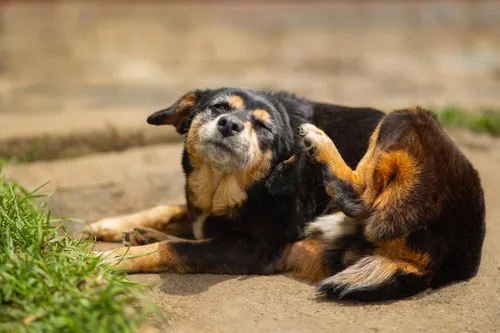
How often bathe dog with allergies: Easy guide
How often should you bathe a dog with allergies? The honest answer is that it depends on the allergy type, the season, and whether your dog is mid-flare or in a calm maintenance phase. Most allergic dogs do well with a bath every one to two weeks, but during an active flare that number can jump to two or three times a week.
The goal is to wash allergens off the coat before they soak into the skin, without stripping the natural oils that keep the barrier healthy.
Veterinary dermatology guidance, including the American College of Veterinary Dermatology, supports a phased bathing approach: more frequent baths during peak allergen exposure or active skin inflammation, then a steady maintenance schedule once symptoms settle. As of 2026, peer-reviewed work in Veterinary Dermatology still recommends lukewarm water (around 38°C / 100°F) and a contact time of 10 to 15 minutes for medicated shampoos to actually do their job. Let's walk through what changes the answer, what to use, and how to build a routine that actually helps itchy skin.
Quick Answer
For most dogs with allergies, bathe every 1 to 2 weeks as maintenance. During active flare-ups, increase to 2 to 3 times per week. Use lukewarm water.
Use a gentle, fragrance-free dog shampoo. Let medicated formulas sit for 10 to 15 minutes. Always rinse thoroughly.
Adjust based on season and symptom severity.
Why Bathing Frequency Matters for Allergic Dogs
Allergens land on the coat first. Pollen, dust mites, mold spores, and saliva from fleas all sit on the skin surface, and they keep triggering the immune system until they're physically washed off. A regular bath is one of the cheapest, most effective tools in allergy management, and skipping it lets the allergen load build up.
But there's a flip side. Dog skin has a pH of about 7.0 to 7.5, and over-bathing with harsh products strips the lipid barrier that locks moisture in. Once that barrier cracks, you get dry, flaky, inflamed skin, and that often looks exactly like an allergy flare.
So the question isn't really "how often can I bathe my dog?" It's "how often should I bathe my dog, with the right product, to wash allergens off without damaging the barrier?"
That balance is what the rest of this guide is built around.
What Changes the Answer: Allergy Type, Flare Status, and Skin Condition
There's no single number that fits every allergic dog. The right frequency shifts based on a few key variables, and reading your own dog's situation correctly is what separates "baths help" from "baths make it worse."
Type of allergy
- Environmental allergies (atopy): Pollen, grass, mold, dust mites. These are the most common, and they respond best to frequent bathing because the allergens sit on the coat. Weekly or twice-weekly baths during peak season is a standard recommendation.
- Flea allergy dermatitis (FAD): One flea bite can trigger weeks of itching in a sensitive dog. Bathing helps remove flea dirt and saliva, but it's a support tool, not a replacement for strict flea control.
- Food allergies: These show up as skin problems (recurrent ear infections, licking paws, hotspots) but bathing won't reduce the trigger. You still bathe on a maintenance schedule, but the real fix is a diet trial.
- Contact dermatitis: Often a reaction to shampoo itself, lawn chemicals, or bedding. Bathing helps rinse the irritant off, but you'll also need to remove the source.
Flare vs. maintenance
A dog in an active flare with red, hot, or infected skin needs more baths, not fewer, but only under veterinary guidance and usually with a medicated shampoo. A dog whose skin looks calm needs fewer baths, just enough to keep allergens from building up.
Coat type and breed
A thick-coated Labrador or a double-coated Husky holds onto more allergens and takes longer to dry, which raises yeast risk. A short-coated Boxer or a hairless breed dries fast and benefits from slightly more frequent baths. Breeds prone to skin issues, like Bulldogs, Shar-Peis, and Westies, often need a stricter schedule because their skin folds trap moisture and debris.
Season and region
Spring and fall pollen peaks usually justify bumping baths to once or twice a week. Winter brings dry indoor air that cracks the skin barrier, which often means scaling back to every two weeks and adding a moisturizing rinse. If you live in a humid climate, dry your dog completely after every bath to prevent yeast overgrowth.
| Variable | Maintenance Baths | Flare-Up Baths |
|---|---|---|
| Environmental allergies | Every 1–2 weeks | 2–3x per week |
| Flea allergy dermatitis | Every 2 weeks | 2–3x per week |
| Food allergies | Every 2–4 weeks | As directed by vet |
| Thick/double coat | Every 2 weeks | 2x per week |
| Short coat | Every 1–2 weeks | 2–3x per week |
| Winter, dry climate | Every 2–3 weeks | Reduce, focus on moisture |
The Two-Phase Approach: Maintenance Bathing vs. Flare-Up Bathing
Once you know the variables, the schedule almost builds itself. Veterinary dermatologists typically split allergic dog care into two phases, and the bath schedule looks different in each one.
Phase 1: Maintenance
This is the calm period. Your dog's skin looks normal, scratching is at baseline, no hot spots or ear gunk. In maintenance, the goal is to keep the allergen load low without overworking the skin.
- Bath every 1 to 2 weeks.
- Use a gentle, hypoallergenic, fragrance-free shampoo.
- Optional follow-up with a moisturizing conditioner or a leave-in skin barrier spray.
- Increase to weekly baths during high pollen counts or after heavy outdoor play.
Phase 2: Flare-up
This is when scratching picks up, skin looks pink or red, you smell a yeasty or "Frito" odor, or the ears get gunky. The skin barrier is already compromised, and you need to reduce inflammation and infection risk fast.
- Bath 2 to 3 times per week, only with a vet-recommended medicated shampoo.
- Allow 10 to 15 minutes of contact time for active ingredients like chlorhexidine or miconazole.
- Rinse thoroughly, then dry completely, especially in skin folds and ears.
- Stop weekly baths once the flare resolves, and step back down to maintenance.
A common mistake is to keep up the flare-up schedule once the skin looks better. That over-bathing can cause its own dryness and irritation, and you'll end up chasing symptoms you created. Step back to maintenance as soon as your vet gives the all-clear.
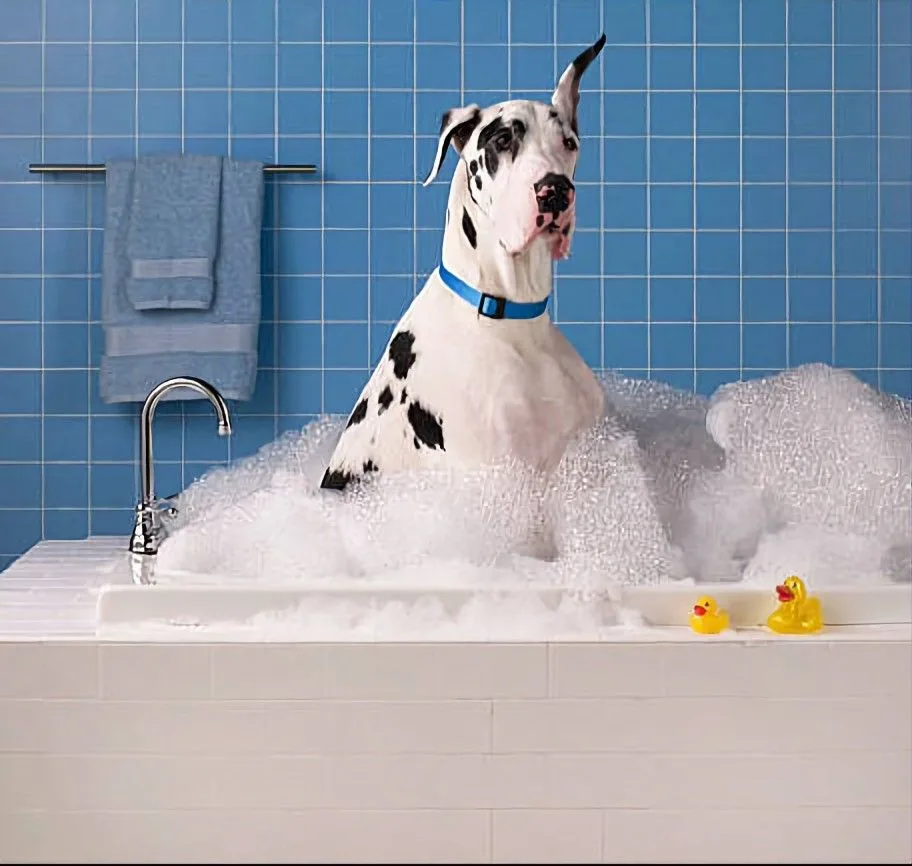
Best Shampoo Types for Allergic Dogs (and What to Skip)
The shampoo choice matters as much as the frequency. A harsh or fragranced product can undo everything a good schedule is trying to do.
What to use
- Colloidal oatmeal shampoo: Soothes itch, supports the skin barrier, and is gentle enough for routine use. A solid first pick for most allergic dogs.
- Hypoallergenic, fragrance-free shampoo: Designed for sensitive skin, usually sulfate-free, and pH-balanced for dogs. Good for maintenance.
- Chlorhexidine shampoo: Antibacterial, useful during bacterial flare-ups. Often combined with miconazole for antifungal coverage. Prescription-strength in some cases.
- Ceramide or fatty-acid-enriched shampoos: Help repair the skin barrier, especially during or after a flare.
- Pramoxine-based shampoos: Mild topical numbing agents that can take the edge off intense itching. Useful in short bursts.
What to skip
- Human shampoo: pH is wrong (around 5.5 vs. 7.0, 7.5 for dogs), and it strips the lipid barrier.
- Strongly scented or "deodorizing" shampoos: Fragrance is a common contact irritant.
- Harsh degreasing shampoos: Fine for a one-off muddy-dog cleanup, but rough on allergy-prone skin if used regularly.
- Coal tar or strong medicated shampoos: Sometimes necessary, but only under vet direction. They can dry the skin out.
If you're not sure where to start, ask your vet for a recommendation. For more on canine skin health and shampoo selection, the American College of Veterinary Dermatology is a reliable starting point. Manufacturer specs and clinical data for specific products are also available through the UC Davis School of Veterinary Medicine, which maintains detailed dermatology resources.
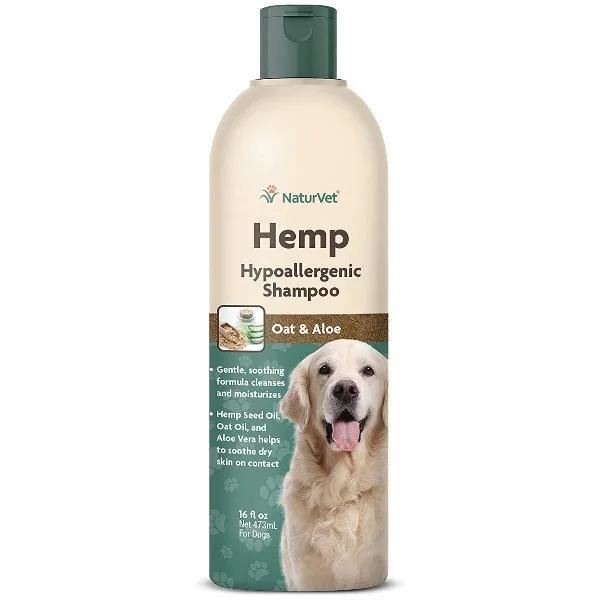
Step-by-Step Bath Routine That Protects the Skin Barrier
A good bath for an allergic dog is more about timing and rinsing than the actual scrubbing. Rushing the contact time or leaving residue behind is one of the fastest ways to undo the benefit.
Pre-bath prep
Brush your dog out before the bath. Loose fur and mats trap shampoo and block water from reaching the skin. Mats also hold moisture against the skin after the bath, which can spark a hot spot or yeast patch.
Place a non-slip mat in the tub. Warm the water to roughly 38°C (100°F). Anything hotter strips oils and irritates inflamed skin.
Cotton balls in the ears help keep water out of the ear canal, which matters a lot for floppy-eared breeds.
Shampoo application
Wet the coat thoroughly first. Then dilute the shampoo if the label allows, since diluted shampoo spreads more evenly and rinses faster. Work it in from the neck down, massaging gently into the skin, not just the surface fur.
For a medicated shampoo, set a timer. Most need 10 to 15 minutes of skin contact to work. That's a long time for a wiggly dog, so keep treats handy and talk to them.
Rinse, rinse, rinse
This is where most owners fall short. Residue left on the skin is a top cause of post-bath itch. Rinse for at least 2 to 3 minutes under running water, longer for thick coats.
The water running off should run completely clear with no visible bubbles.
Dry completely
Towel dry first, then finish with a blow dryer on the cool or low-heat setting if your dog tolerates it. Pay extra attention to the armpits, groin, skin folds, under the tail, and between the toes. Any damp patch left behind is a yeast invitation.
Mistakes That Make Allergies Worse (Even With Frequent Baths)
Bad bath habits can be just as harmful as not bathing at all. These are the most common issues we see in the research, and they're worth checking your own routine against.
- Using human shampoo: pH mismatch, strips the lipid barrier, and often triggers contact dermatitis on its own.
- Skipping the contact time: If a medicated shampoo sits for 30 seconds, it isn't doing anything. The 10 to 15 minutes isn't optional.
- Incomplete rinsing: Residue keeps itching the skin long after the bath is over.
- Bathing too often during maintenance: Twice-weekly baths in a calm dog can dry the skin out and mimic allergy symptoms.
- Not drying thoroughly: Yeast and bacterial infections love a damp, warm coat.
- Bathing over open wounds or hot spots without vet guidance: Painful, and can spread infection.
- Switching shampoos constantly: The skin needs a stable routine to calm down. Pick one and stick with it for at least a few weeks.
Bathing Alternatives and Add-Ons for Itchy Dogs
Baths aren't the only tool in the kit. Sometimes they pair better with other steps than they do alone.
Wipes and rinses
Hypoallergenic grooming wipes are useful between baths, especially for paws and belly folds after walks. A diluted apple cider vinegar or chlorhexidine rinse can also help, but only on intact skin and only after talking to your vet.
Leave-in conditioners and barrier sprays
These go on after the bath, on a damp or towel-dried coat. They lock in moisture and help repair the skin barrier between baths. Look for products with ceramides, fatty acids, or colloidal oatmeal.
Omega-3 fatty acid supplementation
Fish oil doesn't replace bathing, but it supports skin barrier function from the inside. Most allergic dogs benefit from a daily omega-3 supplement, and many owners report noticeable improvement in coat quality and itching within 6 to 8 weeks.
Topical and oral medications
For dogs on Apoquel, Cytopoint, or immunotherapy, bathing works alongside these treatments. It doesn't replace them. In fact, frequent baths often make medications work better because there's less allergen driving the immune response.
| Method | Best For | Frequency | Works With Baths? |
|---|---|---|---|
| Hypoallergenic wipes | Quick decontamination after walks | Daily | Yes |
| Leave-in conditioner | Dry, flaky skin | After each bath | Yes |
| Omega-3 supplements | Long-term skin support | Daily | Yes |
| Apoquel or Cytopoint | Moderate to severe flares | Per vet | Yes |
| Immunotherapy | Year-round environmental allergies | Per vet | Yes |
When Bathing Alone Isn't Enough: Signs You Need a Vet
Baths handle surface allergens and mild itch, but they can't fix everything. If you spot any of these, the next step is a vet visit, not another bottle of shampoo.
- Persistent scratching past 2 weeks of a proper bathing routine.
- Hot spots: Raw, moist, rapidly spreading patches of inflamed skin.
- Recurrent ear infections: Head shaking, odor, or gunk in the ears.
- Hair loss in patches, or skin that looks like elephant hide.
- Strong yeasty or foul odor that doesn't go away after a bath.
- Open sores, scabs, or signs of infection.
- Sudden behavior change: Restlessness, not sleeping, loss of appetite.
These can point to a secondary bacterial or yeast infection, a food allergy, demodectic mange, or something else that needs prescription treatment. A veterinary dermatologist can do intradermal allergy testing to pinpoint triggers and build a plan that goes beyond baths.
Seasonal and Climate Adjustments to Your Bathing Schedule
The calendar matters as much as the calendar year. Seasonal allergen shifts, humidity, and temperature all change what your dog's skin needs.
Spring and fall
Peak pollen and mold spore counts. Most environmental allergy dogs need a bath every 7 to 10 days during these seasons, sometimes weekly. Paw soaks after walks can also help reduce what gets carried into the house.
Summer
Heat and humidity raise the risk of yeast and bacterial overgrowth, especially in dogs with skin folds. Stick to the bath schedule but dry thoroughly. Avoid mid-day baths when the sun is hottest, since damp skin plus heat is a yeast party.
Winter
Cold outdoor air and dry indoor heat together strip the skin barrier. Most dogs do better with less frequent baths in winter, every 2 to 3 weeks, paired with a rich moisturizer or barrier spray. Omega-3 supplementation also helps counteract winter dryness.
Regional allergen notes
If you live in the southern US, grass pollens can stretch across most of the year. In the Pacific Northwest, mold is a big year-round trigger. In the desert Southwest, dust and dryness dominate.
Adjust your schedule to your local allergen profile, not a generic calendar.
| Season | Recommended Bath Frequency | Extra Steps |
|---|---|---|
| Spring | Every 7–10 days | Paw soaks after walks |
| Summer | Every 1–2 weeks | Dry thoroughly, watch for yeast |
| Fall | Every 7–10 days | Paw soaks after walks |
| Winter | Every 2–3 weeks | Add moisturizer, omega-3s |
Drying, Rinsing, and Post-Bath Care Most Owners Get Wrong
A clean, wet dog isn't a finished dog. The 20 minutes after the bath are where infections either get prevented or invited in.
Rinse duration matters more than shampoo choice. A good rule: rinse until you think you're done, then rinse for another full minute. Medicated shampoo residue is one of the top causes of post-bath scratching.
Drying the ears is non-negotiable. Cotton balls in the ears during the bath help, but you still need to dry the outer ear canal and the ear flap. Floppy-eared dogs, like Cocker Spaniels and Basset Hounds, are especially prone to ear infections after a bath.
Skin folds need attention. Bulldogs, Shar-Peis, Pugs, and any wrinkly breed need their folds dried and checked. A damp fold is a yeast nursery. A quick wipe with a vet-approved drying solution after each bath goes a long way.
Post-bath skin check. Run your hands over the coat once it's dry. Look for any new lumps, scabs, or tender spots. Catching a hot spot in the first 24 hours usually means a quick fix.
Catching it three days later often means antibiotics.
Sample Bathing Schedules by Allergy Type
Here's how the schedule might look in practice. These are starting points, not rules, and your vet may adjust based on your dog's response.
Environmental allergies (atopy), maintenance: Bath every 10 to 14 days with a hypoallergenic shampoo. Weekly during spring and fall pollen peaks. Add a leave-in conditioner to support the skin barrier.
Flea allergy dermatitis: Strict monthly flea prevention is non-negotiable. Bath every 2 weeks with a gentle shampoo, plus a flea comb after outdoor time. During an active FAD flare, your vet may recommend 2 to 3 baths per week with a chlorhexidine shampoo to address secondary infection.
Food allergy-related skin issues: Bath every 2 to 4 weeks on a maintenance schedule. The bath isn't the treatment. The treatment is a strict elimination diet trial, usually 8 to 12 weeks under vet supervision.
Bathing supports skin comfort while you work out the food trigger.
Active flare (any cause): 2 to 3 baths per week with a medicated shampoo, 10 to 15 minutes of contact time, and full drying. Expect 2 to 4 weeks to see clear improvement. Once symptoms resolve, step down to maintenance.
A Practical Bathing Plan You Can Start This Week
If you're not sure where to start, here's a simple plan that works for most allergic dogs. Adjust based on what your vet says and how your dog responds over the first 2 to 4 weeks.
- Pick one gentle, fragrance-free, hypoallergenic shampoo and commit to it.
- Brush your dog thoroughly before the next bath to remove loose fur and mats.
- Run a bath with lukewarm water and a non-slip mat in the tub.
- Lather, set a 10-minute timer, then rinse for at least 3 minutes.
- Towel dry, then blow dry on cool, paying attention to ears, paws, and skin folds.
- Log the date, the shampoo used, and how the skin looked before and after.
- Repeat every 7 to 14 days, more often during flares or peak pollen season.
- If symptoms don't improve in 3 to 4 weeks, book a vet visit.
A consistent routine is what actually moves the needle. A single perfect bath followed by six weeks of nothing won't help. The skin barrier responds to steady, gentle care, and so does the scratching.
Frequently Asked Questions
Can I bathe my dog every day if he has allergies?
No. Daily bathing strips the lipid barrier and can make itching worse. Stick to every 1 to 2 weeks in maintenance, and only go more often during a vet-supervised flare with a medicated shampoo.
Is it okay to use baby shampoo on an allergic dog?
It's better than nothing in a pinch, but baby shampoo is still pH-mismatched for dog skin. A proper hypoallergenic dog shampoo is the safer long-term pick.
How long does a medicated shampoo need to stay on?
Most need 10 to 15 minutes of skin contact to work. That means lather, set a timer, and wait. A quick rinse won't activate the active ingredients.
Should I use conditioner after a hypoallergenic shampoo?
For most allergic dogs, yes. A moisturizing conditioner or leave-in barrier spray helps repair the skin and keeps the coat from drying out, especially during winter.
Can oatmeal baths really help dog allergies?
Colloidal oatmeal has well-documented anti-itch and skin-soothing properties. It's not a cure, but as part of a regular routine, it reliably takes the edge off mild itching.
When should I switch from home baths to a vet visit?
If scratching hasn't improved in 2 to 3 weeks of consistent bathing, if you see hot spots or hair loss, or if there's a strong odor or recurrent ear infection, it's time. A vet can rule out secondary infections and adjust the plan.