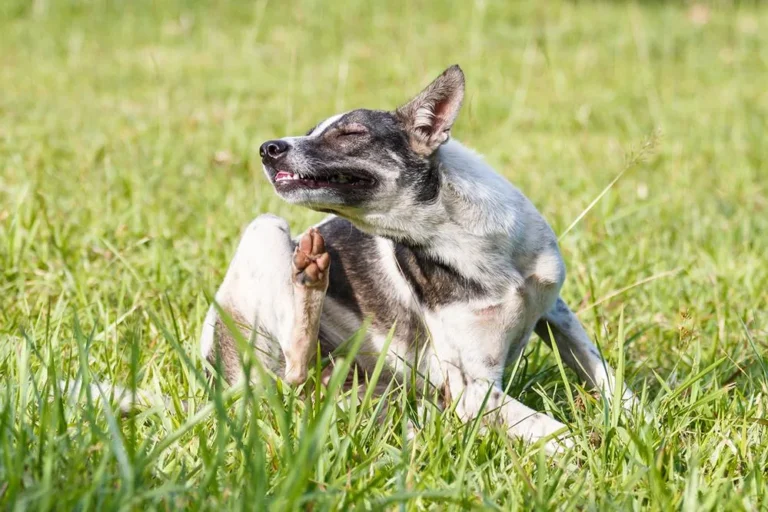
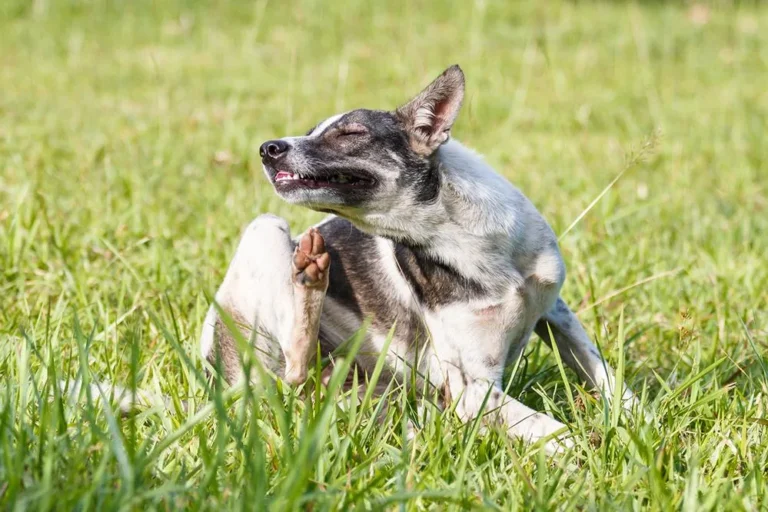
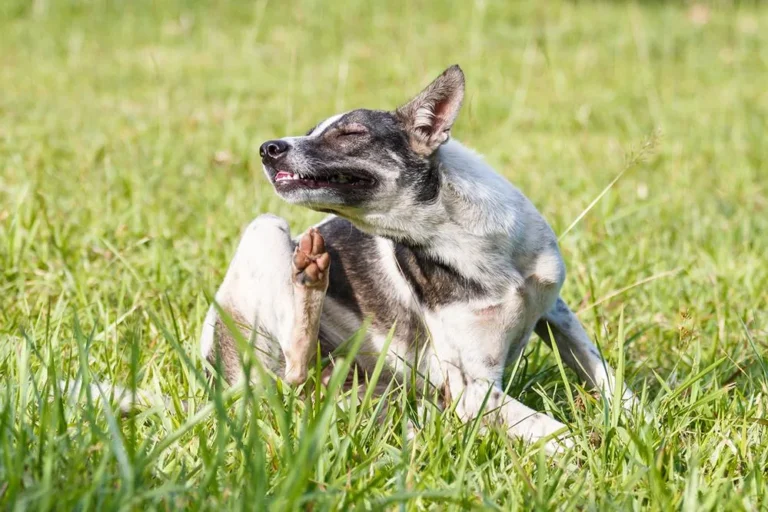
How much benadryl can you give a dog for allergies: Easy guide
How much Benadryl can you give a dog for allergies? Most healthy adult dogs tolerate plain diphenhydramine at roughly 1 mg per pound of body weight, given two to three times daily. That's the short version, but the real answer depends on your dog's weight, the exact product you grab off the shelf, and whether your dog has any conditions that rule Benadryl out altogether.
Getting this wrong can turn a simple allergy fix into an emergency vet visit, so it's worth slowing down and reading the details before you dose.
The standard canine dose sits between 1 and 2 mg per pound (about 2.2 to 4.4 mg per kilogram) of plain diphenhydramine every 8 to 12 hours, according to veterinary references including the Merck Veterinary Manual. The most common tablet strength is 25 mg, which works out neatly for medium and large dogs but needs careful splitting or a different formulation for small breeds. As of 2026, the FDA still classifies diphenhydramine as an over-the-counter human drug that veterinarians prescribe off-label for dogs, so no canine-specific product has replaced it.
Below, we'll walk through the safe way to figure out your dog's dose, the products to skip, the breeds that need extra caution, and when to call your vet instead.
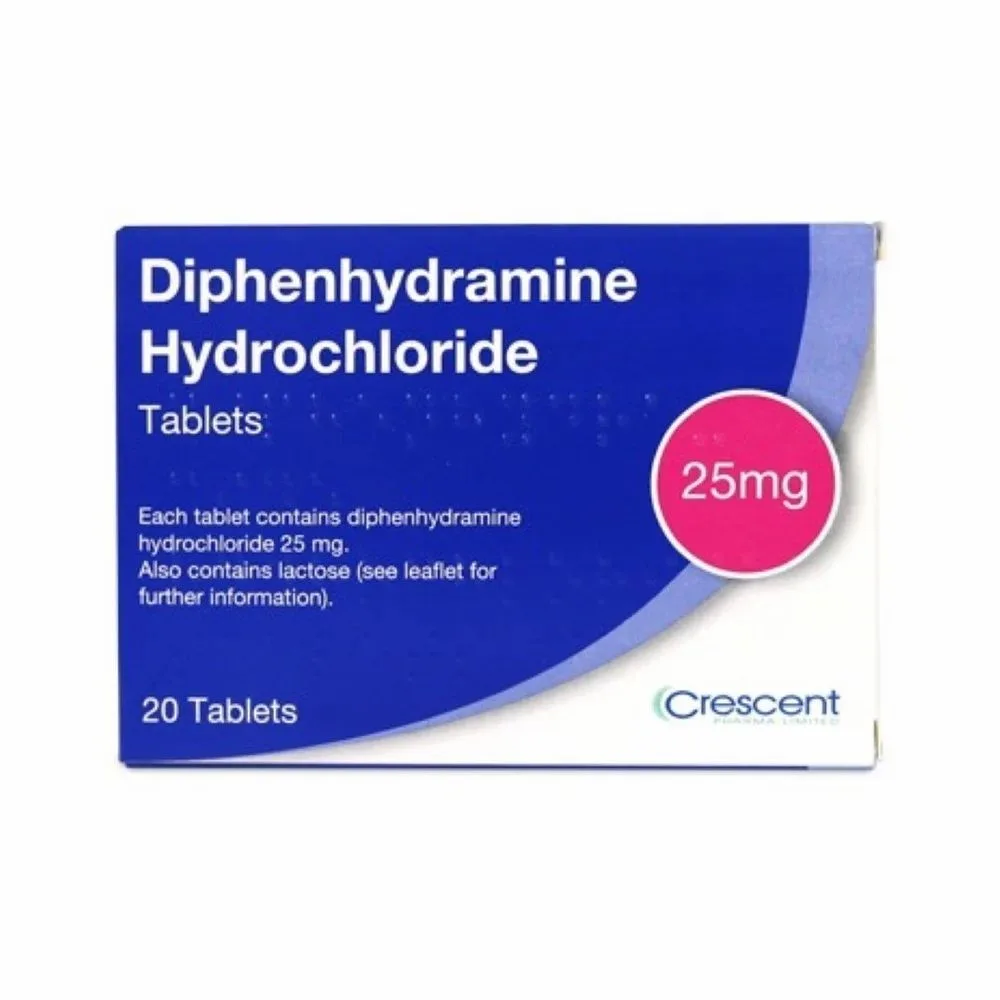
Quick Answer
Most adult dogs can take 1 mg of plain Benadryl per pound of body weight. Doses repeat every 8 to 12 hours, up to three times a day. Use only products containing diphenhydramine as the sole active ingredient.
Always confirm the dose with your veterinarian before the first dose.
Is It Safe to Give Benadryl to a Dog?
For most healthy adult dogs, plain diphenhydramine is considered safe at the correct dose. It's been used in veterinary practice for decades to ease itching, hives, mild swelling, and vaccine reactions. The drug is cheap, widely available, and fast-acting, usually starting to work within 30 to 60 minutes.
That said, "safe" depends on a few things you need to confirm first. Your dog should be a healthy adult without heart disease, glaucoma, prostate problems, or seizure issues. You'll also need to check that the product you're reaching for contains only diphenhydramine.
Many "Benadryl" products on the shelf combine diphenhydramine with decongestants, pain relievers, or sweeteners that are toxic to dogs.
The bigger safety question isn't really the dose itself. It's whether Benadryl is the right call for what's happening. If your dog is having a true allergic emergency, with facial swelling, collapse, or trouble breathing, Benadryl is not enough.
Skip the home dose and head straight to the emergency clinic.
The Quick Answer on Benadryl Dosing for Dogs
The widely accepted dose is 1 mg per pound (2.2 mg per kilogram) of body weight. Some sources allow up to 2 mg per pound for dogs that tolerate the lower dose well, but most vets start at 1 mg per pound and only increase if needed. Doses repeat every 8 to 12 hours, and most dogs do well on twice-daily dosing rather than three times.
Here's a quick example to make the math concrete. A 25-pound beagle would get 25 mg, which is one standard adult tablet. A 10-pound terrier would get 10 mg, which is less than half a 25 mg tablet and tricky to split accurately.
That little dog usually does better with children's liquid Benadryl or a pre-measured 25 mg tablet halved with a pill cutter.
The dose ceiling matters too. Single doses above 5 mg per pound raise the risk of anticholinergic toxicity, which can show up as agitation, rapid heart rate, or seizures. Toxic doses aren't a sharp cliff.
Dogs vary. Even at 2 mg per pound, some dogs get wobbly or overly sedated, so first-time dosing should happen when you can watch your dog for a few hours.
How Diphenhydramine Works in a Dog's Body
Diphenhydramine is a first-generation H1 antihistamine. When a dog encounters an allergen like pollen, dust, or a flea bite, the immune system releases histamine. Histamine binds to H1 receptors in the skin, airways, and blood vessels, and that binding produces the familiar allergy symptoms: itching, redness, swelling, and hives.
Diphenhydramine blocks those H1 receptors before histamine can dock. It also crosses the blood-brain barrier, which is why sedation is the most obvious side effect in dogs. Compared with newer second-generation antihistamines like cetirizine or loratadine, diphenhydramine causes more drowsiness and has a shorter duration of action.
For acute, short-lived reactions, that quick onset is actually an advantage.
A few features of the drug shape how you use it:
- Onset of action: 30 to 60 minutes
- Duration: roughly 8 to 12 hours per dose
- Sedation: common, especially with the first dose
- Anticholinergic effects: dry mouth, urinary retention, constipation at higher doses
- Drug interactions: caution when combined with other sedatives or anticholinergic drugs
The antihistamine effect is helpful for mild allergic itch and hives, but Benadryl does very little for itch driven by skin infection, food allergy, or severe atopic dermatitis. If your dog's scratching hasn't improved after a few days of correct dosing, the underlying cause likely needs a different treatment plan, often Apoquel, Cytopoint, or a prescription diet.
Benadryl Dosage Chart by Dog Weight
This chart uses the standard 1 mg per pound dose. Adjust only with veterinary guidance, and always confirm your dog's current weight before dosing. Small dogs in particular are sensitive to small errors in tablet splitting.
| Dog's Weight | Dose (mg) | 25 mg Tablets | Children's Liquid (12.5 mg/5 mL) |
|---|---|---|---|
| 5 lbs | 5 mg | Use liquid only | 2 mL |
| 10 lbs | 10 mg | Less than half a tablet | 4 mL |
| 15 lbs | 15 mg | Roughly 3/5 of a tablet | 6 mL |
| 20 lbs | 20 mg | 4/5 of a tablet | 8 mL |
| 25 lbs | 25 mg | 1 full tablet | 10 mL |
| 50 lbs | 50 mg | 2 full tablets | 20 mL |
| 75 lbs | 75 mg | 3 full tablets | 30 mL |
| 100 lbs | 100 mg | 4 full tablets | 40 mL |
A few practical notes to go with the chart:
- Weigh your dog within the last few weeks before dosing. A "20-pound" guess on a dog that actually weighs 14 pounds leads to a 30 percent overdose.
- Use a pill cutter for accuracy on partial tablets. Breaking tablets by hand tends to crumble them.
- The 2 mg per pound upper range is reserved for dogs that don't respond to 1 mg per pound and have been cleared by a vet for the higher dose.
- Never exceed 50 mg as a single dose for medium dogs without vet guidance, and stay conservative with senior or small dogs.
If your dog is on any other medication, especially sedatives, anti-anxiety drugs, or other antihistamines, the dose should be confirmed with your vet before you start. Diphenhydramine stacks with other sedating drugs and that combo can flatten a dog. Puppies under 12 weeks, pregnant dogs, and dogs with chronic illness should also get a vet's green light before any dose.
Which Benadryl Formulation Is Safe (and Which to Skip)
The only Benadryl formulation you want for dogs is plain diphenhydramine with no other active ingredients. Anything else is a gamble with your dog's health, and most of those gambles end badly.
Products to avoid:
- Benadryl Allergy Plus Congestion: contains pseudoephedrine, a stimulant toxic to dogs
- Benadryl Severe Allergy Plus Sinus Headache: contains acetaminophen, which is toxic to dogs
- Benadryl Children's Allergy plus Cold and Cough: contains phenylephrine
- Benadryl Itch Cooling Gel or Spray: topical, often contains camphor or zinc
- Any Benadryl product containing xylitol: extremely toxic, sometimes added to liquid formulations
Products that are generally safe when dosed correctly:
- Benadryl Regular Strength Tablets (25 mg diphenhydramine only)
- Generic diphenhydramine 25 mg tablets from major pharmacies
- Children's Benadryl Liquid (12.5 mg per 5 mL): confirm xylitol-free on the label
- Diphenhydramine capsules: check the label carefully for combination ingredients
The "children's" liquid form is often the safest choice for small dogs because the dose is easier to measure. But the label must be read every single time. Manufacturers reformulate products without changing the front of the box, and a version that was xylitol-free last year might contain it now.
When Benadryl Makes Sense for a Dog's Allergies
Benadryl is the right call when a dog has a mild, clearly allergic reaction with no breathing trouble or collapse. It also works well for short-term itch relief in dogs with known seasonal allergies, particularly during peak pollen weeks.
The drug works best for acute, histamine-driven symptoms that show up fast. Think of the dog that rolled in grass and came up with hives. Or the dog that got stung by a bee and has facial swelling without airway involvement.
Or the dog that gets itchy paws every August when ragweed counts spike.
A vet may also recommend a single Benadryl dose before a known allergen exposure, like a vaccine appointment for a dog with a vaccine reaction history. In these planned situations, the dose is timed about 30 to 60 minutes ahead of the trigger.
For dogs with chronic environmental allergies, Benadryl sometimes helps at the start of an itch flare. But most chronic allergy dogs end up needing Apoquel, Cytopoint, or a prescription-strength option because diphenhydramine wears off quickly and the sedation side effect builds up over time.
Skip the home dose and head to a vet if your dog shows any of these:
- Swelling of the face, lips, or throat
- Trouble breathing, panting, or pale gums
- Collapse or sudden weakness
- Repeated vomiting or diarrhea along with skin symptoms
- A swollen, painful abdomen
- Multiple bee stings or a known snake bite
These can be signs of anaphylaxis, and anaphylaxis in dogs can progress from mild to fatal in under an hour. Benadryl will not save a dog in anaphylactic shock. Injectable epinephrine, IV steroids, and supportive care are the actual lifesavers.
When You Should Not Give Benadryl to a Dog
There are clear cases where Benadryl is the wrong choice, and giving it anyway can make things worse. Vets screen for these conditions before recommending diphenhydramine, and you should too.
Benadryl should be avoided or used only under close veterinary supervision in dogs with:
- Glaucoma: antihistamines can raise intraocular pressure
- Cardiovascular disease: the drug's anticholinergic effects can affect heart rate
- Prostate enlargement or urinary obstruction: diphenhydramine worsens urinary retention
- Seizure disorders: sedation aside, antihistamines can occasionally lower the seizure threshold
- Severe liver or kidney disease: drug clearance is impaired
- Chronic respiratory disease: sedation can suppress breathing drive
Puppies under 12 weeks, senior dogs with multiple health issues, and pregnant or nursing dogs should get a vet's specific dose rather than a home estimate. Diphenhydramine does pass into milk and crosses the placenta.
Drug interactions also matter. Combining Benadryl with other sedatives (like trazodone, gabapentin, or acepromazine) stacks the drowsiness. Adding it to other anticholinergic drugs amplifies dry mouth, constipation, and urinary issues.
A vet should review the full medication list before regular Benadryl use begins.
Benadryl Side Effects and Signs of Overdose
Most dogs on a correct dose experience mild drowsiness and that's about it. Some dogs get the opposite effect, becoming wired or restless instead of sleepy, which is more common in smaller breeds. Both reactions tend to settle after the first day or two as the dog adjusts.
Common side effects at correct doses:
- Drowsiness or mild sedation
- Dry mouth (you may notice your dog drinking more)
- Mild urinary hesitation
- Reduced appetite for a few hours after dosing
- Slight wobbliness in older dogs
These are not emergencies. They typically pass within 8 to 12 hours as the dose wears off.
Toxicity becomes a real concern at doses above 5 mg per pound in a single sitting, though sensitive dogs can show overdose signs at lower amounts. The early signs are agitation, rapid breathing, and a high heart rate, not the calm sedation you'd expect.
Watch for:
- Agitation, restlessness, or pacing
- Rapid heart rate or breathing
- Dilated pupils
- Tremors or shaking
- Vomiting
- Seizures
- Hyperthermia (feeling hot to the touch)
- Collapse
If you suspect an overdose, contact your vet, an emergency clinic, or the ASPCA Animal Poison Control Center at 888-276-6733 right away. The Pet Poison Helpline at 855-764-7661 is another 24/7 option. Time matters.
Dogs that get to a clinic within an hour of a toxic dose usually do well. Dogs that wait overnight while symptoms escalate often do not.

Benadryl also does very little for food allergy symptoms, which usually show up as chronic ear infections, hot spots, or gastrointestinal issues. It also does not address itch caused by skin infections or mange mites. If your dog has been itchy for weeks without improvement on Benadryl, the underlying cause needs a different treatment.
Breed-Specific Risks: The MDR1 Gene and Herding Dogs
A small number of breeds carry a gene mutation called MDR1 (now often called ABCB1) that makes certain drugs, including some antihistamines, cross the blood-brain barrier more easily than they should. In dogs with this mutation, normal doses can produce exaggerated sedation and, in severe cases, neurological toxicity.
The MDR1 mutation is most common in herding breeds. The breeds most commonly flagged include:
- Collies (Rough and Smooth)
- Australian Shepherds (including Mini Aussies)
- Shetland Sheepdogs
- Border Collies
- Old English Sheepdogs
- English Shepherds
- McNab Shepherds
- Mixed-breed dogs with any of the above in their lineage
Roughly 3 out of 4 Collies in the United States carry at least one copy of the mutation, according to research from Washington State University's Veterinary Clinical Pharmacology Lab. That's a high enough number that any Collie should be considered sensitive until tested.
If your dog is a herding breed or a mixed breed with herding ancestors, talk to your vet before giving any antihistamine. A simple cheek swab through Washington State University's test kit can tell you whether your dog carries zero, one, or two copies of the mutation.
Dogs with two copies of the mutation (homozygous) are at the highest risk. Dogs with one copy (heterozygous) usually tolerate Benadryl at reduced doses, but only a vet can set that dose safely. Drug sensitivity in MDR1-positive dogs is dose-dependent.
Lower doses are often fine, but you don't want to find out the hard way that you guessed wrong.
Benadryl vs. Other Dog Allergy Medications
Benadryl is the most familiar option, but it's rarely the best one for ongoing allergy care. Here's how it stacks up against the alternatives most vets actually reach for.
| Medication | Best For | Sedation | Onset | Notes |
|---|---|---|---|---|
| Benadryl (diphenhydramine) | Acute, short-term reactions | High | 30-60 min | Cheap, easy to find, but wears off fast |
| Zyrtec (cetirizine) | Chronic seasonal allergies | Low | 1-2 hr | Once-daily dosing, fewer side effects |
| Claritin (loratadine) | Mild seasonal itch | Low | 1-2 hr | Once-daily, often combined with pseudoephedrine (avoid that form) |
| Apoquel (oclacitinib) | Moderate to severe atopic dermatitis | Low | 4 hr | Prescription only, very effective for chronic itch |
| Cytopoint (lokivetmab) | Long-lasting itch relief | None | 24-48 hr | Vet-administered injection, lasts 4-8 weeks |
For an acute allergic reaction at 2 a.m. with no vet access, plain diphenhydramine is still the right call. For chronic itching that drags on month after month, Apoquel or Cytopoint will outperform Benadryl every time without the daily sedation tax.
What to Do If Your Dog Has an Allergic Reaction Right Now
If your dog is suddenly swollen, itchy, or covered in hives, here's the calm sequence to follow:
- Move the dog away from the suspected trigger (different grass, away from bees, new food out of reach).
- Check breathing, gum color, and energy level. Any airway swelling or collapse means emergency vet, not home dose.
- Weigh the dog if possible, or estimate carefully.
- Give the correct Benadryl dose based on the weight chart above, plain diphenhydramine only.
- Watch the dog for 30 to 60 minutes. Mild hives should fade. Severe symptoms need a vet.
- Call your vet or an emergency clinic even if symptoms improve. Most vets want a follow-up call.
Mistakes Dog Owners Make With Benadryl
The same handful of errors sends dogs to emergency clinics every year. Knowing them in advance is the easiest way to avoid them.
- Grabbing the wrong product. Combination cold medicines are the single most common Benadryl mistake.
- Using outdated children's syrup. Older liquid formulations sometimes contain xylitol.
- Splitting tablets by hand. This leads to crumbled, uneven doses that over- or under-dose small dogs.
- Doubling up after vomiting. If the dog throws up 20 minutes after dosing, don't re-dose without vet guidance.
- Ignoring MDR1 status. Herding breed dogs need testing before regular Benadryl use.
- Treating it like a cure. Benadryl masks symptoms. Chronic itch needs a real diagnosis.
- Skipping the vet for "just a little" symptoms. Facial swelling that looks minor can become airway swelling fast.
Talking to Your Vet: What to Ask Before Dosing
A 5-minute vet call before the first dose clears up 95 percent of the uncertainty. Useful questions to bring up:
- Is plain Benadryl appropriate given my dog's full medical history?
- What's the right dose for my dog's current weight?
- Should I avoid Benadryl because of my dog's breed or medications?
- How long should I give it before deciding it isn't working?
- What symptoms should send me straight to the clinic?
- Is Apoquel or Cytopoint a better long-term option?
If your vet doesn't already know your dog's breed and medication list, be ready to share both. A vet who's never seen your dog can't answer the dosing question safely.
Frequently Asked Questions
How long does Benadryl take to work in dogs?
Most dogs start showing effects within 30 to 60 minutes. Peak antihistamine action usually hits around the two-hour mark and lasts 8 to 12 hours depending on the dog's metabolism.
Can I give my dog Benadryl every day?
For short courses of a few days, yes. For daily use beyond a week or two, you need a vet's involvement. Chronic dosing raises the risk of side effects and often signals the underlying allergy needs a better treatment.
What if my dog is allergic to Benadryl itself?
True diphenhydramine allergy in dogs is rare, but it shows up as worsening hives, swelling, or agitation shortly after dosing. Stop the drug and call your vet. Zyrtec or Claritin may be safer alternatives.
Is children's Benadryl safer than adult tablets?
For small dogs, yes. The liquid form lets you measure doses more accurately. For dogs over 25 pounds, adult tablets are easier and equally safe.
Always check the label for xylitol and other additives.
Can puppies have Benadryl?
Puppies over 12 weeks can, at a vet-confirmed dose based on accurate weight. Puppies under 12 weeks should not have Benadryl without direct veterinary instruction. Weight-based dosing errors are dangerous in tiny puppies.
Will Benadryl calm an anxious dog for travel?
Sometimes, as a side effect of the sedation. But it's not a reliable anxiety treatment and can paradoxically excite some dogs. For travel anxiety, talk to your vet about trazodone or gabapentin instead.