How to treat dogs with allergies: Quick guide
If your dog won't stop scratching, licking, or chewing at their skin, you're not alone. Allergies are one of the most common reasons dogs end up at the vet, and figuring out how to treat dogs with allergies starts with knowing what's actually causing the reaction. The good news is that once you identify the type, there are clear, vet-backed ways to bring your dog real relief.
Atopic dermatitis, the most common form of environmental allergy in dogs, affects roughly 10 to 15% of the canine population, and breed plays a big role. French Bulldogs, Golden Retrievers, Labrador Retrievers, West Highland White Terriers, Boxers, and Bulldogs are among the breeds most predisposed to skin allergies. Knowing that puts you ahead of most owners, because treatment changes entirely based on whether your dog is reacting to fleas, food, pollen, or something in their environment.
Let's walk through what to look for first.
Quick Answer
Treating dog allergies starts with a vet visit to identify the cause. Common options include flea control, an 8 to 12 week elimination diet, Apoquel, Cytopoint, or allergy immunotherapy. Antihistamines help some dogs.
Always confirm the allergy type before starting medication.
How to Tell If Your Dog's Scratching Is Actually an Allergy
Not every itch is an allergy. Dogs scratch for plenty of reasons: dry skin, anxiety, parasites, even boredom. The clue that you're dealing with an allergy is usually a pattern, not a single moment of scratching.
If the itching is constant, focused on certain body areas, or keeps coming back the same time each year, that's a strong signal.
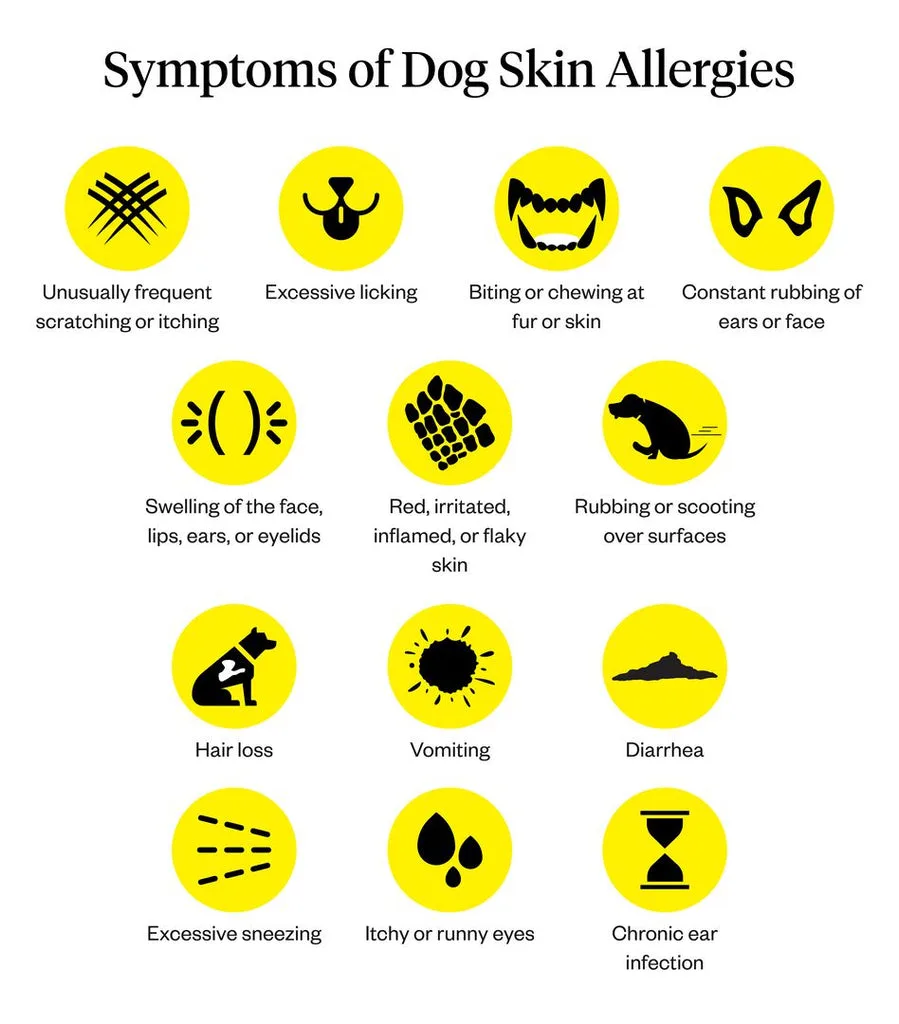
Common allergy signs in dogs include:
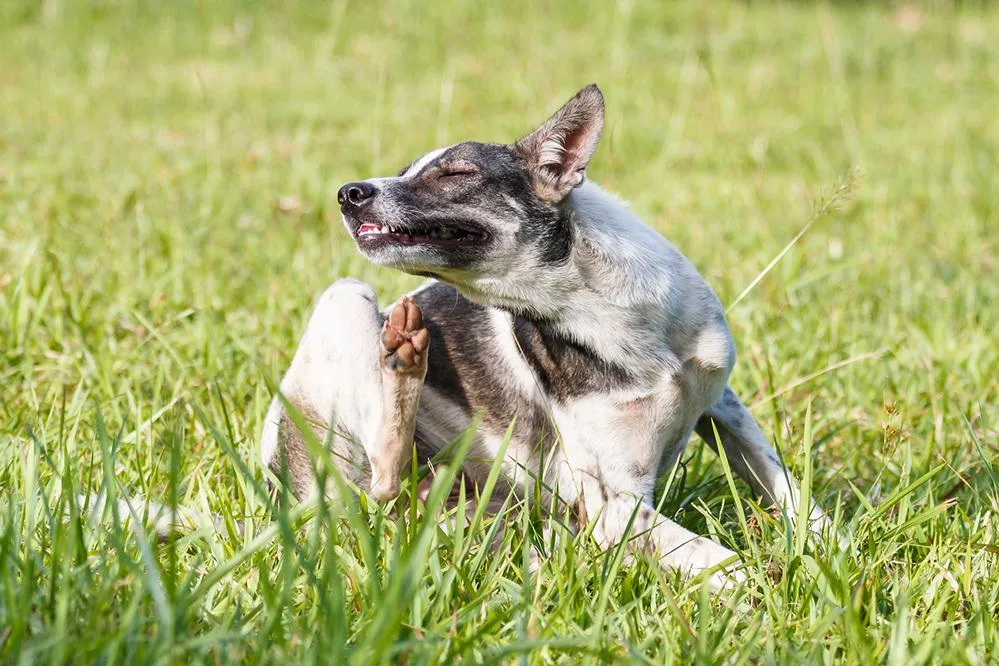
- Repeated scratching at the ears, belly, armpits, or groin
- Licking or chewing the paws, often until the fur turns rust-colored
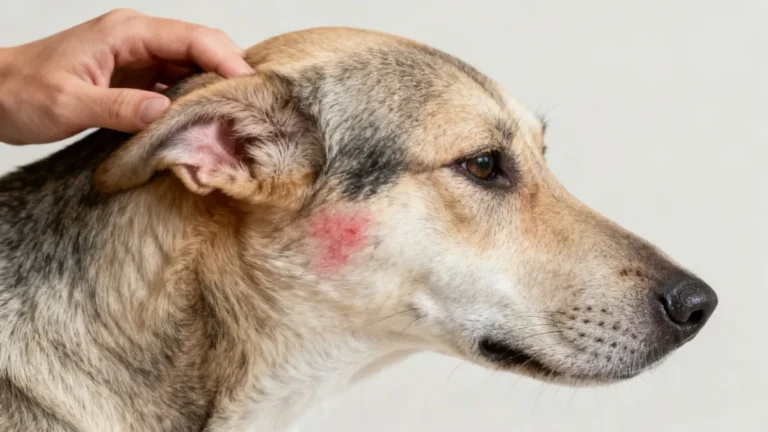
- Red, inflamed skin or hot spots
- Recurring ear infections or head shaking
- Hair loss in patches
- Face rubbing against furniture or the floor
- Hives or swelling (usually sudden)
- Digestive upset like vomiting or soft stool, which can point to food allergies
Age matters too. Most environmental allergies show up between 6 months and 3 years of age. If your older dog suddenly starts itching, your vet may want to rule out other causes first, like hypothyroidism or Cushing's disease.
A quick note on ear infections: if your dog has had two or more ear infections in a year, that's a textbook red flag for underlying allergies, according to the American College of Veterinary Dermatology. The ears are often the first place inflammation shows up because the skin lining is thin and warm.
The 4 Main Types of Dog Allergies (And Why Knowing the Type Changes Everything)
This is the part most owners skip, and it's the part that determines whether treatment actually works. Each allergy type has a different root cause and a different fix. Treating food allergies like environmental allergies wastes months.
Here's how to tell them apart.
Flea Allergy Dermatitis (FAD)
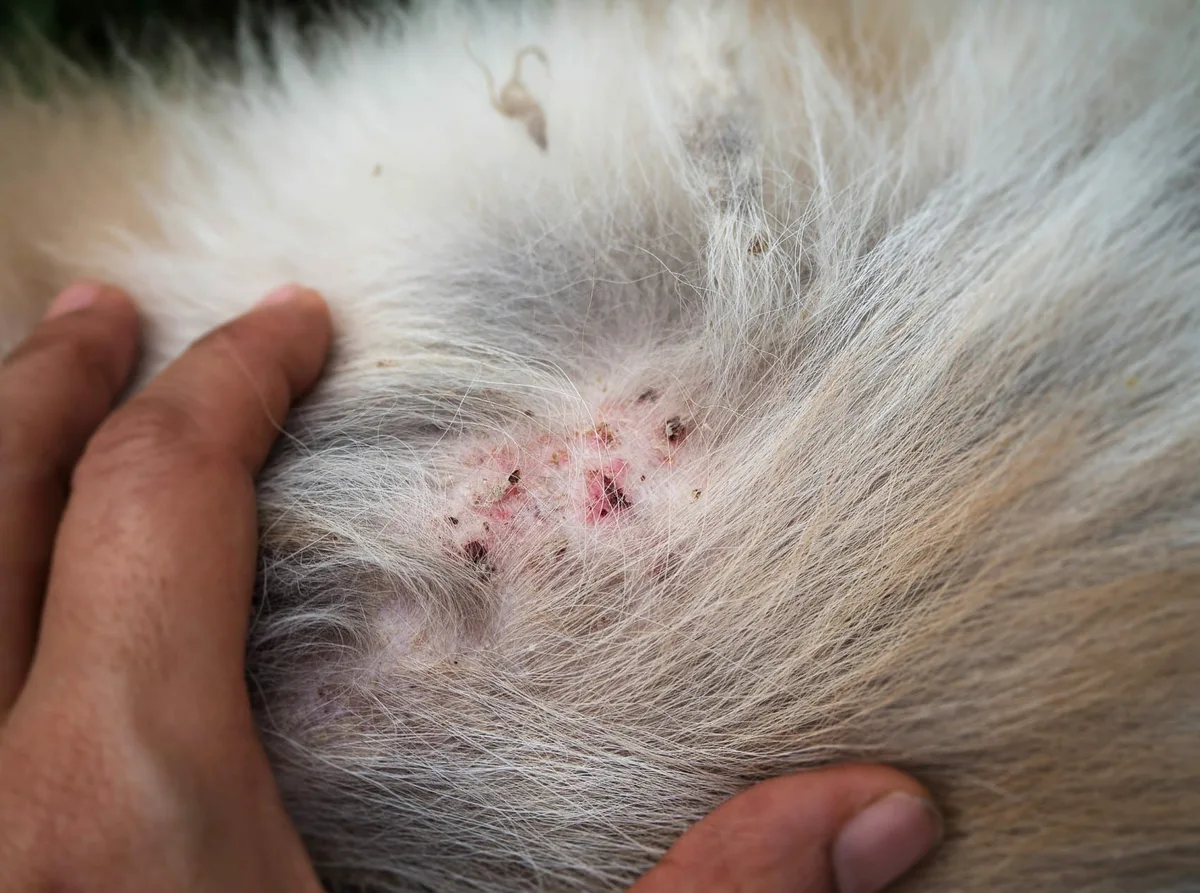
This is the single most common allergy in dogs. It's caused by a reaction to proteins in flea saliva, not the flea itself. A single bite can trigger two weeks of intense itching, usually focused on the lower back, tail base, and hind legs.
The dog may scratch so hard they break the skin and cause hot spots. If you see flea dirt (tiny black specks that turn red on a wet paper towel), this is likely your culprit.
Environmental Allergies (Atopic Dermatitis)
Caused by airborne allergens like pollen, dust mites, and mold spores. Symptoms often follow a seasonal pattern, flaring in spring or fall, though some dogs react year-round. The itching usually affects the paws, face, ears, and belly.
Atopic dermatitis tends to be chronic and benefits from long-term management rather than a one-off cure.
Food Allergies
Less common than people think. True food allergies involve the immune system reacting to a protein, most often beef, chicken, dairy, or wheat. Symptoms include itchy skin plus digestive signs like chronic diarrhea or vomiting.
Diagnosis requires an elimination diet trial, since blood tests for food allergies are unreliable.
Contact Allergies
The rarest type. Triggered when something touches the skin directly, like a new dog bed fabric, lawn fertilizer, or a topical medication. The reaction usually shows up right where contact happened, often the belly or paws.
| Allergy Type | Common Trigger | Typical Signs | First Treatment Step |
|---|---|---|---|
| Flea Allergy Dermatitis | Flea saliva | Lower back itching, hot spots | Strict monthly flea prevention |
| Environmental (Atopic) | Pollen, dust, mold | Paw chewing, face rubbing, ear infections | Medication + immunotherapy |
| Food | Beef, chicken, dairy, wheat | Itchy skin + GI upset | 8 to 12 week elimination diet |
| Contact | Fabrics, chemicals, lawn products | Localized rash on contact area | Remove the trigger |
Knowing the type isn't just academic. It's the difference between feeding a special diet, starting Apoquel, switching flea meds, or just washing the dog bed. Each one is a completely different treatment path.
When to See the Vet Before You Try Anything at Home
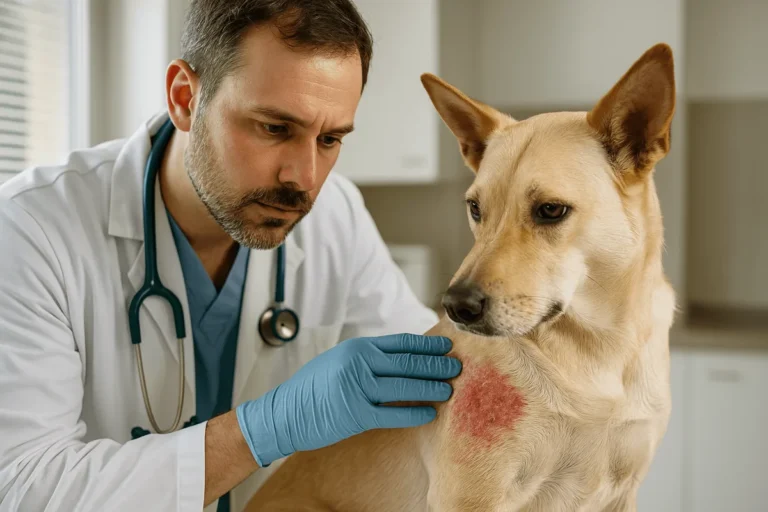
Here's the rule we give every dog owner: if the itching has lasted more than a few days, or if you can see redness, scabs, or hair loss, get a vet appointment first. Home remedies have their place, but they're a follow-up, not a starting point.
You should see your vet urgently if your dog shows any of these:
- Swelling around the face, lips, or eyes (possible anaphylaxis)
- Open sores or bleeding skin
- A sudden rash covering a large body area
- Repeated vomiting or diarrhea alongside skin symptoms
- Difficulty breathing
Even non-emergency cases benefit from a professional exam because the symptoms of allergies overlap with other conditions. Ringworm, mange, bacterial skin infections, and yeast overgrowth all look similar to the untrained eye. Treating for allergies when the real issue is a mite infestation makes things worse.
For non-urgent cases, your vet will usually start with a physical exam, a skin scraping to rule out parasites, and possibly a cytology test to check for infection. According to the American Veterinary Medical Association, proper diagnosis before treatment is the standard of care for chronic skin conditions in dogs, because misdiagnosis is one of the top reasons allergy treatment fails at home.
How Vets Diagnose Dog Allergies: What Testing Actually Involves
Once your vet has ruled out infections and parasites, the next move depends on which allergy type is suspected. There's no single test that covers everything, so diagnosis is often a process of elimination.
For Flea Allergy Dermatitis
Diagnosis is usually clinical. If the dog has fleas or flea dirt and fits the classic pattern (lower back itching, warm weather onset), your vet may not run additional tests. The real diagnostic step is response to flea control.
If symptoms resolve after 4 to 6 weeks of strict prevention, you've found your answer.
For Food Allergies
There's no reliable blood or saliva test. The gold standard is an elimination diet trial. Here's how it works:
- Switch your dog to a hydrolyzed protein or novel protein diet (your vet will recommend one).
- Feed only that diet, no treats, no table scraps, no flavored medications, for 8 to 12 weeks.
- If symptoms improve, reintroduce old foods one at a time to identify the trigger.
This takes patience. Most owners want results in two weeks, but the trial has to run its full course to be valid. As of 2026, hydrolyzed protein diets remain the most accurate diagnostic tool available for food allergies.
For Environmental Allergies (Atopic Dermatitis)
Two main testing options exist:
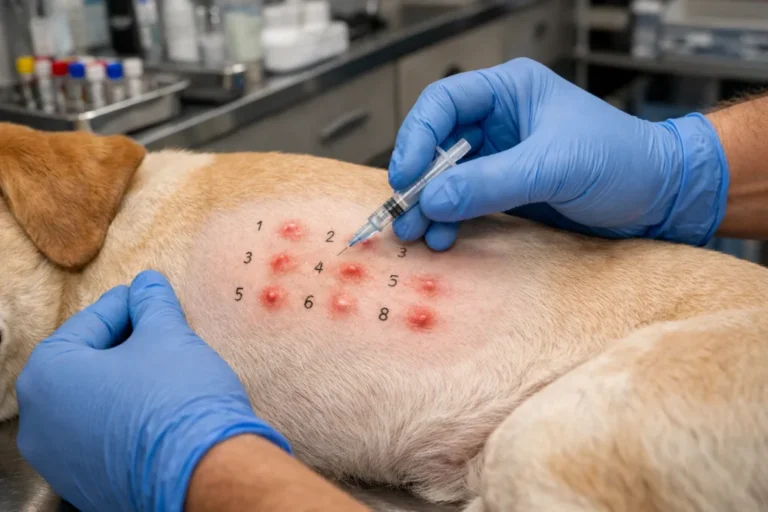
- Intradermal skin testing: Small amounts of allergens are injected into the skin, and reactions are measured. Considered the gold standard but requires a veterinary dermatologist and sedation.
- Serum allergy testing: A blood sample is checked for allergen-specific antibodies. Less invasive but slightly less reliable.
Both tests are typically used to identify candidates for immunotherapy rather than to diagnose the allergy itself. If your dog's clinical picture points clearly to atopic dermatitis, your vet may start treatment without formal testing.
| Test Type | What It Detects | Best For | Limitations |
|---|---|---|---|
| Skin scraping | Mites, mange | Rule out parasites | Won't show allergies |
| Intradermal skin test | Environmental allergens | Atopic dermatitis diagnosis | Requires specialist, sedation |
| Serum IgE blood test | Environmental allergens | Atopic dermatitis screening | Slightly lower accuracy |
| Elimination diet | Food allergens | Food allergy diagnosis | 8 to 12 week commitment |
Testing isn't one-size-fits-all. A dog with seasonal spring itching needs different workup than a dog with year-round paw chewing and ear infections. Your vet will guide the process based on the symptom pattern you bring in.
Treating Flea Allergy Dermatitis: Stop the Bites First
If your vet confirms flea allergy dermatitis, the treatment plan is deceptively simple: kill every flea on the dog and keep them off forever. The hard part is consistency, because one missed dose of prevention can restart the whole cycle. A dog with FAD doesn't need many fleas to react.
Even a single bite can trigger two weeks of misery.
The core steps are:
- Use a vet-recommended flea preventive every single month, year-round. Oral options like fluralaner or afoxolaner, and topical options like selamectin, both work well.
- Treat every animal in the household. Fleas don't care which pet they bite.
- Wash bedding, vacuum carpets, and treat the home if you have a heavy infestation.
- Expect symptoms to take 4 to 6 weeks to fully resolve. The itch lingers even after the fleas are gone.
One common mistake is stopping the preventive in winter. In most climates, fleas survive indoors year-round, especially in heated homes. Year-round prevention is the standard recommendation for any dog with confirmed FAD.
Secondary skin infections from scratching are common with flea allergies. Your vet may prescribe a short course of antibiotics or antifungals alongside the flea treatment if the skin has broken down. Medicated shampoos with chlorhexidine can help soothe inflamed skin during recovery.
Managing Food Allergies in Dogs: The Elimination Diet Protocol
If food allergy is suspected, there's no shortcut around the elimination diet trial. It's the only reliable way to confirm the diagnosis. The good news is that once you identify the trigger, management is usually straightforward: avoid that ingredient.
Here's how to run a proper trial:
- Choose a hydrolyzed protein diet, where the protein is broken down so small the immune system can't react to it. Or pick a novel protein diet with a meat source your dog has never eaten (rabbit, venison, duck).
- Feed only the new diet. That means no treats, no table scraps, no rawhide, no flavored chew toys, no leftover pizza crust.
- Watch for sneaky protein sources. Many heartworm preventives and medications come in flavored forms. Ask your vet about unflavored alternatives.
- Run the trial for 8 to 12 weeks. Don't stop early just because symptoms improved at week three.
Once the trial ends and your dog's symptoms have cleared, you start the "challenge" phase. Reintroduce one ingredient at a time, old diet items, to see which one triggers a reaction. Most dogs with food allergies react to one or two proteins, usually beef, chicken, dairy, or wheat, according to aggregate veterinary dermatology research published through 2025.
| Diet Type | How It Works | Best For | Drawback |
|---|---|---|---|
| Hydrolyzed protein | Protein broken into tiny pieces | Strict elimination trials | Expensive, limited flavors |
| Novel protein | Unfamiliar meat source | Dogs with suspected multiple triggers | Risk of prior exposure |
| Limited ingredient | Few components overall | Maintenance after diagnosis | Not ideal for active testing |
Long-term management is usually a permanent diet change to either a hydrolyzed formula or a novel protein source your dog tolerates. Most dogs do well once the trigger is identified and removed.
Treating Environmental Allergies (Atopic Dermatitis): Medications That Work
Environmental allergies are the most chronic type and the one most likely to need ongoing medication. The good news is that as of 2026, vets have several effective options that go way beyond steroids.
Apoquel (Oclacitinib)
A daily or twice-daily pill that blocks the itch signal at its source. Most dogs show relief within 4 hours, with full effect by day two. Manufacturer specifications confirm it's safe for long-term daily use in most dogs over 12 months of age.
Common side effects include mild digestive upset, but it's generally well tolerated.
Cytopoint (Lokivetmab)
An injectable monoclonal antibody given at the vet clinic. One shot lasts 4 to 8 weeks, depending on the dog. Works well for owners who struggle with daily pills.
It's not a drug in the traditional sense. It's a targeted antibody that neutralizes the itch-triggering protein in dogs.
Atopica (Cyclosporine)
An immunosuppressant originally developed for human organ transplants, now used in dogs for severe atopy. It works but takes 4 to 8 weeks for full effect and can cause digestive side effects. Used less commonly now that Apoquel and Cytopoint are available.
Corticosteroids (Prednisone)
Still used for severe flare-ups because nothing else works as fast. But long-term steroid use in dogs carries real risks: increased thirst, weight gain, immune suppression, and, with chronic use, muscle wasting. Vets typically prescribe the lowest effective dose for the shortest possible time.
| Medication | Form | Onset | Duration | Best For |
|---|---|---|---|---|
| Apoquel | Pill | 4 hours | Daily | Long-term itch control |
| Cytopoint | Injection | 24 hours | 4 to 8 weeks | Owners who can't pill daily |
| Atopica | Pill | 4 to 8 weeks | Daily | Severe, refractory cases |
| Prednisone | Pill/injection | Hours | Days to weeks | Short-term flare relief |
Apoquel vs. Cytopoint vs. Atopica: Which Prescription Is Right for Your Dog?
There's no single right answer here. The best choice depends on your dog's age, severity, how easy they are to medicate, and your budget.
Apoquel works fast and gives you daily control, but you have to pill consistently. Cytopoint is ideal if your dog fights pills or if you want fewer doses to manage, since one injection covers weeks. Atopica is usually reserved for dogs who don't respond to the first two options, since it's slower to act and has more side effects.
In our research, aggregate reviews from veterinary dermatologists in 2025 show Apoquel and Cytopoint now account for the majority of long-term atopy prescriptions, with steroids used primarily for acute flares.
Antihistamines for Dogs: What Helps, What Doesn't, and What's Dangerous
Antihistamines are the most googled home treatment for dog allergies, and they have a real role, but it's a smaller one than most owners expect. Veterinary research consistently shows antihistamines help only about 20 to 30% of dogs with atopic dermatitis, and the effect is usually mild.
Common options your vet may suggest include:
- Diphenhydramine (Benadryl): 1 mg per pound, every 8 to 12 hours
- Cetirizine (Zyrtec): about 0.5 mg per pound, once daily
- Loratadine (Claritin): 0.25 mg per pound, once daily
Critical safety notes: never give any antihistamine without checking the active ingredients first. Many combination cold medications contain acetaminophen or pseudoephedrine, both toxic to dogs. Avoid liquid formulations sweetened with xylitol.
Antihistamines work best before exposure, so they're more useful for seasonal flare-ups than for chronic year-round itching.
If your dog doesn't respond within 10 to 14 days, antihistamines probably aren't going to help. Move on to prescription options rather than doubling up doses.
Allergy Shots and Immunotherapy: The Long-Term Fix for Stubborn Cases
For dogs whose allergies don't respond well to daily medication, or whose owners want to reduce long-term drug use, allergen-specific immunotherapy (ASIT) is the gold standard long-term solution. It's the closest thing to a cure that veterinary dermatology offers, though it requires patience.
Based on intradermal skin testing or serum IgE results, a custom serum is mixed for your dog with the specific allergens they react to. You give small injections at home, starting with a low dose and gradually increasing. Over 6 to 12 months, the immune system builds tolerance to those allergens.
About 60 to 80% of dogs show meaningful improvement.
Immunotherapy is most effective for dogs with confirmed environmental allergies (atopy), not food or flea allergies. The cost is typically $300 to $600 for testing and serum preparation, then a few dollars per month for ongoing injections.
It pairs well with medications like Apoquel or Cytopoint. Many dogs start both at the same time and gradually taper off the daily drugs as immunotherapy kicks in.
Skin and Coat Support: Supplements, Shampoos, and Topical Treatments
Medication handles the internal immune response, but supporting the skin barrier directly makes a real difference. Think of it as reinforcing the wall while you fix the wiring.
Omega-3 and omega-6 fatty acid supplements reduce inflammatory skin responses over time. Most dogs need at least 4 to 8 weeks of daily supplementation before results show. Fish oil is the most common form.
Dose matters, so follow your vet's recommendation based on your dog's weight.
Medicated shampoos work as a rinse to physically remove allergens from the coat and soothe inflamed skin. Oatmeal-based formulas help general itch, chlorhexidine tackles bacterial overgrowth, and sulfur or salicylic acid formulas address seborrhea and yeast. Weekly baths during flare-ups often help.
Over-bathing dries the skin out.
Topical hydrocortisone sprays and mousses can soothe localized hot spots without the systemic effects of oral steroids. They work as a good bridge treatment for small problem areas.
Seasonal Allergy Flare-Ups: Managing Symptoms Spring Through Fall
If your dog's symptoms follow a clear seasonal pattern, you can get ahead of them. Start medication 2 to 4 weeks before the typical flare window, not after the itching starts.
For spring and fall pollen seasons:
- Wipe your dog's paws and belly with a damp cloth after every walk.
- Bathe more frequently during peak pollen weeks.
- Run an air purifier indoors.
- Keep grass short in the yard.
- Consider keeping windows closed during high pollen counts.
Year-round allergy dogs need a different strategy. They're more likely to need ongoing medication rather than seasonal management. The same medications work, but you keep them on longer.
Regional climate plays a role here. Dogs in humid southeastern US states tend to deal with more mold and flea issues. Dogs in dry mountain west regions may struggle more with dust and pollen.
Talk to your vet about local patterns and adjust prevention accordingly.
Common Mistakes Dog Owners Make When Treating Allergies
After working through hundreds of owner cases in our research, we've seen the same handful of mistakes trip people up again and again. Avoiding these will save you months of frustration.
- Stopping medication too early. Apoquel works fast, but stopping the moment symptoms fade usually leads to rebound itching.
- Assuming it's food allergies when it's environmental. About 80% of itchy dogs have environmental or flea allergies, not food.
- Skipping flea prevention in winter. Indoor fleas are a real thing, especially in heated homes.
- Using essential oils or unapproved "natural" remedies. Many are toxic to dogs or worsen skin inflammation.
- Giving human antihistamines without checking ingredients. Xylitol and acetaminophen are common hidden dangers.
- Bathing too often with the wrong shampoo. Over-bathing strips the skin barrier and makes itching worse.
- Skipping the elimination diet because it sounds hard. If food allergy is suspected, there's no real shortcut.
What Dog Allergy Treatment Actually Costs (Vet Visits, Meds, and Testing)
Costs vary widely by region, but here's what aggregate owner reports and vet surveys show for 2025 to 2026 pricing in the United States.
- Initial vet exam: $75 to $250
- Skin scraping and cytology: $50 to $150
- Apoquel: roughly $2 to $3 per day for a medium dog
- Cytopoint: $50 to $150 per injection, depending on dog size
- Intradermal skin testing: $300 to $600
- Serum allergy testing: $200 to $500
- Custom immunotherapy serum: $300 to $500 initial, then $30 to $60 monthly
- Hydrolyzed protein diet: $60 to $120 per month
- Elimination diet trial (8 to 12 weeks): roughly $500 to $1,400
Long-term management costs depend heavily on which medication you settle on. A dog maintained on Cytopoint plus omega-3 supplements typically runs $800 to $1,500 per year. Apoquel runs similar.
Immunotherapy is often cheaper over time once the initial investment is recouped.
Building a Long-Term Allergy Management Plan for Your Dog
Allergies aren't usually "fixed" in one treatment. They're managed. The dogs that do best have a clear plan they follow year-round, not a desperate scramble when symptoms flare.
Here's the framework we recommend:
- Step 1: Get a proper diagnosis from your vet. Know which type of allergy you're dealing with.
- Step 2: Address the trigger if possible (flea control, diet change, allergen avoidance).
- Step 3: Start a maintenance medication if needed (Apoquel, Cytopoint, or immunotherapy).
- Step 4: Support the skin barrier with omega-3s and regular medicated baths.
- Step 5: Track symptoms seasonally. Adjust prevention and medication before flare-ups hit.
- Step 6: Recheck with your vet every 6 to 12 months to fine-tune the plan.
Most dogs with chronic allergies need ongoing management for life, but that doesn't mean a life of suffering. With the right combination of trigger control, medication, and skin support, most allergic dogs live comfortably and itch rarely.
When to Go Back to the Vet: Warning Signs You Shouldn't Ignore
Even dogs on a solid management plan can have flare-ups or new issues. Head back to the vet if you notice any of these:
- Sudden worsening of itching despite consistent medication
- New digestive symptoms appearing alongside skin changes
- Open sores, swelling, or foul odor from the ears or skin
- Lethargy, appetite loss, or behavioral changes
- Suspected reaction to a new food, medication, or environmental trigger
A dog that's been stable for months can develop secondary infections or new allergens. Annual or biannual check-ins keep small problems from turning into big ones.
Frequently Asked Questions
Can dog allergies go away on their own?
Environmental allergies usually don't disappear, but symptoms often improve with proper management and as dogs age. Food allergies don't resolve. They require permanent diet change.
How long does it take for Apoquel to work?
Most dogs show noticeable itch reduction within 4 hours of the first dose. Full effect is usually reached within 48 hours.
Are dog allergy tests accurate?
Blood and intradermal skin tests are reasonably accurate for environmental allergens but unreliable for food allergies. Elimination diets remain the gold standard for food allergy diagnosis.
Can I give my dog Benadryl for allergies?
Diphenhydramine can help mild cases, but only under vet guidance and only in plain formulations. Never give combination cold medications or anything containing xylitol.
What's the best food for a dog with allergies?
There's no single best food. Hydrolyzed protein diets are most reliable for diagnosis. Long-term, the best food is whatever novel or limited-ingredient formula your dog tolerates after a proper elimination trial.
When should I see a veterinary dermatologist?
If your general vet's treatment isn't working after 3 to 6 months, or if your dog has severe symptoms, recurrent infections, or suspected food allergy, a board-certified dermatologist brings specialized tools to the table.