How long do dog allergies last
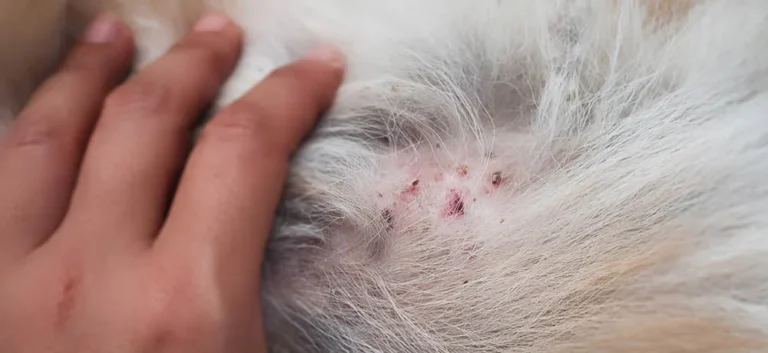
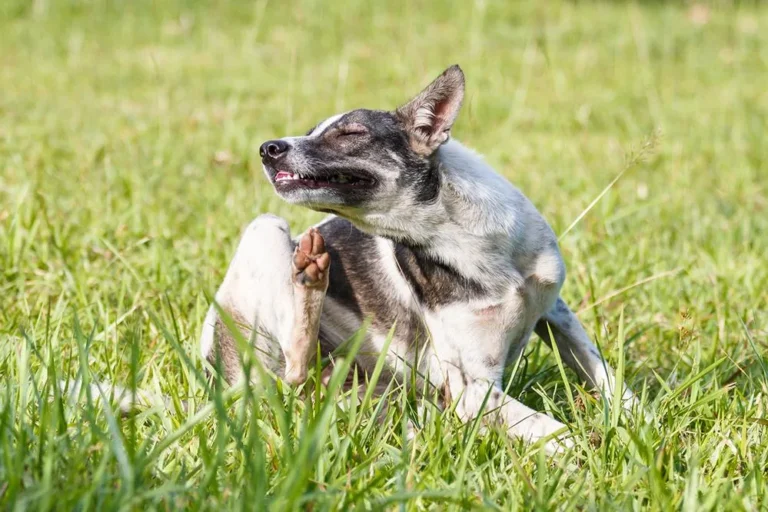
How long do dog allergies last depends almost entirely on what kind of allergy your dog has and how quickly you tackle it. A flea bite reaction can fade in a couple of weeks. A food allergy can take three months to fully resolve.
Seasonal environmental allergies tend to drag on for as long as the pollen is in the air, which in 2026 is lasting longer in many regions thanks to shifting climate patterns.
We're talking about a condition that affects roughly 10 to 15 percent of the canine population, according to veterinary research. The trick is figuring out which allergy you're dealing with, because the timeline changes dramatically. That's what we'll walk through here: realistic durations, the meds that speed things up, and the mistakes that drag symptoms out way longer than they need to.
Quick Answer
Dog allergies last anywhere from a few hours to a lifetime. Acute reactions clear in 24 to 48 hours. Flea allergy dermatitis resolves in 4 to 8 weeks after parasite control.
Food allergies take 8 to 12 weeks on a strict elimination diet. Seasonal environmental allergies last weeks to months each year. Chronic atopic dermatitis requires lifelong management.
How Long Do Dog Allergies Last? The Honest Answer by Allergy Type
The short answer frustrates people, but it's true: there's no single number. A dog with a one-off contact reaction to a new floor cleaner might be fine in 48 hours. A Labrador with atopic dermatitis to grass pollen could deal with flare-ups every spring for the rest of his life.
The duration is tied to the mechanism behind the reaction, not just the symptom you can see.
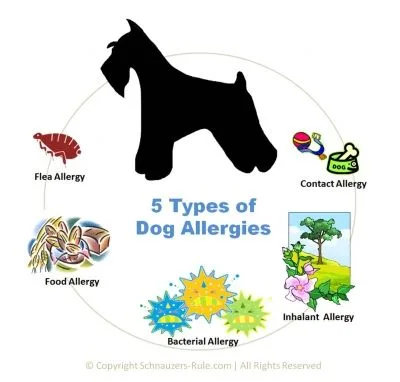
Here are the four main categories that drive the timeline:
- Environmental (atopy): triggered by pollen, dust mites, mold. Often seasonal, can become year-round.
- Food: triggered by a protein source (beef, chicken, dairy are common culprits). Constant exposure means constant symptoms until the diet changes.
- Flea allergy dermatitis (FAD): an allergic reaction to flea saliva. One bite can keep a sensitive dog itching for weeks.
- Contact: triggered by touching something irritating (shampoo, carpet, plants). Usually the fastest to resolve once the trigger is removed.
Knowing which one you're dealing with is the single biggest factor in how long your dog will be uncomfortable. The rest of this article breaks each one down with real timelines.
Acute vs. Chronic Dog Allergies: What's Actually Going On
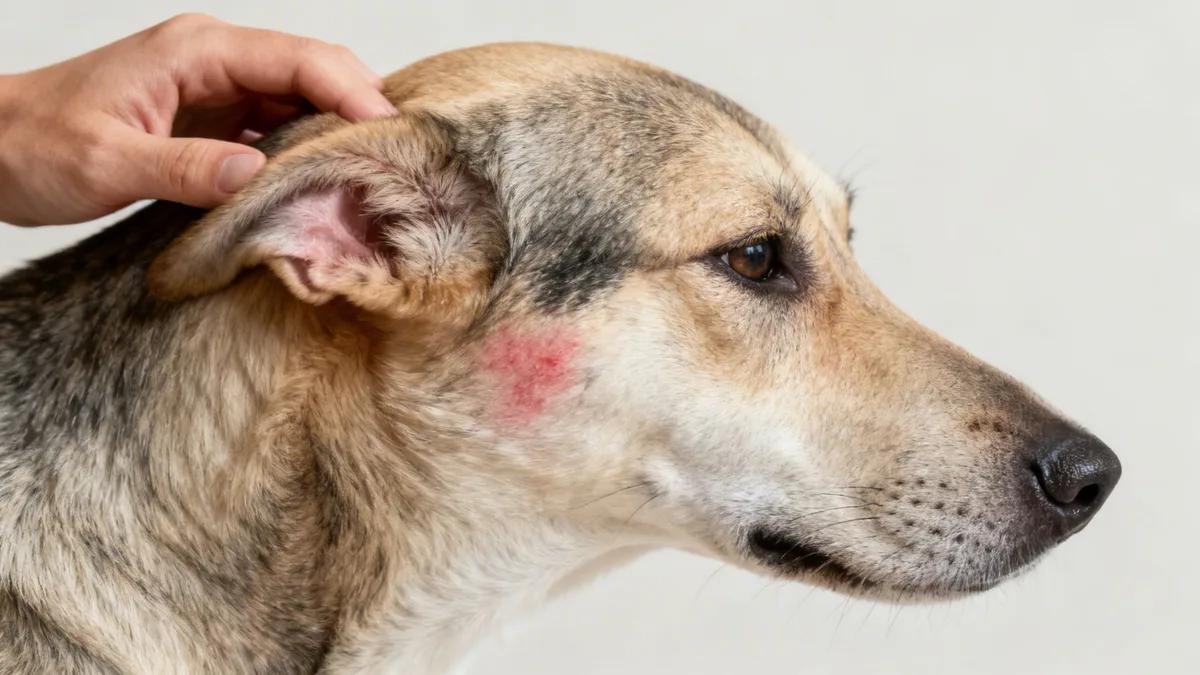
Acute allergies are one-off or short-term immune responses. Think a sudden swelling after a bee sting, or hives from a new medication. They show up fast, often within minutes, and typically fade in 24 to 48 hours once the trigger is gone or treated.
Chronic allergies are a different beast entirely. The immune system stays in a constant state of overreaction, sometimes for months or years. Atopic dermatitis is the classic example.
The dog's skin barrier is compromised, the immune system is hypersensitive to airborne allergens, and symptoms come and go based on exposure. Breeds like French Bulldogs, West Highland White Terriers, Labrador Retrievers, Golden Retrievers, and Shar-Peis are genetically prone to this pattern.
The big difference for you as an owner is this: acute reactions need fast intervention, chronic allergies need a long-term plan. Treating a chronic allergy like an acute one (a one-time steroid shot and done) might give short relief, but the symptoms come right back because the underlying trigger is still there.
Environmental Allergies (Atopic Dermatitis) in Dogs: Duration and Patterns
Environmental allergies are the most common chronic allergy in dogs, and they have the most variable timeline. A dog allergic to tree pollen might itch for six weeks in spring, then feel fine until ragweed season hits in fall. A dog allergic to dust mites could scratch year-round because dust mites don't take a season off.
Here's a rough breakdown:
| Trigger | Typical Duration Per Year | Pattern |
|---|---|---|
| Tree pollen | 4 to 6 weeks | Spring |
| Grass pollen | 8 to 12 weeks | Late spring through summer |
| Weed pollen (ragweed) | 6 to 8 weeks | Late summer through fall |
| Dust mites | Year-round | Indoor, constant exposure |
| Mold spores | Variable | Often worse in damp seasons |
So if you're asking how long your dog's environmental allergies will last this year, the honest answer is: as long as the allergen is present. For a seasonal trigger, that might be a few weeks. For an indoor allergen like dust mites, it can be a constant low-level issue punctuated by flare-ups.
Treatment changes the math. A dog on Apoquel (oclacitinib) or Cytopoint (lokivetmab) can have dramatically reduced symptom days even during peak pollen season. Apoquel works within 4 hours and is given daily.
Cytopoint starts working in about 8 hours and one injection lasts 4 to 8 weeks. Neither is a cure, but both can compress what would be months of misery into manageable stretches.
Food Allergies in Dogs: How Long Until Symptoms Clear
Food allergies are tricky because the allergen is in every single meal. As long as your dog is eating the offending protein, the immune system keeps reacting. Symptoms don't fade, they just stay steady or get worse.
The only way to clear a food allergy is to identify and remove the trigger, and the gold standard is an elimination diet trial. Here's how the timeline works:
- Week 1 to 2: Some dogs start showing improvement, but don't be fooled. Early changes are often too small to trust.
- Week 3 to 4: About 30 percent of dogs show noticeable improvement by this point.
- Week 6 to 8: Most food-allergic dogs show real improvement here if the right diet was chosen.
- Week 8 to 12: Full resolution for the majority of responders. Veterinary dermatology guidelines recommend a minimum 8-week trial, with many specialists pushing for 12 weeks to be sure.
The critical part: during the trial, your dog eats nothing except the prescribed diet. No treats, no table scraps, no flavored medications. One bite of the wrong protein can reset the clock.
After symptoms resolve, you re-introduce ingredients one at a time to identify the specific trigger. That whole process can take 4 to 6 months from start to finish, so the realistic answer to "how long until this is fixed" is closer to half a year than a few weeks.
Flea Allergy Dermatitis: The Fastest Allergy to Resolve
Flea allergy dermatitis (FAD) is technically an environmental allergy, but it deserves its own section because the timeline is so much shorter when handled correctly. A single flea bite can cause intense itching in a sensitized dog, but if you kill the fleas and keep them away, the reaction has nothing left to fuel it.
Here's the typical resolution timeline once you start consistent flea control:
- Week 1: Itching often starts to decrease, but secondary skin infections may still be flaring.
- Week 2 to 4: Most dogs show significant improvement in scratching and skin redness.
- Week 4 to 8: Full resolution of the allergic skin response in most cases, assuming every dog and cat in the household is on prevention and the environment is treated.
The catch with FAD is that even one surviving flea can restart the cycle. That means treating every pet in the home, washing bedding in hot water, and often doing a home treatment for the house and yard. Skip any of those steps and the allergy drags on indefinitely.
Products like fluralaner (Bravecto), afoxolaner (NexGard), sarolaner (Simparica Trio), and selamectin (Revolution) are all effective at killing fleas before they get a chance to bite and trigger the reaction. Per manufacturer specifications, monthly or quarterly dosing keeps most dogs completely protected.
Contact Allergies in Dogs: Timeline After Exposure Ends
Contact allergies are the easiest to put a clock on. Once you remove whatever is irritating the skin, the immune reaction has nothing left to react to. Most contact dermatitis cases clear up in 24 to 72 hours after the trigger is gone.
Common culprits include:
- New shampoos or topical flea products
- Cleaning chemicals on floors or bedding
- Rubber or plastic food bowls (switch to stainless steel)
- Certain plants your dog brushes against
- Lawn fertilizers or pesticides
The challenge isn't usually the timeline, it's finding the trigger. Contact allergies often look like a hot spot, a recurring ear infection, or bare patches on the belly or paws. If your dog's symptoms only flare after certain walks or after you change a household product, that's a strong signal.
How Long It Takes for Common Dog Allergy Medications to Work
When the underlying allergy can't be eliminated (because pollen exists, for example), medication buys you time. The right drug can turn a miserable three-month season into a manageable few weeks of low-level itching. Here's how the main options stack up:
| Medication | Onset | Duration Per Dose | Best For |
|---|---|---|---|
| Apoquel (oclacitinib) | 4 hours | 24 hours (daily dosing) | Fast relief for atopic dermatitis |
| Cytopoint (lokivetmab) | 8 hours | 4 to 8 weeks (injection) | Dogs that hate daily pills |
| Prednisone | Hours | 12 to 24 hours (daily) | Short-term severe flare control |
| Antihistamines (Benadryl) | 1 to 2 hours | 8 to 12 hours | Mild cases, often disappointing results |
| Atopica (cyclosporine) | 4 to 8 weeks | 24 hours (daily) | Long-term atopy control |
Apoquel and Cytopoint are the modern go-to options for most vets. Both target the itch-signaling pathway rather than suppressing the whole immune system the way steroids do, which means fewer side effects for long-term use.
Antihistamines like diphenhydramine get a lot of casual recommendation, but research and aggregate clinical experience suggest they help only about 20 to 30 percent of dogs with atopic dermatitis. They're worth a try for mild cases, but don't expect miracles if your dog is truly miserable.
Steroids like prednisone work fast and cheap, but long-term use carries real risks: increased thirst, weight gain, muscle loss, and over time, adrenal suppression. They're a great short-term rescue, not a long-term strategy.
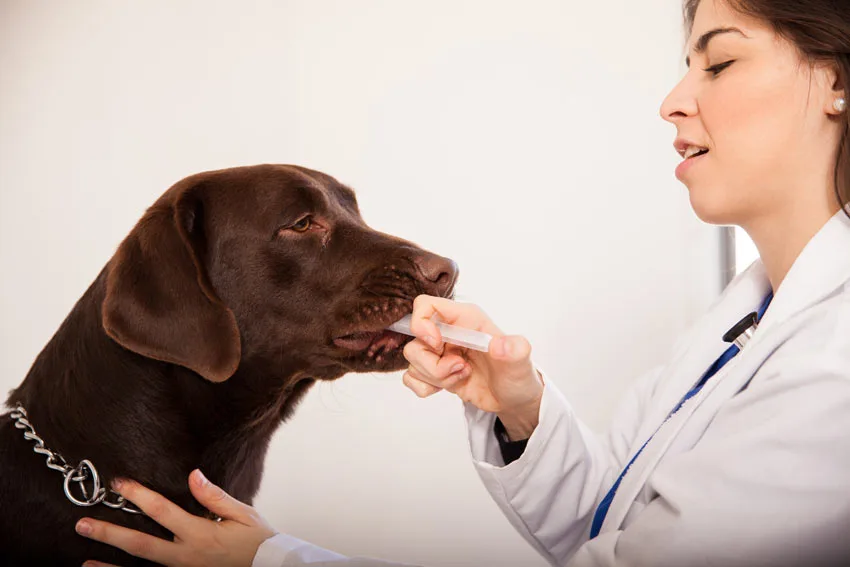
The Elimination Diet Timeline: 8 to 12 Weeks Explained
If your vet suspects a food allergy, an elimination diet is the only reliable way to confirm it. Blood tests for food allergies are notoriously inaccurate, with high false-positive rates. The diet itself is simple in concept and brutal in execution.
The basic structure:
- Choose a novel or hydrolyzed protein diet. Novel means a protein your dog has never eaten (rabbit, venison, alligator). Hydrolyzed means the proteins are broken down too small for the immune system to recognize.
- Feed only that diet for 8 to 12 weeks. No treats, no flavored toothpaste, no leftover pizza crust, no sneaking a bite of cat food from the other pet's bowl.
- Track symptoms weekly. Most owners see improvement between weeks 4 and 8, but full clearing can take 12.
- Re-challenge ingredients one at a time. After symptoms clear, reintroduce single proteins for 1 to 2 weeks each. If itching returns, you've found your culprit.
The realistic timeline from start to confirmed answer is 4 to 6 months. It's a long road, but it's the only one that actually identifies the trigger with confidence.
Immunotherapy for Dogs: Why It Takes 6 to 12 Months
Immunotherapy (allergy shots or sublingual drops) is the only treatment that actually retrains the immune system. Instead of just blocking the itch, it slowly teaches the body to stop overreacting to specific allergens. The catch is that it takes a long time to work.
Here's the typical timeline:
- Month 1 to 3: Allergy testing (intradermal skin test or serum IgE test) identifies the specific triggers. Treatment is formulated.
- Month 1 to 6: Shots or drops are given on a schedule (usually daily to weekly, depending on the protocol). Symptom improvement is often minimal during this phase.
- Month 6 to 12: Roughly 60 to 80 percent of dogs show meaningful improvement, per published veterinary dermatology data.
- Year 1 to 2+: Many dogs reach a maintenance dose and stay on immunotherapy for life.
So if you're wondering how long until immunotherapy works, plan on a full year before you judge the results. The benefit is that responders often see permanent reduction in symptoms and medication needs, which is why it's considered the gold standard for long-term atopy management.
Factors That Change How Long Your Dog's Allergies Will Last
Two dogs with the same diagnosis can have wildly different timelines. Here's what shifts the numbers:
- Age at diagnosis. Dogs diagnosed young (under 1 year) often have more severe, persistent disease.
- Breed. Predisposed breeds like Frenchies and Westies tend to have harder-to-control symptoms.
- Allergen load. A dog allergic to dust mites and grass pollen has more triggers than a dog allergic only to ragweed.
- Skin barrier health. Dogs with frequent ear infections or skin folds often have worse, longer-lasting flare-ups.
- Treatment speed. Dogs started on effective therapy early typically have shorter, milder flare-ups than dogs that go months untreated.
- Secondary infections. Bacterial or yeast skin infections (common with allergies) extend symptoms dramatically until they're treated.
The single biggest controllable factor is how fast you act. A dog that starts Apoquel the first week of a pollen season often avoids the worst of it. A dog that waits two months while scratching raw is dealing with infection on top of allergy, and the timeline stretches out.
Signs Your Dog's Allergies Are Getting Worse, Not Better
Most allergies wax and wane, but a few patterns mean the problem is escalating. Watch for these:
- New hot spots appearing weekly. One hot spot is a flare. Multiple recurring ones suggest the underlying allergy isn't controlled.
- Ear infections that won't quit. Yeast ear infections are a classic sign of uncontrolled atopy or food allergy.
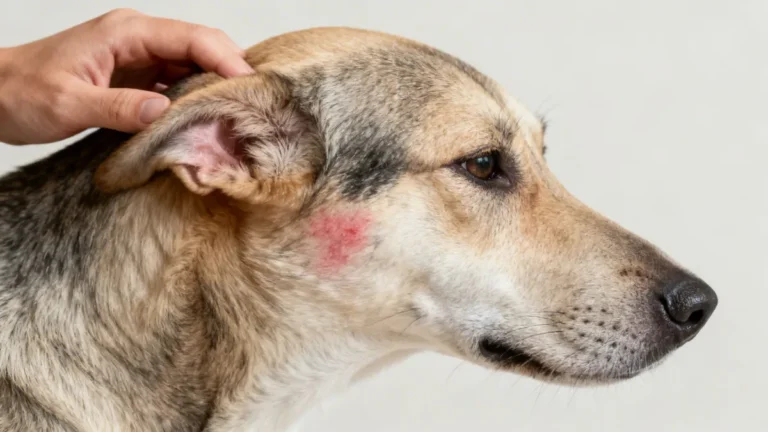
- Skin thickening or darkening. Called lichenification and hyperpigmentation, these changes mean the skin has been inflamed for too long.
- Restlessness or behavior changes. Dogs in constant itch pain sleep poorly and may become irritable.
- Hair loss spreading beyond the original spots. This often means the dog is scratching or licking areas they didn't bother before.
If any of these show up, the current plan isn't working and it's time to revisit the vet. Don't wait it out.
Mistakes That Make Dog Allergies Last Longer Than They Should
Most prolonged allergy suffering comes down to a few common errors. Avoid these and you shave weeks off the timeline:
- Stopping meds too early because symptoms improved. Apoquel and Cytopoint control symptoms, they don't cure the allergy. Stopping the moment your dog looks better invites an immediate rebound.
- Skipping flea prevention in winter. Indoor fleas are a year-round problem in many climates.
- "Cheating" on the elimination diet. One treat can undo weeks of progress.
- Using multiple over-the-counter antihistamines without vet guidance. Dosing and effectiveness vary a lot.
- Bathing too often or too rarely. Too often strips the skin barrier. Too rarely lets allergens build up. Most allergic dogs do well with a rinse or gentle bath every 1 to 2 weeks.
- Ignoring secondary infections. A bacterial or yeast infection on top of an allergy won't resolve without targeted treatment.
When to See a Vet (and When to See a Veterinary Dermatologist)
Your regular vet can handle most allergy workups, prescribe Apoquel or Cytopoint, and start an elimination diet. But if you've been treating for 3 months without meaningful improvement, or if the diagnosis isn't clear, a board-certified veterinary dermatologist is the next step. The American College of Veterinary Dermatology directory is the place to find one.
A few situations call for a dermatologist sooner rather than later:
- Recurring ear infections more than 3 times a year
- Skin infections that keep coming back
- Severe year-round symptoms
- Young dogs (under 2) with rapidly worsening signs
- Dogs that need allergy testing for immunotherapy
Dog Allergy Timeline: A Quick Reference by Type
| Allergy Type | Symptom Duration After Trigger Removed | Full Resolution With Treatment |
|---|---|---|
| Acute reaction (hives, swelling) | 24 to 48 hours | Same window with antihistamines or steroids |
| Contact dermatitis | 24 to 72 hours | 1 week with trigger removed |
| Flea allergy dermatitis | 4 to 8 weeks | 8 weeks with full flea control |
| Food allergy | 8 to 12 weeks | 12 weeks of strict elimination diet |
| Seasonal atopy | Weeks to months per season | Managed, not cured |
| Chronic atopic dermatitis | Lifelong | Lifelong management plan |
Bookmark this table. It's the fastest way to set expectations and plan a conversation with your vet.
Frequently Asked Questions
Can a dog outgrow allergies?
Not usually. Most dogs diagnosed with environmental or food allergies have them for life, though severity can shift with age. Some puppies with mild atopy seem to "improve" as their immune system matures, but the underlying sensitivity usually remains.
How long does an allergic reaction in dogs last without treatment?
A true acute allergic reaction (like hives from a vaccine) typically fades in 24 to 48 hours even without treatment. Chronic allergies, by definition, don't resolve without intervention. The symptoms persist as long as the trigger is present.
How long do dog allergy flare-ups last during pollen season?
A pollen-triggered flare-up lasts as long as the pollen is in the air, which is anywhere from 4 to 12 weeks depending on the plant. Daily medication like Apoquel can cut symptomatic days significantly during that window.
Do dog allergies get worse with age?
Often, yes. Atopic dermatitis typically progresses over the first few years after onset. Dogs diagnosed young may have mild symptoms initially, then more severe or year-round disease by age 4 to 6 without proper management.
How long should I try a new food before deciding it didn't help?
Give the elimination diet a full 8 to 12 weeks before judging. Many owners give up at week 3 or 4 because improvement is slow, then they switch proteins and reset the clock. Patience is the hardest part of the food allergy process.
Can I give my dog Benadryl for allergies, and how long until it works?
Benadryl (diphenhydramine) is sometimes used at 1 mg per pound, but it only helps a minority of allergic dogs. Onset is 1 to 2 hours and effects last 8 to 12 hours. Always confirm dosing with your vet, especially if your dog takes other medications or has health conditions.