How do you know if your dog has allergies
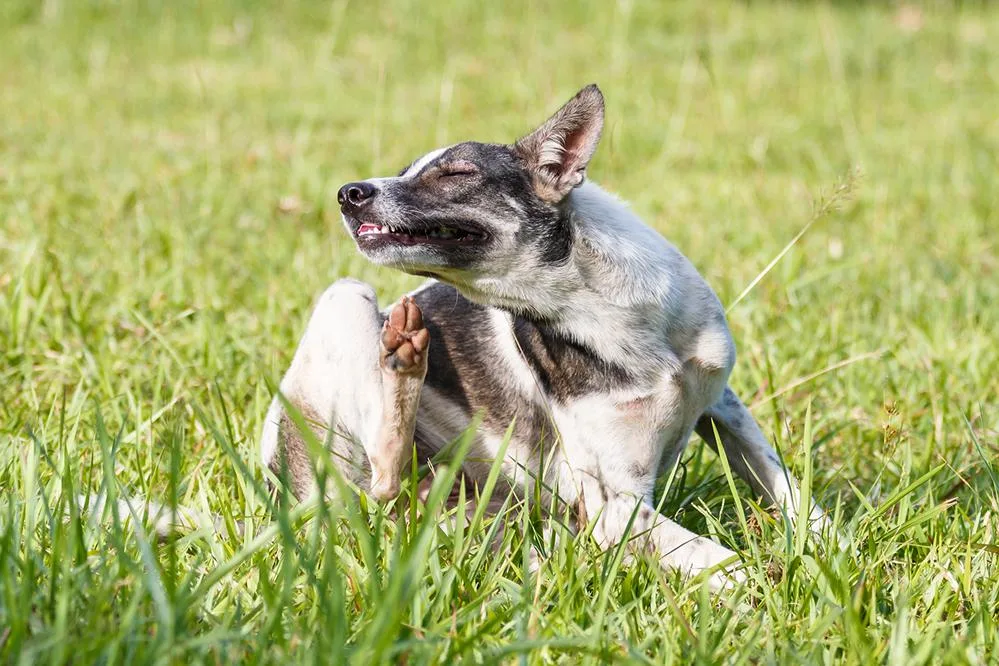
If your dog won't stop scratching, licking, or shaking their head, you're probably wondering how do you know if your dog has allergies or if something else is going on. The honest answer is that allergies look a lot like other skin problems at first, which is why so many owners either panic over nothing or miss the real issue for months. We'll walk through the signs that actually matter, the ones that don't, and the fastest path to a real answer.
Most itchy dogs have at least one allergy driver, and research from the American College of Veterinary Dermatology shows environmental triggers account for the largest share of chronic canine itching. Food allergies are real but less common than most people think, and fleas remain the single most underdiagnosed cause we see. Knowing which type you're dealing with changes everything about the treatment plan, so let's get into the details.
Quick Answer
You know your dog has allergies when persistent itching, paw chewing, ear infections, or skin redness don't resolve with basic grooming. Symptoms usually start between 6 months and 3 years of age. Fleas, food, or environmental allergens are the most common triggers.
A vet visit is the fastest way to confirm the cause.
Why This Matters Before Anything Else
Skin issues are one of the top reasons dogs see the vet, and they rarely fix themselves. Left alone, allergies snowball. A dog with mild paw licking today can have full-blown bacterial and yeast infections within weeks.
The scratching also damages the skin barrier, which lets more allergens in, which causes more scratching. That cycle, sometimes called the itch-scratch cycle, is what turns a manageable case into a chronic one.
The other reason this matters is misdiagnosis. Mange, ringworm, hormonal disorders, and even some cancers can mimic allergies. If you treat the wrong thing for the wrong reason, you waste months and money.
Getting it right the first time saves your dog a lot of discomfort and saves you a lot of vet bills.
The Most Common Allergy Symptoms in Dogs (And What They Actually Look Like)
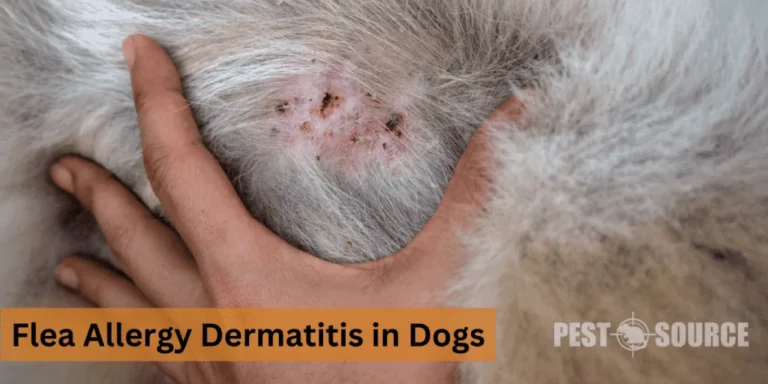
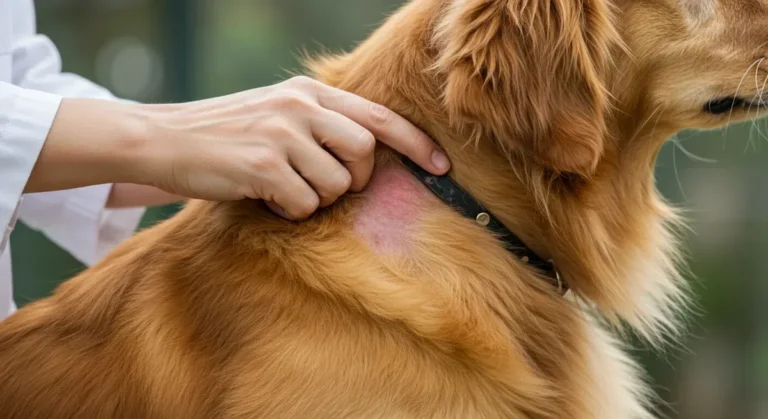
The classic signs are itching (called pruritus in vet-speak), redness, and recurring skin or ear issues. What that looks like at home is a dog who paws at their face, chews their paws, scoots on the carpet, or scratches their armpits and groin until the skin looks raw. Hair loss, scabs, hot spots, and a musty or yeasty smell are common.
Symptoms that point more toward allergies specifically:
- Itching that doesn't respond to flea treatment or basic grooming
- Recurring ear infections (often yeast, often in both ears)
- Red, stained, or hairless paws from constant licking
- Hot spots that come back in the same spots
- Skin that looks thickened, dark, or leathery in chronic areas
What you might think is an allergy but often isn't:
- A single bald patch (often a fungal or bacterial infection)
- Sudden full-body hives after a vaccine or new food (acute allergic reaction, different process)
- Flaky, dry skin with no itching (often low humidity or diet-related)
The Three Main Types of Dog Allergies — And How to Tell Them Apart
There are three big buckets, and they behave differently.
| Type | Most Common Trigger | Age of Onset | Seasonality | Key Clue |
|---|---|---|---|---|
| Flea allergy dermatitis | Flea saliva | Any age, often young | Year-round, worse in warm months | Itching focused at the tail base, lower back, and thighs |
| Environmental (atopic dermatitis) | Pollen, dust mites, mold | 6 months to 3 years | Seasonal or year-round | Itching on paws, ears, face, and belly folds |
| Food allergy | Protein source (beef, chicken, dairy) | Often under 1 year or later in life | Year-round, no seasonal pattern | Year-round itching plus digestive signs in some dogs |
Flea allergy is the easiest to overlook. A dog with flea allergy can have a heavy itch response from a single flea bite, and you may never see a flea on them. If your dog is on inconsistent or no flea prevention, assume fleas first.
Environmental allergies (atopy) are the most common chronic cause. They show up in the classic zones: paws, ears, muzzle, armpits, and groin. They'll often flare in spring or fall when pollen counts climb, but dust mite and mold allergies are year-round.
Food allergies are the smallest slice, around 10% of allergic dogs in published surveys. They don't show up on a standard blood panel reliably, which is why the elimination diet is the gold standard for diagnosis.
Food Allergy vs. Food Intolerance: The Distinction Most Owners Miss
A food allergy is an immune reaction, usually to a protein. A food intolerance is a digestive issue, like lactose intolerance in people. They look different.
A dog with a true food allergy will itch, often year-round, and may also have chronic ear issues, hot spots, or soft stool. A dog with a food intolerance usually has diarrhea, gas, or vomiting without the skin symptoms.
This matters because the workup is different. Skin-only allergy signs with no gut issues are far more likely to be environmental. Skin signs plus gut signs together is where a food trial becomes worth the effort.
The most common food allergens in dogs are beef, dairy, chicken, and wheat, in roughly that order, based on retrospective studies published in journals like Veterinary Dermatology. Novel proteins (venison, duck, rabbit) and hydrolyzed protein diets are how we get around them.
Where Dogs Itch and What Itells You
Location is one of the most useful diagnostic clues, which is why vets always ask where your dog is scratching before they ask anything else.
Classic allergy zones and what they usually mean:
- Paws and between the toes: environmental allergens, especially pollen, and also yeast overgrowth from constant licking
- Ears (recurrent infections): food allergy or atopic dermatitis, often both
- Armpits, groin, and belly: classic atopic dermatitis
- Muzzle, around the eyes: atopic dermatitis and sometimes food allergy
- Tail base, lower back, inner thighs: flea allergy dermatitis until proven otherwise
- Chin and neck folds: contact allergy from plastic bowls is a classic but uncommon cause
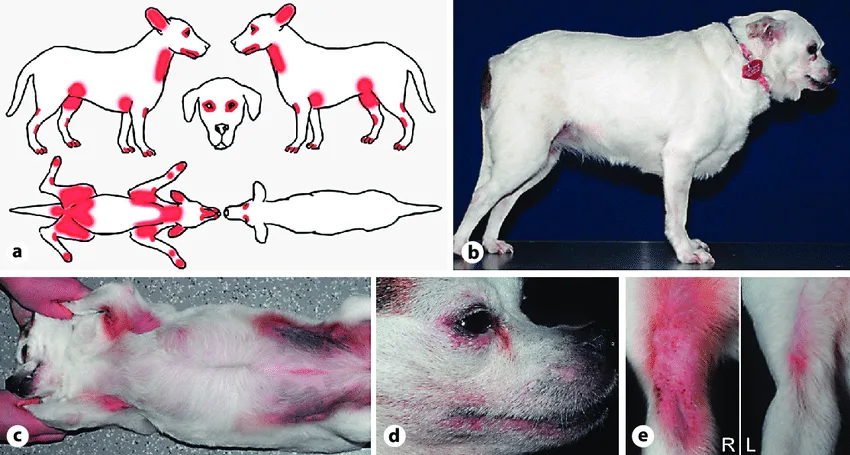
If your dog is itchy in more than one of these zones, allergies are at the top of the differential list. If they're itchy in one very specific spot, think local causes like a bug bite, a hot spot, or an injury first.
Breeds That Develop Allergies Earlier and More Often
Genetics load the gun, environment pulls the trigger. Breeds like French Bulldogs, West Highland White Terriers, Golden Retrievers, Labradors, Boxers, Shar-Peis, Cocker Spaniels, and German Shepherds are overrepresented in veterinary dermatology caseloads. If your dog is one of these, expect allergies on the shortlist whenever itching shows up.
Age matters too. About 70% of dogs with atopic dermatitis show symptoms before their third birthday. A first-time itch at age 8 is less likely to be classic atopy and more likely to be a secondary infection, a new household allergen, or a hormonal issue like hypothyroidism.
That doesn't mean an older dog can't develop allergies, just that the math changes.
Signs That Point to Flea Allergy Dermatitis First
Yes, even if you've never seen a flea on your dog. Flea allergy dermatitis (FAD) is the single most underdiagnosed allergic condition in dogs, and a single bite can keep a sensitive dog itching for two weeks.
Three things to look for:
- Hair loss and redness concentrated at the tail base, lower back, and inner thighs
- "Hot spots" or scabs along the back end
- The household has multiple pets, and not all of them are on prevention
If you suspect FAD, the next step is a strict 8 to 12 week flea control trial on every pet in the home. That means a veterinary-grade preventative applied or given monthly, every month, no exceptions. The most common reason FAD trials "fail" is that owners only treat the visibly itchy dog and forget the cat or the dog that doesn't go outside.
Fleas are happy to ride in on either one.
When It's Environmental (Atopic Dermatitis) Instead
If the flea trial didn't change anything, environmental atopy moves to the top of the list. Atopic dermatitis is a genetic predisposition to react to otherwise harmless substances like tree pollen, grass pollen, weed pollen, dust mites, or mold spores.
A few patterns to look for:
- Spring or fall flares that line up with pollen seasons
- Year-round itching if dust mites or mold are the trigger
- Itching that gets worse after time outdoors, especially on grass
- Symptoms that improve indoors with HEPA filtration and frequent vacuuming
Atopy can't be cured, but it can be managed very well. The diagnosis is usually clinical, meaning the vet rules out everything else and recognizes the pattern. Blood or skin testing then helps guide immunotherapy, which is the closest thing to a long-term solution we have.
Red Flags That Mean a Vet Visit Today, Not Next Week
Some symptoms turn a routine allergy into an emergency. Get to a vet the same day if your dog has any of these.
- Swelling of the face, muzzle, or eyelids
- Hives spreading across the body
- Repeated vomiting or sudden diarrhea after a new food, vaccine, or medication
- Difficulty breathing, excessive drooling, or pale gums
- Sudden collapse
These are signs of anaphylaxis, a rare but real allergic reaction. The most common triggers in dogs are vaccines, certain antibiotics, and insect stings. Food anaphylaxis is uncommon.
Treatment is epinephrine and supportive care, and it works best when given fast.
Less dramatic but still urgent: a hot spot the size of a quarter or larger, especially if it's oozing or your dog is in obvious pain. Hot spots can double in size within hours and almost always need prescription medication to settle down.
How Vets Actually Diagnose Dog Allergies (Blood Test vs. Skin Test vs. Elimination Diet)
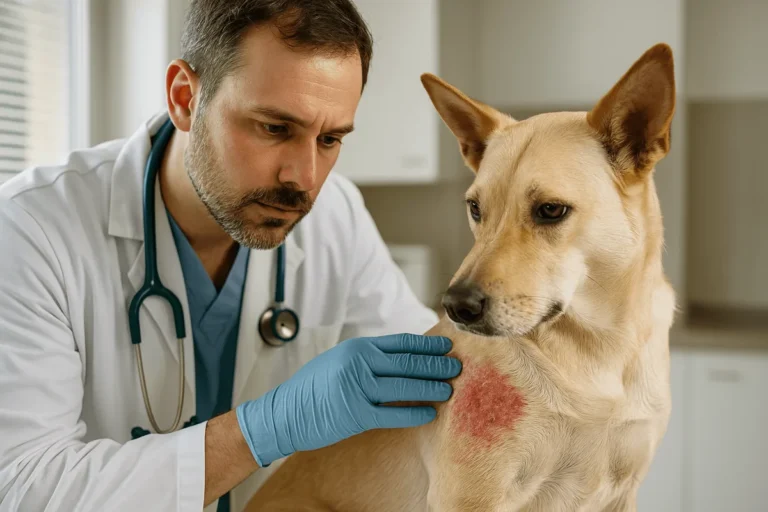
There's no single "allergy test" that answers everything. Vets usually combine a physical exam, skin cytology, and a process of elimination. The three diagnostic tools you'll hear about all do different jobs.
| Test | What It Diagnoses | What It Doesn't | Best For |
|---|---|---|---|
| Serum IgE blood test | Environmental allergens (pollen, mites, mold) | Food allergies (unreliable for these) | Dogs who can't stop antihistamines or sedatives for skin testing |
| Intradermal skin test | Environmental allergens | Food allergies, current skin infection | The gold standard for immunotherapy formulation |
| Elimination diet (8 to 12 weeks) | Food allergies | Environmental allergies, current flares | Suspected food allergy, especially with year-round itching or gut signs |
A typical diagnostic flow goes like this:
- Rule out fleas with strict preventatives on all pets for 8 to 12 weeks
- Treat any secondary bacterial or yeast infections
- Run an elimination diet if food allergy is suspected
- Use intradermal or serum testing to identify environmental triggers if itching persists
- Start immunotherapy or targeted medication based on results
Blood tests for food allergies are not reliable. The elimination diet remains the only trustworthy way to diagnose a food allergy in dogs, and that's true as of 2026 per current WSAVA nutrition guidelines. If a clinic offers a quick saliva or hair test for food "sensitivities," save your money.
The 8–12 Week Elimination Diet: What a Proper Trial Looks Like
A proper elimination diet is the most powerful diagnostic tool for food allergies, and the most often botched. Done right, it tells you within 12 weeks whether food is the driver. Done wrong, it gives you a false negative and you chase your tail for another year.
The two acceptable approaches:
- Novel protein diet: a protein and carb source your dog has never eaten (venison and sweet potato is a classic example)
- Hydrolyzed protein diet: a prescription food where the protein is broken down small enough that the immune system can't recognize it (Royal Canin HP, Hill's z/d, Purina HA)
Pick one, and stick with it. The hydrolyzed route has the edge in published studies because you don't need to know your dog's full food history. Both require veterinary guidance to ensure the diet is complete and balanced.
The rules that make or break the trial:
- Nothing else goes in the mouth for 8 to 12 weeks except the chosen food and water
- No treats, no table scraps, no flavored medications, no dental chews, no fish oil chews
- Switch all heartworm, flea, and joint supplements to non-flavored versions
- Stop using plastic food puzzles that hold remnants of old food
- Everyone in the household has to follow the rules, including kids and visiting relatives
Around week 6 to 8, most dogs with a true food allergy show meaningful improvement. At week 10 to 12, you "challenge" by reintroducing the old food. If itching flares within 1 to 14 days, you've got your answer.

Common Mistakes That Wreck an Elimination Diet
The most common failure is sneaking extras. A single bite of leftover chicken can reset the trial clock. We've seen cases where families stuck to the diet for 10 weeks, gave in at Thanksgiving, watched the itching come back, and then wrongly concluded the diet "didn't work."
Other common errors:
- Using over-the-counter "limited ingredient" foods that aren't truly limited (cross-contamination is common)
- Letting the dog lick plates, eat dropped food, or sneak from the cat's bowl
- Stopping the trial at 4 to 6 weeks when itching hasn't fully resolved
- Treating with steroids or Apoquel during the trial, which masks the response
- Switching foods partway through "just to see"
The hardest week is usually week 3 to 4, when a bored dog is staring at you while you eat dinner. Push through. The data you get at the end is worth a few uncomfortable evenings.
Comparing the Main Treatment Options: Apoquel, Cytopoint, Atopica, and Immunotherapy
Once you know the trigger, you pick the tool. The four main prescription options each have a place.
| Treatment | What It Does | Onset | Best For | Downsides |
|---|---|---|---|---|
| Apoquel (oclacitinib) | Daily oral tablet that blocks itch signaling | Within 24 hours | Fast relief, dogs of any age | Daily dosing, not for dogs under 12 months, immune suppression concerns long-term |
| Cytopoint (lokivetmab) | Injection that neutralizes itch for 4 to 8 weeks | Within 24 hours | Owners who can't pill, dogs needing intermittent control | Cost per dose ($50 to $100), requires vet visits |
| Atopica (cyclosporine) | Daily oral that modulates the immune system | 4 to 8 weeks | Young dogs with severe atopy | Slow onset, GI side effects, daily dosing |
| Immunotherapy (allergy shots or drops) | Custom desensitization based on testing | 3 to 6 months for full effect | Long-term control without daily meds | Expensive upfront, requires patience, not 100% effective |
Apoquel and Cytopoint are the most popular because they work fast. Immunotherapy is the only treatment that actually retrains the immune system, and it's the one with the best long-term track record for dogs under 5 with confirmed environmental allergies. Most veterinary dermatologists recommend pairing immunotherapy with short-term Apoquel or Cytopoint during the ramp-up.
Costs You Should Realistically Expect
Costs vary by region and clinic, but here's a realistic range based on aggregate U.S. pricing data as of 2026.
- Initial vet consult: $50 to $150
- Intradermal skin test (specialist): $200 to $400
- Serum IgE panel: $150 to $300
- Prescription hydrolyzed diet: $60 to $120 per month
- Apoquel: roughly $2 to $3 per day at maintenance dose
- Cytopoint injection: $50 to $100 per dose, every 4 to 8 weeks
- Custom immunotherapy: $300 to $600 for the first year, $150 to $300 annually after
A dog with severe atopic dermatitis that needs Apoquel year-round, Cytopoint for flares, and prescription food can easily run $2,000 to $3,000 in the first year. That's why getting the diagnosis right matters. A correct diagnosis can drop long-term costs dramatically, sometimes by half.
What You Can Do at Home Before the Vet Appointment
You don't have to wait passively. A few things you can do right now will help the visit go smoother.
- Start a strict flea preventative on every pet in the home
- Photograph any skin lesions, hot spots, or ear gunk (vets love this)
- Write down a timeline: when itching started, how it has changed, what makes it worse
- Stop any scented shampoos, essential oils, or topical sprays that could be irritants
- Switch to a fragrance-free, hypoallergenic dog shampoo if you bathe at home
- Take a short video of your dog scratching or licking so the vet sees the behavior
If your dog is in obvious distress, an oatmeal soak or cool water rinse can calm the skin temporarily. Don't use human creams, hydrocortisone, or essential oil blends without vet approval, especially on cats in the same household.
Safe vs. Dangerous Home Remedies (Including Human Antihistamines)
A few home interventions are genuinely useful. More are not, and some are actively dangerous.
Safe options with reasonable evidence:
- Cool water rinses or oatmeal soaks to calm acute itching
- Omega-3 fatty acid supplements (fish oil) for long-term skin support
- Regular vacuuming and HEPA filtration to reduce indoor allergens
- Fragrance-free, vet-approved moisturizing sprays for dry skin
Common but ineffective or risky options:
- Human antihistamines (Benadryl, Zyrtec): work in fewer than 30% of dogs at standard doses, and doses vary wildly by dog. Never give diphenhydramine without vet guidance
- Coconut oil topically: can soothe minor dryness but may worsen yeast infections
- Apple cider vinegar rinses: irritating to broken skin and not evidence-based
- Essential oils (tea tree, lavender, peppermint): toxic to dogs in many formulations, especially to cats
If a home remedy isn't vet-approved and the package says "natural," that's a red flag, not a reassurance. Stick to what's been studied.
Building a Long-Term Management Plan That Actually Works
Allergies are managed, not cured. The goal is to keep your dog comfortable with the lowest effective dose of medication and the fewest flare-ups.
A working plan usually includes three layers.
- Trigger control: year-round flea prevention, dust mite covers, frequent bedding washes, HEPA air purifiers, paw rinses after walks
- Skin barrier support: omega-3s, prescription or veterinary-formulated diets, topical moisturizers, medicated baths as needed
- Medications: Apoquel or Cytopoint for acute flares, immunotherapy for long-term retraining, antibiotics or antifungals when secondary infections pop up
Most dogs need all three. Owners who try to manage allergies with medication alone tend to see more flares, more infections, and higher lifetime costs. Owners who skip medication and rely only on lifestyle changes often get frustrated when their dog is still miserable in spring.
Preparing for the Vet Visit So You Don't Waste It
The best vet visits start before you walk in the door. Bring a one-page summary with these items.
- Symptom timeline (when it started, how it has changed)
- Body zone map (where your dog scratches, licks, or loses hair)
- Current diet, treats, and supplements
- Current flea, tick, and heartworm prevention
- Bathing and grooming products used
- Photos or short videos of the behavior
- Any recent environmental changes (new home, new pet, new plants, new cleaning products)
This saves the vet time and gets you to a diagnosis faster. The single most useful thing you can bring is the timeline. Owners who track itch frequency (even a rough daily tally) give vets a much clearer signal than "yeah, he seems itchy lately."
When to Push for a Specialist
If your dog isn't responding after two to three months of treatment, or keeps getting ear infections every few weeks, ask for a referral to a board-certified veterinary dermatologist. The American College of Veterinary Dermatology certifies these specialists, and you can search for one at the ACVD directory.
A specialist can run intradermal testing, formulate custom immunotherapy, and access the newer medications and clinical trials your general vet may not. The upfront cost is higher, but for chronic or severe cases, it's often the fastest path to a stable dog.
The One-Sentence Rule to Remember
If your dog has been itchy in the same spots for more than a few weeks, don't wait it out. Get the right diagnosis first, because the right treatment depends entirely on knowing the trigger.
Frequently Asked Questions
How long does it take for dog allergy symptoms to show up after exposure?
For environmental allergens, symptoms usually appear within minutes to hours of contact. For food allergies, itching can develop days or even weeks after eating the trigger protein, which is why food trials take so long.
Can dog allergies go away on their own?
No. Allergies are a genetic immune response and don't resolve without treatment. Some dogs improve as they age because of immune changes, but the underlying predisposition stays.
Are some dog allergies seasonal?
Yes. Pollen-driven atopic dermatitis often flares in spring (tree pollen), summer (grass), and fall (ragweed). Dust mite and food allergies are typically year-round.
What's the most accurate test for dog allergies?
Intradermal skin testing is the gold standard for environmental allergies. For food allergies, the only reliable test is an 8 to 12 week elimination diet followed by a food challenge.
How much does it cost to diagnose dog allergies?
A basic workup with a general vet runs $200 to $500. Specialist testing including intradermal skin panels can run $400 to $800, and prescription diets add $60 to $120 per month during a trial.
When should I take my dog to the emergency vet for an allergic reaction?
Go immediately if you see facial swelling, widespread hives, vomiting, collapse, or trouble breathing. These are signs of anaphylaxis and need epinephrine and supportive care right away.