How to treat flea allergies in dogs: Easy guide
How to treat flea allergies in dogs comes down to a four-part plan. Kill every flea on the dog, break the life cycle for the next 12 weeks, calm the allergic itch with vet-prescribed medication, and clean your home so reinfestation doesn't restart the cycle. Skip any one of those and the scratching comes right back.
Most dogs improve within 2 to 4 weeks once the right plan is in place. Aggregate veterinary guidance and prescribing information from the FDA Center for Veterinary Medicine show that flea allergy dermatitis (FAD) is the most common skin allergy in dogs. It's driven by a reaction to proteins in flea saliva, and a single bite can keep a sensitive dog itching for up to two weeks.
Here's what actually works, in the order that matters.
Quick Answer
Treating flea allergies in dogs takes four steps at once. Kill fleas on the dog with a fast-acting adulticide. Use a long-term preventive to break the flea life cycle.
Calm the allergic itch with vet-prescribed medication. Treat the home and yard to stop reinfestation. Dogs typically improve within 2 to 4 weeks.
Why Getting Flea Allergies Right Matters for Your Dog
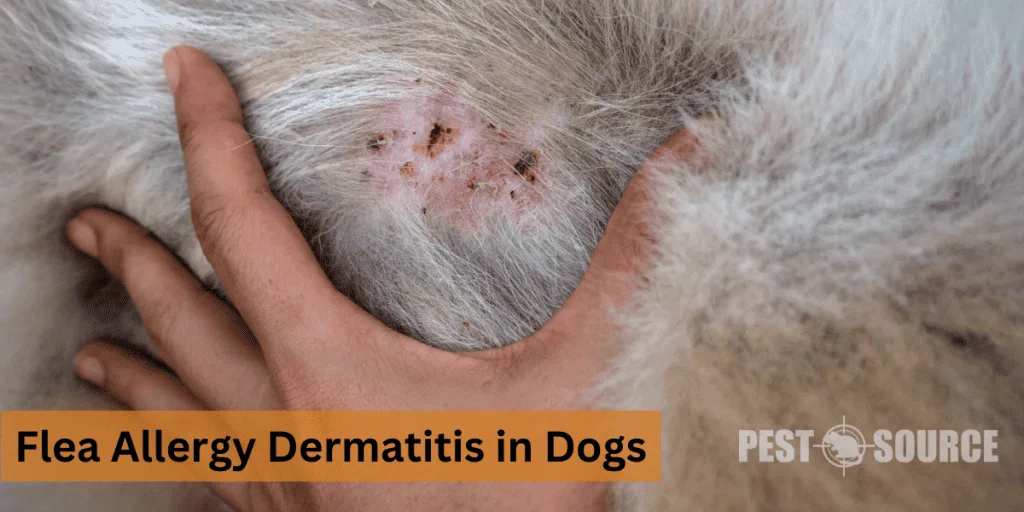
Flea allergy dermatitis looks like "just fleas" until you see a dog chewing itself raw over a single bite. The allergic reaction is to proteins in flea saliva, not the bite itself, so even a brief infestation can cause weeks of misery.
Left untreated, FAD usually spirals into secondary problems. Bacterial skin infections (pyoderma) and yeast overgrowth (Malassezia) are common follow-ons. Hot spots, hair loss, and thickened skin show up fast.
Chronic scratching wrecks a dog's sleep and quality of life.
The good news is that FAD responds well when owners do four things at the same time. Treat the dog, treat the home, treat the itch, and stay on monthly prevention for the long haul. Cut any corner and the cycle restarts.
One more reason this matters: as of 2026, the isoxazoline class of flea preventives (fluralaner, afoxolaner, sarolaner, lotilaner) remains the most consistently effective option for allergic dogs. Older OTC products often fail these dogs because they don't kill fleas fast enough to prevent the next bite.
What Flea Allergy Dermatitis Actually Is
Flea allergy dermatitis is an immune-system overreaction to flea saliva. When a flea bites, it injects saliva to keep blood from clotting. In an allergic dog, the immune system treats those saliva proteins as a threat and mounts a full allergic response.
The One-Flea Problem
A non-allergic dog might carry dozens of fleas with mild irritation. An allergic dog can be driven into a scratching frenzy by a single flea. That single bite triggers inflammation that lasts 7 to 14 days, even after the flea is gone.
Why Speed of Kill Matters
For an allergic dog, a flea product that takes 24 hours to kill is too slow. The flea has already bitten, deposited saliva, and triggered the allergic cascade. Speed-of-kill products (under 4 hours) are the standard for FAD cases.
| Class | Example Ingredients | Time to Kill Adults |
|---|---|---|
| Isoxazolines (oral) | Fluralaner, afoxolaner, sarolaner, lotilaner | 2–4 hours |
| Topical spinetoram combinations | Spinetoram | 30 minutes to 2 hours |
| Older OTC topicals | Fipronil, imidacloprid | 12–24 hours |
How to Tell If Your Dog's Itching Is From Fleas
Not every itchy dog has FAD. But the symptoms are usually distinctive enough to spot.
Classic FAD Symptoms
- Intense scratching, chewing, or licking at the lower back, tail base, hind legs, and groin
- "Hot spots" or moist, raw, red patches of skin
- Hair loss along the lower back and tail
- Red, inflamed skin with small bumps or scabs
- Restlessness or poor sleep from constant itching
Where Flea Allergy Shows Up
The pattern matters. Flea bites cluster where fleas thrive. The lower back near the tail base, the inner thighs, the belly, and the groin are the classic FAD zones.
Face and ear itching alone points more toward food or environmental allergies.
How to Confirm It's Fleas
A vet confirms FAD through a skin exam, response to flea control, and sometimes intradermal skin testing. In practice, most vets diagnose it by ruling out other causes and watching the dog improve once flea control is in place.
The One-Flea Problem: Why a Single Bite Causes Weeks of Scratching
This is the concept that catches most owners off guard. FAD isn't about flea load. It's about immune sensitivity.
A non-allergic dog might need 50+ fleas before showing signs. An allergic dog reacts to one.
The saliva proteins cause the reaction. Once those proteins enter the skin, the immune system releases histamine and other inflammatory mediators. That cascade keeps firing even after the flea is dead and gone.
That's why thoroughness beats intensity. Skipping a month of prevention, bathing off a topical, or treating only the dog lets just one surviving flea restart the whole cycle. The dog scratches for two weeks over a single bite you never saw.
It also explains why FAD dogs need prevention year-round in warm climates and for at least 8 to 12 weeks past the last visible flea in cooler ones. The allergic threshold is so low that almost any exposure triggers a flare.
Step-by-Step: How to Treat Flea Allergies in Dogs
Treating FAD is a four-track process that runs in parallel. Hit all four at once and most dogs show real improvement in 7 to 14 days, with full skin recovery in 4 to 8 weeks.
Step 1: Get a Veterinary Diagnosis
Before reaching for any product, get a vet to confirm FAD. Many skin conditions look similar (food allergies, atopic dermatitis, sarcoptic mange), and the wrong treatment wastes weeks.
A typical visit includes a skin exam, a flea comb check, and often cytology to rule out secondary infections. Bring a fresh stool sample if you can. Tapeworm segments sometimes show up alongside heavy flea burdens, since dogs ingest fleas while grooming.
Step 2: Kill the Fleas on Your Dog
Start with a product that kills adult fleas in under 4 hours. The isoxazoline oral preventives (fluralaner, afoxolaner, sarolaner, lotilaner) are the current standard for allergic dogs.
If the dog is already on a monthly oral preventive, give the dose today. Don't wait for the calendar date. Every extra day is another chance for fleas to bite.
Step 3: Break the Flea Life Cycle
Killing adults solves today's problem. Preventing eggs, larvae, and pupae from maturing solves the next six months. Long-term preventives with insect growth regulator (IGR) activity, or the isoxazolines (which also stop reproduction), are essential.
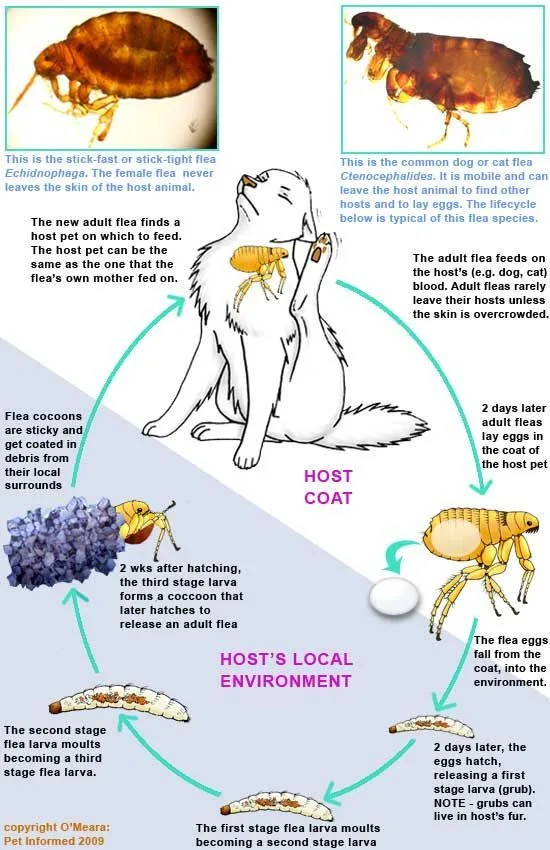
Think of it this way. The adults you see are 5% of the population. The other 95% are eggs, larvae, and pupae hiding in carpet fibers, baseboards, and bedding.
Skip life cycle control and you'll be back at square one in three weeks.
Step 4: Treat the Itch and Inflammation
Allergy itch needs its own targeted therapy. Steroids (prednisone) work fast but have side effects with long use. Apoquel (oclacitinib) and Cytopoint (lokivetmab) are now preferred for chronic cases because they control itch without the steroid baggage.
Your vet will choose based on severity, other health conditions, and how long the dog has been scratching. Don't use human antihistamines without guidance. Many don't work for FAD specifically.
Step 5: Treat Secondary Skin Infections
Raw, scratched skin breeds bacterial and yeast infections. A vet will swab the skin and prescribe oral antibiotics (usually 3 to 4 weeks) or antifungals if infection is present.
Treating itch without treating infection is like mopping the floor while the sink overflows. The skin won't heal until both are addressed.
Step 6: Treat Your Home and Yard
Wash all bedding in hot water (at least 130°F). Vacuum carpets, rugs, and furniture daily for the first week. Discard the vacuum bag outside.
Spray environmental flea control (with an IGR like methoprene or pyriproxyfen) on carpets, baseboards, and under furniture.
For yard infestations, focus on shaded, moist areas where fleas thrive. Tall grass, leaf piles, and dog houses are hotspots. A perimeter spray or professional pest control may be needed in severe cases.
Step 7: Maintain Year-Round Prevention
Once the flare is under control, stay on monthly prevention forever. In warm climates, "season" is all year. In temperate zones, give preventives year-round anyway.
The cost of prevention is always less than the cost of treating a relapse.
The Flea Comb and Flea Dirt Test
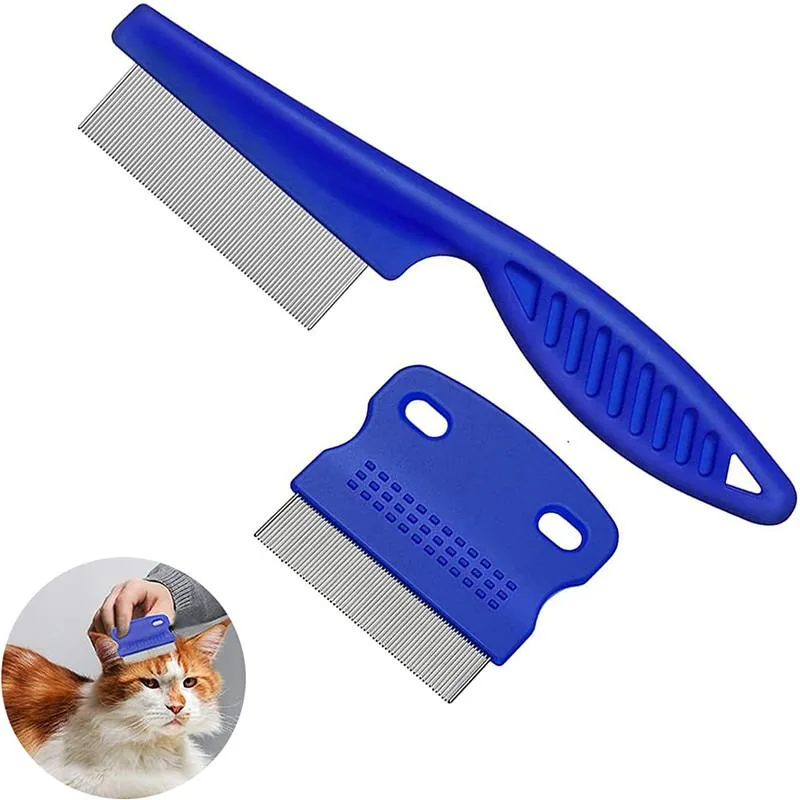
The flea comb is your cheapest, fastest diagnostic tool. Run a fine-toothed flea comb through your dog's coat, especially over the lower back and tail base. Then tap the comb onto a white paper towel dampened with water.
What Flea Dirt Looks Like
Flea dirt is digested blood excreted by adult fleas. It looks like black pepper flakes. When you add water, the "dirt" dissolves into a reddish-brown halo.
That's a positive test. Your dog has fleas, even if you've never seen one jump.
Why Flea Dirt Matters More Than Seeing Fleas
Allergic dogs often groom so aggressively that they swallow adult fleas before you spot them. Flea dirt stays on the skin and coat. Finding it is the most reliable at-home confirmation that fleas are present, and that FAD is the likely diagnosis.
Best Flea Treatment Options for Dogs With Allergies
Not all flea products are equal for allergic dogs. Here's what works, what doesn't, and who each option is best for.
Oral Flea Preventives (Isoxazolines)
These are chewable tablets or flavored chews given monthly or quarterly. They start killing fleas within 2 hours and maintain protection for 30 to 90 days depending on the product. They also sterilize flea eggs, a major plus for FAD cases.
Best for: dogs with severe FAD, multi-pet households, dogs that swim or bathe frequently, and owners who want the most reliable option.
Topical Flea Treatments
Applied to the skin between the shoulder blades, topicals spread through the oil layer of the coat. Modern prescription topicals can work, but they're more sensitive to bathing, swimming, and application errors.
Best for: dogs that refuse oral medications, owners who prefer a once-a-month application, and households where one pet can't take oral preventives.
Prescription vs. Over-the-Counter
OTC flea products from big-box stores often fail allergic dogs. Reasons include slower kill times, resistance to older insecticide classes, and lack of IGR activity. Aggregate clinical guidance consistently favors prescription preventives for confirmed FAD cases.
If cost is a concern, ask your vet about generic fluralaner or afoxolaner options. As of 2026, several manufacturers offer lower-cost alternatives that are FDA-approved for dogs.
Controlling the Itch: Medications Your Vet May Recommend
Stopping the itch is just as important as stopping the fleas. A dog that scratches open skin invites infection and delays healing.
Apoquel (Oclacitinib)
A daily oral tablet that blocks the itch signal at its source. Starts working within 4 hours and controls itch within 24 hours for most dogs. Safe for long-term use in most patients.
Cytopoint (Lokivetmab)
An injectable antibody given by the vet every 4 to 8 weeks. Starts working within 24 hours and lasts 4 to 8 weeks per injection. No daily pills to forget.
Steroids (Prednisone)
Prednisone is fast, cheap, and effective. It's typically used short-term (1 to 3 weeks) to break severe flare cycles. Long-term steroid use has well-known side effects (increased thirst, hunger, panting, immune suppression), so most vets reserve it for acute situations.
Flea Allergy Treatment by Severity
Treatment intensity scales with severity.
Mild FAD Cases
A few scratches, mild redness at the tail base, no skin damage. Treatment: prescription oral preventive, environmental control, and short-term antihistamines or Apoquel if needed.
Moderate to Severe FAD Cases
Open sores, hair loss, hot spots, restlessness. Treatment: aggressive flea control, Apoquel or Cytopoint, antibiotics if infection is present, full home and yard treatment, and recheck at 2 to 4 weeks.
Chronic or Recurring FAD Cases
Repeated flares despite prevention. Treatment: confirm dosing accuracy, rule out other allergies, consider testing with a veterinary dermatologist, and explore long-term Cytopoint or Apoquel maintenance.
Treating Your Home: The Step Most Owners Skip
Most FAD treatment plans fail because the home is forgotten. A single female flea lays up to 50 eggs per day. Those eggs fall off the dog and land on every surface it touches.
Washing, Vacuuming, and Bedding
Throw all pet bedding into the wash on hot. At least 130°F for 10 minutes kills adults, eggs, and larvae. Vacuum daily for the first 7 to 10 days, focusing on areas where the dog spends the most time.
Vacuuming alone removes about 30% of larvae and 50% of eggs from carpet.
Environmental Sprays and IGRs
Over-the-counter premise sprays kill adults but miss the eggs. You need a product with an insect growth regulator (methoprene, pyriproxyfen) or call a professional who uses IGRs. IGRs stop eggs and larvae from ever maturing into biting adults.
When to Call a Professional Exterminator
If you've treated the dog and the home but still see fleas after 4 weeks, call a pro. Severe infestations sometimes need two treatments spaced 2 weeks apart, plus follow-up IGR applications. The cost is usually $150 to $300 for a typical home.
Common Mistakes That Keep Flea Allergies Going
Owners mean well. These are the missteps that quietly extend the suffering.
Stopping Prevention Too Early
The most common mistake. Once the scratching stops, owners quit the monthly preventive. Then three months later, a single flea jumps on and the cycle restarts.
For FAD dogs, prevention is forever.
Using OTC Products That Don't Work
Store-brand flea drops, collars, and shampoos rarely work fast enough or thoroughly enough. For a non-allergic dog they might be fine. For an FAD dog, they fail.
Treating Only the Dog
The dog is 5% of the flea problem. Treat the dog perfectly and ignore the carpet, and you'll never break the cycle. Home treatment isn't optional for FAD dogs.
Misreading "No Visible Fleas" as "No Flea Problem"
Allergic dogs groom fleas off before owners see them. If your dog is still itching and you find flea dirt on a comb test, the answer is clear even when you don't see jumping fleas.
Flea Treatment Costs: What Owners Actually Pay
Costs vary by region and dog size, but here's a realistic range based on aggregate pricing data as of 2026.
Prescription Preventive Costs by Weight Range
| Dog Weight | Monthly Cost (Oral Isoxazoline) | Quarterly Cost Option |
|---|---|---|
| 4–10 lbs | $20–$30 | $55–$75 |
| 10–25 lbs | $25–$35 | $70–$90 |
| 25–50 lbs | $30–$45 | $85–$110 |
| 50+ lbs | $40–$55 | $100–$135 |
Vet Visit and Diagnostic Costs
Initial exam runs $75 to $200 depending on location. Cytology for secondary infections adds $40 to $80. Allergy testing with a dermatologist can run $300 to $600.
Home Treatment Costs
Premise sprays with IGR: $20 to $50 per application. Professional exterminator: $150 to $300. New bedding if heavily infested: $50 to $200.
Total first-year cost for a moderate FAD case typically lands between $400 and $900. Maintenance after that usually drops to $250 to $500 annually.
Safety and Drug Warnings to Know
Flea preventives are prescription drugs, not supplements. They have real labels with real warnings.
Isoxazoline Neurologic Warnings (FDA)
The FDA has flagged isoxazolines (fluralaner, afoxolaner, sarolaner, lotilaner) for potential neurologic adverse effects in some dogs, including seizures, ataxia, and tremors. Dogs with a history of neurologic disorders should be evaluated carefully before starting.
Toxicity Risks for Cats in the Household
Many dog flea products contain permethrin, which is highly toxic to cats. If you have cats, never apply a dog topical or let them groom a treated dog until the product dries. Treat every pet in the home at the same time.
Puppy Age and Weight Restrictions
Most oral isoxazolines are labeled for puppies 8 weeks or older and at least 4 to 5 lbs. Some topicals have stricter age limits. Always check the label.
Climate, Season, and Geography: Why Your Location Changes the Plan
Flea pressure is not the same everywhere.
Year-Round Flea Zones
The southern U.S., Gulf Coast, Florida, Hawaii, and similar regions have fleas active 12 months a year. FAD dogs in these areas need monthly prevention forever, with no seasonal breaks.
Seasonal Flea Pressure
Northern and central U.S., most of Europe, and similar zones see peak flea season from late spring through early fall. Winter freezes knock down outdoor populations, but indoor fleas can survive year-round in heated homes. Year-round prevention is still the safest bet.
Apartment and Multi-Pet Households
Apartments share wall voids and ventilation. A neighbor's untreated pet can seed fleas that migrate through. Treat every pet in the home on the same schedule, even cats.
Untreated cats are the #1 reason flea infestations persist in dog households.
When to See a Vet (and When to Head to the ER)
Most FAD cases are handled with a regular vet visit within a few days. Some signs mean faster action.
See your regular vet within 24 hours if your dog has open sores, hot spots, foul-smelling skin, hair loss spreading quickly, or persistent scratching despite OTC prevention.
Head to an emergency clinic if your dog shows neurologic signs (seizures, tremors, severe disorientation) after a flea product, sudden collapse, vomiting or drooling right after application, or severe allergic swelling around the face or throat.
Frequently Asked Questions
Can a Dog Be Allergic to Fleas Even If I Never See a Flea?
Yes. Allergic dogs often groom fleas off so fast that owners never spot one. The flea comb and flea dirt test (dark specks that turn red when wet) is more reliable than visual spotting.
How Long Until the Itching Stops After Treatment Starts?
Most dogs itch less within 24 to 48 hours of starting an effective adulticide. Full skin healing takes 4 to 8 weeks. If itching hasn't improved in 7 days, the plan needs adjustment.
Do Natural or Essential Oil Flea Remedies Work for FAD?
Aggregate clinical experience suggests they don't work reliably enough for an allergic dog. Essential oils can also be toxic to dogs at certain concentrations. Prescription preventives are far more effective and safer when used as labeled.
Is Flea Allergy Curable or Only Manageable?
FAD is managed, not cured. Once a dog develops the allergy, it stays allergic. The good news: with consistent year-round prevention and good itch control, most allergic dogs live completely normal, comfortable lives.
Can My Dog Get Flea Allergy From a Single Bite?
Yes. One bite from a single flea can trigger 7 to 14 days of itching in a sensitized dog. The reaction is to flea saliva proteins, not the number of fleas.
That's why prevention is so critical.
Your Flea Allergy Action Plan: The Verified Summary
Flea allergy dermatitis is the most common allergic skin disease in dogs. It responds well to a four-part plan. Kill fleas fast with a prescription adulticide.
Break the life cycle with year-round prevention. Calm the itch with vet-prescribed medication. Treat the home so reinfestation doesn't restart the cycle.
Skip any one of those four parts and the cycle continues. Get all four right and most dogs recover in 4 to 8 weeks, then stay comfortable with monthly prevention for life.
If you take one thing from this guide, take this: for an FAD dog, prevention is forever, not seasonal. The cost of monthly prevention is always less than the cost of another flare.