How to tell if my dog has allergies: Honest Review
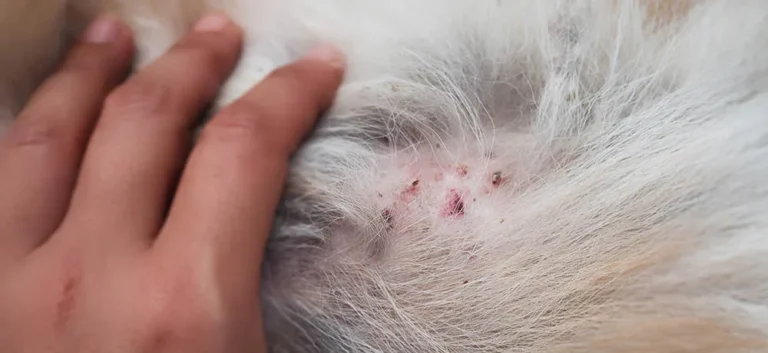
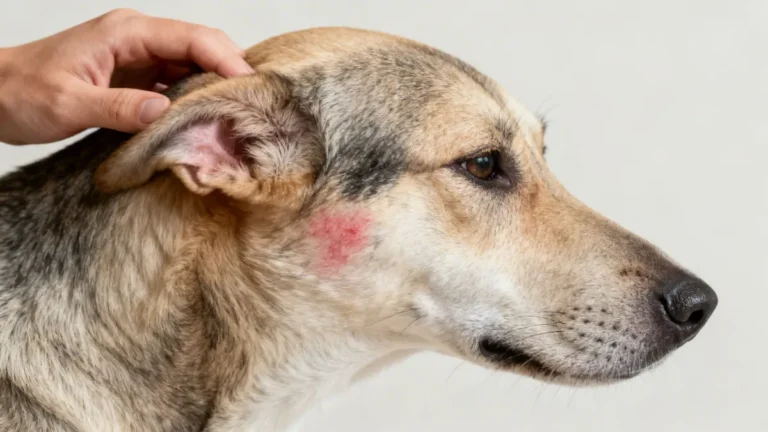
How to tell if my dog has allergies usually starts with the same handful of signs: persistent scratching, red skin, ear infections that keep coming back, and paw licking that won't quit. The hard part is figuring out whether the trigger is fleas, food, or something in the environment, because the symptoms overlap in ways that fool even experienced owners.
Flea allergy dermatitis is the most common offender, with canine atopic dermatitis affecting roughly 10 to 15 percent of the dog population. Breed, season, and age all shift the picture, which is why a structured evaluation beats a guess every time. As of 2026, veterinary dermatologists still rely on a combination of symptom patterns, response-to-treatment trials, and targeted testing rather than a single magic test.

Quick Answer
You can tell your dog has allergies from repeated scratching, paw licking, face rubbing, red skin, or recurrent ear infections. Flea allergy dermatitis, food reactions, and environmental atopy are the three main causes. A vet confirms the type through exam, response trials, and sometimes blood or skin testing.
Why Accurate Allergy Recognition Matters in Dogs
Allergies rarely kill dogs outright, but they quietly damage skin, set up repeat infections, and wreck sleep. A dog that scratches through the night is in real distress, even if the skin "only looks a little red."
The bigger problem is misdirection. Owners spend months on chicken-free food when the actual trigger is a pollen, or they bathe the dog daily for a yeast infection that's really downstream of flea allergy. Every wrong turn costs money and stretches the timeline.
Vet dermatologists see this all the time. A clear pattern of symptoms, mapped to the right allergy type, cuts that timeline in half. The goal isn't to self-diagnose.
It's to walk into the appointment with better questions and a useful symptom log.
The Three Main Allergy Types Every Owner Should Understand
Allergies in dogs fall into three buckets, and recognizing which one you're dealing with changes everything about treatment.
Flea Allergy Dermatitis (FAD)
FAD is technically an environmental allergy, but it earns its own category because it's the single most common allergic skin disease in dogs. A dog isn't allergic to the flea bite itself. It's allergic to proteins in flea saliva, so even one or two bites can set off intense itching.
Classic signs include hair loss and irritation over the lower back, tail base, and hind legs. The dog may scoot or chew at the rump aggressively. FAD doesn't follow seasons as cleanly as atopy, especially in warm regions or indoors where fleas survive year-round.
Environmental Atopy (Atopic Dermatitis)
Atopic dermatitis is the umbrella term for allergies to airborne triggers: pollens, dust mites, mold spores, and storage mites. Pruritus without obvious fleas or diet link points here.
Atopy usually shows up between 6 months and 3 years of age and follows a seasonal pattern at first, then often becomes year-round as the dog ages. Common lesion sites are paws, ears, muzzle, axillae, groin, and perineum.
Food Allergies (Cutaneous Adverse Food Reactions)
True food allergies involve an immune response to a specific protein, most commonly beef, chicken, dairy, or wheat. They're less common than people think, but they're over-tested.
Gastrointestinal signs can show up alongside skin issues, but many food-allergic dogs itch with zero gut symptoms. The only reliable diagnostic tool is an 8 to 12 week elimination diet, not a blood or saliva panel.
| Allergy Type | Most Common Triggers | Typical Age of Onset | Seasonal? | First-Line Diagnosis |
|---|---|---|---|---|
| Flea Allergy Dermatitis | Flea saliva protein | Any age, often young adults | Often year-round in warm climates | Flea comb + response to strict flea control |
| Environmental Atopy | Pollens, dust mites, mold | 6 months to 3 years | Usually seasonal at first | Exam pattern + intradermal or serum IgE testing |
| Food Allergy | Beef, chicken, dairy, wheat | Often under 1 year or after 5 | No | 8 to 12 week elimination diet trial |
Core Symptoms That Point to Allergies in Dogs
Allergies show up in patterns, not single symptoms. A dog that scratches after a bath might just have dry skin. A dog that scratches the same spots every week, year after year, is sending a signal.
The Five Most Common Symptoms
- Pruritus. Persistent scratching, licking, chewing, or face-rubbing is the hallmark. The veterinary itch scale runs 0 to 10, with anything consistently above a 3 raising concern.
- Recurrent ear infections. Otitis externa that resolves and returns within weeks is one of the strongest allergy markers in the data. Yeast and bacteria love inflamed ear canals.
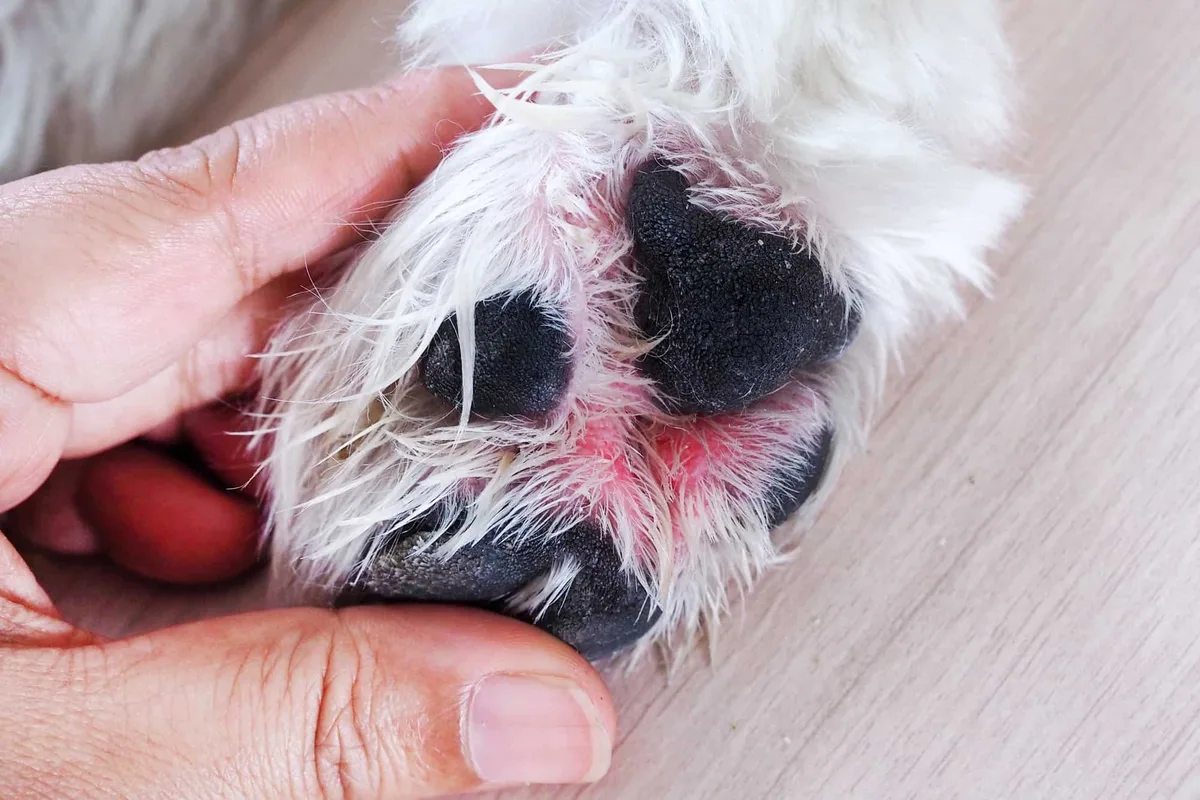
- Paw-licking and pododermatitis. Saliva staining turns the fur between the toes a rust or brown color. It's one of the most visible allergy signatures.
- Facial rubbing. Dogs wipe their muzzle along carpets or furniture. This allergic salute often pairs with conjunctivitis or watery eyes.
- Skin changes. Redness, hair loss, hyperpigmentation, and lichenification all develop as the itch goes on.
Where to Look First
The lesion distribution tells you a lot. Paws, ears, muzzle, axillae, groin, and perineum are the atopy hotspots. Lower back and tail base lean toward fleas.
Face and ears alone, with no other sites, can point to a food reaction.
What's Usually NOT an Allergy
Single small bald patches with normal skin elsewhere often point to demodex mites. Sudden hives after a vaccine or new food point to an acute allergic reaction. Constant head shaking with ear pain but no itching elsewhere is more likely an ear-only issue.
How Vets Tell the Difference: Flea, Food, or Environmental
Vets don't guess. They follow a decision tree based on pattern, response to trial therapy, and selective testing.
Step 1: Rule Out Fleas First
This is non-negotiable. Strict flea control for 8 to 12 weeks on every animal in the household clears up a huge number of "treatment-resistant" allergies. If the itch drops dramatically with no other intervention, fleas were the driver, even if you never saw one.
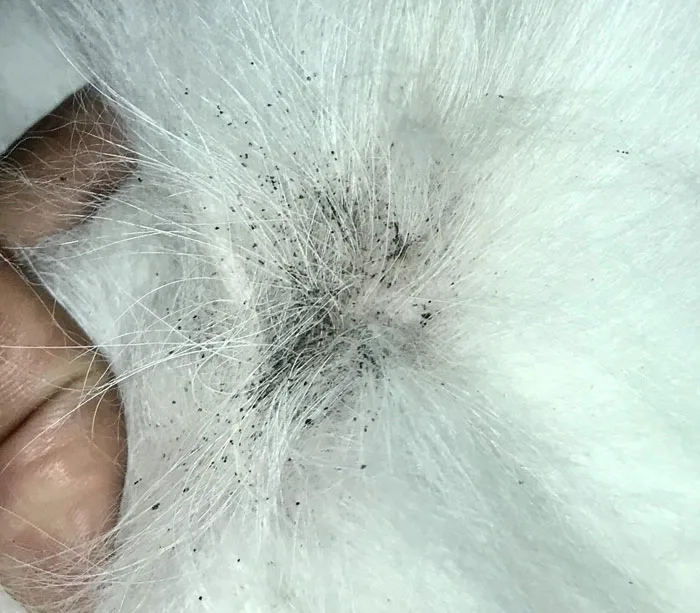
A flea comb through the lower back and tail base often reveals flea dirt, which looks like black specks and turns red-brown when wet. Even a single speck confirms fleas have been feeding, which is enough to trigger FAD in a sensitive dog.
Step 2: Look at the Pattern
Seasonal flares, age of onset, and lesion distribution narrow the list fast. A 2 year old Golden Retriever with worsening summer paw-licking is atopic until proven otherwise. A middle-aged Bulldog with year-round ear infections and a slow response to flea control may have a food component.
Step 3: Run an Elimination Diet If Food Is Suspected
If the pattern doesn't fit fleas or atopy cleanly, food becomes the next suspect. An elimination diet uses either a novel protein or a hydrolyzed protein diet, fed strictly for 8 to 12 weeks with no treats, table food, or flavored medications.
If itch drops by 50 percent or more, the original diet is reintroduced one ingredient at a time. Symptoms typically return within 1 to 14 days if a true allergy is in play. Anything shorter than 8 weeks isn't a fair test.
Step 4: Test for Environmental Allergies
Intradermal skin testing remains the gold standard for atopy in dogs. Serum IgE blood tests are an alternative, especially for dogs who can't be sedated or have widespread skin infection. Both guide allergen-specific immunotherapy (ASIT), the desensitization shots or oral drops tailored to what your dog actually reacts to.
Saliva and hair-based allergy panels sold direct to consumers aren't reliable for diagnosing canine allergies. They produce inconsistent results that don't correlate with intradermal testing or clinical response, which is why most veterinary dermatologists don't use them.
The American College of Veterinary Dermatology maintains a directory of board-certified specialists and publishes client-friendly resources on allergy workups, including the role of intradermal testing and elimination diet protocols.
Red Flags That Mean "See the Vet Now"
Most allergy cases are uncomfortable but not urgent. A few situations aren't.
Sudden Facial Swelling
Swelling around the muzzle, eyes, or ears that comes on fast can signal an acute allergic reaction, often to a vaccine, insect sting, or new medication. This can escalate toward anaphylaxis.
Repeated Vomiting or Collapse
If scratching is paired with vomiting, diarrhea, pale gums, or weakness, treat it as an emergency. Anaphylaxis in dogs is rare but real, and waiting it out is risky.
Hot Spots
A hot spot is a red, wet, painful patch that spreads fast, often within hours. They show up when a dog scratches, licks, or chews one spot until the skin breaks. Secondary bacterial infection usually follows.
These need vet cleaning, systemic antibiotics or anti-inflammatories, and an Elizabethan collar to stop the cycle. They don't resolve on their own once established.
Open Skin, Bleeding, or Foul Odor
Anywhere the skin barrier is broken, infection follows quickly. Yellow or green discharge, crusting, or a yeasty smell all mean bacteria or yeast have moved in, and over-the-counter creams rarely penetrate dog skin well enough to clear it.
Step-by-Step: How to Evaluate Your Dog at Home
Before booking a vet visit, build a clearer picture. Two weeks of focused observation changes the diagnostic quality of the appointment.
Step 1: Photograph the Hotspots
Take daily photos of the same spots at the same time of day. Consistent lighting helps. Paw pads, ear flaps, belly, and inner thighs are the priority angles.
Step 2: Score the Itch
Use the 0 to 10 pruritus scale. 0 is no scratching, 10 is constant, severe scratching that interrupts normal life. Log the score each evening. Trends matter more than any single day.
Step 3: Run a Flea Check
Comb the lower back and tail base over a white paper towel. Wet any black specks. If they turn red-brown, that's flea dirt.
Even without seeing a flea, this is diagnostic.
Step 4: Audit the Diet and Treats
List every food, treat, chew, and flavored medication your dog gets in a week. Include human food, pill pockets, and dental chews. Patterns often show up here, especially when a "limited ingredient" food has sneaky cross-contamination.
Step 5: Track the Calendar
Note when symptoms worsen and when they ease. Pollen-heavy weeks, recent yard treatments, new detergents, a move, or a kibble switch all become useful data points when the vet sees them lined up against flare dates.
What a Vet Will Actually Do During an Allergy Workup
A primary care vet handles most canine allergy cases. A referral to a dermatologist typically happens after treatment failures or when ASIT is being considered.
The Physical Exam
The vet maps lesions by location, depth, and secondary changes. They check ear canals with an otoscope, look for mites, and may swab the skin for cytology to spot bacteria or yeast.
Cytology and Skin Scrapes
Tape impressions or scrapings rule out secondary infections and confirm or rule out Demodex and Sarcoptes mites, which mimic allergies but need different treatment entirely.
Diagnostic Tests
If atopy is suspected, intradermal skin testing gives the clearest map of environmental triggers. Serum IgE testing is the alternative. Neither confirms food allergy, which still requires an elimination diet.
The Merck Veterinary Manual is a peer-reviewed reference used widely by general practitioners. It outlines the standard workup sequence for pruritic dogs and reflects current consensus on testing utility.
Treatment Plan
Treatment usually combines allergen avoidance where possible, infection control, anti-itch medication, and long-term management. Apoquel (oclacitinib) and Cytopoint (lokivetmab) are the two most commonly prescribed modern options.
Elimination Diet Trials: How They Work and Why 12 Weeks Matters
The elimination diet is the most reliable way to diagnose a food allergy, and also the most commonly botched.
Pick the Right Protein
Two paths work: a novel protein the dog has never eaten (rabbit, venison, alligator, kangaroo) or a hydrolyzed protein diet where the protein is broken into pieces too small for the immune system to recognize. Both outperform standard "grain-free" marketing.
Cut Everything Else
No treats, no table food, no flavored medications, no flavored toothpaste, no dental chews. Anything outside the trial diet can break it. Even a single bite of forbidden food can restart the clock.
Run It Long Enough
Eight weeks is the minimum. Twelve weeks gives a cleaner read, especially for dogs with both skin and gut symptoms. Improvement usually shows up between weeks 4 and 8 if it's going to.
Challenge to Confirm
If symptoms improve, reintroduce the original diet. A flare within 14 days confirms food was a driver. Then reintroduce single ingredients one at a time to find the culprit.
Common Pitfalls
Family members sneaking treats, flavored heartworm or flea preventatives, cross-contaminated household food prep, and stopping too early when partial improvement is seen. Each one invalidates the trial.
Allergy Testing Options Explained: Skin, Blood, and What to Skip
Testing gets oversold online. Here's what each option actually does.
| Test Type | Best For | Limitations |
|---|---|---|
| Intradermal skin test | Identifying environmental allergens for immunotherapy | Requires sedation, shaved area, no recent steroids or antihistamines |
| Serum IgE test | Environmental allergens when skin testing isn't possible | Less sensitive than intradermal, affected by recent medications |
| Elimination diet trial | Confirming food allergy | Strict, slow, often resisted by owners and dogs |
| Saliva / hair panels | None of the above | Not validated, high false positives, not endorsed by ACVD |
Intradermal testing is considered the gold standard for atopy. Serum IgE is a reasonable substitute. Direct-to-consumer saliva and hair tests consistently show poor agreement with intradermal results, which is why most veterinary dermatologists consider them unreliable.
Comparing Common Treatments: Apoquel, Cytopoint, Antihistamines, and Steroids
Each option has a real place. The right choice depends on the diagnosis, the season, and the dog's other health conditions.
| Medication | Mechanism | Onset | Best For | Key Caveat |
|---|---|---|---|---|
| Apoquel (oclacitinib) | JAK1 inhibitor | Within 24 hours | Year-round or seasonal atopy, fast relief | Daily dosing, immune effects at high doses |
| Cytopoint (lokivetmab) | Monoclonal antibody against IL-31 | 24 to 48 hours | Dogs that won't take pills | Injection every 4 to 8 weeks |
| Antihistamines (e.g. cetirizine) | H1 receptor blocker | Days to weeks | Mild seasonal itch, adjunct therapy | Often underwhelming as monotherapy |
| Steroids (prednisone) | Broad anti-inflammatory | Hours | Severe flares, short-term rescue | Long-term side effects: thirst, weight gain |
For long-term control, Apoquel and Cytopoint have largely replaced daily steroids for most atopic dogs. Steroids still earn their place during severe flares or when cost is the deciding factor.
Home Care That Actually Helps: Baths, Omega-3s, and Environmental Control
Medication does the heavy lifting. Home care reduces how much medication your dog needs.
Bathing
Medicated shampoos with chlorhexidine and miconazole cut bacterial and yeast overgrowth. Cool water soothes inflamed skin. For most allergic dogs, bathing every 1 to 2 weeks is reasonable, more often during flares.
Omega-3 Fatty Acids
Fish oil supplementation supports the skin barrier and reduces inflammatory mediators. Effects take 6 to 8 weeks. Use a canine-specific product or a vet-recommended human-grade fish oil with appropriate vitamin E.
Environmental Control
HEPA air filters cut indoor pollen and dust load. Washing bedding weekly in hot water drops dust mite populations. Vacuuming with a HEPA-equipped machine reduces allergen reservoirs.
Wiping paws and belly after walks removes outdoor allergens before they spread.
Flea Control Year-Round
Even if fleas aren't the primary trigger, every bite inflames already-reactive skin. Year-round prevention on every pet in the home is non-negotiable for FAD-prone dogs.
Mistakes Owners Make When Guessing Allergies
Most allergy misadventures come from the same handful of errors.
Treating the Secondary Infection, Not the Allergy
Yeast and bacterial infections flare because of the underlying itch, not instead of it. Antibiotics clear the infection, the itch returns, and the cycle repeats until the allergy itself is addressed.
Stopping the Diet Trial Early
Partial improvement often shows up before full resolution. Owners call it "good enough" and restart regular food, which means they never get a clean answer and have to start over later.
Trusting Direct-to-Consumer Allergy Tests
Saliva and hair tests often return lists of "sensitivities" that don't match intradermal results or clinical response. Acting on those lists leads to unnecessary food restrictions and missed real triggers.
Over-Bathing or Under-Bathing
Over-bathing strips the skin barrier and worsens itch. Under-bathing lets allergen buildup accumulate on the coat. Twice monthly is the sweet spot for most dogs, weekly during flares.
Confusing Food Intolerance With Food Allergy
Intolerance is a digestive issue, often dose-dependent. Allergy is an immune response, often to a single protein. They need different diagnostic logic.
Breed, Age, and Season: The Risk Factors That Change the Picture
Allergy risk isn't evenly distributed.
Breed Predisposition
Retrievers, Terriers, Bulldogs, Boxers, Dalmatians, and Setters carry higher atopy risk. Breed doesn't guarantee allergies, but it shifts the prior probability enough to influence how aggressively a vet works up itch.
Age of Onset
Atopy typically surfaces between 6 months and 3 years. Symptom-free older dogs can still develop allergies, but new itch in a senior dog deserves a broader workup, including endocrine disease and cancer.
Seasonal Patterns
Symptom flares tied to specific weeks of the year point to pollen or outdoor mold. Year-round itch points to dust mites, storage mites, food, or chronic fleas.
Geographic Location
Pollen-heavy regions push atopy risk higher. Warm, humid climates extend flea seasons. A move to a new region often changes the allergy profile within a season.
When an "Allergy" Is Something More Serious
Not every itchy dog has allergies. A few conditions mimic them closely enough to fool owners and sometimes vets.
Sarcoptic Mange
Caused by Sarcoptes scabiei mites, this is intensely itchy, often starting at the ear edges and elbows. It's contagious to other pets and occasionally to humans. Skin scrapes miss mites up to 50 percent of the time, so vets often trial scabicide treatment when suspicion is high.
Demodicosis
Demodex mites cause patchy hair loss, often around the face and feet. It's not contagious in adult dogs and usually signals underlying immune compromise.
Hypothyroidism
Low thyroid hormone causes skin changes, hair loss, and secondary infections. A simple blood test confirms it. Treatment is oral supplementation.
Cushing's Disease
Excess cortisol produces thin skin, hair loss, and increased infections. It shows up more often in middle-aged to older dogs. Blood testing and imaging confirm it.
Any senior dog with new itch deserves this broader screen. Allergy isn't impossible at that age, but it shouldn't be the first assumption.
Cost Reality Check: What Allergy Diagnosis and Treatment Actually Run
Costs vary by region and whether you see a GP vet or a board-certified dermatologist. As of 2026, the typical ranges in the US look roughly like this:
| Service / Product | Approximate Cost Range |
|---|---|
| Initial vet exam | $75 to $150 |
| Skin cytology + ear cytology | $50 to $150 |
| Serum IgE allergy panel | $200 to $400 |
| Intradermal skin testing (specialist) | $300 to $600 |
| Elimination diet (12 weeks, hydrolyzed) | $150 to $300 |
| Apoquel (monthly) | $80 to $200 |
| Cytopoint (per injection) | $60 to $120 |
| Allergen-specific immunotherapy (year one) | $400 to $1,200 |
Specialist visits run higher, often $200 to $500 for the consult alone. ASIT is the long game: most dogs need at least 6 to 12 months before results show up, but it's the only treatment that addresses the cause rather than masking the itch.
Tracking Symptoms the Smart Way: A Practical Log for Owners
A vet's diagnostic accuracy jumps when owners bring data instead of memory. Here's the simple version.
Daily Log Fields
Date, pruritus score, ear condition, paw condition, skin condition, stool quality, and any new foods, treats, medications, or environments. Trends over weeks beat single-day snapshots.
When to Stop Logging
Once a diagnosis is reached and treatment is stable, daily logging becomes overkill. Spot checks during seasonal transitions and any new food or environment changes are enough.
FAQs on Telling If Your Dog Has Allergies
What is the most common sign of allergies in dogs?
Persistent scratching, paw-licking, and recurrent ear infections are the three most common signs. Any combination lasting more than a few weeks warrants a vet visit.
Can dogs develop allergies suddenly as adults?
Yes. Environmental allergies most often start between 6 months and 3 years, but adult-onset cases happen, especially after a move to a new region or a change in household exposures.
How accurate are at-home dog allergy tests?
Direct-to-consumer saliva and hair tests are not validated for diagnosing canine allergies. They consistently disagree with intradermal testing and shouldn't guide diet or treatment decisions.
How long does an elimination diet take to work?
Most dogs show improvement between weeks 4 and 8. The trial should run 8 to 12 weeks total before judging the result. Stopping early is the most common reason diets "fail."
Are dog allergies curable?
Environmental allergies are managed, not cured. ASIT can reduce long-term medication needs, and some dogs go into extended remission, but most need ongoing support during flare seasons.
When is dog itching an emergency?
Facial swelling, vomiting, collapse, sudden hives, or hot spots that spread within hours all need urgent care. Chronic itching alone usually isn't an emergency, but it still deserves a vet visit within a week or two.
Your Next Move: A Clear Decision Path for the Concerned Owner
If your dog has been scratching for more than two weeks, start with a flea check and a 14 day symptom log. Bring the log to your vet. If fleas are ruled out and the pattern doesn't fit atopy cleanly, expect an elimination diet before any allergy panel.
Avoid direct-to-consumer tests that promise answers from saliva or hair.
For dogs already diagnosed, focus on long-term management: Apoquel or Cytopoint for fast relief, ASIT for the underlying cause, and consistent flea control to remove a major co-trigger. Bathing and omega-3s reduce how much medication your dog needs over time.
Allergies in dogs are rarely a single fix. They're a partnership between you, your vet, and sometimes a dermatologist, with the right diagnosis doing the heavy lifting upfront. Get that right, and the rest of the work gets easier.