How to know if my dog has allergies: Honest Review
If your dog won't stop scratching, licking their paws, or shaking their head, you're probably wondering how to know if my dog has allergies. The short answer is that allergies in dogs usually show up as skin, ear, or digestive symptoms that won't quit on their own, and the trick is figuring out whether the trigger is fleas, food, or something in the environment. Getting this right early can save your dog weeks of discomfort and you a lot of guesswork.
Around 10 to 15 percent of dogs deal with environmental allergies, and roughly 30 percent of itchy dogs actually turn out to be reacting to flea saliva. That means the most common cause of "allergy" symptoms isn't an allergy to pollen or chicken at all. Let's walk through what to look for, what to rule out first, and when it's time to call your vet.
Quick Answer
Yes, your dog can have allergies. The most common signs are persistent scratching, paw licking, ear infections, and skin redness. Allergies fall into three main types: flea, food, and environmental.
A vet can confirm the cause through an exam, a flea control trial, an elimination diet, or allergy testing. Treatment works best once the specific trigger is identified.
Why Getting This Right Matters for Your Dog
Allergies don't just make dogs itchy. Left alone, they spiral into real medical problems. Constant scratching damages the skin barrier, which lets bacteria and yeast move in.
That's how a simple pollen reaction turns into a hot spot or a full-blown ear infection requiring antibiotics.
We've seen cases where owners spent months treating "yeast" that kept coming back, when the actual culprit was a flea allergy that one bite every few weeks kept reactivating. The cost adds up fast. A single vet visit for skin issues averages $150 to $300, and chronic cases can run $1,000+ per year in medications and follow-ups.
The stakes are also comfort-based. A dog with unmanaged allergies doesn't sleep well, gets irritable, and loses the joy of walks and play. Allergies aren't life-threatening for most dogs, but they seriously damage quality of life.
That's why accurate identification matters more than quick symptom relief.
The Three Main Allergy Types in Dogs (and Why the Distinction Matters)
Not all dog allergies behave the same way, and treatment depends entirely on which type you're dealing with.
Flea Allergy Dermatitis (FAD)
This is the big one most people miss. A dog doesn't have to be covered in fleas to have FAD. A single flea bite can trigger itching for two weeks in a sensitive dog.
The classic sign is intense scratching focused on the lower back, tail base, and hind legs. Per Merck Veterinary Manual guidance, flea allergy is the most common allergic skin disease in dogs.

Food Allergies
True food allergies involve an immune response, usually to a protein like beef, chicken, dairy, or eggs. Symptoms include itchy skin, ear infections, and sometimes vomiting or chronic diarrhea. Food allergies account for roughly 10 to 15 percent of allergic skin cases in dogs, per veterinary dermatology research.
Environmental Allergies (Atopy)
These are reactions to airborne triggers like pollen, dust mites, and mold. Atopy often shows a seasonal pattern, flaring in spring or fall. Breeds like Golden Retrievers, Bulldogs, Boxers, and West Highland White Terriers are overrepresented.
The Merck Veterinary Manual notes onset typically occurs between 6 months and 3 years of age.
| Allergy Type | Common Trigger | Classic Location | Seasonal? |
|---|---|---|---|
| Flea Allergy | Flea saliva | Lower back, tail base, thighs | Year-round |
| Food Allergy | Protein (beef, chicken, dairy) | Ears, paws, rear, GI signs | No |
| Environmental | Pollen, dust, mold | Face, paws, armpits, belly | Often yes |
Most Common Signs Your Dog May Have Allergies
The symptoms fall into a few recognizable clusters. If you see several together, allergies move to the top of the suspect list.
Skin Symptoms
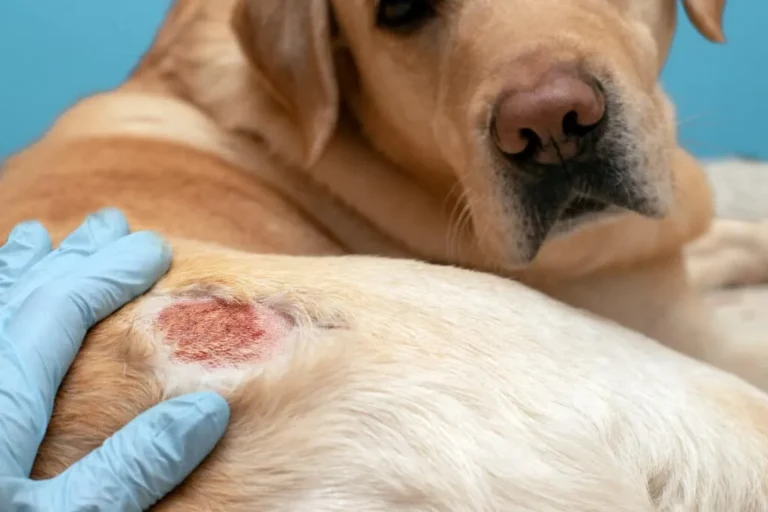
Persistent scratching is the headline sign. Watch for hot spots (raw, moist patches), redness between the toes, and hair loss from constant licking. Dogs often target their paws, groin, and armpits because those areas are warm and moist.
Ear Symptoms
Recurrent ear infections are a major allergy red flag. If your dog shakes their head, smells yeasty, or has waxy brown discharge more than twice a year, allergies are likely driving it. Per clinical data, roughly 80 percent of dogs with food allergies and 50 percent with environmental allergies deal with chronic otitis.
Digestive Symptoms
Vomiting, soft stool, or frequent bowel movements can point to food allergies. The skin and gut reactions often show up together, which is a useful clue.
Behavioral Clues
Dogs don't tell you they itch. They tell you by rubbing on furniture, scooting their rear, or waking you up at night to scratch. Excessive licking of the front paws is almost a signature allergy behavior.
How Vets Rule Out Flea Allergy Dermatitis First
Before anything else, your vet will probably test for fleas. This is deliberate. FAD is the most common, the cheapest to rule out, and the easiest to treat if caught.

The Flea Control Trial
Your vet will prescribe a veterinary-grade flea preventative (something like a prescription topical or oral). You'll apply or give it strictly on schedule for 8 to 12 weeks. Every dog and cat in the home needs treatment, even if only one pet shows symptoms.
If symptoms improve dramatically during this window, you've found your answer. If they don't budge, the next suspect is food or environment.
What Vets Look For
Live fleas are hard to spot. Vets look for "flea dirt," which is digested blood that looks like black pepper on the skin. Finding even a speck confirms fleas have been feeding, which supports an FAD diagnosis even without seeing the insect itself.
The American Veterinary Medical Association recommends year-round flea prevention in most climates, but it's especially critical during this workup. If you skip doses or use over-the-counter products that don't fully work, the trial is invalid and you'll have to start over.
Food Allergy or Environmental Allergy? Spotting the Pattern
Once fleas are ruled out, the next step is figuring out whether food or the environment is driving the reaction. The pattern of symptoms usually gives it away.
Timing Clues
Environmental allergies often flare with seasons. If your dog's itching explodes in spring when oak pollen peaks and quiets down in winter, atopy is the leading suspect. Food allergies don't follow the calendar.
Year-round itching with no seasonal shift points to diet.
Response to Treatment Clues
If your dog improves during a flea trial but symptoms linger, environment becomes more likely. If they didn't respond to flea control and also don't track seasons, food moves to the top.
Location Clues
Both food and environmental allergies can affect paws and ears, but food allergies more often trigger recurrent ear infections and anal gland issues. Environmental allergies more often target the face, belly folds, and armpits.
There's no shortcut here. The gold-standard test for food allergies is the elimination diet, covered in detail later. Environmental allergies require either intradermal skin testing at a veterinary dermatologist or a serum IgE blood test, both of which we'll dig into.
Symptoms That Look Like Allergies but Usually Aren't
Several conditions mimic allergies closely enough to fool experienced owners. Ruling these out prevents wasted months on the wrong treatment.
Mange (Sarcoptic or Demodectic)
Mange causes intense itching, hair loss, and crusty skin. Sarcoptic mange is actually contagious and sometimes called "scabies." Vets diagnose it with a skin scrape, a quick in-clinic test most general practices can run.
Ringworm
Despite the name, ringworm is a fungal infection, not a worm. It creates circular patches of hair loss with scaly edges. It's zoonotic, meaning it can spread to humans, so fast diagnosis matters.
Hypothyroidism
Low thyroid function causes hair loss, skin thickening, and recurrent infections in middle-aged to senior dogs. A simple blood panel confirms it.
Behavioral Overgrooming
Some dogs lick or chew out of boredom, anxiety, or pain (like arthritis in a hip making them gnaw at the paw above it). A video log of the behavior can help your vet tell the difference between a stress habit and an itch.
Getting the right diagnosis saves real time and money. We've seen owners spend $2,000 on allergy workups only to discover their dog had a low-grade skin infection that needed a different antibiotic.
Red Flags That Need an Emergency Vet Visit (Not a Watch-and-Wait)
Most allergy symptoms can wait for a scheduled appointment. A few cannot. Anaphylaxis in dogs is rare but real, and recognizing it fast can save your dog's life.
Sudden Facial Swelling
If your dog's face, muzzle, or eyelids swell up within minutes to hours of eating something new, getting a vaccine, or a bee sting, head to emergency care. This is an acute allergic reaction that can progress to airway obstruction.
Vomiting Combined with Collapse or Weakness
A dog that vomits repeatedly and then becomes lethargic or wobbly needs immediate evaluation. This goes beyond skin allergy and into anaphylactic territory.
Difficulty Breathing
Any panting that doesn't resolve, blue gums, or exaggerated chest movement means the airway may be swelling. This is a true emergency.
Widespread Hives with Rapid Spread
Localized hives can wait for a vet visit. Hives spreading across the body within minutes need same-day care.
Most allergic dogs you'll see are itchy, not emergent. But knowing the difference between chronic itch and acute crisis is part of being a prepared owner.
What to Do Before Your Vet Appointment: Your Symptom Diary
A 10-minute diary saves you and your vet weeks of work. Here's what to track and how.
What to Record
- When itching started and any pattern you've noticed
- Body locations your dog targets (paws, ears, rear, belly)
- Food and treats, including table scraps and flavored medications
- Environment changes (new bedding, cleaning products, yard treatments)
- Itch severity on a 0 to 10 scale, where 0 is no scratching and 10 is nonstop
- Bath and grooming frequency
- Other pets in the home and their flea prevention status
Why This Matters
Vets see your dog for 20 minutes. You live with your dog 24/7. The diary fills in the blind spots.
Per the American College of Veterinary Dermatology, a thorough history often points to the trigger faster than any lab test.
Take photos and short videos of the itching behavior. Ears, paws, and skin folds are easy to photograph and visually track change over time.
How Vets Diagnose Dog Allergies: Tests Explained
There is no single test that diagnoses "allergies" in dogs. There's a process, and each step rules in or out a different cause.
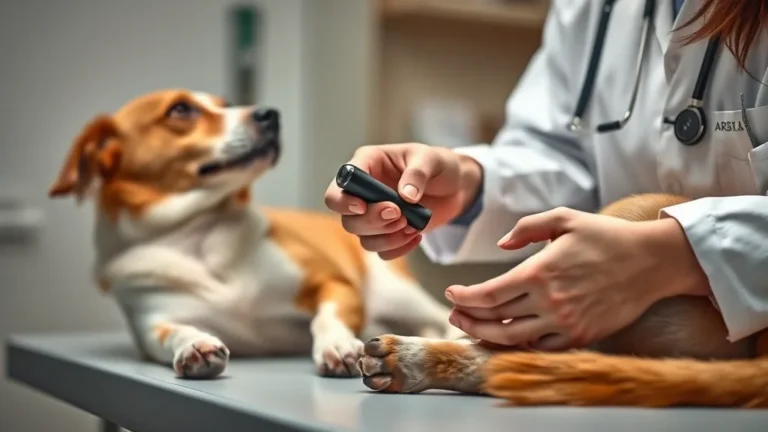
Physical Exam and History
Always step one. Your vet looks for skin patterns, ear status, lymph node size, and signs of secondary infection.
Skin Scraping and Cytology
Quick in-clinic tests. Skin scraping checks for mange mites. Cytology (taping or swabbing the skin) looks for bacteria or yeast, which often flare secondary to allergies.
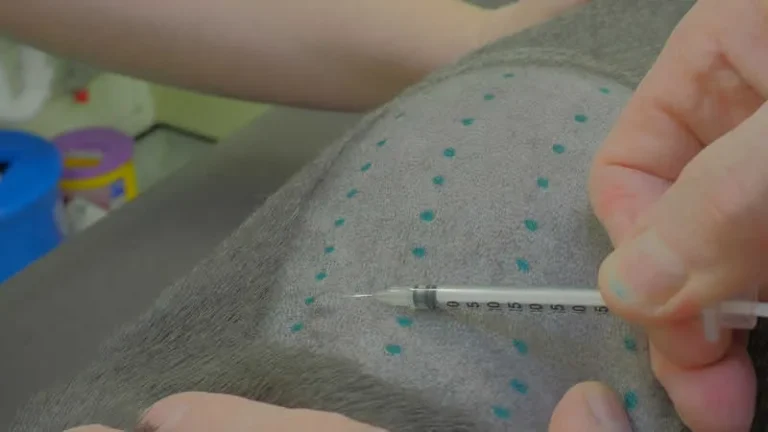
Intradermal Allergy Testing
Considered the gold standard for environmental allergies. A veterinary dermatologist injects small amounts of allergens under the skin and measures reactions. Requires sedation and referral.
Results guide immunotherapy formulation.
Serum IgE Blood Testing
A blood draw that measures antibodies to common environmental triggers. Less sensitive than intradermal testing but easier to access. Useful for dogs who can't be sedated or live far from a dermatologist.
Food Elimination Diet
The only reliable way to diagnose food allergies. Covered in detail in the next section.
Per the FDA Center for Veterinary Medicine, medications like Apoquel and Cytopoint are approved specifically for atopic dermatitis, which is why getting the diagnosis right unlocks the right treatment options.
Elimination Diets: The 8 to 12 Week Process That Actually Works
This is the most important section for any owner dealing with possible food allergies. Done right, it's definitive. Done wrong, it wastes months.
How the Diet Works
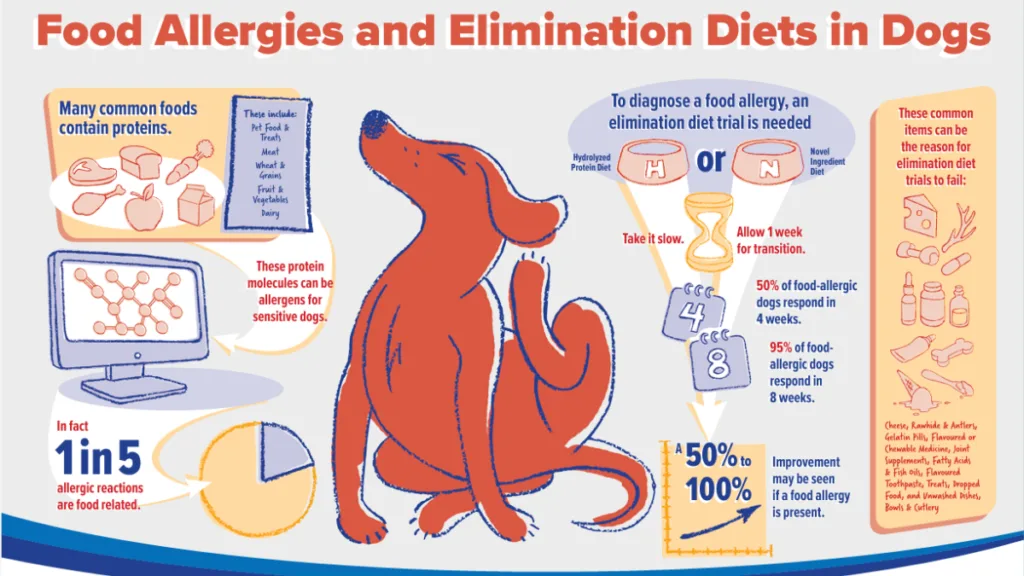
You feed your dog a single protein and single carbohydrate they've never eaten before. Common choices include venison, rabbit, duck, or kangaroo paired with sweet potato or green pea. Alternatively, your vet may prescribe a hydrolyzed protein diet, where proteins are broken down too small for the immune system to recognize.
The 8 to 12 Week Rule
The trial must run a full 8 to 12 weeks. Why so long? Food allergens can take weeks to clear the system, and itching may not improve until the immune response fully calms down.
Stopping at week 4 because "nothing's changed" is the most common mistake.
What Counts as Cheating
Everything with a flavor counts. That includes:
- Flavored heartworm preventatives (request unflavored)
- Treats (use small pieces of the trial food)
- Table scraps (none, not even one bite)
- Toothpaste (use unflavored or skip)
- Pill pockets (roll pills in the trial food instead)
If your dog eats anything outside the diet during the trial, you're starting over.
The Challenge Phase
If symptoms improve during the trial, the next step is reintroducing original foods one at a time. Add chicken back for two weeks. If itching flares, chicken is a trigger.
If it doesn't, move on to beef, then dairy. This pinpoints the exact culprit.
Per peer-reviewed research published in journals like Veterinary Dermatology, properly executed elimination diets identify food allergies in 80 to 90 percent of cases. Skipping steps drops that number dramatically.
Treatment Options Compared: Apoquel, Cytopoint, Antihistamines, and Immunotherapy
Once you know what you're treating, the medication options narrow quickly. Here's how the main choices stack up.
| Treatment | Best For | Onset | Pros | Cons |
|---|---|---|---|---|
| Apoquel (oclacitinib) | Environmental allergies | 4 hours | Fast, daily pill, well tolerated | Lifelong cost ($50–$150/month), requires bloodwork monitoring |
| Cytopoint (lokivetmab) | Environmental allergies | 24–48 hours | Injection lasts 4–8 weeks, no daily dosing | Higher per-dose cost, vet visit required |
| Antihistamines (Benadryl, Zyrtec) | Mild seasonal symptoms | 1–2 weeks | Cheap, available, mild side effects | Ineffective for many dogs, sedation possible |
| Immunotherapy (allergy shots/drops) | Long-term environmental control | 3–6 months for full effect | Targets specific allergens, reduces medication needs | Slow onset, lifelong commitment, $200–$1,000/year |
Antihistamines work in roughly 10 to 20 percent of dogs. Owners often try them first because they're accessible, but most allergic dogs need stronger options.
Apoquel and Cytopoint have transformed environmental allergy management since gaining FDA approval. Apoquel is a daily oral tablet, while Cytopoint is an injectable given at the vet every 4 to 8 weeks. Many owners use Cytopoint because dosing is consistent and stress-free.
Immunotherapy involves custom-formulated shots or oral drops based on your dog's specific allergens. It's the closest thing to a "cure" for atopy, though full benefit takes months.
Mistakes Dog Owners Make When Managing Allergies
We've covered a lot of ground, but the same pitfalls trip people up repeatedly. Skip these and you'll save real time and money.
Stopping the Elimination Diet Too Early
Week 4 is the danger zone. Itching hasn't improved yet, and owners get discouraged. Push through to week 8 minimum.
Using Over-the-Counter Flea Products
Drugstore flea products often don't kill fleas fast enough to break the FAD cycle. Prescription preventatives from your vet are dramatically more effective.
Treating Only the Infection
If your dog gets a recurring ear infection or skin infection every few months, the infection is the symptom, not the cause. Treating only the infection creates a cycle of repeat visits.
Skipping the Symptom Diary
Memory is unreliable. A two-week diary with photos and notes gives your vet far more to work with than a verbal recap.
Assuming Human Meds Are Safe
Many human antihistamines contain xylitol or other ingredients toxic to dogs. Always check with your vet before giving anything over-the-counter.
What Allergy Treatment Really Costs
Budgeting realistically prevents sticker shock. Here's what owners typically pay as of 2026.
Diagnostic Costs
- Initial vet exam: $75 to $200
- Skin scrape and cytology: $50 to $150
- Intradermal allergy testing: $300 to $600
- Serum IgE testing: $200 to $400
Treatment Costs
- Apoquel: $50 to $150 per month
- Cytopoint injection: $60 to $120 per dose, every 4 to 8 weeks
- Immunotherapy: $200 to $1,000 per year after initial testing
- Prescription hypoallergenic diet: $60 to $120 per month
- Prescription flea prevention: $15 to $50 per month
Annual costs for a well-managed allergic dog typically run $600 to $2,000 depending on severity and treatment choice. Severe cases requiring immunotherapy and specialty care can exceed $3,000 per year.
Long-Term Management: Keeping Symptoms Under Control
Allergies in dogs are usually managed, not cured. The goal is reducing symptoms to a level where your dog is comfortable and your wallet isn't burning.
Year-Round Flea Prevention
Non-negotiable for FAD dogs and smart for all dogs in flea-prone regions. Climate change has expanded flea seasons in many areas, so consistent prevention matters more than ever.
Regular Bathing
Weekly baths with a gentle, hypoallergenic shampoo reduce surface allergens and soothe skin. Oatmeal-based or chlorhexidine formulas work well. Overbathing strips oils, so stick to once a week unless your vet recommends otherwise.
Ear Maintenance
Dogs prone to ear infections need routine cleaning. Your vet can show you the right technique and recommend a cleaner matched to your dog's ear type.
Environmental Control
Wiping paws after walks reduces pollen exposure. HEPA filters help dust mite allergies. Frequent vacuuming and washing bedding in hot water cut allergen load indoors.
Diet Discipline
Once a food allergy is identified, avoid that trigger for life. Read every ingredient label, including treats and supplements.
When to See a Veterinary Dermatologist
Your regular vet can handle most allergy cases. Some situations call for a specialist.
Signs You Need a Dermatologist
- Symptoms aren't responding to standard treatment after 3 months
- Your dog has had multiple ear surgeries or extensive skin damage
- You want intradermal allergy testing for immunotherapy
- The diagnosis is unclear after initial workup
The American College of Veterinary Dermatology certifies specialists who complete years of additional training. A referral from your vet gets you in faster, though many board-certified dermatologists have wait times of 4 to 8 weeks.
Specialists also tend to stay current on newer biologic medications and emerging therapies, which can matter for tough cases.
Decision Tree: What to Do Based on Your Dog's Symptoms
A simple branching framework helps you prioritize the next step before the vet visit.
If itching is focused on the lower back and tail base, start with strict flea control for all pets in the home. If itching covers paws, ears, and face with no clear pattern, run a flea trial and an elimination diet in parallel.
If symptoms improve during the flea trial, maintain prevention and reassess. If they don't, food or environment is the next suspect. Then run an 8 to 12 week elimination diet.
If itching resolves on the elimination diet and flares when you reintroduce a specific protein, that's your answer. If the diet changes nothing, environmental allergies are most likely. Then pursue intradermal or serum IgE testing.
If environmental testing identifies triggers, immunotherapy becomes the long-term play alongside medications like Apoquel or Cytopoint. This sequence saves months of guessing.
Vet Visit Prep: What to Bring and What to Ask
A productive vet visit starts before you walk in the door. Bring your symptom diary with photos, videos, and a food log. List every treat, table scrap, and medication your dog has had in the past month.
Ask your vet to perform a skin scrape and cytology at the first visit. These rule out mange and identify secondary infections that need immediate treatment. If your vet doesn't offer them, ask why.
Request a written treatment plan with timelines. Ask what improvement should look like at 2 weeks, 4 weeks, and 8 weeks. If your dog isn't tracking the plan, the next step should be clear before you leave.
Bring up Apoquel, Cytopoint, and allergy testing as concrete options. Vets appreciate owners who've done their homework. Per the American College of Veterinary Dermatology, early specialist referral improves outcomes for severe cases.
Choosing the Right Allergy Medication for Your Dog
There's no universal "best" medication. The right choice depends on your dog's lifestyle, your budget, and how severe the symptoms are.
Apoquel Works Best For
Owners comfortable giving a daily pill who want fast relief. Works within 4 hours and covers most environmental allergy symptoms. Requires baseline bloodwork and periodic monitoring.
Cytopoint Works Best For
Dogs that fight pills or owners who prefer vet-administered injections. Lasts 4 to 8 weeks per shot. Great for seasonal flare-ups because you can time injections around pollen peaks.
Immunotherapy Works Best For
Owners committed to a 12+ month plan who want to reduce long-term medication use. Most cost-effective over time for severe atopy. Slower onset but addresses the root cause rather than masking symptoms.
Antihistamines Work Best For
Dogs with very mild, seasonal symptoms. Cheap and accessible, but realistically effective in only a small percentage of allergic dogs.
How Long Until Your Dog Feels Better
Timelines vary by treatment and trigger. Most dogs see meaningful improvement within 2 to 4 weeks of starting Apoquel or Cytopoint. Flea allergy symptoms often calm within 7 to 14 days of strict prevention.
Elimination diets take longer. Most dogs need the full 8 to 12 weeks before itching significantly improves. If you see zero change at week 8, talk to your vet about extending the trial or reconsidering the diagnosis.
Immunotherapy is the slowest path. Expect 3 to 6 months before full benefit, with gradual improvement along the way. The trade-off is long-term control without daily medication.
Set realistic expectations upfront. Allergies rarely resolve in a week. Owners who commit to the timeline consistently see better outcomes than those who switch treatments every few weeks.
A Real Case Walkthrough: Solving a Mystery Itch
A 3-year-old Golden Retriever came in with year-round paw licking, recurrent ear infections, and hot spots on the flanks. The owner had tried Benadryl, fish oil, and grain-free food without success.
Step one was a strict flea trial with prescription prevention for both dogs in the home. After 10 weeks, itching dropped by roughly 50 percent. That improvement, not full resolution, was the clue.
With fleas partially addressed, an elimination diet using hydrolyzed protein ran for 12 weeks. Ear infections stopped completely. Paw licking dropped to near zero.
The challenge phase reintroduced chicken, and itching flared within 5 days. The dog was switched to a chicken-free diet permanently. Remaining environmental symptoms were managed with seasonal Cytopoint injections.
Total workup time: 9 months. Total annual cost: about $1,400. Outcome: a comfortable dog and an owner who finally understood the layers of the problem.
Building Your Dog's Long-Term Allergy Plan
Consistent management beats reactive treatment every time. A solid plan combines year-round flea prevention, a confirmed diet, and seasonal medication adjusted to your dog's triggers.
Most dogs do best with a written plan reviewed every 6 to 12 months. As your dog ages, triggers can shift and medication doses may need adjustment. Your vet or dermatologist can help you formalize this.
When Allergies Signal Something More Serious
Persistent skin symptoms sometimes mask immune disorders, hormonal disease, or chronic infections. If standard allergy treatment produces zero improvement after 3 months, broader diagnostics are warranted.
Bloodwork, biopsies, and culture tests can uncover hidden conditions. Don't accept "just allergies" as a final answer when your dog isn't improving.
The Bottom Line on Identifying Dog Allergies
Allergies in dogs are layered, but solvable. Start with fleas, then food, then environment. Track symptoms, commit to timelines, and partner with your vet through the process.
The dogs who do best are the ones whose owners stay the course. Itchy dogs can live completely normal lives once the right plan clicks into place.
Frequently Asked Questions
Can puppies have allergies?
Yes. Allergies typically show up between 6 months and 3 years of age, so puppies can absolutely develop them. Food allergies often appear first in young dogs.
How long does it take to figure out what my dog is allergic to?
Expect 8 to 12 weeks for a flea trial, 8 to 12 weeks for an elimination diet, and sometimes additional time for environmental allergy testing. Total workup time is often 3 to 6 months.
Are certain breeds more prone to dog allergies?
Yes. Retrievers, Bulldogs, Boxers, Setters, Terriers, and Shar-Peis show higher rates of environmental allergies. Food allergies appear across breeds but are well documented in Retrievers and German Shepherds.
Can dog allergies go away on their own?
Rarely. Environmental allergies tend to worsen with age. Food allergies persist as long as the trigger is in the diet.
Flea allergies resolve only with strict flea control.
What is the difference between dog allergies and a skin infection?
Infections often develop secondary to allergies. A dog with allergies scratches until the skin breaks, then bacteria or yeast colonize the wound. Treating only the infection without addressing the allergy leads to repeat infections every few weeks.
What is the most common allergy in dogs?
Flea allergy dermatitis is the most common allergic skin disease in dogs, affecting roughly 30 percent of dogs with skin issues. Environmental allergies are second, with food allergies third.
Can I give my dog Benadryl for allergies?
Benadryl (diphenhydramine) is sometimes used for mild allergic reactions in dogs, but dosing and safety depend on your dog's weight, health, and what else they're taking. Always confirm with your vet first. Never use time-release formulas or products containing xylitol.
How do I tell the difference between food and environmental allergies in my dog?
Seasonal patterns point to environment. Year-round symptoms with ear infections and GI signs point to food. The only definitive test for food allergies is an elimination diet.
Will my dog's allergies get worse with age?
Environmental allergies often worsen over the first few years, then plateau. Food allergies stay consistent as long as the trigger is in the diet. Early intervention improves long-term outcomes.
Are there home remedies that actually work for dog allergies?
Weekly baths with hypoallergenic shampoo, paw wiping after walks, and omega-3 fatty acid supplements have research support for mild cases. Severe allergies need prescription treatment. Skip essential oils, vinegar rinses, and other unproven remedies.
Can dogs outgrow allergies?
Rarely. Most allergies persist for life, though severity can fluctuate. Consistent management keeps symptoms controlled rather than waiting for natural resolution.