How Dog Food Allergies How Long to Clear up: Honest Review
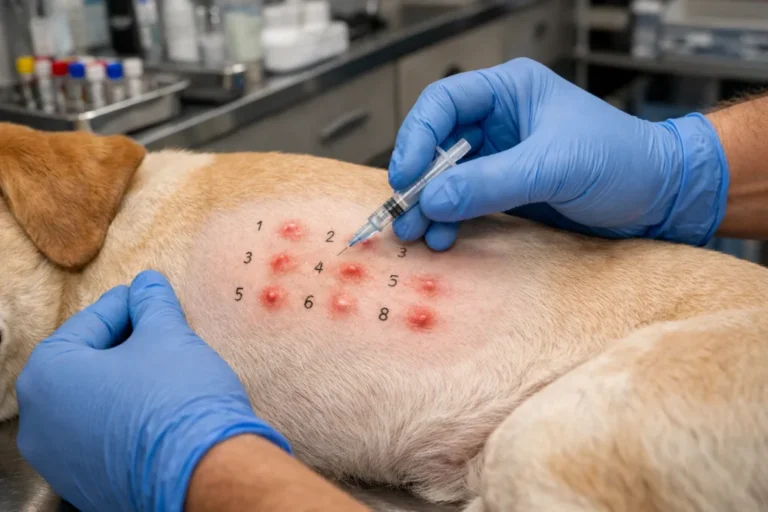
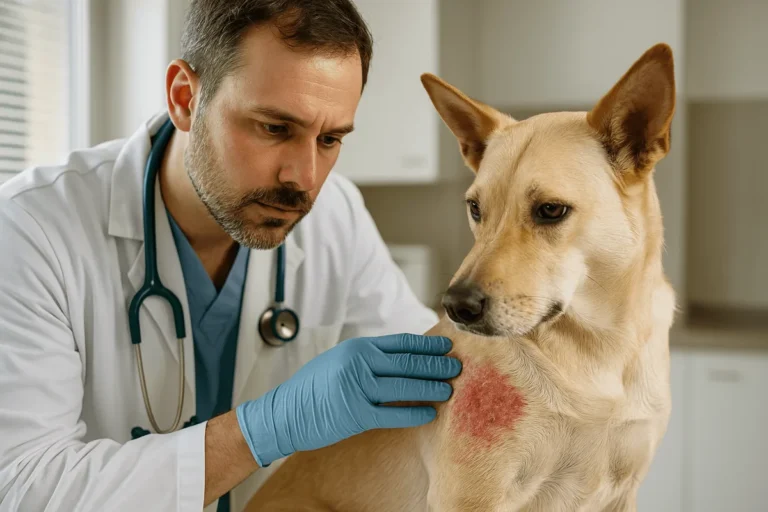
If your dog is scratching nonstop, shaking their head, or having recurring ear infections, you've probably typed "dog food allergies how long to clear up" into a search bar at midnight. It's one of the most common questions dog owners ask, and it's also one of the most misunderstood.
The honest answer is that most dogs start showing improvement within 2 to 4 weeks of starting a true elimination diet, but full resolution of skin symptoms can take 8 to 12 weeks. As of 2026, veterinary dermatologists still treat the 8 to 12 week elimination trial as the gold standard for diagnosis and recovery timing.
Quick Answer
Most dogs begin improving within 2 to 4 weeks of a proper elimination diet. Skin symptoms often take 8 to 12 weeks to fully clear. Stomach symptoms usually resolve faster, often in 1 to 2 weeks.
A true timeline depends on strict diet adherence and ruling out other conditions.
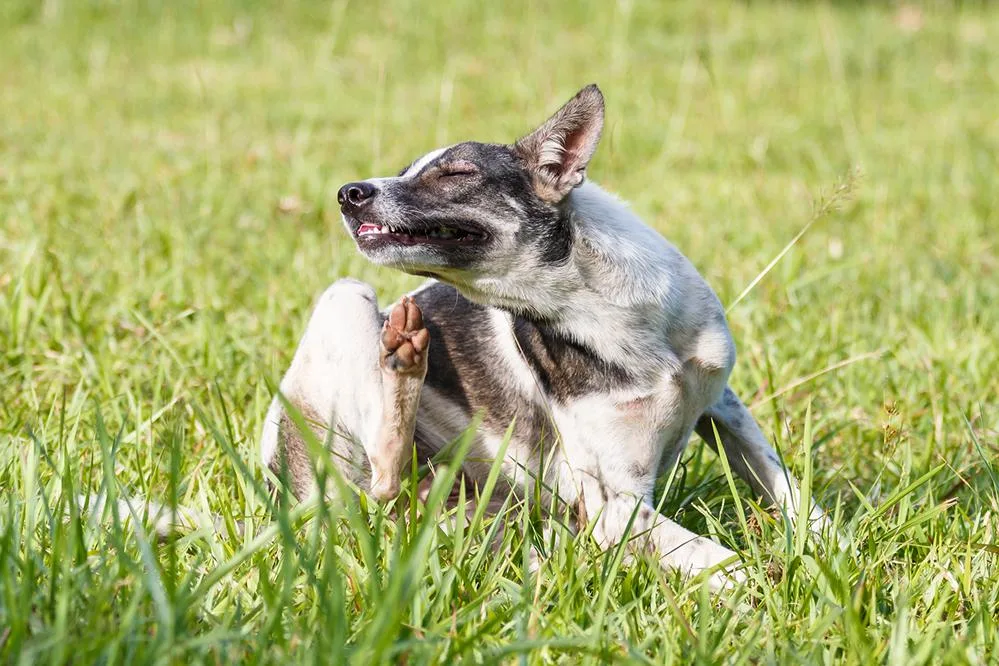
What "Clearing Up" Actually Means for a Dog With Food Allergies
"Clearing up" means different things depending on which symptoms you're watching. It's rarely one single moment when everything suddenly stops. It's more like a layered recovery where some signs fade early and others take longer to settle.
In most cases, here's the order symptoms tend to improve on a strict elimination diet:
- Gastrointestinal signs (loose stool, vomiting, gas): often resolve in 1 to 2 weeks.
- Itch intensity: usually drops noticeably within 2 to 4 weeks.
- Skin redness and ear inflammation: typically take 6 to 8 weeks to calm.
- Coat regrowth and full skin repair: can take 3 to 4 months in chronic cases.
Veterinary dermatologists emphasize that a partial improvement at week 4 doesn't mean the trial failed. It means the immune-driven inflammation is still working its way out of the skin.
Why There's No Single Timeline (and Why That Matters)
If you've searched this question before, you've probably noticed a frustrating pattern: every source gives a different answer. Some say 4 weeks, others say 12. Both can be right, because the timeline depends on what kind of reaction your dog has, how long it's been going on, and whether the new diet is truly strict.
Three main variables drive the timeline:
- Type of reaction: true IgE-mediated food allergies, delayed hypersensitivity, and food intolerances all clear at different speeds.
- Duration of symptoms before diagnosis: dogs with months of chronic inflammation heal slower than dogs caught early.
- Diet adherence: a single treat, flavored heartworm preventative, or shared food bowl can reset the clock.
If you've ever felt like you're "doing everything right" and your dog still itches, that doesn't mean the diagnosis is wrong. It usually means one small allergen source slipped through.
Food Allergy vs. Food Intolerance vs. Environmental Allergy
This is the single biggest source of confusion, and it's where most home treatment plans go sideways. These three conditions look similar from the outside but behave very differently inside the body.
| Condition | Mechanism | Common Triggers | Typical Recovery |
|---|---|---|---|
| True food allergy | Immune system (IgE or lymphocytes) overreacts to a protein | Beef, chicken, dairy, egg, wheat | 2 to 4 weeks for itch, up to 12 weeks for skin |
| Food intolerance | Digestive system can't process an ingredient (no immune involvement) | Lactose, gluten, certain additives | Days to 1 week after removal |
| Environmental allergy (atopy) | Immune reaction to pollen, dust, mold | Grasses, storage mites, fleas | Seasonal or year-round, not diet-responsive |
A dog can also have both food and environmental allergies at the same time. Research from veterinary teaching hospitals shows roughly 20 to 30% of allergic dogs have combined triggers. That's why food trials sometimes "fail".
The dog improved, but the pollen exposure kept symptoms alive.
If you're not sure which category your dog falls into, that's exactly the kind of question a vet dermatologist is trained to sort out. The American College of Veterinary Dermatology maintains a directory of board-certified specialists if your primary vet needs a referral.
How Long Until Symptoms Start Improving After a Diet Switch
Here's the part most articles skip: the first two weeks on a new diet can actually look slightly worse. That's not a sign the diet is wrong. It's a normal adjustment window.
What you can reasonably expect week by week:
- Days 1 to 7: stool normalizes for dogs with GI symptoms. Energy often improves first. Itch may stay the same or briefly increase.
- Weeks 2 to 3: scratching starts to reduce in dogs with true food allergy. Ear infections often stop flaring.
- Weeks 4 to 6: visible skin redness fades. Hair regrowth begins in bald patches.
- Weeks 8 to 12: final clearance of chronic skin changes. If no improvement by week 10, the diagnosis is likely not food-related.
Two non-negotiable rules during this window:
- No treats, table scraps, or flavored medications unless approved by your vet.
- No switching diets mid-trial, even if progress feels slow. Each switch restarts the immune response timer.
If your dog's timeline doesn't match this rough window, the most common culprits are hidden allergens (chews, toothpaste, shared bowls with other pets) rather than a wrong diagnosis.
The 8–12 Week Elimination Trial: What the Science Says
The 8 to 12 week elimination trial isn't an arbitrary number. It's the window veterinary dermatologists have validated as long enough for the immune system to fully "forget" its reaction to a previous allergen and for inflamed skin to cycle through repair.

Here's why the timeline matters:
- Week 1 to 2: the gut lining and immune cells begin quieting. GI signs usually clear first.
- Week 3 to 4: circulating antibodies drop. Itch intensity typically drops 30 to 50%.
- Week 5 to 8: skin barrier function restores. Secondary bacterial or yeast infections resolve.
- Week 9 to 12: any remaining inflammation finishes resolving. This is the minimum to confirm a true negative.
Skipping the full window is the most common reason for misdiagnosis. A dog that "looks better" at week 4 might still be reacting below the visible threshold. Stopping early can give a false negative and send you back to square one later.
The clinical takeaway: commit to the full 12 weeks unless your vet advises otherwise based on a clear worsening or new symptoms.
Skin Symptoms vs. GI Symptoms: Different Recovery Timelines
Not all allergy symptoms clear at the same speed. The gut and the skin respond to dietary changes on very different schedules, and that gap confuses a lot of owners.
| Symptom Type | Typical Clearance | Why It's Faster or Slower |
|---|---|---|
| Loose stool, vomiting, gas | 1 to 2 weeks | Gut lining turns over every 3 to 5 days |
| Acute itching | 2 to 4 weeks | Mast cells stabilize once allergen is removed |
| Chronic ear infections | 4 to 8 weeks | Cartilage and ear lining heal slower |
| Hair loss, thickened skin | 8 to 12 weeks | Skin cell turnover takes 21 to 28 days per layer |
| Hyperpigmentation (dark patches) | 3 to 6 months | Last sign to clear, often after itch is gone |
A useful mental model: if your dog has both gut and skin symptoms, the gut is your early feedback signal, and the skin is your late confirmation signal.
What Slows Down Recovery (and What Speeds It Up)
Some dogs respond slowly even on a perfect elimination diet. Others clear faster than expected. The difference usually comes down to a handful of controllable factors.
Common things that slow recovery:
- Concurrent environmental allergies (pollen, dust mites) keeping inflammation alive.
- Secondary skin infections that need antibiotics or antifungals first.
- Hidden allergens in treats, chew toys, or flavored preventatives.
- Stress, heat, or poor sleep raising baseline cortisol and itch.
Things that speed recovery:
- Treating secondary infections aggressively at the start of the trial.
- Adding omega-3 fatty acids to support skin barrier repair.
- Using an air purifier if dust or pollen allergies are suspected.
- Keeping a symptom journal so small flare-ups get caught early.
If your dog is at week 6 with minimal improvement, ask your vet to check for a secondary infection before concluding the diet isn't working. That's the most common hidden delay.
The Food Challenge Phase: Confirming the Trigger
Once symptoms fully resolve on the elimination diet, the next step is the food challenge. This is where you reintroduce the original ingredients, one at a time, to confirm exactly what's causing the reaction.
The standard protocol:
- Week 12 (or after clearance): introduce one suspected ingredient at a time.
- Feed it for 7 to 14 days while watching for itch, ear redness, or stool changes.
- If no reaction: that ingredient is safe for long-term feeding.
- If a reaction appears: stop the ingredient and wait for symptoms to clear before testing the next one.
This phase is non-negotiable. Without it, you're guessing which ingredient caused the problem. Many owners skip it because their dog is finally comfortable and they don't want to risk a flare.
But skipping it means you can't safely rotate proteins later, and you risk accidental re-exposure without warning signs.
Common Allergen Triggers and How Long Reactions Last
Most canine food allergies cluster around a small group of ingredients. Peer-reviewed dermatology research consistently ranks the same offenders.
- Beef: roughly 34% of diagnosed cases.
- Dairy: about 17%.
- Chicken: around 15%.
- Wheat: close to 13%.
- Egg, soy, corn, lamb: less common but documented.
Once you identify a trigger, accidental re-exposure usually causes symptoms within 24 to 72 hours. GI signs come back fastest, sometimes within hours. Skin flare-ups typically take 2 to 5 days to reappear, which is why a 7 to 14 day challenge window is standard.
Elimination Diet Options: Novel Protein vs. Hydrolyzed vs. Home-Cooked
You have three main dietary approaches, and each has trade-offs. The right choice depends on your dog's history, your budget, and your vet's recommendation.
| Option | How It Works | Best For | Watch Out For |
|---|---|---|---|
| Novel protein | Uses a protein the dog has never eaten (venison, rabbit, kangaroo) | Dogs with limited diet history | Cross-reactivity if "novel" protein was in prior food |
| Hydrolyzed protein | Proteins broken into tiny pieces the immune system can't recognize | Dogs with complex or unknown histories | Higher cost, palatability issues |
| Home-cooked elimination | Single protein + single carb, prepared fresh | Owners wanting full ingredient control | Nutritional gaps without vet formulation |
Hydrolyzed diets are usually the most reliable option because the protein fragments are too small for the immune system to react to, regardless of prior exposure. Novel protein diets work well but only if the protein is genuinely new to your dog. A Labrador that's eaten chicken, beef, and lamb won't benefit from switching to lamb as a "novel" option.
Mistakes That Stretch the Timeline (Cross-Contamination, Treats, Flavored Meds)
Most failed elimination trials fail for the same handful of reasons. If your dog is on week 8 with no improvement, one of these is almost always the culprit.
- Flavored heartworm or flea preventatives: many contain animal proteins. Ask your vet for unflavored versions.
- Toothpaste and chew toys: often contain hidden chicken or beef.
- Shared food bowls with other pets: saliva transfers allergens.
- Treats from family members: a single dropped biscuit resets the clock.
- "Grain-free" or "limited ingredient" commercial foods: marketing claims don't guarantee cross-contamination-free production.
The fix is boring but effective: total household compliance. Every person who feeds the dog needs to follow the same rules.
When to Expect Relapse and How to Prevent It
Relapse after successful treatment usually comes from one of two sources: accidental exposure to the trigger ingredient, or a new allergy developing. Both are manageable with the right habits.
Prevention checklist:
- Read every label, including treats and supplements.
- Stick to the confirmed safe protein long-term.
- Recheck with your vet every 6 to 12 months for new symptoms.
- Avoid rotating proteins casually without a plan.
If a relapse does happen, expect symptoms to return within 1 to 7 days of exposure, depending on whether it's a gut or skin reaction. Severity usually matches prior exposure level, so a small accidental bite may cause a smaller flare than a full meal.
Special Cases: Puppies, Seniors, and Multi-Allergy Dogs
Standard timelines don't always apply at the edges of age or in dogs with multiple allergy types.
- Puppies: faster gut turnover means GI symptoms clear quicker. Skin symptoms still take 8 to 12 weeks.
- Seniors: slower cell turnover extends skin recovery to 12 to 16 weeks in some cases.
- Multi-allergy dogs: food improvement may be partial because environmental triggers remain. Expect 50 to 70% improvement, not full clearance.
Breed predisposition also matters. Labradors, Golden Retrievers, Cocker Spaniels, Boxers, and French Bulldogs show higher rates of food allergies and may need stricter protocols to see results.
When It's Time to Call the Vet (Red Flags You Shouldn't Wait Out)
Most food allergy recoveries are gradual and predictable. Some symptoms, though, mean stop waiting and call your vet the same day.
- Vomiting or diarrhea lasting more than 48 hours on the new diet.
- Sudden facial swelling or hives: possible anaphylactic-type reaction.
- Open wounds or hot spots spreading rapidly.
- Lethargy, refusal to eat for more than 24 hours.
- No improvement at week 10: signals a wrong diagnosis or missed trigger.
These aren't "wait and see" signs. They're signs your dog needs medical reassessment before continuing the trial.
Your Week-by-Week Roadmap to Resolution
Here's a simple framework to track progress without second-guessing every itch.
| Week | What to Expect | What to Do |
|---|---|---|
| 1 | Stool improves, energy up | Strict diet only, start symptom journal |
| 2 to 3 | Itch begins to drop | Continue strict feeding, no changes |
| 4 to 6 | Visible skin redness fades | Vet check for secondary infections |
| 7 to 9 | Coat regrowth begins | Continue, log any small flares |
| 10 to 12 | Full clearance or plateau | Begin food challenge if cleared |
| 12+ | Long-term maintenance diet | Recheck ingredients yearly |
If your dog follows this arc, you're on track. If progress stalls at any point, the cause is almost always external (hidden allergens, secondary infection, or concurrent atopy), not a failure of the diet itself.
Frequently Asked Questions
How long does it take for dog food allergy itching to stop?
Most dogs show noticeable itch reduction within 2 to 4 weeks of a strict elimination diet. Full clearance of chronic skin itch usually takes 8 to 12 weeks. Stubborn cases may take longer if secondary infections are present.
Can a dog fully recover from food allergies?
Yes, most dogs achieve full or near-full recovery once the trigger ingredient is identified and removed. The allergy itself isn't "cured" in the sense that the dog can safely eat the trigger again, but symptoms resolve and quality of life returns to normal.
What if my dog's symptoms don't improve after 8 weeks?
Hidden allergens are the most common cause. Check treats, flavored medications, chew toys, and shared bowls. If everything is truly strict, ask your vet to screen for secondary skin infections or environmental allergies that may be masking improvement.
Are blood or saliva food allergy tests accurate?
Most board-certified dermatologists consider blood and saliva tests unreliable for diagnosing food allergies. The elimination trial followed by a food challenge remains the gold standard as of 2026.
Can puppies outgrow food allergies?
Some puppies do appear to tolerate trigger ingredients later in life, but this isn't guaranteed. Reintroduction under vet supervision is the only safe way to test whether the allergy has resolved.
How quickly do symptoms return if my dog eats the trigger food?
GI symptoms can return within hours. Skin flare-ups typically take 1 to 5 days. Full relapse to pre-diet severity usually happens within 7 to 14 days of repeated exposure.