Whole Grain vs Grain Free Dog Food: Which Is Better?

Is Whole Grain Dog Food Good?
Yes. For many healthy dogs, whole grain dog food is a strong everyday choice. It gives me a simple starting point because grains can supply carbohydrates, fiber, vitamins, and minerals. Good grain-inclusive food can also use meat or fish as a major protein source. The word grain does not mean low quality. What matters is the full recipe and whether it meets the dog’s nutritional needs.
In a busy US household, I also like the practical side. A good whole grain recipe can fit a normal feeding routine without forcing a dog onto a special diet. If a dog has normal stools, good energy, a healthy coat, and steady weight, I see little reason to remove grains without a clear need. In the whole grain vs grain free dog food debate, this is the option I would choose first for most healthy dogs.
What Makes It Stand Out / Key Features
- Whole grainsMay include grains such as rice, oats, barley, corn, or other grain ingredients.
- Fiber supportGrain ingredients can add fiber that helps support normal digestion and stool quality.
- Carbohydrate sourceGrains can provide useful energy for active dogs.
- Balanced recipesA quality recipe can combine grains with animal proteins, fats, vitamins, and minerals.
- Broad suitabilityMany healthy adult dogs can eat grain-inclusive diets without a problem.
- Simple daily feedingIt can be an easy fit for normal feeding routines when the food is complete and balanced.
My Recommendation
Consider whole grain food first if your dog is healthy and has no known grain allergy. Choose a complete and balanced recipe that fits your dog’s age, size, and activity level.
| Best For | Why |
|---|---|
| Healthy adult dogs | Provides a practical everyday diet when the recipe is complete and balanced. |
| Active dogs | Grains can provide useful carbohydrate energy. |
| Budget-minded owners | Grain-inclusive recipes often provide many affordable choices. |
Is Grain Free Dog Food Good?
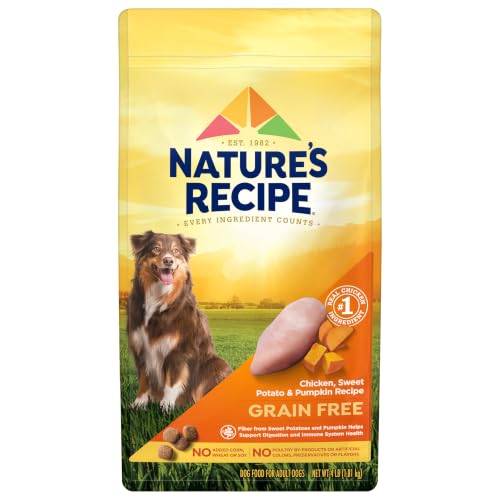
It depends. Grain free dog food can be useful for a dog with a specific dietary need, but grain free does not automatically mean better. These recipes replace grains with other carbohydrate sources such as potatoes, peas, lentils, or tapioca. A dog may do very well on one of these foods. Another dog may gain nothing from the change.
When I compare whole grain vs grain free dog food, I look past the front of the bag. A grain free label can sound like a health upgrade, but the full ingredient list matters more. I would be especially careful about making a long-term diet change without talking with a veterinarian. For a dog with a suspected food allergy, a vet-guided elimination diet is more useful than simply guessing that grains are the problem.
What Makes It Stand Out / Key Features
- No grainsThe recipe avoids common cereal grains such as wheat, corn, rice, and barley.
- Alternative carbohydratesGrain free recipes often use ingredients such as peas, potatoes, lentils, or tapioca.
- Recipe varietyThere are many grain free formulas built around different meats and plant ingredients.
- Useful for some dogsIt may fit a dog’s needs when a veterinarian recommends avoiding certain ingredients.
- Protein optionsMany grain free foods use chicken, beef, lamb, fish, or other animal proteins.
- Label awarenessOwners should review the full recipe rather than assuming grain free means nutritionally superior.
My Recommendation
Consider grain free food when your dog has a clear reason to avoid grains or a veterinarian recommends a specific formula. Do not choose it only because the label sounds cleaner.
| Best For | Why |
|---|---|
| Dogs with specific diet needs | A grain free recipe can provide another ingredient profile when needed. |
| Owners following vet advice | It can fit a planned diet when a veterinarian recommends it. |
| Dogs that do well on the formula | Some dogs thrive on a complete and balanced grain free recipe. |
whole grain vs grain free dog food: Side-by-Side Test
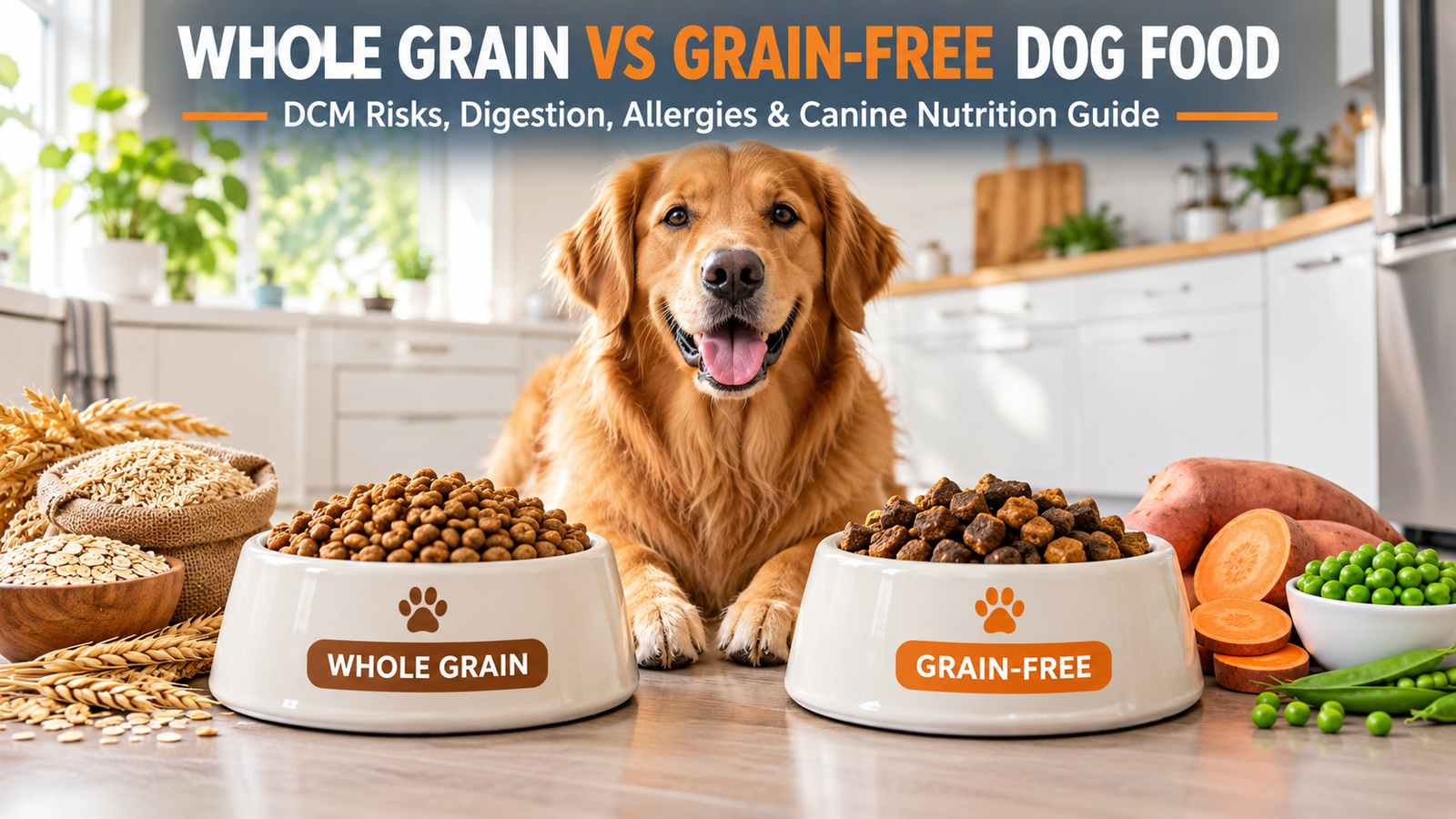
The whole grain vs grain free dog food choice is not really a battle between good and bad food. It is more like choosing the right shoe for the right foot. The best option depends on the dog.
I would judge both foods by nutrition, digestion, ingredient quality, cost, and the dog’s own response. A shiny label cannot replace those basics.
Overall Nutrition
Both types can provide complete nutrition when the recipe is properly made and balanced.
| Feature | Product 1 | Product 2 |
|---|---|---|
| Protein | Can provide animal-based protein | Can provide animal-based protein |
| Carbohydrates | Often includes grains | Uses non-grain carbohydrate sources |
| Fiber | Grains can add fiber | Plants can provide fiber |
| Balance | Can be complete and balanced | Can be complete and balanced |
⭐ Product A – 9/10 | Product B – 8/10
Whole grain has the edge for most healthy dogs because it offers a simple and proven diet pattern.
Digestive Support
A dog’s stool and comfort can tell you more than a marketing claim on the bag.
| Feature | Product 1 | Product 2 |
|---|---|---|
| Fiber sources | Whole grains can add fiber | Legumes and vegetables may add fiber |
| Sensitive stomach | Can work well for many dogs | Can work well for some dogs |
| Individual response | Varies by dog | Varies by dog |
⭐ Product A – 9/10 | Product B – 8/10
Whole grain wins slightly because it can offer familiar fiber sources without relying on a grain free label.
Food Allergy Needs
True food allergies need careful testing, not guesswork based on the front of a bag.
| Feature | Product 1 | Product 2 |
|---|---|---|
| Avoids grains | No | Yes |
| Useful for a grain allergy | Usually not suitable | May fit if advised by a vet |
| Elimination diet | Depends on the test plan | Depends on the test plan |
⭐ Product A – 6/10 | Product B – 9/10
Grain free has the edge when a veterinarian has identified a need to avoid grains.
Ingredient Flexibility
Both food types can use good or poor ingredients, so the full recipe matters.
| Feature | Product 1 | Product 2 |
|---|---|---|
| Grain sources | Included | Excluded |
| Alternative starches | May use grains and other plants | Often uses potatoes, peas, lentils, or tapioca |
| Protein choices | Many options | Many options |
⭐ Product A – 9/10 | Product B – 8/10
Whole grain has a small edge because it gives owners many straightforward recipe choices.
Daily Cost
Food cost matters when you fill the bowl every day, all year.
| Feature | Product 1 | Product 2 |
|---|---|---|
| Recipe availability | Very broad | Broad |
| Budget choices | Many | Fewer low-cost choices in some markets |
| Long-term value | Strong for many owners | Depends on recipe and brand |
⭐ Product A – 9/10 | Product B – 7/10
Whole grain usually wins on value because owners can find many price points.
Heart Health Questions
This is the area where I would be most careful about making broad claims.
| Feature | Product 1 | Product 2 |
|---|---|---|
| Grains | Included | Excluded |
| Diet concern | No special grain-free concern | Some grain free diets have been linked to diet-associated heart health investigations |
| Best approach | Choose a complete and balanced food | Discuss long-term use with a veterinarian when appropriate |
⭐ Product A – 9/10 | Product B – 6/10
Whole grain has the edge because there is less reason to remove grains from a healthy dog’s diet without a clear need.
Best Overall Use
The best food is the one that meets the dog’s needs and works well over time.
| Feature | Product 1 | Product 2 |
|---|---|---|
| Healthy dogs | Excellent fit | Can be a fit |
| Specific diet needs | Depends on the need | Can be useful |
| Simple default | Strong choice | Less ideal as a default |
⭐ Product A – 9/10 | Product B – 8/10
Whole grain is the better default, while grain free earns its place when there is a clear reason.
Final Verdict: Which Should You Buy?
After comparing whole grain vs grain free dog food, I would pick whole grain for most healthy dogs. It can provide useful fiber and energy, and it gives owners many complete and balanced options. Grain free is not bad food. It can be a good fit for some dogs, especially when a veterinarian recommends avoiding certain ingredients.
The key lesson is simple: do not buy a bag because the label sounds healthier. Look at the full recipe, your dog’s age and activity, body condition, stool quality, and any known food issues. When in doubt, ask your veterinarian. The right bowl should support the dog in front of you, not follow a trend.