How much benadryl to give my dog for allergies: East guide
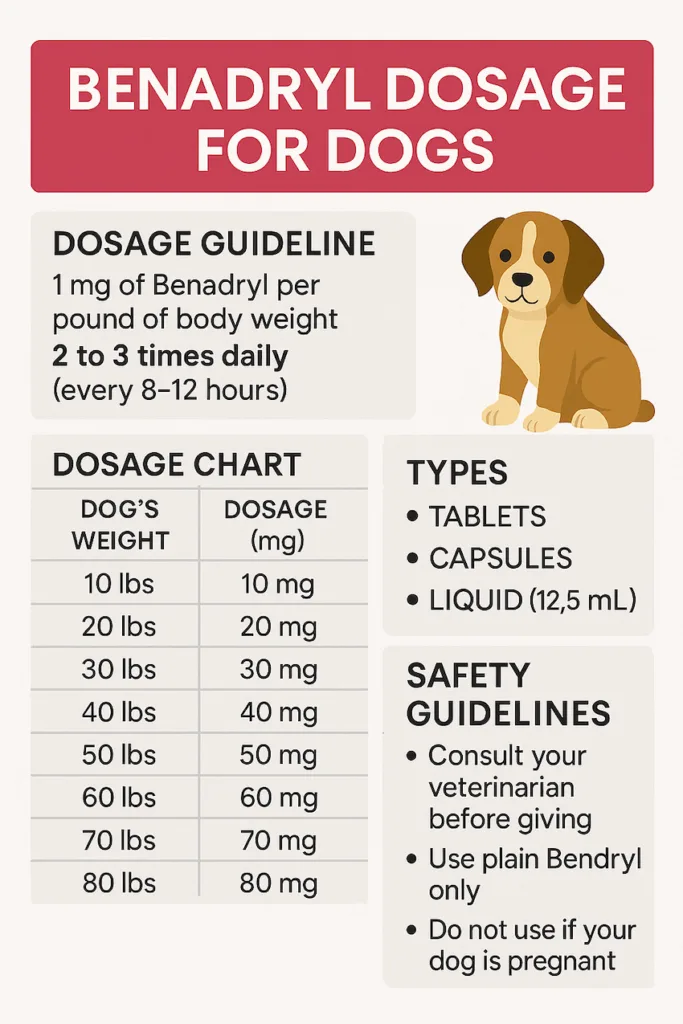
How much Benadryl to give a dog for allergies comes down to a simple rule most vets agree on: 1 mg of diphenhydramine per pound of body weight, given every 8 to 12 hours. That works out to one full 25 mg tablet for a 25 pound dog, half a tablet for a 12 pound dog, and so on. The catch is that this standard dose only applies to plain Benadryl (diphenhydramine HCl) and only when your dog is healthy enough for it.
Time-release formulas, combination cold medicines, and any product mixed with acetaminophen, pseudoephedrine, or xylitol are dangerous. As of 2026, the AKC and most veterinary teaching hospitals still endorse this 1 mg per pound guideline as the starting point, but they all add the same caveat: call your vet first, especially if your dog is on other medications or has any chronic health issues. Let's walk through the details that turn this quick answer into a safe, real-world plan.
Quick Answer
The standard Benadryl dose for dogs is 1 mg per pound of body weight. Most adult tablets are 25 mg. Give one tablet to a 25 pound dog.
Give half a tablet to a 12 pound dog. Use plain diphenhydramine only. Avoid time-release and combination cold formulas.
Always confirm with your vet before the first dose.
Why Getting the Benadryl Dose Right Matters
Benadryl (diphenhydramine) is one of the most commonly recommended over-the-counter antihistamines for dogs. It's widely available, inexpensive, and works for a long list of allergic reactions. In our research, it's the go-to first-aid option most dog owners reach for when their pup starts scratching, breaking out in hives, or swelling up after a bee sting.
The reason dosing matters so much isn't because Benadryl is risky in a healthy dog. It's that the wrong product, the wrong dose, or the wrong patient can turn a safe drug into a serious problem. Diphenhydramine can be toxic at high doses.
It can interact badly with other medications. And it can mask symptoms that actually need emergency care.
Manufacturer specifications indicate the therapeutic window for dogs is wide, but not unlimited. Veterinary pharmacology references put the safety ceiling at roughly 5 mg per pound in healthy adult dogs, beyond which overdose symptoms become likely. That sounds like a lot of margin, but the 1 mg per pound standard dose is calibrated to give you a reliable antihistamine effect without getting anywhere close to that ceiling.
Get the dose right and Benadryl is a genuinely useful tool in your dog's health kit. Get it wrong, and you risk sedation that won't wear off, a trip to the emergency vet, or worse.
Benadryl for Dogs: The Quick Answer
The widely cited dose is 1 mg of diphenhydramine per pound of body weight, given by mouth every 8 to 12 hours. That's the figure you'll find from the American Kennel Club, VCA Animal Hospitals, and most veterinary teaching hospitals. It's not a universal prescription, it's a starting point your vet will adjust based on your dog's health, age, and the specific reaction you're treating.
Here's the quick-reference breakdown for a standard 25 mg Benadryl tablet:
| Dog's Weight | Dose | What to Give |
|---|---|---|
| Under 10 lbs | 5 to 10 mg | Liquid children's Benadryl (12.5 mg / 5 mL) or 1/4 tablet |
| 10 to 20 lbs | 10 to 20 mg | 1/2 tablet |
| 20 to 30 lbs | 20 to 30 mg | 1 tablet |
| 30 to 50 lbs | 30 to 50 mg | 1 to 2 tablets |
| Over 50 lbs | 50 to 75 mg | 2 to 3 tablets |
A few details to lock in before you go further:
- Plain diphenhydramine only. No decongestants, no pain relievers, no "PM" formulas.
- Tablets are 25 mg each. Children's liquid is 12.5 mg per 5 mL teaspoon.
- Never use time-release (ER) capsules. They release unpredictably in dogs.
- Always weigh your dog first. Guessing the weight is the most common dosing mistake.
The 1 mg per pound guideline is the industry default, but it's not gospel. Your vet may recommend starting lower, dosing less often, or skipping Benadryl entirely for certain dogs. That's the next layer to dig into.
How Diphenhydramine Works in a Dog's Body
Diphenhydramine is a first-generation antihistamine. It blocks H1 receptors, the docking sites histamine uses to trigger itching, swelling, and inflammation. When a dog has an allergic reaction, the immune system dumps histamine into the bloodstream, and that's what causes the hives, the scratching, the swollen face, the red ears.
Benadryl sits in those receptor sites and keeps histamine from binding.
In dogs, diphenhydramine does three things well:
- Reduces itching and skin inflammation from environmental or flea allergies.
- Decreases swelling from mild acute reactions (bee stings, vaccine reactions).
- Causes mild sedation as a side effect, which is sometimes the point (travel, storms).
The drug is absorbed fast, typically within 30 to 60 minutes. Effects last 8 to 12 hours in most dogs. That window is why dosing every 8 to 12 hours is the standard rhythm.
Going shorter than 8 hours stacks the drug in the system. Going longer than 12 hours leaves the dog unprotected during peak allergy windows.
A few mechanics that matter for safety:
- Diphenhydramine is metabolized by the liver and cleared by the kidneys. Dogs with liver or kidney disease process it more slowly.
- The drug crosses the blood-brain barrier, which is why sedation is a common side effect, not a sign of overdose.
- It has anticholinergic effects, meaning it can cause dry mouth, urinary retention, and constipation, especially in older dogs.
The Merck Veterinary Manual classifies diphenhydramine as having a wide margin of safety in dogs, but "wide" doesn't mean infinite. Every dog metabolizes it differently, and breed, age, and health status all change the picture.
Benadryl Dosage Chart for Dogs by Weight
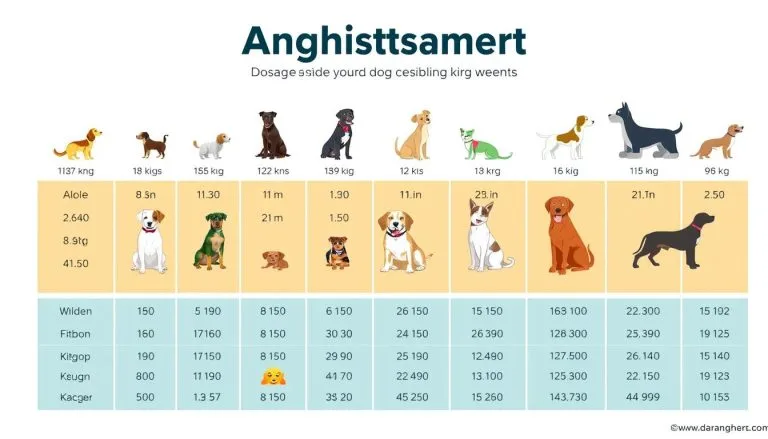
A dosage chart takes the 1 mg per pound rule and turns it into something you can actually use at the kitchen counter. The version below uses a standard 25 mg Benadryl tablet and the standard 12.5 mg / 5 mL children's liquid. Always weigh your dog on a real scale before dosing, kitchen estimates are off by 20 to 30 percent on most dogs.
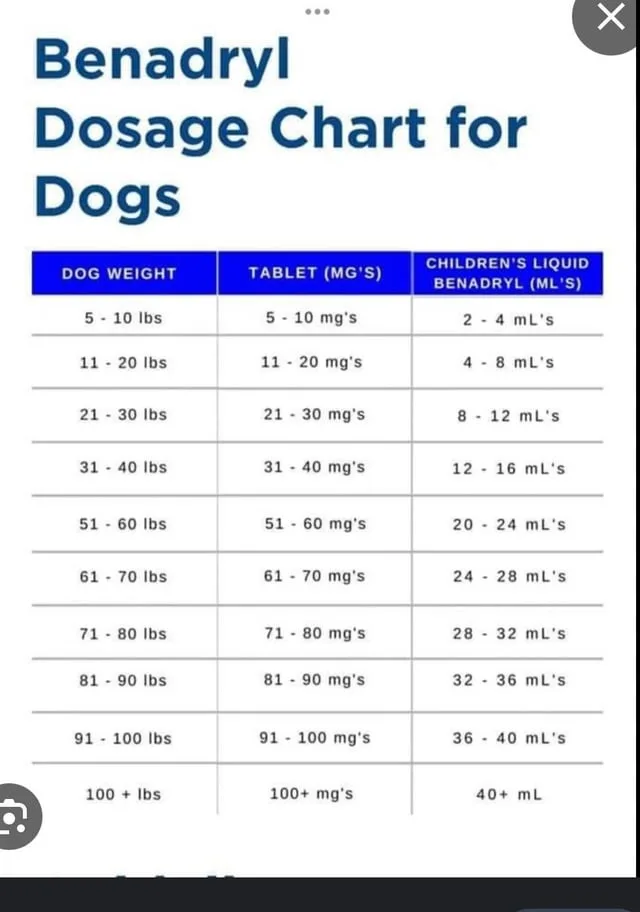
Tablet Dosing (25 mg Standard Adult Tablet)
| Weight (lbs) | Dose (mg) | Tablets | Notes |
|---|---|---|---|
| 5 lbs | 5 mg | 1/5 tablet | Hard to split; use liquid |
| 10 lbs | 10 mg | 1/4 to 1/2 tablet | Liquid easier |
| 15 lbs | 15 mg | 1/2 tablet + a sliver | Liquid easier |
| 20 lbs | 20 mg | Just under 1 tablet | |
| 25 lbs | 25 mg | 1 full tablet | Standard reference |
| 30 lbs | 30 mg | 1 + 1/5 tablet | |
| 40 lbs | 40 mg | 1.5 tablets | |
| 50 lbs | 50 mg | 2 tablets | |
| 60 lbs | 60 mg | 2 + 1/3 tablet | |
| 75 lbs | 75 mg | 3 tablets | |
| 100 lbs | 100 mg | 4 tablets | Large-breed reference |
Liquid Dosing (Children's Benadryl, 12.5 mg / 5 mL)
| Weight (lbs) | Dose (mg) | Liquid Amount |
|---|---|---|
| 5 lbs | 5 mg | 2 mL |
| 8 lbs | 8 mg | 3.2 mL |
| 10 lbs | 10 mg | 4 mL |
| 12 lbs | 12 mg | 4.8 mL (just under 1 tsp) |
| 15 lbs | 15 mg | 6 mL (just over 1 tsp) |
| 20 lbs | 20 mg | 8 mL |
| 25 lbs | 25 mg | 10 mL (2 tsp) |
Quick Tips for Accurate Dosing
- Use a pill cutter for tablets. Kitchen knives crush pills into powder.
- Use an oral syringe for the liquid. Kitchen teaspoons vary in size.
- Don't round up. If the math says 1.5 tablets, give 1.5, not 2.
- Write the dose and time down. Memory fails at 2 a.m. with a scratching dog.
- Doses above 50 mg in a single administration are a vet conversation, not a DIY decision.
A few weight-based gotchas to keep in mind:
- Toy breeds (under 10 lbs) often do better with the liquid, since splitting a 25 mg tablet into five accurate pieces is hard.
- Giant breeds (over 100 lbs) may max out the practical dose at 2 to 3 tablets per administration. The math gets unrealistic above that, and a vet visit is the better call.
- Overweight dogs should be dosed by lean body weight, not actual weight, if you know the difference. Your vet can help you estimate it.
The chart is a reference, not a prescription. The real-world picture includes your dog's health history, other medications, and what you're actually trying to treat, which is where the next sections come in.
Which Benadryl Formulation Is Safe (and Which Are Dangerous)
Walk into any pharmacy and you'll find a wall of Benadryl products. Most of them are not safe for dogs. The active ingredient matters, but the inactive ingredients matter just as much.
Safe Formulations
- Benadryl Allergy (plain tablets). Active ingredient: diphenhydramine HCl 25 mg. Inactive: lactose, magnesium stearate, microcrystalline cellulose. No xylitol in the standard formula.
- Benadryl Allergy (liquid, children's formula). Active ingredient: diphenhydramine 12.5 mg per 5 mL. Inactive: glycerin, propylene glycol, sweeteners. Some versions use saccharin, not xylitol.
- Generic diphenhydramine. Sold under store brands at every major retailer. Same active ingredient, usually cheaper.
Dangerous Formulations
- Benadryl-D or Benadryl Allergy Plus Sinus. Contains pseudoephedrine or phenylephrine, both of which are toxic to dogs.
- Benadryl Severe Allergy Plus Cold. Adds acetaminophen, which is toxic to dogs even in small amounts.
- Benadryl Itch Stopping Cream (topical). Not for internal use. The cream itself isn't toxic in small licked amounts, but it's not a substitute for the oral medication.
- Time-release or "12-hour" Benadryl. Releases diphenhydramine over many hours. Dogs metabolize it unpredictably, leading to overdose risk.
- Any product with xylitol. This sugar substitute is in some children's Benadryl versions and in many gummy formulas. Xylitol causes rapid liver failure in dogs.
- Liquid gels or capsules. These can burst and deliver a full dose at once rather than over time.
The single most important rule: read the active ingredients panel. "Benadryl" on the front of the box means nothing. What matters is whether the only active ingredient is diphenhydramine.
A Quick Formulation Checklist
- Is diphenhydramine the only active ingredient?
- Does the inactive list include xylitol?
- Is it a time-release or instant-release product?
- Is it a tablet, liquid, capsule, gel, or topical?
- Is the dose clearly marked on the package?
If any answer is "no" or "I'm not sure," don't give it to your dog until you've checked with your vet. The wrong formulation is the single most common cause of Benadryl-related emergencies in dogs, and it's almost entirely preventable.
Conditions Where Benadryl Is a Good Fit
Benadryl works best for mild, predictable allergic reactions. It shines in situations where histamine is the main driver and the symptoms are visible but not life-threatening.
Common Use Cases
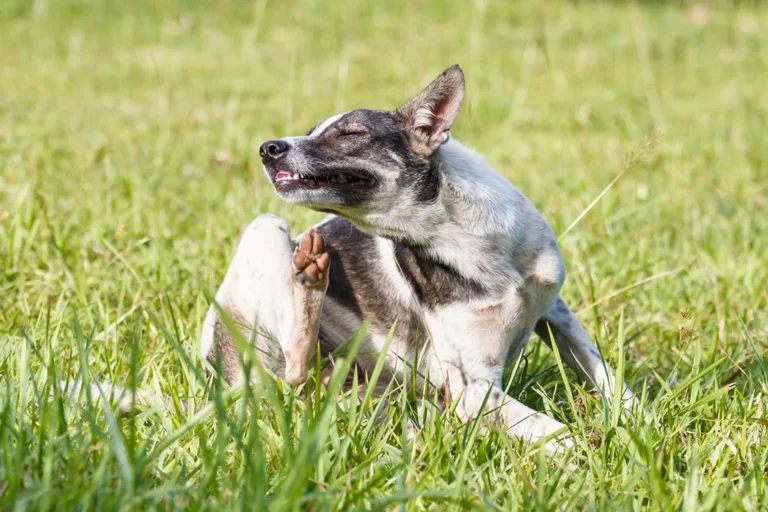
- Environmental allergies. Pollen, grass, dust, mold. Symptoms include scratching, paw licking, red belly skin.
- Flea allergy dermatitis. Even a single flea bite can trigger hours of itching in sensitive dogs. Benadryl helps break the cycle.
- Mild vaccine reactions. Some dogs get facial swelling or hives within an hour of a vaccine. A pre-emptive dose, with vet approval, is standard.
- Insect bites and stings. Bees, wasps, spiders, ants. Localized swelling and itching respond well.
- Mild food reactions. Hives, itching, ear inflammation. Benadryl helps symptoms, but the food still needs to change.
- Travel and storm anxiety. Off-label use, but widely recommended. The sedative effect is the point.
- Post-grooming skin irritation. Mild contact reactions often resolve with a single dose.
When It's the Wrong Tool
- Anaphylaxis. Severe facial swelling, collapse, vomiting, difficulty breathing. Benadryl is too slow. This is an epinephrine and emergency-vet situation.
- Chronic skin infections. Bacterial or yeast overgrowth on the skin needs targeted treatment. Antihistamines don't touch the infection.
- Severe hot spots. These need clipping, cleaning, and usually a steroid or antibiotic from the vet.
- Ear infections. Inflammation in the ear canal needs prescription drops, not oral Benadryl.
The 80/20 rule here: if the symptoms are mild, visible, and improving within an hour of dosing, Benadryl is doing its job. If they're not, it's time to call the clinic.
When You Should NOT Give Your Dog Benadryl
Some dogs should never take Benadryl, or should only take it under direct veterinary supervision. Skipping this part of the conversation is how a routine dose turns into an emergency.
Absolute Contraindications
These mean no Benadryl, full stop, unless a vet says otherwise:
- Glaucoma. Diphenhydramine increases pressure inside the eye.
- Severe cardiac disease. The drug can affect heart rhythm and blood pressure.
- Prostate enlargement or urinary retention. The anticholinergic effect makes these worse.
- Hyperthyroidism. Increases heart rate and risk of arrhythmias.
- Pregnant or nursing dogs. The drug crosses into milk and can affect puppies.
- Puppies under 12 weeks. The liver and kidneys aren't mature enough to clear it safely.
- Known allergy to diphenhydramine. Rare, but real. If a previous dose caused a reaction, never repeat it.
Use With Caution
- Senior dogs. Slower metabolism means the drug lingers. Lower starting dose.
- Dogs on other sedatives. Benadryl stacks with other CNS depressants.
- Dogs with seizure history. Some evidence suggests antihistamines can lower the seizure threshold in sensitive dogs.
- Brachycephalic breeds. Bulldogs, Pugs, Boston Terriers. Sedation can worsen breathing problems.
- Working or performance dogs. The sedation side effect is a safety issue for guide dogs, service dogs, and sport dogs.
Drug Interactions to Watch
- Other antihistamines. Doubles the side effects.
- Tramadol, gabapentin, or other sedatives. Sedation compounds.
- Monoamine oxidase inhibitors (MAOIs). Rarely used in dogs but flagged in pharmacology references.
- Certain antacids. Can slow absorption of diphenhydramine.
If your dog is on any chronic medication, the vet check before the first Benadryl dose isn't optional. It's the only way to rule out a dangerous interaction.
Step-by-Step: How to Give Benadryl to Your Dog Safely
The actual mechanics of giving Benadryl are simple. The judgment calls around it are where owners get into trouble. Here's the order of operations that keeps the process clean.
Step 1: Confirm It's an Allergic Reaction
Before you reach for the bottle, make sure the symptoms are actually allergic. Look for:
- Hives or raised bumps, especially on the face, ears, and belly.
- Facial swelling, particularly around the muzzle and eyes.
- Sudden, intense scratching with no obvious cause.
- Red, inflamed skin in patches.
- Recent exposure to a new food, plant, medication, or insect.
If the symptoms include vomiting, diarrhea, pale gums, or collapse, stop and call the emergency vet. That's not a Benadryl situation.
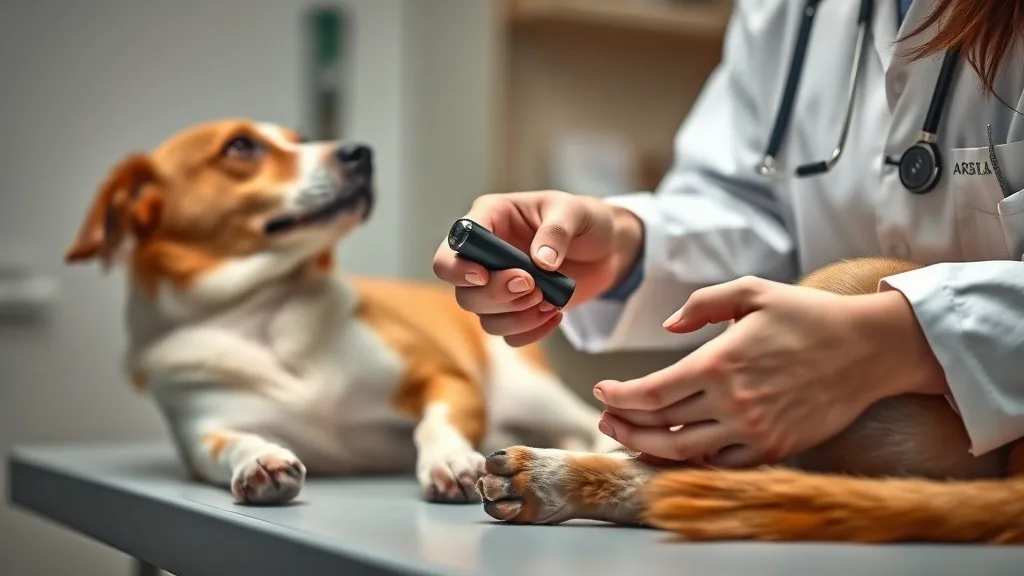
Step 2: Call Your Vet
A 5-minute phone call confirms the dose, the formulation, and the timing. Most clinics will give you a yes-or-no answer for a dog whose health history they already have. New patients may need a quick exam first.
Step 3: Weigh Your Dog
Real weight, on a real scale, in pounds. Don't estimate. The 1 mg per pound rule is sensitive enough that a 5 pound guess error changes the dose by a full tablet in a medium dog.
Step 4: Choose the Right Formulation
- Plain diphenhydramine 25 mg tablets for most dogs over 15 pounds.
- Children's liquid (12.5 mg / 5 mL) for dogs under 15 pounds or for accurate splits.
- Never time-release, never combined formulas, never gummies.
Step 5: Calculate the Dose
Pull the dosage chart and do the math. Round down if you're between two values. Don't round up.
Step 6: Administer With Food
Diphenhydramine can cause mild GI upset on an empty stomach. Hiding a tablet in a treat, a spoonful of wet food, or a pill pocket is the easiest delivery method. For liquid, mix it into a small meal or give it directly with an oral syringe, followed by a treat.
Step 7: Watch for 30 to 60 Minutes
Set a timer. Most side effects, or most signs of improvement, show up within the first hour. If the dog is more itchy, more swollen, or developing new symptoms, that's a vet call.
Step 8: Repeat Only as Directed
Every 8 to 12 hours is the standard. Don't dose more often without a vet's say-so, even if symptoms flare.
Step 9: Reassess at 24 Hours
If symptoms are unchanged or worse after a full day, the diagnosis might be wrong or the treatment might be inadequate. Either way, it's vet time.
Side Effects and What to Watch For After Dosing
Benadryl is generally well-tolerated in healthy adult dogs, but "generally" isn't "always." Here's what normal looks like, and what doesn't.
Expected Side Effects (Usually Mild)
- Drowsiness or sedation. This is the most common effect. It can range from "a little quiet" to "out cold for four hours."
- Dry mouth. Dogs may drink more water than usual.
- Mild urinary retention. Less common, but possible.
- Decreased appetite. Some dogs skip a meal after dosing.
- Slight GI upset. Vomiting or soft stool, especially on an empty stomach.
These effects typically resolve within 8 to 12 hours as the drug wears off. They don't require emergency care, but they're worth mentioning to your vet at the next visit.
Unexpected Side Effects (Call the Vet)
- Agitation or hyperactivity. Some dogs have a paradoxical reaction. Instead of sedation, they get restless or aggressive.
- Rapid heartbeat. Diphenhydramine affects the cardiovascular system in sensitive dogs.
- Difficulty urinating. Watch for repeated squatting with no output.
- Tremors or muscle stiffness. Rare, but signals an abnormal response.
- Pale gums. A sign of poor circulation or a developing reaction.
- Worsening of the original symptoms. If the hives are spreading after Benadryl, the drug isn't working.
What "Normal Sedation" Looks Like
A dog on the right dose of Benadryl is sleepy but rousable. You can wake them, they recognize you, and they respond to their name. If the dog is unconscious, won't lift their head, or can't be woken, that's not normal sedation.
That's an emergency.
A quick check: if you can wake the dog easily and they walk normally when they get up, the dose is in the expected range. If they seem "drunk," wobbly, or non-responsive, call the clinic.
Signs of Benadryl Overdose in Dogs
Overdose is rare when dosing follows the 1 mg per pound rule, but it happens. Accidental ingestion of a child's gummy pack, a dog that got into a bottle, or a well-meaning owner who doubled the dose, all of these show up in emergency clinics every year.
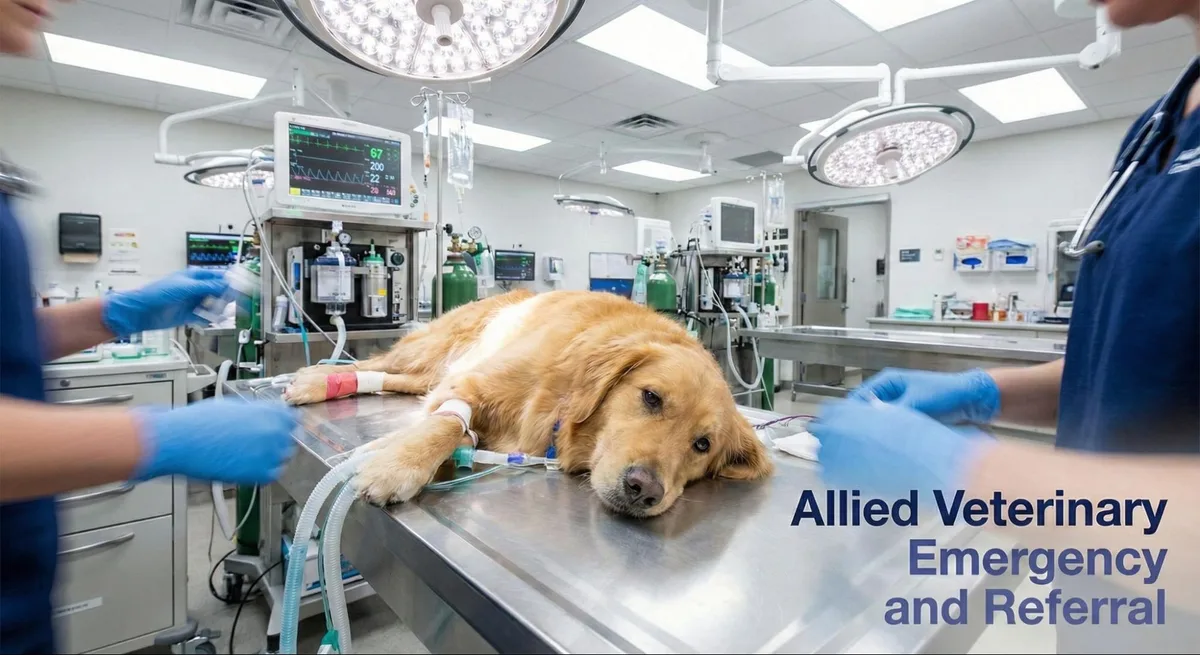
Early Overdose Signs (Within 1 to 2 Hours)
- Hyperactivity or agitation, the opposite of the expected sedation.
- Dilated pupils.
- Rapid heartbeat.
- Dry mouth and panting.
- Restlessness or pacing.
Moderate Overdose Signs (Within 2 to 6 Hours)
- Severe lethargy or non-responsiveness.
- Tremors or muscle twitching.
- Vomiting.
- Difficulty breathing.
- Disorientation or confusion.
Severe Overdose Signs (Emergency)
- Seizures.
- Collapse.
- Pale or blue gums.
- Loss of consciousness.
- Cardiac arrhythmia.
What to Do If You Suspect Overdose
- Call your nearest emergency vet immediately. ASPCA Animal Poison Control (888-426-4435) is also a 24/7 resource, though there may be a consultation fee.
- Report the formulation, the dose, the dog's weight, and the time of ingestion.
- Do not induce vomiting unless specifically told to. Some sedatives can cause aspiration if the dog vomits while unconscious.
- Bring the Benadryl packaging with you. The vet needs to see exactly what was ingested.
Most dogs who reach the vet quickly after a Benadryl overdose recover fully. The drug has a wide safety margin, and supportive care (IV fluids, monitoring, activated charcoal in some cases) is highly effective when started early.
The hard rule: if your dog got into a bottle, ate multiple doses' worth, or is showing any of the signs above, don't wait. Get to the vet.
Benadryl vs. Other Dog Allergy Medications
Benadryl is often the first stop, but it's not always the best stop. Here's how it stacks up against the most common alternatives, and when each one makes more sense.
| Medication | Type | Best For | Prescription? | Key Limitation |
|---|---|---|---|---|
| Benadryl (diphenhydramine) | Antihistamine | Mild, acute allergic reactions | No | Sedation, short duration, less effective for chronic itch |
| Zyrtec (cetirizine) | Antihistamine | Long-acting daily allergy management | No | Less sedating, but variable response between dogs |
| Claritin (loratadine) | Antihistamine | Seasonal allergies, multi-dog homes | No | Often too mild for moderate symptoms |
| Apoquel (oclacitinib) | JAK inhibitor | Chronic allergic dermatitis, severe itch | Yes | Cost ($2 to $4 per day), immune suppression concerns |
| Cytopoint (lokivetmab) | Monoclonal antibody injection | Long-lasting itch relief (4 to 8 weeks) | Yes | Injection only, vet visit required, higher upfront cost |
| Prednisone (corticosteroid) | Steroid | Severe inflammation, emergency swelling | Yes | Long-term side effects: thirst, weight gain, immune suppression |
For mild, occasional reactions, Benadryl and the other OTC antihistamines (Zyrtec, Claritin) are reasonable starting points. For chronic skin conditions, Apoquel and Cytopoint have largely replaced daily antihistamines because they work more consistently. Steroids are reserved for short-term control of severe inflammation, not long-term management.
A simple rule from veterinary dermatology references: if antihistamines aren't working within 2 to 3 weeks, move on. Don't keep stacking doses hoping for a different result.
Real Scenarios: When Benadryl Helps and When It Doesn't
Scenario 1: Spring Pollen Flare
A 40 pound mixed-breed dog starts scratching her flanks and licking her paws every May. Symptoms are mild, no broken skin, no ear involvement. The owner gives one 25 mg Benadryl tablet in the morning and one in the evening with food.
Scratching drops by 60 percent within 48 hours. The owner continues through pollen season and tapers off in June.
Verdict: textbook success. Benadryl handles seasonal environmental allergies well.
Scenario 2: Bee Sting With Facial Swelling
A 60 pound Labrador gets stung on the nose during a hike. Within 15 minutes, the muzzle is visibly puffy and one eye is half-shut. The owner gives 2 Benadryl tablets and drives to the nearest vet.
By arrival, swelling has stabilized but not fully resolved. The vet gives an injectable steroid and monitors for an hour. Dog goes home fine.
Verdict: Benadryl bought time, but didn't replace the vet visit. Localized swelling from stings often needs a second layer of treatment.
Scenario 3: Chronic Paw Licking
A 25 pound Terrier has licked her paws raw over six months. The owner tries Benadryl at the standard dose for two weeks. No change.
The vet diagnoses a yeast infection secondary to environmental allergies. Treatment includes antifungal wipes, Apoquel, and a diet trial.
Verdict: Benadryl doesn't treat infection or chronic inflammation. Antihistamines work on histamine, not on the underlying immune dysregulation that drives chronic itch.
Scenario 4: Accidental Ingestion
A 12 pound Jack Russell gets into a bottle of children's Benadryl chewables. The owner finds the dog with the empty bottle, estimates 8 to 10 gummies consumed. The owner calls ASPCA Poison Control immediately and drives to the emergency vet.
The dog is treated with activated charcoal and IV fluids, observed overnight, and released the next morning.
Verdict: fast action saved the outcome. Gummy formulations often contain xylitol, which adds liver toxicity to the diphenhydramine overdose risk. Always bring the packaging.
Common Mistakes Dog Owners Make With Benadryl
Using the Wrong Product
The single most common error. "Benadryl" is treated as a single drug, when the actual store aisle contains a dozen formulations, most of which are unsafe for dogs. Active ingredients like acetaminophen, pseudoephedrine, and xylitol are the hidden killers.
Estimating the Dog's Weight
"About 30 pounds" is often 20 or 40. A 10 pound guess in a medium dog is the difference between a safe dose and a borderline overdose. Real scales are cheap.
Use one.
Doubling Up
The "if one works, two works better" instinct. It doesn't work that way. Diphenhydramine has a ceiling effect for antihistamine action, but toxicity keeps climbing past it.
More is worse, not better.
Hiding It in Unsafe Foods
Some owners use peanut butter, which is fine, but others use chocolate or xylitol-sweetened yogurt, both of which add toxic load to an already dosed dog. Check the hiding food the same way you check the medication.
Treating the Wrong Condition
Not every itch is an allergy. Mange, bacterial infections, hot spots, and even behavioral over-grooming all look like allergies. If Benadryl isn't working, the diagnosis is probably wrong.
Skipping the Vet Call
The 5-minute phone call feels unnecessary until it isn't. Vets catch the contraindications owners don't know about: the senior dog with early glaucoma, the dog on a sedative for travel, the breed with breathing issues.
Continuing Past 24 to 48 Hours With No Improvement
If Benadryl is going to work for an acute reaction, you'll see something within the first dose. If 24 hours pass with no change, continuing to dose won't change the outcome. It just adds side effects.
Drug Interactions and Health Conditions to Flag With Your Vet
This is the part of the conversation that often gets skipped because the dog "seems fine" and the owner is in a hurry. Skipping it is how a routine dose turns into a complication.
Medications That Interact With Diphenhydramine
- Other antihistamines. Combining diphenhydramine with cetirizine, loratadine, or hydroxyzine stacks side effects without adding benefit.
- CNS depressants. Tramadol, gabapentin, trazodone, or opioid pain meds compound sedation. A dog on any of these may need a lower Benadryl dose.
- Anticholinergic drugs. Some behavior meds and GI drugs (like metronidazole at high doses) have anticholinergic effects. Combined with Benadryl, dry mouth and urinary retention get worse.
- MAOIs. Rare in dogs, but flagged in pharmacology references as a serious interaction.
- Certain flea and tick preventatives. Most modern preventatives are fine, but always double-check the specific product.
Health Conditions That Change the Risk Profile
- Liver or kidney disease. Slower clearance means the drug sticks around longer. Lower doses and longer intervals.
- Heart disease. Diphenhydramine can affect rhythm and blood pressure.
- Seizure disorders. Use is debated. Some vets avoid it in epileptic dogs.
- Glaucoma. The drug can raise intraocular pressure.
- Urinary retention or prostate disease. Anticholinergic effect makes these worse.
- Pregnancy or lactation. Crosses into milk and affects fetal development.
A complete medication and health history is the only way to rule out these interactions. That's the vet call before the first dose.
What to Do If Your Dog Has a Severe Allergic Reaction
Benadryl is not a substitute for emergency care. It works for mild to moderate reactions. Severe reactions are a different animal entirely.
Signs of a Severe Reaction (Anaphylaxis)
- Sudden facial swelling, especially around the eyes and muzzle.
- Vomiting or diarrhea.
- Pale or white gums.
- Difficulty breathing, panting, or choking sounds.
- Collapse or weakness.
- Cold extremities.
- Rapid heartbeat.
If you see any of these, skip the Benadryl and head to the nearest emergency vet. Anaphylaxis in dogs can progress in minutes, and epinephrine is the only reliable first-line treatment. Benadryl is too slow to matter.
What to Do on the Way to the Vet
- Call ahead. The clinic can prep epinephrine and a treatment bay.
- Keep the dog calm and warm. Stress accelerates the reaction.
- Note the trigger if known (bee sting, vaccine, new food, medication).
- Note the time symptoms started.
- Bring the suspected allergen packaging if you have it.
What the Emergency Vet Will Do
- Stabilize breathing and circulation.
- Administer injectable diphenhydramine, dexamethasone, or epinephrine.
- Place an IV catheter for fluids and emergency drugs.
- Monitor for 4 to 8 hours, since biphasic reactions (a second wave hours later) are possible.
- Discharge with a 2 to 5 day course of oral Benadryl and possibly a tapering steroid.
Anaphylaxis is rare in dogs, but when it happens, the difference between a good outcome and a bad one is usually about 20 minutes.
Frequently Asked Questions
How long does it take for Benadryl to work in dogs?
Most dogs show effects within 30 to 60 minutes of oral dosing. Peak antihistamine action typically hits around the 2 hour mark. If you see no change after 2 hours, the dose is either too low or the symptoms aren't histamine-driven.
Can I give my dog Benadryl every day?
Daily dosing is sometimes prescribed by vets for chronic allergies, but it should only happen under veterinary supervision. Long-term daily use increases the risk of side effects and may mask conditions that need different treatment. Most vets transition chronic cases to Apoquel or Cytopoint for safer long-term control.
Is Benadryl safe for puppies?
Puppies under 12 weeks should not have Benadryl without direct veterinary guidance. Their liver and kidney function is still developing, and they metabolize the drug more slowly. For puppies over 12 weeks at a healthy weight, the standard 1 mg per pound rule applies, with a vet's confirmation.
What's the difference between Benadryl and Zyrtec for dogs?
Benadryl (diphenhydramine) is shorter-acting and more sedating. Zyrtec (cetirizine) lasts longer with less sedation. Some dogs respond better to one than the other.
Both use the same 1 mg per pound rule, and both are OTC. Zyrtec is often preferred for daily use during allergy season.
Can I use Benadryl cream on my dog?
The topical cream isn't toxic in small licked amounts, but it's not an effective treatment for allergic skin reactions. Oral Benadryl reaches the bloodstream and works systemically. The cream is a contact treatment for human hives, not the right tool for dog allergies.
How much Benadryl can I give a 50 pound dog?
The standard dose is 1 mg per pound, so 50 mg, which is two 25 mg tablets. Doses above 50 mg in a single administration should be confirmed with your vet, especially for dogs with any health conditions or on other medications.
Your Next Step: Talk to Your Vet First
Everything in this guide points to the same ending. The 1 mg per pound rule is reliable, the dosage chart is accurate, and the safe formulations are well-documented. But the real safeguard isn't the math.
It's the phone call.
Your vet knows your dog's weight, health history, and current medications. They can spot a contraindication that no online chart can. A 5-minute call before the first dose is the difference between a useful home treatment and a preventable emergency.
Keep a small stash of plain 25 mg Benadryl tablets and an oral syringe in your dog first-aid kit. Weigh your dog at least once a season. Save your vet's number, the nearest emergency clinic, and ASPCA Animal Poison Control (888-426-4435) in your phone.
That's the whole playbook. Dose by weight, use plain diphenhydramine only, watch for the first hour, and call the vet when anything feels off.