
How much allergy medicine to give a dog: Easy guide
If your dog is scratching, breaking out in hives, or dealing with sudden swelling, your first instinct is probably to grab whatever you have in the medicine cabinet. That's a fair instinct, because figuring out how much allergy medicine to give a dog quickly matters. The catch is that the answer isn't one number.
It depends on your dog's weight, the exact active ingredient, and whether the product contains hidden additives that can be dangerous for dogs.
For most healthy adult dogs, diphenhydramine (Benadryl) is the go-to at roughly 1 mg per pound of body weight, given every 8 to 12 hours. As of 2026, veterinary references like the Merck Veterinary Manual continue to list this range as the standard canine dose, though your vet should always confirm it for puppies, seniors, or dogs on other medications. Below, we'll walk through the safe options, the dangerous ones, and the exact steps to calculate the right amount for your dog.
Quick Answer
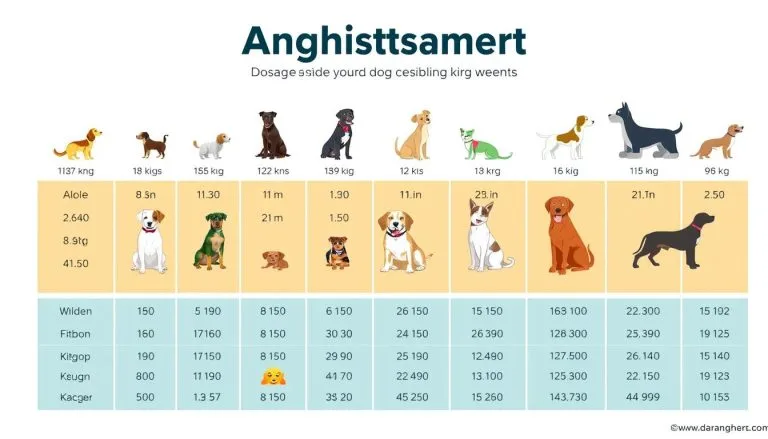
The standard dose of Benadryl for dogs is 1 mg per pound, given every 8 to 12 hours. Zyrtec (cetirizine) is dosed at about 0.5 mg per pound once daily. Claritin (loratadine) runs around 0.25 mg per pound once daily.
Always confirm with your vet before dosing, and never use products containing xylitol or decongestants.
Why Accurate Allergy Medicine Dosing Matters for Dogs
Dogs process medications differently than we do. A dose that's harmless for a 150-pound adult can overwhelm a 10-pound terrier in under an hour. According to the ASPCA Animal Poison Control Center, human medications rank in the top five reasons for pet poisoning calls every year, and many of those cases start with an owner simply trying to help.
The most common scenarios where dosing comes up include:
- Seasonal itching from pollen, grass, or mold
- Sudden hives or facial swelling from an insect sting
- Vaccine reactions
- Mild flare-ups of atopic dermatitis between vet visits
- Bee sting or spider bite swelling on the muzzle or paws
The wrong dose or the wrong product can lead to sedation, agitation, seizures, or in the worst cases, liver failure. That's why getting the milligrams, the active ingredient, and the frequency right isn't optional, it's the whole game.
Warning: If your dog is vomiting, has facial swelling that affects breathing, or collapses, skip the home dosing and head to the emergency vet immediately. OTC antihistamines won't stop anaphylaxis.
Safe Human Allergy Medications for Dogs (and Ones to Avoid)
Not every pill in your cabinet belongs in your dog's bowl. Here's the shortlist of medications veterinarians most commonly recommend for mild allergic reactions at home.
| Medication | Common Brand | Safe for Dogs? | Notes |
|---|---|---|---|
| Diphenhydramine | Benadryl | Yes | Most common OTC choice |
| Cetirizine | Zyrtec | Yes | Less sedating, once-daily |
| Loratadine | Claritin | Yes | Good for daytime use |
| Fexofenadine | Allegra | Yes, with vet guidance | Less studied in dogs |
| Hydroxyzine | Atarax (Rx) | Yes, by prescription only | Stronger itch control |
| Chlorpheniramine | Chlor-Trimeton | Yes | Older option, vet-preferred dosing |
Now the red flags. These ingredients are toxic and should never be given:
- Pseudoephedrine (found in Sudafed and many "D" versions of Claritin or Allegra)
- Phenylephrine (a common decongestant in cold medicine)
- Xylitol (a sugar substitute in liquid and chewable formulations)
- Acetaminophen (Tylenol, found in some combo allergy products)
- Ibuprofen (Advil, sometimes bundled in cold medicine)
The FDA Center for Veterinary Medicine has repeatedly warned that combination cold and flu products are among the most dangerous human medications for dogs. Stick with single-ingredient allergy products only.
Diphenhydramine (Benadryl) Dosage by Weight
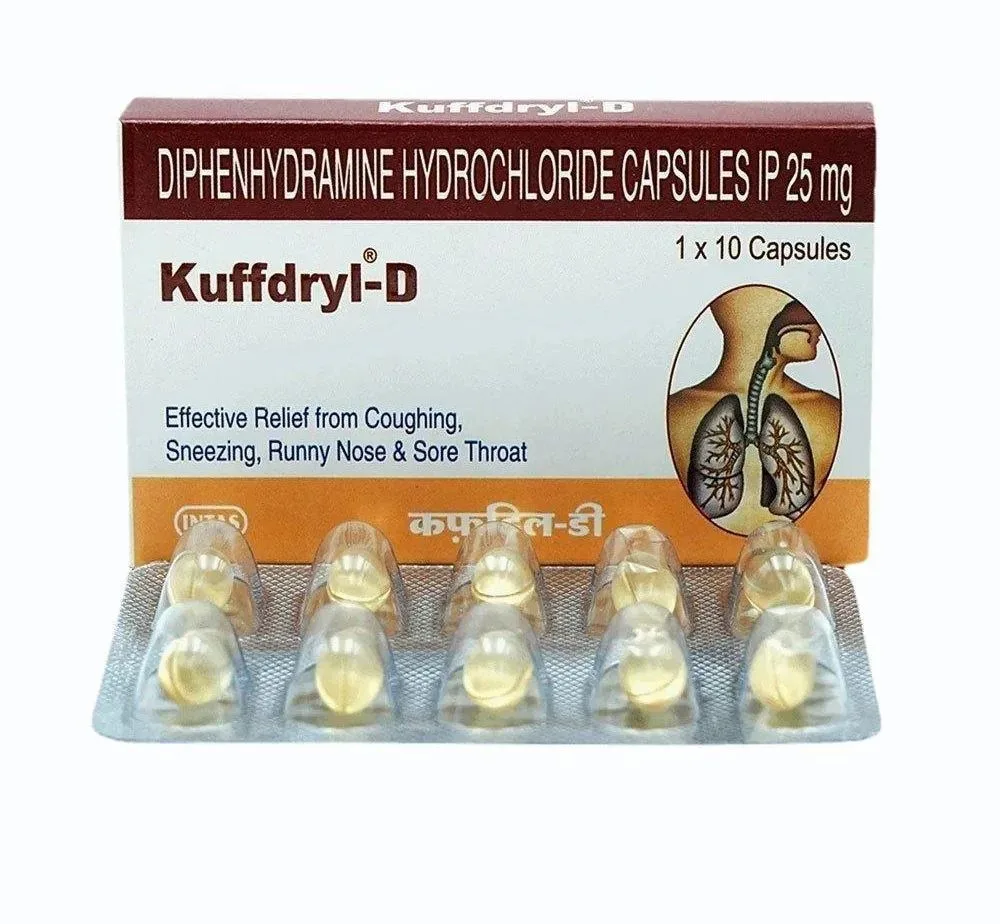
Diphenhydramine is the most familiar option, and the most studied for dogs. Manufacturer specifications and veterinary references consistently list the canine dose at 1 mg per pound of body weight, given every 8 to 12 hours.
Here's a practical chart based on a standard 25 mg Benadryl tablet:
| Dog's Weight | Dose in mg | 25 mg Tablets | Children's Liquid (12.5 mg / 5 mL) |
|---|---|---|---|
| 5 lbs | 5 mg | 1/4 tablet | 2 mL |
| 10 lbs | 10 mg | 1/2 tablet | 4 mL |
| 15 lbs | 15 mg | 3/4 tablet | 6 mL |
| 25 lbs | 25 mg | 1 tablet | 10 mL |
| 50 lbs | 50 mg | 2 tablets | 20 mL |
| 75 lbs | 75 mg | 3 tablets | 30 mL |
| 100 lbs | 100 mg | 4 tablets | 40 mL |
A few rules that keep this safe:
- Use plain diphenhydramine only. Skip any product labeled "D" or "Allergy and Congestion."
- For dogs under 15 pounds, the children's liquid suspension makes dosing far more accurate than splitting tiny tablets.
- The Merck Veterinary Manual notes that some dogs become paradoxically excited on Benadryl instead of sleepy. If you see agitation, switch to a non-sedating option like Zyrtec.
- Always give it with a small amount of food to reduce stomach upset.
Cetirizine (Zyrtec) Dosage by Weight
If your dog gets too sleepy on Benadryl, cetirizine is a solid second choice. It's less sedating and only needs once-daily dosing, which makes life easier for both of you.
The standard canine dose is 0.5 mg per pound, given every 24 hours. Most generic Zyrtec tablets come in 10 mg, which lines up well for medium and large dogs.
| Dog's Weight | Dose in mg | 10 mg Tablets |
|---|---|---|
| 5 lbs | 2.5 mg | 1/4 tablet |
| 10 lbs | 5 mg | 1/2 tablet |
| 20 lbs | 10 mg | 1 tablet |
| 40 lbs | 20 mg | 2 tablets |
| 60 lbs | 30 mg | 3 tablets |
| 80+ lbs | 40 mg | 4 tablets |
Key things to watch for:
- Use the plain Zyrtec. Zyrtec-D contains pseudoephedrine, which is toxic.
- Cetirizine has a 24-hour duration in dogs, so don't re-dose before the next day.
- Per the AVMA's guidance on OTC medications, always run the choice by your vet if your dog takes other prescriptions, especially seizure or anxiety meds.
Loratadine (Claritin) Dosage by Weight
Loratadine is the lightest touch of the three main options. It rarely causes drowsiness, which makes it a good fit for working dogs, service animals, or any pup who sleeps enough already.
The standard dose is 0.25 mg per pound, given once every 24 hours. Most generic Claritin tablets come in 10 mg, so small dogs need a fraction of a pill.
| Dog's Weight | Dose in mg | 10 mg Tablets |
|---|---|---|
| 5 lbs | 1.25 mg | 1/8 tablet |
| 10 lbs | 2.5 mg | 1/4 tablet |
| 20 lbs | 5 mg | 1/2 tablet |
| 40 lbs | 10 mg | 1 tablet |
| 60 lbs | 15 mg | 1.5 tablets |
| 80+ lbs | 20 mg | 2 tablets |
A few practical pointers:
- Use plain Claritin only. Claritin-D contains pseudoephedrine, and that's a hard no for dogs.
- Loratadine is the slowest of the three to take effect. Give it at least 2 hours before you expect symptoms to flare.
- If your dog is on itraconazole or ketoconazole for a fungal infection, ask your vet before starting Claritin. Both drugs share a liver pathway.
Fexofenadine (Allegra) and Hydroxyzine: When They're Used
Fexofenadine (Allegra) is the least-studied of the OTC options in dogs, but veterinary dermatologists occasionally recommend it for dogs that get too sleepy on Benadryl or don't respond to cetirizine. The dose is roughly 1 to 2 mg per pound, given every 12 to 24 hours, and it should always be started under vet guidance.
Hydroxyzine is a different beast. It's a prescription-only antihistamine that's been used in veterinary medicine for decades. Vets often reach for it when:
- The itching is severe and OTC options haven't helped
- The dog has a history of anxiety on top of allergies
- A long-acting effect is needed overnight
Hydroxyzine is dosed at around 1 mg per pound, every 8 to 12 hours, and it can cause significant sedation. According to Plumb's Veterinary Drug Handbook, it shouldn't be combined with other sedating drugs or used in dogs with heart rhythm issues.
| Option | OTC or Rx | Sedation Level | Best For |
|---|---|---|---|
| Allegra | OTC | Low | Dogs sensitive to sedation |
| Hydroxyzine | Rx | Moderate to high | Severe itching, vet-supervised cases |
If your dog's itching isn't improving after a week of OTC dosing, hydroxyzine or a different class of medication is usually the next step.
Toxic Ingredients Hidden in Allergy Medicine
This is the section that saves lives. The active ingredient matters, but the inactive ingredients can be just as dangerous. We've already touched on this, so let's put the exact red flags in one place you can screenshot.
Xylitol: The Silent Killer
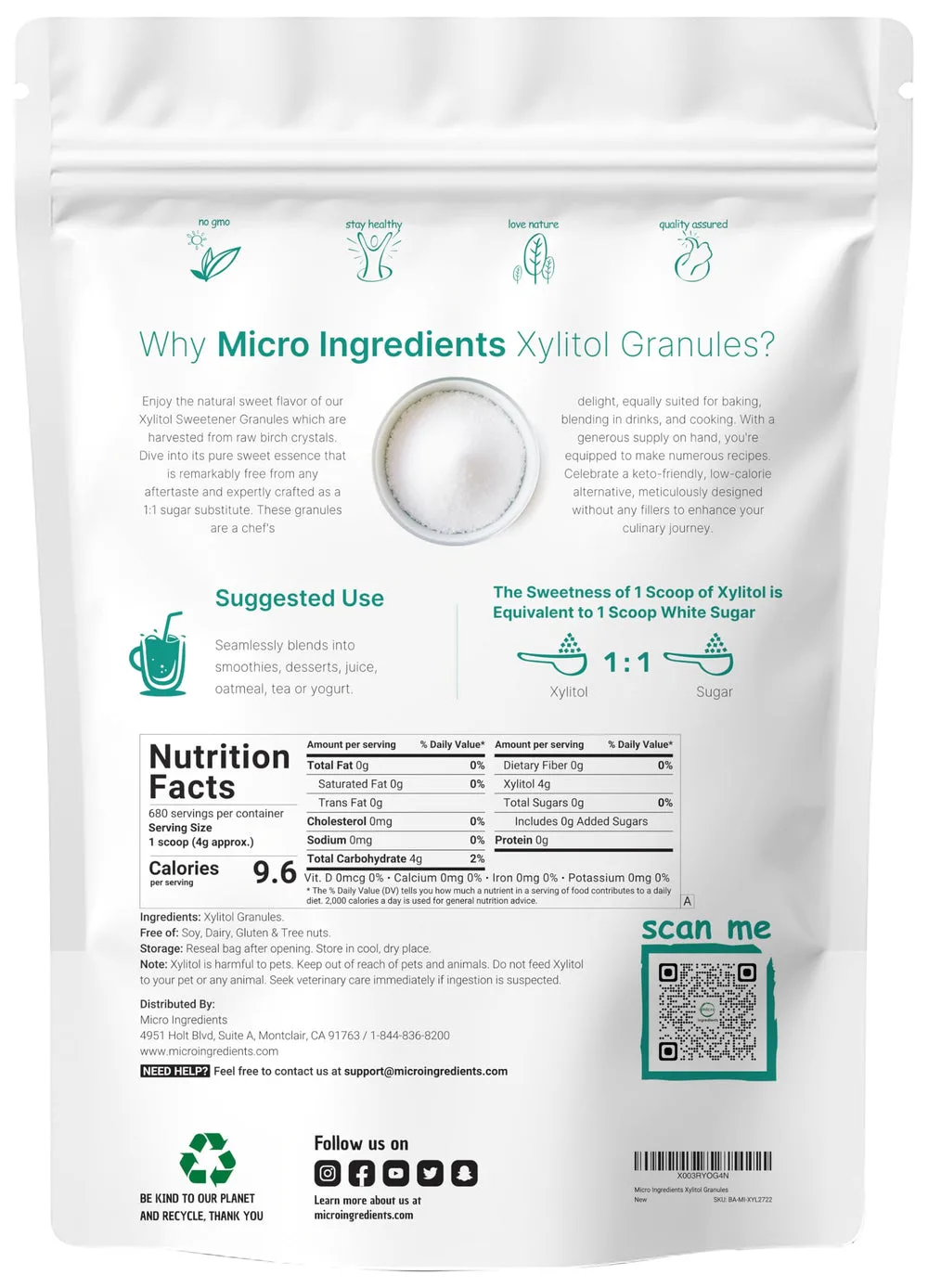
Xylitol is a sugar alcohol used in many "sugar-free" liquids, chewables, and even some gummy vitamins. In dogs, it triggers a rapid insulin release that drops blood sugar to dangerous levels. The toxic threshold is around 100 mg per kg of body weight, and a single adult-strength liquid Benadryl can contain enough to harm a small dog.
Critical: Any liquid allergy medication labeled "sugar-free," "low calorie," or "for people with diabetes" should be assumed unsafe until you read the full ingredient list.
Decongestants: Pseudoephedrine and Phenylephrine
These are stimulants that cause heart rate spikes, tremors, and seizures in dogs. They're found in anything with a "D" in the name: Claritin-D, Allegra-D, Benadryl-D, Zyrtec-D. The FDA Center for Veterinary Medicine has flagged these products as a top cause of preventable ER visits.
Acetaminophen and Ibuprofen
Some combination cold and sinus products sneak these in as pain relievers. Both are toxic to dogs, even at low doses. Acetaminophen causes liver damage and methemoglobinemia, a condition where red blood cells can't carry oxygen.
Ibuprofen causes kidney failure and stomach ulcers.
Alcohol and Flavoring Agents
Liquid medications with high alcohol content can cause sedation, low blood pressure, and respiratory depression. Avoid any product where alcohol is listed in the first three ingredients.
Step-by-Step: How to Calculate the Right Dose for Your Dog
Even with a chart in front of you, it's worth knowing the math. The formula is simple once you've done it once.
Step 1: Weigh the Dog
Use a bathroom scale: weigh yourself, then weigh yourself holding the dog, then subtract. For small dogs, a kitchen scale works. For toy breeds, a postal scale gives the most accurate reading.
The weight you use is the dog's current weight, not the breed standard.
Step 2: Identify the Medication
Match the brand on the box to its generic name. Benadryl = diphenhydramine. Zyrtec = cetirizine.
Claritin = loratadine. Confirm the tablet strength printed on the package, usually 25 mg for Benadryl and 10 mg for Zyrtec or Claritin.
Step 3: Run the Calculation
Multiply your dog's weight in pounds by the dose factor:
- Diphenhydramine: 1 mg per lb
- Cetirizine: 0.5 mg per lb
- Loratadine: 0.25 mg per lb
A 30-pound dog on Benadryl needs 30 mg. That's 1.2 standard 25 mg tablets, so you'd round down to 1 tablet or up to 1.25 for accuracy.
Step 4: Choose the Right Form
For dogs under 15 pounds, the children's liquid suspension is easier to measure accurately. For dogs over 30 pounds, tablets are more convenient. Always pick the form that lets you dose as close to the calculated amount as possible.
Step 5: Administer With Food
Most antihistamines are tolerated better on a small snack. A few pieces of plain boiled chicken or a spoonful of canned pumpkin work well. Avoid giving the medication on a completely empty stomach.
Step 6: Monitor for 1 to 2 Hours
Watch for the expected effect (drowsiness for Benadryl, none for Zyrtec) and any unusual reactions. If you see vomiting, agitation, or difficulty breathing, contact your vet.
Step 7: Log the Response
Keep a short note: date, time, dose, and what changed over the next few hours. This becomes valuable at your next vet visit, especially if the issue is chronic.
When to Skip OTC Meds and Call the Vet
Home dosing has limits, and pushing past them can cost your dog hours of treatment time. Skip the OTC route and head straight to the vet if you notice any of these signs.
Breathing Trouble
Snout swelling, blue gums, wheezing, or collapse all point to anaphylaxis. Antihistamines won't reverse this. The vet needs epinephrine, oxygen, and IV support.
Vomiting or Diarrhea Combined With Hives
This combination can signal a systemic reaction that's already moving beyond the skin. The dog may need injectable steroids and fluids.
Facial Swelling That Affects the Eyes
If the swelling closes the eyes or spreads to the throat, airway risk goes up fast. The ASPCA Animal Poison Control Center recommends emergency evaluation for any swelling that progresses within minutes.
Known Drug Allergies or Chronic Illness
Dogs with kidney disease, liver problems, glaucoma, seizures, or heart conditions need individualized dosing. What's safe for a healthy adult can land a sick dog in the hospital.
Puppies Under 12 Weeks
Their organ systems are too immature to handle even small miscalculations. Vet guidance isn't optional here, it's required.
No Improvement After 24 to 48 Hours
If the itching, hives, or swelling isn't budging after two full days of correct dosing, the underlying problem probably isn't a simple allergy. Infection, autoimmune disease, and even some cancers can mimic allergic skin symptoms.
Common Mistakes Dog Owners Make With Allergy Medicine
The wrong active ingredient is the biggest risk, but other errors show up in vet ERs every week. The most common: time-release tablets (24-hour Claritin, 12-hour Allegra). These dissolve too slowly for dogs and can cause unpredictable overdose.
Giving children's Benadryl without checking for xylitol is another frequent error. Many "berry flavored" suspensions contain it. Owners also re-dose too early when the first dose doesn't work, then accidentally double up when the first one finally kicks in.
Stick to the 8 to 12 hour window for Benadryl, and 24 hours for Zyrtec or Claritin.
Benadryl vs. Zyrtec vs. Claritin: Which One to Pick
For most dogs, Benadryl is the starting point. It works fast, costs pennies, and is the most studied. Zyrtec is the upgrade for dogs that get too sleepy.
Claritin is the pick when sedation is a deal-breaker, think working dogs or families with very young kids who need an alert pet.
Antihistamines vs. Apoquel vs. Cytopoint: Comparing the Options
OTC antihistamines are cheap and safe for mild cases. Apoquel (oclacitinib) is a prescription tablet that stops itch signals within hours and is the next step up for chronic atopic dermatitis. Cytopoint is an injection given every 4 to 8 weeks that neutralizes the itch protein.
Vets typically try antihistamines first, then Apoquel, then Cytopoint for severe or unresponsive cases.
Drug Interactions and Health Conditions to Watch For
Antihistamines can amplify sedatives, tranquilizers, and some pain meds. Dogs on seizure drugs need vet approval, as do dogs with glaucoma, urinary retention, or enlarged prostate. Always list every supplement and medication before adding an OTC antihistamine.
Signs of an Overdose or Allergic Reaction
Watch for dilated pupils, rapid heartbeat, vomiting, agitation, tremors, or seizures. An allergic reaction to the antihistamine itself is rare but shows up as facial swelling, hives that worsen after dosing, or sudden lethargy. Any of these means vet care right away.
Frequently Asked Questions
How much children's Benadryl can I give my dog?
The dose is the same: 1 mg per pound. Children's Benadryl liquid contains 12.5 mg per 5 mL, so a 10-pound dog gets 4 mL. Confirm the suspension is xylitol-free before using it.
Can I give my dog Zyrtec and Benadryl together?
Most vets don't recommend combining them unless specifically directed. Both are antihistamines, and stacking them raises the risk of sedation, dry mouth, and urinary retention without much extra benefit. Pick one.
How long does it take for Benadryl to work in dogs?
You'll usually see effects within 30 to 60 minutes. Full relief from itching or hives can take up to 2 hours. If there's no improvement after that, call your vet rather than re-dosing early.
Is Claritin or Zyrtec better for dogs with allergies?
Both work, and neither has a clear winner in the research. Zyrtec (cetirizine) tends to be slightly more effective for skin itching, while Claritin (loratadine) causes less drowsiness. Your vet can help you choose based on your dog's history.
What if my dog accidentally ate a whole bottle of allergy medicine?
Call the ASPCA Animal Poison Control Center at 888-426-4435 or the Pet Poison Helpline right away. Bring the bottle with you to the vet so they know the exact active ingredient and strength. Time matters with overdoses.
Can puppies take allergy medicine?
Puppies under 12 weeks shouldn't receive OTC antihistamines without direct veterinary guidance. Their liver and kidney function is still developing, and even small dose miscalculations can be dangerous.
How quickly does Benadryl work in dogs?
It kicks in within 30 to 60 minutes and lasts 8 to 12 hours. Plan to dose before known flare-ups like evening walks through tall grass.
Can I give my dog allergy medicine every day?
Yes for short stretches, but chronic use should be supervised. Vets recheck bloodwork every 6 to 12 months for dogs on long-term antihistamines to catch any liver changes early.
Is human Zyrtec the same as the dog version?
The active ingredient is identical. The dog-specific product just comes in a flavored chew that some owners find easier to give.
What about allergy shots for dogs?
Allergen-specific immunotherapy is the long game. It works in 60 to 80 percent of atopic dogs but takes 3 to 12 months to show results. Your vet or a veterinary dermatologist can order testing.
Should I give Benadryl before the vet visit?
Sometimes. Vets often recommend a pre-visit dose for dogs with known vaccine reactions. Always call the clinic first so they can log the timing.





3 Comments