How long do allergies last in dogs
How long do allergies last in dogs? Anywhere from a few hours for a sudden reaction to a full pollen season, or honestly, a lifetime of careful management if the trigger is environmental. The honest answer is that "allergies" isn't one condition.
It's three or four very different problems wearing the same itchy coat, and the clock only makes sense once you know which one you're dealing with.
Most owners we hear from think of dog allergies like a cold that runs its course. The Merck Veterinary Manual describes it differently: canine allergic disease is an immune system misfire, where the body overreacts to a harmless protein and keeps overreacting every time that protein shows up. That's why a flea bite can keep a dog itching for weeks after the flea is gone, and why spring pollen can mean four straight months of paw licking.
As of 2026, veterinary dermatologists still treat these as chronic conditions you manage, not infections you cure.
Quick Answer
Dog allergies last a few hours to a lifetime. Acute reactions fade in 12, 48 hours. Seasonal pollen allergies last 4, 12 weeks per flare.
Food allergies last until the trigger is removed. Flea allergy dermatitis lasts 2, 4 weeks after fleas are controlled. Atopic dermatitis is lifelong.
Why Allergy Timelines in Dogs Aren't One-Size-Fits-All
A dog scratching in July might look the same as a dog scratching in December, but the underlying drivers are wildly different. Pollen is seasonal. A chicken protein in the kibble is constant.
A single flea bite can spark a two-week itch cycle even on a perfectly clean dog. The American College of Veterinary Dermatology (ACVD) treats these as separate diagnoses, each with its own expected timeline.
If you've ever watched a dog clear up over a long weekend only to flare again a month later, that's not bad luck. It's the immune system remembering the allergen and reacting harder the second time. That's called sensitization, and it's why the first exposure to ragweed might do nothing while the second sends your dog into a scratching fit.
The single biggest mistake owners make is treating "allergies" as one bucket. A dog with a food allergy won't get better when ragweed season ends. A dog with seasonal atopic dermatitis won't get better on a hypoallergenic diet.
The timeline you can expect depends entirely on the trigger, and the rest of this article walks through each one.
The Three Main Allergy Types and Their Typical Duration
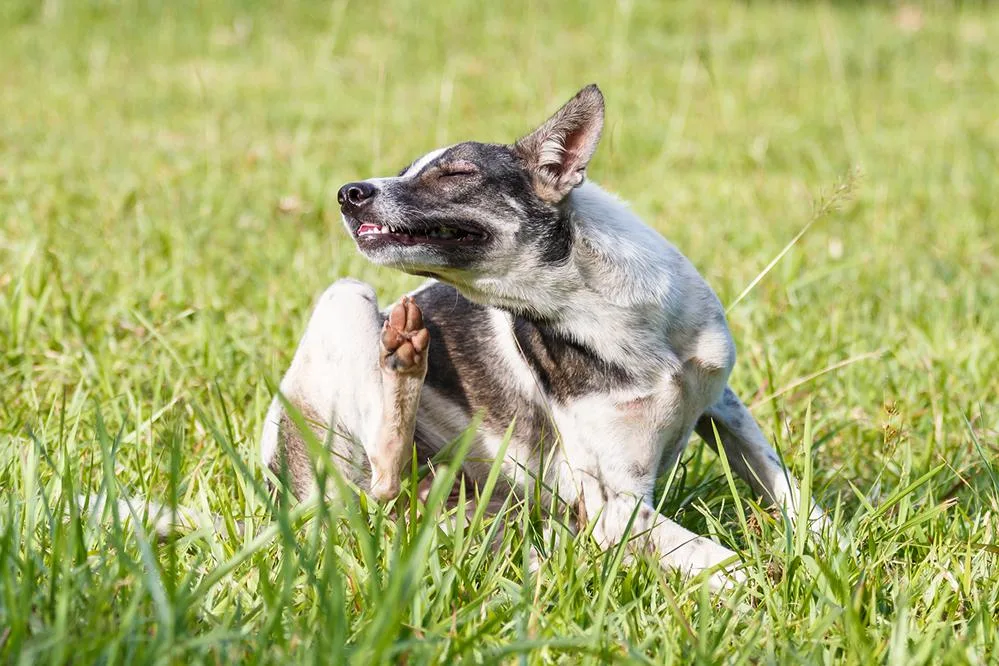
There are really three allergy buckets that cover most dogs a vet sees for itchy skin, and each one has its own clock.
| Allergy Type | Common Trigger | Typical Duration Once Trigger Is Identified |
|---|---|---|
| Flea allergy dermatitis (FAD) | Saliva from flea bites | 2–4 weeks after full flea control is in place |
| Seasonal atopic dermatitis | Tree, grass, or weed pollen; outdoor molds | 4–12 weeks per pollen season; recurs yearly |
| Food allergy | A specific dietary protein (chicken, beef, dairy, wheat) | Resolves 4–8 weeks after the trigger is removed from the diet, then lifelong avoidance |
Flea allergy dermatitis is the most common allergic skin disease in dogs, per the Merck Veterinary Manual, and the timeline is misleading. The flea might be gone in 24 hours, but the itch cycle keeps rolling because the saliva protein already primed the immune response.
Seasonal atopic dermatitis follows the local pollen calendar. In much of the U.S., tree pollen runs February through May, grasses peak in late spring and summer, and ragweed fires up in late August through the first frost. A dog sensitive to all three can itch from February to November.
That's not "chronic allergies," that's one season after another with almost no gap.
Food allergies are different because the trigger is constant. The dog eats the same kibble every day, so the reaction never stops. Once you run a proper elimination diet and identify the culprit, symptoms typically improve within 4, 8 weeks, though some dogs need up to 12 weeks to fully reset.
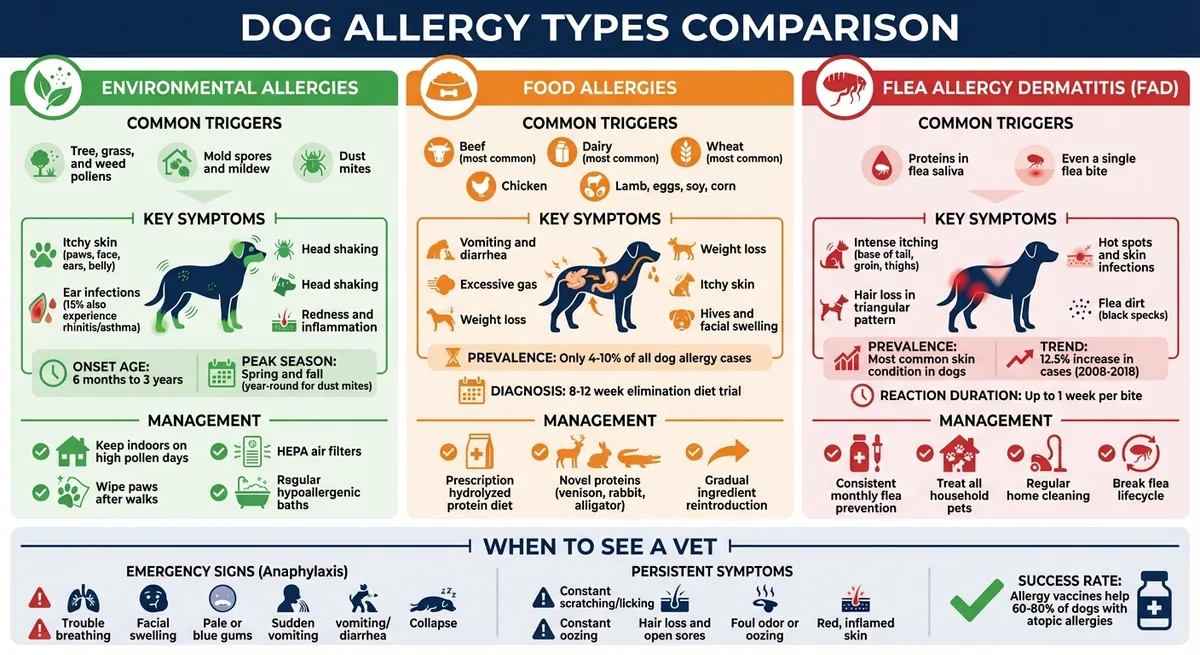
A fourth category worth mentioning: contact allergies. These come from something the dog's skin literally touches, like a new detergent on the bedding, a certain grass, or a topical flea product. They're less common, and once the irritant is removed, symptoms usually resolve in 24, 72 hours.
Seasonal Allergies in Dogs: How Long Each Flare Actually Lasts
Seasonal allergies in dogs are driven mostly by tree, grass, and weed pollen, plus outdoor mold spores that spike after rain. The American Veterinary Medical Association (AVMA) notes that atopic dermatitis typically first appears between 6 months and 3 years of age, and once a dog is sensitized, it tends to get worse each year unless managed.
Here's how a typical seasonal allergy flare actually unfolds in real time:
- Week 1, 2: Mild itching starts. Owners often miss it or blame it on a change in weather.
- Week 2, 4: Scratching escalates. Paws turn pink from licking. Ears get warm. The belly shows red patches.
- Week 4, 8: Peak symptoms. Secondary skin infections are common if the dog has been scratching long enough to break the skin.
- Week 8, 12 (or end of pollen season): Symptoms slowly fade as pollen counts drop, but the dog often looks "off" for a few weeks after.
That whole arc can repeat itself every spring, summer, or fall depending on what the dog reacts to. A dog allergic to both grass and ragweed essentially has a single 6-to-9-month flare stretched across two seasons.
Climate matters more than people think. As of 2026, warmer winters and longer pollen seasons across much of the U.S. have stretched what used to be a six-week ragweed season into a ten-week one. If your dog's "seasonal" allergies seem to start earlier and end later than they used to, that's not your imagination.
It's the pollen calendar shifting.
Food Allergies in Dogs: The Real Timeline for Resolution
Food allergies are the slowest to confirm and the most misunderstood in terms of timeline. They don't resolve on their own. The dog's immune system is reacting to a specific protein in the food, usually chicken, beef, dairy, wheat, soy, or egg, and that reaction only stops when the offending protein is fully out of the diet.
Veterinary dermatologists use a process called an elimination diet trial. Here's the typical timeline, drawn from peer-reviewed guidance in Veterinary Dermatology and the Merck Veterinary Manual:
| Stage | What's Happening | Duration |
|---|---|---|
| Transition to novel or hydrolyzed protein diet | Old food is phased out, no treats, no table scraps | 1–2 weeks |
| Initial improvement window | Itching often drops noticeably | 2–4 weeks |
| Full reset | Most dogs need this long for the immune reaction to quiet down | 8–12 weeks |
| Challenge phase | Original protein reintroduced to confirm the trigger | 2–4 weeks |
| Long-term management | Trigger protein avoided permanently | Lifelong |
The single biggest mistake owners make is stopping the trial too early. If the dog looks better at week three, that doesn't mean the trial is done. It means the trial is working and you should keep going.
Stopping early is the fastest way to a false negative and another six months of guessing.
The real answer to "how long do food allergies last in dogs" is: indefinitely, until you identify and remove the trigger. Once you do, the itching typically fades within 4, 8 weeks, and the dog stays comfortable as long as the trigger stays out of the bowl.
One important note: blood and saliva allergy tests for food are notoriously unreliable in dogs. The gold standard is still the elimination diet trial under veterinary supervision. The American Veterinary Medical Association has detailed guidance on working with your vet to design one.
Flea Allergy Dermatitis: Why Symptoms Linger After the Fleas Are Gone
This is the allergy that frustrates owners the most because the cause seems obvious and the fix feels simple. You see a flea, you treat the flea, the dog should stop itching. It usually doesn't.
Flea allergy dermatitis (FAD) is a hypersensitivity to proteins in flea saliva. A single bite can set off a reaction that lasts 2 to 4 weeks, even on a dog with no live fleas on them. The saliva primes the immune response, and the itch cycle keeps rolling until the inflammation finally dies down.
Here's the practical timeline:
- Day 1: Flea bites the dog, saliva enters the skin.
- Hours 1, 48: Initial allergic flare, often the worst itching.
- Week 1: Most fleas are dead if you've used a modern adulticide.
- Week 2, 3: New fleas from the environment are hatching and jumping on. Without environmental control, the cycle restarts.
- Week 3, 4: With full flea control (treat the dog AND the home), itching finally fades.
The Merck Veterinary Manual flags FAD as the most common allergic skin disease in dogs, and the most preventable. The catch is that "full flea control" means treating every animal in the household, washing bedding on hot, and treating the yard or indoor environment for several months. Just dabbing a topical on the dog won't cut it if the home is a flea nursery.
Acute Allergic Reactions vs. Chronic Atopic Dermatitis
Not all dog allergies run for weeks. Some blow through in hours.
How long does an acute allergic reaction last in a dog?
Most acute reactions (hives, facial swelling, sudden vomiting after a bee sting) clear up within 12 to 48 hours once the trigger is removed or treated. A single dose of a corticosteroid from your vet often resolves hives the same day.
Acute reactions are usually easy to spot because they come on fast. Your dog is fine at breakfast and looks like a Shar-Pei at lunch. These are typically triggered by insect stings, vaccines, medications, or a sudden exposure to a new allergen.
They're scary, but they're short.
Chronic atopic dermatitis is a completely different animal. This is the dog who's been scratching for three years, every spring and fall, with ear infections that never quite clear up. It's a lifelong condition that the American College of Veterinary Dermatology classifies as managed, not cured.
The duration of chronic atopic dermatitis is effectively the dog's life. Flares last weeks to months, treatment keeps symptoms under control, and immunotherapy can reduce severity over 6, 12 months. But the underlying tendency to overreact to environmental allergens stays.
What Allergy Symptoms in Dogs Actually Look Like
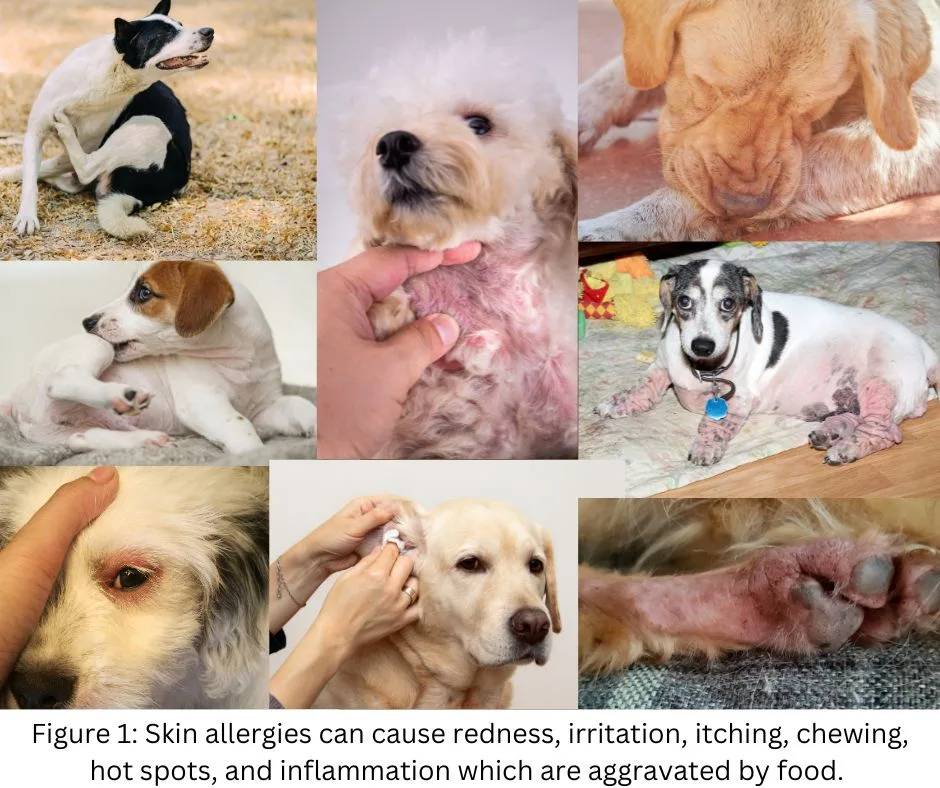
Itching is the headline symptom, but it's not the only one. Knowing what to look for speeds up the path to a real diagnosis, and a faster diagnosis usually means a shorter overall allergy timeline.
Common signs across all allergy types:
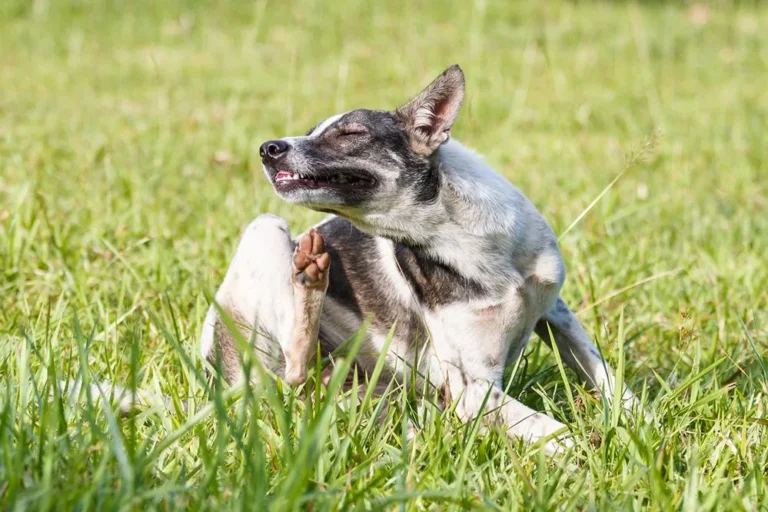
- Persistent scratching, licking, or chewing, especially at paws, belly, groin, and ears
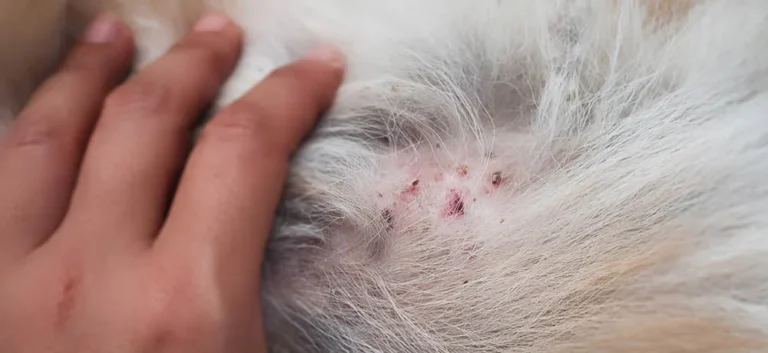
- Red or inflamed skin, often visible on the belly, inner thighs, and armpits
- Recurring ear infections or head shaking
- Hot spots (acute moist dermatitis) from concentrated scratching
- Hair loss in patches from chronic licking
- Face rubbing against furniture or carpet
- Scooting or anal gland irritation linked to skin inflammation
Symptoms shift slightly by allergy type. Seasonal atopic dermatitis usually hits paws, ears, and the underbelly hardest. Flea allergy dermatitis focuses on the lower back, tail base, and hind legs.
Food allergies often show up as chronic ear infections and skin issues across the whole body.
A useful owner rule: if symptoms appear suddenly and seem to spread, think acute. If they've been building for weeks and never fully go away, think chronic or food-related.
What Shortens or Extends an Allergy Flare-Up
Same dog, same allergy, but one owner gets the flare under control in two weeks while the other fights it for three months. The difference usually comes down to a handful of variables.
What shortens the flare:
- Early intervention with vet-prescribed medication
- Strict flea control for every pet in the home
- Frequent baths with a gentle, oatmeal-based shampoo to wash off pollen
- Wiping paws and belly after outdoor time
- Air purifiers with HEPA filters in main living areas
- Running a proper elimination diet without cheat days
What extends the flare:
- Waiting weeks before seeing a vet
- Stopping medication as soon as symptoms fade
- Treating only the dog, not the environment, for fleas
- Adding new foods, treats, or chews during an elimination diet trial
- Using scented household products on bedding or the dog
- Mistaking bacterial or yeast skin infections for "still just allergies"
The pattern across aggregate owner reports and peer-reviewed studies is clear. Speed and consistency shrink the timeline. Half-measures extend it.
Treatment Timelines: How Long Until Your Dog Feels Better
Treatment speed depends on what you're using and what you're treating. Here's a realistic timeline owners can expect, based on aggregated veterinary guidance and product labeling for FDA-approved options.
| Treatment | Best For | Expected Time to Noticeable Improvement |
|---|---|---|
| Antihistamines (Benadryl, cetirizine) | Mild seasonal itching | 1–2 weeks, often limited results |
| Prescription Apoquel (oclacitinib) | Atopic dermatitis flares | 24 hours to 4 days |
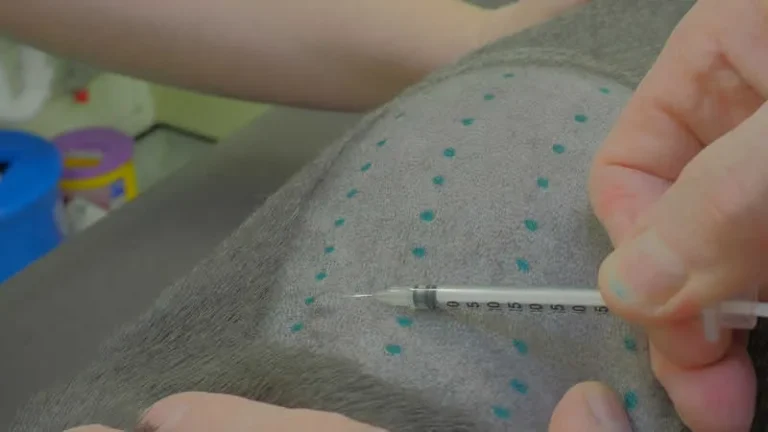
| Cytopoint injectable (lokivetmab) | Atopic dermatitis, especially with ear involvement | 24 hours to 1 week, lasting 4–8 weeks per injection |
| Corticosteroids (prednisone) | Severe acute or chronic inflammation | Hours to a few days |
| Immunotherapy (allergy shots or oral drops) | Long-term atopic dermatitis | 6–12 months for full effect |
| Prescription flea control (oral or topical) | Flea allergy dermatitis | 24 hours to kill adults, 2–4 weeks for the itch cycle to clear |
Antihistamines are the slowest and least reliable option. They work for a small subset of dogs and shouldn't be the backbone of a serious flare plan. Apoquel and Cytopoint are the workhorses of modern veterinary dermatology because they act fast and target the itch directly.
A note on human Benadryl: the dose varies significantly by dog weight and health status, and combining it with other medications can be risky. Always check with your vet before giving any over-the-counter allergy drug to a dog.
Home and Environmental Changes That Affect Allergy Duration
Medication handles the symptom. Environment handles the trigger. Skipping the environment is the single biggest reason dogs stay on allergy meds longer than necessary.
Practical moves that actually move the needle:
- Wipe paws and belly with a damp cloth after every outdoor walk during pollen season
- Bathe the dog weekly with a mild, fragrance-free oatmeal shampoo to physically remove allergens
- Wash bedding in hot water at least weekly
- Run a HEPA air purifier in the room where the dog sleeps
- Vacuum frequently with a sealed-bag or HEPA-filter vacuum
- Keep lawns mowed short and rinse the dog off if they've been in tall grass
- Limit outdoor time on high pollen count days (early morning for some pollens, late afternoon for others)
For flea allergy specifically, environmental control is non-negotiable. Treat every pet in the home, wash all soft furnishings on hot, and consider a professional or veterinary-recommended home treatment for severe infestations. The dog can't get better if it's getting bitten again every few days.
Mistakes Owners Make That Prolong Allergies in Dogs
The pattern of mistakes is remarkably consistent across owners who end up at the veterinary dermatologist instead of the regular vet first.
- Waiting too long to see a vet. Every week of untreated scratching raises the odds of a secondary skin infection, which adds weeks to recovery.
- Stopping medication the moment the dog looks better. Most allergy meds suppress the immune response, not cure it. Stopping early invites an immediate rebound.
- Switching foods every few weeks. Elimination diets require 8, 12 weeks of strict consistency. Random food swaps make it impossible to identify the trigger.
- Treating fleas only on the dog. The home and yard carry the eggs and larvae. Treat everywhere or the cycle keeps restarting.
- Giving human allergy meds without checking dosing. Diphenhydramine dosing depends heavily on weight, and some human formulations contain xylitol, which is toxic to dogs.
- Assuming ear infections are "just ear infections." In allergic dogs, recurrent ear infections are usually a symptom, not a separate problem. Treating them without addressing the allergy means they keep coming back.
When an Allergy Lasting "Too Long" Signals Something More Serious
Most allergies fall into one of the three categories above. Some symptoms that look like allergies are not.
A few red flags that warrant a faster veterinary visit:
- Symptoms appearing suddenly in an older dog with no prior history
- Skin that is thickened, ulcerated, or bleeding
- Hair loss in symmetrical patterns (often hormonal, not allergic)
- Lethargy, weight loss, or appetite changes alongside skin issues
- Symptoms that don't respond to appropriate treatment within a few months
Conditions that mimic allergies but aren't:
- Hypothyroidism, which can cause hair loss and skin changes
- Cushing's disease, which thins the skin and causes infections
- Autoimmune skin diseases like pemphigus
- Demodectic or sarcoptic mange, which require specific treatment
- Chronic bacterial or yeast infections that need targeted therapy
If a dog has been treated for "allergies" for months without meaningful improvement, the diagnosis is probably wrong. A veterinary dermatologist can run intradermal skin testing or blood panels to pinpoint the real culprit.
How Vets Diagnose the Allergy Type (and Why It Changes the Timeline)
Diagnosis is what makes the timeline trustworthy. Treating without knowing the type is just guessing.
The standard diagnostic path:
- History and physical exam. The vet asks about timing, environment, diet, flea control, and prior treatments.
- Ruling out parasites. Skin scrapings check for mange mites, which look like allergies but require different drugs.
- Flea trial. Strict flea control for 8 weeks to see if symptoms resolve. This alone often clears up FAD.
- Food trial. An 8, 12 week elimination diet with a novel or hydrolyzed protein and absolutely no other treats or chews.
- Environmental allergy testing. Intradermal skin testing (gold standard) or serum IgE testing to identify specific pollens or molds.
Each step eliminates possibilities, and each one takes weeks. That's why a definitive diagnosis can take 3, 6 months from the first vet visit. It's not the vet dragging their feet.
It's the biology of the immune system taking time to respond.
Once the trigger is confirmed, the treatment plan locks in. That single day, often a year into the process, is when most owners finally feel like they have control of the timeline.
The Long-Term Outlook: Can Dog Allergies Be Cured or Only Managed?
The honest answer, as of 2026, is that most canine allergies are managed rather than cured.
- Flea allergy: effectively cured with lifelong flea control.
- Food allergy: cured by permanent avoidance of the trigger protein.
- Seasonal atopic dermatitis: managed with medication, immunotherapy, and environmental control. Immunotherapy achieves meaningful improvement in roughly 60, 70% of dogs within a year, per peer-reviewed studies in Veterinary Dermatology.
- Chronic atopic dermatitis: a lifelong condition. The goal is to keep flares short, infrequent, and mild.
Immunotherapy is the closest thing to a cure for environmental allergies. It's a series of custom-made injections or oral drops that gradually desensitize the immune system to specific allergens. The tradeoff is time.
Most dogs need 6, 12 months to see real results, and the therapy is a commitment of several years.
For owners willing to put in the work, the practical outcome is a dog who has maybe one or two short flares a year instead of constant itching. That's not a cure, but for most families, it's life-changing.
Frequently Asked Questions
Can a dog outgrow allergies?
Most dogs don't outgrow environmental or food allergies. Some puppies with mild seasonal itching see symptoms shift as their immune system matures, but true allergies tend to be lifelong. The goal is management, not outgrowing them.
How long does it take for Apoquel to work in dogs?
Apoquel typically starts reducing itching within 24 hours, with most dogs showing meaningful improvement within 4 days. It's used for atopic dermatitis and provides fast, short-term relief but doesn't address the underlying cause.
Can dog allergies go away on their own?
Acute reactions (bee sting, vaccine reaction) often resolve in 12, 48 hours. Chronic allergies, including seasonal, food, and flea allergy dermatitis, don't go away without specific intervention. The trigger has to be removed or the immune response has to be treated.
How long does a food trial take for dogs?
A proper elimination diet trial takes 8, 12 weeks, with no treats, table scraps, or flavored medications during that time. Stopping early is the most common reason food trials fail to identify the trigger.
Why is my dog still itching after flea treatment?
Flea allergy dermatitis can keep a dog itching for 2, 4 weeks after fleas are killed because the immune response to flea saliva takes time to settle. If itching persists past a month, secondary skin infection or a missed allergen is likely.
When should I take my dog to the vet for allergies?
See a vet as soon as itching interferes with sleep, eating, or normal behavior, or if you see broken skin, hot spots, or recurring ear infections. Early treatment shortens the overall duration of the flare.