Adult Dog Food vs Puppy Food: Which Is Better?


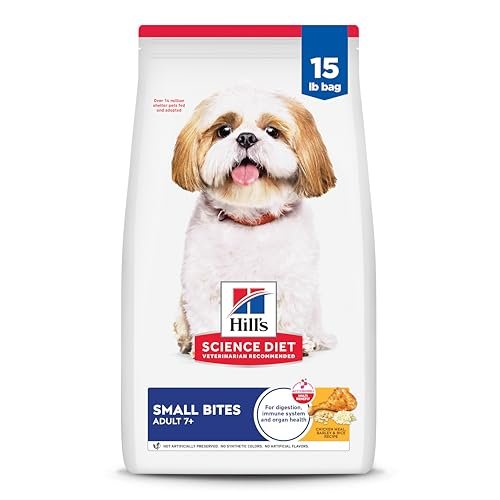
Is Hill’s Science Diet Adult 7+ Good?
Yes, for mature dogs that fit its life stage. Hill’s Science Diet Adult 7+ Small Bites is not a general puppy food. It targets older dogs, with small kibble and nutrients aimed at mature-dog needs. That makes it a useful choice for a senior dog, but it is the wrong match for a young puppy. In the adult dog food vs puppy food debate, life stage comes first.
I like the small-bite design for dogs that find large kibble hard to handle. In a busy American home, that can make mealtime simple. I also like the focus on lean muscle, immune support, skin and coat health, and balanced minerals. Still, I would not choose it for a growing puppy just because it looks premium. A puppy needs a growth diet, not a senior diet.
What Makes It Stand Out / Key Features
- Senior Life StageDesigned for mature dogs, with the product marketed for dogs age 7 and older.
- Small KibbleThe small pieces can make meals easier for smaller dogs and older dogs that prefer smaller bites.
- Chicken RecipeThe recipe uses chicken meal along with barley and brown rice.
- Lean Muscle SupportThe formula provides protein and other nutrients intended to help maintain lean muscle in mature dogs.
- Heart And Kidney SupportBalanced minerals are included as part of the formula’s support for mature-dog health.
- Skin And Coat SupportOmega-6 fatty acids and vitamin E help support healthy skin and a normal coat.
My Recommendation
Consider it if you have a mature dog that needs a senior-focused dry food and does well with small kibble. It is not my pick for puppies.
| Best For | Why |
|---|---|
| Dogs age 7+ | The formula is built around mature-dog nutrition. |
| Small or older dogs | Small kibble can make meals easier to manage. |
| Owners wanting dry senior food | It offers a simple, familiar dry-food routine. |
Is IAMS Proactive Health Puppy Good?
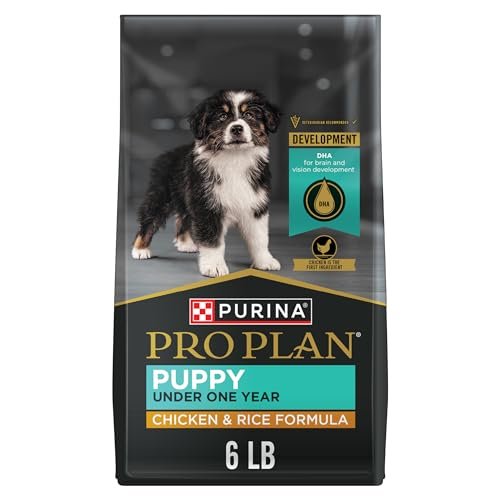
Yes, for puppies that need a food made for growth. IAMS Proactive Health Puppy Chicken is the stronger choice when the adult dog food vs puppy food question involves a young, growing dog. Puppies have a bigger nutrition job. They are building bones, muscles, organs, brain, and vision while also burning energy through play and training.
I like the practical focus here. The recipe provides protein from chicken and eggs and includes omega-3 DHA for cognitive and vision development. That fits the busy puppy stage well. A puppy may go from sleeping to racing across the living room in seconds. Food must keep up. Still, owners should check the feeding guide and choose the correct formula for the puppy’s size and growth needs.
What Makes It Stand Out / Key Features
- Puppy Life StageThe recipe is designed for puppies and their higher nutritional needs during growth.
- High-Quality ProteinChicken and egg ingredients provide protein that supports developing muscles.
- Omega-3 DHADHA supports brain and vision development during the puppy stage.
- Bone And Joint SupportThe formula provides nutrients intended to support developing bones and joints.
- Growth SupportThe recipe is built around the energy and nutrient needs of growing puppies.
- Dry KibbleDry food is easy to portion, store, and use in daily feeding and training routines.
My Recommendation
Consider it for a growing puppy when the label and feeding guide match the puppy’s size and life stage. For a mature dog, choose an adult formula instead.
| Best For | Why |
|---|---|
| Growing puppies | The recipe targets growth and development. |
| Puppies in training | Dry kibble is easy to portion and use as part of a feeding routine. |
| Owners seeking DHA | Omega-3 DHA supports brain and vision development. |
adult dog food vs puppy food: Side-by-Side Test
The adult dog food vs puppy food choice is less about which bag looks better and more about what your dog needs today. A puppy is building a body. An adult dog is maintaining one.
That difference changes the ideal balance of calories, protein, minerals, and other nutrients. It also means that a food made for one life stage may be a poor fit for another. Always check the nutritional adequacy statement and your dog’s size, age, and health.
Life Stage: Who Is It For?
Life stage is the first filter I use when comparing dog foods.
| Feature | Product 1 | Product 2 |
|---|---|---|
| Main target | Mature dogs | Growing puppies |
| Age focus | 7+ years | Puppy stage |
| Growth nutrition | Not the main goal | Core goal |
⭐ Product A – 9/10 | Product B – 10/10
Product 2 has the edge for puppies; Product 1 has the edge for mature dogs.
Protein: Growth Or Maintenance?
Protein helps dogs build and maintain muscle, but the right diet depends on life stage and total nutrient balance.
| Feature | Product 1 | Product 2 |
|---|---|---|
| Protein role | Helps maintain lean muscle | Helps build developing muscle |
| Main need | Maintenance | Growth |
| Best match | Mature dogs | Growing puppies |
⭐ Product A – 9/10 | Product B – 10/10
Product 2 wins for growth, while Product 1 fits the maintenance needs of mature dogs.
Brain And Vision Support
Puppies have fast brain and vision development, so this category matters more during early life.
| Feature | Product 1 | Product 2 |
|---|---|---|
| DHA focus | Not the main selling point | Omega-3 DHA included |
| Development focus | Mature-dog maintenance | Brain and vision development |
| Best match | Senior dogs | Puppies |
⭐ Product A – 7/10 | Product B – 10/10
Product 2 has the clear edge when brain and vision development are the goal.
Kibble Size And Ease
Kibble size can matter when a dog struggles with larger pieces.
| Feature | Product 1 | Product 2 |
|---|---|---|
| Kibble format | Small bites | Dry puppy kibble |
| Ease for small mouths | Strong point | Depends on puppy size and formula |
| Senior-friendly design | Yes | Not the main focus |
⭐ Product A – 10/10 | Product B – 8/10
Product 1 wins this category because its small-bite design is a clear feature.
Bones And Joint Needs
Young dogs need nutrients that support healthy growth, while older dogs need a different maintenance focus.
| Feature | Product 1 | Product 2 |
|---|---|---|
| Growth support | Not the main purpose | Major purpose |
| Bone support | Mature-dog nutrition | Supports developing bones and joints |
| Best match | Older dogs | Growing dogs |
⭐ Product A – 8/10 | Product B – 10/10
Product 2 has the edge because puppy diets must support controlled, healthy growth.
Daily Convenience
Both are dry foods, so storage and portioning are simple for most homes.
| Feature | Product 1 | Product 2 |
|---|---|---|
| Storage | Simple dry-food storage | Simple dry-food storage |
| Portioning | Easy to measure | Easy to measure |
| Daily routine | Simple | Simple |
⭐ Product A – 9/10 | Product B – 9/10
This category is a tie because both fit a simple dry-food routine.
Value For The Right Dog
The best value is not the cheapest bag. It is food that fits the dog’s real needs.
| Feature | Product 1 | Product 2 |
|---|---|---|
| Value for seniors | Excellent | Poor fit |
| Value for puppies | Poor fit | Excellent |
| Long-term fit | Mature-dog stage | Growth stage |
⭐ Product A – 9/10 | Product B – 10/10
The winner depends on the dog, but Product 2 offers the stronger puppy-specific match.
Final Verdict: Which Should You Buy?
The adult dog food vs puppy food question has no single winner. Puppies need growth nutrition, while adult dogs need maintenance nutrition. If you have a puppy, I prefer IAMS Proactive Health Puppy because its formula targets developing muscles, bones, brain, and vision. If you have a mature dog age 7 or older, Hill’s Science Diet Adult 7+ is the more suitable choice.
Think of food as a road map for your dog’s life stage. Use the right map for the road ahead. Also check the label for the correct nutritional adequacy statement, follow feeding directions, and ask your veterinarian about special needs.