How to use apple cider vinegar for dog skin allergies
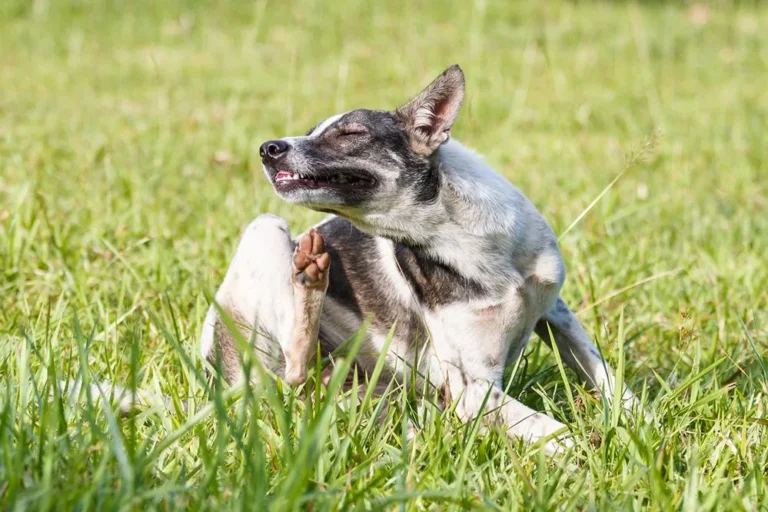
If your dog won't stop scratching, you've probably searched how to use apple cider vinegar for dog skin allergies at least once this week. Most owners land on a quick recipe, mix it up, and apply it, then wonder why the itching got worse, not better.
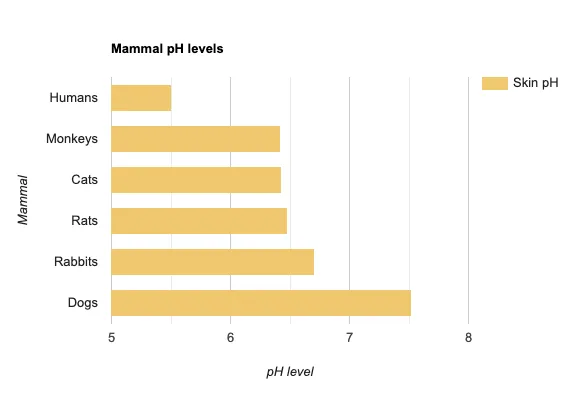
Here's the real story: ACV can help with mild itch and surface yeast when it's diluted properly, but your dog's skin pH sits around 7.0 to 7.5, while undiluted apple cider vinegar runs close to 2.4. That gap is why the same bottle can soothe one dog and burn another. As of 2026, veterinary dermatologists still treat ACV as a support, not a cure, so the goal here is simple: use it safely, know when to stop, and avoid the mistakes that turn a $4 bottle into an expensive vet visit.
Quick Answer
Mix raw, unfiltered apple cider vinegar with cool water at a 1:1 ratio for healthy adult body skin. Use a 1:4 mix on the face, paws, and puppies. Spray or sponge it onto clean, intact skin only.
Patch test for 24 hours first. Stop if redness or extra scratching appears, and see your vet for broken skin, hot spots, or ongoing itching.
What Apple Cider Vinegar Actually Does (and Doesn't Do) for Dog Skin Allergies
ACV gets credit for a lot online, and a lot of that credit is overblown. In our research, the realistic picture is much narrower, and a lot more useful, than the miracle claims suggest.
ACV is a mild antimicrobial and antifungal. The acetic acid in it can lower surface pH just enough to slow down yeast and some bacteria on the skin. That's the reason it sometimes helps with that faint "Frito feet" smell or slightly yeasty skin folds.
It also has a mild anti-itch effect for some dogs, mostly because a cooler, slightly acidic rinse feels soothing after a warm bath.
What it doesn't do is treat the actual allergy. Atopic dermatitis, flea allergy dermatitis, food-driven skin reactions, and contact allergies all need a different plan. ACV won't desensitize your dog to pollen.
It won't kill fleas. It won't replace a hypoallergenic diet trial, prescription Apoquel, or Cytopoint injections. Veterinary dermatologists at university teaching hospitals (the kind linked through the American College of Veterinary Dermatology) treat ACV as a support tool, not a therapy.
Think of it this way. ACV is the rinse that helps the coat feel better between the real treatments. The real treatment depends on what kind of allergy your dog actually has, which is a question your vet can answer in one visit.
A few things have to be true before ACV even belongs in your routine:
- The skin must be intact. No scabs, no raw patches, no bleeding, no hot spots.
- You need to know the itch source. Random itching, ear scratching, paw licking, and face rubbing can each mean different things.
- You're using it as a support, not a stand-in for a vet visit.
If those three don't line up, the bottle stays in the pantry.
Why Dog Skin Is Different: The pH Problem Most Owners Miss
Most owners don't realize dog skin is nearly neutral, while human skin leans acidic. That single fact explains most of the ACV mistakes we see online.
| Surface | Typical pH | What that means |
|---|---|---|
| Healthy adult dog skin | ~7.0 to 7.5 | Slightly alkaline, built to host healthy bacteria |
| Puppy skin | Slightly more neutral | More sensitive to acidic products |
| Apple cider vinegar (undiluted) | ~2.4 to 3.0 | Roughly 10,000× more acidic than dog skin |
| Diluted 1:1 ACV mix | ~2.7 to 3.3 | Still acidic, but tolerable on healthy skin |
| Diluted 1:4 ACV mix | ~3.3 to 3.7 | Mildly acidic, gentle enough for face and paws |
Acidity isn't bad on its own. A mildly acidic rinse can crowd out yeast and some bacteria. The problem is the gap between undiluted ACV and dog skin.
Pour the straight stuff onto a hot spot and you'll cause real chemical irritation on top of the allergy.
A few practical rules follow from that pH gap:
- Never use undiluted ACV on a dog, ever. Not for shine, not for fleas, not for "extra strength."
- Dilute more for thinner skin. Faces, bellies, ears, and paws are more reactive than a thick Labrador back.
- Skip ACV entirely on broken skin. Acid on an open wound stings and slows healing.
- Bathing with a harsh shampoo first makes things worse. Stripped skin plus ACV equals irritation.
Once you accept that dog skin is closer to neutral than acidic, the rest of the article gets easier. Every dilution below is just a way to keep the acidity in a range the skin can handle.
The Honest Pros and Cons of ACV for Dogs
No home remedy is all upside. Here's the balanced read from aggregate user reports and veterinary guidance.
Pros:
- Cheap. A 16 to 32 ounce bottle runs $3 to $8 and lasts weeks.
- Easy to mix at home with water you already have.
- Mild deodorizing effect on coat and skin folds.
- Helpful as a final rinse after a medicated shampoo.
- Useful as a post-walk paw wipe to reduce surface pollen and grass allergens.
Cons:
- Won't treat the underlying allergy, only the surface feel.
- Stings badly on raw, scratched, or hot-spot skin.
- Vinegar smell lingers for an hour or two.
- Can disrupt the skin barrier if used too often.
- Internal use (in water) carries tooth enamel and GI risks, and lacks solid evidence.
If the cons feel heavier than the pros for your dog, that's the answer. Skip it. There are better-supported options in the next sections.
Is ACV the Right Move? A Simple Decision Guide
Before mixing anything, run through this quick branch. It saves a lot of regret.
Mild Seasonal Itching with Healthy Skin
Use a 1:1 ACV and water spray after a gentle bath. Apply to itchy spots only, not the whole coat. If itching drops within a few days, you've got a useful support tool.
Itchy Paws After Walks
Use a 1:4 ACV and water paw soak in a shallow dish for 30 to 60 seconds after walks. Pat paws dry. Rinse with plain water if your dog licks them aggressively afterward.
Smelly or Slightly Yeasty Skin Folds
Use the 1:1 spray on a clean cloth and wipe the folds once daily for up to a week. Watch for redness. If smell returns quickly, the issue likely needs medicated wipes, not ACV.
When ACV Should Stay in the Cabinet
- Open wounds, scabs, or bleeding skin
- Hot spots that are moist, red, or oozing
- Inside ears or near the eyes
- Puppies under 12 weeks without vet guidance
- Dogs with chronic illness, on medication, or with a known seizure history
When in doubt, the answer is don't apply it yet. A vet visit first beats a chemical burn second.
Step-by-Step: How to Dilute and Apply ACV Safely
Now that you've decided ACV fits the situation, here's the actual routine. The dilution ratios matter more than the brand you buy.
Tools and Materials
| Item | What to grab |
|---|---|
| Apple cider vinegar | Raw, unfiltered, with "the mother" (organic is fine) |
| Water | Cool, filtered if your tap is hard |
| Spray bottle | Clean, 8 to 16 oz, dedicated to pet use |
| Soft cloth or sponge | For spot treatment |
| Measuring cup | For accurate 1:1 or 1:4 ratios |
| Towel | For drying paws and skin folds |
The 1:1 Body Dilution (Standard Mix)
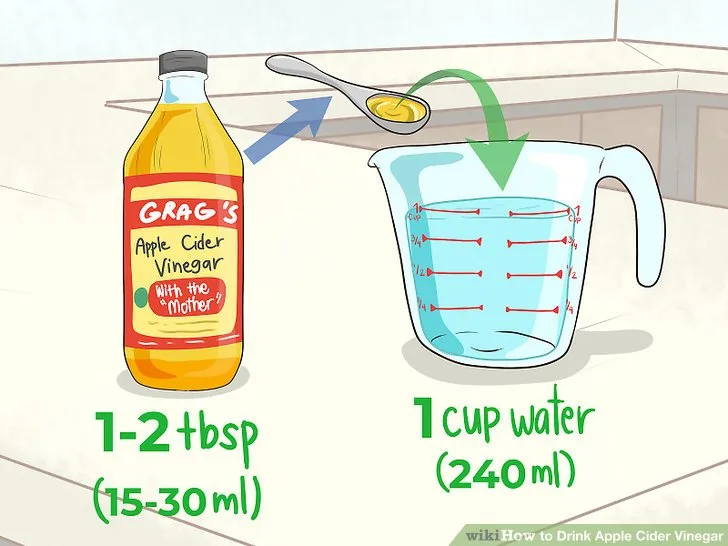
Mix equal parts ACV and cool water. This is your default for healthy adult body skin on thick-coated breeds. Pour into a spray bottle.
The 1:4 Face, Paw, and Puppy Mix
Mix one part ACV to four parts water. Use this on the face, paws, belly, ears (outer only), and on puppies. Gentler on thinner skin.
Spray Bottle Method
After a bath or between baths, mist the affected area lightly. Don't soak the coat. A few passes is enough.
Sponge-On Spot Treatment
Soak a soft cloth in your dilution and dab onto hot spots or skin folds. Good for dogs who dislike sprays.
Post-Walk Paw Soak Routine
Pour your 1:4 mix into a shallow dish. Have your dog stand in it for 30 to 60 seconds. Pat dry.
Wipe down the leg fur up to the wrist.
Final Rinse After a Medicated Bath
After a 10-minute medicated shampoo contact time, dilute your ACV mix in a pitcher and pour it over the coat as a final rinse. Don't rinse it off. Let it air dry.
The 24-Hour Patch Test
Before any full application, dab a coin-sized spot behind the ear or on the inner thigh. Wait 24 hours. Redness, hives, or extra scratching means skip ACV and call your vet.
How Often to Use It Without Overdoing It
Frequency is where most owners quietly turn ACV from helpful to harmful. The skin barrier recovers slowly, and daily acidic rinses can dry it out even when the dilution is correct.
For most healthy adult dogs, two to three sessions per week is a sensible starting point. Between those sessions, rinse with plain water after walks or muddy play. If the coat starts feeling dry or rough, drop back to once a week.
For puppies and sensitive-skin dogs, once a week is plenty. Watch the ears, belly, and armpits, which are the first spots to show irritation from any rinse.
A simple weekly rhythm looks like this:
| Day | Routine |
|---|---|
| Monday | 1:1 ACV spray on itchy body spots after a gentle bath |
| Wednesday | Plain water paw rinse after walks |
| Friday | 1:4 ACV paw soak, plus sponge-on for any skin folds |
| Sunday | Plain water rinse only |
If you're using ACV as a final rinse after a medicated shampoo, don't add a separate ACV session the same week. One acid exposure per bath is enough.
Mistakes That Can Make Allergies Worse
Most of the ACV problems we see come from a small set of repeat mistakes. None of them are exotic, and all of them are easy to avoid once you spot them.
Applying ACV to Raw, Broken, or Hot Skin
This is the single biggest error. Acid on an open wound hurts, slows healing, and can cause real chemical burns. If you can see pink flesh, moisture, or scabs, ACV doesn't belong there.
Use a vet-approved antiseptic wash instead.
Using Undiluted ACV "Because It's Stronger"
Stronger is not better when the skin is already inflamed. Aggregate reviews from owners who skipped dilution report redness, peeling, and a worse itch cycle a day later. Dilution isn't optional.
Treating the Wrong Problem
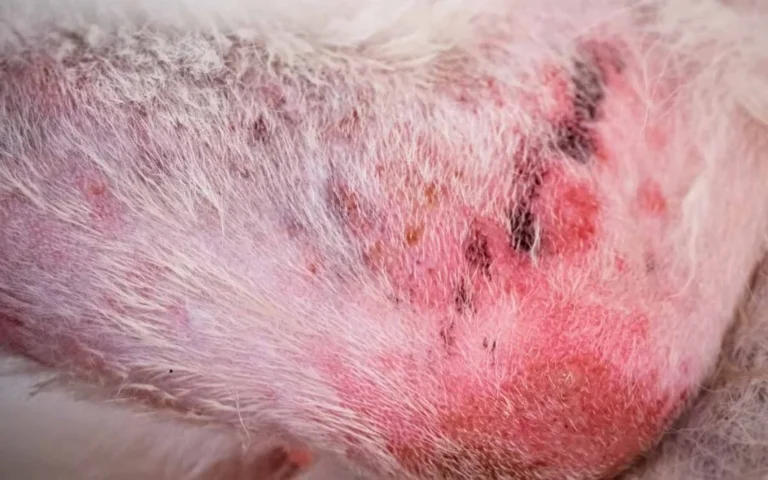
If the itch comes with hair loss in one patch, crusty edges, or black specks in the coat, the cause may be mange, ringworm, or a flea infestation. ACV does nothing for any of those. Misreading the source means weeks of wasted home treatment while the real issue spreads.
Pouring ACV Into the Water Bowl Without Vet Input
A small splash in water sounds harmless. The trouble is dogs who don't like the taste may stop drinking, which can be dangerous in warm weather. Long-term, the acetic acid can erode tooth enamel and upset the stomach.
Skip internal use unless your vet specifically suggests it.
ACV vs. Other Home Remedies (and When Meds Win)
ACV sits in a crowded field of home remedies. Most are gentler, some are better studied, and a few are overhyped.
ACV Rinse vs. Oatmeal Soak
Colloidal oatmeal soaks are better for dry, itchy skin without a yeast smell. They're neutral, soothing, and safe on mildly inflamed skin. ACV is better when there's a faint odor or slight greasiness that hints at surface yeast.
For very irritated skin, oatmeal wins every time.
ACV Spray vs. Chlorhexidine or Medicated Shampoo
Chlorhexidine, miconazole, and benzoyl peroxide shampoos are vet staples for bacterial and fungal overgrowth. They outperform ACV for anything beyond mild surface issues. Use ACV between medicated baths.
Use the medicated shampoo for the bath itself.
ACV vs. Coconut Oil or Aloe Topicals
Coconut oil is moisturizing but can clog pores and feed yeast in some dogs. Aloe vera (pure, from a vet-trusted source) is cooling and safe on mild irritation. Both are gentler than ACV on broken skin, and both are weaker than ACV on yeast.
Home Care vs. Apoquel and Cytopoint
For moderate to severe atopic dermatitis, prescription options work because they target the allergic inflammatory pathway. ACV can't touch that pathway. If your dog is losing sleep, getting skin infections, or itching year-round, prescription therapy through your vet is the faster, kinder route.
| Method | Best for | Weakness |
|---|---|---|
| Diluted ACV rinse or spray | Mild surface yeast, healthy skin | Stings broken skin, smells strong |
| Oatmeal soak | Dry, itchy skin, sensitive dogs | Weak on yeast and bacteria |
| Chlorhexidine shampoo | Bacterial overgrowth | Drying if used too often |
| Apoquel or Cytopoint | Moderate to severe allergies | Prescription only, costlier |
Red Flags: When to Stop Home Treatment and Call Your Vet
Home care has a ceiling. These are the signs you've hit it.
- Open sores, scabs that keep reopening, or bleeding skin
- Hot spots that grow quickly or ooze
- A foul smell from ears, paws, or skin folds
- Itching that interrupts sleep every night
- Hair loss in patches, especially with crusting
- Repeated head shaking or ear scratching
- Any sign of facial swelling or hives, which can signal an allergic reaction
These signs mean the underlying condition needs prescription treatment, not a different dilution. A quick vet visit now usually beats a long, frustrating round of home care later.
Building a Smarter Routine Around ACV (Allergies, Bathing, Diet)
ACV works best when it's one piece of a broader routine. Pair it with the few things that have stronger evidence behind them.
Start with bathing. A gentle, hypoallergenic shampoo every one to two weeks clears allergens from the coat without stripping the skin. Add the ACV final rinse on bath day only.
Next, address fleas. Even one flea bite a week can keep a flea-allergic dog itching nonstop. Use a vet-recommended flea preventive year-round in warm regions and seasonally elsewhere.
For diet, an omega-3 fatty acid supplement (fish oil) has decent research behind it for atopic dermatitis. It won't replace medication for severe cases, but it can lower baseline itch over four to six weeks. Food allergy trials take longer, typically eight to twelve weeks on a novel or hydrolyzed protein diet, and need vet supervision.
Finally, wipe paws and belly after walks. A damp cloth does more than an ACV spray for removing pollen and grass allergens before they soak into the skin. ACV works on top of that, not instead of it.
If you keep this kind of layered routine, ACV earns its place without taking on jobs it can't handle.
Frequently Asked Questions About ACV for Dog Skin Allergies
Can I spray apple cider vinegar directly on my dog's skin?
Only when it's diluted, usually 1:1 with water for healthy body skin or 1:4 for the face and paws. Never spray undiluted ACV, and never spray it on broken, raw, or inflamed skin. Patch test a small area 24 hours before any full application.
How long does it take to see results on itchy skin?
If ACV is going to help, most owners see a small drop in scratching within three to five days of correct use. If there's no change after two weeks of consistent, diluted application, the cause of the itch likely needs prescription treatment.
Is it safe for puppies?
Use a weaker 1:4 dilution and limit use to once a week. Avoid the face, ears, and belly on young puppies unless your vet says otherwise. Skip internal use entirely for puppies under 12 weeks.
Does ACV work for flea bites or flea allergy dermatitis?
It does not kill fleas and it does not treat the allergic reaction to flea saliva. Effective flea control requires a year-round preventive recommended by your vet, plus environmental treatment for the home.
Can I use ACV if my dog is on Apoquel or Cytopoint?
Yes, diluted ACV rinses don't interfere with these medications. Apply the rinse at a different time of day from oral meds, and skip ACV on any skin that looks broken or infected.
Will the vinegar smell bother my dog?
Some dogs dislike the smell and may shake off or try to lick the area. The odor fades within one to two hours as it dries. If your dog strongly resists the spray, switch to a sponge-on application, which holds less scent.
The Final Word on ACV for Dog Skin Allergies
ACV earns its spot when it's diluted, used on intact skin, and treated as one part of a layered routine. Skip it on raw patches, skip it on hot spots, and skip it when the itching has gone on for weeks without improvement.
If you remember nothing else, remember the dilution math: 1:1 for body skin, 1:4 for face and paws, never straight. Run the patch test, watch for redness, and keep your vet in the loop on anything that smells, oozes, or keeps your dog up at night.
For more on canine skin health and allergy management, the Cornell University College of Veterinary Medicine resource library is a solid place to read further.