
How to allergy test a dog: The Complete Guide
If your dog won't stop scratching, licking their paws, or shaking their head, you're probably wondering how to allergy test a dog and actually get useful answers. The truth is, dog allergy testing isn't one single test. It's a decision tree that depends on your dog's age, symptom pattern, and what you've already ruled out.
Done right, testing pinpoints the trigger and opens the door to long-term relief instead of a lifetime of pills.
Most cases start with a vet visit, then narrow down through parasite control, a possible food trial, and finally targeted testing. Per the American College of Veterinary Dermatology, intradermal skin testing remains the gold standard for environmental allergies, while serum IgE blood tests are a solid alternative when sedation or drug withdrawal isn't possible. Expect to budget between $150 and $600 depending on the test type, and plan on at least 8 to 12 weeks if a food elimination trial is part of the workup.
Below, we'll walk through what to look for, what to skip, and exactly when to escalate to a board-certified dermatologist.
Quick Answer
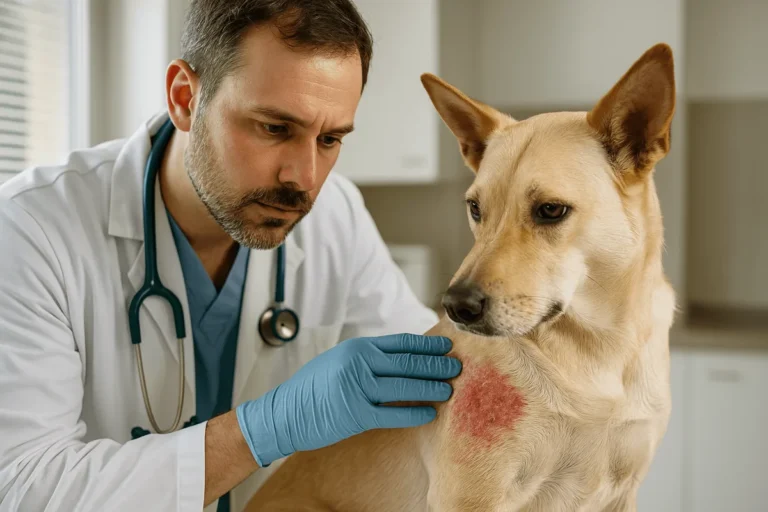
Dog allergy testing starts at your vet, not online. The vet rules out fleas and infections first. Then they choose between intradermal skin testing and a serum IgE blood test.
Food allergies need an 8 to 12 week elimination diet, not a blood panel. Testing costs $150 to $600. Results guide immunotherapy or targeted avoidance.
Is Your Dog's Scratching Worth an Allergy Test? Quick Answer
Not every itchy dog needs an allergy test. If the scratching started two days ago after a new dog shampoo, you're probably looking at contact irritation, and it will resolve on its own. If your dog has been scratching, licking, or getting recurrent ear infections for more than a few weeks, that's when testing starts to pay off.
Here's a quick gut check:
- Under 6 months old: Allergies are unlikely. Parasites, food sensitivities, or infections are more probable.
- 6 months to 1 year: Watchful waiting is reasonable, but recurring symptoms warrant a vet visit.
- 1 to 3 years: Classic window for atopic dermatitis to show up. Testing is often worthwhile.
- 3+ years with chronic symptoms: Testing plus an elimination diet is the standard path.
If your dog is also losing fur, developing hot spots, or getting yeasty ears on repeat, skip the "wait and see" phase and book the appointment.
What Dog Allergies Actually Look Like (And Why It's Hard to Tell at First)
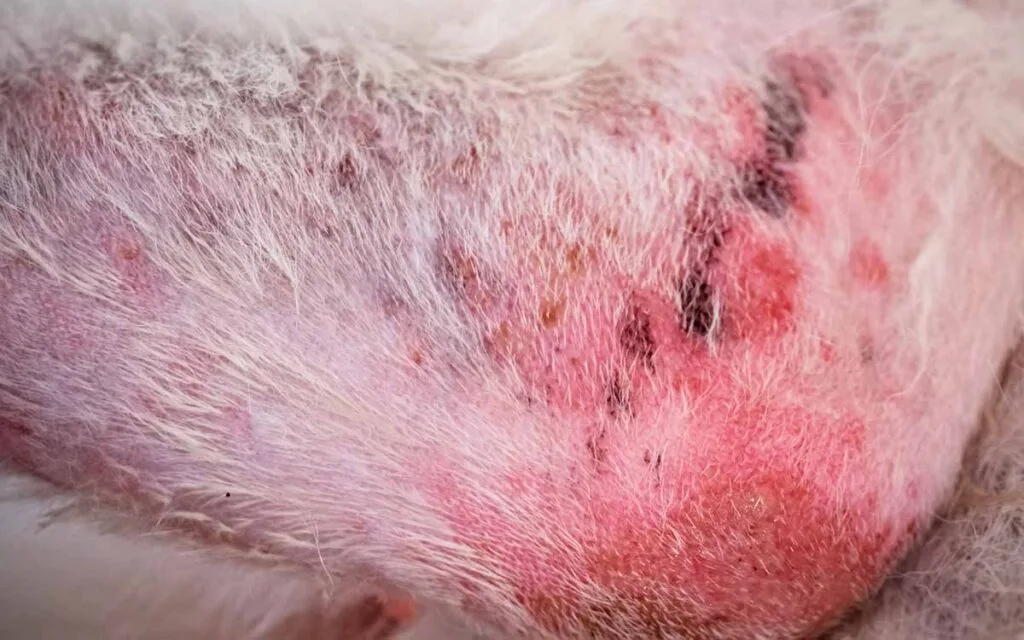
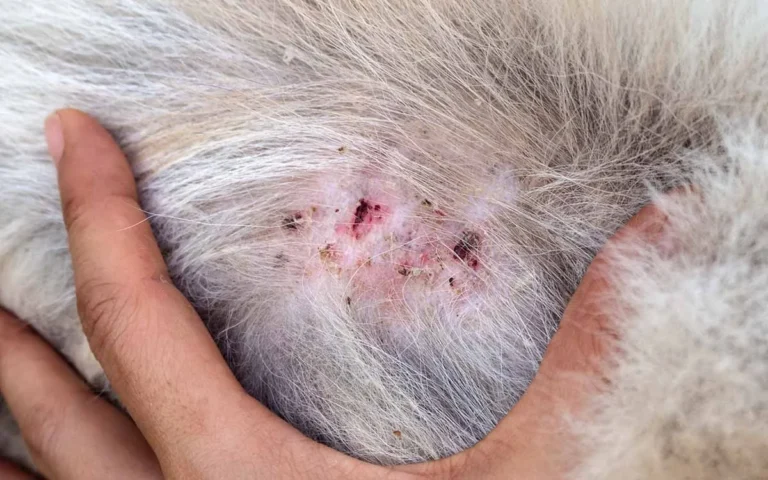
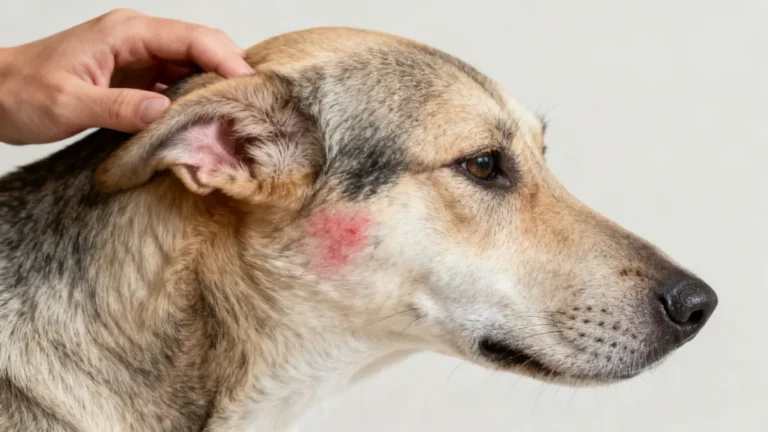
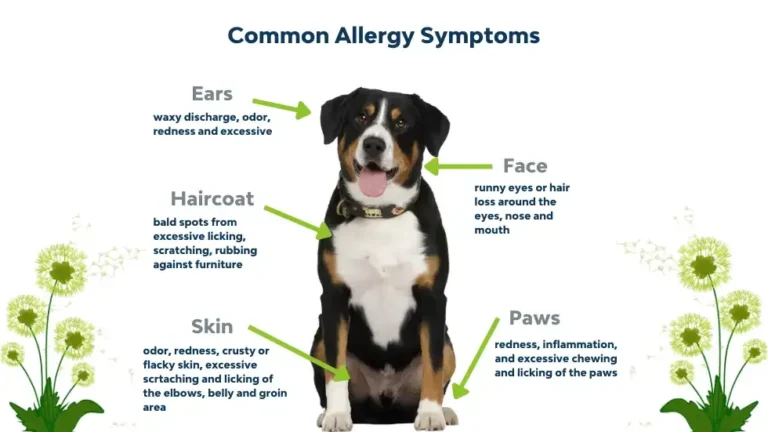
Dog allergies don't look the way human allergies do. There's rarely a runny nose or watery eyes. Instead, you'll see skin: red belly, stained paws from constant licking, ear gunk that won't quit, or a hot spot that came out of nowhere.
Common signs worth noting:
- Scratching at ears, armpits, groin, or paws
- Red or darkened skin between the toes
- Recurrent ear infections (yeast or bacterial)
- Hair loss along the flanks or tail base
- Face rubbing on carpet or furniture
- Hot spots (acute moist dermatitis)
Why owners misread these signs
Most owners assume "fleas" first, treat for fleas, and see partial improvement. That partial response is misleading, because flea allergy dermatitis often coexists with environmental allergies. According to veterinary references like the Merck Veterinary Manual, flea allergy is the most common allergic skin disease in dogs, and it's a layer, not the whole story.
The other common confusion is food vs. environment. Both can cause identical itch patterns. A dog chewing their feet in July could be reacting to grass pollen, chicken in their kibble, or both.
Without testing or a diet trial, you're guessing.
The Three Real Allergy Categories in Dogs
Before any test makes sense, you need to know what's actually being tested. Dogs deal with three distinct allergy types, and they don't all respond to the same approach.
Flea allergy dermatitis (FAD)
A reaction to flea saliva, triggered by even one or two bites. The classic sign is intense scratching over the lower back, tail base, and hind legs. Treatment is aggressive flea control, not allergy testing.
If your dog isn't on a prescription flea preventative year-round, this should be addressed before anything else.
Environmental allergies (atopic dermatitis)
Reactions to pollens, molds, dust mites, or dander. These are seasonal in some dogs and year-round in others, depending on geography and triggers. This is the category that intradermal skin testing and serum IgE tests are designed to detect.
Atopic dermatitis typically shows up between ages 1 and 3.
Food allergies (cutaneous adverse food reaction)
Reactions to specific protein sources, most often beef, dairy, chicken, or wheat. Symptoms are usually non-seasonal and often include gastrointestinal signs like soft stool or frequent gas. Food allergies can't be reliably diagnosed with a blood or skin test.
The only valid test is an elimination diet trial lasting 8 to 12 weeks.
| Category | Best diagnostic method | Treatable with immunotherapy? |
|---|---|---|
| Flea allergy | Response to strict flea control | No |
| Environmental | Intradermal skin test or serum IgE | Yes (60 to 80% respond) |
| Food | Elimination diet trial | No (avoidance-based) |
Before Any Test: Ruling Out Fleas, Infections, and Other Mimics
Every veterinary dermatologist will tell you the same thing: don't test until the obvious stuff is ruled out. Testing a dog with an active skin infection gives you noisy, unreliable results and wastes money.
Step 1: Confirm flea control is solid
Even if you don't see fleas, your dog may still be getting bitten. Use a prescription adulticide like those recommended by the American Animal Hospital Association for at least 8 to 12 weeks before assuming FAD is off the table. A flea comb and visual check help, but they're not enough on their own.
Step 2: Treat secondary infections
Itchy dogs breed bacteria and yeast. If the skin is red, scabby, or smells off, your dog likely needs antibiotics or antifungals for 3 to 4 weeks before any allergy testing. Testing inflamed skin produces false positives.
Step 3: Consider skin cytology
A quick in-clinic test where your vet presses a microscope slide to the skin and looks under magnification. It takes 10 minutes and tells you whether bacteria, yeast, or both are present. Skip this and you'll treat the wrong problem.
Step 4: Discuss drug timing
Antihistamines need to be stopped 7 to 14 days before skin testing. Oral steroids like prednisone require a 4 to 6 week washout. Apoquel (oclacitinib) needs about 14 days off.
Cytopoint (lokivetmab) can stay in the system for 6 to 8 weeks and may interfere with results. Your vet will set the timeline based on what your dog is currently taking.
Decision Point: Does Your Dog Need a Test, a Diet Trial, or Just Symptom Control?
Here's where the decision tree branches. The right next step depends on your dog's symptom pattern and history.
If symptoms are seasonal (same months every year)
Your dog likely has environmental allergies. A serum IgE blood test or intradermal skin test during the symptomatic season makes sense, because allergen levels and immune responses are at their peak.
If symptoms are year-round with no clear pattern
Food allergy is on the table, especially if there's any GI involvement. Run an elimination diet trial first, before spending money on environmental testing. The two most common mistakes are testing too early and treating food allergies like environmental ones.
If symptoms started under age 1
Hold off on allergy testing. Puppy itch is usually parasites, food, or demodectic mange. A vet should examine skin scrapings before allergy testing is even considered.
If symptoms are mild and infrequent
Symptomatic treatment (Apoquel, Cytopoint, antihistamines) may be enough. Allergy testing pays off most when you want long-term immunotherapy or precise trigger avoidance, not when a single pill every few weeks solves the itch.
| Situation | Recommended next step |
|---|---|
| Seasonal scratching, otherwise healthy | Environmental allergy test |
| Year-round itch, any GI signs | Elimination diet trial first |
| Puppy under 12 months | Skin scrapings, parasite check |
| Mild, infrequent flare-ups | Monitor, treat as needed |
| Chronic, unresponsive to meds | Dermatology referral |
How the Elimination Diet Trial Works (And When It's the Right Starting Point)
The elimination diet is the only reliable way to diagnose food allergies in dogs. No blood test, saliva kit, or skin test can do this job, because food allergy tests have not been validated in dogs for this purpose.
Here's how it works in practice:
- Pick a novel protein and carbohydrate your dog has never eaten (rabbit and sweet potato, venison and peas, or hydrolyzed prescription food).
- Feed ONLY that for 8 to 12 weeks. No treats, table scraps, flavored meds, or flavored toothpaste.
- If symptoms improve, reintroduce old foods one at a time and watch for flare-ups.
- The food that triggers a flare-up is the culprit.
Most owners underestimate how strict this has to be. A single chicken-flavored heartworm chew can break the trial. Plan ahead, hide the treats, and tell everyone in the house.
Serum IgE Blood Testing: What It Measures, What It Misses
A serum IgE test is a simple blood draw that measures antibodies your dog's immune system makes against specific allergens. Panels typically test 40 to 80 environmental allergens, with regional versions tailored to your area.
Strengths:
- No sedation required
- No need to stop Apoquel or Cytopoint as long
- Easy to access through any general practice vet
Weaknesses:
- Higher false positive rate than skin testing
- Less reliable for food allergens
- Can show sensitization that isn't clinically relevant (meaning the dog makes antibodies but doesn't actually react)
Think of serum testing as a strong screening tool, especially when intradermal testing isn't practical due to age, health, or drug constraints.
Intradermal Skin Testing: The Gold Standard, Step by Step
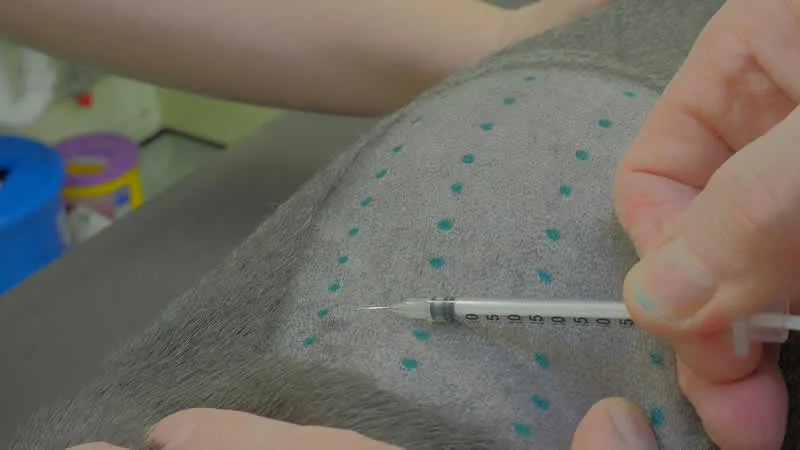
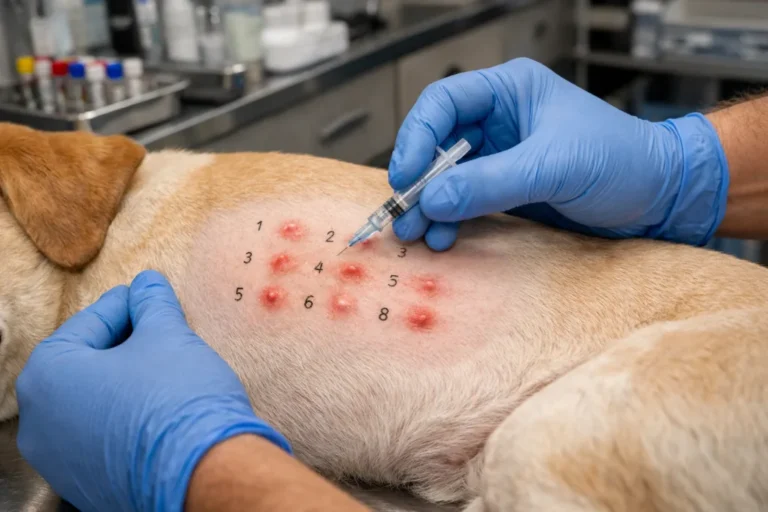
Intradermal skin testing (IDST) is what board-certified dermatologists consider the most accurate method for environmental allergies. It involves injecting tiny amounts of allergens just under the skin on a shaved patch, usually the lateral chest or abdomen, and measuring the wheal (raised bump) that forms over 15 to 20 minutes.
The workflow:
- Your dog is sedated, though general anesthesia isn't used
- About 40 to 60 allergens are injected in a grid pattern
- Positive (histamine) and negative (saline) controls confirm the test is working
- Wheal sizes are measured and graded
- Results are used to formulate allergen-specific immunotherapy (ASIT)
The catch: drugs must be withdrawn before testing. Antihistamines off for 7 to 14 days. Oral steroids off for 4 to 6 weeks.
Apoquel off for about 14 days. Cytopoint can linger for 6 to 8 weeks. This is why many general vets refer out rather than run IDST themselves.
Success rates for IDST-guided immunotherapy are strong. Per ACVD clinical data, roughly 60 to 80% of dogs show meaningful improvement within 6 to 12 months of starting ASIT.
Direct-to-Consumer Saliva and Hair Kits: Why Most Vets Don't Trust Them
Walk through the online listings and you'll see plenty of dog allergy tests you can do at home. Mail in saliva, hair, or fur, get a PDF back listing "sensitivities." It feels convenient, and it's significantly cheaper ($80 to $200).
Here's why veterinary dermatologists don't recommend them:
- No peer-reviewed validation in dogs
- High false positive rate (90%+ in some published studies)
- Cannot distinguish between sensitization and true allergy
- Results often conflict with each other between brands
- Most don't meet AAHA or ACVD diagnostic standards
The biggest risk is acting on a false result. A dog that doesn't actually need a lamb and pea elimination diet ends up on one for 12 weeks, while the real trigger (dust mites, pollen, fleas) goes unmanaged. We've seen this delay proper treatment by months.
If budget is the concern, talk to your vet about staged testing or referral to a teaching hospital. Direct-to-consumer kits are a last resort, not a first move.
Comparing the Main Allergy Testing Options for Dogs
Here's the side-by-side breakdown most owners actually want. Each test has a clear "best for" scenario, and a clear "skip it" scenario.
| Test type | Best for | Cost range | Sedation needed | Drug washout | Reliability for food allergies |
|---|---|---|---|---|---|
| Elimination diet trial | Suspected food allergy | $200 to $800 | No | None | Excellent (gold standard) |
| Serum IgE blood test | Can't sedate, can't withdraw drugs | $150 to $400 | No | Minimal | Poor |
| Intradermal skin test | Environmental allergy confirmation | $200 to $600 | Yes (light) | 2 to 6 weeks | Not used |
| Direct-to-consumer saliva/hair | None (not validated) | $80 to $200 | No | None | Unreliable |
Which one is right for your dog?
- Seasonal scratching, otherwise healthy: intradermal skin test during peak season
- Can't withdraw meds or dog has heart issues: serum IgE test
- Year-round symptoms with GI signs or any suspicion of food: elimination diet first
- Mild, managed symptoms with no testing goals: symptomatic treatment only
If you're unsure, a vet visit is cheaper than guessing wrong. Most general practice vets can order serum IgE panels in-house and refer to a dermatologist if intradermal testing becomes the next step.
Prepping Your Dog for an Accurate Allergy Test
Prep work matters as much as the test itself. A botched prep produces unreliable results and means doing it all over again.
- Stop antihistamines 7 to 14 days out
- Stop oral steroids 4 to 6 weeks out
- Stop Apoquel about 14 days out
- Plan around Cytopoint's 6 to 8 week window
- Bathe the day before if your vet recommends, so skin is clean but not inflamed
- Note symptom flares so you can match results to real-world triggers
Talk to your vet before stopping any prescribed medication. Some drugs can be tapered, others can't. Never go cold turkey on long-term steroids without guidance.
Reading and Interpreting Your Dog's Allergy Results
Test results come back as a list of allergens graded by reaction strength. For skin tests, this is wheal size. For serum tests, it's an IgE score from 0 to 5 or similar.
The interpretation rule most owners miss: a positive result means sensitization, not necessarily clinical allergy. Your dog might react on paper to Bermuda grass but only flare when ragweed peaks. That's why vets pair test results with your dog's symptom diary.
For food panels specifically, treat any positive with skepticism. The only reliable confirmation is the elimination diet challenge phase, where you reintroduce foods and watch for a flare.
Choosing Immunotherapy Based on Test Results
If testing confirms environmental allergens, allergen-specific immunotherapy (ASIT) is the long-term treatment. It's custom-formulated based on your dog's exact reaction profile.
Two delivery formats:
- Subcutaneous allergy shots (SCIT): given at home, usually every 1 to 2 weeks
- Sublingual immunotherapy (SLIT): drops under the tongue, daily
Both take 3 to 12 months to show full effect. About 60 to 80% of dogs respond, per ACVD clinical data, and responders often reduce or eliminate other medications over time.
Common Mistakes Owners Make During Dog Allergy Testing
These are the pitfalls we see most often, and they all delay proper treatment:
- Testing too early before ruling out fleas and infections
- Using a direct-to-consumer saliva kit as a primary diagnostic
- Skipping the elimination diet when food allergy is possible
- Stopping medications wrong, producing invalid results
- Acting on borderline IgE positives without a symptom diary
- Expecting immunotherapy to work in weeks instead of months
- Reintroducing old foods too soon after an elimination trial
What Dog Allergy Testing Actually Costs in 2025
Costs shift by region and clinic type, but as of 2026, these are the ranges we'd expect across most U.S. metro areas:
- General vet consultation: $75 to $150
- Skin cytology and basic workup: $50 to $120
- Serum IgE blood panel: $150 to $400
- Intradermal skin test (specialist): $200 to $600
- Elimination diet (food cost over 12 weeks): $200 to $800
- Custom ASIT serum, first year: $400 to $1,200
Pet insurance with wellness add-ons sometimes covers part of the diagnostic workup. Pre-existing condition exclusions are the usual catch, so enroll early if you have a breed at risk for atopy.
When to Skip Testing and See a Veterinary Dermatologist Right Away
Some dogs don't have time for staged testing. If symptoms are severe, unresponsive to medication, or come with hair loss and skin thickening, ask your vet for a referral to a board-certified dermatologist.
Urgent referral signs:
- Constant scratching that disrupts sleep
- Recurrent ear infections more than 3 times a year
- Skin that's thickened, blackened, or oozing
- No response to Apoquel or Cytopoint after 4 weeks
- Puppy under 1 year with severe itch
Dermatologists can run intradermal testing on-site, formulate ASIT, and manage complex cases your general vet may not have equipment for. Wait times vary, so book early.
Frequently Asked Questions
How accurate are dog allergy tests?
Intradermal skin testing is the most accurate for environmental allergens when drug washout is followed correctly. Serum IgE tests run a close second for screening. Food allergy blood tests are unreliable, and the elimination diet is the gold standard there.
How much does dog allergy testing cost?
Expect $150 to $600 for environmental testing, plus $200 to $800 if an elimination diet is needed. Custom immunotherapy runs $400 to $1,200 in the first year.
Can I allergy test my dog at home?
You can collect saliva or hair and mail it, but veterinary dermatologists don't trust those results for diagnosis. They're useful at most as a conversation starter with your vet.
How long does allergy testing take from start to finish?
Plan 4 to 6 weeks for drug washout, 1 to 2 hours for the appointment itself, and 8 to 12 weeks if an elimination diet is part of the workup.
At what age can a dog be allergy tested?
Most vets recommend waiting until at least 12 months for intradermal skin testing. Serum IgE can be done sooner, but results are less reliable in very young dogs.
Is allergy testing worth it for an older dog?
Yes, if symptoms affect quality of life. Older dogs respond to immunotherapy just like younger ones, though the prep window for drug washout can be longer if they're on multiple medications.

2 Comments