How to cure dog allergies naturally: Essential Guide
If your dog won't stop scratching, licking their paws, or shaking their head, you've probably already typed "how to cure dog allergies naturally" into a search bar at midnight. You're not alone. Skin and food allergies are among the top reasons dogs end up at the vet, and the pull toward gentle, drug-free relief is strong, especially when you want to avoid long-term medications like Apoquel or steroids.
The good news: there are real, evidence-backed natural strategies that can genuinely calm mild to moderate allergies. A 2025 review in Veterinary Dermatology noted that omega-3 supplementation produced measurable improvements in canine atopic dermatitis within 8 to 12 weeks. The catch is that "natural" doesn't mean "harmless," and what works for one dog can do nothing for another.
Let's walk through what's worth trying, what's risky, and how to build a plan that actually fits your dog.
Quick Answer
Most natural dog allergy remedies target symptoms, not the cause. Omega-3s, quercetin, coconut oil, and elimination diets have the strongest evidence. Severe reactions still need a vet, not home care.
Always rule out fleas, infection, or food triggers before supplementing.
Why "Natural" Dog Allergy Treatment Needs a Reality Check First
The word "natural" feels reassuring, but in canine health, it's not a safety label. Some of the most toxic things you can give a dog, including xylitol, garlic, and tea tree oil, are completely natural. And some "natural cures" floating around online have zero published research behind them.
Here's the honest framework we use:
- Natural remedies work best for mild to moderate symptoms, not anaphylaxis or raging hot spots.
- They support the immune system and reduce inflammation. They rarely replace prescription drugs entirely.
- "Natural" should mean evidence-backed and appropriately dosed, not "trendy" or "Instagrammable."
If your dog is swelling, vomiting, having trouble breathing, or developing open sores, skip this article and head to an emergency vet. Everything below assumes your dog is stable, just itchy, and you're trying to do better than constant steroids.
What Dog Allergies Actually Look Like (and Why It's Hard to Self-Diagnose)
Before you reach for any supplement, you need a rough idea of what you're dealing with. Dog allergies fall into three big buckets, and the natural treatment differs for each.
Environmental Allergies (Atopic Dermatitis)
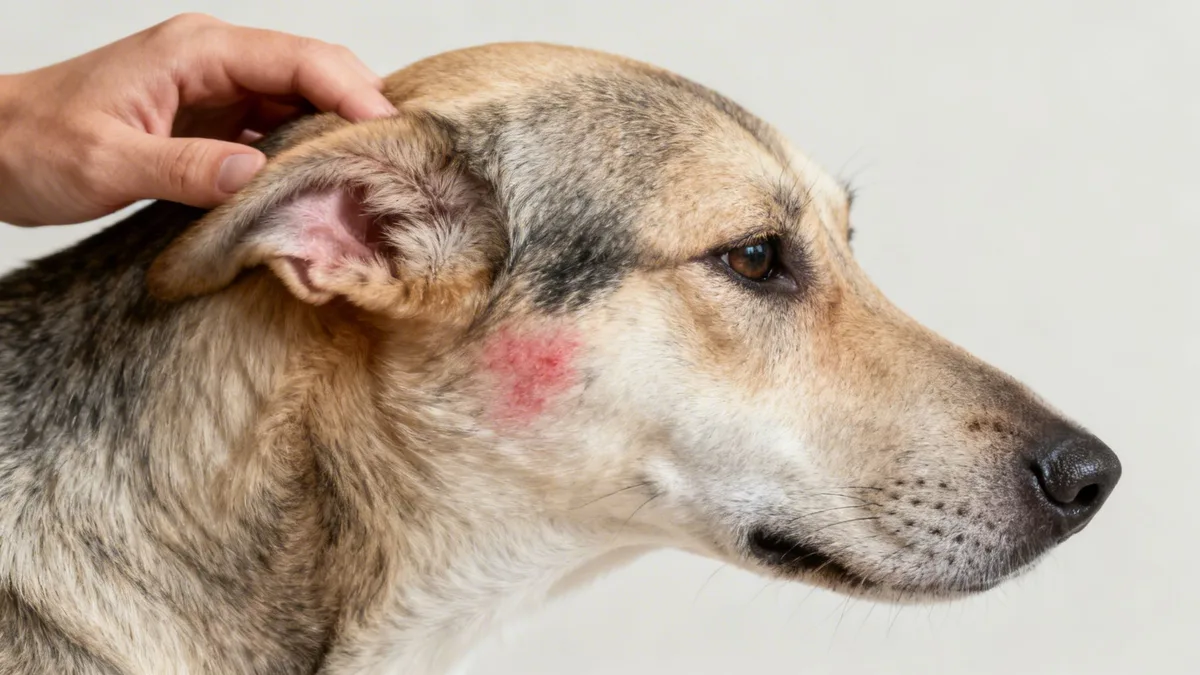
Pollen, dust mites, mold, and grasses trigger this one. Symptoms usually flare seasonally, though year-round indoor allergens can keep it going. You'll see:
- Chewing at paws or between toes
- Ear infections that keep coming back
- Belly and groin redness
- Face rubbing on carpet or furniture
Food Allergies or Sensitivities
True food allergies are rarer than the internet suggests, while food intolerances are more common. The American College of Veterinary Dermatology estimates food allergies affect roughly 0.2% of dogs. Common culprits include beef, chicken, dairy, and wheat.
Symptoms:
- Chronic ear issues
- Year-round itching with no seasonal pattern
- GI signs like loose stool or gas alongside the itch
- Poor response to typical environmental treatments
Flea Allergy Dermatitis (FAD)
A single flea bite can set off two weeks of misery in a sensitive dog. It's the most common allergy in dogs overall. Even if you don't see fleas, this is worth ruling out first because it's the cheapest to fix.
A vet visit or at least a careful flea comb session should come before any supplement routine. Guessing wrong wastes weeks.
When Natural Remedies Are Worth Trying, and When They're Not
Not every allergy case is a good candidate for the natural route. Here's a quick way to think about it.
A Good Fit for Natural Care
- Mild seasonal itching that starts each spring or fall
- Dogs already on a quality flea preventive
- No open wounds, ear infections, or hot spots
- Owners willing to commit 8 to 12 weeks to see real change
- Dogs with no concurrent serious illness
A Poor Fit for Natural-Only Care
- Puppies under one year with severe itching (some natural options are unsafe)
- Dogs with recurring skin infections
- Suspected food allergies that haven't been properly trialed
- Dogs already on immunosuppressants
- Any sign of facial swelling, hives, or breathing changes
If your dog falls into the second group, you can still use natural support. Just layer it on top of veterinary care, not instead of it.
The Core Natural Toolkit: What Actually Has Evidence Behind It
There are dozens of "natural allergy cures" for dogs floating around. Most are noise. A handful have meaningful research or widespread clinical use.
Here's what we focus on.
Omega-3 Fatty Acids (Fish Oil and Krill Oil)
This is the closest thing to a gold standard in natural allergy care. Multiple peer-reviewed studies, including work indexed in PubMed on canine atopic dermatitis, show omega-3s reduce skin inflammation and improve coat quality. EPA is the active part.
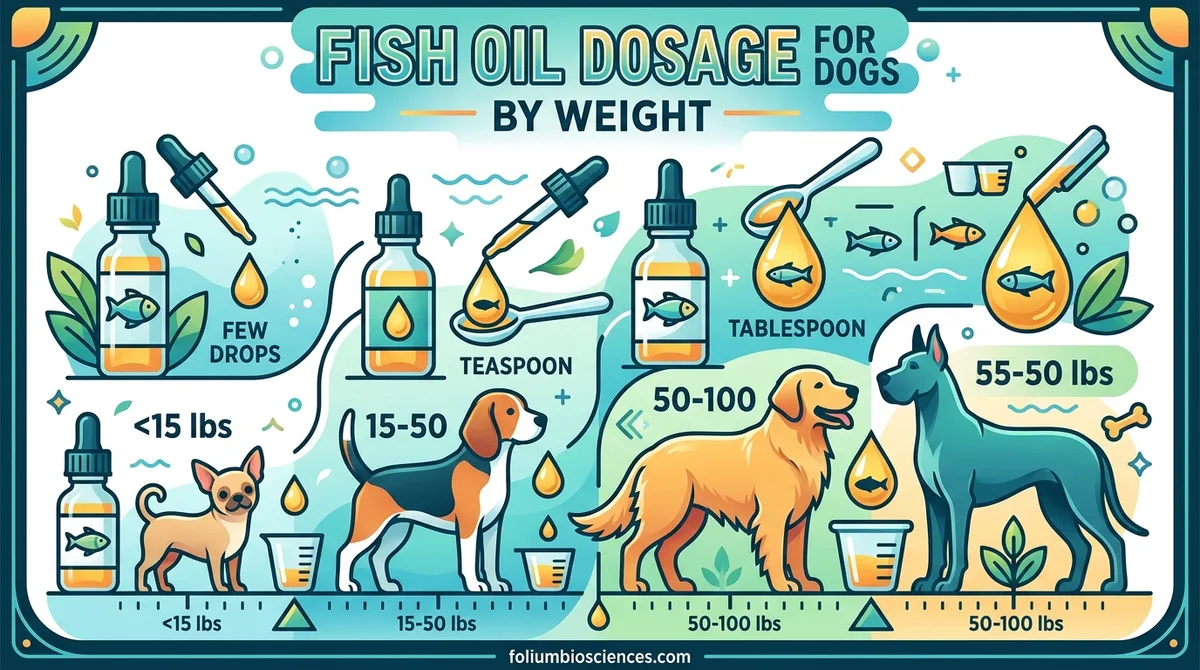
Aim for a combined EPA plus DHA dose of about 50 to 75 mg per pound of body weight daily.
- Works gradually. Expect 6 to 8 weeks before peak effect.
- Choose a product with third-party testing for heavy metals.
- Refrigerate after opening to prevent rancidity.
Quercetin
A plant flavonoid sometimes called "nature's Benadryl." It stabilizes mast cells and blocks histamine release. Quality research is limited in dogs specifically, but veterinary dermatologists use it widely as adjunct support.
- Typical dose: 5 to 10 mg per pound, twice daily.
- Look for a quercetin phytosome or one paired with bromelain for better absorption.
- Avoid grape-derived quercetin, since grapes are toxic to dogs.
Coconut Oil
A modest anti-inflammatory when fed, and a useful topical barrier for dry paws. Don't expect miracles. The science here is thinner than for omega-3s, but it has a long track record of safe use at reasonable doses.
- Start with 1 teaspoon per 10 pounds daily.
- Topically, apply a thin layer to cracked paw pads.
- High in saturated fat, so go easy on overweight dogs.
Apple Cider Vinegar Rinses
Useful for paw soaks and as a mild ear rinse in dogs without ruptured eardrums. The acetic acid helps restore skin pH and discourages yeast and bacteria.
- Always dilute 50/50 with water.
- Never apply to raw, broken, or bleeding skin.
- Skip if your dog has known vinegar sensitivity.
Probiotics
A healthy gut supports a balanced immune response. Specific strains like Lactobacillus rhamnosus have shown promise in allergy research. Look for products with at least 1 billion CFU per serving and species-appropriate strains.
Hypoallergenic or Elimination Diets
The gold-standard way to diagnose and manage food allergies, though it takes serious commitment.
That's the toolkit. Everything else is optional. And before you add any of these, you'll want to understand the right amounts for your dog's size, which we'll cover next.
Safe Dosages by Dog Weight: A Quick Reference Table
Dosing supplements by eye is one of the most common mistakes dog owners make. Too little does nothing. Too much can cause digestive upset or, in some cases, real harm.
Below is a research-based starting point for adult dogs. Puppies, pregnant dogs, and dogs on medications should get vet-specific dosing.
| Supplement | Small Dog (10–25 lb) | Medium Dog (26–50 lb) | Large Dog (51–90 lb) | Giant Dog (90+ lb) |
|---|---|---|---|---|
| Fish oil (EPA + DHA combined) | 500–1,500 mg/day | 1,500–3,000 mg/day | 3,000–4,500 mg/day | 4,500–6,000 mg/day |
| Quercetin | 100–250 mg twice daily | 250–500 mg twice daily | 500–800 mg twice daily | 800–1,000 mg twice daily |
| Coconut oil (dietary) | 1 tsp/day | 2 tsp/day | 1 tbsp/day | 1–2 tbsp/day |
| Probiotics (CFU) | 1–2 billion/day | 2–3 billion/day | 3–5 billion/day | 5 billion/day |
A few important notes:
- Start low and work up over 7 to 10 days to avoid loose stool.
- Divide doses between meals for better absorption.
- Recheck body condition monthly, especially with calorie-dense supplements like coconut oil.
If you're combining supplements or adding anything else like colostrum, local honey, or herbal blends, introduce them one at a time. That way, if your dog has a reaction, you'll know exactly which one caused it.
Step-by-Step: How to Run an Elimination Diet the Right Way
If you suspect food is part of the problem, an elimination diet is the only reliable way to find out. Skin and blood allergy tests for food are notoriously inaccurate in dogs. This trial is the real diagnostic tool.
Here's how to do it properly.
Step 1: Pick a Novel or Hydrolyzed Protein
Choose a protein and carbohydrate your dog has never eaten. Common novel pairings include venison and sweet potato, rabbit and pumpkin, or duck and quinoa. If that's tough, a prescription hydrolyzed diet removes the guesswork by breaking proteins into pieces too small for the immune system to recognize.
Step 2: Feed Only That Diet for 8 to 12 Weeks
Nothing else. No treats, no table scraps, no flavored medications, no dental chews. Even a single bite of the wrong food can reset the trial.
Use the diet's own canned formula as treats if you need training rewards.
Step 3: Watch for Improvements
Most dogs with food allergies show meaningful improvement by week 6. Full resolution often takes the full 12 weeks. Track itch level, stool quality, and ear health weekly.
Step 4: Run the Challenge Phase
Once symptoms are stable, reintroduce one ingredient at a time. Old protein first (chicken, beef, etc.), one ingredient per week. If itching flares, you've found a trigger.
Remove it again and move on to the next.
Common Pitfalls
- "Hypoallergenic" on a bag doesn't mean what most people think. Read the fine print for cross-reactive ingredients.
- Family members slipping treats is the #1 trial-killer. Make it a household rule.
- Stopping too early. Eight weeks is the minimum.

If symptoms don't budge by week 12, food probably isn't the main driver. That's still useful information. It tells you to focus your energy on environmental management instead.
What to Avoid: Natural Remedies That Can Hurt Your Dog
Not everything marketed as "natural" or "holistic" is safe. Some common recommendations are actively dangerous.
- Essential oils. Tea tree, peppermint, citrus, and wintergreen are toxic to dogs even in small amounts, whether diffused or applied topically.
- Garlic and onion. Both belong to the Allium family and cause red blood cell damage. No safe supplemental dose exists for dogs.
- Honey for puppies under one year. Risk of botulism. Wait until your dog is fully grown.
- Human antihistamines without vet guidance. Some, like diphenhydramine, are often used in dogs, but dosing varies wildly by size, and certain formulations contain xylitol.
- High-dose cod liver oil. Loaded with vitamin A, which can accumulate and cause toxicity over time.
- Apple cider vinegar on broken skin. Causes burning pain and can worsen lesions.
When in doubt, ask your vet before adding anything. A quick phone call beats an emergency visit.
Red Flags That Mean You Need a Vet, Not a Home Remedy
Natural care has limits, and recognizing the line is critical.
- Swelling of the face, lips, or eyelids
- Hives or sudden welts across the body
- Vomiting or diarrhea alongside skin symptoms
- Difficulty breathing or collapse
- Hot spots spreading rapidly or oozing
- Ear pain, head tilt, or strong odor from ears
- Itch that prevents sleeping or eating
Any of these warrant a vet visit within hours, not days. Natural remedies can be supportive, but they can't manage anaphylaxis, deep infections, or ruptured eardrums.
Apoquel, Cytopoint, and Antihistamines vs. Natural Options
Many readers land here wondering whether they can replace prescription medications entirely. The honest answer is: sometimes yes, often no, and it depends on severity.
Apoquel (oclacitinib) works within hours and is highly effective for moderate to severe atopic dermatitis. Cytopoint is a monthly injection that targets itch at the source. Both have strong safety profiles when used as directed.
Natural options work more slowly and tend to shine in mild cases or as long-term maintenance once symptoms are under control. A reasonable hybrid approach: use prescription medication to break the itch cycle, then layer in omega-3s, probiotics, and environmental management to keep things stable.
There's no prize for refusing medication if your dog is suffering. The goal is comfort, not purity.
Mistakes Dog Owners Make When Going the Natural Route
We've seen the same missteps over and over. Avoiding them will save you months of frustration.
- Adding everything at once. You won't know what's helping.
- Skipping flea control. Even one bite ruins everything.
- Stopping too early. Natural remedies need weeks, not days.
- Treating food and environmental allergies the same way. Different problems, different tools.
- Ignoring secondary infections. Bacteria and yeast love inflamed skin.
- Assuming expensive equals effective. Quality matters more than brand.
The pattern is clear: consistency beats intensity every time.
How Long Before You See Results, and What "Working" Looks Like
Patience is the hardest part. Here's a realistic timeline as of 2026 for the most common interventions.
| Intervention | Earliest Improvement | Full Effect |
|---|---|---|
| Omega-3 fatty acids | 3–4 weeks | 8–12 weeks |
| Quercetin | 1–2 weeks | 4–6 weeks |
| Elimination diet | 4–6 weeks | 8–12 weeks |
| Environmental management | 1–2 weeks | Ongoing |
| Probiotics | 2–4 weeks | 8+ weeks |
"Working" looks like fewer scratching episodes, less redness between toes, cleaner ears, and a softer coat. It does not mean zero itch. Most well-managed allergic dogs still have occasional flares, especially during peak pollen season.
Step-by-Step: A Seasonal Allergy Routine That Actually Works
When pollen counts climb, you need a repeatable routine, not a stack of supplements. Here's the daily and weekly rhythm we recommend for dogs with confirmed environmental allergies.
Daily Moves
- Wipe paws and coat after every walk with a damp microfiber cloth. Pollen sticks to fur and keeps triggering the immune system long after the walk ends.
- Run a HEPA air purifier in the room where your dog sleeps. Studies from the EPA show indoor particulate levels drop measurably with HEPA filtration.
- Brush daily during peak season to remove allergens from the coat before they reach the skin.
Weekly Moves
- Bathe once with a hypoallergenic or colloidal oatmeal shampoo. Frequency varies by dog, but once a week is a solid starting point.
- Wash all dog bedding in hot water to strip accumulated pollen and dust mites.
- Vacuum upholstered furniture your dog sleeps on.
Seasonal Extras
- Keep grass short in the yard to limit seed-head pollen.
- Limit early morning outdoor time when mold spore counts peak.
- Re-up omega-3 dosing two weeks before your region's typical pollen season starts.
The whole routine takes about 15 minutes a day once it's a habit. That consistency is what separates dogs who struggle through every spring from dogs who barely notice it.
At-Home Relief: Baths, Wipes, and Skin Soaks That Help
Sometimes you need fast relief between long-term strategies. These are our go-to options.
Colloidal Oatmeal Baths
Plain, unscented colloidal oatmeal mixed into lukewarm water soothes inflamed skin and washes off allergens in one step. Soak for 10 minutes, rinse with cool water, and pat dry.
Chamomile or Green Tea Soaks
Brew strong chamomile or green tea, let it cool, and apply as a compress to hot, red patches. Both have mild anti-inflammatory properties. Skip if your dog has any known sensitivity to these plants.
Baking Soda Paste
For localized itchy spots, mix baking soda with a little water into a thick paste. Apply for 10 minutes, then rinse. Don't leave it on longer, and avoid open wounds.
Hypoallergenic Wipes Between Baths
Unscented, alcohol-free wipes are handy for paw cleaning and spot relief on days a full bath isn't practical. Look for wipes formulated for sensitive skin.
These are relief tools, not fixes. Use them to buy comfort while your longer-term plan builds.
Real-World Scenarios: Mild Seasonal Flares, Food Allergies, and Chronic Itch
Three common situations show how the pieces fit together.
Scenario 1: The Spring Flare
A 4-year-old golden retriever starts licking her paws every April. No year-round symptoms, no GI signs, clear skin otherwise. Treatment: omega-3s year-round, paw wipes after walks, weekly oatmeal baths during spring, and a quercetin supplement through peak pollen.
Most owners report dramatic improvement by the second season.
Scenario 2: The Itchy Cocker Spaniel With Smelly Ears
A 6-year-old cocker with constant ear infections and itchy skin. Food allergy trial reveals chicken as the trigger. Switches to a novel protein diet.
Skin clears in 10 weeks, ear infections drop to zero over six months. Omega-3s added for general support.
Scenario 3: The Chronic Multi-Allergy Dog
A 3-year-old bulldog with year-round itching, recurrent infections, and partial responses to Apoquel. Treatment plan: prescription hydrolyzed diet, omega-3s at high dose, HEPA filtration, prescription Apoquel during flares, and probiotic support. Goal isn't a cure, it's the best possible quality of life with combined natural and conventional care.
Each plan looks different because each dog is different. The common thread is consistency and a willingness to adjust.
Tracking Progress: How to Know If Your Plan Is Working
You can't manage what you don't measure. A simple weekly log keeps you honest and helps your vet spot patterns.
What to Track
- Itch score from 1 to 10 each morning.
- Any new skin spots, ear gunk, or paw chewing.
- Stool quality if you've changed diet or added probiotics.
- Supplement doses given and any reactions.
When to Call It a Win
Drop in average itch score by 2 or more points. Cleaner ears, softer coat, better sleep. If nothing changes after 8 to 12 weeks, the plan needs adjusting.
Regional and Seasonal Adjustments
Where you live changes the playbook. Pollen calendars, mold patterns, and humidity all matter. The American College of Veterinary Dermatology publishes regional maps worth checking.
Dogs in humid southern climates deal with more mold and flea pressure. Northern dogs see intense but shorter pollen seasons. Adjust your supplement ramp-up timing to match your local forecast.
Common Mistakes to Avoid With Natural Allergy Care
Most failed natural plans share a few predictable errors.
- Inconsistent dosing. Skipping days resets progress on slow-build supplements like omega-3s.
- Treating symptoms, not causes. Wiping paws helps, but it won't override a flea infestation.
- Mixing too many remedies at once. You can't tell what's working.
- Ignoring secondary infections. Red, smelly, or weepy skin needs targeted treatment first.
- Skipping the elimination diet half-measure. Either commit for 8 to 12 weeks or skip it entirely.
When to Bring in a Veterinary Dermatologist
If your dog has been itchy for over three months without clear improvement, it's time. A board-certified veterinary dermatologist can run intradermal skin testing, prescribe targeted immunotherapy, and rule out rarer conditions like cutaneous adverse drug reactions. Natural care and specialist care aren't rivals.
They work best together.
Working With Your Vet (Without Feeling Judged)
Bring your plan to your next appointment as a list, not a debate. Most vets welcome proactive owners. The best outcomes happen when natural and conventional options are discussed openly rather than treated as opposing teams.
Your Decision Guide: Building a Plan That Fits Your Dog
Putting it all together, here's how to choose your starting point.
- Mild seasonal itching, otherwise healthy dog: Start with omega-3s, wipe paws after walks, and use weekly hypoallergenic baths. Add quercetin if you want faster support.
- Year-round itching with no clear season: Run a proper 8 to 12 week elimination diet before assuming environmental.
- Sudden onset or any red flag symptom: Vet first, natural support second.
- Already on Apoquel or Cytopoint: Keep the medication, add omega-3s and probiotics, and reassess in 3 to 6 months with your vet.
- Puppy under one year: Avoid honey and essential oils entirely, stick to gentle options, and partner with your vet from the start.
The best plan is the one you can actually stick with. Simpler, consistent routines beat complicated protocols that fall apart by week three.
Frequently Asked Questions
How long does it take for natural remedies to work on dog allergies?
It depends on the remedy. Omega-3s need 8 to 12 weeks for full effect. Quercetin can help within days but works best over 4 to 6 weeks.
Elimination diets take 8 to 12 weeks to complete properly. Plan on at least three months before judging any natural protocol.
What natural remedy works fastest for itchy dogs?
For immediate relief, an oatmeal or chamomile soak plus frequent cool rinses helps within minutes. Quercetin often shows noticeable improvement within the first week. Nothing natural matches the speed of prescription medication, but layering these approaches can reduce overall drug dependence.
Are natural remedies safe to combine with Apoquel or Cytopoint?
Most are, including omega-3s, probiotics, and topical rinses. Always tell your vet what you're giving so they can flag interactions, especially with herbal blends or concentrated extracts.
Is local honey actually effective for dog pollen allergies?
The theory is that trace pollens in honey help desensitize the immune system. In our research, there's minimal direct evidence in dogs, and it can take large daily amounts for months to matter. It's also unsafe for puppies under one.
We treat it as optional at best.
When should I stop trying natural remedies and see a vet?
If symptoms worsen after 4 weeks, if your dog develops skin infections, ear problems, or behavioral changes from constant itching, or if you notice any red flag signs like swelling or breathing trouble, stop home treatment and book a vet visit.
Can dog allergies be cured naturally, or only managed?
Most allergies can be managed, not permanently cured. Natural approaches reduce immune overreaction and flare frequency, but the underlying sensitivity usually stays. Some dogs with food allergies do achieve lasting remission once the trigger is identified and removed, which is the closest thing to a cure available.