How to treat dog seasonal allergies: Complete guide
Seasonal allergies in dogs are one of those things that sneak up on you. One week your dog's fine, the next they're chewing their paws raw, scratching their ears, and giving you that look like something's crawling under their skin. So figuring out how to treat dog seasonal allergies isn't just about comfort.
It's about stopping the cycle before it turns into ear infections, hot spots, or a year of vet bills.
The good news is there are real, vet-backed ways to manage this. As of 2026, the two most prescribed options are Apoquel and Cytopoint, with immunotherapies growing in use for long-term relief. The trick is matching the right treatment to the severity, your dog's breed, and the specific trigger, and that's what we'll walk through below.

Quick Answer
The fastest way to treat dog seasonal allergies is with a vet-prescribed anti-itch medication. Apoquel works within hours and is given daily. Cytopoint is a single injection that lasts 4 to 8 weeks.
Bathing and omega-3 supplements support the skin. Severe cases benefit from immunotherapy.
Why Getting Dog Seasonal Allergy Treatment Right Actually Matters
Here's the thing about seasonal allergies in dogs. They're not just an itch. Left unmanaged, they snowball.
Constant scratching damages the skin barrier, which lets bacteria and yeast move in, which causes infections, which causes more scratching. We've seen dogs come into the clinic with what looks like a "skin problem" when the actual root cause is three months of untreated pollen allergy.
What's at stake with seasonal allergies:
- Secondary bacterial or yeast skin infections
- Chronic or recurrent ear infections
- Hot spots (acute moist dermatitis)
- Hair loss and thickened, darkened skin from chronic inflammation
- Behavioral changes from constant discomfort
- Long-term costs that creep up fast without a treatment plan
A study published in Veterinary Dermatology found that roughly 10% of dogs suffer from atopic dermatitis, and most of those cases are environmental rather than food-related. So if your dog is scratching every spring or fall like clockwork, this is almost certainly playing a role.
What Seasonal Allergies in Dogs Actually Look Like
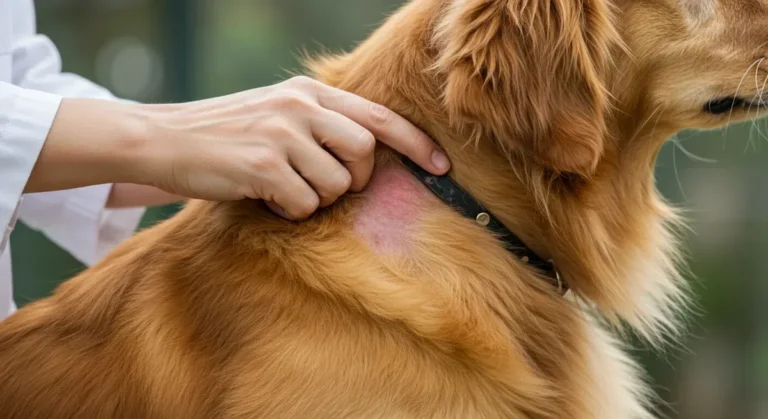
Dogs don't sneeze the way we do. Their allergy symptoms show up on the skin. That's the first clue most owners miss.
The itching isn't a runny nose, it's a full-body irritant response that drives dogs to lick, chew, and scratch.
The most common signs of seasonal allergies in dogs:
- Excessive scratching, especially at the armpits, belly, and groin
- Chewing or licking the paws (a classic pollen-allergy move)
- Rubbing the face on furniture or carpet
- Recurring ear infections, often with a yeasty smell
- Red, inflamed, or scabby skin between the toes
- Hot spots, which are raw, moist, painful patches
- Hair thinning along the flanks or tail base
- Scooting or anal gland irritation (less common but possible)
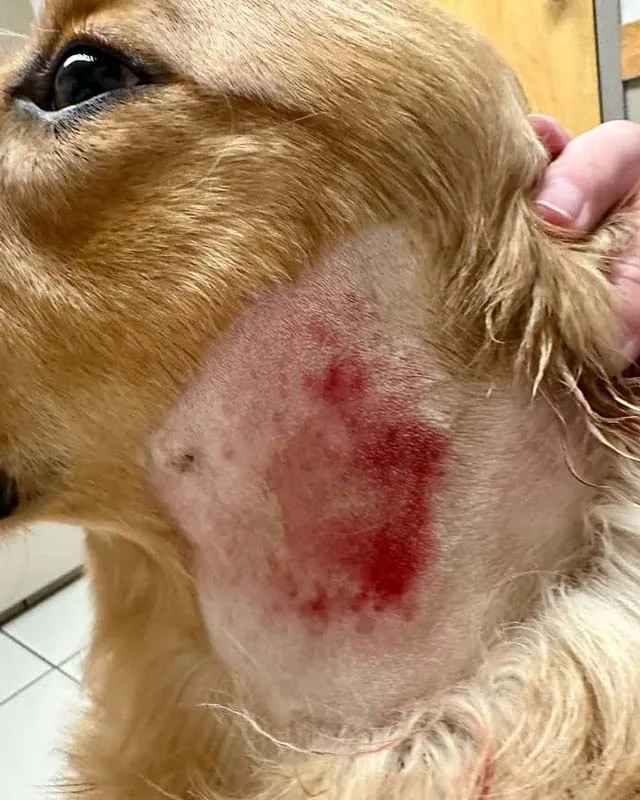
Breed predisposition matters here. Retrievers, Bulldogs, Boxers, Terriers, German Shepherds, and Pugs are overrepresented in atopic dermatitis cases. Per the Merck Veterinary Manual, symptoms typically first show up between 6 months and 3 years of age, so a young dog with sudden itching deserves a closer look.
One quick note. Seasonal allergies in dogs tend to flare in spring, summer, or fall, depending on the trigger. Tree pollen hits first, then grass, then weeds.
Mold spores peak in humid regions. If your dog itches year-round, that's a different conversation, and food allergy or chronic atopy may be in play.
First Things First: Is It Really Seasonal Allergies?
Before you reach for any treatment, you need to rule out the lookalikes. This is where a lot of owners go sideways. They assume it's allergies, treat the symptoms, and miss something more serious underneath.
Common Conditions That Mimic Seasonal Allergies
| Condition | How It Looks | How to Tell It Apart |
|---|---|---|
| Flea allergy dermatitis | Intense scratching, hair loss at tail base | Visible fleas or "flea dirt"; usually near the rear |
| Food allergy | Year-round itching, recurrent ear issues | Doesn't follow seasonal patterns; often GI signs too |
| Sarcoptic mange | Intense itching, crusty ear edges | Highly contagious; skin scraping confirms mites |
| Hypothyroidism | Hair loss, lethargy, weight gain | Blood panel shows low thyroid hormone |
| Yeast or bacterial infection | Greasy, smelly, or crusty skin | Cytology under the microscope at the vet |
The Vet's Diagnostic Workflow
A vet doesn't just guess. Here's what a proper workup usually looks like:
- Physical exam and full history (when does it start, how long, what helps)
- Skin cytology to check for bacteria or yeast
- Parasite control trial to rule out fleas, even if you don't see them
- Food elimination trial (8 to 12 weeks) if food allergy is suspected
- Intradermal or serum allergy testing to identify environmental triggers
- Response trial with Apoquel or Cytopoint to confirm the atopic component
Skipping steps 3 and 4 is one of the most common diagnostic mistakes. We've seen dogs treated for years as "allergy dogs" when the real issue was a flea problem or a chicken-and-rice food sensitivity.
When to See a Vet (and When You Can Start at Home)
Let's be clear. Any dog with open sores, foul-smelling skin, or constant distress needs a vet, full stop. So does any dog with sudden, severe itching.
But if symptoms are mild and you've been through a few spring seasons already, there's a sensible home-start approach.
Start at Home If:
- Itching is mild to moderate
- Skin looks intact (no raw spots, no infection smell)
- Symptoms are clearly seasonal and predictable
- Your dog is otherwise acting normal
See a Vet Right Away If:
- Skin is broken, bleeding, or oozing
- There's a strong odor (often yeast or bacterial)
- Your dog is in obvious pain or distress
- Ears are red, hot, or shaking their head a lot
- Symptoms are getting worse despite home care
- It's the first time and you don't know what's causing it
As a rule, the earlier you bring a vet in, the cheaper the outcome. A $150 appointment in April beats a $600 emergency in July for a skin infection that could've been prevented.
The Core Treatment Options for Dog Seasonal Allergies
Once seasonal allergies are confirmed, you've got a real toolkit. Most dogs do best on a combination, not a single silver bullet. Here's the lay of the land.
The Big Three Prescription Options
- Apoquel (oclacitinib): Daily oral tablet, works within 4 hours, controls itching and inflammation. Manufacturer specs confirm it's approved for dogs 12 months and older.
- Cytopoint (lokivetmab): Single injection at the vet, lasts 4 to 8 weeks. Great for dogs that won't take pills or for seasonal flare timing.
- Immunotherapy (allergy shots or sublingual drops): Custom-formulated based on allergy testing. Slow build, but 60 to 80% of dogs improve over 6 to 12 months per peer-reviewed studies.
Supportive Care That Actually Helps
- Frequent baths with a hypoallergenic or oatmeal-based shampoo (1 to 2 times per week during flare-ups)
- Wipe-downs after outdoor time to remove pollen from coat and paws
- Omega-3 fatty acid supplements (EPA and DHA, dosed by weight)
- HEPA air purifiers in main living areas
- Prescription topical sprays for localized hotspots
- Antihistamines (limited standalone effectiveness, but helpful in combination)
What to Skip
- Essential oils (many are toxic to dogs)
- Over-the-counter hydrocortisone creams not labeled for canine use
- Homeopathic or unproven "natural" cures marketed for dog allergies
- Human allergy medications without explicit veterinary dosing approval
The American College of Veterinary Dermatology is a strong resource for owners wanting to dig deeper into evidence-based allergy management, including how to find a board-certified veterinary dermatologist in your area.
Antihistamines for Dogs: What Works and What Doesn't
Antihistamines get a lot of love online, and for good reason. They're cheap, available, and feel safe. The reality is more measured.
In our research, only about 20 to 30% of dogs get meaningful itch relief from antihistamines alone, per peer-reviewed reviews in Veterinary Dermatology. That said, they can be a helpful part of a layered plan.
The Usual Suspects
| Antihistamine | Common Dose (per vet) | Notes |
|---|---|---|
| Diphenhydramine (Benadryl) | 1 mg per pound, 2 to 3 times daily | Sedation is common; less effective for skin itch |
| Cetirizine (Zyrtec) | 0.5 mg per pound, once daily | Less sedating; better tolerated long term |
| Loratadine (Claritin) | 0.25 mg per pound, once daily | Non-sedating option; often paired with Apoquel |
| Chlorpheniramine | 0.1 mg per pound, 2 to 3 times daily | Older option, fewer side effects for some dogs |
Always check with your vet before dosing. Some human formulations contain pseudoephedrine or xylitol, both toxic to dogs. Antihistamines work best as a preventive or mild-symptom tool, not as the main defense during a full flare.
Apoquel vs Cytopoint: Which One Makes Sense for Your Dog
This is the question every allergy dog owner lands on. Both work. They just work differently.
How Apoquel Works
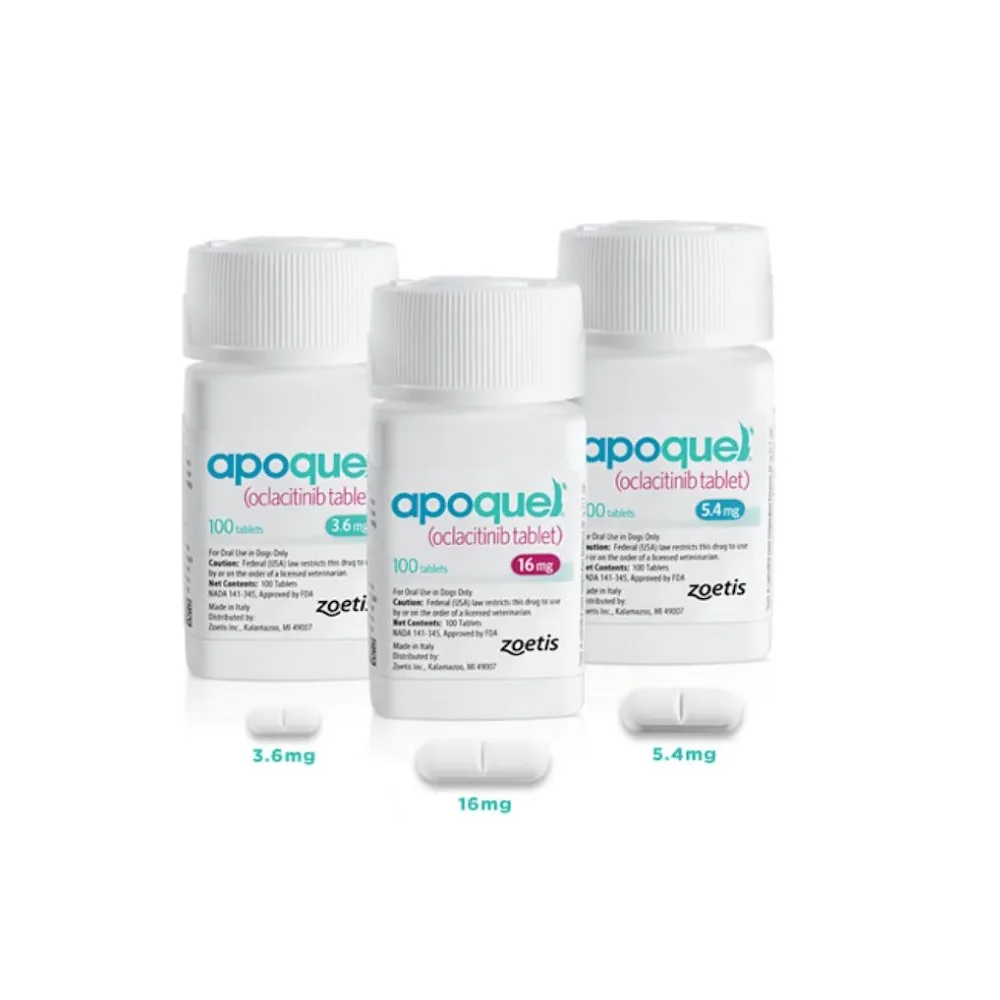
Apoquel is an oral Janus kinase inhibitor. It blocks the itch signal at the cellular level. Manufacturer specs confirm dogs feel relief within 4 hours, and it's dosed at 0.4 to 0.6 mg per kilogram, twice daily for the first 14 days, then once daily.
It's approved for long-term use in dogs 12 months and older.
Best for:
- Dogs that need fast relief during a sudden flare
- Owners comfortable giving daily pills
- Dogs with year-round atopy that need ongoing control
- Cases where dosing flexibility matters
How Cytopoint Works
Cytopoint is a monoclonal antibody injection given at the vet. It neutralizes a specific itch-signaling protein (IL-31) and lasts 4 to 8 weeks per shot. There's no daily pill to remember.
It's also been studied in dogs as young as 12 weeks.
Best for:
- Dogs that fight pill time
- Seasonal-only sufferers who only need treatment a few months
- Owners who want a "set it and forget it" approach
- Dogs with sensitive stomachs that don't tolerate oral meds
Quick Comparison
| Factor | Apoquel | Cytopoint |
|---|---|---|
| Form | Daily tablet | Injection at vet |
| Onset | 4 hours | 1 to 2 days |
| Duration | Daily dosing | 4 to 8 weeks per shot |
| Best for | Year-round or severe cases | Seasonal or pill-averse dogs |
| Typical cost | $70 to $200 per month | $50 to $150 per injection |
The two can be used together in tough cases. In aggregate, veterinary reports show that combination therapy works for dogs that don't fully respond to either one alone. Just don't run them without a vet's plan.
Medicated Baths, Sprays, and Topical Treatments
Baths are the underrated hero of seasonal allergy care. They physically wash pollen off the coat before it has time to trigger a reaction. They also soothe inflamed skin and reduce bacterial overgrowth.
Bath Basics That Work
- Use lukewarm water. Hot water increases itch.
- Choose an oatmeal-based, hypoallergenic, or chlorhexidine shampoo (vet-recommended).
- Lather, let it sit for 5 to 10 minutes, then rinse thoroughly.
- Frequency: 1 to 2 times per week during peak season is a good baseline.
Topical Add-Ons Worth Knowing
- Chlorhexidine 2 to 4% sprays for spot treatment between baths
- Pramoxine or lidocaine sprays for localized hot spots
- Hydrocortisone sprays labeled for dogs (not the human cream)
- Barrier creams for interdigital irritation
- Leave-in conditioners with ceramides to repair the skin barrier
Between baths, plain warm water rinses or damp cloth wipe-downs after outdoor time go a long way. We've seen dogs that go from constant scratching to a manageable level just from consistent post-walk paw and belly wipes.
Omega-3s, Supplements, and the "Natural" Stuff
Omega-3 fatty acids from fish oil are the most evidence-backed supplement for allergic skin. They reduce inflammatory cytokines and improve the skin barrier over 4 to 8 weeks. The effective dose is roughly 50 to 75 mg per kilogram of combined EPA and DHA daily.
Look for products that list EPA and DHA on the label, not just "fish oil."
What the Research Actually Supports
- Omega-3 fatty acids: yes, real evidence for atopic skin
- Quercetin: limited canine data, sometimes used as a natural antihistamine
- Coconut oil (topical): can help with mild dryness, but risks yeast overgrowth
- Probiotics: emerging evidence for skin-gut axis, but not a standalone fix
- Apple cider vinegar rinses: not recommended on broken skin, can sting
If a supplement promises to "cure" allergies, walk away. The honest goal of supplements is to support the medical treatment, not replace it.
Allergy Shots and Immunotherapy: The Long Game
Immunotherapy is the only treatment that actually targets the underlying immune response, not just the symptoms. It's custom-formulated for your dog based on allergy test results. Either subcutaneous shots (given at home) or sublingual drops (placed under the tongue) are available.
What to Expect in Real Timelines
- Months 1 to 3: no obvious change, dose ramp-up period
- Months 3 to 6: gradual improvement in many dogs
- Months 6 to 12: 60 to 80% of dogs show meaningful response per published data
- Ongoing: maintenance doses, often for life
Immunotherapy is the right move when:
- Apoquel or Cytopoint alone isn't enough
- A young dog is diagnosed and long-term management makes sense
- Owners want to reduce medication dependency over time
- Multiple allergens are involved (pollen, dust, mold)
It's not a quick fix. But for owners committed to the long game, it's often the most satisfying path.
Steroids for Dog Allergies: When They're Used and When to Avoid Them
Steroids like prednisone and methylprednisolone are the classic vet tools for allergic inflammation. They work fast, they're cheap, and they can stop a severe flare in its tracks. The catch is what they do over time.
Short courses (5 to 14 days) at tapered doses are generally safe and very effective. The problems show up with chronic use. Long-term steroid use in dogs has been linked to increased thirst, weight gain, muscle wasting, immune suppression, and in some cases, iatrogenic Cushing's disease.
Per the Merck Veterinary Manual, steroids should be reserved for short-term control or for cases where other treatments have failed.
The current best practice is to use steroids as a bridge, not a long-term plan. They buy time while Apoquel, Cytopoint, or immunotherapy gets established.
Environmental Control: Reducing Pollen, Mold, and Dust at Home
Medication treats the response. Environmental control limits the exposure. Doing both is where the real wins happen.
- Wipe paws and belly after every walk during pollen season
- Bathe 1 to 2 times per week to physically remove allergens
- Run a HEPA air purifier in the room where your dog sleeps most
- Wash bedding weekly in hot water
- Vacuum with a HEPA-filter vacuum 2 to 3 times per week
- Keep windows closed on high-pollen-count days
- Use a dehumidifier in damp areas to reduce mold spore growth
If you live in a high-pollen region (the Southeast, Texas, California), these steps matter more, not less. Indoor allergen levels can climb fast in spring, and dogs track it in on every walk.
Breed-Specific Risks and Drug Sensitivities to Know About
Not every dog metabolizes allergy drugs the same way. The big one to know about is the MDR1 gene mutation. Herding breeds like Collies, Australian Shepherds, Border Collies, and Shelties can carry this mutation, which affects how their bodies process certain drugs.
Before starting any new medication, ask your vet about MDR1 testing, especially if your dog is a herding breed. Some antihistamines and steroids can cause severe neurological reactions in affected dogs. Manufacturer drug guides list affected breeds and dosing adjustments.
Other breed-specific notes:
- Bulldogs and Pugs: skin folds trap allergens and moisture, so infection risk is high
- Retrievers: high atopy rates, often need year-round management
- Terriers: prone to ear infections that flare with allergies
Common Mistakes Dog Owners Make With Seasonal Allergies
- Stopping Apoquel or Cytopoint the moment symptoms improve (flares return)
- Bathing too often and drying out the skin barrier
- Using human hydrocortisone cream on hot spots (ingestion risk)
- Skipping the parasite control trial and treating for allergies prematurely
- Assuming food allergy when it's actually environmental
- Waiting too long to see a vet during a flare
- Using essential oils or unproven "natural" remedies that can be toxic
The biggest one we see is owners who want to avoid medication entirely. Sometimes that's fine for mild cases. Often it means months of suffering that a simple Apoquel or Cytopoint course would have solved in a week.
What Seasonal Allergy Treatment Actually Costs
Costs vary by region, dog size, and severity. Here's a general range to plan around:
| Treatment | Typical Cost |
|---|---|
| Vet consultation | $50 to $250 |
| Allergy testing | $200 to $500 |
| Apoquel (monthly) | $70 to $200 |
| Cytopoint (per injection) | $50 to $150 |
| Immunotherapy (initial) | $300 to $600 |
| Medicated shampoo | $15 to $40 per bottle |
| Omega-3 supplements | $20 to $50 per month |
Annual management for a moderate case typically lands between $500 and $1,500 per year. Severe cases with immunotherapy, frequent vet visits, and recurring infections can run $2,000 or more. Pet insurance plans that cover chronic conditions can offset this significantly.
Putting Together a Treatment Plan That Works Long Term
The dogs that do best are the ones with a written plan, not a reactive one. Start meds a few weeks before your dog's known allergy season, not after the scratching starts. Keep baths, wipes, and supplements on a steady schedule.
Recheck with your vet at the start of each season to adjust dosing.
Frequently Asked Questions
How long does it take for Apoquel to work on a dog?
Apoquel starts working within 4 hours and reaches full effect in about 24 hours. Most dogs show significant improvement within the first 1 to 2 days of dosing.
Can I give my dog Benadryl for seasonal allergies?
You can, but only with explicit vet dosing. Diphenhydramine helps roughly 20 to 30% of dogs with mild itching, and it's not strong enough as a sole treatment for moderate or severe flares.
What's the difference between Cytopoint and Apoquel?
Cytopoint is a 4 to 8 week injection. Apoquel is a daily pill. Both control itch effectively.
Cytopoint suits seasonal or pill-averse dogs. Apoquel suits year-round or severe cases needing flexible dosing.
Are seasonal allergies in dogs curable?
No, but they're very manageable. Immunotherapy is the closest thing to a long-term fix, with 60 to 80% of dogs improving over 6 to 12 months. Most dogs need ongoing support, not a one-time cure.
When should I take my dog to the vet for allergies?
See a vet if itching is constant, the skin is broken or smelly, or your dog keeps getting ear infections. Also go in at the first sign of a seasonal pattern to get ahead of the flare.