Puppy Dog Food vs Adult Dog Food: Which Is Better?

Is Purina Pro Plan Puppy Good?
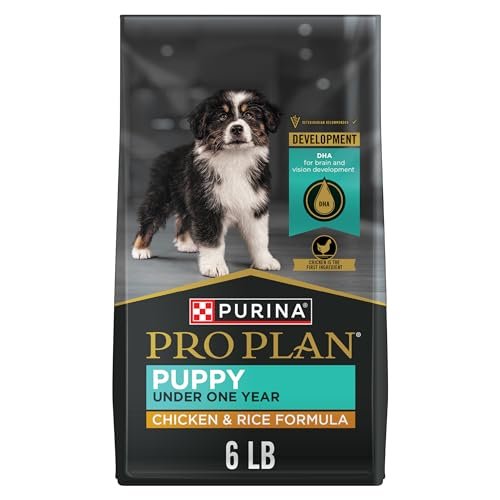
Yes. Purina Pro Plan High Protein Dry Puppy Food is a strong choice for many growing puppies. It is made for development rather than simple weight maintenance. That difference matters. Puppies burn energy fast, and their bodies need the right mix of protein, fat, vitamins, and minerals. The formula also includes DHA, which supports brain and vision development. Calcium supports growing bones and teeth.
In a typical U.S. home, I would choose this style of food when a puppy is still growing and needs a nutrient-dense meal. I especially like it for families that want a simple dry-food routine. One bowl in the morning and another later in the day can fit well around work and school schedules. In the puppy dog food vs adult dog food debate, this is the better fit for the puppy stage.
One thing I would watch is portion size. A puppy can act hungry even after eating enough. I would follow the feeding guide and adjust with growth, body condition, and veterinary advice. Puppy food is like building material for a new house. More is not always better; the right amount is what matters.
What Makes It Stand Out / Key Features
- Growth NutritionDesigned to provide nutrients needed during the puppy growth stage.
- High ProteinProvides protein to help support growing muscles and active young dogs.
- DHAIncludes DHA to support brain and vision development.
- Bone SupportProvides calcium and other nutrients that support growing bones and teeth.
- Dry KibbleThe dry format is simple to measure, store, and serve.
- Chicken And RiceUses chicken and rice as key ingredients in the recipe.
My Recommendation
I would consider this type of puppy formula for growing puppies that need nutrient-dense food. It is especially useful for owners who want an easy dry-food routine.
| Best For | Why |
|---|---|
| Growing puppies | The nutrient profile is designed for development. |
| Active young dogs | Protein and calories help support a high-energy growth stage. |
| Busy families | Dry kibble is simple to store, measure, and serve. |
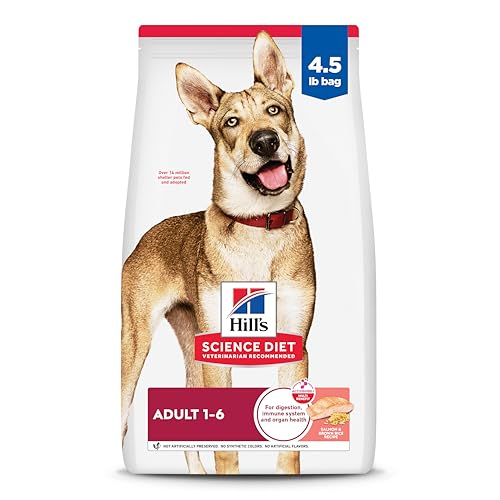
Is Adult Salmon Formula Good?
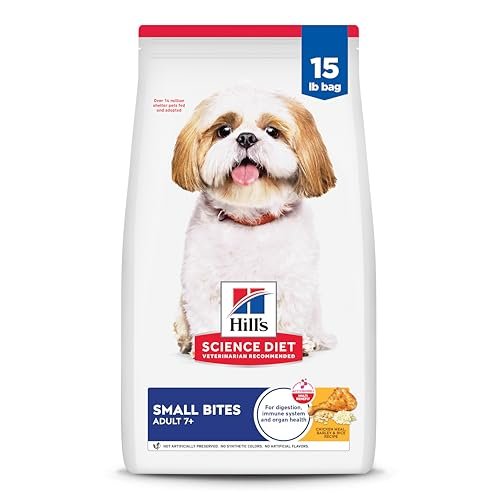
Yes, for an adult dog that needs a complete daily maintenance diet, an adult salmon and brown rice formula can be a practical choice. Adult dogs have finished most of their growth, so their nutritional goal changes. They still need protein, fat, vitamins, minerals, and other nutrients. But they do not usually need the same growth-focused nutrient profile as a puppy.
I like adult food for the stage when the daily goal becomes steady maintenance. Think of it like keeping a car tuned after the break-in period. You still need good fuel, but the goal is no longer rapid growth. For a healthy adult dog, that can make an adult formula a better match.
In the puppy dog food vs adult dog food comparison, this formula wins for mature dogs. I would not use an adult maintenance recipe as a default choice for a growing puppy unless a veterinarian specifically recommends it. Puppies have different needs, and large-breed puppies can be especially sensitive to nutrient balance.
What Makes It Stand Out / Key Features
- Adult MaintenanceDesigned for the daily nutritional needs of mature dogs.
- Salmon RecipeUses salmon as a main protein source in the recipe.
- Brown RiceIncludes brown rice as a grain source.
- Daily FeedingMade for routine meals after the main growth period.
- ProteinProvides protein to help maintain muscle in adult dogs.
- Dry FormatDry kibble makes storage and portion control simple.
My Recommendation
I would choose an adult maintenance formula for a healthy mature dog that has finished growing. It is a better match when steady body weight and daily maintenance are the goal.
| Best For | Why |
|---|---|
| Healthy adult dogs | It is built around adult maintenance needs. |
| Mature active dogs | It can provide daily fuel without focusing on puppy growth. |
| Simple feeding routines | Dry food is easy to portion and store. |
puppy dog food vs adult dog food: Side-by-Side Test
The biggest mistake in puppy dog food vs adult dog food is treating the two foods as interchangeable. They are not. Both can be complete foods, but they are made for different life stages.
I look at this comparison like choosing shoes. A growing puppy needs a shoe built for fast change. An adult dog needs a shoe built for steady daily use. The right food depends on where your dog is in life.
Life Stage: Who Needs Which?
Life stage is the first thing I check because food should match the dog’s current growth needs.
| Feature | Product 1 | Product 2 |
|---|---|---|
| Main stage | Puppy growth | Adult maintenance |
| Growth focus | High | Low |
| Adult use | Usually not needed after growth | Primary purpose |
⭐ Product A – 10/10 | Product B – 10/10
Each food wins for its intended life stage.
Growth Nutrition: Which Wins?
Puppies build tissue fast, so growth nutrition gives the puppy formula a clear advantage here.
| Feature | Product 1 | Product 2 |
|---|---|---|
| Growth support | Strong | Limited |
| Brain and vision support | DHA included | Not the main focus |
| Bone and tooth support | Designed for growth | Designed for maintenance |
⭐ Product A – 10/10 | Product B – 7/10
The puppy formula has the edge because growth is its main job.
Protein: Which Fits Better?
Protein matters at every age, but a growing puppy has a bigger building project underway.
| Feature | Product 1 | Product 2 |
|---|---|---|
| Protein focus | High protein | Adult maintenance protein |
| Muscle growth | Strong fit | Maintenance focus |
| Daily adult use | May be more than needed | Better matched |
⭐ Product A – 9/10 | Product B – 9/10
The puppy food is better for growth, while adult food fits stable maintenance.
Calories: Which Is Safer?
Calories should match activity and life stage, not just appetite.
| Feature | Product 1 | Product 2 |
|---|---|---|
| Energy purpose | Supports growth and activity | Supports daily maintenance |
| Overfeeding risk | Possible if portions are too large | Possible if portions exceed needs |
| Portion control | Very important | Very important |
⭐ Product A – 8/10 | Product B – 9/10
Adult food gets a slight edge for stable maintenance, but portion control matters for both.
Daily Routine: Which Is Easier?
Both dry foods are easy to store and serve, so routine convenience is close.
| Feature | Product 1 | Product 2 |
|---|---|---|
| Storage | Easy | Easy |
| Measuring | Easy | Easy |
| Busy household use | Very convenient | Very convenient |
⭐ Product A – 9/10 | Product B – 9/10
It is a tie because both formats work well for busy U.S. households.
Long-Term Fit: Which Wins?
The best food changes as your dog changes, so long-term fit depends on age.
| Feature | Product 1 | Product 2 |
|---|---|---|
| Puppy stage | Excellent fit | Usually not ideal |
| Adult stage | Usually unnecessary | Excellent fit |
| Life-stage flexibility | Growth focused | Maintenance focused |
⭐ Product A – 9/10 | Product B – 10/10
Adult food wins once a dog has finished growing, while puppy food wins during development.
Value: Which Gives More?
Value is not only about the price of the bag. It is also about buying food that fits the dog’s needs.
| Feature | Product 1 | Product 2 |
|---|---|---|
| Puppy value | High | Lower |
| Adult value | Lower | High |
| Nutrition match | Best during growth | Best after growth |
⭐ Product A – 9/10 | Product B – 9/10
The best value comes from choosing the formula that matches your dog’s current life stage.
Final Verdict: Which Should You Buy?
In the puppy dog food vs adult dog food matchup, there is no universal winner. Puppy food wins for growing dogs because it focuses on development. Adult food wins for mature dogs because it focuses on maintenance. If I had a young puppy at home, I would choose a complete puppy formula made for growth. Once the dog reaches adulthood, I would move to an adult formula at the right time.
The key is not choosing the food with the biggest promise. It is choosing the food that fits the dog’s age, size, activity, and health needs. When in doubt, ask your veterinarian, especially for large-breed puppies.