Puppy vs Adult Dog Food Differences: What Should You Feed?


Is Growth-Focused Puppy Food Good?
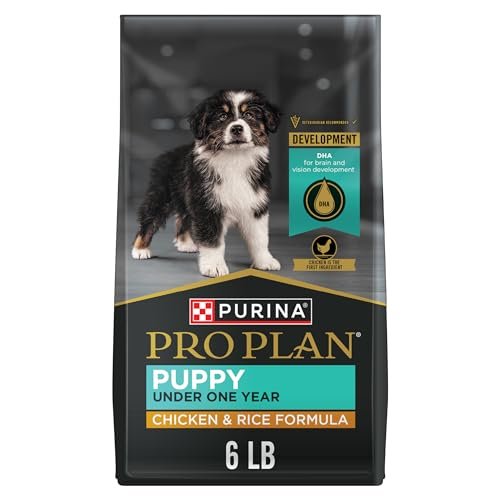
Yes, when it matches the puppy’s age, size, and growth needs. Puppy food is my first choice for young dogs that are still growing. The puppy vs adult dog food differences became clear to me during busy feeding routines. A growing puppy needs more than a simple meal. It needs fuel for bones, muscles, organs, and a developing brain.
I also noticed how quickly puppies burn through energy. After a morning walk and a short play session, a puppy can seem ready for another adventure. A growth-focused formula helps meet that demand. Still, more food is not always better. Too many calories can cause fast weight gain, which may be a concern for growing dogs, especially large breeds.
The puppy vs adult dog food differences also matter because puppies have different nutrient targets. I would use a complete and balanced puppy formula made for the puppy’s life stage. For large-breed puppies, I would look for a formula made specifically for large-breed growth.
What Makes It Stand Out / Key Features
- Growth NutritionProvides nutrients needed during a puppy’s rapid growth period.
- Higher Energy NeedsPuppies often need more calories per pound than mature dogs.
- Protein SupportProvides protein to support growing muscles and body tissue.
- Bone DevelopmentA proper puppy formula provides carefully balanced minerals for developing bones.
- Brain DevelopmentMany puppy formulas include nutrients that support normal brain and eye development.
- Small Meal SizePuppy formulas can provide useful nutrition in portions that fit smaller stomachs.
My Recommendation
I recommend puppy food for dogs that are still growing. Pick a complete and balanced formula for the right life stage. For large breeds, choose a large-breed puppy formula.
| Best For | Why |
|---|---|
| Young puppies | They need nutrition designed for growth and development. |
| Large-breed puppies | They benefit from careful control of calories and key minerals during growth. |
| Active growing dogs | Puppy formulas can help meet their higher energy needs. |
Is Balanced Adult Dog Food Good?
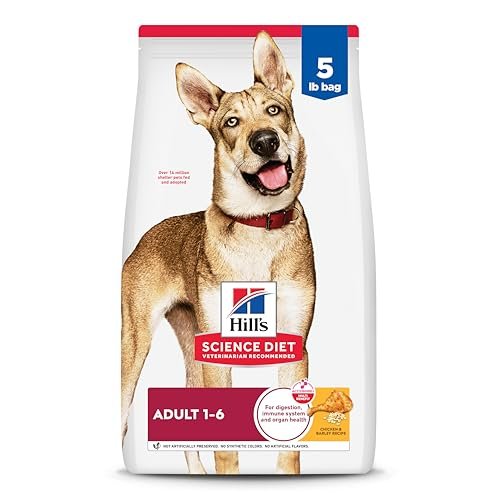
Yes, for dogs that have reached adulthood and no longer need a growth-focused diet. Adult dog food is built around maintenance. The goal is not to push fast growth. The goal is to help a mature dog maintain a healthy body over time.
The puppy vs adult dog food differences stood out when I compared daily feeding needs. An adult dog may still love to run, play, and beg at the kitchen counter, but its body is not building new bones and tissues at a puppy’s pace. That can mean a different calorie and nutrient balance.
I like adult food for a mature dog because it can make portion control easier. If an adult dog eats puppy food without needing those extra nutrients and calories, weight gain may become a concern. I would still match the food to the dog’s activity level, size, and health.
What Makes It Stand Out / Key Features
- Adult MaintenanceDesigned to support dogs after their main growth period.
- Balanced CaloriesHelps meet adult energy needs without focusing on rapid growth.
- Daily NutritionProvides nutrients needed for normal daily health and body maintenance.
- Weight ManagementA suitable adult formula can make it easier to manage calorie intake.
- Life-Stage FitMade for mature dogs rather than puppies with high growth demands.
- Wide ChoiceAdult formulas come in many options for size, activity, and dietary needs.
My Recommendation
I recommend adult dog food for mature dogs that have finished most of their growth. Match the formula to size, activity, and health needs.
| Best For | Why |
|---|---|
| Adult dogs | It is designed for maintenance after the main growth period. |
| Less active dogs | A suitable adult formula can help avoid excess calorie intake. |
| Long-term feeding | Complete adult diets are made for daily maintenance. |
puppy vs adult dog food differences: Side-by-Side Test
The puppy vs adult dog food differences are easier to see when the two life stages sit side by side. One diet supports growth. The other supports maintenance.
Neither food is automatically better for every dog. The right choice depends on where your dog is in life. This is why the puppy vs adult dog food differences matter so much when you choose a daily diet.
Growth Needs: Which Wins?
Puppies build bone, muscle, and other tissues at a faster rate than adult dogs.
| Feature | Product 1 | Product 2 |
|---|---|---|
| Main goal | Growth and development | Adult maintenance |
| Rapid growth support | Strong fit | Not the main goal |
| Mature dog support | More than needed for many adults | Strong fit |
⭐ Product A – 10/10 | Product B – 7/10
Puppy food has the clear edge when growth is the main need.
Calories: Which Fits Best?
Young dogs often need more energy for their size, while mature dogs need calories that match their activity.
| Feature | Product 1 | Product 2 |
|---|---|---|
| Energy focus | Growth and activity | Maintenance and activity |
| Puppy fit | Excellent | Usually not ideal |
| Adult fit | May be too calorie-rich | Excellent when properly matched |
⭐ Product A – 9/10 | Product B – 9/10
Both work well when used at the right life stage.
Protein: What Is the Goal?
Protein helps build and maintain body tissue, but the dog’s life stage changes the overall diet target.
| Feature | Product 1 | Product 2 |
|---|---|---|
| Primary role | Supports growing tissue | Supports body maintenance |
| Growing dog | Strong fit | Not the main design |
| Adult dog | May exceed the need | Strong fit |
⭐ Product A – 9/10 | Product B – 9/10
The edge depends on age because protein needs serve different jobs.
Bones: Which Has the Edge?
Bone growth makes mineral balance especially important during puppyhood.
| Feature | Product 1 | Product 2 |
|---|---|---|
| Growing bones | Designed for growth | Not the main focus |
| Mineral balance | Important growth target | Adult maintenance target |
| Large-breed growth | Use a large-breed puppy formula | Not the first choice |
⭐ Product A – 10/10 | Product B – 7/10
Puppy food wins for dogs whose bones are still developing.
Weight Control: Which Is Easier?
Weight control changes as a dog moves from fast growth to adult maintenance.
| Feature | Product 1 | Product 2 |
|---|---|---|
| Puppy weight needs | Supports planned growth | May not meet growth targets |
| Adult weight needs | Can add excess calories | Usually easier to match |
| Portion control | Needs close attention | Often simpler |
⭐ Product A – 8/10 | Product B – 9/10
Adult food has the edge for mature dogs that need steady weight control.
Feeding Stage: When Should You Use It?
Life stage is the biggest clue when deciding between these two types of food.
| Feature | Product 1 | Product 2 |
|---|---|---|
| Young puppy | Best fit | Usually not ideal |
| Growing dog | Best fit | May not meet growth needs |
| Mature dog | Usually unnecessary | Best fit |
⭐ Product A – 10/10 | Product B – 10/10
Each food wins when used for the life stage it was made to support.
Large Breeds: What Changes?
Large-breed puppies need extra care because fast growth can put stress on developing bones and joints.
| Feature | Product 1 | Product 2 |
|---|---|---|
| Large puppy growth | Choose a large-breed puppy formula | Not designed for puppy growth |
| Growth rate | Supports controlled growth | Adult maintenance focus |
| Long-term adult use | Switch when mature | Strong fit |
⭐ Product A – 10/10 | Product B – 7/10
For large puppies, the right puppy formula has the clear advantage.
Final Verdict: Which Should You Buy?
The biggest puppy vs adult dog food differences are simple: puppies need growth nutrition, while adult dogs need maintenance nutrition. I would choose puppy food for a growing dog and adult food for a mature dog. For a large-breed puppy, I would use a formula made for large-breed growth.
There is no universal winner. Puppy food wins for growth. Adult food wins for mature dogs and long-term maintenance. The safest choice is a complete and balanced food made for your dog’s life stage, size, and needs.