How to treat seasonal allergy in dogs: Best guide
If your dog is scratching nonstop the second the trees wake up, you're not imagining it. Seasonal allergies in dogs are common, and they're one of the most frustrating things to manage because relief isn't one-size-fits-all. Learning how to treat seasonal allergies in dogs means matching the right steps to the right triggers, from pollen to mold to dust, without making things worse with the wrong meds.

About 10 to 15% of dogs deal with atopic dermatitis, and symptoms usually show up between ages 1 and 3. The good news is that once you understand what's driving the itch, you can build a real plan that works. Let's walk through what seasonal allergies actually look like in dogs, so you can spot the signs early and move into treatment with confidence.
Quick Answer
To treat seasonal allergies in dogs, combine trigger reduction, soothing skin care, and targeted medication. Wipe paws after walks, bathe weekly with a gentle shampoo, and ask your vet about Apoquel, Cytopoint, or allergen-specific immunotherapy for longer relief.
What Seasonal Allergies Actually Look Like in Dogs
Seasonal allergies in dogs (vets call it canine atopic dermatitis, or CAD) happen when the immune system overreacts to airborne stuff like pollen, mold spores, or dust mites. The reaction shows up on the skin, not as sneezing, which surprises a lot of first-time owners.
Classic signs include:
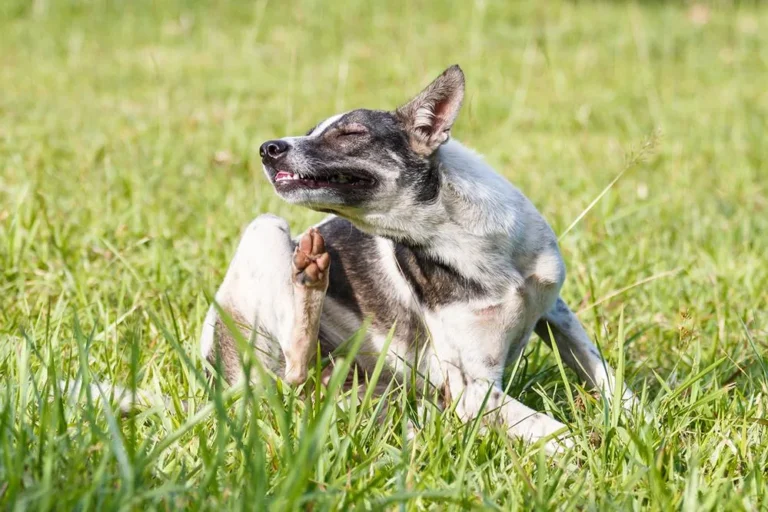
- Chewing or licking the paws, often until the fur turns rust-colored
- Scratching the ears, belly, groin, or armpits
- Red, inflamed skin between the toes or around the eyes
- Recurring ear infections or head shaking
- Hot spots (raw, moist patches that show up fast)
Symptoms usually flare in spring and fall when pollen counts spike, though mold and dust mites can keep the itch going year-round. Many owners first notice paw chewing right after their dog comes inside from grass.
If your dog's itching is constant or only partly seasonal, it might point to a food allergy instead. A vet can help you sort that out with an elimination diet or blood panel.
The Most Common Triggers: Pollen, Mold, Dust, and Grass
Pollen is the headline trigger, but it's not the only one. Here's how the usual suspects break down as of 2026:
| Trigger | Peak Season | Common Signs |
|---|---|---|
| Tree pollen | Early spring | Face rubbing, ear scratching |
| Grass pollen | Late spring to summer | Paw licking, belly redness |
| Weed pollen (ragweed) | Late summer to fall | Full-body itching |
| Mold spores | Warm, humid months or after rain | Musty smell, ear gunk |
| Dust mites | Indoors, year-round (worse in winter heating) | Flare-ups at night |
Dogs don't inhale allergens the way we do. They absorb them through the skin, which is why the itch starts on the belly, paws, and ears, where the coat is thin. Walking through tall grass, rolling in leaves, or sleeping on dusty carpet all load up the skin with irritants.
A simple fix that helps more than people expect: rinse your dog's paws and wipe down the belly right after outdoor time. It cuts surface allergen load in half and often reduces scratching within hours.
How Vets Diagnose Seasonal vs. Year-Round Allergies
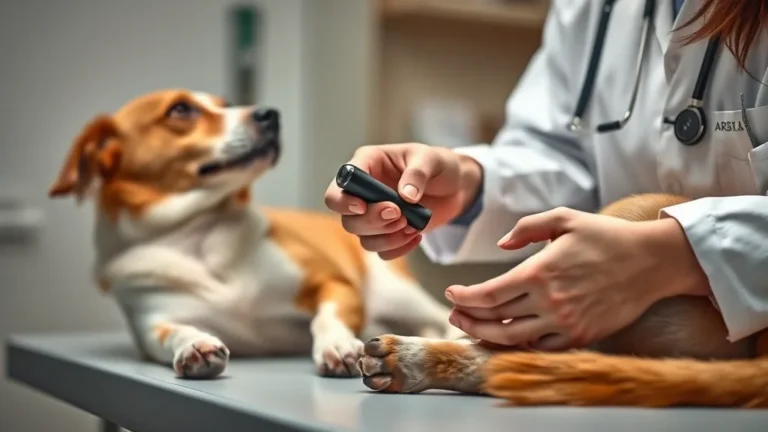
There's no single test that gives a yes-or-no answer. Vets diagnose seasonal allergies by combining a physical exam, history, and ruling out other causes first. If a dog is itchy but the pattern matches pollen season, CAD is the most likely call.
The diagnostic path usually looks like this:
- Rule out fleas. Even one flea bite can keep a dog scratching for weeks. Your vet will check for flea dirt and ask about prevention.
- Rule out infections. Bacterial and yeast skin infections look like allergies but need different meds. A quick skin cytology test sorts this out.
- Review the timeline. If itching spikes every spring and fades by winter, that's a strong clue.
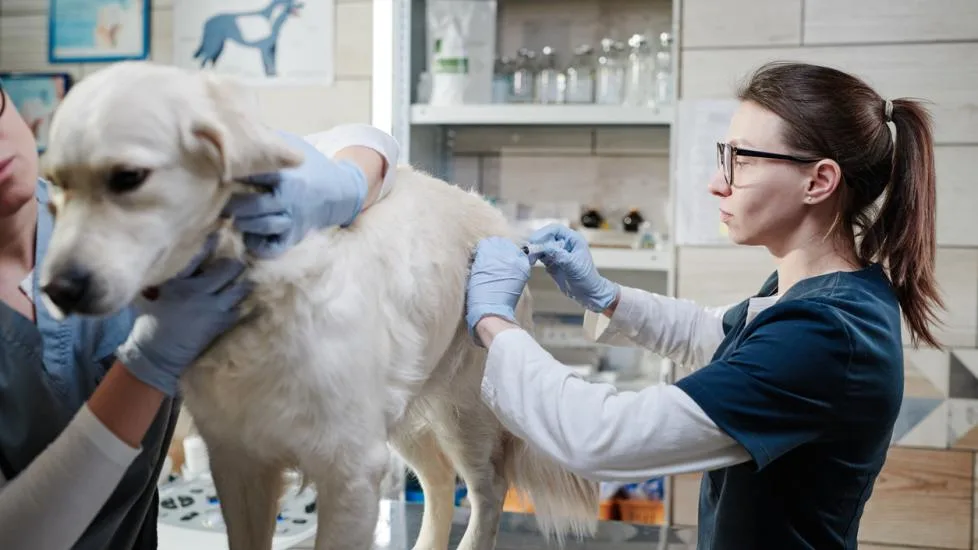
- Run allergy testing. Two main options exist: a serum (blood) test or intradermal skin testing, where small amounts of allergens are injected under the skin to see what reacts.
Intradermal skin testing is considered the gold standard for environmental allergies and is usually done by a veterinary dermatologist. Serum testing is easier to access through your regular vet and works well for many dogs. Both help guide immunotherapy if you want long-term, drug-free management.
Step-by-Step: How to Treat Seasonal Allergies in Dogs
There's no single "cure" for seasonal allergies, but a layered approach gets most dogs comfortable. Think of it as four layers stacked on top of each other: remove triggers, soothe the skin, calm the immune response, and build long-term tolerance.
Start With the Basics: Flea Control and Paw Rinsing
Before you reach for any medication, get the easy wins in place. Flea allergy dermatitis is the most common skin condition in dogs, and even a mild flea problem can make seasonal allergies feel ten times worse.
Use a vet-recommended flea preventive year-round, not just in summer. Then add these daily habits:
- Wipe paws and belly with a damp cloth or hypoallergenic wipe after every walk
- Brush the coat before coming inside to knock loose pollen off
- Wash bedding weekly in hot water to cut dust mite buildup
These steps don't replace medication, but they lower the allergen load so other treatments work better.
Bathing and Skin-Soothing Protocols That Actually Work
Bathing is one of the most underrated tools for allergic dogs. Manufacturer specs confirm that weekly baths with a gentle, moisturizing shampoo can reduce surface allergens significantly and ease itching within the same day.
Stick to lukewarm water (hot water dries the skin and makes itching worse). Use a shampoo made for sensitive or allergic skin, like oatmeal-based or chlorhexidine formulas if your vet recommends them for infection prevention. Rinse thoroughly.
Leftover soap is a common cause of post-bath itching.
For dogs that hate baths, a gentle waterless rinse or mousse works between full baths. The goal is consistent removal of pollen and irritants from the skin, not just a quick cleanup.
Apoquel vs. Cytopoint: Choosing the Right Anti-Itch Option
When lifestyle changes aren't enough, prescription anti-itch drugs are the next step. Two options dominate in 2026: Apoquel and Cytopoint. They work differently and suit different dogs.
| Feature | Apoquel (oclacitinib) | Cytopoint (lokivetmab) |
|---|---|---|
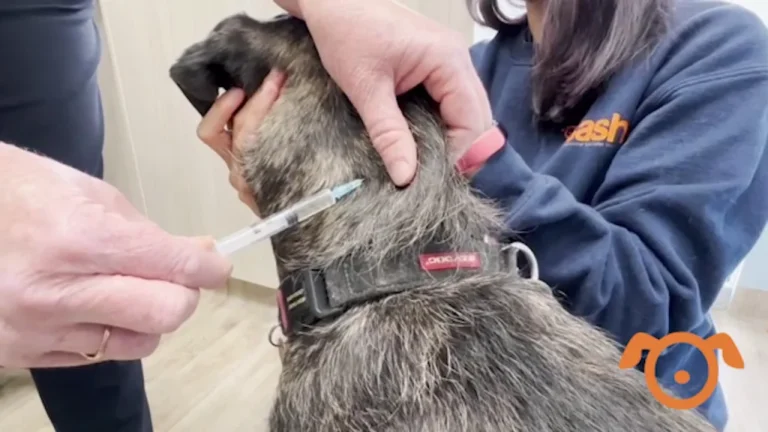
| Form | Daily oral tablet | Injection at the vet |
| Onset of relief | About 4 hours | Within 24 hours |
| Duration | Daily dosing | 4 to 8 weeks per shot |
| Best for | Dogs needing flexible dosing | Dogs that resist pills or need lab-free treatment |
| Approved age | 12 months and older | 12 months and older |
Apoquel works fast and lets you adjust the dose day by day, which is handy during peak pollen weeks. Cytopoint is a monoclonal antibody that targets one specific itch pathway, so it's a good fit for dogs with other health issues where steroids or daily pills are risky.
For dogs with year-round allergies plus seasonal flares, vets often pair Cytopoint injections with oral Apoquel during peak weeks. If you're weighing the choice, talk to your vet about your dog's age, other meds, and how often symptoms hit.
Common Mistakes That Make Dog Allergy Treatment Fail
Even good treatment plans can fall apart if a few common slip-ups happen. Here's what trips owners up most, based on what veterinary dermatologists see in clinic:
- Using the wrong antihistamine. Plain diphenhydramine can help mild cases, but many human allergy meds contain decongestants like pseudoephedrine, which is toxic to dogs. Always check labels and ask your vet.
- Stopping flea prevention in winter. Indoor heating keeps fleas active year-round, and one bite can undo weeks of allergy treatment.
- Bathing too often with harsh shampoo. Over-bathing strips natural oils and makes itching worse. Weekly is plenty unless your vet says otherwise.
- Skipping paw wiping. Pollen tracked inside keeps re-exposing your dog all day. A 30-second wipe after walks cuts scratching noticeably.
- Assuming food is the cause right away. Food allergies are less common than environmental ones. Jumping to a special diet without ruling out pollen first wastes time and money.
- Long-term steroid use without monitoring. Steroids like prednisone work but can damage the liver, thin the skin, and weaken the immune system if used for months. They're a short-term bridge, not a permanent plan.
Red Flags: When It's Time to See a Vet (or a Dermatologist)
Home care handles a lot, but some signs mean it's time to book an appointment, fast:
- Open sores, bleeding, or pus on the skin
- A sudden bad smell from the ears or skin (often a yeast infection)
- Constant scratching that interrupts sleep
- Facial swelling or hives (possible allergic reaction)
- No improvement after 2 to 3 weeks of consistent home care
For dogs with severe, recurring symptoms, your regular vet can refer you to a veterinary dermatologist. The American College of Veterinary Dermatology maintains a specialist directory and is a solid starting point if you're looking for advanced care.
Breed-Specific Allergy Risks Worth Knowing
Allergies can hit any breed, but some carry a higher genetic risk. If your dog is on this list, watch for early signs so treatment can start before things spiral:
- Golden Retrievers and Labrador Retrievers
- French Bulldogs, English Bulldogs, and other flat-faced breeds
- West Highland White Terriers and other terrier types
- Boxers
- Setters (English, Irish, Gordon)
- Shar-Peis, whose wrinkles trap moisture and allergens
Flat-faced breeds often show allergies on the face folds, while retrievers tend to develop ear and paw issues first. Knowing your breed's pattern helps you catch flare-ups early.
Costs, Treatment Timelines, and What to Expect
Costs vary by region and treatment type, but here's a rough breakdown as of 2026:
| Treatment | Typical Cost Range | Timeline |
|---|---|---|
| Vet exam plus cytology | $80 to $200 | One visit |
| Cytopoint injection | $65 to $150 per shot | Every 4 to 8 weeks |
| Apoquel (monthly) | $80 to $200 | Daily during flare-ups |
| Intradermal skin testing | $300 to $500 | One-time |
| Allergen-specific immunotherapy | $300 to $600 for initial serum, then $30 to $80 monthly | 6 to 12 months to see full effect |
Immunotherapy (allergy shots or drops) takes patience. Most dogs show meaningful improvement within 6 to 12 months, and it's the only treatment that actually retrains the immune system instead of just masking the itch.
Seasonal Allergy Calendar: When Symptoms Hit Hardest by Region
Where you live changes the calendar. Here's a rough map for the US:
- Southeast (FL, GA, AL, MS): Long pollen seasons, often February through November. Mold is a big issue in humid summers.
- Northeast and Midwest: Intense spring tree pollen (April-May), grass peaks in June, ragweed in late August through October.
- Southwest (AZ, NM, NV): Spring and fall are the worst. Summer heat actually drops some pollen counts.
- Pacific Northwest (WA, OR): Grass pollen from May to July, with damp conditions fueling mold into fall.
- Mountain West (CO, UT): Shorter but intense seasons, with sagebrush and grass pollen in late summer.
Climate change is shifting these windows. Pollen seasons now start 2 to 3 weeks earlier in many regions compared to two decades ago, so don't be surprised if your dog's usual flare-up timing shifts over the years.
Safe Practices and Warnings Every Owner Should Know
A few safety rules that matter more than any single treatment:
- Never give your dog human antihistamines with decongestants. Pseudoephedrine and phenylephrine are dangerous.
- Don't use topical antibiotic creams meant for humans without vet guidance. Dogs lick them off and some ingredients are toxic.
- Keep Apoquel and Cytopoint away from dogs under 12 months unless your vet says otherwise.
- Watch for behavior changes on steroids. Increased thirst, panting, and restlessness are common.
- Store medications out of reach of kids and other pets.
If you're ever unsure whether something is safe, a quick call to your vet's office is faster than a panicked Google search at 10 p.m.
Over-the-Counter Antihistamines: What Works and What's Risky
Antihistamines are the first thing most owners try, and they can help, but expectations need a reality check. Aggregate reviews from veterinary dermatology practices suggest only about 20 to 30% of dogs get meaningful relief from antihistamines alone.
The safer options include:
- Diphenhydramine (Benadryl plain formula only)
- Cetirizine (Zyrtec)
- Loratadine (Claritin)
Always use plain formulas. Versions with pseudoephedrine or phenylephrine are dangerous for dogs. Dosing depends on weight, so confirm with your vet before starting.
Antihistamines work best as a preventive, started 2 to 3 weeks before pollen season ramps up, not after the dog is already red and raw.
Prescription Options: Apoquel, Cytopoint, and Atopica Compared
When over-the-counter options aren't enough, prescription drugs step in. Three names come up most often, and each works in a different way.
Apoquel (oclacitinib) is a daily oral tablet that blocks the JAK enzymes driving itch. Cytopoint (lokivetmab) is a vet-administered injection that targets a single itch protein, IL-31. Atopica (cyclosporine) is an oral immunosuppressant used for chronic or severe atopic dermatitis.
| Drug | Best For | Watch Out For |
|---|---|---|
| Apoquel | Flexible dosing during flare-ups | Daily commitment, mild GI upset in some dogs |
| Cytopoint | Pill-resistant dogs, multi-issue cases | Must visit the vet every 4 to 8 weeks |
| Atopica | Year-round, severe allergies | Slower onset, immune suppression concerns |
Atopica takes 4 to 8 weeks to reach full effect, so it's not a quick fix. Vets often use it for dogs with constant symptoms that don't respond to other options. Long-term use needs bloodwork monitoring.
Steroids: When They're Needed and When to Avoid Them
Steroids like prednisone and prednisolone are powerful anti-inflammatories. In our research, they remain the fastest way to stop a severe allergic flare, often working within hours.
The catch: long-term steroid use comes with real side effects. Increased thirst, panting, weight gain, and a weakened immune system are common. Over months, steroids can also stress the liver and thin the skin.
Vets typically use steroids as a short bridge, maybe 2 to 4 weeks, while waiting for other medications like Apoquel or immunotherapy to kick in. They're also useful for severe hot spots or sudden flare-ups where comfort can't wait. If your dog needs steroids longer than a month, ask about alternatives or add-on therapies.
Allergy Testing and Immunotherapy for Long-Term Relief
For dogs with seasonal allergies that come back year after year, allergen-specific immunotherapy (ASI) is the closest thing to a long-term fix. It works by exposing the immune system to tiny, controlled amounts of the allergens your dog reacts to, slowly retraining the body to tolerate them.
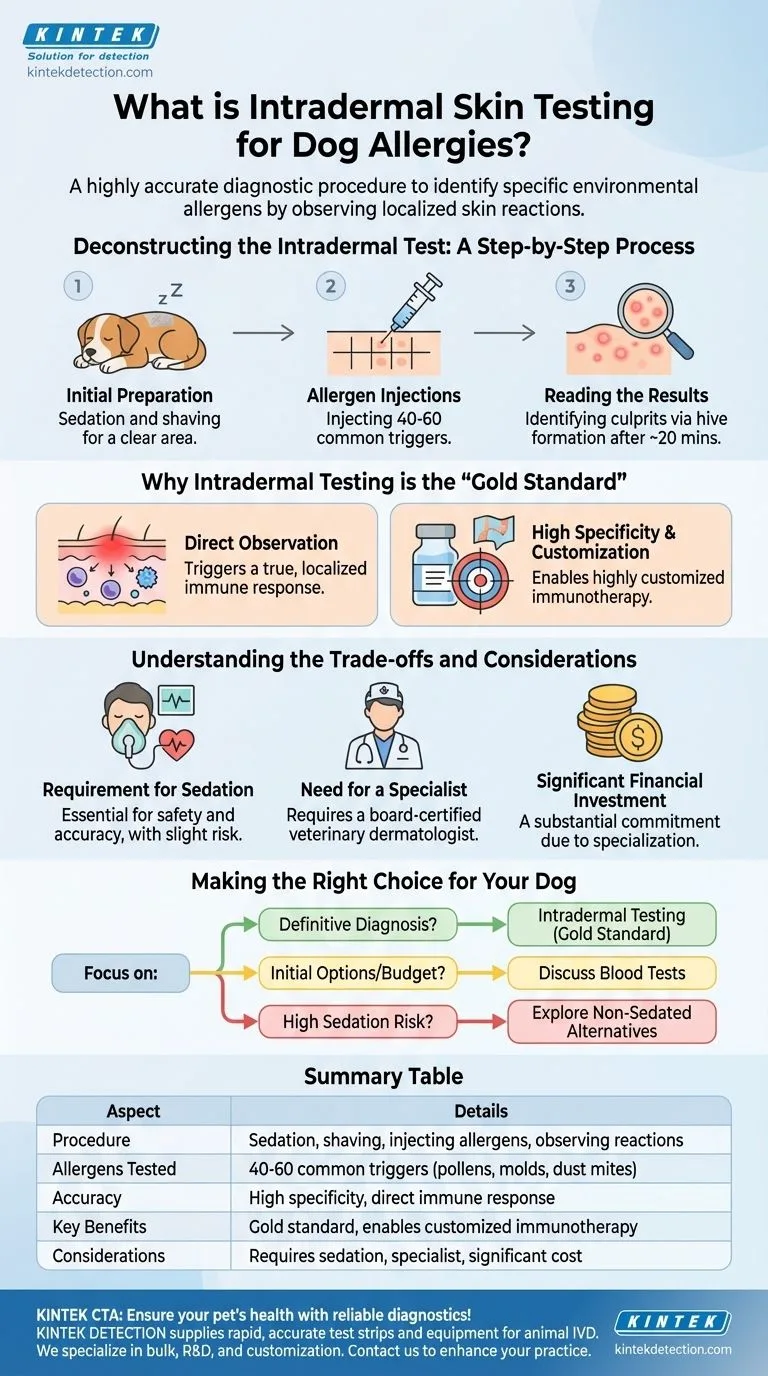
Two testing methods guide immunotherapy:
- Intradermal skin testing, considered the gold standard for environmental allergens, performed by a veterinary dermatologist
- Serum (blood) testing, easier to access and works well for many dogs
Immunotherapy comes as injections or sublingual drops. Most dogs need daily or every-other-day dosing initially, then taper to twice weekly. Improvement usually shows up around the 6-month mark, with full benefit by 12 months.
It's not instant, and it's not a cure. About 60 to 80% of dogs show meaningful improvement, which means many dogs can drop other medications or lower their doses over time.
Supportive Care: Omega-3s, Wipes, and Air Purifiers
Medication gets the spotlight, but supportive care quietly makes everything else work better.
Omega-3 fatty acid supplements (fish oil) help reduce skin inflammation and improve the skin barrier. Manufacturer specs and clinical studies suggest visible improvement in 4 to 12 weeks with consistent dosing. Look for products with EPA and DHA listed on the label, not just "fish oil."
Paw wipes and belly rinses remove allergens before they absorb into the skin. Use them after every walk during pollen season.
HEPA air purifiers cut indoor pollen, dust, and dander. Run one in the room where your dog sleeps most for the biggest payoff. Wash bedding weekly in hot water to keep dust mites from piling up.
These aren't replacements for vet-prescribed treatment, but stacked together, they often let dogs stay comfortable on lower medication doses.
Frequently Asked Questions
Can seasonal allergies in dogs go away on their own?
No. Once a dog develops environmental allergies, they usually flare every year without treatment. Management brings symptoms down, but the underlying sensitivity stays.
Are certain dog foods better for allergic dogs?
Omega-3-rich diets support the skin barrier and can lower inflammation. Novel-protein or hydrolyzed diets help if a food allergy is also present, but they don't fix pollen-driven itching.
How do I know if my dog needs Cytopoint or Apoquel?
Cytopoint suits dogs that hate pills or need a lower-drug option. Apoquel works better when you want flexible, daily control over flare-ups. Your vet can match the choice to your dog's health history.
Can puppies have seasonal allergies?
Yes, though most show symptoms between ages 1 and 3. Puppies under 12 months aren't eligible for Apoquel or Cytopoint, so vets lean on bathing, antihistamines, and topical care until they're old enough.
Does apple cider vinegar help dog allergies?
There's no solid evidence it works, and undiluted vinegar can burn irritated skin. Stick to proven steps like paw rinses, medicated baths, and vet-prescribed meds.
What if nothing works for my dog's allergies?
Ask for a referral to a veterinary dermatologist. They can run intradermal skin testing, adjust medication combos, and start allergen-specific immunotherapy when general care hits its limit.
Your Action Plan for Getting Your Dog Relief This Season
Start with the basics this week: get flea prevention locked in, wipe your dog down after walks, and book a vet visit if symptoms are more than mild. Ask your vet whether Apoquel, Cytopoint, or a serum allergy test makes sense for your dog's pattern. Build the plan in layers, and you'll likely see your dog scratch less, sleep better, and get back to being a dog instead of an itchy, miserable mess.
If you've been searching for how to treat seasonal allergies in dogs, the answer isn't one pill or one shampoo. It's a stack of small habits plus the right medication at the right time. That's what works, and that's what gets your dog through the season comfortably.