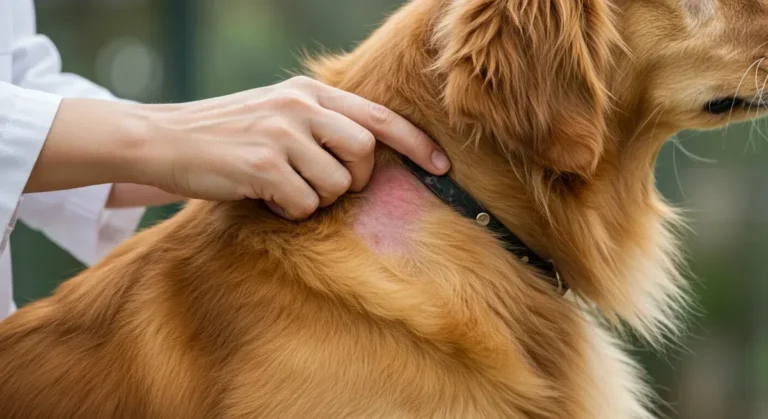
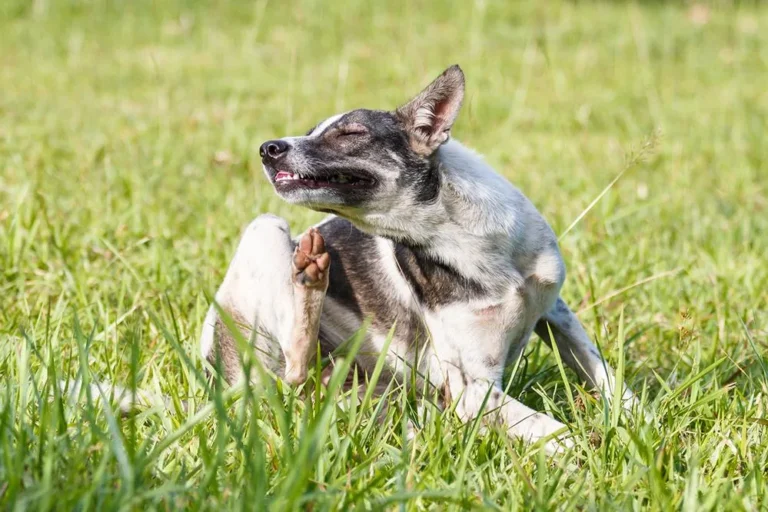
How to treat environmental allergies in dogs naturally
If your dog won't stop scratching, licking their paws, or rubbing their face on the carpet every spring, you've probably already googled how to treat environmental allergies in dogs naturally. You're not alone. Environmental allergies, technically called canine atopic dermatitis, affect roughly 10-15% of dogs, and they're one of the top reasons owners end up at the vet.
The good news: a solid natural approach really can calm symptoms for mild to moderate cases. The catch is that "natural" only works when you've ruled out the conditions it can't fix. As of 2026, veterinary dermatologists generally agree that omega-3s, regular hypoallergenic bathing, and targeted supplements can meaningfully reduce itching in atopic dogs.
Let's walk through what works, what doesn't, and where the line is between safe home care and "call the vet right now."
Quick Answer
Yes, you can treat environmental allergies in dogs naturally with a layered plan. Combine omega-3 fatty acids (50-100 mg/kg EPA/DHA daily), frequent hypoallergenic baths, quercetin supplementation, and allergen reduction at home. These methods reduce itching and inflammation in mild to moderate cases.
Severe flare-ups still require veterinary treatment, so monitor closely.

Why Natural Allergy Treatment Requires Careful Planning
Environmental allergies aren't a single problem. They're an immune system overreacting to airborne particles like pollen, dust mites, and mold spores. Because the trigger is in the air, your dog can't avoid it, so the goal of natural treatment is to lower the immune overreaction and protect the skin barrier.
Here's the part most articles skip: natural doesn't mean risk-free. Some of the worst cases start when owners try "gentle" remedies on a dog with raw, bleeding skin. Any plan you build needs to start with a real diagnosis, not a guess.
The Three Things You're Actually Trying to Fix
- Inflammation under the skin that's driving the itch
- A damaged skin barrier that lets more allergens in
- An overactive immune response that keeps firing at harmless particles
Hit all three and symptoms drop noticeably. Miss one and you're just managing the surface.
How to Know It's Actually Environmental Allergies (Not Food or Fleas)
This matters more than any supplement you'll buy. Roughly 30% of dogs with environmental allergies also have food allergies or flea allergy dermatitis, according to veterinary dermatology research. Treat the wrong one and nothing works.
| Allergy Type | Typical Signs | Season | Diagnosis Method |
|---|---|---|---|
| Environmental (atopy) | Paw licking, ear infections, face rubbing, armpit scratching | Spring/fall (or year-round in warm climates) | Intradermal skin test or serum IgE test |
| Food | Year-round itching, recurring ear or skin infections, GI issues | Constant | 8-12 week elimination diet trial |
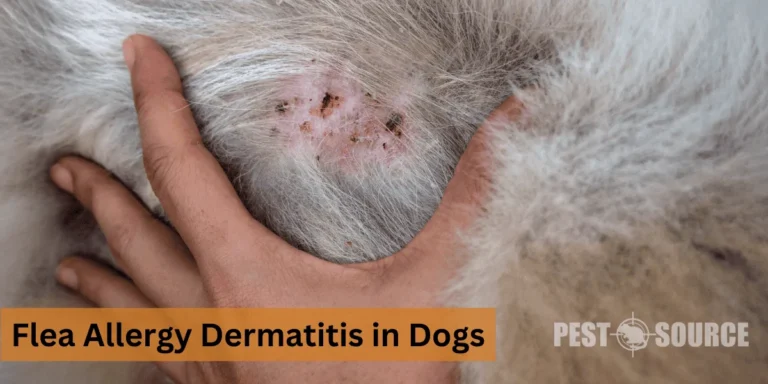
| Flea | Intense scratching at tail base, hindquarters, lower back | Warm months or year-round indoors | Visual flea check, response to strict flea control |
If your dog itches mainly in summer and the ears smell yeasty, atopy is the most likely culprit. If they itch constantly regardless of season and have soft stool, food is on the table too. Many dogs need both addressed.
When Natural Treatment Is Safe and When You Need a Vet First
Not every allergic dog is a candidate for home management. The American College of Veterinary Dermatology recommends veterinary assessment before starting any long-term allergy treatment, natural or otherwise. Here's a simple rule.
Go Ahead With Natural Methods If:
- Symptoms are mild (occasional scratching, pink skin, no open wounds)
- Your dog is eating, sleeping, and behaving normally
- No recurring ear infections or hot spots
- You've already ruled out fleas with vet-recommended preventives
Stop and Call Your Vet If:
- Skin is broken, bleeding, or oozing
- You see hot spots (raw, moist, rapidly spreading red patches)
- Ears are red, smelly, or your dog shakes their head repeatedly
- Itching is constant and disrupting sleep
- Paws are swollen or the nail beds look infected
A skin infection looks like a small thing. Left untreated, it can become deep pyoderma in days. At that point no natural approach will get ahead of it.
Your vet may prescribe antibiotics or antifungals alongside whatever natural plan you build.
The Core Natural Toolkit: What Actually Works for Canine Atopy
There's a long list of "natural remedies" floating around online. Some have real research behind them. Most don't.
Here are the tools with the strongest evidence as of 2026.
Tier 1: Strongest Evidence
- Omega-3 fatty acids (EPA/DHA) from fish oil or krill oil. Multiple peer-reviewed studies show reduced itching and improved coat quality within 8-12 weeks.
- Frequent bathing with hypoallergenic or colloidal oatmeal shampoos. Washes allergens off the skin and directly calms itch.
- Allergen avoidance at home (HEPA filtration, washing bedding weekly, wiping paws after walks).
Tier 2: Moderate Evidence
- Quercetin, a bioflavonoid sometimes called "nature's Benadryl." Limited canine studies, but mechanistic and anecdotal support is consistent.
- Probiotics with strains like Lactobacillus and Bifidobacterium. Modest immune-modulation effects shown in canine trials.
- Local raw honey (theoretical desensitization via tiny pollen exposure). Evidence is mostly anecdotal.
Tier 3: Helpful Adjuncts, Less Proof
- Coconut oil topically for dry, cracked skin (avoid on raw areas)
- Apple cider vinegar rinses (diluted 50/50 with water) for paws and skin folds
- Herbal support like nettle leaf or chamomile (use with vet guidance)
The mistake we see most often: owners try everything at once, see no change in two weeks, and give up. Pick one or two Tier 1 methods, give them 8 weeks to work, then layer in Tier 2 if you need more support.
Omega-3 Fatty Acids: The Foundation of Natural Allergy Care
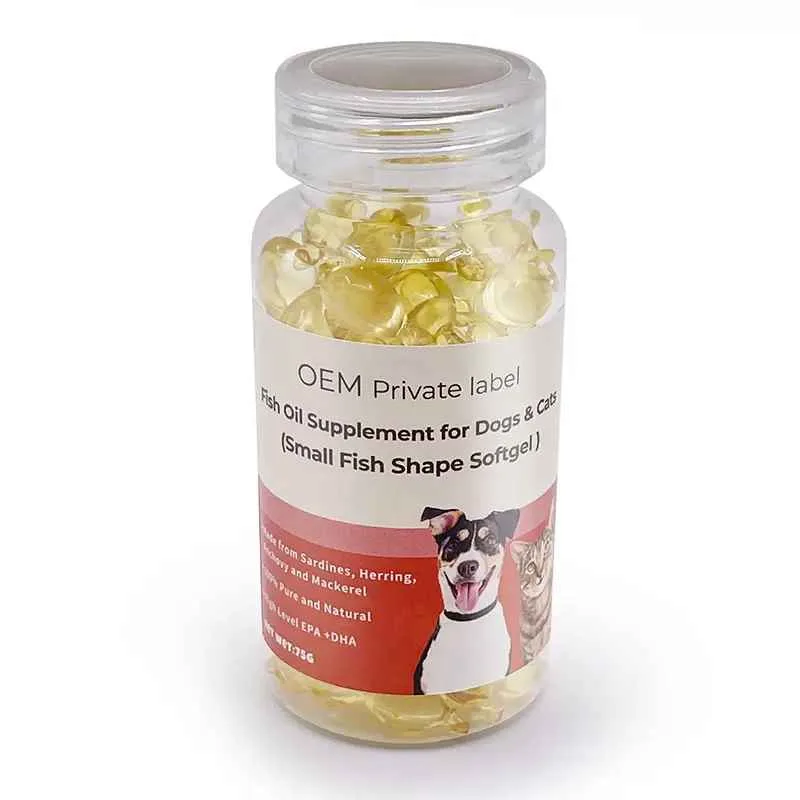
If you do nothing else, do this. Omega-3s are the most research-backed natural treatment for canine atopic dermatitis. They work by incorporating into cell membranes, where they produce anti-inflammatory signaling molecules that compete with pro-inflammatory ones derived from omega-6s.
How to Dose Correctly
The research-backed target is 50-100 mg of combined EPA and DHA per kilogram of your dog's body weight per day. Don't guess by "pump count" because concentrations vary wildly between brands. Read the label for actual EPA + DHA content.
| Dog Weight | Daily EPA+DHA Target | Typical Pump/Capsule Count |
|---|---|---|
| 10 lb (4.5 kg) | 225-450 mg | 1-2 small pumps or 1 capsule |
| 30 lb (13.6 kg) | 680-1,360 mg | 2-4 pumps or 2-3 capsules |
| 60 lb (27 kg) | 1,360-2,720 mg | 4-6 pumps or 4-6 capsules |
| 90 lb (40 kg) | 2,000-4,000 mg | 5-8 pumps or 6-8 capsules |
What to Expect and When
- Weeks 1-2: No visible change. Don't give up.
- Weeks 3-4: Coat starts feeling softer. Some dogs scratch slightly less.
- Weeks 6-8: Noticeable reduction in itching for most dogs.
- Weeks 8-12: Peak effect. If you're not seeing results by week 12, omega-3s alone probably aren't enough.
Quality Matters
Choose a product tested for heavy metals (mercury is the big concern with fish oil). Look for brands that publish third-party IFOS or similar certifications. Refrigerate after opening to prevent rancidity.
Rancid fish oil is worse than none because it creates oxidative stress in the body.
Possible Side Effects
Loose stool is the most common, usually at higher doses. Cut the dose in half for a week, then build back up. Give with meals to improve absorption and reduce GI upset.
Fish oil can mildly slow blood clotting, so tell your vet if your dog is on NSAIDs or other anticoagulants.
Local Raw Honey: Theory, Evidence, and Honest Expectations
The idea behind local raw honey is that tiny amounts of local pollen in the honey act like a slow, natural version of immunotherapy. Your dog gets exposed to the same allergens floating around outside, just in trace amounts through the honey. Over time, the immune system supposedly learns to stop overreacting.
The problem: there's almost no published research proving this works in dogs. The few studies in humans show mixed results at best. So treat honey as a low-risk, low-cost adjunct, not a cornerstone of your plan.
If You Want to Try It
- Buy raw, unfiltered honey from beekeepers within roughly 50 miles of your home
- Start with a quarter teaspoon for small dogs, a full teaspoon for large dogs
- Give once daily, mixed into food
- Look for improvement after 4-6 weeks of consistent use
Avoid honey entirely if your dog has diabetes or is significantly overweight. Honey is high in simple sugars. Also skip if your dog is under one year old, because raw honey can carry botulism spores that immature immune systems can't handle.
Quercetin and Bromelain: Natural Antihistamines That Work
Quercetin is a bioflavonoid found in apples, berries, and onions. It's structurally similar to cromolyn sodium, a prescription mast cell stabilizer, which is why holistic vets often call it "nature's Benadryl." Bromelain is a pineapple enzyme that boosts quercetin absorption and adds its own anti-inflammatory action.
The combination is popular for a reason. Aggregate user feedback in veterinary forums suggests meaningful itch reduction in many dogs within 2-4 weeks.
Dosing Quercetin Safely
The standard canine dose is 5-10 mg per pound of body weight, twice daily. So a 40-pound dog gets 200-400 mg twice a day.
| Dog Weight | Quercetin Dose (twice daily) |
|---|---|
| 10 lb | 50-100 mg |
| 30 lb | 150-300 mg |
| 60 lb | 300-600 mg |
| 90 lb | 450-900 mg |
Look for quercetin derived from the Sophora japonica tree, which gives the highest purity. Avoid products with artificial fillers or added flavors dogs don't need. Bromelain is typically dosed at the same mg amount as quercetin.
Watch For These Issues
Quercetin can cause mild GI upset in sensitive dogs. Start at the low end of the dose range for the first week. If stools stay firm, build up.
Bromelain can thin blood slightly, so mention it to your vet if your dog takes NSAIDs or is scheduled for surgery.
Bathing Protocols: Colloidal Oatmeal, Hypoallergenic Shampoos, and Frequency
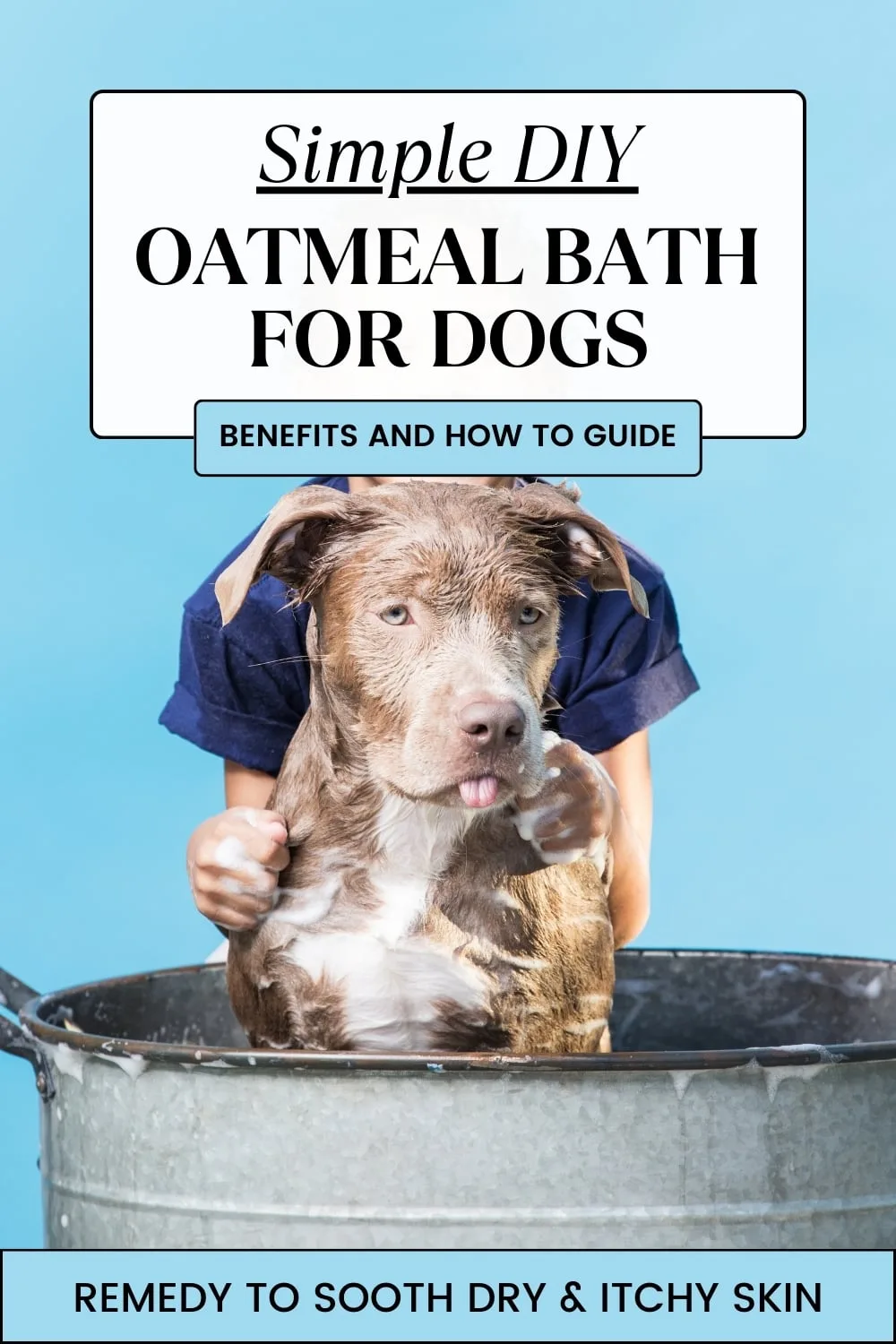
Bathing is the single most underrated natural treatment for environmental allergies. Every bath physically washes pollen, dust, and mold off the skin. It also hydrates the skin barrier and reduces the bacterial and yeast overgrowth that comes from constant scratching.
For most atopic dogs, bathing once or twice a week delivers the best results. Less frequent than that and allergens accumulate. More frequent than that and you risk drying out the skin.
Picking the Right Shampoo
Choose one specifically labeled for sensitive skin or allergic dogs. Colloidal oatmeal shampoos are the most evidence-backed option for calming itch. Look for these ingredients on the label:
- Colloidal oatmeal as the first or second ingredient
- Aloe vera for added soothing
- No added fragrance or harsh detergents like sodium lauryl sulfate
- Ceramide complexes if your dog has a damaged skin barrier
Avoid "medicated" shampoos with harsh chemicals unless your vet has specifically recommended them. For routine maintenance, gentle is better.
The Oatmeal Soak Alternative
If your dog hates baths, make a colloidal oatmeal soak instead. Grind plain, unflavored oatmeal into a fine powder in a blender. Mix a cup of it into a few inches of lukewarm water in a tub.
Let your dog stand or sit in it for 10-15 minutes, then rinse with clean water. It takes more prep but some dogs tolerate it better than a full bath.
The Foot Soak Trick
For dogs who lick their paws obsessively, a daily paw soak in cool water with a tablespoon of oatmeal or a 50/50 apple cider vinegar mix works wonders. Just put your dog in a shallow container and let them stand in it for a minute or two, then pat dry. Many owners see reduced paw-licking within a week of starting this habit.
Apple Cider Vinegar Rinses and Topical Coconut Oil: What Helps and What Hurts
Apple cider vinegar (ACV) and coconut oil are the two most-recommended DIY topical treatments online. Both can help in specific situations. Both can also cause harm if used wrong.
Apple Cider Vinegar: Use Right or Skip It
ACV works as a mild acidifier and antimicrobial. The proper dilution is 50% raw, unfiltered ACV and 50% cool water. Use it as a final rinse after baths, or apply with a spray bottle to paws and skin folds.
Skip ACV entirely if:
- The skin is broken, raw, or bleeding
- Your dog has open hot spots
- The skin is clearly inflamed and sensitive
Vinegar on broken skin stings and slows healing. If you're not sure, patch test a small area first and wait 15 minutes. No reaction means it's safe for your dog.
Coconut Oil: Great Inside, Tricky Outside
Virgin coconut oil has about 50% lauric acid, which converts to monolaurin in the body. Monolaurin has documented antimicrobial properties against certain bacteria and yeast. That's why it helps with mild skin dryness and surface yeast issues.
Apply a thin layer to dry patches, paw pads, or crusty elbows. Use it sparingly because coconut oil is comedogenic and can clog pores in dogs just like in humans. Too much, and you'll trade dry skin for greasy skin that traps more allergens.
Skip coconut oil on actively infected areas. It can trap bacteria and make things worse. Stick to dry, non-broken skin only.
Probiotics and Gut Health: Calming the Immune Response From Within
The gut houses roughly 70% of your dog's immune system. An imbalanced microbiome can amplify allergic responses, while a healthy one tends to dampen them. That's the theory behind using probiotics for environmental allergies, and there's real research supporting it.
A 2019 peer-reviewed study in veterinary dermatology found that dogs with atopic dermatitis given a multi-strain probiotic showed measurable reductions in itching severity compared to placebo. The effect was modest but real, especially when combined with omega-3s.
Choosing the Right Probiotic
Look for a canine-specific product with these features:
- Multiple strains, including Lactobacillus and Bifidobacterium species
- At least 1-5 billion CFU per dose (colony-forming units)
- Survivability through stomach acid, often indicated by enteric coating or time-release technology
- Refrigerated storage for many of the higher-quality products
Give It Time
Probiotics take 4-8 weeks to shift gut populations meaningfully. Don't expect results in the first two weeks. Feed them with meals for better survival rates through stomach acid.
Avoid generic "all species" probiotics that use cheap bacterial strains dogs don't benefit from much.
For more on the gut-skin axis in canine health, the Tufts Cummings School of Veterinary Medicine regularly publishes accessible research summaries that walk through this connection in plain language.
Home Environment Changes: HEPA Filters, Bedding, and Paw Wiping
Indoor allergen control is what most owners skip, and it's often what tips the balance. A dog spending 16 hours a day on a pollen-laden couch is fighting an uphill battle no matter what supplements you give.
Run a true HEPA air purifier in the room where your dog sleeps. Look for a CADR (Clean Air Delivery Rate) that matches your room size. For a 200-square-foot bedroom, you want a CADR of at least 100 cubic feet per minute for smoke and dust.
Wash your dog's bedding weekly in hot water above 130°F to kill dust mites. Vacuum floors and upholstery twice a week with a vacuum that has a sealed HEPA filter.
The single highest-impact habit: wipe your dog's paws and belly with a damp microfiber cloth after every walk during pollen season. You're physically removing allergens before they spread across the skin or get absorbed through the paw pads.
Building Your Dog's Daily Natural Allergy Plan
Here's a sample day that combines the tools we've covered. Adjust portions to your dog's size and response.
Morning: Wipe paws and coat after the first walk. Add omega-3 oil to breakfast. Add quercetin and bromelain to breakfast if used.
Midday: Refresh water bowl. Run HEPA purifier on high during peak pollen hours. Optional paw soak for heavy paw-lickers.
Evening: Full hypoallergenic bath once a week, or foot soak on non-bath days. Add probiotic to dinner. Final wipe-down after the last walk before bed.
Weekly: Wash all dog bedding in hot water. Vacuum thoroughly. Note any symptom changes in your journal.
Common Mistakes That Make Natural Treatment Fail
The pattern we see in aggregate feedback from owners who report "natural methods don't work" usually comes down to one of these five mistakes:
- Giving up too early. Most natural tools need 6-12 weeks to show full effect.
- Stacking five things at once and not knowing which one (if any) is helping.
- Skipping the diagnosis step and treating a flea or food issue with atopy remedies.
- Using low-dose or low-quality supplements that don't hit therapeutic amounts.
- Ignoring the home environment while pumping in supplements.
Fix these and most mild-to-moderate cases respond well.
Comparing Natural Approaches to Apoquel, Cytopoint, and Immunotherapy
Natural isn't a replacement for veterinary drugs in moderate-to-severe cases. It works alongside them, or before them in mild cases.
Apoquel (oclacitinib) works within hours but suppresses the immune system broadly. Cytopoint (lokivetmab) is a monoclonal antibody injection given every 4-8 weeks. Allergen-specific immunotherapy (ASIT) is the closest to a "cure," retraining the immune system over 6-12 months.
| Option | Speed | Best For | Cost Range | Side Effects |
|---|---|---|---|---|
| Natural plan | 6-12 weeks | Mild, seasonal cases | $30-80/month | Minimal |
| Apoquel | 4-24 hours | Moderate to severe | $80-200/month | Immune suppression |
| Cytopoint | 24-48 hours | Dogs that fail Apoquel | $100-200/dose | Injection site reactions |
| Immunotherapy | 6-12 months | Long-term solution | $200-500 initial | Rare |
For current pharmacology guidance, the FDA Center for Veterinary Medicine maintains searchable approvals and safety data on Apoquel, Cytopoint, and other canine allergy drugs.
Dangerous "Natural" Remedies That Are Actually Toxic to Dogs
This is the section most articles skip, and it's where real harm happens. Not everything marketed as "natural" is safe for dogs.
Essential oils are the biggest red flag. Tea tree oil, peppermint, citrus oils, and wintergreen can cause severe liver damage, neurological symptoms, and skin burns even at low concentrations. Never diffuse these around a dog, and never apply them topically unless specifically prescribed by a holistic vet trained in aromatherapy for animals.
Onions, garlic, and chives are toxic to dogs in any form, so skip any "immune boost" recipe containing them. Grapes and raisins cause kidney failure. Macadamia nuts cause weakness and vomiting. None of these belong in a homemade allergy remedy.
Topical products labeled "natural" can still contain undisclosed steroids. If a cream makes symptoms vanish overnight, it likely contains pharmaceuticals not listed on the label. When in doubt, ask your vet to check the ingredients.
Tracking Progress: How to Journal Symptoms and Measure Success
Natural treatment is slow enough that you can't rely on memory. A simple weekly journal turns vague impressions into clear data you can act on.
Score your dog each week on a 1-10 scale across three categories: itch intensity, skin appearance (redness, hotspots, coat quality), and behavior changes (sleep, appetite, energy). Note the date, weather, and any new foods or products introduced that week. Patterns jump out within 4-6 weeks.
You'll see whether spring pollen is the trigger, whether a new shampoo helped, or whether a supplement change made things worse.
Take a photo of the same body area (typically the belly, paws, or armpits) on the same day each week. Skin changes are gradual, and photos catch what your eyes miss day to day.
When to Stop Natural Treatment and Call Your Veterinarian
Natural methods have limits, and recognizing those limits is part of responsible care. Call your vet if you see any of the following, even while running a natural plan:
- Itching that interrupts sleep for more than two nights in a row
- Skin that becomes hot, swollen, or develops a foul odor
- Ears that drop, smell yeasty, or fill with discharge
- Sores that spread or won't scab over within 48 hours
- Any sign of facial swelling or hives (possible anaphylaxis, emergency)
A good rule: natural treatment should reduce itch by at least 30-40% within 12 weeks. If it doesn't, the underlying problem likely needs prescription support. That's not failure.
That's smart escalation.
Realistic Timelines: When You'll See Improvement and What "Working" Looks Like
Realistic timelines: when you'll see improvement and what "working" looks like. Expect the first visible signs around week 3-4, with steady gains through week 12. "Working" means noticeably less scratching, fewer ear infections, and a softer, shinier coat.
For dogs with severe atopic dermatitis, even a 30-40% reduction in itch counts as a meaningful win. You don't need zero scratching to call it success.
Frequently Asked Questions
How long does it take for natural allergy treatments to work in dogs?
Most dogs show meaningful improvement within 6-12 weeks of consistent natural treatment. Omega-3 fatty acids typically peak around week 8-12. Probiotics and quercetin may show partial benefit by week 4, with full effect by week 8.
Can I use natural treatments alongside Apoquel or Cytopoint?
Yes, in most cases. Omega-3s, probiotics, hypoallergenic baths, and environmental control all work safely alongside pharmaceutical options. Always tell your vet about every supplement you're giving to avoid interactions.
Are there any natural remedies that are toxic to dogs?
Yes. Several essential oils (tea tree, peppermint, citrus), grapes, raisins, onions, garlic, and macadamia nuts are toxic to dogs regardless of the claim on the label. Never give these to dogs for any reason.
What time of year are environmental allergies worst for dogs?
Spring and fall are peak seasons for most regions due to tree pollen in spring and weed pollen in fall. Warm, humid climates often extend symptoms year-round because mold and dust mites don't follow a strict seasonal pattern.
Can diet alone fix environmental allergies in dogs?
No. Diet changes can address food allergies but environmental allergens enter through the skin and airways. A dog with atopic dermatitis needs a plan that addresses both the immune overreaction and the skin barrier, not just the food bowl.
Is local honey safe for puppies with allergies?
Raw honey can carry botulism spores, which a puppy's immature immune system can't handle. Skip raw honey entirely for dogs under one year old. For adult dogs, raw honey is generally safe at standard doses, provided they have no diabetes or weight issues.
How often should I bathe a dog with environmental allergies?
Once or twice a week with a hypoallergenic or colloidal oatmeal shampoo is the research-backed frequency. Daily bathing dries out the skin, while monthly baths let allergens build up. Adjust based on how dirty your dog gets and how their skin responds.
Will natural treatments replace the need for allergy shots?
In mild cases, a thorough natural plan can reduce or even eliminate the need for allergen-specific immunotherapy (ASIT). For dogs with severe atopic dermatitis that doesn't respond to lifestyle changes, ASIT remains the most evidence-backed long-term solution.