How to treat allergy bumps on dogs: The complete guide
If you've spotted red, raised bumps scattered across your dog's belly, groin, or armpits, you're probably searching for how to treat allergy bumps on dogs right now, and the honest answer is that it depends entirely on what's causing them. The bumps can look nearly identical across very different conditions, from flea bites to food reactions to seasonal pollen, but the treatments are not interchangeable. Treating flea allergy bumps the same way you'd treat a food allergy rash is one of the fastest ways to waste weeks and money.
Most cases of allergic skin bumps in dogs fall under three umbrella causes: flea allergy dermatitis (FAD), food allergies, and environmental or atopic dermatitis, with flea allergy still being the most common trigger seen in clinical practice as of 2026. The Merck Veterinary Manual, the standard veterinary reference used by practitioners worldwide, classifies allergic skin disease as the leading cause of pruritus in dogs. The trick is matching the bump pattern to the trigger before you pick a treatment, which is exactly what we'll walk through below.
Quick Answer
Treat allergy bumps on dogs by first identifying the cause. For flea allergy, use a vet-approved preventative and treat the home. For food allergies, run an 8 to 12 week elimination diet.
For environmental allergies, use antihistamines, Apoquel, or Cytopoint. See a vet for facial swelling, infection signs, or breathing trouble.
What's Actually Causing Those Bumps on Your Dog
Before any cream or pill makes sense, you need to narrow down which type of allergy you're dealing with. Allergic bumps in dogs aren't one condition. They're a symptom pattern that can point to three very different root causes, and each one shifts your treatment plan in a meaningful way.
The three big offenders:
- Flea allergy dermatitis (FAD): A reaction to flea saliva, not the bite itself. Even a single flea can trigger weeks of itching in a sensitive dog.
- Food allergies: Usually a reaction to a specific protein like beef, chicken, or dairy. Bumps tend to be non-seasonal and may come with ear or gut signs.
- Environmental or atopic dermatitis: Pollen, dust mites, mold, or grass. Often seasonal, often worst on paws, belly, and ear folds.
Each one presents slightly differently on the skin, which is why the next step matters.
First, Figure Out What You're Looking At: Bump Identification
Look at the bumps themselves before you do anything else. Their location, shape, and behavior tell you a lot.
Where the bumps appear matters
| Location | Most likely cause |
|---|---|
| Lower back, tail base, inner thighs | Flea allergy dermatitis |
| Belly, groin, armpits, paws | Environmental or atopic dermatitis |
| Face, ears, around the anus | Food allergy or atopic dermatitis |
| Random spots after a new treat or table scrap | Acute food reaction |
What the bumps look and feel like
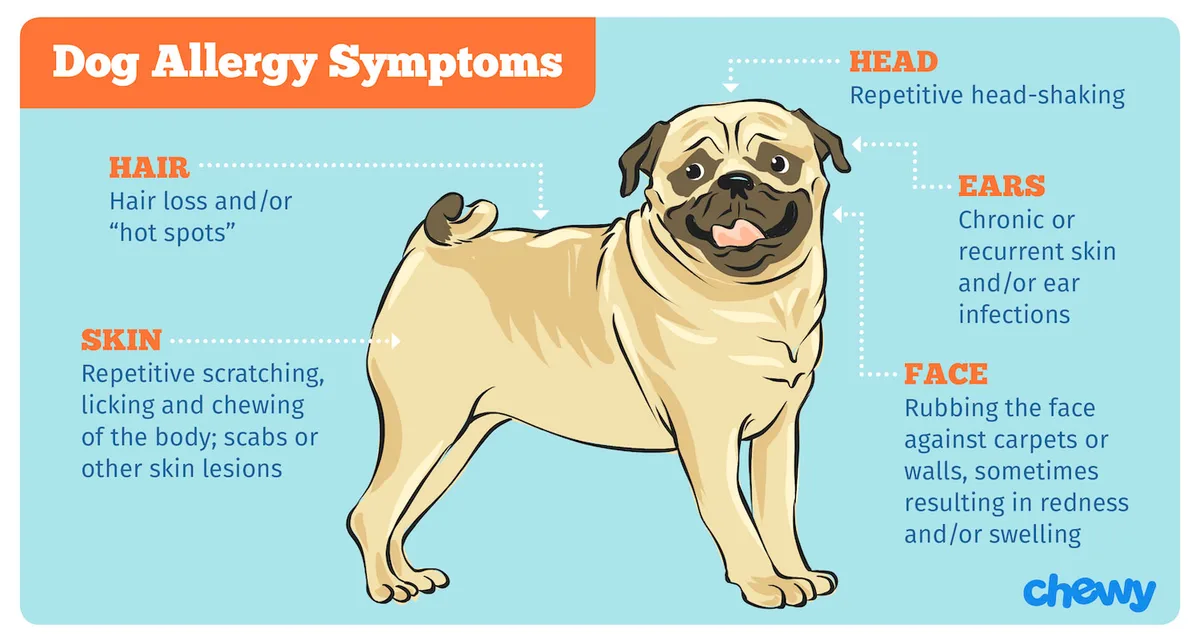
- Fleas: Small red bumps, often crusted, concentrated near the tail base. You'll usually see the dog scratching or "scooting."
- Food: Hives, redness, or pimple-like bumps that can pop up anywhere and may shift locations day to day.
- Environmental: Red, inflamed skin with bumps that often look weepy. Common on bare skin like the belly and inner legs.
- Hot spots: Large, moist, angry-looking bald patches that develop fast (within 12 to 48 hours) from self-trauma.
How fast they appeared
If bumps showed up within minutes to a few hours after something new (a treat, a new detergent, a yard treatment), you're probably looking at an acute allergic reaction. If they've been creeping in over weeks, think chronic allergy or even something non-allergic like mites or ringworm. The American College of Veterinary Dermatology notes that the timeline of onset is one of the most useful diagnostic clues a vet can gather.
Flea Allergy Dermatitis vs. Food Allergies vs. Environmental Allergies
This is the section where most owners get tripped up, because all three can look like "little red bumps." Let's break down how to tell them apart with simple at-home clues.
Flea allergy dermatitis (FAD)
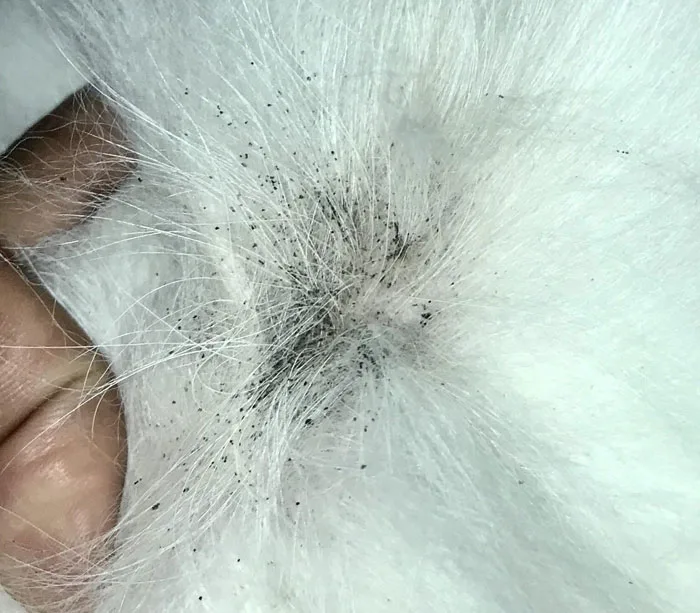
Even one flea can set off a full allergic cascade in a sensitive dog. Per veterinary guidance summarized by the AVMA's pet care resources, flea allergy is the most common allergic skin disease in dogs, and many affected dogs have very few or no visible fleas because they groom them off quickly.
The at-home check:
- Run a fine-toothed flea comb through the fur near the lower back and tail.
- Wipe anything you collect onto a damp white paper towel.
- If it leaves a rust-colored smear, that's "flea dirt" (digested blood). You've confirmed fleas.
Treatment direction: aggressive flea control on the dog plus every pet in the home, plus environmental treatment. Skipping any one of these three usually means the bumps come back within weeks.
Food allergies
True food allergies in dogs are immune reactions, usually to a protein source the dog has eaten before. They're less common than environmental allergies but very persistent.
Clues pointing to food:
- Bumps that are non-seasonal (year-round).
- Recurring ear infections or red, itchy ears.
- Soft stool or gassiness alongside the skin signs.
- Symptoms that started after a diet switch, even weeks prior.
Treatment direction: a strict 8 to 12 week elimination diet using a novel protein or hydrolyzed formula, with absolutely nothing else going in the mouth (no treats, table scraps, flavored medications). Most owners break the trial by accident. We'll cover how to do it right in a later section.
Environmental or atopic dermatitis
This is the allergy to airborne stuff like pollen, dust mites, and mold. It's the most common chronic allergic skin disease in dogs and is often seasonal, flaring in spring and fall.
Clues pointing to environmental:
- Bumps that flare with the season and improve indoors.
- Itching focused on paws, face, ears, armpits, and groin.
- Licking paws constantly or rubbing the face on furniture.
- Negative flea check and no dietary link.
Treatment direction: a combination approach. Symptom relief with medications, environmental management, and sometimes allergy testing plus immunotherapy. Treatment rarely "cures" atopy.
It's about managing it long-term.
Red Flags That Mean You Need a Vet Right Now
Most mild allergic bumps can be triaged at home, but some signs mean you should stop home treatment and head in. As of 2026, veterinary dermatologists still emphasize the same critical warning signs they've taught for years: when allergy stops being skin-deep and starts affecting breathing or whole-body function, minutes matter.
Go to the vet (or emergency clinic) immediately if you see:
- Facial swelling, especially around the muzzle, eyes, or lips
- Hives spreading fast across the body
- Vomiting, diarrhea, or collapse alongside skin signs
- Difficulty breathing, panting, or pale gums
- Sudden severe itching within minutes of a new medication, vaccine, or food
These can be signs of anaphylaxis, which is rare in dogs but a true emergency.
Book a vet visit within 24 to 48 hours if you see:
- Bumps that are oozing, crusting, or smell bad (possible secondary infection)
- Hot spots developing or spreading
- No improvement after 7 to 10 days of consistent home treatment
- Constant scratching that's interrupting sleep or causing bleeding
- Repeated ear infections alongside skin bumps
A quick clarification: scratching that breaks the skin opens the door to bacterial infection, usually Staphylococcus pseudintermedius, which then needs prescription antibiotics. What started as a simple allergy can become a much bigger problem if infection sets in.
What the vet will likely do
- Skin scrapings to rule out mites or fungal infection
- Cytology to check for secondary bacterial or yeast infection
- A flea check even if you've already done one
- Possibly blood allergy testing or a diet trial plan
Trying to skip these steps and go straight to medication is one of the most common reasons allergy bumps linger. The treatment has to match the cause.
Step-by-Step: Treating Allergy Bumps at Home
Once you've narrowed down the likely cause and ruled out the red flags, you can take a structured approach at home. The steps below are designed for mild to moderate cases. If symptoms worsen at any point, escalate to your vet.
Step 1: Stabilize the skin and stop the itch cycle
The first 24 to 48 hours are about relief, not cure. You're breaking the scratch-itch cycle so the skin can start healing.
- Run a cool (not cold) shower or apply a cool, damp cloth to affected areas for 5 to 10 minutes.
- Use a gentle, fragrance-free dog shampoo or an oatmeal-based rinse. Avoid anything with alcohol or tea tree oil.
- Prevent self-trauma with an e-collar if your dog is licking or chewing aggressively.
Step 2: Identify and remove the trigger
This is where your bump identification work pays off.
- If fleas: Treat every pet in the home with a vet-recommended preventative, wash all bedding on hot, and vacuum thoroughly.
- If food: Begin a strict elimination diet (covered below).
- If environmental: Wipe paws and belly after outdoor time, bathe weekly during peak pollen, and consider an air purifier indoors.
Step 3: Start targeted medication
Match medication to severity. For mild itching, diphenhydramine can take the edge off. For moderate to severe cases, prescription options work faster and more reliably.
Confirm dosing with your vet, especially for puppies, seniors, or dogs on other medications.
Step 4: Support skin healing
- Add omega-3 fatty acids (EPA/DHA from fish oil) to support the skin barrier.
- Use a leave-in conditioner or topical spray with ceramides.
- Keep nails trimmed short to reduce scratch damage.
Step 5: Monitor and adjust
Track symptoms daily for the first two weeks. No measurable improvement by day 7 to 10 means it's time to call your vet. Persistent allergic dermatitis almost always needs prescription-strength intervention.
The 8–12 Week Elimination Diet Trial (Done Right)
Food allergies are the easiest cause to miss and the hardest to confirm without doing the trial correctly. Here's how to run it without sabotaging the results.
Pick the right test food
You have two main options, and your vet can help you choose:
- Novel protein diet: A protein and carb your dog has never eaten before, like kangaroo, duck, or rabbit paired with sweet potato.
- Hydrolyzed protein diet: Proteins broken down so small the immune system can't recognize them. Prescription brands like Royal Canin HP or Hill's z/d fall here.
The rules are non-negotiable
For 8 to 12 weeks, your dog eats only the test food and water. That means:
- No treats, no table scraps, no rawhides, no flavored medications.
- No flavored toothpaste or chew toys that have had food on them.
- Other household pets must eat separately so your dog can't snag their food.
A single bite of the offending protein can reset the trial. This is the most common reason elimination diets "fail" in practice.
How to read the results
If itching and bumps drop by 50% or more during the trial, food allergy is the likely culprit. To confirm, you then "challenge" by reintroducing old foods one at a time. Watch for flare-ups within 1 to 2 weeks.
The ingredient that triggers the return of symptoms is your dog's specific allergen.
Choosing the Right Medication: Antihistamines, Apoquel, and Cytopoint Compared
Once you've identified the cause and removed the trigger, medications help control the residual inflammation and itching. Here's how the three main options stack up.
| Medication | Type | Onset | Best for | Key limitation |
|---|---|---|---|---|
| Diphenhydramine (Benadryl) | OTC antihistamine | 1–2 weeks for full effect | Mild, seasonal itching | Low success rate (10–30%) in dogs |
| Apoquel (oclacitinib) | Prescription tablet | 4–24 hours | Moderate to severe atopic dermatitis | Daily dosing, requires prescription |
| Cytopoint (lokivetmab) | Prescription injection | 24–48 hours | Dogs that hate pills, long-lasting relief | Cost per injection, vet visit required |
Antihistamines
Cheap and accessible, but honestly disappointing for most dogs with skin allergies. Veterinary literature suggests only about 1 in 3 dogs responds meaningfully. They're worth trying for very mild cases but rarely solve moderate problems.
Apoquel
A daily tablet that blocks the itch signal at the JAK1 enzyme. Manufacturer data and aggregate clinical reports confirm rapid relief, often within hours. Works well for both short-term flares and long-term management.
Requires a prescription and regular bloodwork monitoring on long-term use.
Cytopoint
A monoclonal antibody injection given every 4 to 8 weeks. Works by neutralizing interleukin-31, the protein that triggers itching. Great for dogs that resist pills or have multiple health issues that limit oral medications.
The main drawback is cost per injection.
Medicated Shampoos and Topical Treatments That Actually Help
Topical care gets underrated. The right shampoo or spray can cut itching, clear infection, and restore the skin barrier faster than any pill alone.
Shampoo types and what they do
- Chlorhexidine shampoos: Antibacterial, helpful when secondary infection is present.
- Miconazole shampoos: Antifungal, useful for yeast overgrowth in skin folds.
- Oatmeal and ceramide shampoos: Soothing and barrier-supporting, good for maintenance.
Frequency matters. For active flares, bathe 2 to 3 times per week for the first 2 weeks, then drop to once weekly or every other week for maintenance. Let the medicated shampoo sit on the coat for 10 minutes before rinsing.
Most owners rinse too fast.
Topical sprays and wipes
- Hydrocortisone sprays: Mild anti-inflammatory for small hot spots.
- Pramoxine sprays: Numbing agent that reduces the urge to scratch.
- Antiseptic wipes: Good for paws and skin folds after walks.
Avoid products with lidocaine or zinc oxide without vet approval. Both can be toxic if licked.
Mistakes Dog Owners Make With Allergy Bumps
Even with the best intentions, these errors are common and they delay healing.
Treating without diagnosing
Reaching for Benadryl when the real issue is a flea infestation won't help. Soak, wash, and pest-control first, then medicate.
Bathing too often or too little
Overbathing strips the skin barrier. Underbathing lets allergens and bacteria build up. Aim for the rhythm described above.
Stopping meds too soon
The moment the bumps fade, owners stop the medication. The allergic inflammation is still simmering underneath. Most courses need 2 to 4 weeks minimum.
Skipping the flea check
Even indoor dogs get fleas. A negative visual check doesn't rule them out. Run a flea comb and check for flea dirt.
Using human creams without guidance
Many human steroid creams are too strong for dogs. Some contain ingredients toxic if licked. Always check with your vet before applying anything.
When to Escalate From Home Care to the Vet
Home treatment works for mild, clear-cut cases. The list below signals it's time to stop and get professional help.
- No improvement after 7 to 10 days of consistent home treatment.
- Bumps spreading fast or new ones appearing daily.
- Signs of infection (pus, odor, heat, crusting).
- Itching severe enough to interrupt sleep or cause bleeding.
- Repeated ear infections alongside the skin issue.
- Bumps returning every time you stop medication.
A vet visit isn't failure. It's the smart move when the case is bigger than home care can handle. Expect skin cytology, possible bacterial culture, and a tailored medication plan based on the findings.
Long-Term Management to Stop the Bumps From Coming Back
Allergy management is rarely a one-and-done fix. Once you've cleared the current flare, the goal shifts to prevention.
Flea prevention stays year-round
Even in cold climates, indoor fleas survive. Use a vet-recommended preventative on every pet in the home, every month, no gaps.
Diet and gut health
If food allergy is confirmed, stay on the novel or hydrolyzed protein long-term. Adding a probiotic can help modulate the immune response over time.
Skin barrier support
Omega-3 fatty acids (look for marine sources with EPA and DHA), ceramides, and regular moisturizing rinses keep the skin resilient against allergens.
Environmental control
Wash bedding weekly in hot water. Vacuum carpets and furniture where dander and dust mites accumulate. Wipe paws and belly after outdoor time during high-pollen seasons.
Seasonal planning
If your dog's bumps flare every spring or fall, start medication 2 to 4 weeks before the season hits. Pre-treatment prevents the cascade instead of chasing it.
Seasonal and Regional Triggers You Should Know About
Geography shapes which allergens your dog actually faces. Here's what to expect in different regions and seasons.
Spring
Tree pollen is the main trigger. Oaks, maples, and cedars release massive amounts early. Dogs with atopic dermatitis often flare from March through May in temperate zones.
Summer
Grass pollens peak, plus fleas hit full force in warm, humid areas. Hot spots become more common as dogs swim and stay damp.
Fall
Ragweed and mold spores rise as leaves decay. Cooler nights and warm days create perfect mold conditions in yards and woodpiles.
Year-round
Dust mites live indoors everywhere. Storage mites contaminate dry kibble if it's left out for long periods. These cause perennial symptoms that look seasonal but aren't.
Climate-specific notes
Coastal and southern regions extend flea season to nearly year-round. Arid western states see less mold but more dust and certain grass pollens. Northern climates get a true winter break from outdoor allergens, though indoor triggers persist.
Quick Reference: Treatment Options Compared Side by Side
Here's a compact summary of the main treatment routes we've covered, organized by cause and severity.
| Cause | First-line home step | Prescription option | When to escalate |
|---|---|---|---|
| Flea allergy | Vet-approved preventative + home treatment | Prescription-strength adulticide | Hot spots, infection |
| Food allergy | 8–12 week elimination diet | None needed | Persistent GI signs |
| Acute hives | Cool compress, antihistamine | Short steroid course | Facial swelling, breathing trouble |
| Environmental | Bathing, paw wiping, antihistamine | Apoquel or Cytopoint | Daily scratching, sleep loss |
| Secondary infection | Antiseptic wash | Oral antibiotics | Pus, odor, spreading redness |
Final Verdict: Your Decision Path Forward
Treating allergy bumps on dogs comes down to three decisions, in order.
Decision 1: Is this an emergency?
If you see facial swelling, breathing trouble, or collapse, skip everything and head to emergency care. Anaphylaxis is rare but real, and minutes matter.
Decision 2: What's the cause?
Run the at-home checks from the identification section above. Flea comb, diet review, environmental pattern. Most cases reveal themselves within a day of careful observation.
Decision 3: What's the right treatment?
Match the treatment to the cause. Flea control for fleas. Elimination diet for food.
Medication plus environmental management for atopy. Treat secondary infection when present. Track progress for 7 to 10 days, then escalate if needed.
The bumps almost always respond when the underlying cause gets identified and addressed. The dogs that struggle the longest are usually the ones where treatment was started before the cause was confirmed. Take the diagnostic step first, treat second, and you'll save yourself weeks of frustration.
Frequently Asked Questions
How long does it take for allergy bumps on dogs to go away?
It depends on the cause. Acute hives from a one-time trigger often clear within 24 to 72 hours. Flea allergy bumps improve within 1 to 2 weeks once fleas are fully controlled.
Food allergy bumps take 8 to 12 weeks to fully resolve after starting a strict elimination diet. Environmental allergy bumps are managed, not cured, and may flare seasonally without ongoing treatment.
Can I give my dog Benadryl for allergy bumps?
Diphenhydramine (Benadryl) can help mild itching in some dogs at a dose of roughly 1 mg per pound of body weight, but only under veterinary guidance. It doesn't work for every dog, and it can interact with other medications or worsen certain conditions. Never give it without confirming with your vet first.
What do allergy bumps look like on a dog's belly?
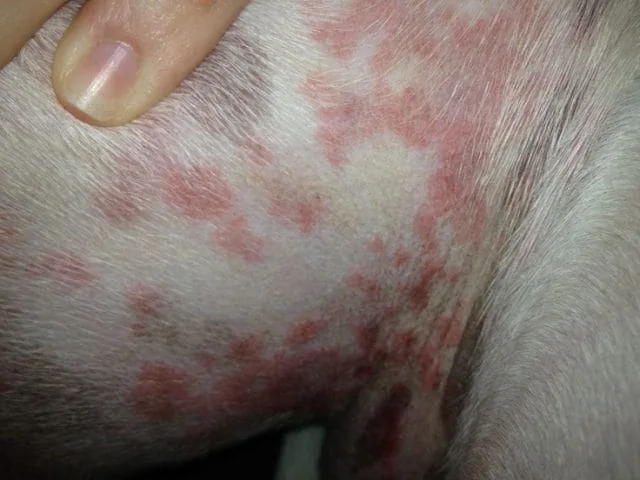
Allergy bumps on a dog's belly typically appear as small red, raised spots, sometimes clustered together. They may be surrounded by pink or inflamed skin. In flea allergy cases, bumps concentrate near the lower belly and inner thighs.
In environmental allergies, they're often scattered across the entire belly and groin area.
Are allergy bumps on dogs contagious to other pets or humans?
No. Allergic skin reactions are immune responses to environmental or dietary triggers, not infections. They can't spread between animals or to people.
However, if the underlying cause is fleas, the fleas themselves can and will move between pets and into your home environment.
When should I worry about bumps on my dog?
Worry and see a vet immediately if you notice facial swelling, hives spreading rapidly, vomiting, breathing difficulty, or collapse. These can signal anaphylaxis. Also seek care within a day or two if bumps are oozing, smell bad, or if your dog is scratching hard enough to break the skin.
These signs point to secondary infection that needs prescription treatment.
Can food allergies cause bumps on a dog's back?
Yes. While food allergies often show up on the face, ears, and rear, they can cause bumps anywhere on the body, including the back. If bumps are non-seasonal and accompanied by ear infections or digestive changes, food allergy is a likely suspect worth investigating with your vet.
Can I use Neosporin on my dog's allergy bumps?
Skip Neosporin. Dogs lick it off and ingesting the antibiotic can cause digestive upset. Use a vet-recommended pet-safe antiseptic spray or chlorhexidine wash instead.
Will apple cider vinegar help my dog's skin bumps?
Diluted ACV can help mild yeast issues on paws, but it stings open wounds and worsens raw skin. For most allergy bumps, it's not the right tool.
Do allergy bumps mean my dog needs a prescription forever?
Not necessarily. Flea allergy and food allergy can resolve fully with trigger removal. Environmental allergies usually need ongoing management, but many dogs taper off medication once triggers are controlled.
How do I tell allergy bumps from ringworm?
Ringworm lesions are usually circular, scaly, and hairless with a red ring. Allergy bumps are raised, inflamed, and often clustered. A vet can confirm with a fungal culture.
Are some dog breeds more prone to allergy bumps?
Yes. Bulldogs, retrievers, terriers, setters, and boxers carry higher genetic risk for atopic dermatitis and flea allergy. Breed doesn't seal the diagnosis, though.
When is the best time to start seasonal allergy meds?
Begin 2 to 4 weeks before symptoms typically start in your region. Pre-season treatment prevents the inflammatory cascade from building up.