
How to treat grass allergies in dogs: Easy guide
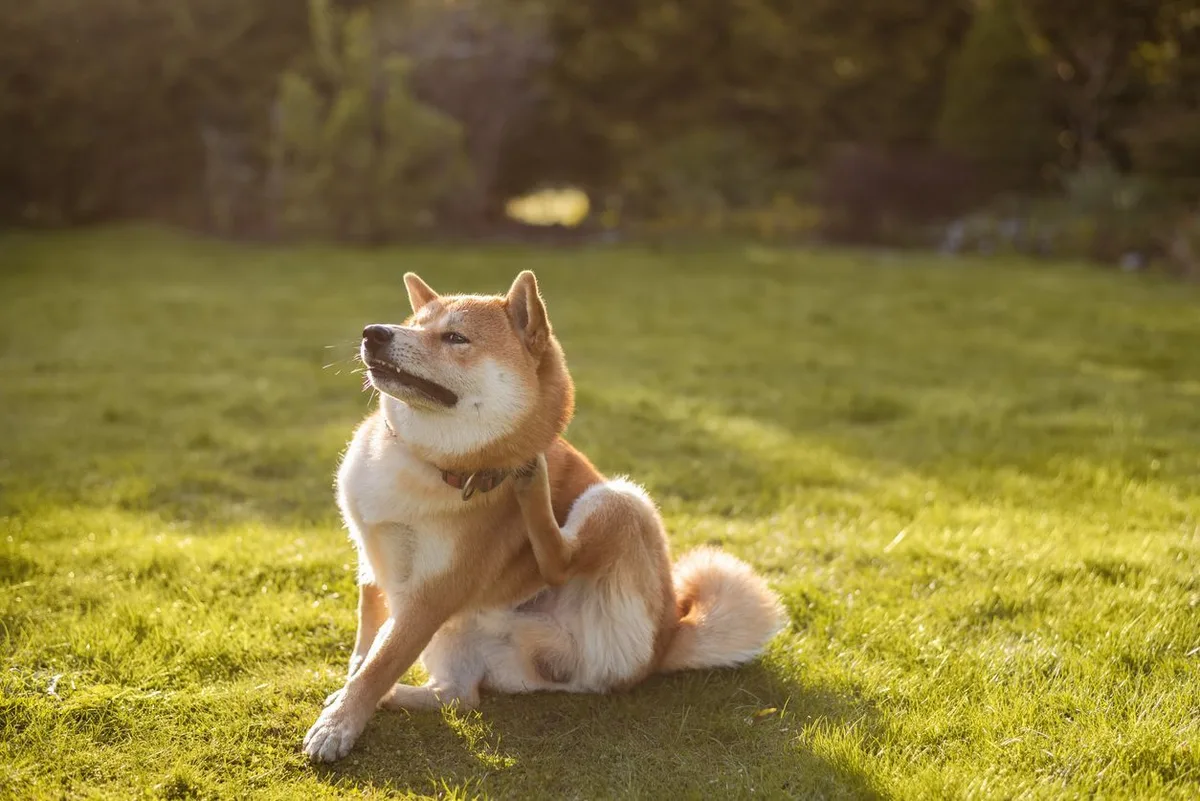
How to treat grass allergies in dogs is the question every owner with an itchy, paw-licking, grass-rolling dog eventually asks. The honest answer is that there is no single silver-bullet fix. You usually need a layered plan: a proper vet diagnosis, an anti-itch medication to break the cycle, immunotherapy for long-term relief, and a few smart habits at home.
Done well, most dogs go from miserable to comfortable within weeks.
In our research and review of veterinary dermatology guidance as of 2026, the gold standard combines prescription anti-itch drugs like Apoquel or Cytopoint with allergen-specific immunotherapy. Published data suggests roughly 10 to 15% of dogs develop environmental allergies, and grass pollens are among the top triggers. The rest of this guide walks through the exact steps, the tradeoffs between treatments, and the mistakes that quietly make things worse.
Quick Answer
Treat grass allergies in dogs by getting a vet-confirmed diagnosis first. Use Apoquel or Cytopoint to stop the itch fast. Add allergen immunotherapy for long-term tolerance.
Use medicated baths and paw rinses. Reduce grass pollen exposure at home. Always rule out fleas and skin infection before starting treatment.
Why Getting Grass Allergies Right in Dogs Actually Matters
Grass allergies are rarely just an itch. Left untreated, the scratch-itch cycle damages the skin barrier, opens the door to bacterial and yeast infections, and can spiral into painful hot spots and ear infections. What looks like a mild seasonal problem in May often becomes a year-round crisis by autumn.
There's also a financial angle worth being honest about. Treating a flare early with a single medication is one cost. Treating infected skin, repeated ear infections, and a frustrated dog who won't stop scratching is a different bill entirely.
The American College of Veterinary Dermatology frames atopic dermatitis as a chronic disease that needs management, not a one-time cure, and getting the plan right early saves both suffering and money.
A few things make grass allergies especially tricky:
- Symptoms mimic other conditions (flea allergy, food allergy, mites, infections).
- Pollen seasons are getting longer in many regions due to climate trends.
- Antihistamines alone often disappoint owners because they're far less effective in dogs than in humans.
- Breeds like Golden Retrievers, French Bulldogs, Westies, and Boxers carry a strong genetic predisposition.
What Grass Allergies in Dogs Look Like (and How to Tell It's Not Something Else)
Grass allergy in dogs is a form of canine atopic dermatitis, an immune overreaction to environmental proteins carried in grass pollens. The body mistakes harmless pollen for a threat and releases inflammatory signals that drive intense itching.
The Classic Symptoms
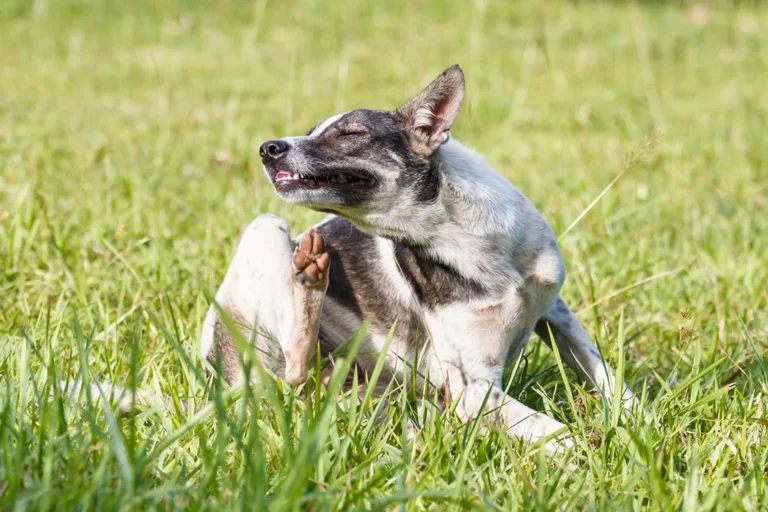
- Chewing or licking the paws (especially between toes)
- Face rubbing on carpets, furniture, or the ground
- Scratching the flanks, ears, belly, or armpits
- Recurring ear infections or head shaking
- Red, stained, or thickened skin in skin folds
- Hot spots (moist, raw, rapidly spreading sores)
How Vets Rule Out Other Causes
A vet won't just take your word that it's grass. They'll work through a checklist before committing to an allergy diagnosis.
| Condition | How It's Ruled Out | Why It Matters |
|---|---|---|
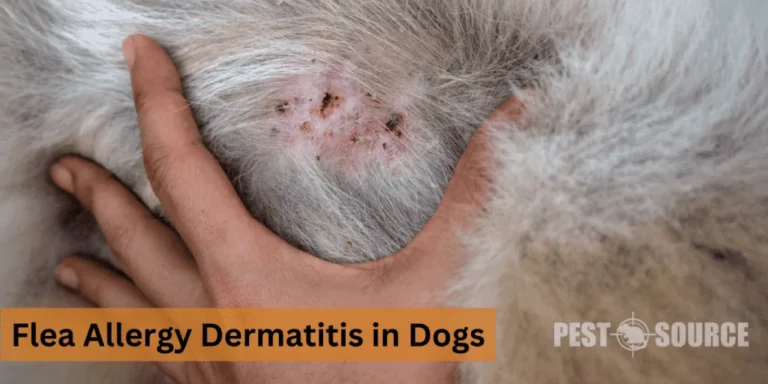
| Flea allergy dermatitis | Flea combing, response to strict flea control | Most common allergy in dogs; even a few bites can trigger full-body itching |
| Food allergy | 8 to 12 week elimination diet with novel or hydrolyzed protein | Causes similar itching; environmental and food allergies can coexist |
| Skin infection (bacterial or yeast) | Skin cytology, tape impressions, culture | Infection makes any allergy look worse and won't resolve until treated |
| Sarcoptic mange | Skin scrapings, response to trial treatment | Mimics allergy with intense itching, can spread to humans |
A useful rule of thumb: if itching is seasonal and tied to grass exposure, with symptoms starting between the first spring growth and late fall, atopic dermatitis is likely. If it's year-round or started after a diet change, food allergy moves up the list.
Why Your Dog's Immune System Overreacts to Grass in the First Place
Dogs with grass allergies have an immune system wired to overreact to otherwise harmless pollen proteins. The skin barrier is often more permeable than it should be, so allergens slip through the outer layer and trigger inflammatory cells in the deeper skin.
Once sensitization happens, every exposure sets off a chain reaction:
- Pollen lands on the skin or is inhaled.
- Immune cells release histamine-like signals and cytokines.
- IL-31, the main itch cytokine, activates the brain's itch center.
- The dog scratches, breaking the skin and inviting infection.
- More allergens penetrate the broken skin. The cycle worsens.
Understanding this matters because it explains why treatment has to attack the cycle at multiple points. Just suppressing histamine rarely works. Targeting IL-31 (which Cytopoint does) or shutting down inflammatory signaling pathways (which Apoquel does) is far more effective for most dogs.
There's also a genetic component. Purebred dogs from atopy-prone lines carry mutations that affect skin barrier proteins. That's why lifestyle fixes alone rarely solve the problem; the immune system needs medical retraining or suppression.
When to See the Vet — And Why Waiting Usually Makes Things Worse
If your dog has been scratching for more than a few days, has visible skin damage, or shakes his head repeatedly, it's vet time. Dogs don't develop tolerance to allergies on their own. They develop thicker skin, more infections, and a worse quality of life.
Red Flags That Need Urgent Care
- Raw, bleeding, or oozing skin
- A sudden foul smell from the ears or skin (often a yeast infection)
- Loss of appetite or lethargy alongside itching
- Scratching that's constant, including through the night
What to Expect at the First Appointment
A good vet visit for suspected grass allergies includes:
- A full history (seasonal pattern, home environment, diet, flea prevention)
- A physical exam focusing on paws, ears, axillae, groin, and perineum
- Skin cytology to check for bacteria and yeast
- A flea check, even if you use prevention
- Blood work or skin testing if long-term management is being planned
Owners sometimes try over-the-counter antihistamines or medicated shampoos for months before seeing a vet. The research consistently shows this delays proper treatment and usually leads to a worse outcome. Manufacturer data for Apoquel and Cytopoint indicates faster itch relief and fewer complications when treatment starts before secondary infections set in.
The Standard Veterinary Treatment Path for Grass Allergies
Once your vet confirms grass allergy, treatment usually follows a tiered approach. The fastest-acting drugs control the itch right away. Slower, longer-term therapies work on the immune system itself.
Supportive care protects the skin between flare-ups.
The Three Layers of Treatment
| Layer | What It Does | Examples |
|---|---|---|
| Fast-acting symptom control | Stops itching within hours to days | Apoquel, Cytopoint, short steroid courses |
| Long-term immune retraining | Reduces the body's overreaction to grass pollen | Allergen-specific immunotherapy (ASIT) |
| Supportive skin care | Repairs the barrier and prevents infection | Medicated baths, omega-3s, paw wipes, flea control |
Most dogs need all three layers running at once during the first pollen season. Over time, some can drop down to just immunotherapy and supportive care. The American College of Veterinary Dermatology treats this combination as standard practice.
A common mistake is treating only the itch and skipping the infection workup. If cytology shows bacteria, your dog needs antibiotics. If it shows yeast, antifungals.
Treating itch on top of untreated infection rarely works and can mask a worsening problem.
The standard path also includes strict year-round flea control, even if you don't see fleas. Flea allergy and grass allergy often coexist, and a single flea bite can undo everything else you're doing.
Apoquel vs. Cytopoint: Which Anti-Itch Medication Fits Your Dog?
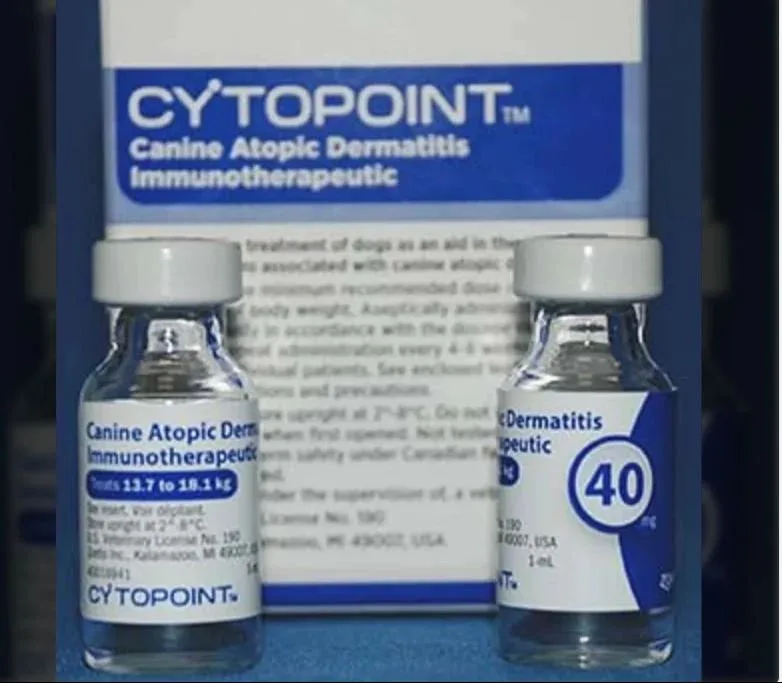
Apoquel (oclacitinib) and Cytopoint (lokivetmab) are the two prescription anti-itch medications that have largely replaced daily steroids for chronic allergic itch in dogs. They work in different ways and suit different situations.
How They Work
- Apoquel is a JAK inhibitor taken as a daily oral tablet. It blocks the signaling pathways that drive itch and inflammation.
- Cytopoint is a monoclonal antibody injection that targets IL-31 specifically, the itch molecule. It's given as a subcutaneous shot at the vet clinic.
Side-by-Side Comparison
| Feature | Apoquel | Cytopoint |
|---|---|---|
| Form | Oral tablet, given daily at home | Injection at the vet, every 4 to 8 weeks |
| Onset of action | Within 4 hours | 24 to 48 hours |
| Best for | Dogs needing flexible dosing or quick relief | Owners who can't give daily pills, dogs with pill aversion |
| Approved age | 12 months and older | 12 months and older |
| Common side effects | Mild GI upset, rare susceptibility to infection | Injection site reactions, very rare hypersensitivity |
| Approximate monthly cost (US, 2026) | $80 to $150 for a medium dog | $100 to $200 per injection |
Which One Should You Pick
Apoquel works well if you're home, your dog takes pills easily, and you want adjustable dosing. It's also better for dogs with mixed allergic and inflammatory skin disease.
Cytopoint works well if daily pills are a struggle, you want a lower systemic drug load, or your dog is older and has other health conditions. Because it targets IL-31 specifically, it tends to be cleaner for long-term use.
Some dogs end up on both during severe flares, then taper down to one. The decision usually comes down to lifestyle and budget rather than effectiveness. Both work well in clinical practice.
Allergy Shots and Drops (Immunotherapy): The Long-Term Fix That Actually Retrains the Immune System
Allergen-specific immunotherapy is the only treatment that addresses the root cause of grass allergy rather than masking the itch. It works by exposing your dog to tiny, controlled amounts of the allergens that trigger the reaction, gradually teaching the immune system to stop overreacting.
There are two delivery methods:
- Subcutaneous injections (allergy shots), given at home after initial vet training.
- Sublingual drops (under the tongue), squirted into the mouth daily.
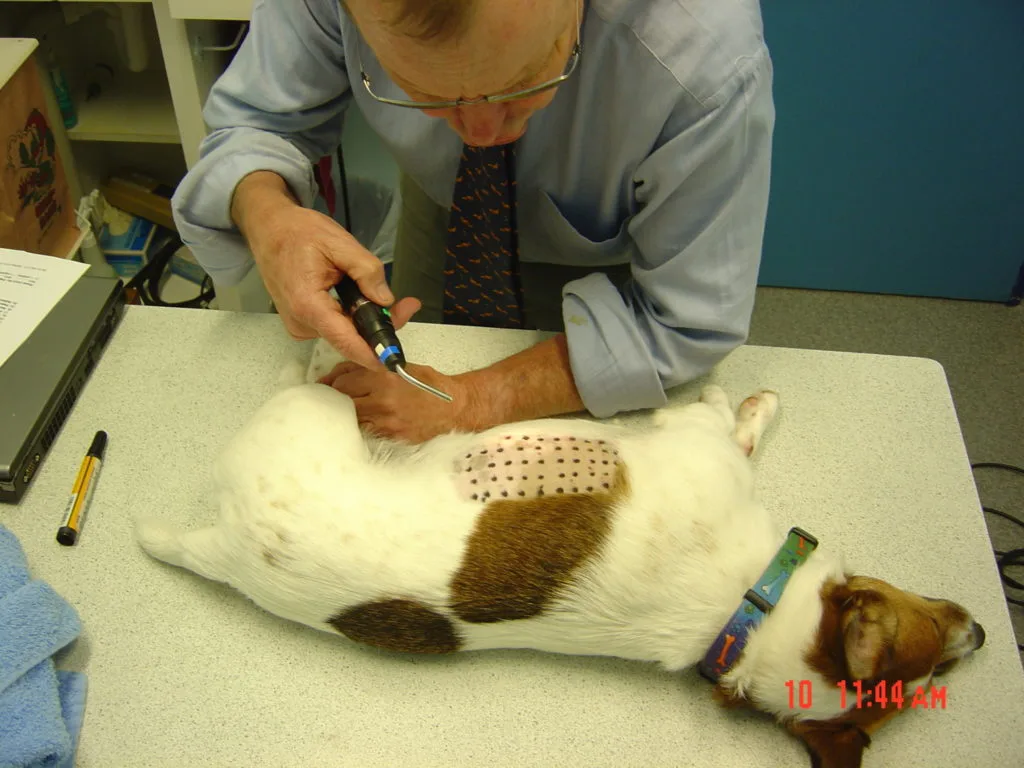
Before immunotherapy can be formulated, your vet needs to identify exactly which allergens your dog reacts to. That requires either intradermal skin testing (injecting small amounts of allergens into the skin and measuring the reaction) or serum IgE blood testing. Skin testing is generally considered more accurate for environmental allergens, but blood testing is easier and more widely available.
What Results Look Like
- About 60 to 80% of dogs show meaningful improvement with immunotherapy, based on aggregated dermatology case data.
- Most dogs need 6 to 12 months before peak benefit kicks in.
- The first few pollen seasons often still require Apoquel or Cytopoint alongside the shots.
- Lifelong treatment is typical, though some dogs taper off after a few years.
Immunotherapy isn't a quick fix, but for owners who want to avoid long-term daily medication, it's the most durable option available.
Antihistamines for Dogs: Why They Often Don't Work and When They Can Help
Antihistamines like diphenhydramine (Benadryl), cetirizine (Zyrtec), and loratadine (Claritin) are often the first thing owners try. They're cheap, available without a prescription, and feel like a sensible starting point. The reality is more complicated.
In dogs, histamine is only one of several itch pathways. IL-31 and other cytokines drive most allergic itching, and antihistamines don't block those. Published veterinary research consistently shows that antihistamines alone relieve itch in only about 10 to 30% of allergic dogs.
When Antihistamines Can Help
- As a mild supplement to Apoquel or Cytopoint during low-pollen periods.
- For dogs with very mild seasonal symptoms.
- As a sedative pre-med before stressful events (some antihistamines cause drowsiness).
- During the early buildup of immunotherapy, before full effect.
Important Safety Notes
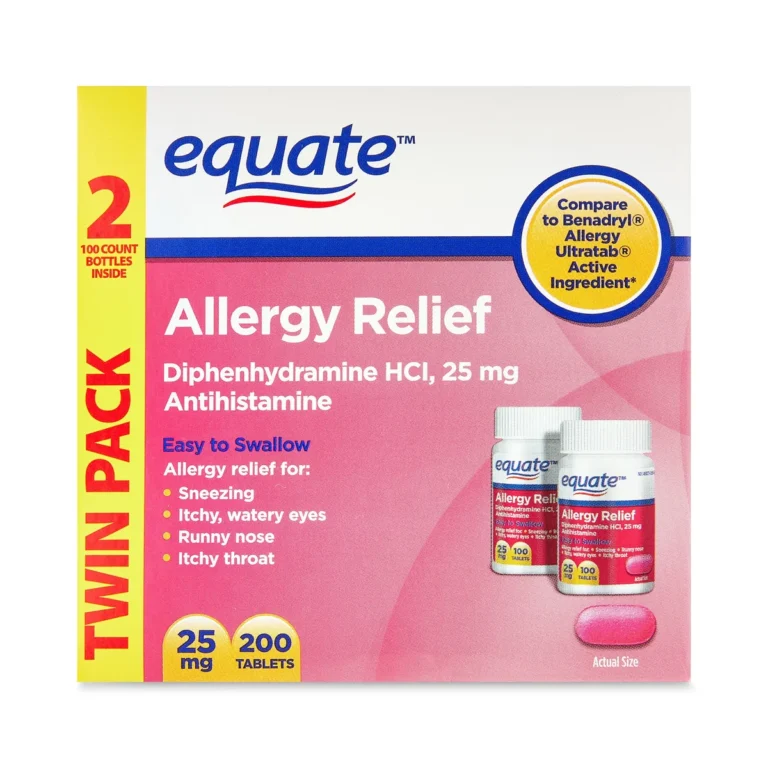
Never give your dog an antihistamine without checking with your vet first. Common OTC formulations include xylitol, decongestants like pseudoephedrine, or doses sized for humans. All three can be dangerous for dogs.
Even plain diphenhydramine needs weight-based dosing confirmed by your vet.
Medicated Baths, Rinses, and Topical Treatments That Calm the Skin
Topical therapy is the underrated workhorse of allergy management. It removes allergens from the skin, soothes inflammation, and helps repair the damaged barrier. Most veterinary dermatologists now prescribe topical regimens as a core part of the plan, not an optional extra.
What to Use and When
| Product Type | Best For | Frequency |
|---|---|---|
| Chlorhexidine or benzoyl peroxide shampoo | Bacterial overgrowth, mild inflammation | 2 to 3 times weekly during flares |
| Oatmeal or colloidal oatmeal shampoo | Mild itching, sensitive skin | As needed for comfort |
| Antifungal shampoo (miconazole, ketoconazole) | Yeast overgrowth, musty smell | 2 to 3 times weekly |
| Leave-in conditioner or moisturizing spray | Barrier repair between baths | Daily |
| Hydrocortisone spray or wipe | Localized hot spots | Short-term, vet-directed |
Leave the shampoo on for 10 minutes before rinsing. Most owners lather and rinse immediately, which wastes the active ingredients.
Omega-3s and Diet: The Supportive Stuff That Makes Everything Else Work Better
Omega-3 fatty acids from fish oil (EPA and DHA) reduce inflammatory signaling in the skin and improve the lipid barrier. They don't replace prescription medication, but they make everything else work a little better.
Research in veterinary dermatology shows that omega-3 supplementation can reduce itch scores modestly and lower the Apoquel dose some dogs need over time. The catch is dose and quality.
Practical Dosing Guidance
- Look for marine oil with EPA and DHA listed on the label, not just "fish oil."
- A typical therapeutic dose for an allergic dog lands around 50 to 75 mg of combined EPA and DHA per kilogram of body weight daily.
- Give it with food to improve absorption and reduce GI upset.
- Allow 8 to 12 weeks for full effect.
There is no strong evidence that grain-free diets help grass allergies specifically. If your dog has both environmental and food allergies, a hydrolyzed protein diet can help rule out food triggers, but it won't touch the grass pollen problem on its own.
Environmental Management: Reducing Grass Pollen Exposure at Home
You can't keep your dog away from grass forever, but you can lower the daily pollen load on the skin.
High-Impact Habits
- Wipe paws and the belly with a damp cloth or fragrance-free wipe after every walk.
- Rinse the coat with plain water after high-pollen play sessions.
- Bathe on a regular schedule to physically remove allergens.
- Keep grass in the yard short, and avoid early-morning walks when pollen peaks.
- Wash dog beds weekly in hot water.
- Run a HEPA air purifier in the room where your dog sleeps.
These steps won't cure the allergy, but they reduce the trigger load, which often translates into smaller medication doses and fewer flare-ups.
Treatment Mistakes That Make Grass Allergies Worse
Most failed allergy plans come from the same handful of missteps. Knowing them upfront saves months of frustration.
- Stopping Apoquel or Cytopoint the moment the itch fades. The allergy is still active even when symptoms quiet down.
- Skipping the infection check. Steroids and anti-itch drugs alone won't fix bacterial pyoderma or yeast dermatitis.
- Assuming OTC antihistamines are enough. For most dogs, they're not.
- Using essential oils or home remedies on broken skin. Many cause irritation or toxicity.
- Inconsistent bathing. Sporadic baths let allergens accumulate on the skin.
Costs, Dosing, and What to Expect Over Time
Budgeting matters because allergy management is multi-year, not a single visit.
| Treatment | Typical Cost (US, 2026) | Frequency |
|---|---|---|
| Vet exam + cytology | $80 to $200 | Initial, then as needed |
| Apoquel | $80 to $150/month | Daily tablet |
| Cytopoint | $100 to $200/injection | Every 4 to 8 weeks |
| Immunotherapy | $300 to $600 initial, $30 to $60/month refill | Ongoing |
| Medicated shampoo | $20 to $40/bottle | Every 2 to 4 weeks |
Most dogs improve within the first month on prescription anti-itch medication. Immunotherapy adds another 6 to 12 months on top of that. Plan for a 12-month ramp before judging the long-term plan.
Safety Notes Every Dog Owner Should Know Before Starting Treatment
A few safety rules apply across the board. Apoquel and Cytopoint are FDA-approved for dogs 12 months and older. Both should be used cautiously in dogs with a history of cancer or chronic infection.
Apoquel can increase susceptibility to skin and ear infections in some dogs.
Steroids still have a role for short rescue courses, but long-term daily steroid use carries risks like iatrogenic Cushing's disease, diabetes, and immune suppression. If your vet recommends steroids, ask how long and how the dose will taper down.
Never give human allergy medications containing pseudoephedrine, phenylephrine, or xylitol. All three are toxic to dogs in common OTC formulations.
Frequently Asked Questions
How Long Does It Take for Grass Allergy Treatment to Work in Dogs?
Most dogs on Apoquel or Cytopoint show measurable itch relief within 1 to 3 days. Full immunotherapy benefit usually takes 6 to 12 months of consistent dosing.
Can Grass Allergies in Dogs Go Away on Their Own?
No. Canine atopic dermatitis is a chronic condition that fluctuates with pollen seasons. Without treatment, it typically worsens year over year and often becomes year-round.
Are Grass Allergies Seasonal or Year-Round in Dogs?
In most regions, grass allergies are seasonal, peaking spring through fall. In warm climates with year-round grass growth, symptoms can become nearly continuous without treatment.
Is Cytopoint Better Than Apoquel for Grass Allergies?
Neither is universally better. Cytopoint is an injection lasting 4 to 8 weeks with minimal systemic effects. Apoquel is a daily oral tablet with more flexible dosing.
Both work well, and choice depends on lifestyle and cost.
What Can I Give My Dog at Home for Grass Allergy Relief?
Paw rinses, medicated baths, omega-3 fish oil, and keeping grass exposure low all help. Over-the-counter antihistamines may provide mild relief but rarely control the itch on their own.
When Should I Take My Dog to the Vet for Grass Allergy?
See the vet as soon as itching disrupts sleep, causes skin damage, or recurs every pollen season. Early treatment prevents the infections and skin thickening that make later management harder.
A Practical Long-Term Plan for Managing Your Dog's Grass Allergy
A clean plan keeps the allergy on a leash instead of running your dog's life. Start with a vet visit to rule out fleas, food allergy, and infection. Get skin or blood testing done if symptoms return every pollen season.
Run Apoquel or Cytopoint through the worst months to break the itch cycle. Layer in immunotherapy for long-term immune retraining. Stay consistent with medicated baths, omega-3s, and paw rinses between flare-ups.
Recheck with your vet each season and adjust dosing before the pollen peaks hit.

3 Comments