How much benadryl do you give a dog for allergies
If your dog is scratching nonstop or breaking out in hives, you're probably scrambling for a fast answer to "how much benadryl do you give a dog for allergies." Most dog owners reach for this antihistamine at some point because it's cheap, available, and the dosing logic is simple. But the margin between a helpful dose and a dangerous one is narrower than you'd think.
Veterinary pharmacology references show that the standard dose of diphenhydramine (the active ingredient in Benadryl) for dogs is 1 mg per pound of body weight, given two to three times daily. Your dog's weight, the exact product you grabbed off the shelf, and any underlying health conditions all change whether that dose is safe. Let's walk through what to do before you open that bottle.
Quick Answer
The standard veterinary dose of Benadryl for dogs is 1 mg per pound of body weight, given by mouth every 8 to 12 hours. Use only plain diphenhydramine, never combination cold medicines. Always confirm the dose with your vet before giving the first dose, especially for small breeds or dogs with health issues.
Why Getting the Dose Right Matters More Than You'd Think
Diphenhydramine is sold over the counter for humans, which makes people assume it's automatically safe for dogs. That assumption is mostly true at the correct dose. But dogs process this drug differently than we do, and the consequences of getting it wrong can escalate fast.
Manufacturer specifications for Benadryl list the active ingredient at 25 mg per tablet for the standard adult version. Children's Benadryl liquid comes in at 12.5 mg per 5 mL. That concentration difference catches a lot of people off guard, especially when they're stressed and guessing in the middle of an allergic flare.
A 1 mg per pound dose means a 10 lb dog gets 10 mg, which is roughly half of one adult tablet. A 50 lb dog gets 50 mg, which is two full tablets. These are small numbers in absolute terms, but the safety window gets even tighter for toy breeds, senior dogs, and dogs with chronic illness.
As of 2026, veterinary pharmacology texts still cite this same 1 mg/lb standard, though more vets are leaning toward newer prescription options for long-term allergy management.
The Standard Benadryl Dose for Dogs (Quick Reference)
The short version is what we already covered: 1 mg per pound, by mouth, every 8 to 12 hours. Here's how that breaks down across common dog sizes.
| Dog Weight | Diphenhydramine Dose | Adult Tablets (25 mg) | Children's Liquid (12.5 mg/5 mL) |
|---|---|---|---|
| 5 lbs | 5 mg | 1/5 tablet | 2 mL |
| 10 lbs | 10 mg | 2/5 tablet | 4 mL |
| 25 lbs | 25 mg | 1 tablet | 10 mL |
| 50 lbs | 50 mg | 2 tablets | 20 mL |
| 75 lbs | 75 mg | 3 tablets | 30 mL |
A few things worth flagging right away. Never assume your dog's weight is what the scale at the vet's office said six months ago. Small weight changes in toy breeds mean big dose changes.
Also, the dose ceiling most vets use for a single administration is 50 mg, even for larger dogs. More than that in one sitting rarely helps and just increases side effect risk.
For dogs on the smaller end, splitting tablets accurately matters. A pill cutter is worth the five dollars it costs. Eyeballing tablet halves for a 5 lb dog can easily lead to a 50% overdose.
Benadryl Formulations and Why the Product You Pick Changes Everything
Walk into any pharmacy and you'll find a whole wall of Benadryl products. Most of them aren't safe for dogs. The active ingredient you want is diphenhydramine HCl, and nothing else.
Plain Diphenhydramine Is the Only Safe Choice
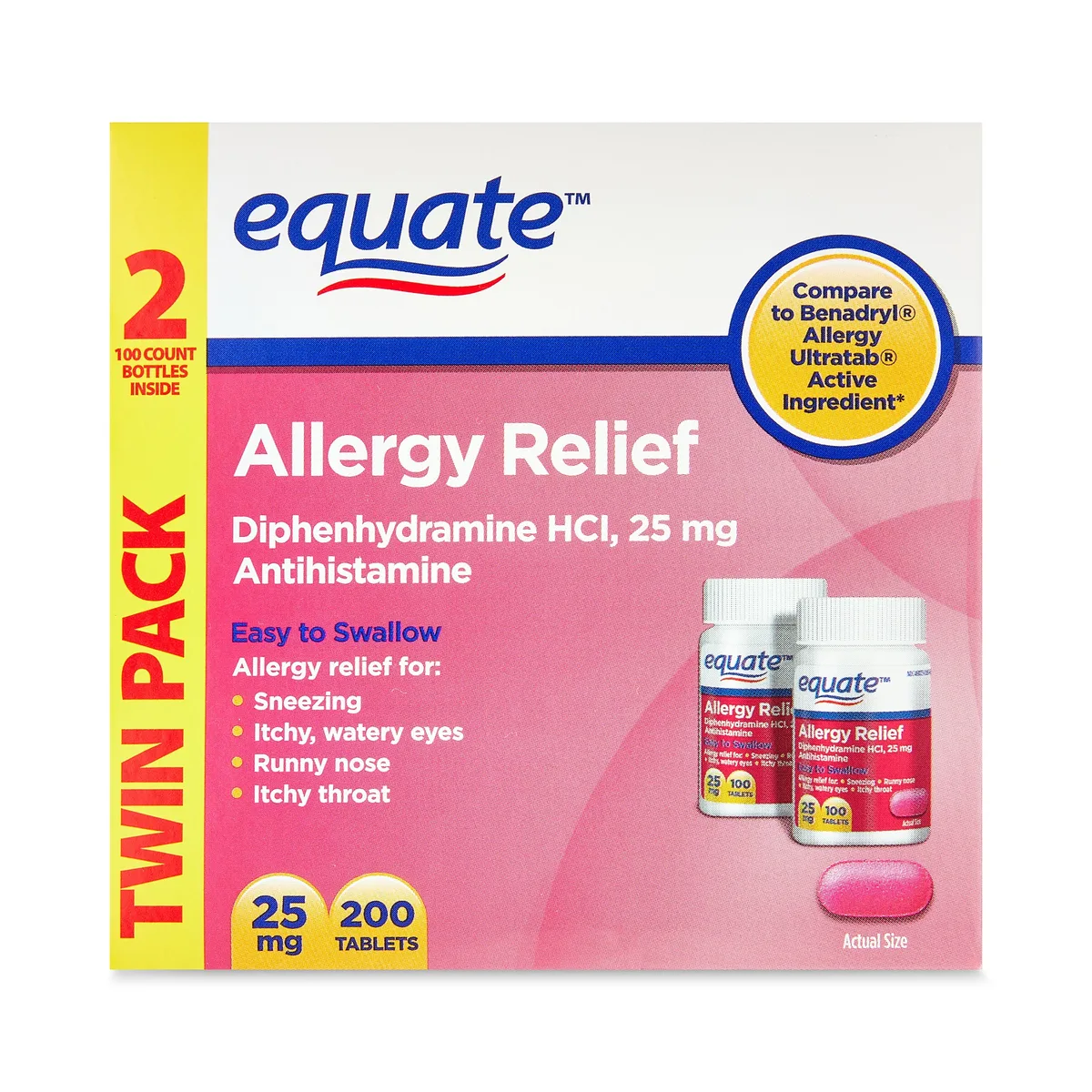
The standard adult Benadryl tablet contains just diphenhydramine and a few inert binders. That version is what the 1 mg per pound dose is built around. It comes in 25 mg tablets, which is the strength the chart above uses.
Children's Liquid Is Often Easier for Small Dogs
Children's Benadryl liquid is the same active ingredient, just diluted. The concentration is 12.5 mg per 5 mL, which makes it easier to measure small doses for dogs under 15 lbs. Just make sure you're buying the plain diphenhydramine version, not the children's cold formula.
Avoid Anything Labeled "Allergy and Cold" or "Multi-Symptom"
This is the mistake that sends dogs to the emergency room. Combination products often contain pseudoephedrine, phenylephrine, acetaminophen, or ibuprofen alongside diphenhydramine. Pseudoephedrine is toxic to dogs at relatively low doses.
Acetaminophen damages their livers. Even a single dose of these combination products can be fatal, particularly for small breeds.
Watch Out for Time-Release Capsules
Extended-release diphenhydramine products release the drug slowly over 12 hours or more. Dogs metabolize these unpredictably, and an overdose can build up before you notice symptoms. Stick to immediate-release tablets or standard liquid.
Step-by-Step: How to Calculate the Right Dose for Your Dog
Dosing diphenhydramine correctly takes about two minutes once you know the steps. Here's the workflow most vets recommend.
Step 1: Weigh Your Dog Accurately
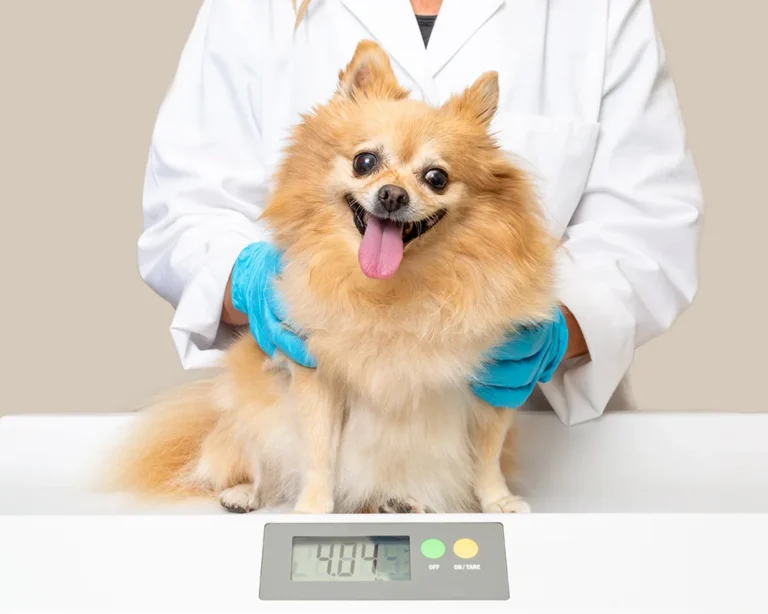
Use a bathroom scale (hold your dog, subtract your own weight) or a pet scale. Don't guess. A 12 lb dog and a 15 lb dog get noticeably different doses, and the difference matters more in smaller dogs.
Step 2: Confirm the Active Ingredient and Strength
Check the package. You want diphenhydramine HCl as the only active ingredient. Confirm the strength per tablet or per mL of liquid.
Step 3: Multiply Weight by 1
Take your dog's weight in pounds and multiply by 1. That gives you the milligrams. A 22 lb dog gets 22 mg.
A 40 lb dog gets 40 mg.
Step 4: Convert to Tablets or Liquid
Divide the milligrams by the strength per unit. For 25 mg tablets, divide mg by 25 to get tablet count. For 12.5 mg/5 mL liquid, multiply mg by 0.4 to get mL.
Step 5: Call Your Vet Before the First Dose
This is the step most owners skip, and it's the one that matters most if your dog has any chronic conditions or takes other medications. A 30-second call can prevent a serious problem.
Benadryl Dosage Chart by Weight
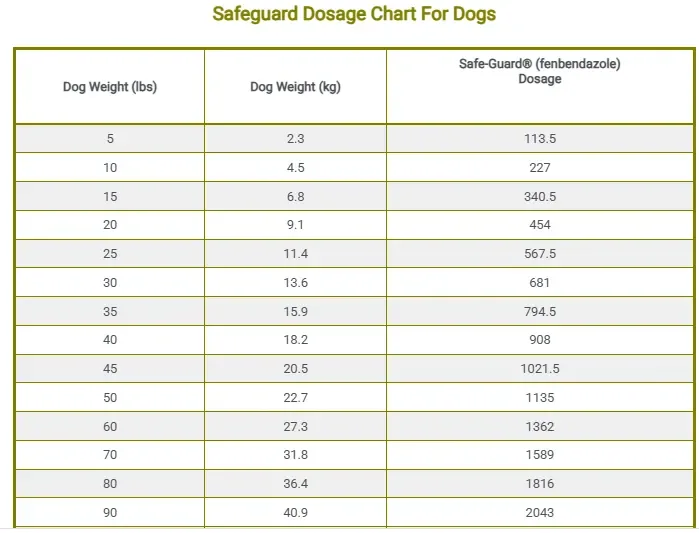
Below is the dosage chart we referenced earlier, broken out so you can scan it quickly when you need it. Use it as a sanity check, not as a substitute for your vet's confirmation on the first dose.
| Dog Weight (lbs) | Diphenhydramine Dose (mg) | 25 mg Tablets | Children's Liquid (mL) |
|---|---|---|---|
| 3 | 3 | Use liquid | 1.2 mL |
| 5 | 5 | Use liquid | 2 mL |
| 8 | 8 | Use liquid | 3.2 mL |
| 10 | 10 | Less than half | 4 mL |
| 15 | 15 | Just over half | 6 mL |
| 20 | 20 | Just under one | 8 mL |
| 25 | 25 | Exactly one | 10 mL |
| 30 | 30 | Just over one | 12 mL |
| 40 | 40 | Just over one and a half | 16 mL |
| 50 | 50 | Two | 20 mL |
| 60 | 60 | Just over two | 24 mL |
| 75 | 75 | Three | 30 mL |
| 100 | 100 | Four (max single dose) | 40 mL |
For any dog over 100 lbs, dosing usually caps at the 50 mg ceiling per administration. The drug doesn't work better at higher doses. It just makes side effects worse.
When Benadryl Makes Sense (and When It Doesn't)
Benadryl works well for certain allergy symptoms in dogs. It also gets used for situations where it isn't really the right call, which is how owners end up disappointed or worse.
Symptoms That Often Respond to Benadryl
Mild environmental allergies respond fairly reliably. Think seasonal pollen reactions, dust, or mild itching from a bug bite. Acute hives, facial swelling from an insect sting, and mild vaccine reactions also fall into this category.
Some vets recommend a preventive dose before known triggers like car rides or grooming appointments, since the mild sedation can take the edge off.
Symptoms That Need Something Else
Severe allergic reactions, including facial swelling that affects breathing, collapse, or widespread hives, require veterinary emergency care. Benadryl alone won't cut it. Food allergies typically don't respond to antihistamines at all.
Chronic itching that lasts weeks usually points to an underlying condition that needs prescription treatment, like Apoquel or Cytopoint.
How Quickly It Kicks In
Diphenhydramine reaches peak effect in dogs within about 30 to 60 minutes after oral dosing. The duration of action typically runs 8 to 12 hours, which is why dosing is usually repeated two to three times per day. If you're not seeing any improvement after two doses, talk to your vet rather than increasing the amount.
Conditions and Medications That Make Benadryl Unsafe
Before you give a dose, run through this list and call your vet if any of these apply.
Health Conditions That Change the Equation
Glaucoma tops the list. Diphenhydramine's anticholinergic effect raises pressure inside the eye, which can trigger an acute glaucoma attack in susceptible dogs. Prostate enlargement or any history of urinary retention is another red flag because the drug worsens the muscle relaxation that causes the problem in the first place.
Cardiac disease, especially arrhythmias or congestive heart failure, can be amplified by the drug's effect on heart rate. Liver and kidney disease slow clearance, so a normal dose effectively becomes a higher dose over time.
Drug Interactions That Stack the Risk
Benadryl doesn't play well with other sedatives. Trazodone, gabapentin, benzodiazepines, and opioids all add to the drowsiness, and the combined effect can tip into respiratory depression in sensitive dogs. Certain antidepressants (MAOIs and SSRIs in particular) can interact unpredictably.
Even "natural" sedatives like melatonin or CBD can amplify the effect.
Why a Quick Vet Call Is Worth It
A 60-second conversation with your vet covers all of this. They know your dog's history. They can flag a condition you forgot to mention.
They can also tell you whether diphenhydramine is even the right choice, or whether Apoquel or Cytopoint would be a safer long-term plan. The FDA Center for Veterinary Medicine publishes guidance on off-label drug use in animals, which covers antihistamines like this one.
Side Effects to Watch For After You Dose
Most dogs tolerate Benadryl without drama. The minority that react badly tend to show it within the first two hours.
Expected Effects at the Right Dose
Drowsiness is the most common. Some dogs get pleasantly sleepy, others get a little wobbly on their feet. Dry mouth shows up as extra thirst.
A small percentage of dogs get the opposite effect and become agitated or restless, which vets call a paradoxical reaction. It's annoying but not dangerous, and switching to a different antihistamine usually solves it.
Signs the Dose Was Too High
Rapid heartbeat, dilated pupils, vomiting, panting, and extreme lethargy all suggest the dose overshot what your dog could handle. Symptoms usually appear within 30 minutes to two hours.
Emergency Red Flags
Seizures, collapse, breathing difficulty, or pale gums mean you should be at an emergency clinic, not on the phone. If your dog shows any of these, skip the home observation and go.
Benadryl vs. Other Antihistamines and Allergy Treatments
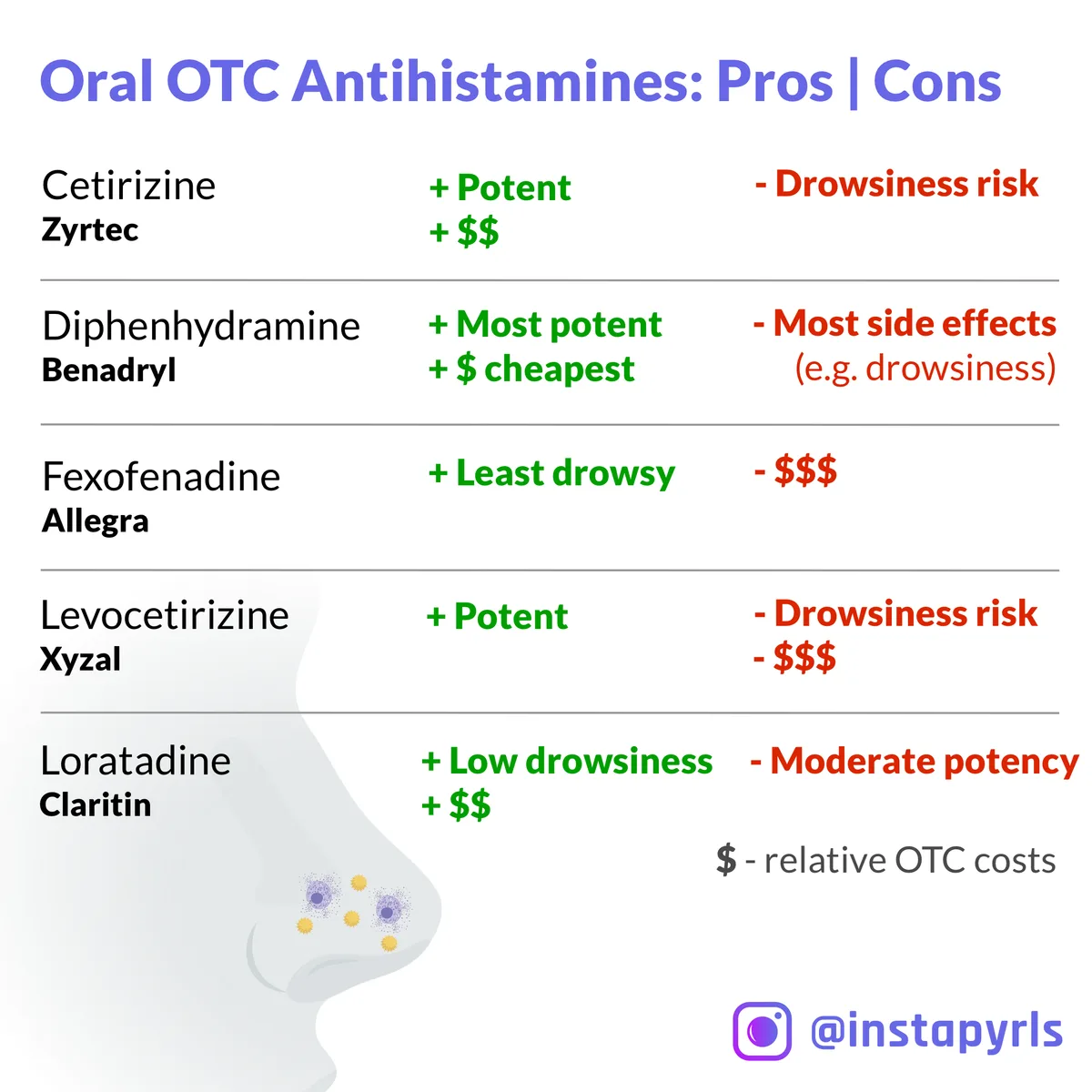
Benadryl isn't the only OTC option, and it's not always the best one. Here's how it stacks up.
| Medication | Active Ingredient | Typical Dog Dose | Sedation Level | Prescription Required |
|---|---|---|---|---|
| Benadryl | Diphenhydramine | 1 mg per lb | High | No |
| Zyrtec | Cetirizine | 0.5 mg per lb | Low | No |
| Claritin | Loratadine | 0.2 mg per lb | Very low | No |
| Apoquel | Oclacitinib | Varies by weight | None | Yes |
| Cytopoint | Lokivetmab injection | Varies by weight | None | Yes |
When Benadryl Is the Right Pick
Acute, predictable allergic events like bee stings, vaccine reactions, or the first sign of seasonal itching. The mild sedation also makes it useful before car rides or grooming. If your dog is generally healthy and just needs occasional help, diphenhydramine is a reasonable first choice.
When Zyrtec or Claritin Is Better
For dogs that need daily allergy support but can't afford the sedative effect, cetirizine or loratadine are often better. They cause less drowsiness and work for a full 24 hours. The flip side is they can take longer to show results in some dogs.
When Prescription Strength Is the Answer
Chronic allergies, repeated ear infections, and skin inflammation that won't quit usually need Apoquel or Cytopoint. These drugs target the itch-signaling pathway directly, and they don't carry the sedation baggage of antihistamines. The tradeoff is cost and the need for a vet prescription.
Common Mistakes Dog Owners Make With Benadryl
Most Benadryl mishaps come from a handful of predictable errors. Avoid these and you'll be ahead of most owners.
Picking Up the Wrong Product
Combination cold medicines are the single most common cause of Benadryl-related ER visits. Read the active ingredient list. If it says anything other than diphenhydramine, put it back.
Guessing the Weight
"My dog is about 30 pounds" is the kind of guess that lands a 22 lb dog on 30 mg. That's nearly 40% over the safe dose. Weigh first.
Treating Chronic Allergies With OTC Antihistamines Alone
If your dog needs Benadryl daily for more than a week, the antihistamine isn't the right tool. You're masking symptoms that need a different approach. Schedule a vet visit.
Using Children's Liquid Without Checking for Xylitol
Some children's formulations use xylitol as a sweetener. Xylitol drops blood sugar fast and damages the liver, sometimes fatally. Read the inactive ingredients every time you open a new bottle.
What to Do If You Suspect an Overdose
If your dog got into the bottle or you doubled up by accident, the response depends on how much and how recently.
Symptoms to Watch For
Mild overdoses cause sedation, wobbliness, and vomiting. Moderate overdoses add rapid heartbeat, agitation, and dilated pupils. Severe overdoses lead to seizures, breathing trouble, and collapse.
The toxic threshold generally starts around 5 mg per pound and gets dangerous above 10 mg per pound.
Immediate Steps
Call your vet or the ASPCA Animal Poison Control Center at 888-426-4435. Have the package handy so you can report the exact product and strength. Don't induce vomiting at home unless a vet specifically tells you to, since some situations make that dangerous.
What the Vet Will Likely Do
Induced vomiting or activated charcoal if the dose was recent. IV fluids and cardiac monitoring for anything beyond a mild overdose. Hospitalization in severe cases.
Quick action dramatically improves outcomes.
When to Call Your Vet Instead of Reaching for the Bottle
There are clear situations where the right move is to skip self-treatment entirely.
Breathing Trouble or Facial Swelling
Anaphylactic reactions need epinephrine, not Benadryl. If your dog's face is swelling or breathing sounds labored, head to an emergency clinic now.
Symptoms Lasting More Than 48 Hours
Two days of Benadryl without improvement means the diagnosis is probably wrong. Your dog needs a vet exam, not more of the same drug.
Recurring Allergy Flares
Single episodes are fine to manage at home. Repeated episodes mean something is triggering your dog that you should identify. Food trials, environmental changes, or prescription medications may be the real answer.
Any Chronic Health Condition
If your dog has heart disease, kidney issues, glaucoma, or takes other medications, the vet needs to weigh in before the first dose. The 1 mg per pound rule assumes a healthy dog. Real dogs don't always fit that assumption.
FAQs on Giving Benadryl to Dogs
How long does Benadryl take to work in dogs?
Most dogs show effects within 30 to 60 minutes. Peak sedation usually hits around the two-hour mark. If nothing changes after two hours, the dose was likely too low, or the symptoms need a different medication entirely.
Can I give my dog Benadryl every day?
Short-term daily use is generally safe at the proper dose. Long-term daily use builds tolerance and reduces effectiveness. Most vets prefer Apoquel or Cytopoint for chronic allergy control, since they target inflammation more directly without the sedation side effects.
Is children's Benadryl safer than adult Benadryl?
Same drug, different concentration. Children's Benadryl is easier to measure for small dogs, which is the only real advantage. The active ingredient and safety profile are identical to the adult version.
What if my dog accidentally ate Benadryl meant for humans?
Check the strength and how many tablets were eaten. A 50 lb dog that swallowed one 25 mg tablet is at 0.5 mg per pound, well within the safe range. A 10 lb dog that ate three tablets is at 7.5 mg per pound and needs emergency care.
Call your vet or poison control regardless.
Can I give my cat the same Benadryl dose?
Cats metabolize diphenhydramine differently and are far more sensitive to many medications. Never extrapolate a dog dose to a cat. If your cat needs an antihistamine, your vet will calculate a species-specific amount.
Does expired Benadryl still work?
Benadryl tablets typically last two to three years past manufacture. Expired medication loses potency but rarely becomes toxic. For predictable dosing, fresh tablets are worth the small extra cost.
The Bottom Line on Safe Benadryl Dosing for Dogs
The 1 mg per pound rule is the easy part. The harder part is everything around it. Weigh your dog, confirm the product is plain diphenhydramine, do the math carefully, and check with your vet before the first dose.
That sequence takes five minutes and prevents most accidental overdoses.
For occasional allergic reactions or seasonal itching, Benadryl is a reasonable short-term tool. For ongoing or severe symptoms, the right answer is a veterinary visit. The AVMA maintains position statements on off-label drug use in animals, and your vet can guide you toward the safest option for your specific dog.
The faster you move past self-treatment into proper care, the better your dog feels and the less you have to worry about getting a dose wrong.