
How much are dog allergy shots: Complete guide
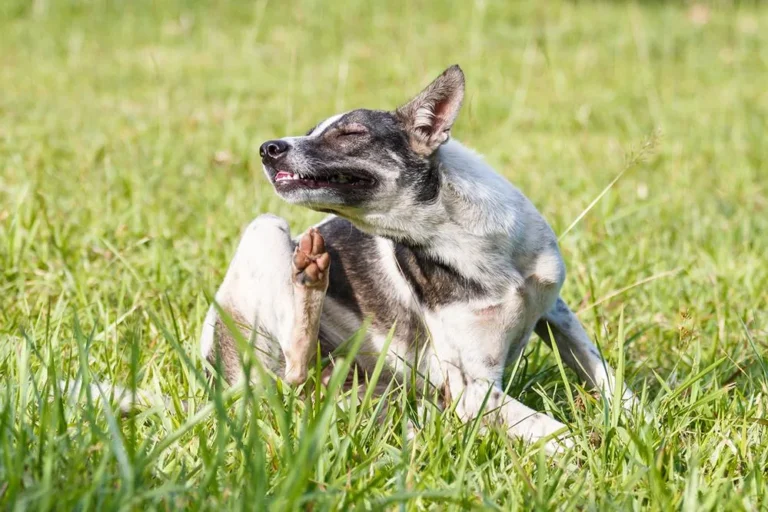
If your dog is scratching nonstop, licking their paws raw, or breaking out in hot spots every spring, you've probably already Googled "how much are dog allergy shots" and gotten a wall of vague numbers. Here's the honest answer: most owners pay somewhere between $1,500 and $4,000 in the first year, then around $600 to $1,500 every year after that for maintenance. The wide range comes down to testing, vial strength, and whether your vet handles the injections or you do them at home.
The sticker shock usually hits hardest in year one because you're paying for the allergy test, the custom-compounded vials, and the induction-phase vet visits all at once. After that, the math smooths out. Our research into veterinary dermatology pricing as of 2026 shows that geographic location, the number of allergens in your dog's formula, and your dog's weight can swing the final bill by hundreds, sometimes thousands, of dollars.
Before you sign anything, it helps to understand exactly what you're paying for, and which line items you can actually trim.
Quick Answer
Dog allergy shots typically cost $1,500 to $4,000 in the first year. Annual maintenance runs $600 to $1,500. Initial allergy testing costs $200 to $500.
Each custom vial costs $150 to $300. Prices vary by region, dog size, and number of allergens.
Why Pricing Varies So Much (The Quick Answer)
Two dogs with identical symptoms can walk into two different vet clinics and get quotes that differ by $2,000 or more. That's not price gouging. It's because allergy immunotherapy isn't a one-size-fits-all drug.
It's a custom-compounded prescription made specifically for your dog's allergen profile, dose requirements, and weight.
Here's a quick snapshot of the moving parts:
| Cost Driver | Why It Matters |
|---|---|
| Allergy testing method | Intradermal skin testing is more accurate but pricier than serum IgE testing |
| Number of allergens | More allergens means bigger, more expensive vials |
| Dog's size | Larger dogs need higher doses, which uses up vials faster |
| Geographic region | Urban specialty clinics charge more than rural general practices |
| Who gives the shots | Vet-administered injections cost more per dose than at-home injections |
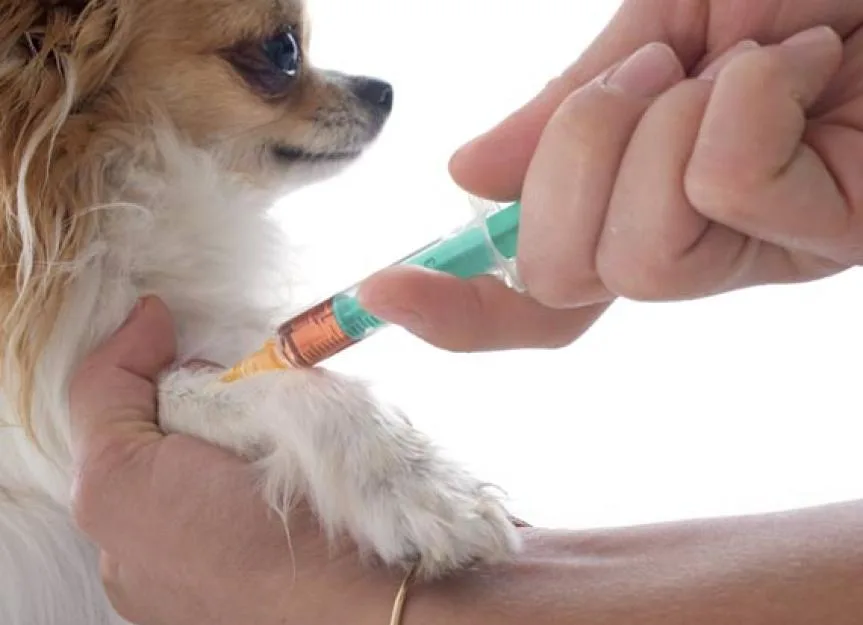
If you live in a metro area with a board-certified veterinary dermatologist on every corner, expect to pay toward the upper end. If your general practitioner vet handles the whole protocol in a smaller city, you'll likely land closer to the lower end.
How Dog Allergy Immunotherapy Actually Works
Allergen-specific immunotherapy (ASIT), the clinical name for allergy shots, works by retraining your dog's immune system to stop overreacting to environmental triggers. Tiny, controlled doses of the offending allergens are injected under the skin on a fixed schedule. Over months, the immune system learns to tolerate them instead of mounting a full-blown itching, scratching, red-eared response.
There are two delivery routes:
- Subcutaneous immunotherapy (SCIT) is the classic "allergy shot" your vet injects just under the skin, usually in the loose area behind the shoulder blades or above the hips.
- Sublingual immunotherapy (SLIT) uses oral drops squirted under the tongue. It's less common in dogs, but a few specialty pharmacies offer it.
Both forms rely on the same underlying science. The difference is mostly in administration and, sometimes, cost. Injectable shots tend to be cheaper per dose and have more published research behind them.
Drops are easier for owners who can't stand the thought of giving injections, but they aren't available everywhere.
One thing immunotherapy cannot do: treat food allergies. If your dog's itching traces back to chicken or beef in their diet, shots won't help. That's a separate diagnostic path entirely.
What Goes Into the Cost: Testing, Vials, and Vet Visits
Every dollar of your allergy shot bill falls into one of three buckets. Knowing which is which makes the pricing feel less mysterious.
The Allergy Test Itself
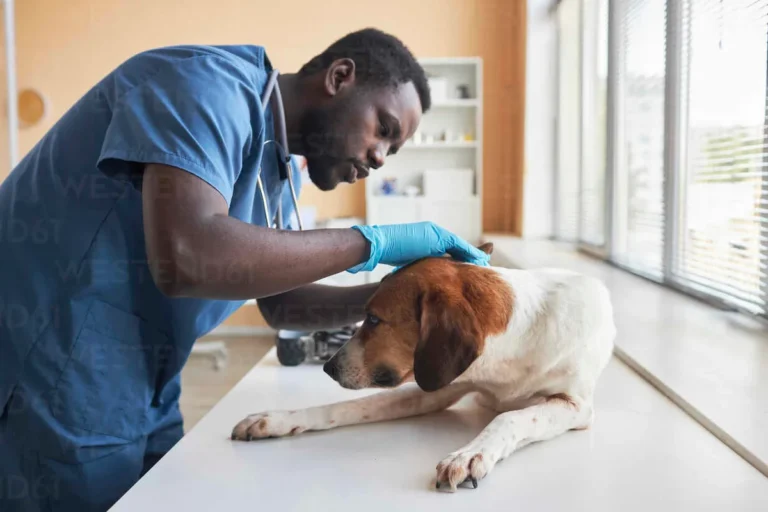
Before any vials get made, your vet needs to know what your dog is actually allergic to. That requires testing, and there are two main approaches:
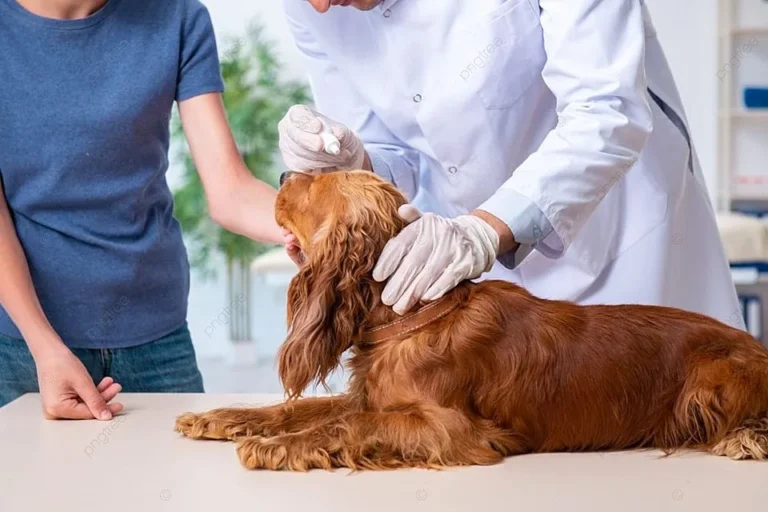
- Intradermal skin testing is considered the gold standard. A veterinary dermatologist injects small amounts of common allergens just under the skin and reads the swelling response. It's accurate but requires sedation, a specialist visit, and typically costs $300 to $500.
- Serum IgE blood testing is simpler and cheaper. Your regular vet can draw blood and send it to a reference lab. It's less precise, but runs $200 to $350 and doesn't require sedation.
Your vet will usually steer you toward whichever option fits your dog's situation and your budget. Skin testing tends to pick up more allergens, which sometimes justifies the higher cost.
The Custom Vials
Once the results are in, a veterinary compounding pharmacy mixes a custom formula based on your dog's specific allergens, dose strength, and weight. Each vial typically costs $150 to $300 and lasts several months depending on your dog's dose.
You'll start with a lower-concentration induction vial, then graduate to a stronger maintenance vial. Most dogs need both, plus refills down the road.
The Vet Visits
During the induction phase, your dog visits the vet every week or two for dose increases. Once on a maintenance dose, visits spread out to every 3 to 4 weeks. Each clinic visit adds $40 to $80 on top of the injection itself.
Many owners save significantly by learning to give the shots at home after the first few supervised doses.
Typical Price Ranges by Treatment Phase
Breaking costs into phases makes the total investment easier to plan for. Here's what each stage typically runs, based on aggregate veterinary pricing data as of 2026:
| Phase | What You're Paying For | Typical Cost |
|---|---|---|
| Initial consultation | Vet exam, allergy workup, testing recommendation | $75–$200 |
| Allergy testing | Intradermal or serum IgE panel | $200–$500 |
| Induction vials | Custom-compounded starter formula | $150–$300 |
| Induction visits | 6–8 vet visits over 6–12 weeks | $240–$640 |
| Maintenance vials | Higher-strength ongoing formula | $150–$300 |
| Maintenance visits | Every 3–4 weeks in year one | $400–$800 |
| First-year total | All of the above | $1,500–$4,000 |
| Annual maintenance after year one | Refill vials + fewer vet visits | $600–$1,500 |
The first year is always the most expensive because testing and induction happen upfront. By year two, you're mostly paying for vials and occasional check-ins.
If you're weighing allergy shots against long-term medication, the American College of Veterinary Dermatology offers a useful primer on what immunotherapy involves and when it makes sense. It's a good starting point if you want the medical perspective before committing to a treatment plan.
Breakdown of the First-Year Investment
Let's walk through what a realistic year one looks like for a medium-sized dog (say, 30 to 50 pounds) in a mid-sized U.S. city. Numbers will flex based on your region and vet, but the proportions stay roughly the same.
Here's a sample first-year budget to anchor expectations:
| Line Item | Realistic Estimate |
|---|---|
| Initial vet visit + consultation | $150 |
| Serum IgE allergy test | $275 |
| Intradermal skin test (if done instead) | $450 |
| Induction vial set | $250 |
| 8 induction-phase vet visits | $480 |
| Maintenance vial | $225 |
| 10 maintenance visits | $600 |
| At-home injection supplies (syringes, sharps container) | $30 |
| Recheck bloodwork mid-year | $120 |
| Total | $2,180 |
That puts a typical year one right in the middle of the $1,500, $4,000 band. A bigger dog in a coastal city with a board-certified dermatologist handling every step would push past $3,500. A smaller dog in a rural area with serum testing and at-home injections could come in under $1,700.
A few costs that catch owners off guard:
- Recheck testing. Most vets recommend retesting or bloodwork around the 6-month mark to confirm the protocol is working. Budget $100 to $200.
- Sharps disposal. If you give injections at home, you'll need a proper sharps container and disposal plan. Your vet's office usually takes full containers for free.
- Vial shipping. If your vet orders refills from a compounding pharmacy, you may pay a small shipping fee per vial, especially if it's temperature-controlled.
None of these are dealbreakers individually, but together they add a couple hundred dollars most owners forget to plan for.
Annual Maintenance Costs After the First Year
Once your dog is stable on a maintenance dose, the cost curve flattens considerably. Year two and beyond usually look like this:
| Ongoing Cost | Typical Annual Range |
|---|---|
| Maintenance vial refills (1–2 per year) | $150–$600 |
| Vet-administered injections (if not doing at-home) | $400–$800 |
| Periodic vet rechecks (2–4 per year) | $160–$320 |
| Sharps supplies (if injecting at home) | $20–$40 |
| Total annual maintenance | $600–$1,500 |
The biggest swing factor in year two is whether you administer the shots at home. Owners who learn to give injections save roughly $400 to $700 annually on clinic visit fees alone. That single decision can cut your long-term cost nearly in half.
Vials also tend to last longer once you're on a stable maintenance dose. Many dogs get by with one or two vials annually instead of the rapid turnover during induction.
One thing that surprises owners: immunotherapy is often a lifelong commitment. Stopping the shots can bring symptoms back within months. So when you're budgeting, plan for this as a recurring expense, not a one-time fix.
Factors That Change Your Final Bill
The same treatment plan can cost $1,800 at one clinic and $3,500 at another. Here's what actually moves the needle.
Dog Size and Dose Volume
Larger dogs need higher volumes per injection. A 70-pound Labrador pulls noticeably more from each vial than a 15-pound terrier. Since vials contain a fixed amount of liquid, bigger dogs burn through them faster, which means more refills per year.
A giant-breed dog can easily go through twice as many vials as a small dog on the same protocol.
Number of Allergens in the Formula
Your dog's custom vial might target 8 allergens or 18. More allergens means a more complex compounding process, which usually means a higher vial price. The compounding pharmacy bases its pricing partly on how many allergens go into the mix.
Intradermal vs. Serum Testing
Intradermal skin testing performed by a veterinary dermatologist typically adds $150 to $250 over serum blood testing. It's more accurate, but if budget is tight, serum testing is a reasonable starting point.
Regional Pricing Differences
Coastal metros (especially California, the Northeast, and major Southeast cities) tend to run 20, 40% higher than the national average for specialty vet services. Rural Midwest and Mountain West clinics often come in well below average. Don't be shy about calling two or three clinics in your area to compare.
Specialist vs. General Practice
A board-certified veterinary dermatologist will charge more per visit than a general practice vet. But they may also be more efficient at pinpointing the right allergen mix, which can save you money on wasted vials and ineffective dosing. For straightforward cases, a good general practice vet can run the whole protocol at lower cost.
At-Home vs. In-Clinic Injections
This one matters most. Once your vet confirms your dog tolerates the dose, you can almost always switch to home administration. Vet visit fees drop to zero.
You just pay for vials and syringes. Over a decade, this single switch saves most owners $4,000 to $7,000.
Comparing Allergy Shots to Apoquel, Cytopoint, and Atopica
Allergy shots aren't the only way to manage environmental allergies in dogs. Most owners end up comparing immunotherapy to one or more of these medications before deciding. Here's how they stack up.
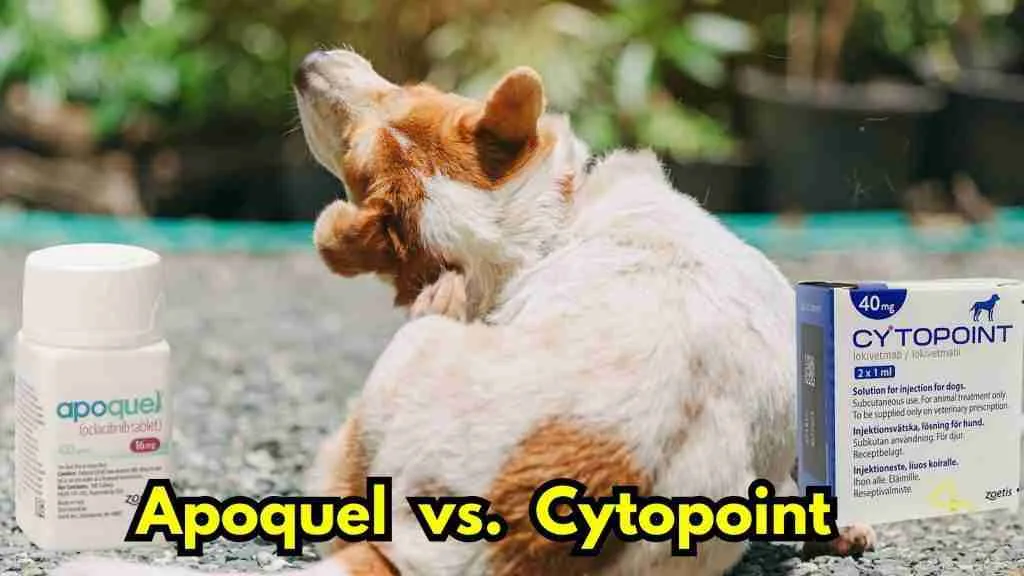
| Treatment | How It Works | Annual Cost Range | Best For |
|---|---|---|---|
| Allergen immunotherapy | Retrains the immune system over months | $600–$1,500 (after year one) | Owners wanting long-term, drug-light management |
| Apoquel (oclacitinib) | Daily oral tablet that blocks itch signaling | $1,200–$2,400 | Fast itch relief, short-term flare management |
| Cytopoint (lokivetmab) | Injectable monoclonal antibody, every 4–8 weeks | $1,000–$2,000 | Dogs that won't take pills, intermittent use |
| Atopica (cyclosporine) | Daily oral immunosuppressant | $800–$1,800 | Severe cases where Apoquel isn't enough |
When Each Option Makes the Most Sense
- Allergy shots are ideal for younger dogs, dogs with year-round environmental allergies, and owners who want to minimize daily medication. They're also the only option that addresses the underlying immune response rather than just suppressing symptoms.
- Apoquel works fast, often within 24 hours. It's great for acute flares or as a bridge while waiting for immunotherapy to kick in. The catch is it's a lifelong daily cost.
- Cytopoint is a good middle ground. One injection can control itching for 4 to 8 weeks. It's pricey per dose but doesn't require daily pills, which helps compliance.
- Atopica is reserved for tougher cases. It can take 4 to 8 weeks to work and has more potential side effects, so most vets use it when other options fail.
Many owners end up using a combination: Cytopoint or Apoquel to control symptoms while immunotherapy builds up over the first 3 to 6 months. Once the shots start working, medication doses often drop.
For a deeper look at how these treatments compare from a clinical standpoint, the American Veterinary Medical Association publishes position statements and continuing education resources that walk through the evidence behind each option.
When Allergy Shots Make Sense (And When They Don't)
Allergy shots are a strong fit for some dogs and a poor choice for others. Knowing where your dog lands helps you decide before spending the money.
When Shots Are the Right Call
- Your dog has year-round environmental allergies, not seasonal flares.
- Apoquel or Cytopoint works but costs more long-term than immunotherapy would.
- Your dog is young, and you're thinking in 10+ year horizons.
- Steroids have caused side effects, or your vet wants to avoid them.
- You've identified specific allergens through testing and want targeted treatment.
When Shots Aren't Worth It
- Your dog's itching is mild and managed cheaply with antihistamines or baths.
- The allergy source is food. Shots don't treat food allergies at all.
- Your dog can't tolerate the injection schedule due to behavior or health issues.
- You need fast itch relief. Immunotherapy takes 3 to 6 months to show results.
- Cost is a hard blocker, and you can't commit to year-one testing plus vials.
If your dog's symptoms are severe right now, most dermatologists recommend pairing immunotherapy with Apoquel or Cytopoint for the first few months. That way you get immediate relief while the shots build up.
The Treatment Timeline: From Testing to Results
Here's what the full protocol looks like, start to finish, assuming you and your vet follow the standard approach.
| Stage | Duration | What's happening |
|---|---|---|
| Testing | 1–2 weeks | Blood draw or intradermal skin test to identify allergens |
| Vial compounding | 2–4 weeks | Pharmacy builds your dog's custom formula |
| Induction phase | 6–12 weeks | Dose increases, usually given at the vet weekly |
| Maintenance phase | Ongoing | Fixed dose, every 7–21 days at home or clinic |
| First signs of improvement | 3–6 months | Itching frequency and severity begin to drop |
| Peak response | 9–12 months | Full benefit typically reached by the one-year mark |
The most common mistake owners make is stopping too early. If you don't see dramatic improvement at month two, that doesn't mean the protocol failed. It usually means the dose hasn't fully built up yet.
Most vets won't consider immunotherapy a failure until you've completed 12 months on a properly adjusted dose.
Administering the Shots: Vet Visits vs. At-Home Injections
Every injection has to come from somewhere. The location matters for both your dog's stress level and your wallet.
Vet-Administered Injections
- Every dose is given by a trained technician or vet.
- Costs $40 to $80 per visit on top of any exam fees.
- Best for the induction phase, when doses change frequently and reactions need monitoring.
- Required for dogs whose owners can't safely give injections.
At-Home Injections
- Once your vet confirms your dog tolerates the dose, you can usually switch.
- You give the shot yourself, usually under the loose skin between the shoulder blades.
- Costs almost nothing per dose beyond syringes.
- Requires a short training session with your vet's staff.
- Best for maintenance phase, when doses stay constant.
Most owners find the at-home route far less stressful once they get past the initial squeamishness. Dogs also tend to do better when they're not making weekly car trips to the vet. The savings add up quickly, often $400 to $700 per year.
Success Rates and What "Working" Actually Looks Like
Aggregate veterinary data shows that roughly 60% to 80% of dogs on immunotherapy show meaningful improvement. But "improvement" looks different depending on who you ask.
Realistic Expectations for Most Dogs
- Itch frequency drops by 30% to 70%.
- Secondary skin infections become less common.
- Less reliance on Apoquel, Cytopoint, or steroids.
- Flare-ups still happen seasonally but are milder and shorter.
What Full Success Looks Like
A small percentage of dogs hit "complete remission." That means almost no itching, no hot spots, and no need for other allergy medications. These dogs stay on maintenance shots long-term but otherwise live like they don't have allergies at all.
What Partial Success Looks Like
Most dogs fall somewhere in the middle. They still itch during peak pollen season, but the severity is far more manageable. Many owners use Cytopoint or Apoquel only during flares instead of year-round.
When to Consider the Protocol a Failure
If your dog shows zero improvement after 12 months on a properly adjusted dose, the protocol probably isn't going to work. Vets sometimes adjust the formula, swap testing methods, or add new allergens at this point. If nothing changes after that, most move on to medication-based management.
Side Effects and Safety Concerns to Know Upfront
Allergy shots are generally very safe, but they're not risk-free. Here's what to watch for.
Common Mild Reactions
- Soreness or mild swelling at the injection site for a few hours.
- Slight lethargy the day of injection.
- Brief increase in itching within 24 hours of a dose.
These are normal and usually pass without intervention.
Less Common but Serious Reactions
- Facial swelling, hives, or widespread hives within 30 minutes of injection.
- Vomiting or diarrhea shortly after dosing.
- True anaphylaxis, which is rare but requires immediate vet care.
Most vets ask you to wait in the clinic for 15 to 30 minutes after the first few injections. After that, if no reaction occurs, home administration is usually considered safe. Always have an emergency vet number handy, especially during the induction phase.
Long-Term Safety
Decades of veterinary research show that immunotherapy does not increase cancer risk or cause systemic disease in dogs. It's one of the safest long-term allergy treatments available, which is why dermatologists often recommend it for young dogs who face years of allergy management ahead.
Common Mistakes Owners Make With Allergy Shots
Most setbacks come from a handful of repeatable errors. Skip these and your dog has a much better shot at a good outcome.
- Stopping the protocol before the 12-month mark. Most dogs need a full year on a stable dose.
- Skipping injections. Gaps longer than 2 to 3 weeks can reset progress.
- Skipping dose adjustments. Vials expire, weight changes, and allergens shift. Stay on top of rechecks.
- Expecting instant results. Immunotherapy builds gradually. Use Apoquel or Cytopoint to bridge early months.
Ways to Lower the Cost Without Cutting Corners
Smart shopping helps, but skipping safety steps doesn't.
- Ask your vet about serum testing instead of intradermal. It's cheaper and adequate for many dogs.
- Switch to at-home injections once your vet clears you. Saves hundreds per year.
- Order vial refills through your vet's preferred compounding pharmacy. Avoid third-party resellers.
- Ask about payment plans. Many specialty clinics offer them for year-one treatment.
Questions to Ask Your Vet Before Starting
A short list to bring to your consultation:
- Which testing method do you recommend for my dog, and why?
- What's the total estimated cost for year one?
- Can I switch to at-home injections, and when?
- What success rate do you see in your practice?
- If this doesn't work, what's the next step?
Is It Worth the Investment? A Practical Verdict
For dogs with confirmed environmental allergies and owners willing to commit to a 12-month trial, immunotherapy often pays for itself within 3 to 5 years compared to lifelong medication. For mild cases, medication is cheaper and faster. Talk with your vet about severity, age, and long-term goals before committing.
Frequently Asked Questions
How long does it take for dog allergy shots to start working?
Most dogs show meaningful improvement within 3 to 6 months. Peak response usually comes around the 9 to 12 month mark. Don't judge the protocol's success before completing a full year on a stable dose.
Do allergy shots work for food allergies in dogs?
No. Allergen immunotherapy treats environmental triggers like pollen, dust mites, and mold. Food allergies require a strict elimination diet and ingredient management, which is a completely different process.
Can I give my dog allergy shots at home?
Yes, most vets allow at-home injections once your dog has tolerated several supervised doses during the induction phase. You'll get a quick training session on proper technique and sharps disposal.
Are allergy shots cheaper than Apoquel long-term?
Usually yes. After year one, immunotherapy typically runs $600 to $1,500 annually. Apoquel often runs $1,200 to $2,400 annually for a similar-sized dog.
Over a decade, immunotherapy can save $5,000 or more.
What happens if I miss a dose?
Missing one dose by a few days usually just means resuming your regular schedule. Missing several weeks can set your dog back, so contact your vet if you fall behind. They may need to step back down the induction ramp briefly.
Is there an age limit for starting allergy shots?
There's no hard upper age limit, but younger dogs tend to respond better and benefit longer from the protocol. Most dermatologists recommend starting as soon as allergies are confirmed, especially in dogs under 7.
Can allergy shots cure my dog's allergies?
Cure is the wrong word. Immunotherapy doesn't eliminate the allergy entirely. It retrains the immune system to tolerate allergens so symptoms become far less severe.
Most dogs stay on maintenance shots for life to keep the benefit.
Will pet insurance cover dog allergy shots?
Many pet insurance plans cover allergy testing and immunotherapy if the policy was active before symptoms started. Pre-existing condition rules vary by insurer, so check your specific plan's allergy treatment clause before assuming coverage.
Do allergy shots have side effects?
Mild injection-site soreness or brief lethargy is common. Serious reactions like facial swelling or vomiting are rare and usually happen within 30 minutes of dosing. Vets typically monitor the first few injections in-clinic for this reason.
How are allergy shots different from Cytopoint?
Allergy shots retrain the immune system over months. Cytopoint is a monoclonal antibody injection that blocks itch signaling for 4 to 8 weeks at a time. Shots aim for long-term change.
Cytopoint manages symptoms without changing the underlying immune response.
What allergens can be included in the formula?
Most compounding pharmacies can include regional pollens (grasses, trees, weeds), dust mites, mold spores, and certain indoor allergens like cat dander or wool. The exact panel depends on what your dog tested positive for during the workup.
Can I travel with my dog's allergy vials?
Yes, but vials must stay refrigerated during transport. A small insulated cooler with ice packs works for short trips. For flights, keep vials in carry-on luggage with a note from your vet so TSA understands what's in the bag.
How do I know if my dog needs allergy shots versus medication?
If your dog's allergies are year-round, severe, or require constant medication to manage, shots are worth considering. For mild seasonal flares, Apoquel or Cytopoint alone may be enough. A veterinary dermatologist can help you weigh the options based on test results.
How long do allergy shot vials last before expiring?
Most compounded vials remain potent for 6 to 12 months when stored properly in the refrigerator. Your vet or compounding pharmacy will print the expiration date on the vial. Never use a vial past its expiration date, as potency drops and reactions become less predictable.
What's the average first-year cost of dog allergy shots?
Most owners pay between $1,500 and $4,000 in the first year. This covers allergy testing, custom-compounded vials, and induction-phase vet visits. Subsequent years usually cost $600 to $1,500.
Is it cheaper to give allergy shots at home?
Yes, substantially. Once your vet approves at-home administration, you skip the per-visit clinic fee. Most owners save $400 to $700 per year this way, and over a decade that's $4,000 to $7,000 in savings.

2 Comments