
Dog Food Grain Free vs Grain: Which Is Better?


Is Grain Free Dog Food Good?
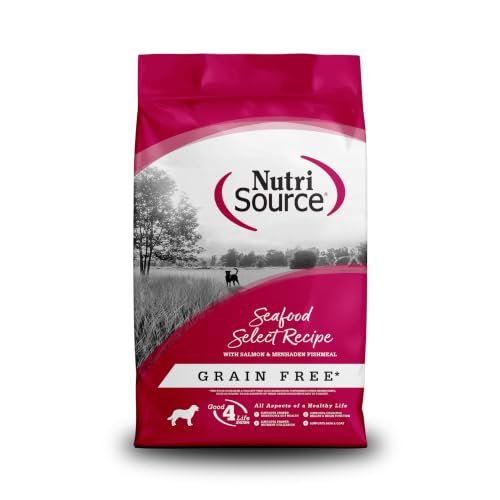
Yes, but it depends on the dog. Grain free food can be a good choice when a dog has a confirmed food issue involving a grain or when a veterinarian recommends a certain diet. It can also fit owners who prefer a grain-free recipe. But grain free does not mean low carb, and it does not automatically mean healthier. Many grain-free foods replace grains with peas, lentils, potatoes, or other starches. I found this to be the most important point in any dog food grain free vs grain discussion.
In a busy American home, I also look at simple things. Does the dog enjoy the food? Does the stool stay normal? Is the calorie level right? Does the recipe meet the dog’s life-stage needs? Those questions matter more than a large grain-free label. For a dog with a diagnosed dietary problem, I would use the vet’s advice rather than guess from the ingredient list.
What Makes It Stand Out / Key Features
- No Common Cereal GrainsThe recipe avoids grains such as wheat, corn, rice, oats, or barley, depending on the formula.
- Alternative CarbsMany recipes use potatoes, peas, lentils, tapioca, or other starch sources instead.
- Protein OptionsProtein may come from chicken, beef, fish, turkey, lamb, or other animal sources.
- Fiber SourcesPlants and vegetables can supply fiber even when the recipe has no grains.
- Special Diet UseA grain-free recipe can be useful when a veterinarian identifies a specific dietary need.
- Recipe Quality MattersThe lack of grains alone does not show whether a food is complete, balanced, or ideal for a specific dog.
My Recommendation
Consider grain-free food when your dog has a clear reason to avoid grains or your veterinarian recommends it. For healthy dogs, compare the whole recipe instead of focusing only on the grain-free label.
| Best For | Why |
|---|---|
| Dogs with a diagnosed dietary need | It can remove selected grain ingredients when a vet recommends that approach. |
| Owners seeking alternative carb sources | Many recipes use potatoes, peas, lentils, or other starches. |
| Dogs that do well on the recipe | A complete and balanced formula can support normal daily feeding. |
Is Grain-Inclusive Dog Food Good?
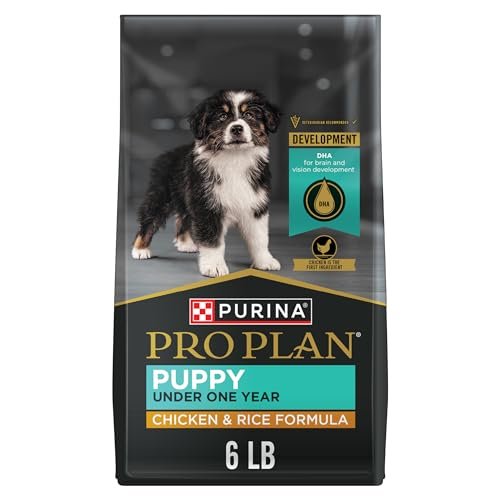
Yes. For many healthy dogs, grain-inclusive food is a simple and practical choice. Grains can supply carbohydrates, fiber, vitamins, minerals, and energy when used in a complete recipe. Common grains include rice, barley, oats, and corn. A grain-inclusive food is not automatically cheap or low quality. Just like grain-free food, the full formula matters.
This side of the dog food grain free vs grain debate often gets lost in online posts. I like grain-inclusive recipes because they give dogs another useful source of energy and nutrients. They can also be easy to find at U.S. stores and online. If a dog has no confirmed grain problem, there is usually no need to avoid grains just because they appear on the label.
What Makes It Stand Out / Key Features
- Uses GrainsRecipes may contain rice, oats, barley, corn, wheat, or other grains.
- Energy SourceGrains can provide carbohydrates that help supply energy for daily activity.
- Fiber ContributionSome grains add useful dietary fiber to a dog’s overall diet.
- Wide VarietyGrain-inclusive food comes in many protein types, calorie levels, and life-stage formulas.
- Easy AvailabilityGrain-inclusive dog foods are widely sold in American pet stores, grocery stores, and online shops.
- Complete Recipe PotentialA properly made grain-inclusive food can meet a dog’s nutrient needs when labeled complete and balanced.
My Recommendation
For a healthy dog with no diagnosed need to avoid grains, grain-inclusive food is a sensible option. Look for a complete and balanced recipe that fits the dog’s age, size, activity, and calorie needs.
| Best For | Why |
|---|---|
| Most healthy dogs | There is usually no need to remove grains from a balanced diet without a specific reason. |
| Budget-conscious owners | There are many grain-inclusive options across different price ranges. |
| Owners wanting more recipe choices | Grain-inclusive foods are available in many proteins, textures, and calorie levels. |
dog food grain free vs grain: Side-by-Side Test
The best way to understand dog food grain free vs grain is to compare the whole diet. A grain-free label tells you what the food leaves out. It does not tell you everything the food provides.
I would compare protein, carbs, fiber, calories, price, and your dog’s response. Think of the food label as a map. The first word on the front is only one small part of the route.
Nutrition: What Is Inside?
Both food types can provide complete nutrition when the recipe is properly made and balanced.
| Feature | Product 1 | Product 2 |
|---|---|---|
| Grain source | No common cereal grains | Uses one or more grains |
| Carbohydrate sources | Often potatoes, peas, lentils, or other starches | Often rice, oats, barley, corn, or other grains |
| Complete nutrition | Depends on the full formula | Depends on the full formula |
⭐ Product A – 8/10 | Product B – 9/10
Edge: Grain-inclusive food has a simple advantage for dogs that have no reason to avoid grains.
Digestion: Which Feels Easier?
Dogs vary. One recipe may suit one dog while another recipe works better for a different dog.
| Feature | Product 1 | Product 2 |
|---|---|---|
| Digestibility | Depends on protein, starch, fiber, and recipe quality | Depends on grain type and the full recipe |
| Stool response | Can be good if the dog tolerates the formula | Can be good if the dog tolerates the formula |
| Individual tolerance | May suit dogs avoiding a specific ingredient | May suit most dogs that tolerate grains |
⭐ Product A – 8/10 | Product B – 8/10
Edge: It is a tie because digestion depends more on the individual dog and full recipe.
Allergies: Does Grain Free Help?
Food allergies are not the same as food preferences, and grain-free food does not prevent all food allergies.
| Feature | Product 1 | Product 2 |
|---|---|---|
| Avoids grains | Yes | No |
| Helps every allergic dog | No | No |
| Useful for a confirmed grain issue | Potentially, with veterinary guidance | May not fit that specific need |
⭐ Product A – 9/10 | Product B – 7/10
Edge: Grain-free food has an advantage when a veterinarian confirms that avoiding a grain is needed.
Ingredients: What Replaces Grains?
Removing grains does not remove carbohydrates. It often changes where those carbohydrates come from.
| Feature | Product 1 | Product 2 |
|---|---|---|
| Common starches | Potatoes, peas, lentils, tapioca | Rice, oats, barley, corn |
| Ingredient focus | Alternative carb sources | Grains plus other ingredients |
| Label lesson | Check the full recipe | Check the full recipe |
⭐ Product A – 8/10 | Product B – 9/10
Edge: Grain-inclusive food keeps the carb source simple when grains are well tolerated.
Cost: Which Fits a Budget?
Price varies by brand, protein, bag size, calorie density, and recipe. The grain-free label alone does not set the price.
| Feature | Product 1 | Product 2 |
|---|---|---|
| Typical price range | Can range from mid-tier to premium | Available from value to premium |
| Availability | Widely available | Very widely available |
| Budget flexibility | Depends on brand and recipe | Often offers more price choices |
⭐ Product A – 7/10 | Product B – 9/10
Edge: Grain-inclusive food usually gives shoppers more price and recipe choices.
Daily Feeding: Which Is Easier?
For everyday feeding, I would choose the recipe that fits the dog’s needs and is easy for the household to maintain.
| Feature | Product 1 | Product 2 |
|---|---|---|
| Easy to find | Yes | Yes |
| Simple daily use | Yes, if the dog tolerates it | Yes, for most dogs that tolerate grains |
| Feeding decision | Needs more attention to alternative carb sources | Often simple for general feeding |
⭐ Product A – 8/10 | Product B – 9/10
Edge: Grain-inclusive food is often the simpler everyday choice for a healthy dog.
Overall Fit: Who Needs What?
The final choice should match the dog, not just the front of the bag.
| Feature | Product 1 | Product 2 |
|---|---|---|
| Healthy adult dogs | Can work | Can work |
| Confirmed grain sensitivity | Potentially useful | May not fit |
| General everyday feeding | Good option | Good option |
⭐ Product A – 8/10 | Product B – 9/10
Edge: Grain-inclusive food is the simpler general choice, while grain-free has a role for specific needs.
Final Verdict: Which Should You Buy?
In the dog food grain free vs grain debate, there is no single food that wins for every dog. Grain-free food can make sense when a dog has a specific dietary need or a veterinarian recommends it. Grain-inclusive food can be an excellent everyday choice for many healthy dogs.
If your dog has no known grain problem, I would focus first on a complete and balanced recipe, good protein, suitable calories, and how your dog responds. If your dog has a suspected food allergy or other diet issue, talk with your veterinarian before changing food. The best bowl is the one that meets your dog’s needs, not the one with the loudest label.




4 Comments