How to tell if dog has allergies: Easy Guide
If your dog won't stop scratching, chewing their paws, or shaking their head, you're probably wondering how to tell if dog has allergies or something else entirely. Allergic skin disease is one of the most common reasons dogs end up at the vet, and the symptoms look a lot like other problems (parasites, infections, even stress). The good news is that once you know what to look for, you can spot the patterns early and get your dog relief faster.
A dog's allergic reaction is basically an overactive immune response to something harmless, like pollen or a food protein. Per veterinary dermatology research, allergic dermatitis affects roughly 1 in 7 dogs, and certain breeds (Golden Retrievers, French Bulldogs, Westies) are hit especially hard. Most cases show up before age 3, which is why early observation matters so much.
Below we'll walk through the signs, the diagnostic steps your vet will take, and how to tell allergies apart from conditions that look similar.
Quick Answer
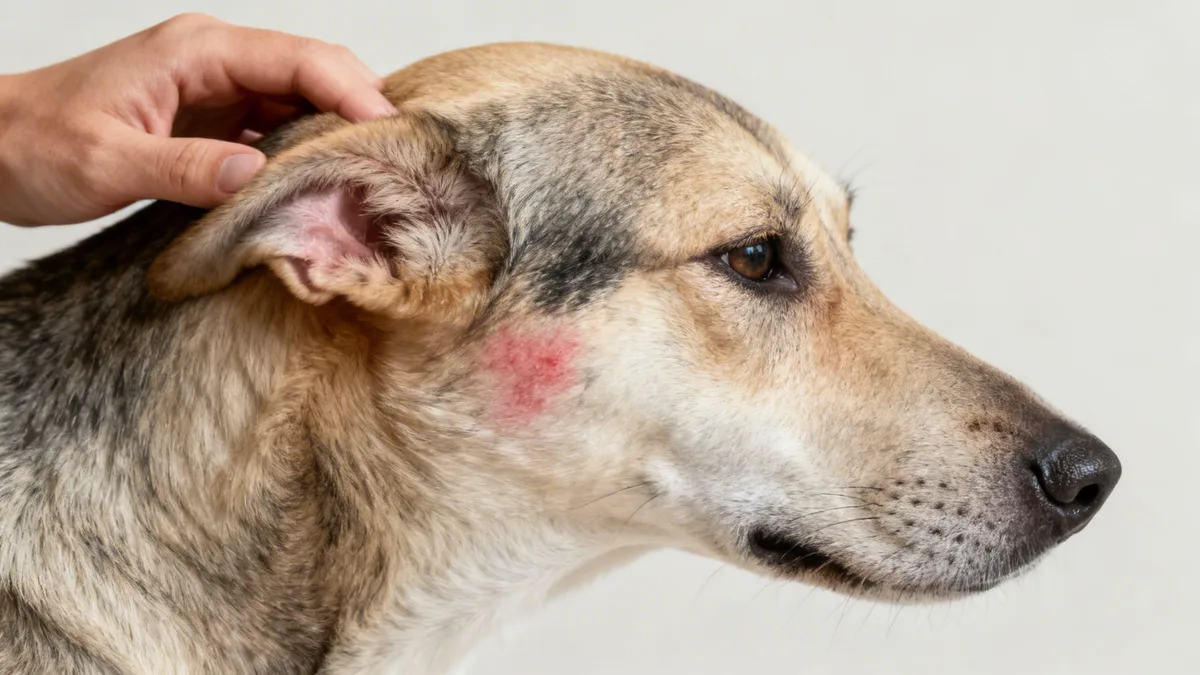
You'll know your dog likely has allergies if persistent itching lasts more than a few days. Watch for red skin, paw licking, ear infections, or recurring hot spots. Allergies fall into three main types: flea, food, and environmental.
Each one shares the itching but differs in triggers, timing, and treatment. A vet visit is the only way to confirm the cause.
Why Recognizing Dog Allergy Symptoms Early Matters
Allergies don't just make dogs uncomfortable. They can spiral into real medical problems if ignored. Constant scratching damages the skin barrier, which lets bacteria and yeast move in.
That's how a simple pollen allergy turns into a full-body infection that needs weeks of antibiotics.
Early recognition also saves money. Treating a secondary skin infection costs more than managing the allergy itself. Per the American Veterinary Medical Association, allergic skin disease ranks among the top reasons for veterinary visits in the US, and owners often wait months before seeking help.
There's a quality-of-life angle too. Dogs with uncontrolled allergies don't sleep well, they get grumpy, and they scratch until they bleed. Once you catch it early, you can stop the cycle before it gets bad.
The Most Common Signs Your Dog Has Allergies
Itching is the headline symptom. If your dog is scratching, biting, licking, or rubbing against furniture more than usual, allergies are high on the list. Here's what else to look for:
- Red or inflamed skin, especially in skin folds, belly, armpits, and groin
- Recurring ear infections (head shaking, odor, debris inside the ear canal)
- Paw licking or chewing, often leaving a brown saliva stain on the fur
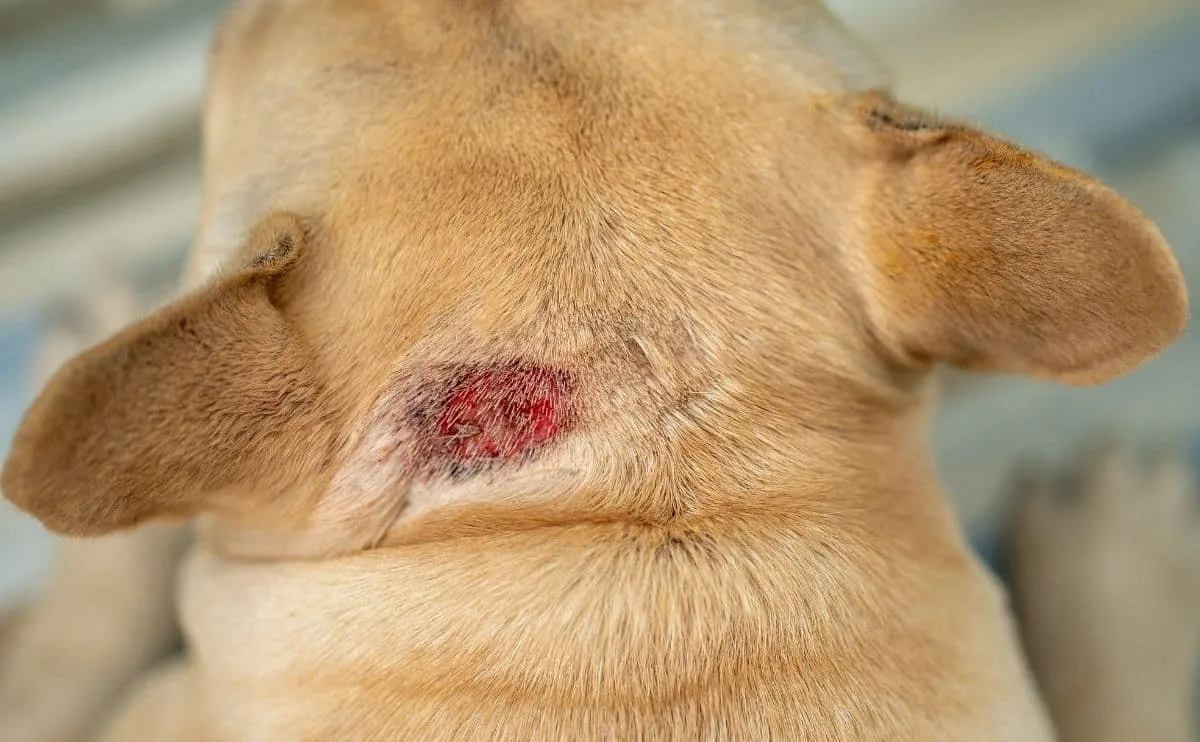
- Hot spots, which are raw, moist, painful patches that show up fast
- Hair loss in patches from constant scratching or licking
- Face rubbing on carpets, couches, or your legs
- Scooting the rear on the floor (often confused with anal gland issues)
- Gastrointestinal signs like vomiting, gas, or soft stool in food-sensitive dogs
If your dog shows two or more of these on a regular basis, allergies are likely. One symptom alone could point to something else (like a single hot spot from a bug bite), but a pattern of itch plus ear issues plus paw-licking is the classic allergic dog profile.
How to Tell the Difference Between Skin Allergies, Food Reactions, and Parasites
This is where most owners get stuck. The symptoms overlap, but the triggers and treatments are totally different. Here's a quick comparison:
| Clue | Environmental Allergy (Atopy) | Food Allergy | Flea Allergy Dermatitis |
|---|---|---|---|
| Onset age | Usually 1-3 years | Often under 1 year | Any age |
| Seasonality | Seasonal or year-round | Year-round, no seasonal pattern | Often warm months but can be year-round indoors |
| Main symptom areas | Paws, belly, face, ears, armpits | Ears, rear, groin, sometimes GI signs | Lower back, tail base, thighs, belly |
| Response to flea treatment | No change | No change | Major improvement within weeks |
| Vomiting or diarrhea | Uncommon | Common | Uncommon |
If symptoms improve after strict flea control, it's flea allergy. A single flea bite can keep a sensitive dog itching for 5-7 days, so even if you don't see fleas, the treatment trial is worth trying. Talk to your vet about a prescription flea preventative and use it on every pet in the home for at least 8 weeks.
If symptoms don't change with seasons or flea control, suspect food. Food allergies account for roughly 10-15% of allergic skin cases in dogs, per peer-reviewed data published in Veterinary Dermatology. The most common triggers are beef, chicken, dairy, and wheat.
If symptoms flare in spring or fall, suspect environmental allergens like tree pollen, grass, or mold spores. Year-round environmental allergies usually point to indoor triggers (dust mites, storage mites, or mold in the home).
Where Allergies Show Up on Your Dog's Body (and What to Look For)
Location matters. Different allergy types prefer different parts of the body, which is a big clue when you're trying to figure out what's going on at home.
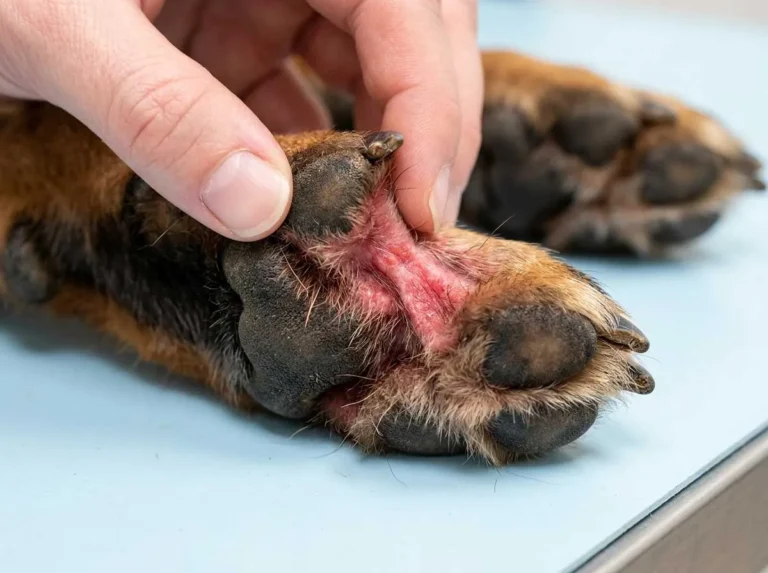
Paws and between the toes. Environmental allergies love the paws. You'll see redness, brown staining from saliva, and sometimes a yeast smell. Dogs lick their feet relentlessly, especially after walks when pollen is high.
Ears. Recurring ear infections are a classic allergic dog pattern. The ears get red, waxy, smelly, or full of dark debris. If your dog needs ear treatment more than twice a year, allergies are usually the underlying cause.
Belly, groin, and armpits. These warm, moist, skin-fold areas light up with environmental allergies. Look for pink or red skin, rash-like patches, and hair thinning.
Face, muzzle, and around the eyes. Environmental allergies often cause face rubbing and redness around the eyes. Food allergies can also show up here.
Lower back, tail base, and thighs. Flea allergy dermatitis hits the rear half of the dog hard. You'll see hair loss, scabs, and hot spots right where fleas like to feed.
Rear end and perianal area. Food allergies sometimes show up as anal itching, scooting, or skin irritation near the tail base.
If you're noticing symptoms in two or more of these zones, an allergy is almost certainly the cause. Single-zone problems are more often infections, injuries, or parasites.
Seasonal vs. Year-Round Symptoms: What the Pattern Tells You
The calendar is one of your best diagnostic tools. If you start paying attention to when symptoms flare, you'll often spot the trigger without expensive testing.
Spring flare (March-May). Tree pollen is the usual suspect. Oaks, maples, cedars, and birches release massive amounts of pollen in early spring. Dogs who walk near wooded areas or have yards with these trees tend to scratch the most in April.
Summer flare (June-August). Grass pollen takes over. Bermuda grass is a major culprit across the southern US, while northern dogs react more to Timothy and Kentucky bluegrass. Mold spores also spike in humid summer months, especially after rain.
Fall flare (September-November). Weed pollens dominate, with ragweed leading the pack. Ragweed counts peak in late August through October in most of the US.
Winter flare or year-round symptoms. Indoor allergens are usually to blame. Dust mites, storage mites (in dry kibble), and mold in damp basements or bathrooms can keep symptoms going all year. Forced-air heating in winter stirs these up.
If your dog's symptoms disappear completely in winter and return every spring, environmental allergens are almost certain. If they stay constant year-round with no seasonal pattern, think food allergy or indoor triggers.
Here's a quick rule of thumb:
- Seasonal itch + paws + ears + belly = environmental (atopy)
- Year-round itch + ears + rear + GI signs = food allergy
- Sudden summer/fall flare + lower back + no other pattern = flea allergy
Track symptoms in a simple notebook or phone app for 4-8 weeks. Note the date, weather, what your dog ate, where you walked, and how bad the scratching was. Patterns jump out fast when you write them down.
How Vets Diagnose Dog Allergies Step by Step
There's no single test that says "yes, allergies." Diagnosis is a process of elimination. Your vet will work through steps to rule out other causes before settling on an allergy diagnosis.
Step 1: Physical exam and history. The vet checks the skin, ears, lymph nodes, and abdomen. They'll ask when symptoms started, how often they happen, what your dog eats, and what flea prevention you use. Be ready to answer these questions, because the history often reveals the answer.
Step 2: Rule out parasites. A skin scrape checks for mites (Sarcoptes, Demodex). A flea combing looks for live fleas or flea dirt. If your dog isn't on consistent flea prevention, this is the first thing to fix before going further.
Step 3: Cytology. The vet swabs the skin or ear and looks under the microscope for bacteria or yeast. Secondary infections are common with allergies and need separate treatment.
Step 4: Treatment trial. Depending on the suspected cause, the vet may recommend an 8-12 week elimination diet, strict flea control, or a medication trial (Apoquel or Cytopoint). If symptoms improve dramatically with one of these, the diagnosis becomes clear.
Step 5: Allergy testing (if needed). Blood tests (serum IgE) or intradermal skin testing identify specific environmental triggers. These are most useful when immunotherapy (allergy shots or drops) is being considered.
A vet visit usually costs between $75 and $250 for the initial consult, with additional fees for skin scrapes, cytology, and testing. As of 2026, intradermal skin testing typically runs $300-$600, while blood allergy panels range from $200-$400. These are investments, not expenses, when they lead to a clear treatment plan.
Elimination Diet Trials: The Gold Standard for Food Allergies
If food allergy is on the table, an elimination diet is the most reliable way to confirm it. No blood test for food allergy in dogs is accurate enough to stand alone, per peer-reviewed studies in the Journal of the American Veterinary Medical Association. The only real answer comes from feeding a novel diet and watching what happens.

Here's how it works:
- Pick a novel protein and carbohydrate your dog has never eaten. Common choices include venison, rabbit, duck, kangaroo, or fish paired with sweet potato or peas.
- Feed only that diet for 8-12 weeks. No treats, no table scraps, no flavored medications, no chews. Even a single bite of the old food can reset the trial.
- Watch for improvement. Most dogs with food allergy show noticeable improvement by week 6, with full resolution by week 10.
- Challenge the diet. After symptoms clear, reintroduce one ingredient at a time (old protein, old carb, etc.) for 1-2 weeks each. If itching returns, you've found the trigger.
The trial is hard. You have to be ruthless about what goes in your dog's mouth. Flavored heartworm preventatives, pill pockets, and fish oil capsules all count.
Talk to your vet about which medications can be switched to non-flavored versions during the trial.
If you don't have time or patience for a full home-cooked trial, your vet can recommend a commercial hydrolyzed protein diet. These break proteins down so small the immune system doesn't recognize them. They work, but they're pricey, often $60-$120 per month for a medium dog.
Allergy Testing Options: Blood Tests vs. Intradermal Skin Testing
Once environmental allergies are confirmed, testing helps pinpoint the exact triggers. Two main options exist, and they're used for different reasons.
| Feature | Intradermal Skin Testing | Serum IgE Blood Test |
|---|---|---|
| How it works | Small amounts of allergens injected into the skin | Blood draw tested for allergen-specific antibodies |
| Where it's done | Veterinary dermatologist's office | Any vet can draw the blood |
| Sedation needed | Yes | No |
| Best for | Detailed environmental allergen mapping | Dogs who can't be sedated, or for screening |
| Cost (2026 estimate) | $300-$600 | $200-$400 |
| Accuracy for food allergies | Poor | Poor (not reliable for food) |
Intradermal testing is the gold standard for environmental allergens. The vet shaves a patch of skin, injects dozens of allergens, and watches for reactions. It's done under sedation and takes about an hour.
Results guide immunotherapy, which is custom-formulated shots or drops that gradually desensitize your dog to specific triggers.
Blood tests are easier. Your regular vet draws blood, sends it to a lab, and gets results in 1-2 weeks. They're slightly less detailed than skin testing, but they're good enough for many cases, especially if immunotherapy isn't on the table.
Both tests are poor at identifying food allergies. Save your money on food blood tests and stick with the elimination diet instead.
Treatment Choices: Apoquel, Cytopoint, Antihistamines, and Steroids Compared
Once you know what your dog is allergic to, treatment becomes a lot more straightforward. Here's how the main options stack up:
| Medication | What It Does | Best For | Speed of Relief | Long-Term Use |
|---|---|---|---|---|
| Apoquel (oclacitinib) | Blocks itch and inflammation at the source | Dogs needing daily, flexible control | Within 24 hours | Yes, well-tolerated in most dogs |
| Cytopoint (lokivetmab) | Injectable antibody that neutralizes itch signal | Dogs who hate pills or have multiple health issues | Within 24 hours | Yes, given every 4-8 weeks |
| Antihistamines (Benadryl, Zyrtec) | Mild itch blocker | Mild seasonal symptoms, adjunct therapy | 1-2 weeks | Yes, but often not strong enough alone |
| Steroids (prednisone) | Broad anti-inflammatory | Short-term crisis management | Hours | Limited, due to side effects |
| Immunotherapy (allergy shots/drops) | Gradually desensitizes immune system | Dogs with confirmed specific triggers | Months for full effect | Yes, often lifelong |
Apoquel and Cytopoint have changed allergic dog care since they launched. They control itching without the harsh side effects of long-term steroids. Apoquel is a daily pill; Cytopoint is a shot at the vet every 4-8 weeks.
Both cost roughly $30-$100 per month depending on dog size, as of 2026.
Steroids still have a place for severe flares, but long-term use brings real risks: increased thirst, weight gain, immune suppression, and potential liver effects. The American College of Veterinary Dermatology recommends steroids for short-term use only.
Immunotherapy works for about 60-80% of dogs with environmental allergies, per aggregate veterinary research. It takes 6-12 months to see full results, but it's the only treatment that addresses the root cause rather than masking symptoms.
Mistakes Dog Owners Make When Suspecting Allergies
Even well-meaning owners can slow down the diagnosis. Here are the most common pitfalls:
- Stopping flea prevention too early. Many environmental allergy cases are actually flea allergy or a mix of both. Skipping flea control throws off the whole diagnostic picture.
- Switching foods too often. Buying bag after bag of "sensitive skin" food without a real elimination trial wastes money and delays the answer.
- Using over-the-counter itch creams. Human hydrocortisone or antibiotic creams can be toxic if licked, and they mask the symptoms your vet needs to see.
- Bathing too often or not enough. Both extremes make things worse. Over-bathing strips skin oils. Under-bathing lets allergens build up on the coat.
- Ignoring ear infections. Treating the ear infection without addressing the underlying allergy guarantees the infection comes back.
- Assuming one negative allergy test rules out allergies. No test is 100%. Many allergic dogs test negative on a single panel.
- Stopping medication when the dog "looks better." Allergies are managed, not cured. Stopping treatment often triggers a worse flare.
When It's Time to See a Vet (and When You Can Monitor at Home)
Not every itch needs a same-day appointment, but some signs mean you should go in now.
See a vet soon (within a week) if:
- Itching has lasted more than 3-4 days without improvement
- You see open sores, scabs, or hot spots
- Ears smell bad, shake violently, or have discharge
- Your dog is losing patches of fur
- There's vomiting, diarrhea, or weight loss alongside skin issues
Go to urgent care or ER if:
- The face is swollen (possible severe allergic reaction)
- Hives cover the body
- Your dog is having trouble breathing
- There's sudden collapse or extreme lethargy
You can monitor at home briefly if:
- It's mild, occasional scratching with no skin damage
- You just started a new flea preventative and want to give it time
- It's clearly seasonal and you've seen the pattern before
If you're ever unsure, call your vet. Most clinics will answer quick questions over the phone or through a portal, and they can tell you whether your dog needs to come in.
Breeds Prone to Allergies and What That Means for You
Genetics matter a lot in allergic skin disease. Some breeds are significantly more likely to develop allergies, and knowing your dog's risk helps you watch for early signs.
High-risk breeds include:
- Golden Retrievers
- Labrador Retrievers
- French Bulldogs
- West Highland White Terriers
- Boxers
- German Shepherds
- Cocker Spaniels
- Shar-Peis
- Bichon Frises
If your dog is on this list, don't wait for severe symptoms. Start a flea prevention routine early, feed a consistent diet, and watch for the first signs of paw-licking or ear scratching. Catching it at 8 months instead of 3 years makes a huge difference in how easy it is to manage.
Mixed-breed dogs aren't immune. Any dog with a strong family history of allergies can develop them, especially if both parents carried the trait.
Managing Your Dog's Allergies Long-Term
Allergies rarely disappear. Most dogs need some form of management for life. The good news is that a solid plan keeps symptoms minimal and your dog comfortable.
Build a multi-part routine:
- Year-round flea prevention for every pet in the home
- Regular bathing with a gentle, oatmeal-based shampoo (every 1-2 weeks for active symptoms, monthly for maintenance)
- Omega-3 fatty acid supplements to support skin barrier health (fish oil or algae oil, vet-approved dose)
- Foot wipes after walks during pollen season to remove allergens
- HEPA air purifier in main living areas to reduce indoor allergens
- Washing dog beds weekly in hot water to kill dust mites
- Medication as prescribed, even when symptoms seem mild
Track what works. Keep a log of flare-ups, treatments tried, and responses. Over time, you'll learn your dog's specific triggers and how to avoid them.
See your vet for check-ins. Most allergic dogs benefit from a skin check every 6-12 months, even when things are stable. Your vet can catch early signs of secondary infection before they become serious.
Quick Decision Guide: What to Do Right Now Based on Your Dog's Symptoms
Let's make this simple. Based on what you're seeing today, here's your next step.
If your dog is scratching but skin looks normal: Start a flea prevention trial on all pets for 8 weeks. Track symptoms in a diary. Watch for hot spots or ear changes.
If your dog has red skin, hot spots, or open sores: Book a vet visit within the week. Secondary infection likely needs treatment before anything else.
If your dog has recurring ear infections: Tell your vet you suspect an underlying allergy. Most ear cases are allergic, not primary infections.
If symptoms are clearly seasonal: Ask your vet about Apoquel or Cytopoint for seasonal management. Environmental allergy is the most likely cause.
If your dog has skin issues plus vomiting or diarrhea: Request a referral for an elimination diet trial. Food allergy is high on the list.
Cost of Diagnosing and Treating Dog Allergies in 2026
Money matters. The full cost of getting an allergic dog under control depends on which type you're dealing with and how aggressive the treatment plan is.
Here's a realistic breakdown based on aggregate US veterinary pricing data as of 2026:
| Service | Typical Cost (USD) | Frequency |
|---|---|---|
| Initial vet consult | $75-$250 | Once |
| Skin scrape + cytology | $50-$150 | As needed |
| Flea control trial (8 weeks) | $40-$120 | One-time diagnostic step |
| Elimination diet trial | $150-$600 | One-time, 8-12 weeks |
| Blood allergy panel | $200-$400 | One-time |
| Intradermal skin testing | $300-$600 | One-time |
| Apoquel monthly | $80-$200 | Ongoing |
| Cytopoint injection | $75-$150 | Every 4-8 weeks |
| Immunotherapy (shots/drops) | $300-$500 setup, $30-$80/month | Lifelong |
| Hypoallergenic prescription food | $60-$120/month | Lifelong if food allergy |
Total first-year costs for a moderately allergic dog typically run $1,500-$3,000. After that, ongoing management averages $500-$1,500 per year depending on medication choices. Severe cases requiring dermatologist visits and immunotherapy can hit $4,000-$6,000 in year one.
Insurance helps a lot here. Most pet insurance plans cover allergy diagnostics and treatment if the policy was active before symptoms started. Pre-existing conditions are usually excluded, so sign up early if your breed is high-risk.
Working with a Veterinary Dermatologist
If your regular vet is stuck, a board-certified veterinary dermatologist can help. These specialists complete years of extra residency training and pass rigorous exams through the American College of Veterinary Dermatology.
A dermatologist visit typically costs $250-$400 for the initial consult, but it can save you thousands in trial-and-error. They're especially valuable for dogs who haven't responded to standard treatment or who need intradermal skin testing for immunotherapy.
Ask your regular vet for a referral. Most general practices have a dermatologist they work with regularly.
Closing the Loop on Your Dog's Allergy Journey
You've now got the framework to spot allergies early, tell them apart from other skin problems, work through the diagnostic process, and choose the right treatment.
Start with what you can do today: better flea control, a symptom diary, and a closer look at your dog's skin. Then partner with your vet to confirm the cause and build a long-term plan.
Most allergic dogs do great with the right management. The key is catching it early, sticking with the diagnostic steps, and not giving up when the first treatment doesn't work perfectly. Your dog will thank you with fewer scratches and a lot more comfortable naps.
Frequently Asked Questions
What are the first signs of allergies in a dog?
Persistent scratching, paw licking, and red skin are usually the first clues. Many dogs also shake their heads or rub their faces on furniture. If these behaviors last more than a few days, allergies are likely.
Can a dog develop allergies suddenly?
Yes. Dogs can develop new allergies at any age, even if they've eaten the same food or lived in the same environment for years. Most environmental allergies appear between ages 1 and 3, but food allergies can show up later.
How long does it take to find out if a dog has food allergies?
An elimination diet trial takes 8 to 12 weeks to confirm a food allergy. If symptoms improve during the trial and return when old foods are reintroduced, food allergy is the diagnosis.
Are dog allergy tests accurate?
Blood and skin tests are reasonably accurate for environmental allergens, but unreliable for food allergies. Food allergy diagnosis still requires an elimination diet trial as the gold standard.
What can I give my dog for allergies at home?
For mild seasonal itching, omega-3 fatty acid supplements and frequent bathing can help. Over-the-counter antihistamines like cetirizine (Zyrtec) or diphenhydramine (Benadryl) may provide mild relief, but dosing must be confirmed with your vet. Never give your dog human medications without veterinary guidance.
Can dog allergies go away on their own?
Environmental allergies don't usually go away, but they can become more manageable with age. Food allergies persist for life unless the trigger is permanently removed from the diet. With the right treatment plan, most allergic dogs live comfortably with minimal symptoms.
At what age do dogs usually develop allergies?
Most dogs show their first allergy symptoms between 6 months and 3 years of age. Environmental allergies (atopy) almost always start in young dogs, while food allergies often appear before age 1. Senior dogs with sudden itching usually have something else going on, like arthritis, cognitive issues, or a medication reaction.
Are some breeds more prone to allergies?
Yes. West Highland White Terriers, French Bulldogs, Golden Retrievers, Labradors, Boxers, Shar-Peis, and German Shepherds all show allergic skin disease at higher rates than mixed-breed dogs. Start watching for symptoms early if your dog is on this list.