How to help dog with skin allergies: Best guide
Watching your dog scratch nonstop is one of the hardest things to sit through. The constant licking, the red skin, the hair loss, the smell, it wears on both of you. So if you're searching for how to help dog with skin allergies, you're probably exhausted and looking for real answers, not another list of miracle remedies.
The good news is that most allergic dogs improve a lot once you identify the trigger and use the right combination of treatment and prevention. Veterinary guidelines and peer-reviewed research show that flea allergy dermatitis alone drives roughly 30% of canine skin cases vets see, and dogs with atopic dermatitis often improve within 4 hours of starting targeted therapy. As of 2026, treatment options are better than ever, and most dogs can get back to comfortable, normal life when the plan is done right.
Let's start with what you're actually dealing with.

Quick Answer
To help a dog with skin allergies, get a veterinary diagnosis first. Identify the trigger (fleas, food, or environmental allergens). Use parasite prevention, an 8 to 12 week elimination diet, and targeted medications like Apoquel, Cytopoint, or immunotherapy.
Combine these with medicated baths, omega-3 supplements, and home allergen control for best results.
What Dog Skin Allergies Actually Look Like (and What They're Not)
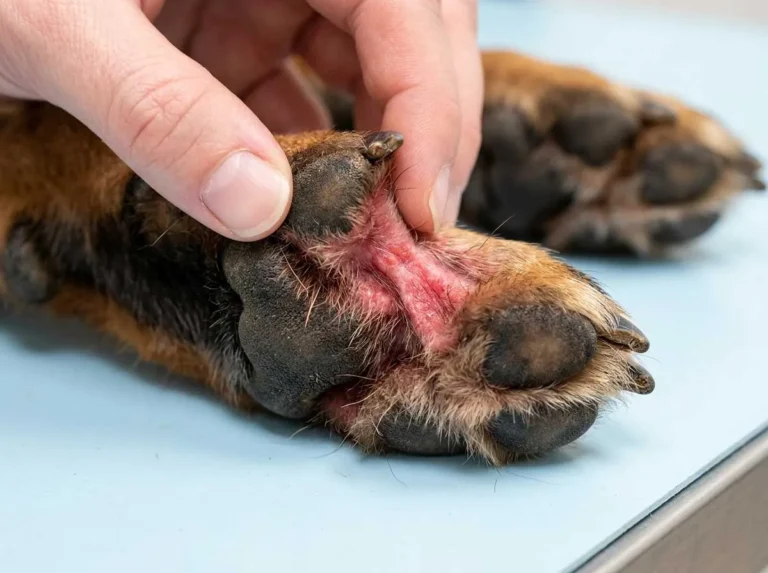
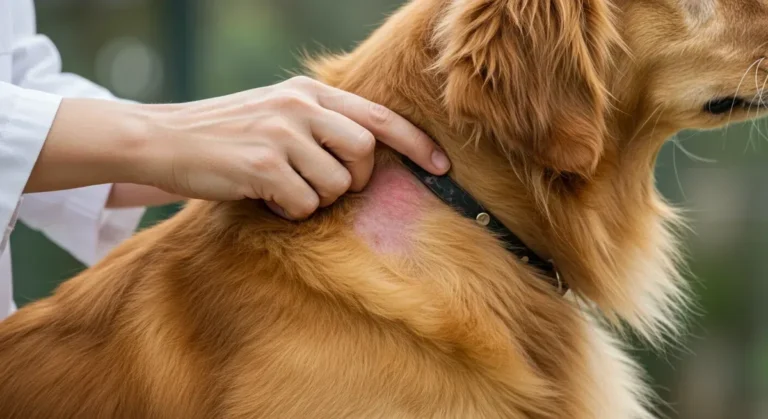
Allergies in dogs show up as itch, redness, and inflammation, but the pattern matters. Most allergic dogs obsessively scratch, lick, or chew at specific spots. Common targets include the paws, belly, groin, armpits, face, and ears.
You'll often see hair loss, scabs, hot spots, or a musty smell from secondary yeast or bacterial infections.
These symptoms overlap with other conditions, which is why guessing leads nowhere. Mites, ringworm, hypothyroidism, and bacterial skin infections can all mimic allergies. The Merck Veterinary Manual and peer-reviewed work in Veterinary Dermatology consistently stress that skin cytology and a proper physical exam are the first step.
Without that, you're flying blind.
Here's a quick way to spot allergy patterns at home:
- Paw chewing + ear infections often point to food or environmental allergies.
- Tail base + hind end scratching classically suggests flea allergy.
- Face rubbing + armpit licking is common with atopic dermatitis.
- Symmetrical hair loss with less itching is usually not allergy at all.
If the itch is sudden, severe, or paired with vomiting or facial swelling, treat it as an emergency. Anaphylactic reactions in dogs are rare but real, and they need immediate vet care.
Why Getting This Right Matters: The Real Risks of Wrong Advice
Treating allergies wrong isn't just ineffective. It can cause real harm. Long-term steroid use in dogs has been linked in veterinary literature to iatrogenic Cushing's disease, immune suppression, and diabetes.
Over-the-counter human antihistamines are sometimes dosed incorrectly for dogs, leading to sedation or, paradoxically, more excitability.
There's also the risk of missing something serious. A "hot spot" that keeps coming back might be an underlying allergy, but it could also be a resistant bacterial infection or even a tumor. Owner-reported cases compiled by the American College of Veterinary Dermatology show that dogs who start immunotherapy before significant skin damage usually have better long-term outcomes.
The lesson is simple. Home care helps, but it should sit on top of a real diagnosis, not replace one. Cutting corners early usually means more vet bills later.
The Three Main Types of Dog Skin Allergies
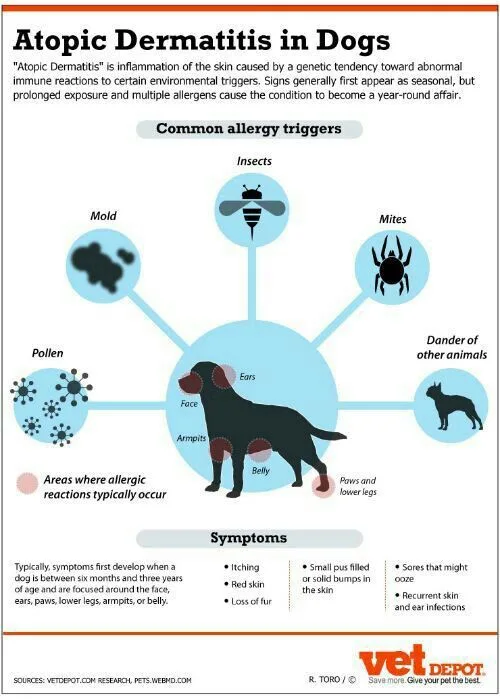
Knowing which type you're dealing with changes everything. Each one has a different trigger and a different fix.
Flea Allergy Dermatitis (FAD)
This is the most common allergic skin disease in dogs. A single flea bite can set off a reaction that lasts days. Dogs with FAD usually scratch their lower back, tail base, and thighs.
Many owners never see a flea because the dog chews them off quickly.
The fix isn't just killing fleas. It's preventing them year-round, on every pet in the home. Flea saliva is the actual allergen, so even brief exposure causes flare-ups.
Food Allergies
True food allergies in dogs are immune reactions to specific proteins, most commonly beef, chicken, dairy, or eggs. They often cause year-round itching, recurrent ear infections, and digestive symptoms. Grain-free diets, by the way, do not treat food allergies.
Dogs are rarely allergic to grains, according to current veterinary nutrition research.
Environmental Allergies (Atopic Dermatitis)
This is the big one. Dogs react to pollen, dust mites, mold, and grasses. Symptoms often flare seasonally but can become year-round.
Breeds like French Bulldogs, Golden Retrievers, Westies, and German Shepherds are overrepresented.
Here's a fast comparison:
| Allergy Type | Common Trigger | Typical Signs | First Step |
|---|---|---|---|
| Flea allergy | Flea saliva | Scratching at tail base | Year-round flea prevention |
| Food allergy | Beef, chicken, dairy | Year-round itch, ear infections | 8 to 12 week elimination diet |
| Environmental | Pollen, dust, mold | Seasonal or chronic itch | Allergy testing and immunotherapy |
Signs It's an Allergy (and Not an Infection or Parasites)
This is where owners get stuck. Skin issues all look similar on the surface, but the underlying cause changes the treatment completely.
A bacterial skin infection (pyoderma) usually produces crusts, pustules, and a strong odor. A yeast infection tends to make skin greasy, thickened, and intensely itchy, often in the ears, armpits, and groin. Sarcoptic mange looks like an allergy but spreads fast and is intensely contagious, even to people.
Veterinary dermatologists diagnose these with skin scrapings, cytology, and sometimes fungal cultures. The American Veterinary Medical Association and ACVD recommend cytology as a routine first-line test because it's quick and reveals secondary infections that change the treatment plan.
If your dog has any of these, see a vet soon:
- Hot spots spreading or bleeding
- Recurrent ear infections (more than 2 to 3 a year)
- Open sores or strong odor
- Itch that doesn't respond to flea control
- Hair loss in symmetrical patches
When You Absolutely Need a Vet — Not a Home Remedy
Some situations are firmly in vet territory. Home remedies won't cut it, and delay can cause lasting damage.
- Constant scratching for more than a few days. Acute itch often turns into self-trauma, which leads to infection.
- Skin that looks infected. Yellow crusts, pus, or swelling need prescription antibiotics or antifungals.
- Suspected mange or ringworm. Both require specific medications.
- Dogs under 1 year old. Young dogs with skin issues may have congenital problems or parasites.
- Sudden facial swelling or hives. This can escalate fast.
According to the FDA's Center for Veterinary Medicine, medications like Apoquel and Cytopoint require a valid veterinary-patient relationship. They're not sold over the counter for good reason. These drugs are powerful, and dosing depends on accurate diagnosis and follow-up.
The board-certified specialists at ACVD and veterinary teaching hospitals are excellent resources if your regular vet is stuck. Most offer referral-based consultations, and the investment often saves months of trial and error.
Step 1: Confirm the Diagnosis With the Right Tests
You can't treat what you haven't confirmed. The first real step is a vet visit focused on diagnosis, not symptom suppression. Skin cytology reveals whether yeast or bacteria are involved.
A skin scrape rules out mites. A flea combing checks for flea dirt even when you don't see adult fleas.
If symptoms continue despite flea control and basic treatment, your vet may recommend allergy testing. Intradermal skin testing, done by a veterinary dermatologist, is the gold standard. Blood serum allergy tests are an alternative.
They're less sensitive but easier to access.
The point is to get a label for what's happening. Once you know the trigger, treatment becomes targeted instead of guesswork.
Step 2: Start Flea Control — Even If You Don't See Fleas
If your dog has any allergic skin disease, flea control isn't optional. It's the foundation. A single flea bite can trigger weeks of scratching in a sensitized dog.
Use a prescription flea preventive on every pet in the home. Over-the-counter options often fail or wash off too easily. Effective products include prescription oral treatments and topical solutions applied monthly.
Don't skip winter. In many regions, fleas survive indoors year-round. Aggregate clinical data suggest that consistent flea prevention alone resolves many "mystery" itch cases within 8 to 12 weeks.
| Flea Control Method | How It Works | Best For |
|---|---|---|
| Oral preventives (e.g. fluralaner, afoxolaner) | Kills fleas after they bite | Dogs that swim or bathe often |
| Topical preventives (e.g. fipronil combos) | Spreads across skin | Multi-pet households |
| Flea combing + environmental spray | Mechanical and chemical | Severe home infestations |
Step 3: Run an Elimination Diet the Right Way
Food allergies need a properly controlled trial. This is where most owners cut corners and then conclude the diet "didn't work."
An elimination diet means feeding one novel or hydrolyzed protein source for 8 to 12 weeks, with nothing else. No treats, no table scraps, no flavored medications. The strictness is the whole point.
Hydrolyzed protein diets break proteins into tiny fragments the immune system can't recognize. Novel protein diets use a single source the dog has never eaten, like duck or venison. Both work, but hydrolyzed diets tend to give cleaner results.
After the trial, you reintroduce ingredients one at a time. A return of itching within 1 to 14 days confirms that ingredient as the trigger. Most food allergies in dogs involve one or two proteins, not a long list.
Step 4: Choose the Right Itch Relief Medication
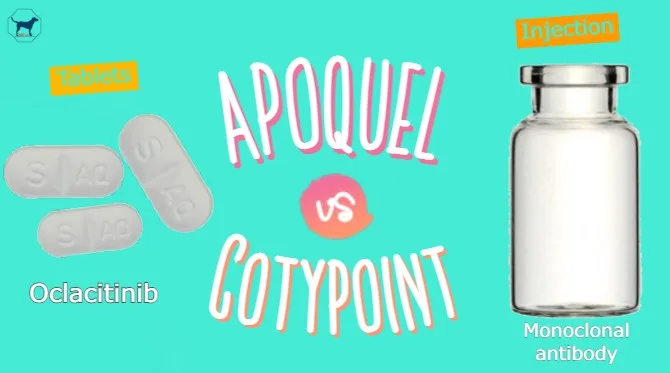
Modern itch medications have changed the game. The two main prescription options are Apoquel (oclacitinib) and Cytopoint (lokivetmab). Both reduce itching, but they work differently.
Apoquel is an oral tablet that blocks specific itch and inflammation pathways. It works within 4 hours for most dogs. Cytopoint is an injectable antibody that targets itch signals and lasts 4 to 8 weeks per shot.
Both are FDA-approved and widely used.
Steroids like prednisone still have a place. They're cheap and fast, but long-term use carries real risks. These include increased thirst, weight gain, and immune suppression.
Here's how the main options compare:
| Medication | Form | Frequency | Best For | Limitations |
|---|---|---|---|---|
| Apoquel | Oral tablet | Daily | Dogs needing flexible dosing | Daily cost, rare GI side effects |
| Cytopoint | Injection | Every 4 to 8 weeks | Owners who forget pills, needle-friendly dogs | Vet visit required, cost per shot |
| Prednisone | Oral | Daily or every other day | Short-term flare control | Long-term side effects, immune suppression |
| Antihistamines (e.g. cetirizine) | Oral | Daily | Mild seasonal itch, adjunct therapy | Often insufficient alone |
If your dog is under 12 months old, Apoquel isn't approved yet. Cytopoint is generally safer in young dogs and seniors. Your vet will help match the option to your dog's age, health, and lifestyle.
Step 5: Treat the Skin Topically With Medicated Baths and Sprays
Oral medication stops the itch cycle. Topical therapy heals the skin. You'll want both.
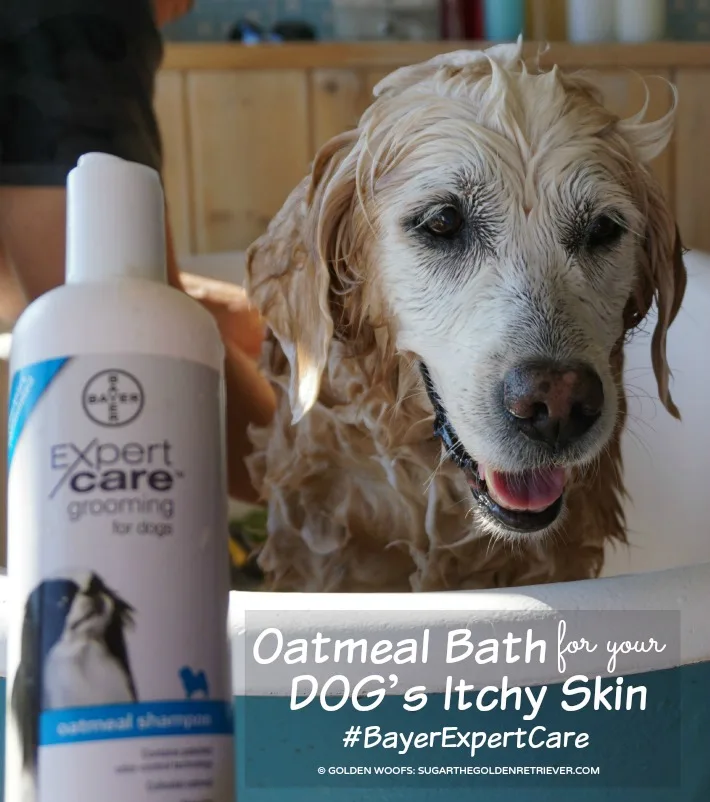
Medicated shampoos with chlorhexidine fight bacteria. Miconazole or ketoconazole targets yeast. Colloidal oatmeal and pramoxine soothe inflamed skin.
Bathing 2 to 3 times a week for the first few weeks makes a visible difference, especially in dogs with thickened or infected skin.
Leave the shampoo on for 10 minutes before rinsing. That contact time is where the active ingredients do their work. Follow with a moisturizing conditioner or a leave-in spray to restore the skin barrier.
Avoid human shampoos, dish soap, and harsh essential oil blends. Canine skin has a different pH than human skin, roughly 7.0 to 7.5, and using the wrong product disrupts the barrier further. The FDA's Center for Veterinary Medicine warns against several essential oils in pets, including tea tree and pennyroyal, which are toxic even in small amounts.
Step 6: Add Omega-3s and Skin Supplements
Omega-3 fatty acids support the skin barrier from the inside out. They reduce inflammation, improve coat quality, and may lower the dose of itch medication some dogs need.
Look for fish oil with EPA and DHA on the label. Effective dosing is roughly 50 to 75 mg of combined EPA and DHA per pound of body weight daily. A typical 50 pound dog needs about 2,500 to 3,750 mg per day.
Quality matters. Cheap products often have lower EPA content or oxidation issues. Store fish oil in the fridge and check the expiration date.
Rancid oil loses benefits and can cause GI upset.
Other adjuncts worth asking your vet about include ceramides for barrier repair, vitamin E, and probiotics for gut-linked skin health. These aren't magic bullets, but they round out the plan.
Apoquel vs. Cytopoint vs. Steroids: A Clear Comparison
Picking between these medications depends on your dog's age, health, and your daily routine.
Apoquel is best when you want fast relief, can give a daily pill, and need flexible dosing adjustments. Cytopoint works well when pill-giving is a struggle or when you want fewer vet-managed dosing points. Steroids are best for short-term flare control or when cost is the main barrier.
| Drug | Speed of Relief | Duration | Best Fit | Key Limitation |
|---|---|---|---|---|
| Apoquel | ~4 hours | Daily dosing | Young adult dogs, fast flare control | Daily cost, not approved under 12 months |
| Cytopoint | ~24 hours | 4 to 8 weeks | Seniors, needle-tolerant dogs, pill-averse owners | Per-injection cost, vet visit needed |
| Prednisone | Hours | Variable | Short courses, severe flares | Long-term side effects |
| Antihistamines | Days to weeks | Daily | Mild seasonal itch, adjunct only | Often insufficient alone |
Environmental Allergen Management at Home
Medication controls symptoms. Reducing allergen load in the home reduces flare frequency.
Wash dog bedding weekly in hot water. Vacuum carpets and rugs with a HEPA-filtered machine. Run a HEPA air purifier in the room where your dog sleeps.
Wipe paws after walks during high pollen seasons.
Dust mites are a common indoor trigger. Use allergen-proof covers on any pet beds or cushions. Store dry food in sealed containers.
Storage mites in open bags of kibble are a sneaky trigger that gets missed.
Climate plays a role too. In warm, humid regions like the Southeast US, fleas and yeast thrive year-round. In drier climates, winter indoor heating can spike dust mite exposure.
Tailor the home plan to your local triggers.
Mistakes Owners Make That Make Allergies Worse
Most setbacks come from a few recurring mistakes.
Skipping flea prevention, even in winter, is the biggest one. Treating one pet but not others lets the infestation continue. Stopping medication too soon because the dog "looks better" leads to rebound itching.
Overbathing with harsh products strips the skin barrier and makes itch worse. Feeding flavored treats, table scraps, or different protein sources during an elimination diet invalidates the test.
Another common error is assuming itch is behavioral. Dogs don't scratch out of boredom. Persistent scratching is a medical symptom until proven otherwise.
Finally, avoid using human corticosteroid creams like hydrocortisone on large skin areas. Dogs lick them off, and repeated ingestion can cause systemic steroid effects. Keep all topical medications pet-specific and vet-approved.
What Treatment Actually Costs (Real Numbers)
Costs vary by region and dog size, but rough national ranges help set expectations.
| Item | Typical Cost Range | Frequency |
|---|---|---|
| Vet exam | $60 to $150 | Initial + follow-ups |
| Cytology / skin scrape | $40 to $100 | Per visit |
| Apoquel | $80 to $200 per month | Daily |
| Cytopoint injection | $50 to $200+ per shot | Every 4 to 8 weeks |
| Hypoallergenic diet | $60 to $120 per month | 8 to 12+ weeks |
| Medicated shampoo | $15 to $40 per bottle | Monthly |
| Allergy testing | $200 to $600 | One-time |
| Immunotherapy (custom serum) | $30 to $80 per month | Long-term |
Pet insurance plans that cover chronic skin conditions can offset these costs. Pre-existing conditions are usually excluded, so enrolling before symptoms start is ideal. CareCredit and similar veterinary financing programs are also widely accepted.
Long-Term Management: Immunotherapy and Maintenance Plans
Immunotherapy is the closest thing to a long-term fix for environmental allergies. Custom serum or sublingual drops are made from the allergens your dog reacts to most. Over months, the immune system learns to tolerate them.
About 60 to 80 percent of dogs show meaningful improvement, based on data published in Veterinary Dermatology. Full effects take 6 to 12 months. It's a marathon, not a sprint.
Most dogs still need itch medication during the first year.
Combination therapy works best. Immunotherapy reduces the underlying immune response. Apoquel or Cytopoint handles breakthrough flares.
Medicated baths and flea prevention keep the skin stable. Together, this multi-modal approach consistently outperforms any single treatment alone.
Safety Warnings: Medications, Topicals, and "Natural" Remedies
A few safety points deserve emphasis. Apoquel and Cytopoint are prescription-only for a reason. Both require accurate dosing and vet monitoring.
Apoquel is not approved for dogs under 12 months.
Steroids like prednisone are powerful, but long-term daily use in dogs has been linked to muscle loss, skin thinning, and diabetes. Avoid them as a permanent solution unless specifically directed by a vet dermatologist.
Topical safety matters too. Never apply zinc oxide creams (used for diaper rash) to dogs. Ingestion can cause zinc toxicity.
Tea tree oil, even diluted, is toxic to dogs. Many "natural" anti-itch sprays sold online contain essential oil blends that are unsafe when licked.
Keep all medications out of reach. If you suspect an overdose or reaction, contact your vet or the ASPCA Animal Poison Control Center right away.
Quick-Reference Checklist for Helping an Itchy Dog
Use this as a fast action plan while you wait for or follow up on vet care.
- Confirm flea prevention on every pet, every month.
- Run an 8 to 12 week elimination diet if food allergy is possible.
- Use vet-prescribed Apoquel or Cytopoint for itch control.
- Bathe 2 to 3 times weekly with a medicated shampoo for the first month.
- Add omega-3 fish oil at the correct EPA/DHA dose.
- Wash bedding weekly and vacuum with a HEPA filter.
- Wipe paws after outdoor time during high pollen seasons.
- Avoid human creams, essential oils, and unproven online remedies.
- Schedule a recheck if no improvement within 4 to 6 weeks.
FAQs About Dog Skin Allergies
How long does it take for dog skin allergies to improve?
Most dogs show visible improvement within 2 to 4 weeks of starting the right treatment plan. Full resolution of skin damage can take 2 to 3 months, especially with secondary infections.
Can dog skin allergies be cured?
There's no universal cure, but most dogs achieve excellent long-term control. Immunotherapy can induce remission in environmental allergies. Food allergies are managed by avoiding the trigger ingredient.
Are over-the-counter antihistamines safe for dogs?
Some are, in the right dose. Cetirizine and diphenhydramine are commonly used. They work best for mild seasonal itch and as add-ons.
Always confirm dosing with your vet first.
What's the difference between Cytopoint and Apoquel?
Apoquel is a daily oral pill. Cytopoint is an injection given every 4 to 8 weeks. Both reduce itch but use different mechanisms.
Your vet can help pick based on your dog's needs.
Can food allergies cause ear infections in dogs?
Yes. Recurrent ear infections are a classic sign of food allergy in dogs. If your dog gets more than 2 to 3 ear infections a year, talk to your vet about a food trial.
When should I see a vet for my dog's scratching?
See a vet if scratching lasts more than a few days, the skin looks red or infected, or there's hair loss, odor, or open sores. Early treatment prevents bigger problems later.