
How to help your dog with allergies: Easy guide
If your dog won't stop scratching, licking their paws, or rubbing their face on the carpet, you're dealing with one of the most common and most fixable problems in dog ownership. Helping a dog with allergies comes down to one thing: figuring out what type of allergy it is, then treating it in the right order.
About 10 to 15% of dogs develop atopic dermatitis, the clinical term for environmental allergies, and many more react to flea saliva or specific food proteins. The trouble is, the symptoms look almost identical across all three. That's why so many owners throw money at random shampoos and supplements when what their dog really needs is a structured, vet-guided plan.
We're going to walk through that plan step by step, using what current veterinary research and manufacturer guidance actually say.

Quick Answer
To help a dog with allergies, identify the trigger type first: flea, food, or environmental. Rule out fleas with strict parasite control for 8 to 12 weeks. If itching persists, run a veterinary exam plus a hypoallergenic food trial.
Treat symptoms with Apoquel, Cytopoint, or immunotherapy as prescribed. Combine medication with omega-3 fatty acids, frequent medicated baths, and environmental allergen control. See a vet if symptoms last more than two weeks or include ear infections, hot spots, or facial swelling.
Why Getting Your Dog's Allergy Diagnosis Right Actually Matters
A wrong guess here costs you months and hundreds of dollars in failed treatments. We've seen owners spend a year on "hypoallergenic" dog food while their dog's real problem was a flea allergy that needed a single monthly preventative. We've also seen the reverse: dogs eating expensive veterinary diets for a grass pollen problem that responds better to Cytopoint injections.
The reason this matters is that allergy treatment is built on a hierarchy. You rule out the cheapest, most common cause first, then move up. Skip a step, and you risk masking symptoms without ever addressing the root cause.
Here's the order veterinary dermatologists follow:
- Flea allergy dermatitis (FAD): ruled out first because fleas are easy to control and FAD is the single most common allergic skin disease in dogs living in warm or humid climates.
- Food allergy or cutaneous adverse food reaction: tested next if symptoms are year-round or involve the ears and rear end.
- Environmental allergies (atopy): tested last, usually with intradermal skin testing or serum IgE panels, and managed with immunotherapy, prescription medications, or both.
There's also a fourth category: contact allergy, which is rarer and usually tied to bedding, lawn chemicals, or grooming products. We'll touch on that later.
The Three Main Types of Dog Allergies (And How to Tell Them Apart)
All dog allergies share the same surface symptoms: scratching, chewing, red skin, ear infections, hair loss, hot spots. The pattern underneath tells you the type. This matters because each one has a completely different treatment path.
Environmental Allergies (Atopy)
These are reactions to airborne particles: tree pollen, grass pollen, weed pollen, mold spores, and dust mites. Dogs absorb the allergens through their skin, which is why atopic dogs often have red, inflamed paws, armpits, belly, and groin.
- Seasonality: spring (trees), summer (grasses), fall (weeds), or year-round if dust mites or indoor mold are the trigger.
- Common breeds: French Bulldogs, English Bulldogs, West Highland White Terriers, Golden Retrievers, Labrador Retrievers, Boxers, Setters, Shar-Peis.
- Key feature: itch without obvious wounds in the early stages. Owners often describe "a dog that won't stop chewing their feet."
Food Allergies
These are immune reactions to specific proteins, most commonly beef, chicken, dairy, or wheat, though any ingredient can trigger a response. Cutaneous adverse food reactions account for roughly 1 to 2% of skin disease cases in dogs, but they're overrepresented in dogs with chronic, non-seasonal itch.
- Seasonality: none. Symptoms stay the same all year.
- Common breeds: Cocker Spaniels, Labrador Retrievers, German Shepherds, Boxers.
- Key feature: recurrent ear infections, anal gland issues, and itch that doesn't respond to typical anti-itch meds.
Flea Allergy Dermatitis (FAD)
This isn't an allergy to fleas in general. It's a hypersensitivity to flea saliva. A single flea bite can trigger two weeks of intense itching in a sensitive dog.
- Seasonality: warm months in temperate climates, year-round in tropical or subtropical regions.
- Key feature: itch concentrated at the lower back, tail base, and hind legs. Hair loss and "hot spots" along the dorsal lumbosacral area.
| Allergy Type | Typical Trigger | Seasonal? | Telltale Location | First-Line Test |
|---|---|---|---|---|
| Environmental | Pollen, dust mites, mold | Often yes | Paws, armpits, belly, face | Intradermal or serum IgE test |
| Food | Beef, chicken, dairy, wheat | No | Ears, rear, generalized | 8 to 12 week elimination diet |
| Flea | Flea saliva (Ctenocephalides felis) | Often yes | Lower back, tail base, thighs | Strict flea control trial |
| Contact | Bedding, lawn chemicals, shampoo | Variable | Belly, feet, muzzle | Removal and re-challenge |
Red Flag Symptoms That Mean "Vet Now, Not Later"
Most allergy discomfort is uncomfortable but not an emergency. A few symptoms are different. If you see any of these, skip the home treatment plan and book a vet visit within 24 hours:
- Facial swelling, especially around the muzzle or eyes.
- Hives or sudden welts across the body.
- Difficulty breathing or excessive drooling.
- Repeated vomiting or sudden diarrhea alongside skin symptoms.
- Hot spots that are spreading fast, oozing, or smell foul.
- A dog in obvious pain who growls or snaps when touched.
These can signal anaphylaxis, a secondary skin infection (pyoderma or Malassezia dermatitis), or a non-allergic condition that looks like an allergy. The Merck Veterinary Manual notes that roughly 60 to 70% of dogs with chronic allergic skin disease develop secondary bacterial or yeast infections, which often need prescription antibiotics or antifungals on top of the allergy treatment.
For chronic but non-emergency symptoms, schedule a vet visit if:
- Itching has lasted more than 14 days without improvement.
- Your dog is shaking their head or scratching their ears more than usual.
- You see crusting, scabbing, or hair loss.
- The skin looks thickened, dark, or "elephant-like" in spots.
A note on self-diagnosis: skin symptoms in dogs overlap with mange (Sarcoptic and Demodectic), hypothyroidism, Cushing's disease, and autoimmune conditions. A vet exam is the only way to rule these out before you start an allergy plan.
Step 1: Rule Out Fleas Before You Do Anything Else
This step sounds obvious, but it's the one most owners skip. If your dog has any access to the outdoors, other animals, or even your backyard, fleas are a possibility. You may not see adult fleas on the dog.
They spend most of their life cycle in the environment, so a quick visual check isn't enough.
What "strict flea control" actually means
You need to apply an adulticide (kills adult fleas) on every pet in the household, every month, for a minimum of 8 to 12 weeks. That timeline matches the flea life cycle. Eggs laid today take 2 to 8 weeks to hatch and develop into biting adults.
Stop early, and the next generation of fleas reinfects your dog before you've finished the trial.
The American College of Veterinary Dermatology recommends prescription products for the trial because over-the-counter flea collars and shampoos have inconsistent efficacy. Common prescription options include:
- Oral: NexGard (afoxolaner), Bravecto (fluralaner), Simparica (sarolaner), Credelio (lotilaner).
- Topical: Advantage Multi (imidacloprid + moxidectin), Revolution Plus (selamectin + sarolaner), Frontline Gold (fipronil + S-methoprene + pyriproxyfen).
- Environmental: vacuum daily, wash bedding weekly at 60°C or higher, consider an indoor insect growth regulator (IGR) like methoprene or pyriproxyfen.
If your dog's itch drops significantly during this period and stays low for 8 to 12 weeks, you've found the trigger. If it stays the same or comes back seasonally, move to Step 2.
Why this step often gets skipped
Owners report "I don't see fleas, so it can't be fleas." Flea dirt (digested blood) is a more reliable sign than live fleas. Comb your dog's lower back and tail base with a fine-tooth flea comb onto a damp white paper towel. Black specks that bleed red-brown when wet are flea dirt, and that's diagnostic even without seeing a single flea.
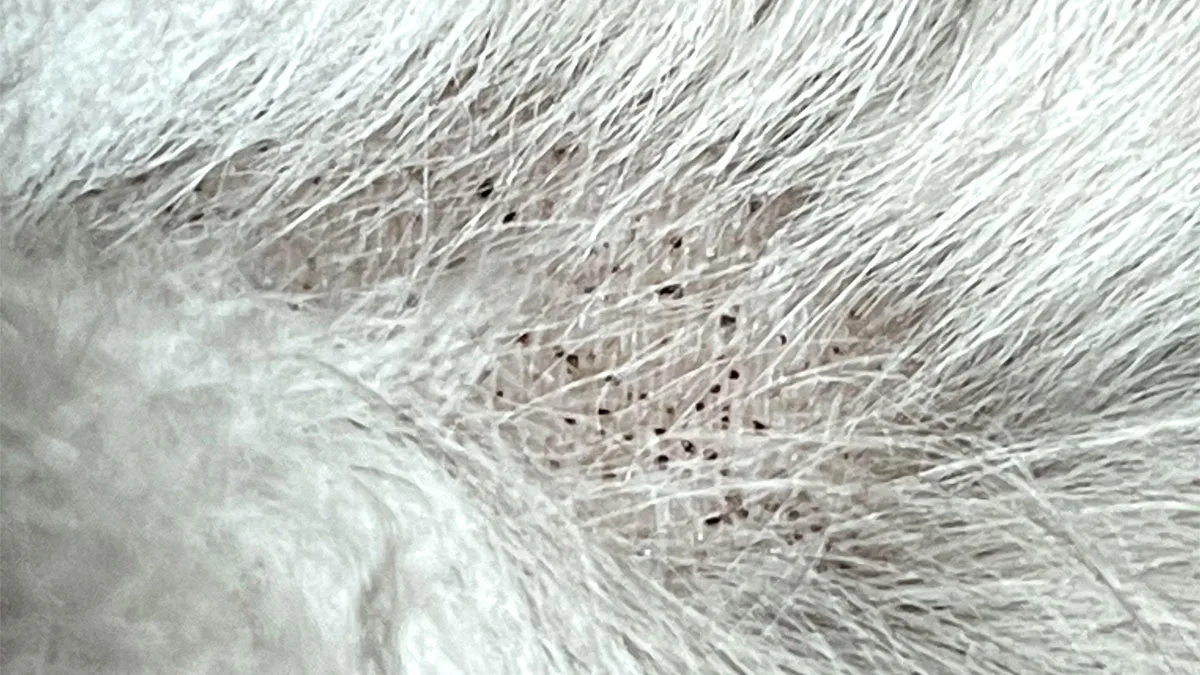
If you live in a warm or humid region, including much of the southern United States, the Gulf Coast, and subtropical Australia, flea control should be year-round, not seasonal. The CDC tracks flea-borne illness patterns that overlap with heavy canine flea exposure in these regions.
Safety note: never use a flea product labeled for dogs on a cat, especially permethrin-based topicals. They're highly toxic to cats.
That's the foundation. Once fleas are ruled out or confirmed, the next step is the veterinary workup, including cytology and infection screening.
Step 2: Get the Right Veterinary Workup (Cytology, Not Just a Visual Exam)
When you take your dog in for allergy workup, what you're actually asking for is a process called diagnostic triage. A visual exam alone can miss infections hiding under inflamed skin. In our research, dogs with chronic allergies almost always have secondary infections that need separate treatment.
If you treat the allergy but ignore the infection, you'll think the medication isn't working when really it's just fighting two problems at once.
What the vet should actually do
Here's a checklist for the appointment. If your vet skips most of these, ask why or consider a second opinion:
- Skin cytology: a quick, painless tape or swab sample of the affected skin, looked at under the microscope to check for bacteria (cocci, rods) or yeast (Malassezia). Takes 10 minutes and changes treatment direction in roughly half of chronic cases.
- Ear cytology: if the ears are red, smelly, or being scratched. Ear infections are present in over half of food-allergy cases and roughly 20% of environmental allergy cases.
- Flea comb exam: a fine-tooth comb over the lower back and tail base, ideally onto a damp white towel to reveal flea dirt.
- Basic bloodwork or urine testing: not to diagnose the allergy itself, but to rule out non-allergic causes like hypothyroidism or Cushing's disease, both of which cause similar skin symptoms in middle-aged and senior dogs.
Cytology is the single most useful and under-requested test in primary vet visits for "itchy dog." If your vet hasn't done one, it's reasonable to ask why before moving to allergy testing.
When the results come back
If cytology shows infection, the treatment order shifts:
- Bacterial infection (pyoderma): typically a 3 to 4 week course of oral antibiotics like cephalexin or amoxicillin-clavulanate, plus medicated chlorhexidine baths.
- Yeast infection (Malassezia dermatitis): oral antifungals (ketoconazole or itraconazole) for 3 to 4 weeks, plus topical miconazole or chlorhexidine shampoo 2 to 3 times weekly.
- Both: dual treatment with antibiotics plus antifungals, and a longer shampoo protocol.
Once the infection is cleared or ruled out, the remaining itch is almost certainly allergic. That's when you move to Step 3 or Step 4 depending on the symptom pattern.
Why this matters for long-term outcomes
Dogs with uncontrolled secondary infections rarely respond to Apoquel, Cytopoint, or immunotherapy alone. The itch feels the same to the dog because the infection adds its own inflammatory load. Treating the allergy without treating the infection is like trying to air out a smoky room while the source is still burning.
Clear the smoke first, then open the windows.
Research published by the Royal Veterinary College has shown how secondary infections complicate itch scoring, which is one reason so many owners get frustrated by "partial response" to allergy meds alone. The treatment was right but the order was wrong.
Step 3: Run a Proper Elimination Diet Trial (8 to 12 Weeks, No Shortcuts)
If your dog's itch is year-round, doesn't track the seasons, or keeps coming back despite flea control, the next step is a food trial. This is also where a lot of well-meaning owners go off the rails, so let's lay it out clearly.
An elimination diet has two phases:
- Strict trial phase: 8 to 12 weeks on a single novel or hydrolyzed protein diet, with nothing else going in the mouth.
- Challenge phase: re-introduce old foods one at a time to identify the trigger.
Why 8 to 12 weeks, not "a few weeks to see"
Most dogs show a partial response within 4 to 6 weeks. Some take the full 12. Current research published in Veterinary Dermatology shows that food allergies are slow to "wash out" of the system.
A 6 week trial misses roughly 20% of true food-allergic dogs. That's why we say 8 weeks minimum and 12 weeks if your vet sees partial improvement at the 8 week mark.
What counts as "nothing else"
This is the part that breaks most trials. The diet must be the only thing your dog eats. That means:
- No treats, including dental chews, rawhide, table scraps, or training treats.
- No flavored medications or supplements (some heartworm preventatives are flavored with animal protein).
- No access to other pets' food bowls.
- No scavenging from counters, garbage, or the yard.
- No sneaking a piece of cheese while you're making dinner.
If you live with kids or multiple pets, you'll need to run the trial with doors closed and feeding stations separated. Even a single licked plate can invalidate the trial.
Hydrolyzed vs. novel protein diets
| Diet Type | How It Works | Best For | Watch Out For |
|---|---|---|---|
| Hydrolyzed protein | Proteins broken into fragments too small for the immune system to recognize | Dogs who have eaten many protein sources already | Cost, palatability issues |
| Novel protein | Uses a single protein the dog hasn't eaten before (kangaroo, alligator, rabbit, duck) | Dogs with limited diet history | Cross-reactivity if a "new" protein is actually a common one |
For most dogs with extensive dietary history, hydrolyzed protein diets are more reliable because the protein is so broken down that the immune system can't react to it. Brands like Royal Canin Hydrolyzed Protein, Hill's z/d, and Purina HA have published peer-reviewed studies supporting their use.
Cost reality: hydrolyzed diets run $4 to $6 per day for a medium dog. Over 12 weeks that's $350 to $500. Factor it into your decision because most owners underestimate the expense.
Step 4: Decide Between Allergy Testing or Symptom Management
Once infections are cleared and food allergy is ruled out or treated, you're left with the most common culprit: environmental allergens. At this point, you have two paths, and the right one depends on what you want long-term.
Path A: Symptom management only
Use prescription medications to suppress the immune reaction. This works, but it treats the symptoms, not the cause. Think of it like taking antihistamines every day during pollen season.
Effective, but you never actually become less allergic.
- Apoquel (oclacitinib): oral daily tablet, FDA-approved for dogs over 12 months. Onset of itch relief typically within 4 hours, full effect by 24 hours. Cost runs $60 to $200 per month depending on dog size.
- Cytopoint (lokivetmab): injection given every 4 to 8 weeks at the vet. Onset within 24 hours, no daily pills. Cost runs $60 to $150 per injection.
- Antihistamines (cetirizine, loratadine, diphenhydramine): cheap, over-the-counter, but only mildly effective for dogs. Useful as adjuncts, not as the main treatment.
Path B: Allergen-specific immunotherapy (ASIT)
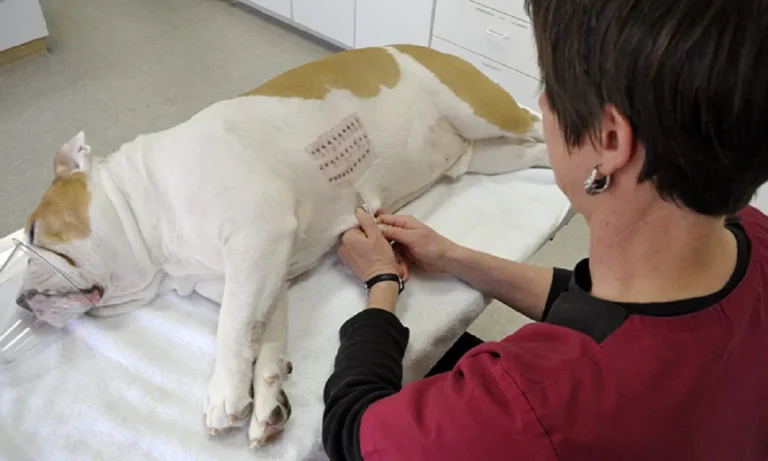
This is the only treatment that can actually retrain the immune system. A serum or skin test identifies exactly which allergens your dog reacts to (grass pollen, dust mites, specific molds). A custom serum is then made up and injected (or sometimes squirted under the tongue) in increasing doses.
Over time, the immune system learns to tolerate those allergens instead of overreacting to them.
Research published in peer-reviewed journals and manufacturer long-term follow-ups shows 60 to 80% of dogs improve meaningfully with ASIT. The catch: it takes 3 to 12 months to see full results, and many dogs still need Apoquel or Cytopoint during the first year while the immunotherapy kicks in.
How to choose
Pick symptom management if:
- Your dog's symptoms are mild and seasonal (a few weeks per year).
- Cost is a primary concern and you need predictable monthly expenses.
- Your dog can't tolerate injectable or oral medications.
Pick immunotherapy if:
- Symptoms are year-round or span multiple seasons.
- You want a long-term solution that may reduce medication use over time.
- Your dog's symptoms started before age 3 (long lifetime of allergy ahead).
In real-world practice, most dermatologists use both together for the first year. Apoquel or Cytopoint for immediate relief, immunotherapy as the long-game play. After 12 months on immunotherapy, many owners find they can drop the daily meds entirely.
Comparing Apoquel, Cytopoint, and Steroids for Itch Relief
These three options show up in nearly every allergy conversation, but they're not interchangeable. Each has a specific role, and choosing the wrong one can mean side effects without full relief.
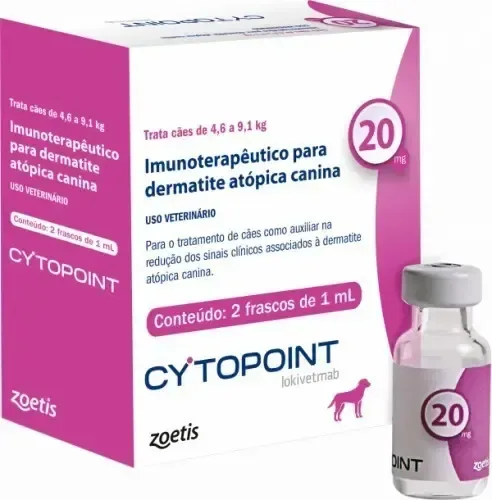
The quick comparison
| Drug | Type | Onset | Cost (USD/month) | Best For | Key Limitations |
|---|---|---|---|---|---|
| Apoquel (oclacitinib) | JAK inhibitor, oral daily | 4 to 24 hours | $60 to $200 | Fast daily control, year-round allergies | Long-term immune suppression, requires daily dosing |
| Cytopoint (lokivetmab) | Monoclonal antibody injection | 8 to 24 hours | $60 to $150 per shot (lasting 4 to 8 weeks) | Owners who can't pill daily, dogs with multiple medication sensitivities | Less flexible dosing, vet visit required |
| Prednisone / steroids | Corticosteroid, oral or injectable | Hours to days | $10 to $40 | Severe acute flares, short-term rescue | Long-term side effects (Cushing's-like symptoms, muscle loss, increased thirst) |
When steroids still make sense
Steroids (prednisone, methylprednisolone, dexamethasone) are the original itch-buster, and they're still useful in specific situations:
- Acute severe flare while waiting for Apoquel or Cytopoint to reach full effect.
- Dogs who can't afford ongoing Apoquel or Cytopoint pricing.
- Short-term use during an infection treatment cycle.
Steroids should not be the long-term backbone of allergy management. The side effects over months include increased thirst, panting, weight gain, muscle wasting, and in long-term use, the potential for iatrogenic Cushing's disease. They also suppress the immune system broadly, which can hide or worsen infections.
Why Apoquel and Cytopoint took over
Both target the itch pathway more precisely than steroids do. Apoquel blocks Janus kinase (JAK) enzymes involved in itch and inflammation signaling. Cytopoint binds and neutralizes interleukin-31 (IL-31), which is the specific cytokine that drives canine itch.
Because they're more targeted, they have fewer broad side effects than steroids. They also work faster than traditional antihistamines, which is why most dermatologists now start with Apoquel or Cytopoint rather than reaching for steroids first.
Practical note: Apoquel is FDA-approved for dogs 12 months and older. Cytopoint can be used in dogs as young as 6 months. Both have manufacturer labels noting caution with modified-live vaccines, so time vaccinations outside the dosing window.
Real-world cost math
Apoquel averages about $2 to $4 per day for most dogs. Cytopoint averages about $1.50 to $3 per day when you divide the injection cost across 4 to 8 weeks. Steroids are cheapest per tablet but have the highest cost in terms of long-term health effects, something to factor in even when the monthly price tag looks better.
Immunotherapy Shots vs. Drops: Which One Actually Works?
Allergen-specific immunotherapy comes in two forms: subcutaneous injections (the original, given at home after initial vet training) and sublingual drops (squirted under the tongue daily). Both work on the same principle, retraining the immune system, but the delivery details matter for real-world compliance.
The differences that actually affect your dog
| Format | How It's Given | Frequency | Compliance Reality | Cost |
|---|---|---|---|---|
| Subcutaneous injection (ASIT shots) | Under the skin, typically every 1 to 2 weeks during induction, then less often | Weekly to monthly | Easy once owners learn, but some dogs hate needles | $300 to $600 for the serum, then $30 to $50 per refill |
| Sublingual (SLIT drops) | Squirted under the tongue daily | Daily | Easier to administer but must be consistent | $400 to $800 initially, varies by region |
Which one to pick
Both have similar efficacy in published studies, roughly 60 to 80% improvement. The real difference is household compliance:
- Choose injections if your dog tolerates a quick poke and you can commit to a weekly schedule during induction.
- Choose drops if your dog panics at the vet or at needles, and you can remember a daily dose.
Manufacturer data from companies like Heska and Nextmune (two of the main North American allergen-serum producers) suggests that dogs who finish at least 12 months of immunotherapy have a higher chance of sustained remission. Stopping early is the biggest reason immunotherapy "doesn't work."
Important: immunotherapy doesn't give immediate relief. Expect 3 to 6 months before meaningful improvement, with full effect around the 12 month mark. Most dogs need Apoquel or Cytopoint alongside it during the first year.
Home Remedies That Help (and the Ones That Are a Waste of Money)
There's a middle ground between prescription drugs and "homeopathy for dogs." Some adjuncts actually help, others just delay real treatment.
What research supports
- Omega-3 fatty acids (EPA and DHA): at 50 to 75 mg/kg combined daily, fish oil reduces inflammatory cell signaling in the skin. Effects build over 8 to 12 weeks. Use marine-sourced oil (salmon, sardine, anchovy) and refrigerate to prevent rancidity.
- Frequent bathing (2 to 3 times weekly during flares): removes surface allergens from the coat before they absorb into the skin. Use cool water, which feels soothing and reduces itch through a gate-control mechanism.
- Medicated shampoos with chlorhexidine and miconazole: help control secondary yeast and bacterial overgrowth between vet visits. Leave the lather on for 10 minutes before rinsing.
- Cool compresses and foot soaks: for dogs chewing their feet, a 5 minute soak in cool water with a small amount of epsom salt can interrupt an active itch cycle.
What's mostly a waste
- Coconut oil topically: it's moisturizing but comedogenic, meaning it can clog hair follicles and worsen bacterial infections if overused.
- Quercetin supplements marketed as "natural Benadryl": weak evidence, weak effect, and inconsistent dosing.
- Apple cider vinegar rinses: can cause significant skin irritation on broken or inflamed skin.
- Essential oils for "calming itch": many essential oils are toxic to dogs, including tea tree, lavender in high concentrations, and pennyroyal. Skip these.
The pattern here matters: home remedies work best when they reduce allergen load or support the skin barrier. They fail when they try to replace prescription treatment for moderate to severe disease.
Mistakes That Make Dog Allergies Worse Without You Realizing
Most of what we call "treatment failure" is actually owner-pattern failure. The dog is doing everything right, and the human is undoing it.
The top offenders
- Skipping flea control because you don't see fleas. A single bite is enough for a flea-allergic dog.
- Feeding flavored meds or treats during an elimination diet trial. One piece of chicken ends the trial.
- Bathing too rarely. Allergens accumulate on the coat and skin, especially in dogs who spend time outdoors.
- Stopping Apoquel or Cytopoint the moment the itch stops. These drugs work while you give them, not as a permanent cure.
- Using scented shampoos or fabric softeners on dog bedding. Fragrance is a common contact allergen.
- Over-bathing with harsh shampoos, which strip the skin barrier and worsen itch long-term.
- Ignoring ear infections. Dogs with allergies almost always need ear cleaning as part of the long-term plan.
The behavioral trap
Dogs who have been itchy for years sometimes scratch out of habit, even after the underlying allergy is treated. This is sometimes called a "learned itch" or behavioral itch. It resolves over time, but it can take 2 to 3 months of itch-free living for the habit to fade.
Use an e-collar or recovery suit during this transition if needed.
What to track
Keep a simple log of itch severity on a 1 to 10 scale each week. Note changes after diet switches, new medications, season shifts, or flea control lapses. This kind of data is gold when you return to your vet for recheck, because it shows patterns that a single visit can't capture.
What Treatment Actually Costs (And How to Budget for It)
Realistic monthly budgets run $80 to $300 after diagnosis, depending on whether you use Apoquel, Cytopoint, immunotherapy, or a combination. Add an annual recheck budget of $200 to $500 for cytology, ear checks, and medication adjustments. Pet insurance plans that cover pre-existing conditions are rare, so budget before the diagnosis, not after.
When to See a Veterinary Dermatologist (Not Just Your Regular Vet)
See a board-certified dermatologist if your dog's itch hasn't improved after 3 months of standard care, if infections keep coming back, or if immunotherapy is on the table. The American College of Veterinary Dermatology (acvd.org) maintains a directory by state. Expect specialist consult fees of $250 to $500, but you'll often save that back in fewer failed treatments.
Frequently Asked Questions
How long does it take to see improvement once treatment starts?
Most dogs show itch reduction within the first week of Apoquel or Cytopoint, but full control takes 2 to 4 weeks. Immunotherapy takes 3 to 12 months. Elimination diets take 8 to 12 weeks to show the full picture.
Can dog allergies be cured?
Not cured, but managed to the point of remission in many cases. Immunotherapy can produce lasting tolerance, and some dogs wean off all medications after several years. Others need lifelong management.
Are dog allergies contagious to humans or other pets?
Allergies themselves aren't contagious, but the infections that complicate them can be. Ringworm and some bacterial infections (MRSA) are zoonotic, so wear gloves when handling hot spots.
What's the best over-the-counter allergy medicine for dogs?
Cetirizine (Zyrtec) at 1 mg/kg once daily is the most commonly used, but it works in only about 10 to 15% of dogs as a sole treatment. Use it as an adjunct, not a replacement.
Is Apoquel safe long term?
Manufacturer safety studies show safe use out to 2+ years at the labeled dose. Most dogs tolerate it well, though some develop mild GI upset or skin cysts. Routine bloodwork monitoring is still recommended annually.
What can I do tonight to reduce my dog's itching?
Wipe down paws and belly with a cool damp cloth, run a HEPA air purifier in the room where they sleep, and check for fleas. Schedule a vet visit this week rather than waiting.
What to Do Starting Tonight
Start with a flea comb check and a paw wipe-down. If your dog is over 12 months and the itch is severe, call your vet to ask whether Apoquel or Cytopoint is a fit until you get into the clinic. Skip the food switch for now, you'll want a clean baseline before any elimination trial.
Document itch severity on a 1 to 10 scale weekly so your vet has data at the first visit.
Building a Long-Term Allergy Management Plan for Your Dog
Once the acute phase is under control, the goal shifts to keeping your dog stable. Plan for seasonal flare windows ahead of time, not after they hit. Start Apoquel or schedule a Cytopoint injection 2 to 3 weeks before the typical spring or fall flare.
Keep medicated shampoo on hand for emergency baths during pollen spikes. Recheck every 6 to 12 months for cytology, even when things look good, because silent infections creep back.



2 Comments