How to treat dog skin allergies naturally: Top guide
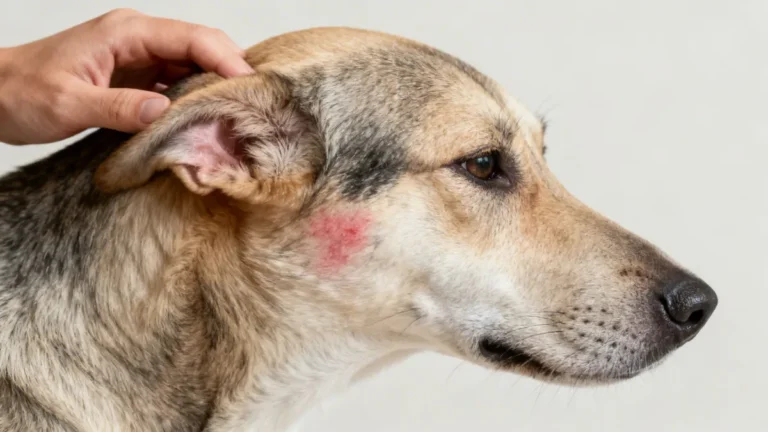
If your dog keeps scratching, licking their paws raw, or rubbing their belly on the carpet, you've probably typed "how to treat dog skin allergies naturally" into a search bar at 11 p.m. The good news: most mild allergic dermatitis in dogs responds to a calm, layered routine you can do at home. The bad news: "natural" doesn't mean "no risk," and some of the most popular home remedies can burn skin or trigger pancreatitis if you use them wrong.
The reliable path is a layered routine: control fleas first, support the skin barrier with omega-3s, use topical soaks for immediate relief, and run an 8 to 12 week elimination diet if you suspect food. Research published through Cummings School of Veterinary Medicine at Tufts confirms omega-3 supplementation improves coat quality and reduces pruritus scores in atopic dogs, with most owners seeing meaningful itch reduction within 4 to 6 weeks. Skip the random Pinterest remedies and start with the steps below.
Quick Answer
Treat dog skin allergies naturally by combining four moves: aggressive flea control, omega-3 fish oil daily, soothing oatmeal soaks, and an elimination diet trial. Colloidal oatmeal baths relieve itch within minutes. Fish oil reduces inflammation over 4 to 6 weeks.
Always rule out fleas first.
Why Getting Natural Allergy Relief Right Matters for Your Dog
Allergies aren't just uncomfortable for dogs. Chronic scratching opens the skin to bacterial and yeast infections, which are far harder (and more expensive) to treat than the allergy trigger itself. A dog with red, raw paws today can develop pyoderma next week if the itch cycle isn't broken early.
The "natural" label also creates real risk. Popular home remedy lists sometimes recommend tea tree oil, undiluted apple cider vinegar, and heavy coconut oil feeding, all of which can burn skin, cause GI upset, or trigger pancreatitis in sensitive dogs. As of 2026, the American Veterinary Medical Association position on complementary therapies is consistent: natural methods can support treatment, but they should be layered on top of correct diagnosis, not used as a substitute.
That means step one isn't choosing a remedy. Step one is making sure the itch is actually an allergy and not something else entirely.
How to Tell It's Actually Allergies (and Not Something Else)
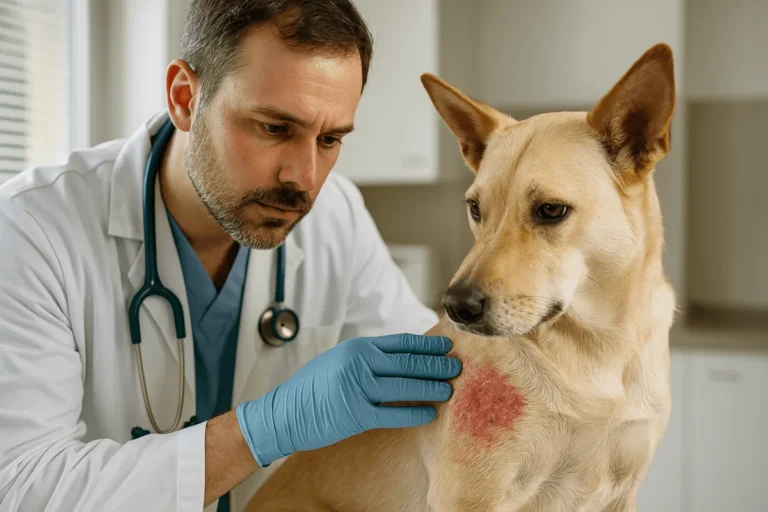
Before you soak, oil, or supplement anything, rule out the three conditions that mimic allergies but need completely different treatment.
The Big Three Mimickers
- Sarcoptic mange (scabies): intensely itchy, often starts on ear edges and elbows. Contagious to other pets and humans.
- Yeast dermatitis: greasy, musty-smelling skin, usually in ears, armpits, and groin. Doesn't respond to allergy remedies alone.
- Bacterial pyoderma: circular crusts, hair loss patches, sometimes pimple-like bumps. Needs prescription antibiotics.
Red Flags That Mean "Vet First, Home Treatment Later"
- Hot spots (raw, oozing, painful patches that spread fast)
- Ear shaking plus head tilt
- Open wounds or pus
- Sudden facial swelling or hives (anaphylaxis risk)
- Itch that started after a new medication
If you see any of these, home treatment can wait. A vet visit can't.
The Three Main Types of Canine Skin Allergies
Dogs get itchy for different reasons, and the natural approach shifts depending on which type you're dealing with.
| Allergy Type | Trigger | Where Dog Scratches | Natural Strategy |
|---|---|---|---|
| Flea Allergy Dermatitis (FAD) | Flea saliva | Lower back, tail base, thighs | Aggressive flea control, soothe residual itch |
| Environmental (atopic) | Pollen, dust mites, mold | Paws, ears, belly, armpits | Omega-3s, oatmeal baths, allergen reduction |
| Food Allergy | Specific protein (often beef, chicken, dairy) | Ears, paws, rear, sometimes GI signs | 8–12 week elimination diet |
Most dogs with chronic itch have FAD plus an environmental component. That's why flea control isn't optional, even if you've never seen a flea on your dog. A single bite can keep a sensitive dog itching for two weeks.
A Note on "Seasonal" vs. Year-Round
If the itch flares every spring or fall, you're likely dealing with pollen or weed allergies. Year-round itch points more toward food or indoor allergens like dust mites. This distinction matters because environmental allergies respond well to topicals and omega-3s, while food allergies only respond to a strict elimination diet.
Flea Control: The Non-Negotiable First Step
If you take one thing from this article, take this: no natural remedy works while a single flea is biting your dog. Flea allergy dermatitis is the most common allergy in dogs, and it's also the easiest to control once you commit.
What "Aggressive Flea Control" Actually Means
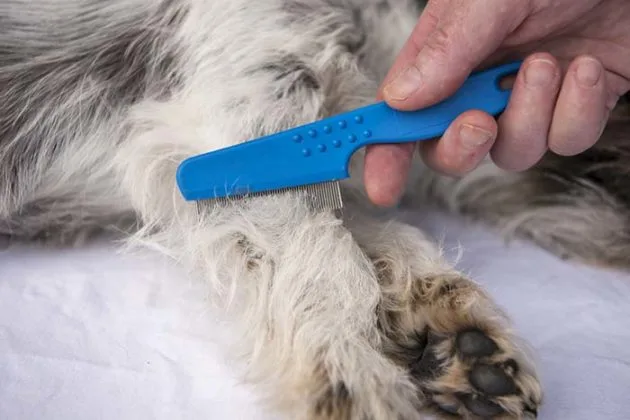
- Treat every pet in the household monthly, not just the itchy one.
- Wash all bedding in hot water weekly for the first month.
- Vacuum sofas, baseboards, and car seats. The eggs live in fabric.
- A veterinarian-approved essential oil flea collar is an option after confirming tolerance, but most holistic vets still recommend a pharmaceutical preventer for allergic dogs.
Why You Might Not See the Fleas
Fleas spend most of their life off the dog, in your carpet and bedding. An allergic dog also grooms aggressively and often swallows fleas whole before you spot one. If your vet does a "flea dirt" test (wet paper towel turns reddish-brown), trust it over what you can see.
The 2-Week Itch Lag
Even after fleas are gone, the itch can persist for up to 14 days because the saliva reaction lingers in the skin. Don't panic if scratching doesn't stop the day you start prevention. Support the skin with oatmeal baths during this window and the transition will be smoother.
Oatmeal Baths: The Most Reliable Natural Soak
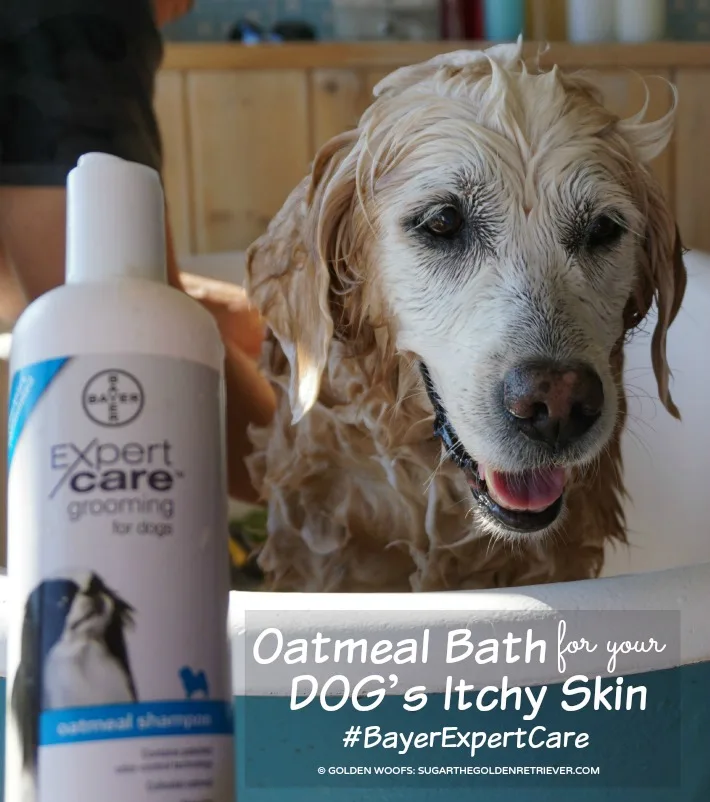
Colloidal oatmeal is the single most evidence-backed natural soak for itchy dog skin. The FDA recognizes it as a skin protectant for human use, and veterinary dermatologists recommend it regularly. It works by forming a protective film on the skin that holds in moisture and blocks irritants.
How to Do It Right
- Grind plain, unflavored oatmeal into a fine powder (blender or food processor) and dissolve in lukewarm water.
- Let your dog soak for 10 to 15 minutes. Don't rinse. Pat dry with a towel.
- Frequency: 1 to 2 times weekly during a flare, weekly for maintenance.
When It Won't Work
Oatmeal soaks soothe. They don't cure. If your dog has bacterial infection, yeast overgrowth, or open wounds, the bath will feel good but won't fix the underlying issue.
In those cases, a chlorhexidine or medicated shampoo from your vet is the right call.
Plain Oatmeal vs. Commercial "Oatmeal Shampoo"
A homemade soak is cheaper and just as effective for mild itch. Commercial oatmeal shampoos add fragrance and detergents that can actually irritate sensitive skin. Read labels.
The fewer ingredients, the better.
Coconut Oil: When It Helps and When It Backfires
Coconut oil is the most over-recommended natural remedy in dog allergy circles. It has genuine benefits for dry skin, but it also has real downsides.
What It Actually Does
- Topically: moisturizes dry, flaky patches and has mild antibacterial properties from lauric acid.
- Orally: small amounts may improve coat shine, but evidence is thin compared to omega-3s.
Where Owners Get Burned
- Pancreatitis risk: coconut oil is high in saturated fat. Dogs with a history of pancreatitis, or prone to weight gain, should not eat it regularly.
- Greasy coat: overuse topically leaves the coat oily and can clog hair follicles.
- Some allergic dogs may actually be sensitive to coconut. Try a tiny patch test on the belly first.
Safe Use Guidelines
- Topical only: a thin layer on dry patches, 1 to 2 times daily.
- Oral (if you choose): no more than 1 teaspoon per 10 lbs of body weight per day, and only if your dog tolerates fat well.
- Skip it entirely if your dog has a sensitive stomach or any history of GI or pancreatic issues.
Apple Cider Vinegar Rinses: Safe Ratios and Burn Risks
Apple cider vinegar (ACV) is popular in raw-feeding and holistic circles. Used correctly, it can help restore skin pH after a bath. Used wrong, it burns raw skin.
The Safe Recipe
Mix 50/50 organic ACV with cool water in a spray bottle. Use it as a final rinse after bathing, or mist lightly on paws and belly after walks. Avoid the eyes, ears, genitals, and any broken skin.
When to Skip It
- Open wounds, hot spots, or scratched-raw skin.
- Dogs with yeast infections (vinegar can sting badly).
- Around the face, period.
ACV is a maintenance tool, not a treatment. If it's your main strategy, you're missing the bigger picture.
Omega-3 Fish Oil: Dosage, Timeline, and Real Results
If there's one supplement worth spending money on for an itchy dog, it's omega-3 fish oil. It's the most consistently supported natural intervention in peer-reviewed canine dermatology research.
Why It Works
EPA and DHA (the long-chain omega-3s in fish oil) reduce inflammatory cytokines in the skin. They don't block itch the way Benadryl does. They calm the underlying inflammation so the itch cycle weakens over time.
Dosage Based on Research
| Dog Weight | EPA + DHA per day | Typical Capsule Count* |
|---|---|---|
| Under 20 lbs | 500–750 mg | 1 small capsule |
| 20–50 lbs | 1000–1500 mg | 2–3 small capsules |
| 50–80 lbs | 1500–2000 mg | 2 large capsules |
| Over 80 lbs | 2000–3000 mg | 3 large capsules |
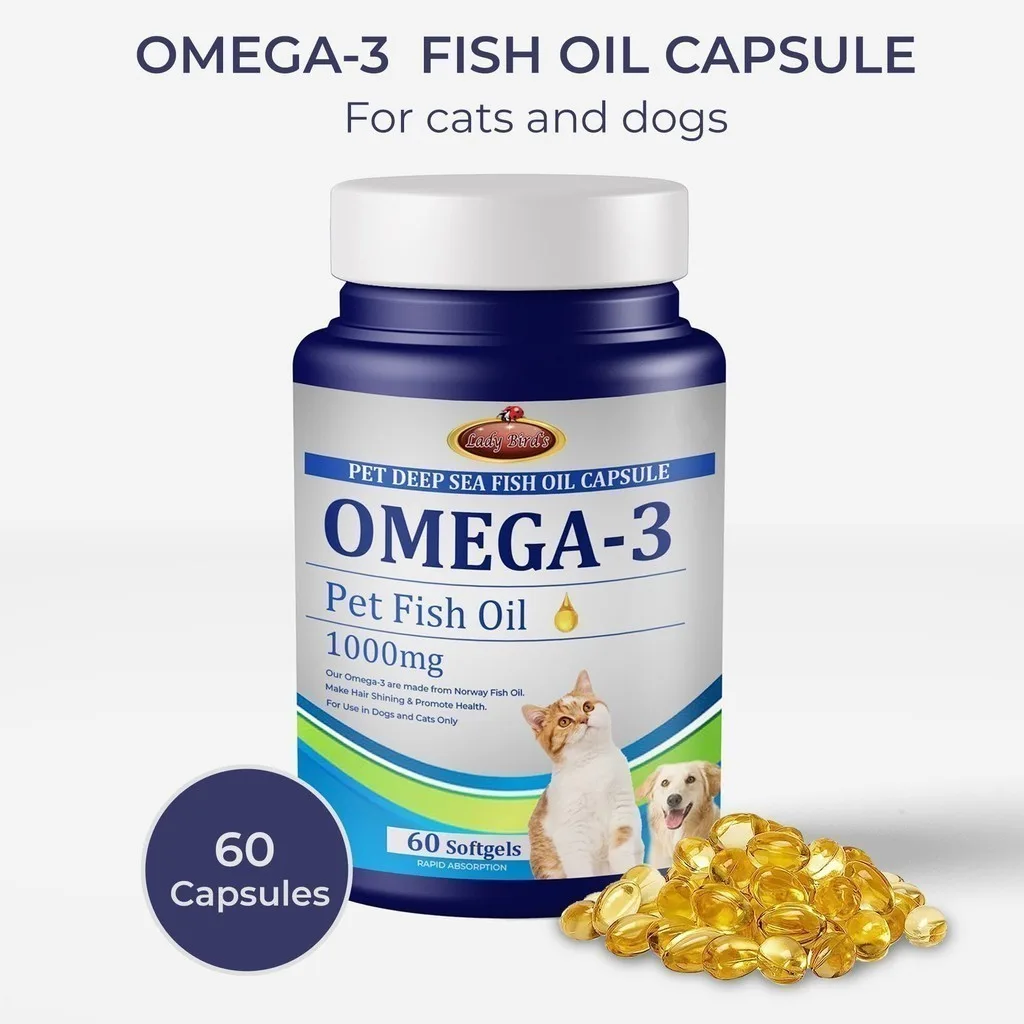
*Assumes a standard 1000 mg capsule with 300 mg EPA+DHA. Check your label.
Timeline You Can Expect
- Week 1 to 2: almost no visible change.
- Week 3 to 4: coat feels softer, scratching frequency may drop slightly.
- Week 4 to 6: noticeable itch reduction in most dogs.
- Week 8 to 12: full benefits for many dogs with environmental allergies.
Choosing a Quality Product
Look for:
- Marine source (anchovy, sardine, mackerel) over plant-based.
- Combined EPA + DHA listed on the label (not just "fish oil").
- Molecular distillation or third-party testing for heavy metals.
- Added vitamin E as a preservative.
Skip cod liver oil for daily use. It's high in vitamin A and can cause toxicity over time. Krill oil works but is more expensive per milligram of EPA+DHA.
Side Effects and How to Dodge Them
Fish oil can cause loose stools if you start at full dose. Ramp up over 7 to 10 days. Give it with a meal.
Refrigerate after opening to prevent rancidity. If diarrhea persists, lower the dose or switch brands.
Quercetin: The Natural Antihistamine That Actually Works
Quercetin is a plant flavonoid often called "nature's Benadryl." Research on dogs is limited but the mechanism is well understood. It stabilizes mast cells, which are the cells that dump histamine into the skin during an allergic reaction.
How to Use It
- Typical dose: 5 to 10 mg per pound of body weight, split into two daily doses.
- Best paired with bromelain (an enzyme from pineapple) for better absorption. Look for combined supplements.
- Give 30 minutes before anticipated allergen exposure (before a walk during pollen season, for example) or daily during flare season.
Where It Falls Short
Quercetin works best for histamine-driven itch (environmental, mild FAD). It won't touch food allergies or skin infections. It also doesn't work instantly like Benadryl.
Most owners report 3 to 7 days of consistent dosing before seeing results.
Safety Notes
Quercetin is generally well-tolerated. The main risk is GI upset at high doses. Avoid in pregnant or nursing dogs without vet guidance.
Don't substitute it for Benadryl in an acute allergic reaction. If your dog's face is swelling, go to the vet.
Probiotics, Local Honey, and Herbal Support
These three get the most hype online. Here's the honest breakdown.
Probiotics
The gut-skin axis is real. Dogs with chronic skin allergies often show different gut flora patterns than healthy dogs. A canine-specific probiotic containing Lactobacillus and Bifidobacterium strains can support immune modulation.
Choose a product with:
- Multiple strains (not just one)
- CFU count in the billions
- Refrigerated storage or shelf-stable packaging proven by the brand
Local Honey
The theory: trace amounts of local pollen in honey gradually desensitize the immune system. The problem: dogs process honey so quickly that meaningful pollen exposure is unlikely. Research is anecdotal at best.
A safer alternative is allergen-specific immunotherapy (allergy shots) prescribed by a vet.
If you want to try honey: a small daily amount (1/2 to 1 teaspoon for medium dogs) is harmless for non-diabetic dogs. Skip it for diabetic or overweight dogs.
Herbal Support (Chamomile, Calendula, Nettle)
- Chamomile tea, cooled, as a rinse: gentle, safe, mildly anti-inflammatory.
- Calendula salve (pet-safe, no added essential oils): useful for small dry patches.
- Nettle leaf (dried, sprinkled on food): contains natural antihistamines, but taste puts most dogs off.
These are gentle add-ons, not primary treatments. Use them as tea rinses or topicals, not as core therapy.
Essential Oils for Dogs: The Safe Few and the Dangerous Many
This is where natural remedies go wrong most often. Essential oils are concentrated plant chemistry, and dogs metabolize them very differently than humans.
Oils That Are Toxic to Dogs
Avoid entirely, even in diffusers:
- Tea tree (melaleuca)
- Citrus (lemon, orange, grapefruit, lemongrass)
- Peppermint
- Wintergreen
- Ylang-ylang
- Clove
- Birch
- Eucalyptus
A single application of tea tree oil can cause neurotoxicity in dogs. Don't diffuse these in homes with dogs.
Oils Sometimes Used Safely (With Strict Dilution)
- Lavender: 1 drop per tablespoon carrier oil, applied to paw pads only.
- Chamomile (Roman): same dilution, very gentle.
- Frankincense: same dilution, used short-term.
Always use a carrier oil (fractionated coconut, sweet almond, or jojoba). Never apply undiluted. Never give orally.
Watch for respiratory irritation if diffusing.
The Honest Take
For most owners, oatmeal baths and omega-3s deliver 90% of the benefit with none of the risk. Essential oils are a finesse tool, not a foundation. If you're not experienced with them, skip this section.
The Elimination Diet: Diagnosing Food Allergies at Home
If the itch is year-round, focused on ears and paws, or didn't respond to flea control and omega-3s, food allergy is a real possibility. The only reliable way to diagnose it is an elimination diet.
How an Elimination Diet Works
- Pick a single novel protein (rabbit, venison, duck) and a single novel carbohydrate (sweet potato, green pea).
- Feed only that for 8 to 12 weeks. No treats, no table scraps, no flavored medications.
- If itch resolves, reintroduce one protein at a time (chicken week one, beef week two) and watch for flare.
- The trigger reveals itself within days of reintroduction.
Common Mistakes
- Sneaking treats during the trial. One bite of chicken can invalidate weeks of effort.
- Choosing a protein the dog has eaten before. If your dog has had chicken and beef, those aren't "novel."
- Not using a prescription or balanced limited-ingredient diet. Homemade diets need vet formulation to be complete.
When It Works
Roughly 20 to 30% of itchy dogs with confirmed food allergy show major improvement during an elimination trial. It's a slow process, but it's the only accurate diagnostic tool available outside blood and saliva tests, which research shows are unreliable for food allergy in dogs.
Natural Remedies vs. Conventional Treatments
Natural doesn't mean "better" or "safer." It means a different tool. Here's how the two approaches compare honestly.
| Method | Best For | Speed | Cost | Risk |
|---|---|---|---|---|
| Oatmeal baths | Immediate itch relief | Minutes | Low | Very low |
| Omega-3 fish oil | Long-term inflammation | 4–6 weeks | Moderate | Mild GI issues |
| Quercetin | Seasonal environmental itch | Days | Low | Minimal |
| Elimination diet | Food allergy diagnosis | 8–12 weeks | Moderate | Nutritional gaps if homemade |
| Antihistamines (Benadryl) | Mild itch, short-term | Hours | Low | Drowsiness, dry mouth |
| Apoquel / Cytopoint | Moderate to severe atopic dermatitis | Hours to days | High | Prescription required, cost |
The honest picture: dogs with severe allergies often need conventional medication to break the itch cycle, then natural methods to maintain comfort long-term. They're complementary, not opposing.
Common Mistakes That Make Dog Allergies Worse
A few habits show up over and over that actively slow down healing.
- Over-bathing. More than twice a week strips the skin's natural oils and worsens dryness. Stick to 1 to 2 times weekly during flares.
- Skipping the flea preventive. Even one missed month can restart the cycle.
- Using human shampoo. Dog skin pH is different. Human products disrupt the barrier.
- Layering essential oils without testing. One bad reaction can set you back weeks.
- Stopping supplements too early. Omega-3s need 6 to 8 weeks to reach full effect.
- Treating the wrong condition. Yeast and bacterial infections look like allergies but need prescription treatment.
When to Stop Home Treatment and Call Your Vet
Natural methods have limits. Stop and seek veterinary care if you notice any of these.
- Itch hasn't improved at all after 4 weeks of consistent natural care.
- Skin is breaking open, oozing, or developing a foul smell.
- Dog is losing patches of fur or developing thick, dark skin (lichenification).
- Ears are hot, red, or shaking.
- Energy levels drop or appetite changes.
These signs mean secondary infection, severe inflammation, or an underlying condition natural methods can't reach. Early vet intervention prevents weeks of suffering.
Weekly and Monthly Routine for Long-Term Skin Health
A reliable routine beats sporadic heroics. Here's a maintenance rhythm that holds steady results.
Weekly
- 1 oatmeal soak during high-pollen seasons
- Bedding wash in hot water
- Quick skin check (ears, paws, belly, tail base)
Monthly
- Flea preventive on schedule
- Fish oil dose adjusted to weight changes
- Coat and skin photo to track progress
Seasonally
- Increase omega-3s and oatmeal soaks during spring and fall pollen peaks
- Add quercetin during known flare windows
- Reassess the elimination diet after 6 months
How Climate and Geography Change the Plan
Allergy triggers aren't the same everywhere, and the "natural" routine shifts by region.
In the southern US, flea season runs most of the year, and humidity drives yeast overgrowth in skin folds. Owners there need year-round flea prevention and regular ear checks. In the mountain west, dry winter air cracks skin barriers.
Add more frequent oatmeal soaks in winter, not summer. Coastal areas deal with mold spores that mimic pollen allergies. A HEPA filter in the bedroom makes a measurable difference.
UK owners deal with shorter pollen seasons but high dust mite exposure indoors. Australian owners see grass pollen dominate, especially in spring. Urban dogs pick up more contact allergens (concrete deicers, lawn chemicals) than rural dogs, who face more flea and tick pressure.
Match the routine to where you actually live, not to a generic online checklist.
Quick-Reference Dosage and Dilution Chart
| Remedy | Dose or Dilution | Frequency | Notes |
|---|---|---|---|
| Colloidal oatmeal bath | 1 cup ground oatmeal per gallon lukewarm water | 1–2x/week | Soak 10–15 min, don't rinse |
| Fish oil (EPA+DHA) | 50–75 mg per kg body weight daily | Daily with food | Ramp up over 7–10 days |
| Quercetin | 5–10 mg per lb body weight, split AM/PM | Daily during flare | Pair with bromelain |
| Apple cider vinegar rinse | 50/50 ACV and water | After baths or walks | Never on broken skin |
| Coconut oil (topical) | Thin layer on dry patches | 1–2x daily | Patch test first |
| Coconut oil (oral) | Max 1 tsp per 10 lbs | Optional, daily | Avoid if pancreatitis history |
| Lavender oil | 1 drop per tablespoon carrier oil | Occasional, topical only | Never undiluted, never oral |
Final Take: What Works, What's Hype, and What's Worth Your Money
After running through every natural option for canine skin allergies, here's the honest ranking by return on effort.
Tier one, do these: aggressive flea control, daily omega-3 fish oil at the correct dose, weekly oatmeal soaks during flares, and an elimination diet trial if food allergy is suspected. These four account for the vast majority of improvement seen in allergic dogs on natural protocols.
Tier two, helpful add-ons: quercetin during seasonal peaks, canine-specific probiotics, and chamomile tea rinses on itchy paws. Use them to support tier one, not replace it.
Tier three, mostly hype: apple cider vinegar rinses (helpful for some, overhyped for most), local honey (no real evidence in dogs), and most essential oils (high risk for marginal benefit).
And the most important rule, repeated because it matters: if the itch is severe, getting worse, or showing any signs of infection, skip the home routine and see your vet. Natural methods extend the work your vet starts. They don't replace it.
Frequently Asked Questions
Can dog skin allergies be cured naturally?
No. Atopic dermatitis in dogs is a genetic immune condition. It can be managed into remission but not cured.
Natural methods reduce flare frequency and severity, but most allergic dogs need lifelong support, not a one-time fix.
Is coconut oil safe for dogs to eat every day?
Small daily amounts are generally safe for healthy adult dogs, up to 1 teaspoon per 10 lbs of body weight. Dogs with a history of pancreatitis, obesity, or fat sensitivity should not eat coconut oil daily. Topical use is safer for most dogs than oral use.
How do I know if my dog's allergies are food or environmental?
If the itch is year-round and focused on ears, paws, and the rear, food allergy is more likely. If the itch follows a seasonal pattern and includes belly, armpits, and paw licking, environmental allergens are more likely. The only reliable way to confirm food allergy is an 8 to 12 week elimination diet.
Blood and saliva allergy tests for food are unreliable in dogs.
Can I give my dog Benadryl instead of natural remedies?
Benadryl works for histamine-driven itch, but most atopic itch in dogs involves more than histamine, so results are often disappointing. Dosage is 1 mg per pound of body weight, two to three times daily, for healthy adult dogs only. Always check with your vet first, especially if your dog takes other medications or has other health conditions.
What natural remedies should I avoid for my dog's allergies?
Skip tea tree oil (toxic even in small amounts), undiluted essential oils, and human antihistamines beyond Benadryl without vet guidance. Avoid grain-free boutique diets unless your vet recommends them. Stick to a balanced, limited-ingredient diet instead.
How long before I see results from natural dog allergy treatment?
Immediate itch relief from oatmeal baths is within 10 to 15 minutes. Fish oil and quercetin take 4 to 6 weeks of consistent dosing. An elimination diet takes 8 to 12 weeks to show clear results.
If nothing has changed after 4 weeks of consistent natural care, the underlying cause may not be allergic and a vet visit is the right next step.