How to treat skin allergies in dogs: Best guide
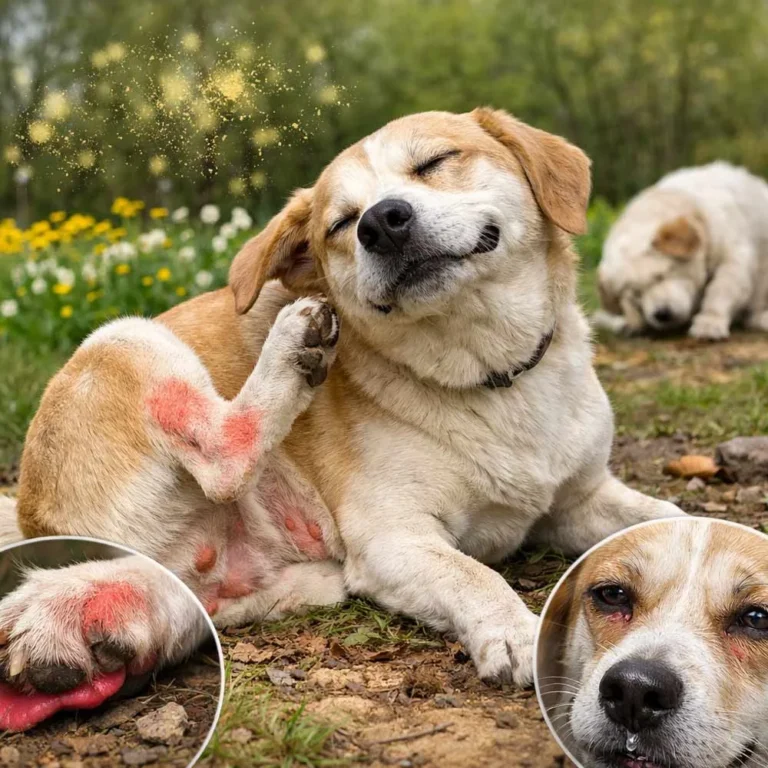
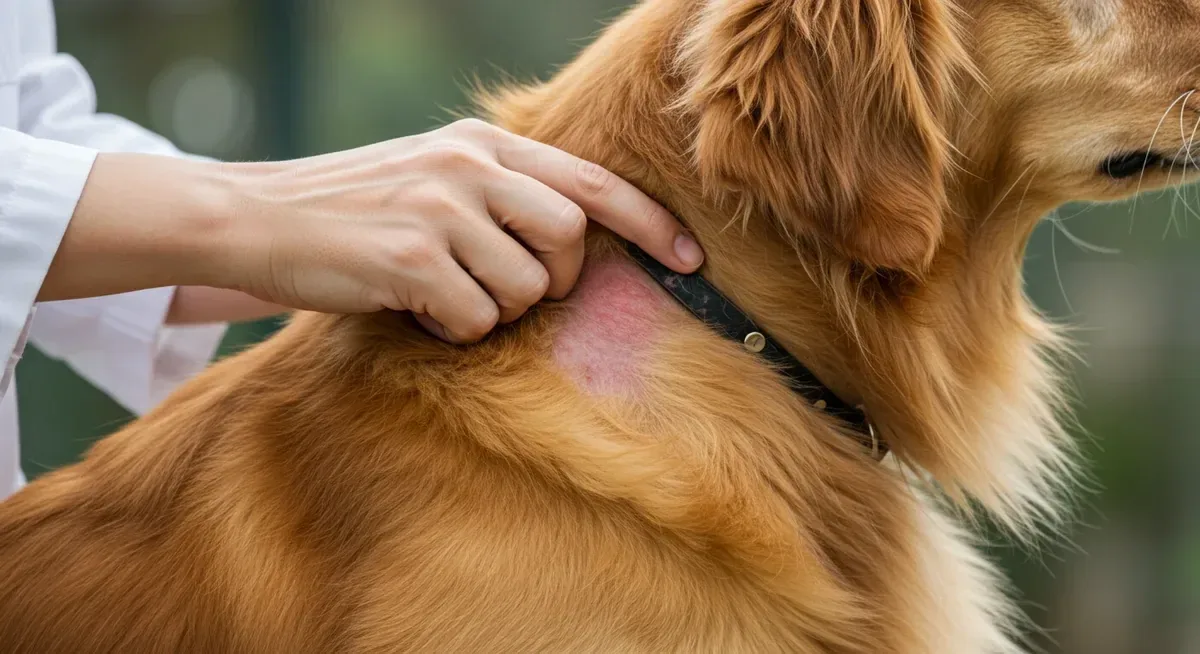
Your dog won't stop scratching. The carpet is covered in fur. You can see red, raw patches forming.
Treating skin allergies in dogs starts with figuring out which type you're dealing with, then locking down flea control, calming the itch fast, and addressing the root cause under veterinary guidance, which is exactly what this guide walks through.
Most cases of chronic itching in dogs fall into four overlapping categories: flea allergy dermatitis, environmental atopic dermatitis, food allergies, and contact dermatitis. Vet dermatology sources, including the Merck Veterinary Manual, put flea allergy as the single most common trigger, and it can be set off by as few as one or two bites. As of 2026, the standard approach is a stepwise ladder: confirm the trigger, control the itch, clear any secondary infection, then build a maintenance plan.
Let's start with what you're actually looking at on your dog's skin.
Quick Answer
Treating skin allergies in dogs means identifying the trigger first. Start with strict flea control for every pet in the home. Use vet-prescribed anti-itch medication like Apoquel or Cytopoint.
Run an 8 to 12 week elimination diet if food is suspected. Treat secondary infections with medicated shampoo. See your vet within 48 hours if skin is broken, swollen, or oozing.
Why Getting Dog Skin Allergies Right Actually Matters
Skin allergies don't just make dogs itchy. They snowball. Constant scratching damages the skin barrier, which lets bacteria and yeast move in, which makes the itching worse, which causes more scratching.
That cycle is why a mild paw-licking habit can turn into a full-body hot spot in days.
Mistakes early on cost real money and real comfort. Owners often treat the symptom they can see, the scratching, while missing the trigger they can't, like a flea infestation hiding in carpet or a chicken protein in the daily treat. They also reach for human antihistamines at the wrong dose, or stop a diet trial too early because it doesn't seem to be working at week three.
When you treat the right thing in the right order, dogs usually show improvement within the first two to four weeks. That speed matters, because every week of uncontrolled itching is a week of damaged skin, poor sleep, and a higher risk of secondary infection.
What Skin Allergies in Dogs Actually Look Like (and Why Owners Miss the Real Cause)
The signs look almost identical across allergy types, which is exactly why so many owners guess wrong. A dog with a food allergy and a dog with a grass pollen allergy can both chew their paws raw. Here's what to actually look for:
- Persistent scratching, licking, or chewing, especially at the paws, armpits, belly, groin, ears, and face.
- Red or pink discoloration of the skin, particularly in thin-skinned areas like the belly and inner thighs.
- Recurrent ear infections that smell yeasty or have dark discharge.
- Hot spots, which are moist, angry, rapidly spreading patches of infected skin.
- Hair loss in patches, scabs, or thickened, leathery skin from chronic scratching.
- Rubbing the face on carpet or furniture after meals or walks.
Owners miss the real cause because they focus on the symptom location. A dog chewing paws might be reacting to grass pollen walked in from outside, not a food ingredient. A dog with ear infections every spring might be allergic to tree pollen, not yeast in the diet.
Context, season, and pattern matter more than where the itching shows up.
The Four Main Types of Dog Skin Allergies, and How to Tell Them Apart
All four types share symptoms, but the triggers, age of onset, and seasonal patterns differ enough to narrow things down fast.
Flea Allergy Dermatitis
This is the most common one and the easiest to miss. Dogs with flea allergy react to flea saliva, not the flea itself. A single bite can keep a sensitive dog itching for two weeks.
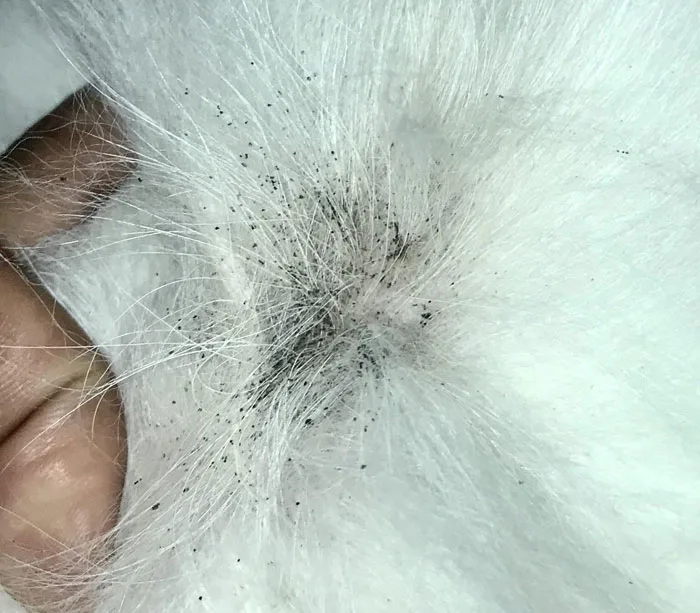
Affected dogs typically chew at the base of the tail, the back of the thighs, and the lower back. Flea dirt, which looks like black pepper granules, shows up on the skin or in a flea comb even when you can't see live fleas. The condition flares seasonally in many regions but can be year-round in warm or indoor climates.
Environmental / Atopic Dermatitis
Triggered by airborne allergens like pollen, dust mites, and mold spores. Symptoms often start between 6 months and 3 years of age. The itching tends to worsen seasonally in regions with distinct pollen peaks.
Affected dogs lick their paws (a classic sign), rub their face, and get recurrent ear infections. Per the Merck Veterinary Manual, atopic dermatitis is one of the most frequent chronic skin conditions seen in general practice.
Food Allergies and Food-Responsive Dermatitis
Triggered by a protein source the immune system has decided to attack. Common culprits are chicken, beef, dairy, and eggs. Unlike environmental allergies, food reactions are usually non-seasonal and year-round.
Ear infections and anal gland issues often appear alongside the itching. Food allergies can develop at any age, even in dogs who've eaten the same diet for years.
Contact Dermatitis
Triggered by direct skin contact with an irritant, like a new carpet cleaner, lawn fertilizer, a plastic food bowl, or a certain type of grass. The reaction typically shows up on the belly, paws, or muzzle, where contact is highest. Removing the irritant usually clears it within days.
| Allergy Type | Common Trigger | Classic Location | Seasonal? |
|---|---|---|---|
| Flea Allergy | Flea saliva | Lower back, tail base, thighs | Often, but can be year-round |
| Environmental/Atopic | Pollen, dust, mold | Paws, ears, face, armpits | Yes, peaks spring/fall |
| Food | Chicken, beef, dairy | Ears, paws, rear, anal area | No, year-round |
| Contact | Chemicals, plants, plastic | Belly, paws, muzzle | No, depends on exposure |
Red Flags That Mean "See Your Vet Today," Not Tomorrow
Some signs turn a routine skin issue into an urgent one. Skip the home remedies and book a vet visit the same day, or hit an emergency clinic after hours, if you see any of these:
- Skin that is broken, oozing, or has a foul smell, which often means a bacterial infection (pyoderma) or yeast infection (Malassezia) has set in.
- Rapidly spreading hot spots. These can double in size within hours.
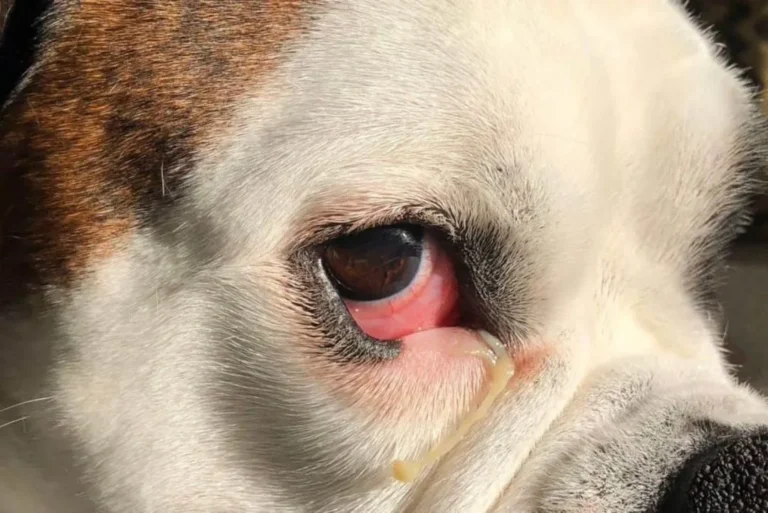
- Swelling of the face, lips, or eyelids. This can signal an allergic reaction that affects breathing.
- A dog that is so itchy it's whimpering, can't sleep, or has stopped eating.
- Puppies under 6 months with severe itching, since this can point to mange or a congenital issue rather than allergy.
These red flags are where delays cost the most. A hot spot that's a quarter today can be the size of a dinner plate by tomorrow, and the infection underneath usually needs prescription antibiotics or antifungals, not just a soothing shampoo.
The Vet's Diagnosis Workflow: What Actually Happens During an Appointment
A good vet doesn't jump straight to allergy meds. They run a layered workup to rule out the easy stuff first, because treating the wrong thing wastes time and money. Here's the typical sequence:
Ruling Out Parasites and Infections First
Before any allergy label gets used, your vet will check for fleas (with a flea comb), skin mites (with a skin scraping viewed under the microscope), and signs of bacterial or yeast infection (with tape impressions or swabs). Secondary infections show up in roughly 30 to 50% of allergic dogs in published veterinary data, and they have to be treated before the itch can be properly controlled.
Allergy Testing: Blood Panels vs. Intradermal Skin Testing
Once parasites and infection are ruled out, allergy testing identifies what the immune system is reacting to. The two main methods:
- Serum IgE blood testing. A blood draw checks for antibodies against common regional allergens. It's quick, doesn't require sedation, and works well for food and environmental screening.
- Intradermal skin testing. Small amounts of allergens are injected into the skin, usually on the shaved side of the chest, and reactions are measured. Considered the gold standard for environmental allergens by the American College of Veterinary Dermatology.
Neither test is perfect on its own. Results guide treatment, especially immunotherapy, but they don't replace a good history and a response-to-treatment trial.
Running a Proper Elimination Diet Trial
If food is suspected, there's no shortcut. Your vet will prescribe a hydrolyzed protein diet (where proteins are broken down too small for the immune system to recognize) or a novel protein diet (a protein the dog has never eaten). The trial runs 8 to 12 weeks with absolutely no other food, treats, chews, or flavored medications.
Most failures happen because someone sneaks a piece of cheese or uses a flavored heartworm chew. If symptoms improve during the trial and return when the old diet is reintroduced, a food allergy is confirmed.
Step-by-Step: How to Treat Skin Allergies in Dogs Safely and Effectively
Use this ladder in order. Skipping ahead is the most common reason owners feel like nothing works.
Step 1: Lock Down Flea Control (Even If You Don't See Fleas)
Start here no matter what. If your dog has any allergy type and a single flea bites, you've restarted the itch cycle. Use a vet-recommended adulticide for every pet in the home, and add an environmental treatment for the house if fleas have been confirmed.
| Flea Control Product | Form | How Fast | Notes |
|---|---|---|---|
| Oral adulticide (e.g., spinosad) | Chew | Kills fleas within 30 min | Requires vet prescription |
| Topical adulticide (e.g., fipronil) | Spot-on | Kills within 24 hrs | Apply monthly |
| Insect growth regulator | Spray or fogger | Stops flea eggs hatching | Use in environment, not on pet |
| Oral combination (fluralaner) | Chew | Kills fleas and ticks for 12 weeks | Vet prescription |
Step 2: Calm the Itch Fast
An allergic dog in a flare needs relief before anything else can heal. Apoquel works within about 4 hours, Cytopoint within 24 hours. Antihistamines are slower and weaker.
Reducing the itch breaks the scratch-itch-infect cycle, which lets the skin start repairing itself.
Step 3: Treat Any Secondary Skin or Ear Infection
If cytology shows bacteria or yeast, your dog needs targeted treatment. That usually means a course of oral antibiotics or antifungals plus a medicated shampoo or ear drops. Skipping this step means the skin stays inflamed even with strong anti-itch meds, since the infection itself is itchy.
Step 4: Address the Root Cause (Diet or Allergen Management)
For food allergies, run the elimination diet trial described earlier. For environmental allergies, reduce exposure where practical: wipe paws after walks, wash bedding weekly in hot water, run an air purifier for indoor allergens, and avoid early-morning walks during peak pollen counts.
Step 5: Build a Long-Term Maintenance Plan
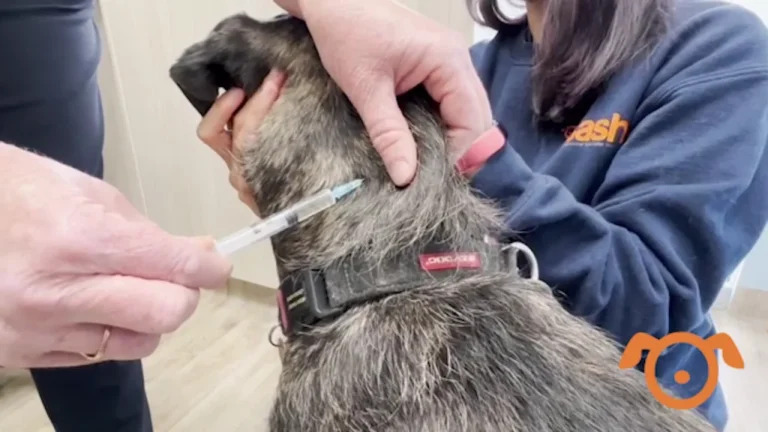
The goal is the lowest effective dose of medication that keeps your dog comfortable. For many dogs, that means Cytopoint injections every 4 to 8 weeks, Apoquel once daily, or allergen-specific immunotherapy. Recheck with your vet every 6 to 12 months to adjust the plan.
Apoquel vs Cytopoint vs Antihistamines vs Steroids: Choosing the Right Itch Control
Each option has a place. Match the drug to the dog, the season, and the severity.
| Drug | Onset | Frequency | Best For | Watch Out For |
|---|---|---|---|---|
| Apoquel (oclacitinib) | ~4 hours | Twice daily for 14 days, then once daily | Fast, flexible control of flares | Needs daily dosing; not for dogs under 12 months |
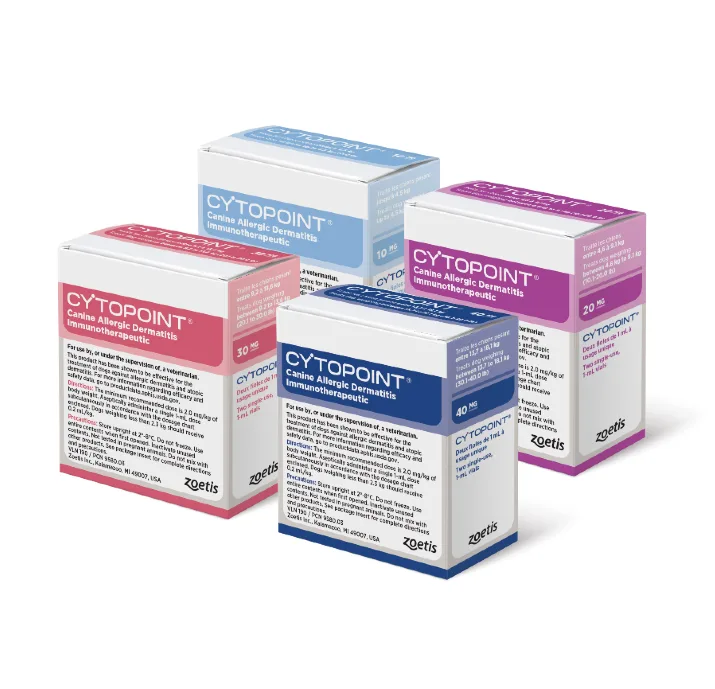
| Cytopoint (lokivetmab) | ~24 hours | Injection every 4–8 weeks | Owners who can't give daily pills | Must visit vet for each shot |
| Antihistamines (cetirizine, diphenhydramine) | Days to weeks | Daily | Mild, seasonal itching; adjunct | Sedation (diphenhydramine); weak standalone |
| Steroids (prednisone) | Hours | Short course or taper | Severe, sudden flares | Long-term side effects; weight gain; thirst |
A typical path: start with Apoquel to break the flare, taper or switch to Cytopoint for maintenance, and add an antihistamine as a steroid-sparing adjunct if needed. Steroids still have a role for short, sharp emergencies, but most vets now reserve them for cases where the other options aren't enough.
Hypoallergenic, Hydrolyzed, and Limited Ingredient Diets: What Actually Works
"Limited ingredient" on the bag is not the same as a true elimination diet. Here's the breakdown:
- Hydrolyzed protein diets. Proteins are broken into tiny pieces the immune system can't recognize. Best option for a proper trial because cross-reactivity is rare. Prescription-only.
- Novel protein diets. Use a protein the dog has never eaten, like duck, kangaroo, or rabbit. Works for some dogs but cross-reactivity is more common.
- Over-the-counter "limited ingredient" foods. Convenient but inconsistent. Manufacturing cross-contamination is common, which can ruin a trial.
A trial must run 8 to 12 weeks with zero cheating, no treats, no table scraps, no flavored medications. If symptoms improve, reintroduce the old food deliberately. If itching returns within 1 to 2 weeks, the trigger is identified.
Home Remedies and OTC Options: What's Safe, What's a Waste, and What's Dangerous
Some home care supports vet treatment. Some delays it. Here's a quick filter:
- Safe and useful: cool oatmeal baths (colloidal oatmeal), paw soaks in diluted chlorhexidine, omega-3 fish oil supplements (EPA/DHA), frequent bedding washes.
- Probably a waste: coconut oil on broken skin, apple cider vinegar sprays on raw areas, essential oil blends. Minimal evidence and high irritation risk.
- Dangerous without vet guidance: Benadryl dosed by guessing, leftover human steroid creams, tea tree oil, any topical meant for humans.
Never give an OTC antihistamine without checking the dose with your vet. Human tablets often contain xylitol or pseudoephedrine, both toxic to dogs. For what's approved and what's off-label, the FDA Center for Veterinary Medicine is the authoritative source.
Common Mistakes Owners Make That Keep the Itching Going
These are the recurring patterns in our research across owner forums and vet case summaries:
- Stopping Apoquel or Cytopoint the moment the dog looks better, instead of tapering to a maintenance plan.
- Skipping flea control in winter, then wondering why the dog itches in February.
- Using scented baby shampoo or "natural" DIY rinses that strip the skin barrier.
- Restarting the old food the moment scratching returns, which masks whether the elimination diet actually worked.
- Treating one pet in a multi-pet home for fleas and leaving the others untreated.
What Treatment Actually Costs, and What to Expect Long-Term
Costs vary by region and case, but a reasonable range based on aggregate U.S. vet pricing data:
| Item | Typical Cost Range (USD) | Frequency |
|---|---|---|
| Initial vet consult + cytology | $80 – $200 | Once |
| Apoquel | $2 – $3 per tablet | Daily |
| Cytopoint injection | $50 – $100 per shot | Every 4–8 weeks |
| Hydrolyzed diet | $60 – $100 per bag | Monthly |
| Allergy blood panel | $200 – $400 | Once |
| Allergen-specific immunotherapy | $300 – $600 first year, less after | Ongoing |
Long-term, most well-managed allergic dogs settle into a predictable monthly cost between $80 and $200 for medication and diet, plus rechecks. Early, accurate diagnosis keeps the total lower than years of trial-and-error.
Living With an Allergic Dog: Seasonal Flare Plans, Home Adjustments, and Quality of Life
Once the trigger is known, prevention beats treatment every time. Build a flare plan with your vet for the season your dog struggles most. For spring pollen dogs, that means starting Apoquel two weeks before symptoms usually begin.
For food-allergy dogs, it means keeping emergency treats in the car so nobody offers a cheese stick.
Small home tweaks help. Wipe paws and belly after walks. Vacuum twice a week with a HEPA-filter vacuum.
Wash dog bedding in hot water weekly. Run a dehumidifier if indoor humidity stays above 50%. These steps cut allergen load enough to lower medication needs for many dogs.
Quality of life is the real metric. A dog that sleeps through the night, plays normally, and stops chewing paws is a dog whose plan is working. If those signs slip, it's time for a vet visit, not a stronger dose at home.
Your Action Plan Based on What You're Seeing Right Now
Match what you see to the right next step. This is the fastest path to the right treatment.
- Chewing the lower back or tail base, with or without visible fleas: assume flea allergy dermatitis first. Treat every pet in the home with a vet-recommended adulticide and use an insect growth regulator in the house.
- Paw licking, face rubbing, and ear infections that come and go seasonally: environmental atopic dermatitis is most likely. Book a vet visit to discuss Cytopoint or Apoquel and consider allergy testing for immunotherapy.
- Year-round itching with ear infections and anal gland issues, no clear seasonal pattern: food allergy is a strong possibility. Plan an 8 to 12 week elimination diet trial with your vet.
- Sudden rash on the belly or paws after a new product or walk in tall grass: contact dermatitis. Remove the suspect, rinse the area, and call your vet if it hasn't cleared in 48 hours.
- Any hot spot, broken skin, swelling of the face, or sudden severe itch: same-day vet visit. Don't wait to see if it improves.
Frequently Asked Questions
How long does it take for dog allergy treatment to work?
Fast-acting itch meds like Apoquel work within 4 hours, and Cytopoint within 24 hours. Long-term fixes take longer. Elimination diets need 8 to 12 weeks.
Immunotherapy needs 6 to 12 months for full effect. Plan in months, not days.
Can I give my dog Benadryl for skin allergies?
Only at a dose your vet has confirmed for your dog's weight, and only if the product contains pure diphenhydramine. Many human Benadryl products contain xylitol or decongestants that are toxic to dogs. Antihistamines also tend to be weak for allergic itch, so they're often an adjunct, not a fix.
What does a flea allergy rash look like on a dog?
It's usually a red, bumpy, hairless patch along the lower back, tail base, and rear thighs. You may see flea dirt (black pepper-like specks) but not always live fleas. Even a single bite can set it off for up to two weeks.
Are Cytopoint and Apoquel safe for long-term use?
Yes. Both are approved for long-term use under veterinary supervision. Cytopoint is a monoclonal antibody with minimal systemic effects.
Apoquel is a Janus kinase inhibitor with a strong safety record when dosed correctly. Your vet will run periodic bloodwork to monitor.
When should I take my dog to the vet for skin allergies?
Within 48 hours if you see broken skin, oozing, hot spots, or recurrent ear infections. Same day if the face is swollen or the dog can't stop scratching long enough to eat or sleep. Don't wait it out.
Early treatment prevents secondary infections and shortens recovery.
Will my dog ever stop being allergic?
No, allergies don't go away, but they can be managed so well your dog lives a normal, comfortable life. Most allergic dogs on a solid maintenance plan show minimal symptoms year-round.