Fresh vs Dry Dog Food: Which Is Better?


Is Fresh Dog Food Good?
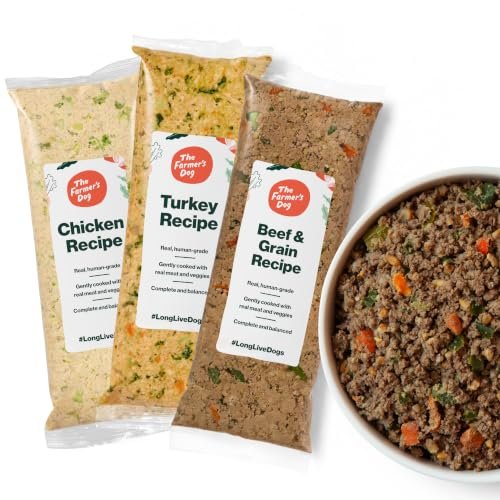
Yes, fresh dog food can be a strong choice when it is complete and balanced for your dog’s life stage. In the fresh vs dry dog food debate, fresh food stands out for its high moisture and meal-like texture. It can also smell and look more appealing to some dogs. That can matter when a dog turns away from a bowl of plain kibble.
I would consider fresh food first for a picky dog or a dog whose owner does not mind fridge space, meal planning, and a higher food bill. The trade-off is simple. You often get a more appealing meal, but you give up some of the ease that makes dry food so useful. Fresh food also needs more care after opening, since it is not as shelf-stable as dry kibble.
What Makes It Stand Out / Key Features
- High MoistureFresh food usually contains much more water than dry kibble, which can help increase daily water intake.
- Soft TextureThe soft texture can be easier for some dogs to eat, especially dogs that dislike hard kibble.
- Strong AppealFresh food often has a stronger food-like smell and texture, which may help attract picky eaters.
- Meal StyleIt feels closer to serving a prepared meal, which some owners prefer for their dog’s daily routine.
- Portion ControlPre-portioned fresh meals can make it easier to follow a planned feeding amount.
- Refrigerated StorageMost fresh products need cold storage and careful handling after opening.
My Recommendation
Consider fresh food if your dog is picky, likes soft meals, or you value high moisture and do not mind the added cost and storage work.
| Best For | Why |
|---|---|
| Picky eaters | The smell and soft texture may make meals more appealing. |
| Moisture-focused feeding | Fresh food contains much more water than dry kibble. |
| Meal-focused owners | It fits owners who enjoy a planned, fresh-food routine. |
Is Dry Dog Food Good?
Yes. Dry dog food can be an excellent choice when it is complete and balanced for your dog’s needs. In a fresh vs dry dog food comparison, kibble wins the convenience race. I can see why it remains a daily staple in so many American homes. It stores well, is easy to measure, and does not need refrigerator space.
The biggest appeal is the simple routine. Scoop the right amount, close the bag, and move on with the morning. That matters on busy workdays. Dry food may not offer the same moisture or soft texture as fresh food, but its low fuss factor can make consistent feeding much easier.
What Makes It Stand Out / Key Features
- Shelf StableUnopened dry food can usually stay in a cool, dry pantry for much longer than fresh food.
- Easy ServingKibble is simple to scoop, weigh, and portion for regular meals.
- Lower CostDry food often costs less per day than many fresh feeding plans.
- Travel FriendlyA sealed bag is much easier to carry on road trips or other travel.
- Less Food WasteProperly stored dry food can be easier to manage without frequent spoilage.
- Dental TextureSome kibble can help reduce surface plaque through chewing, but it should not replace proper dental care.
My Recommendation
Consider dry food if you want simple storage, lower cost, easy portioning, and a feeding plan that fits a busy daily routine.
| Best For | Why |
|---|---|
| Busy households | Kibble is fast to scoop and serve. |
| Budget-minded owners | Dry food often has a lower daily feeding cost. |
| Frequent travelers | It is easy to pack and does not need a cooler. |
fresh vs dry dog food: Side-by-Side Test
The best way to understand fresh vs dry dog food is to compare the parts that affect real life. Nutrition matters, but so do cost, storage, taste, and routine.
Neither format wins every category. Think of fresh food as a refrigerated meal and dry food as a dependable pantry staple. Each has a clear role.
Moisture: Which Has More Water?
Moisture is one of the clearest differences in fresh vs dry dog food.
| Feature | Fresh Food | Dry Food |
|---|---|---|
| Water content | Usually high | Usually low |
| Water from meals | High | Limited |
| Texture | Soft and moist | Firm and dry |
⭐ Fresh Food – 9/10 | Dry Food – 6/10
Fresh food has the edge when moisture is the main goal.
Convenience: Which Fits Busy Days?
When mornings feel rushed, simple feeding can be a major win.
| Feature | Fresh Food | Dry Food |
|---|---|---|
| Serving speed | Easy, but may need cold storage | Very easy |
| Storage | Refrigerator or freezer | Cool, dry pantry |
| Travel | Less convenient | Very convenient |
| Daily handling | More care needed | Low effort |
⭐ Fresh Food – 7/10 | Dry Food – 10/10
Dry food wins because it makes the daily routine feel almost automatic.
Taste: Which Dogs Prefer It?
Taste varies by dog, but texture and smell can shape what ends up in an empty bowl.
| Feature | Fresh Food | Dry Food |
|---|---|---|
| Smell | Often stronger | Usually milder |
| Texture | Soft and moist | Crunchy |
| Picky dogs | Often a strong option | May need more trial and choice |
⭐ Fresh Food – 9/10 | Dry Food – 7/10
Fresh food gets the edge for appeal, especially when texture matters.
Cost: Which Is Easier on Your Wallet?
Food costs add up over a full year, so price deserves a close look.
| Feature | Fresh Food | Dry Food |
|---|---|---|
| Typical daily cost | Often higher | Often lower |
| Bulk buying | Less practical for some products | Often easy |
| Long-term budget | Higher for many plans | Usually easier to manage |
⭐ Fresh Food – 6/10 | Dry Food – 10/10
Dry food has the clear edge for most budget-focused households.
Storage: Which Is Easier?
Storage can become a hidden chore when you have limited kitchen space.
| Feature | Fresh Food | Dry Food |
|---|---|---|
| Pantry storage | Usually no | Yes |
| Refrigerator space | Often needed | Not needed |
| Shelf life | Shorter after opening | Usually longer |
⭐ Fresh Food – 6/10 | Dry Food – 10/10
Dry food is easier to store and easier to plan around.
Portion Control: Which Is Simpler?
A consistent portion can help owners follow feeding plans and avoid accidental overfeeding.
| Feature | Fresh Food | Dry Food |
|---|---|---|
| Measuring | Easy with pre-portioned meals | Very easy with a scale or scoop |
| Serving consistency | High with planned portions | High with measured portions |
| Adjusting meals | Can be simple | Very simple |
⭐ Fresh Food – 8/10 | Dry Food – 9/10
Dry food has a small edge, but both formats can support careful portions.
Travel: Which Travels Better?
Road trips and weekends away can expose the biggest practical gap in fresh vs dry dog food.
| Feature | Fresh Food | Dry Food |
|---|---|---|
| Packing | Needs more planning | Simple |
| Cooling | Often needed | Not needed |
| Long trips | More challenging | Very easy |
⭐ Fresh Food – 6/10 | Dry Food – 10/10
Dry food wins by a wide margin for travel.
Final Verdict: Which Should You Buy?
After comparing fresh vs dry dog food, I would choose based on the dog’s needs and the owner’s routine. Fresh food is the stronger pick for high moisture, soft texture, and meal appeal. Dry food is the better fit for low cost, easy storage, travel, and simple daily feeding.
There is no universal winner. In the fresh vs dry dog food debate, the best food is one your dog can eat safely, enjoys, and receives in the right amount. If your dog has a health issue, ask your veterinarian before making a major diet change.