How to help a dog with skin allergies: The Easy guide
If your dog won't stop scratching, licking their paws, or losing fur, you're not alone. Skin allergies are one of the most common reasons dogs end up at the vet, and figuring out how to help a dog with skin allergies can feel like a guessing game when the scratching never really stops. The good news is that once you know which type of allergy you're dealing with, the path forward gets a lot clearer, and most dogs respond well when the plan is dialed in.
Most allergy cases in dogs fall into four categories: environmental (atopic dermatitis), flea, food, or contact. A 2023 peer-reviewed study in Veterinary Dermatology found that environmental allergens account for roughly 70% of chronic itching cases in dogs, with fleas and food each making up a smaller share. The trick is working through them in the right order, starting with the most common and most dangerous, fleas, before moving on to testing and treatment.
As of 2026, the standard approach combines parasite control, a proper diagnosis, and targeted medication or immunotherapy, all built around protecting the skin barrier.

Quick Answer
The fastest path to helping a dog with skin allergies is to control fleas first, then see your vet for skin cytology and a diagnosis. Treat any secondary infection, identify the trigger (environmental, food, or contact), and start a targeted plan using medications like Apoquel or Cytopoint. Support the skin barrier with regular bathing, omega-3s, and allergen reduction at home.
Why Dog Skin Allergies Are More Serious Than Most Owners Realize
Allergies in dogs aren't just an itch problem. Chronic scratching breaks the skin barrier, which opens the door to bacterial and yeast infections. Once those set in, you end up chasing two problems at once, the allergy and the infection, and neither one gets better until both are treated.
That's why a small rash can turn into months of vet visits if it's left alone or treated with the wrong product.
A few facts that tend to reset expectations:
- Allergies usually show up between 6 months and 3 years of age, but they can start at any time.
- A dog with one allergy is more likely to develop others. Environmental and food allergies often overlap.
- Constant scratching isn't normal behavior. It's a sign of pain and poor quality of life, not "just how the dog is."
- Untreated skin allergies cost more in the long run than treated ones, because infections, ear issues, and steroid courses stack up.
The takeaway: take skin allergies seriously from week one. The earlier you act, the easier the long-term management.
The Four Main Types of Dog Skin Allergies (And How to Tell Them Apart)
Getting the type right is half the battle. The four main types respond to completely different treatments, so a misdiagnosis sends you down the wrong path and wastes weeks or months.
Environmental Allergies (Canine Atopic Dermatitis)
This is the most common cause of chronic itching in dogs. Triggers include tree pollen, grass pollen, weed pollen, dust mites, and mold spores. Symptoms are often seasonal at first, then become year-round as the dog ages.
Affected areas typically include the paws, armpits, belly, groin, inner thighs, ears, and around the eyes.
Flea Allergy Dermatitis
This is technically an environmental allergy too, but it's in a category of its own because it's so common and so preventable. Dogs with flea allergy dermatitis react to proteins in flea saliva, and it can take just one bite to set off a full-body reaction. Look for intense scratching at the tail base, lower back, thighs, and belly, even when you can't find a single flea on the dog.
Food Allergies and Food Sensitivities
True food allergies involve the immune system reacting to a specific protein, most commonly beef, chicken, dairy, or egg. Skin symptoms show up alongside (or instead of) digestive issues like loose stool or gas. Food allergies don't respond to seasonal changes and tend to cause year-round ear infections, paw licking, and anal area itching.
Contact Allergies
The least common type. The dog's skin reacts to something it touches directly, like a new shampoo, a cleaning product, lawn fertilizer, or a certain type of bedding. The rash usually shows up in a pattern that matches contact, like the belly after lying on a treated lawn.
| Allergy Type | Common Triggers | Typical Pattern | Seasonal? |
|---|---|---|---|
| Environmental | Pollen, dust mites, mold | Paws, ears, armpits, belly | Often yes at first |
| Flea | Flea saliva | Tail base, lower back, thighs | Worse in warm months |
| Food | Beef, chicken, dairy, egg | Ears, paws, anal area | No (year-round) |
| Contact | Shampoos, cleaners, lawn treatments | Where skin touches the trigger | No |
Common Signs and Where They Show Up on the Body
Knowing where to look matters. The location of the itching is one of the strongest clues your vet (and you) will use to narrow down the cause.
Watch for these patterns:
- Paws and between the toes: classic for environmental and food allergies
- Ears (recurring infections, head shaking, odor): strongly linked to food and environmental allergies
- Armpits, groin, belly: typical for environmental allergies
- Tail base, lower back, thighs: flea allergy dermatitis
- Face, muzzle, around the eyes: common in environmental allergies
- Rump and anal area: often food-related
Other signs worth noting:
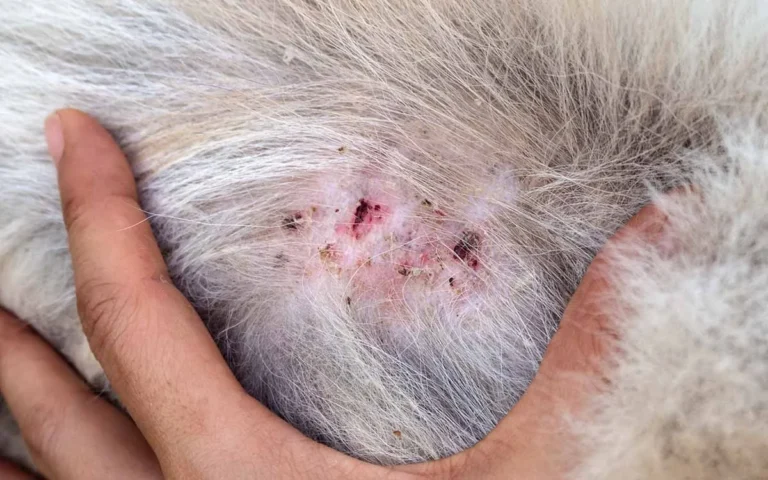
- Red or pink skin instead of normal white or pigmented
- Recurrent ear infections (yeast or bacteria)
- Hot spots, which are raw, moist, painful patches that show up fast
- Hair loss from licking or chewing
- Stained fur on the paws (saliva turns light fur reddish-brown)
- Thickened, leathery, or darkened skin from chronic scratching
- A musty or sweet smell, often a sign of yeast overgrowth
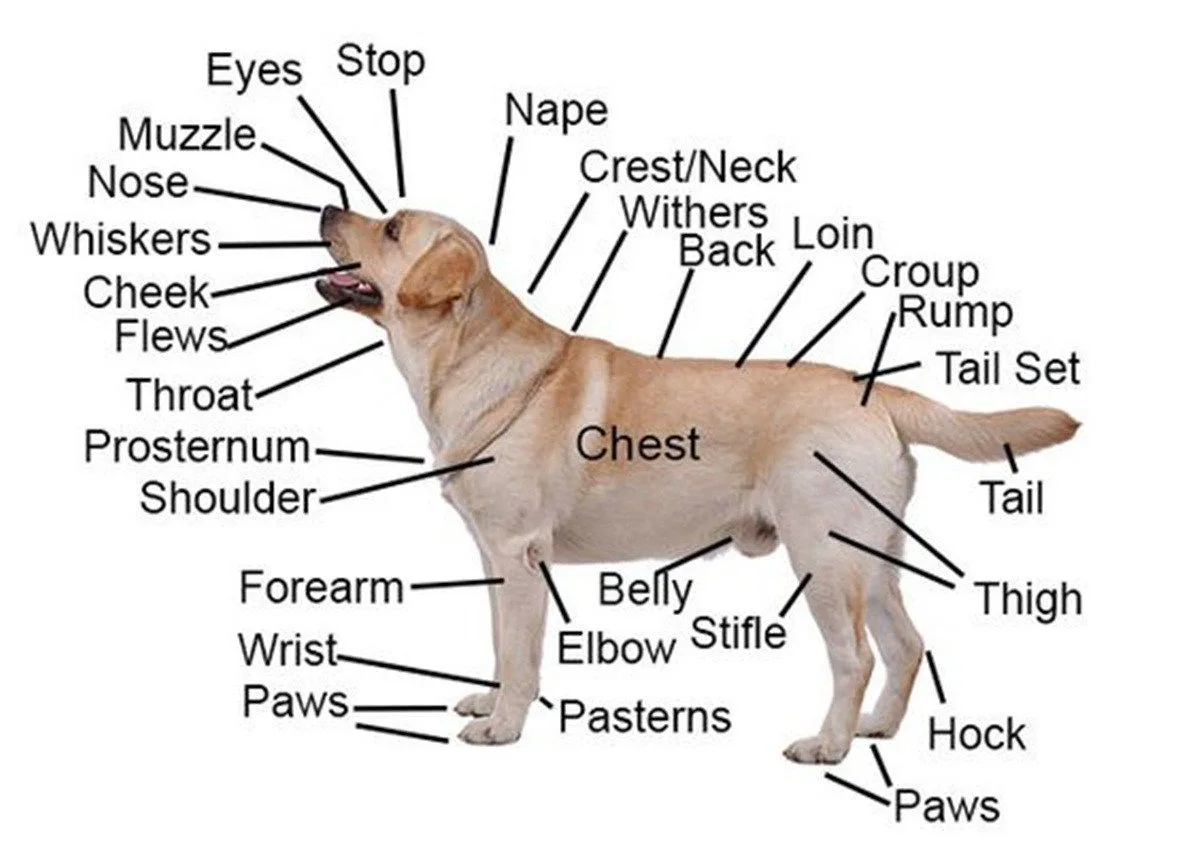
If you see any of these, snap a photo and note when they started. Your vet will use that info more than you think.
Step 1: Rule Out Fleas First, Even If You Don't See Any
This step gets skipped constantly, and it's the reason so many allergy cases drag on forever. Dogs with flea allergy dermatitis can have a severe reaction from a single bite, and fleas are expert hiders. They live in bedding, carpet, and shaded outdoor spots, not just on the dog.
A proper flea control protocol looks like this:
- Treat every animal in the household with a vet-recommended flea preventive, every month, year-round in most climates. Oral options like fluralaner, afoxolaner, or sarolaner work well for allergic dogs.
- Wash all pet bedding in hot water weekly during flare-ups.
- Vacuum thoroughly, including furniture crevices and baseboards. Empty the vacuum bag or canister outside.
- Skip over-the-counter flea shampoos and cheap collars. They rarely work for allergic dogs and can add skin irritation.
- Don't stop after a week if you don't see fleas. The point is to prevent bites, not chase visible bugs.
In our research, this single step resolves a meaningful share of mystery itching cases on its own. If the itching improves after a month of strict flea control, you have your answer.
Step 2: Get a Proper Veterinary Diagnosis
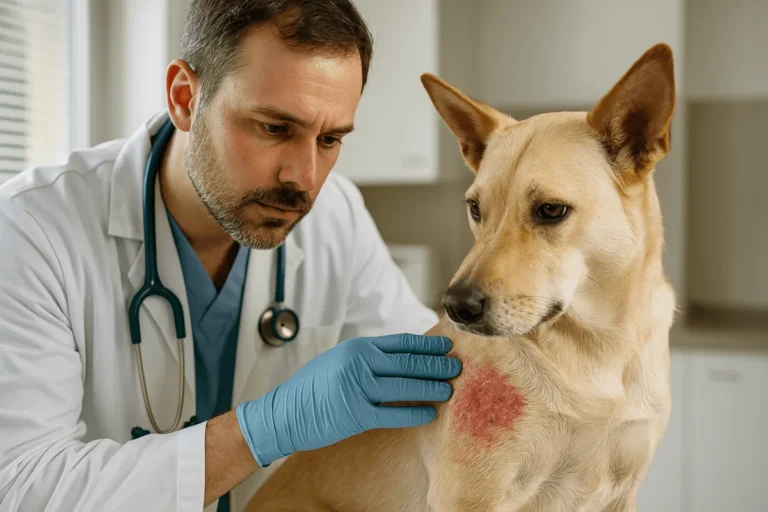
You can't treat what you haven't identified. A vet visit isn't optional here, because the same symptoms can come from very different causes, and the home remedies that work for one can make another worse.
What Your Vet Will Check (Skin Cytology, Scrapings, Culture)
A solid workup usually includes:
- Skin cytology to look for bacteria and yeast under the microscope
- Skin scrapings to rule out mites like Sarcoptes or Demodex
- A fungal culture if ringworm is on the list
- An ear swab if the ears look gunky or smell off
- A full history from you: diet, treats, environment, recent products, and the timeline of symptoms
The cytology result drives a lot of next-step decisions. If yeast is present, antifungals come into play. If bacteria are present, antibiotics may be needed before anything else can calm down.
When Allergy Testing Makes Sense (Intradermal vs Serum)
Allergy testing only matters once secondary infections are under control and the dog is stable. There are two main routes:
- Intradermal skin testing, performed by a veterinary dermatologist. Small amounts of allergens are injected into the skin and reactions are measured. It's considered the gold standard.
- Serum allergy testing, a blood draw that measures IgE antibodies to common allergens. It's easier to access but slightly less precise.
Both tests guide immunotherapy decisions. They don't diagnose the allergy on their own, because many dogs test positive to things they don't react to clinically.
Step 3: Run a True Elimination Diet Trial
If the symptoms are year-round, or if food allergy is on the differential, an elimination diet is the only reliable way to confirm it. Blood tests for food allergies in dogs are not accurate.
How Long It Actually Takes (8 to 12 Weeks)
The standard timeline is 8 to 12 weeks on a single, strict diet. That means:
- One protein source the dog has never eaten before, or a hydrolyzed protein diet
- No treats, table scraps, flavored medications, or toothpaste
- No flavored chew toys or anything edible that isn't part of the diet
- All family members and visitors need to be on board
If the itch drops by at least 50% during the trial, a food allergy is likely. The next step is a food challenge, where you reintroduce the original ingredients one at a time to identify the trigger.
Common Mistakes That Wreck the Results
The most frequent failure points:
- Just one treat won't matter. It does. Even tiny exposures can reset the trial.
- Using a food with mixed proteins. Lamb and rice with chicken byproducts still counts as chicken exposure.
- Ending the trial too early because the dog seems better after three weeks. Most dogs need the full 8 to 12 weeks to show a true response.
- Flavored heartworm or flea preventives. Ask your vet for unflavored alternatives during the trial.
Step 4: Build a Bathing and Skin Barrier Routine
The skin barrier is the first line of defense. Once it's damaged, allergens penetrate more easily and infections take hold faster. Bathing helps, but only when done right.
How Often to Bathe, What to Use, and What to Skip
For most allergic dogs, bathing once or twice a week during flares works well. Cool or lukewarm water, a 10-minute contact time for the shampoo, and a thorough rinse.
Useful shampoo ingredients:
- Chlorhexidine for bacterial overgrowth
- Miconazole or ketoconazole for yeast
- Oatmeal or ceramides for barrier support
- Hypochlorous acid as a gentle antimicrobial rinse
Skip:
- Harsh degreasing shampoos meant for oily coats
- Human shampoos, which shift the skin pH
- Anything heavily fragranced
Why Over-Bathing Makes Things Worse
More than two to three baths a week strips natural oils and weakens the barrier. The goal is supportive cleansing, not scrubbing. If you need to rinse the dog off between baths, plain water or a hypochlorous acid spray is plenty.
Leave-in moisturizers and barrier sprays add a layer of protection between baths. They reduce transepidermal water loss, which is a real issue in allergic dogs with chronically inflamed skin.
Step 5: Reduce Environmental Allergens at Home
You can't eliminate pollen or dust mites, but you can cut down the load. The aim is fewer flare triggers hitting the dog at the same time.
Practical moves that actually help:
- Run a HEPA air purifier in the room where the dog sleeps
- Wash bedding weekly in hot water
- Vacuum carpets and upholstery at least twice a week
- Wipe the dog's paws and belly with a damp cloth after outdoor time
- Use dust-mite-proof covers on dog beds
- Keep windows closed during high pollen counts
- Bathe or rinse the dog after long grass exposure
- Store food and treats in sealed containers to prevent dust buildup
Indoor air quality is a quiet but meaningful piece of the puzzle. Many owners notice a clear difference once they pair a purifier with regular bedding changes, especially for dust-mite-sensitive dogs.
Medications That Actually Work: Apoquel, Cytopoint, and Atopica Compared
For dogs with persistent itching, prescription medications are usually what break the cycle. Three options dominate the conversation right now, and they work in very different ways.
Apoquel vs Cytopoint: Which One Fits Your Dog?
Apoquel is a daily oral tablet (oclacitinib) that blocks the itch signal at the JAK1 enzyme. Manufacturer specs confirm it starts reducing itch within 4 hours and works on most allergic dogs. It's flexible, easy to dose, and can be used short or long term.
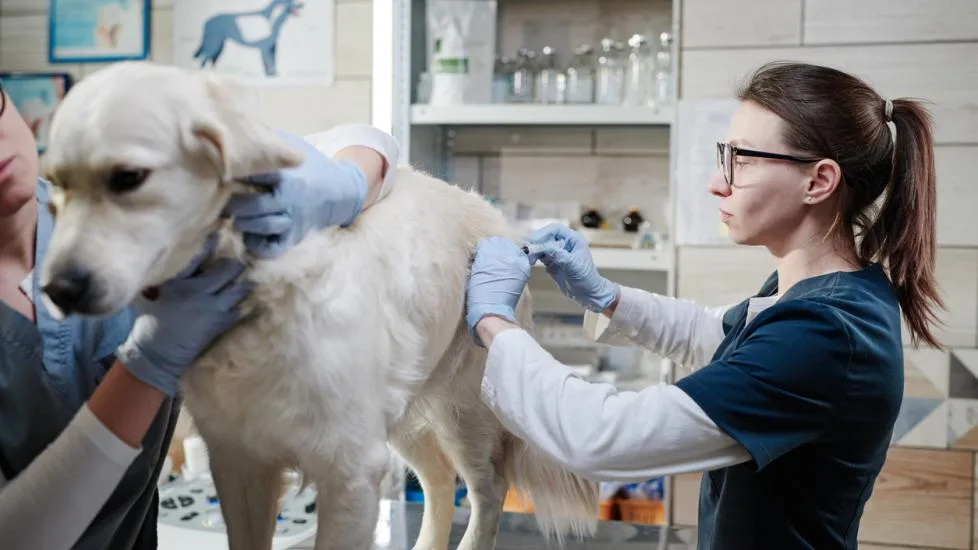
Cytopoint is an injection (lokivetmab) given every 4 to 8 weeks at the clinic. It neutralizes interleukin-31, the main itch protein in dogs. It kicks in within 24 to 48 hours and lasts roughly 4 to 8 weeks per dose.
Good for owners who struggle with daily pills or for dogs with sensitive stomachs.
A simple way to choose:
- Choose Apoquel if you want daily control, fast onset, and easy dose adjustments
- Choose Cytopoint if you prefer fewer administrations or have a dog that fights pills
When Atopica (Cyclosporine) Is the Better Choice
Atopica is an oral immunosuppressant. It's effective for severe atopic dermatitis but takes 4 to 8 weeks to show full results. Most vets reserve it for dogs that don't respond to Apoquel or Cytopoint, or as part of a long-term plan combined with immunotherapy.
Why Benadryl Usually Isn't Enough
Diphenhydramine (Benadryl) is a first-generation antihistamine. In dogs, it works on roughly 10 to 30% of allergy cases, and it does almost nothing for atopic itch. Aggregate user reviews confirm it's rarely the answer for moderate to severe cases.
It's also sedating and can cause urinary retention in some dogs.
| Medication | Form | Onset | Frequency | Best For |
|---|---|---|---|---|
| Apoquel | Oral tablet | ~4 hours | Daily | Flexible, fast itch control |
| Cytopoint | Injection | 24 to 48 hours | Every 4 to 8 weeks | Pill-averse dogs, set-and-forget |
| Atopica | Oral capsule | 4 to 8 weeks | Daily | Severe, Apoquel-resistant cases |
| Benadryl | Oral tablet | 1 to 2 hours | 2 to 3x daily | Mild seasonal symptoms only |
The Role of Allergen-Specific Immunotherapy (Allergy Shots and Oral Drops)
Immunotherapy is the only treatment that targets the root cause of environmental allergies. It works by retraining the immune system to tolerate the allergens instead of reacting to them.
There are two delivery formats:
- Subcutaneous allergy shots, given at home after the initial loading period
- Sublingual immunotherapy (oral drops), placed under the tongue daily
Peer-reviewed data shows that roughly 60 to 80% of dogs on immunotherapy show meaningful improvement within 6 to 12 months. It's a slow build, but the payoff is lasting. Many dogs can taper off other medications once immunotherapy takes hold.
Immunotherapy is best for dogs whose triggers are confirmed through intradermal or serum testing. It doesn't work for food or contact allergies.
Supplements and Diet Add-Ons That Help (And the Ones That Don't)
A few supplements have real evidence behind them in allergic dogs. Others are mostly marketing.
Worth using:
- Omega-3 fatty acids (EPA and DHA) at 50 to 75 mg per kg of body weight daily. They reduce inflammation and support the skin barrier. Look for marine oil sources, since plant-based omega-3s don't convert well in dogs.
- Ceramide-based topical products to repair the skin barrier
- Quercetin, a natural antihistamine, with mixed but promising evidence in dogs
Skip:
- Human probiotics, which aren't formulated for canine gut flora
- Allergy support chews with undisclosed ingredient lists
- Essential oil blends. Many are toxic to dogs, especially tea tree, cinnamon, and citrus oils
- Coconut oil applied topically. It can clog pores and worsen yeast overgrowth
Supplements complement the main plan. They don't replace parasite control, prescription medication, or a proper diagnosis.
Mistakes to Avoid When Helping a Dog With Skin Allergies
Most chronic allergy cases we see in editorial research share a few recurring missteps. Avoiding them saves time, money, and a lot of scratching.
- Stopping medication because the dog looks better. Relapse is almost guaranteed without a taper or maintenance plan.
- Bathing too often with the wrong shampoo, which strips the barrier
- Skipping the elimination diet because blood tests for food came back negative. Those tests are unreliable.
- Using over-the-counter steroid creams meant for humans, which can cause skin thinning in dogs
- Assuming one round of antibiotics fixes the underlying allergy. It clears the infection, not the trigger.
- Overlooking fleas because the dog is on a preventive. A missed dose or a single exposure can still trigger a flare.
Costs and Pricing Breakdown for Common Allergy Treatments
Prices shift by region and dog size, but as of 2026, here are typical ranges in the US:
| Treatment | Approximate Cost | Frequency |
|---|---|---|
| Apoquel | $60 to $120 per month | Daily |
| Cytopoint injection | $50 to $200 per dose | Every 4 to 8 weeks |
| Atopica | $80 to $200 per month | Daily |
| Intradermal skin testing | $300 to $800 | One-time |
| Serum allergy testing | $200 to $500 | One-time |
| Immunotherapy (first year) | $400 to $1,200 | Ongoing |
| Veterinary dermatologist consult | $200 to $400 | Initial visit |
| Elimination diet (prescription) | $60 to $120 per month | 8 to 12 weeks |
The largest upfront cost is testing. The largest long-term cost is medication, but immunotherapy can reduce that over time.
When to See a Veterinary Dermatologist Instead of Your Regular Vet
A general practice vet handles most allergy cases well. Referral to a veterinary dermatologist is worth it when:
- Symptoms haven't improved after 3 months of treatment
- The dog needs frequent courses of steroids or antibiotics
- Allergy testing and immunotherapy are being considered
- The dog has unusual presentations or constant ear infections
- Owners want access to advanced diagnostics and tailored protocols
A board-certified dermatologist holds a DACVD title. The American College of Veterinary Dermatology maintains a directory at acvd.org for owner lookup.
Safety Warnings Most Owners Miss
A few things that can cause real harm when missed:
- Never give human antihistamines without veterinary dosing guidance. Some contain xylitol, which is toxic to dogs.
- Avoid essential oil diffusers in the home. Many oils are toxic when inhaled or licked off fur.
- Don't apply over-the-counter hydrocortisone to large body areas. It can suppress the adrenal glands with long-term use.
- Keep dogs away from treated lawns until products are fully dry. Lawn chemicals are a common contact trigger.
- If your dog is on long-term Apoquel or Atopica, stay current on vaccinations and parasite prevention, since both have mild immunosuppressive effects.
- Watch for sudden facial swelling, hives, or vomiting. These can signal an acute allergic reaction. That's a same-day emergency vet visit, not a wait-and-see.
Building a Long-Term Management Plan (So Flares Stay Rare)
Once the immediate flare is under control, the goal shifts to keeping it there. Long-term success comes from layering treatments rather than relying on one.
A solid maintenance plan usually includes:
- Year-round parasite prevention, no exceptions
- Regular bathing, once weekly to every other week
- Daily omega-3 supplementation
- Environmental controls (air purifiers, washing bedding, post-walk rinses)
- A stable diet with no unnecessary protein rotation
- Check-ins with your vet every 6 to 12 months, or sooner if symptoms shift
- Immunotherapy once maintenance dosing is reached
Dogs on this kind of plan typically flare once or twice a year at most, often tied to seasonal pollen shifts. Each flare becomes shorter and easier to manage. Over time, many owners reduce their reliance on prescription medications.
Frequently Asked Questions
How long does it take for dog allergy treatment to work?
It depends on the treatment. Apoquel works within 4 hours. Cytopoint works within 24 to 48 hours.
Elimination diets take 8 to 12 weeks to show results. Immunotherapy can take 6 to 12 months to reach full effect.
Are dog skin allergies curable?
Environmental allergies are not curable, but they are highly manageable. Food allergies resolve once the trigger ingredient is removed from the diet. Most dogs on the right plan live itch-free or near itch-free.
Can I give my dog Benadryl for skin allergies?
Benadryl can help mild seasonal itching, but it's rarely effective for moderate to severe allergies. Talk to your vet about Apoquel or Cytopoint instead. They work far better and are safer for long-term use.
How do I know if my dog has food allergies or environmental allergies?
Year-round symptoms, recurring ear infections, and digestive issues point toward food allergies. Seasonal symptoms that worsen in spring or fall point toward environmental allergies. The only reliable way to confirm a food allergy is an 8 to 12 week elimination diet trial.
What dog breeds are most prone to skin allergies?
French Bulldogs, Golden Retrievers, Labrador Retrievers, West Highland White Terriers, Boxers, German Shepherds, Cocker Spaniels, Basset Hounds, Shar-Peis, and Dachshunds all show higher rates of atopic dermatitis and food sensitivities.
When is dog itching an emergency?
Sudden facial swelling, hives, vomiting, or difficulty breathing can signal anaphylaxis. That's an immediate emergency vet visit. Constant scratching that causes open wounds, bleeding, or hot spots also warrants a same-day appointment.
Final Verdict: The Three Things to Do This Week If Your Dog Is Itchy
If your dog is scratching right now, here's the fastest path to relief:
- Start strict flea control today. Treat every pet in the home with a vet-recommended preventive, and stay on it year-round.
- Book a vet visit for skin cytology. Identify any secondary infection before anything else, since treating the infection first makes every other step work better.
- Begin a simple bathing routine with a gentle, veterinary-formulated shampoo. Bathing once a week removes allergens from the coat and soothes the skin.
From there, work with your vet to identify the trigger, build a layered treatment plan, and adjust as needed. Most dogs see real improvement within the first month when the basics are done right.