How to help dog allergies at home: Best Guide
If your dog won't stop scratching, licking their paws, or shaking their head, you've probably already typed "how to help dog allergies at home" into a search bar. It's one of the most common reasons dog owners look for answers online, and for good reason. Allergies in dogs show up in cycles that can drag on for months if nothing changes.
The good news is that most dogs with mild to moderate environmental or food allergies respond well to a layered home approach: soothing baths, omega-3s, smarter cleaning, and a few targeted supplements. The American Veterinary Medical Association notes that skin and ear issues tied to allergies are among the top reasons dogs visit the vet, so you're definitely not alone in this. Before we dig into the remedies, we need to get clear on what type of allergy your dog actually has, because the wrong fix wastes weeks.

Quick Answer
You can help dog allergies at home by combining soothing oatmeal baths, omega-3 fatty acid supplements, quercetin, frequent cleaning with a HEPA vacuum, and an elimination diet trial. Severe symptoms need a vet visit first. Always rule out fleas and infection before starting home remedies.
Why Getting Dog Allergies Right Matters at Home
Allergies aren't just an itch problem. They're an immune system problem that shows up on the skin. When a dog's immune system overreacts to something harmless, like pollen or a protein in their food, the fallout usually lands on the coat, paws, ears, and belly.
Treating the symptoms without identifying the trigger almost always leads to a revolving door of problems.
Here's what makes home care tricky. Around 60 to 80 percent of atopic dogs show only a partial response to antihistamines, which means baths, supplements, and environmental control carry most of the load. Manufacturer specifications for omega-3 fish oils commonly cite therapeutic doses around 50 to 75 mg of combined EPA and DHA per kilogram of body weight per day for skin support.
Get the dose wrong, and you'll see no change for weeks.
Two other things matter. First, secondary infections are common. A dog that's been scratching for a week or more may already have a bacterial or yeast infection brewing under the fur.
Second, what looks like one allergy is often two or three layered together. A dog with a grass pollen allergy can also be reacting to a flea bite and a chicken-based food, all at once. Home care works best when you address each layer.
The Quick Answer: What Actually Helps Dog Allergies at Home
The most effective at-home plan combines four things: soothing baths with an oatmeal or hypoallergenic shampoo, omega-3 supplementation, smart environmental control with HEPA filtration and washable bedding, and a food trial if a food allergy is suspected. Skipping any one of these usually means slower relief.
In our research into how to help dog allergies at home, the highest-impact changes are the simplest. Bathing an allergic dog every 1 to 2 weeks removes allergens sitting on the skin and reduces bacterial load. Vacuuming with a sealed HEPA vacuum two or three times a week pulls dander and pollen out of carpets.
Switching to a limited-ingredient diet for 8 to 12 weeks is the gold-standard way to test a food allergy, even though it feels like forever.
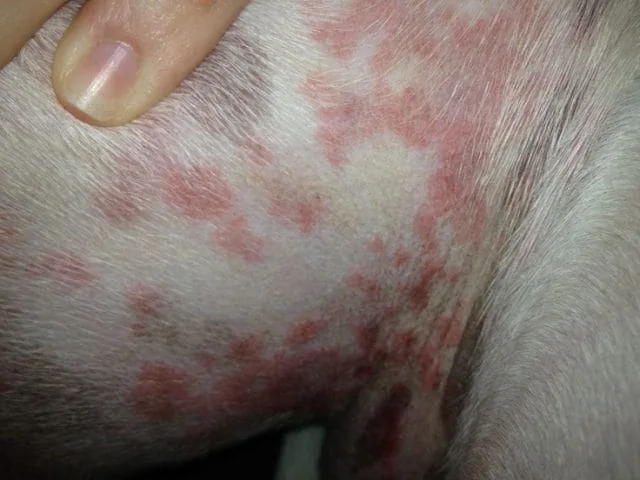
A quick honest note. If your dog's skin is bright red, oozing, smelly, or they're losing fur in patches, home remedies alone won't cut it. Those are signs of infection, and infection needs prescription treatment.
We'll cover exactly when to call the vet later in the article.
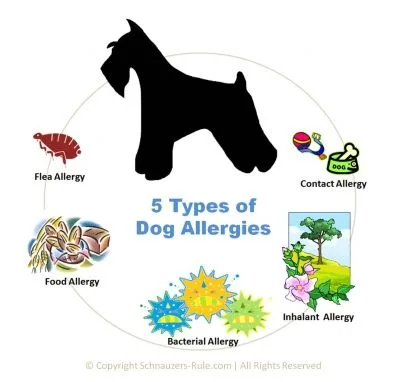
Know What You're Dealing With: 4 Common Types of Dog Allergies
You can't fix what you can't name. Most allergy symptoms in dogs fall into four buckets, and the home plan differs for each.
| Allergy Type | Common Triggers | Classic Signs | Home Approach |
|---|---|---|---|
| Flea allergy dermatitis (FAD) | Flea saliva | Intense scratching at the tail base, scabs near the tail and hind legs | Strict flea control for every pet in the home |
| Environmental (atopic) | Pollen, mold, dust mites, grass | Paw licking, face rubbing, ear infections, seasonal pattern | Baths, omega-3s, HEPA filtration, paw washing |
| Food allergy or intolerance | Beef, chicken, dairy, wheat, soy | Year-round itching, chronic ear issues, GI signs like soft stool | 8 to 12 week elimination diet with a novel protein |
| Contact allergy | Grass, carpet cleaner, shampoo, bedding material | Itching only where skin touches the trigger | Remove or swap the offending material |
A few practical notes on this table. FAD is the easiest one to miss because a single flea bite can set off a reaction that lasts two weeks. If your dog scratches at the base of their tail, treat every pet in the home for fleas before assuming anything else.
Environmental allergies are the most common overall. They tend to flare seasonally at first, then become year-round as the dog ages. Breeds like Golden Retrievers, Bulldogs, and many Terriers are overrepresented in the atopic population, though any breed can develop them.
Food allergies get misdiagnosed a lot. The truth is that true food allergies affect a smaller percentage of dogs than people think. Symptoms can look identical to environmental allergies, which is why the elimination diet trial is the only reliable way to confirm a food trigger.
Contact allergies are rarer but worth ruling out. If your dog itches mostly on the belly or paws right after a walk through tall grass, or after you switched laundry detergent, suspect contact.
Signs Your Dog Needs Help (Beyond Just Scratching)
Scratching is the obvious one. But allergic dogs often show a cluster of signs that owners miss until the problem is well underway. Knowing the full list helps you catch issues earlier.
Watch for these patterns. Repeated ear infections (more than two or three a year) are one of the strongest clues of an underlying allergy. Dogs with allergies tend to get yeast or bacterial ear infections because the inflamed ear canal becomes a friendly environment for both.
If you're cleaning ears monthly and they keep coming back, allergy is likely the driver.
Paw licking is another big one. Dogs don't have many ways to scratch, so they lick. Constant brown saliva staining on the front paws, especially between the toes, almost always points to atopic dermatitis or a food allergy.
The same is true for face rubbing on carpets or furniture.
Hot spots are the urgent version of the same problem. A hot spot (acute moist dermatitis) is a raw, oozing patch that appears within hours, usually after a dog chews or scratches one spot relentlessly. These need prompt care because they balloon fast.
Other signs worth tracking. Belly redness, recurrent anal gland issues, and skin that smells yeasty even right after a bath. Any of these paired with itching tells you the immune system is firing on a trigger, and home care should be paired with a vet check.
One more clue owners often overlook: the symptom diary. Jot down when the scratching spikes, what your dog ate, what the weather was, and any new products used around the home. Patterns usually appear within two or three weeks, and that diary becomes gold when you talk to your vet.
When You Absolutely Need a Vet Before Trying Anything at Home
Some allergy situations are home-care territory. Others are vet-now territory. Mixing them up costs time and can leave a dog in pain for weeks.
If you see any of these, call your vet before starting home remedies. Facial swelling, hives, or sudden vomiting after a new food, treat, or environment points to an acute allergic reaction, which can escalate fast. Bright red, oozing, or foul-smelling skin usually means a bacterial or yeast infection that needs prescription medication.
Hair loss in patches or open wounds need professional evaluation.
Same goes for dogs that are constantly uncomfortable. If your dog can't settle, can't sleep, or stops eating because they're so itchy, that's not a home remedy situation. Veterinary guidance from a general practitioner or a board-certified veterinary dermatologist is the right move.
The American College of Veterinary Dermatology maintains a find-a-specialist directory that helps owners locate board-certified dermatologists by region.
A useful rule of thumb. If the itching started suddenly and severely, go to the vet. If it's been a slow build over weeks or months with seasonal patterns, home care is a reasonable starting point, paired with a vet visit if there's no progress in 2 to 3 weeks.
One more thing. Puppies with severe itching should always see a vet. Their immune systems are still maturing, and the wrong home approach can mask a more serious condition like demodectic mange or a food-responsive condition that needs medical food, not home cooking.
Home Remedy #1: The Oatmeal Bath Done Right
The oatmeal bath is the most underrated home remedy for dog allergies. Done right, it cools inflamed skin, washes off allergens sitting on the coat, and gives a dog 2 to 4 days of real relief. Done wrong, it dries the skin out and makes itching worse.
Here's the right way to do it. Use lukewarm water, never hot. Hot water strips the skin's natural oils and ramps up inflammation.
Grind plain, unflavored oatmeal to a fine powder in a blender, then mix it into a bucket of warm water until it looks milky. Alternatively, use a pre-made colloidal oatmeal product designed for dogs. Soak the dog for 10 to 15 minutes, letting the oatmeal water reach the skin, not just the coat.
Frequency matters more than owners realize. Allergic dogs typically benefit from bathing every 1 to 2 weeks during a flare, then every 2 to 4 weeks for maintenance. Bathing more often than weekly usually backfires because it dries the skin and disrupts the barrier function.
If your dog is extremely itchy and greasy, twice a week for two weeks is fine, then back off.
For shampoo, choose an oatmeal-based or hypoallergenic formula without fragrance, dyes, or harsh detergents. Ingredients like oatmeal, aloe, and chlorhexidine are useful. Avoid human shampoos, dish soap, and anything with tea tree oil or essential oils.
Many essential oils are toxic to dogs even in small amounts.
After the bath, dry the coat thoroughly but gently. Damp fur sitting against inflamed skin can promote yeast growth, especially in skin folds and ears. If your dog is prone to ear infections, place cotton balls in the ear canals before the bath and remove them right after.
This keeps water out of the ears where it does the most damage.
Home Remedy #2: Omega-3s and Skin-Supporting Supplements
Omega-3 fatty acids are the closest thing to a foundational supplement for allergic skin. EPA and DHA, the active forms, calm inflammation at the cellular level and support the skin barrier. Most dogs with environmental allergies see meaningful improvement in 6 to 8 weeks once they're on a therapeutic dose.
The target dose is roughly 50 to 75 mg of combined EPA and DHA per kilogram of body weight per day. For a 25-pound dog, that's around 570 to 850 mg of EPA plus DHA per day. Read the supplement label carefully, because the fish oil capsule size on the front is not the same as the EPA and DHA content on the back.
Manufacturer specifications commonly cite concentrations of 30 percent EPA and DHA in a quality marine oil, which means a standard 1000 mg softgel delivers about 300 mg of usable omega-3s.
Source matters. Fish oil (salmon, sardine, anchovy) and krill oil are both effective. Cod liver oil is also fine but watch the vitamin A content if you're giving it long-term. Plant-based omega-3s like flaxseed do not convert efficiently to EPA and DHA in dogs, so they are a weak choice for skin support.
Pair omega-3s with other skin-supportive nutrients for better results. Vitamin E works alongside omega-3s and prevents oxidation of the fatty acids. Probiotics help modulate the gut-immune axis and may reduce environmental allergy symptoms over time, though the research is mixed.
Zinc supports skin repair and is sometimes deficient in dogs on limited-ingredient diets.
A common mistake is stopping too early. Omega-3s don't work overnight. Expect 6 to 8 weeks at the therapeutic dose before judging results.
If you stop after two weeks because you didn't see a change, you'll never know if it would have helped.
Home Remedy #3: Quercetin and Natural Antihistamines
Quercetin is a flavonoid found in apples, berries, and onions. In supplement form, it's often called "nature's Benadryl" because it stabilizes mast cells and reduces histamine release. For dogs with mild seasonal allergies, quercetin can take the edge off itching without the drowsiness of pharmaceutical antihistamines.
A typical dose is around 5 to 10 mg per pound of body weight twice daily, though product-specific dosing varies. Always start at the low end and watch for soft stool, which is the most common side effect. Quercetin is generally safe but should not replace prescription treatment for moderate to severe allergies.
Bromelain, an enzyme from pineapple, is often paired with quercetin because it improves absorption and has its own mild anti-inflammatory effect. Many commercial quercetin supplements for dogs combine the two for that reason.
Other natural options have weaker evidence but are popular. Honey with local pollen is sometimes given to dogs with seasonal environmental allergies on the theory that small daily doses build tolerance. The evidence is anecdotal at best, and dogs under one year should not be given raw honey.
Colloidal silver, essential oils, and herbal blends marketed as "allergy cures" should be skipped entirely. Several are toxic to dogs, and none have reliable clinical support.
For mild symptoms, quercetin plus omega-3s plus regular baths is a solid natural stack. For anything beyond mild, layer in prescription options under vet supervision rather than escalating supplement doses.
Home Remedy #4: Antihistamines — What Works and What's Risky
Antihistamines are the first thing most owners reach for, and for good reason. They're cheap, available, and safe for many dogs when dosed correctly. They also disappoint a lot of owners because they don't work for every dog.
Diphenhydramine (Benadryl), cetirizine (Zyrtec), and loratadine (Claritin) are the three most commonly used. Diphenhydramine is dosed around 1 mg per pound of body weight, though many vets now prefer second-generation antihistamines because they cause less drowsiness. Cetirizine at 0.5 mg per pound once daily is a popular alternative.
Loratadine works for some dogs but is less predictable.
Here's the catch. Antihistamines work best before the itching starts, which makes them useful for seasonal flares you can predict, like spring pollen. Once a dog is in full scratching mode, antihistamines often do very little.
They block new histamine release but don't reverse inflammation already underway. Expect 30 to 60 percent improvement in roughly a third of dogs, with the rest showing little to no response.
Safety rules matter. Never use combination cold or sinus products. Many contain decongestants like pseudoephedrine or phenylephrine that are dangerous for dogs.
Never use time-release formulas. Always confirm the active ingredient on the label, because brand-name packaging changes. And never dose antihistamines without telling your vet, especially if your dog is on other medications.
If you've tried the right antihistamine at the right dose for 10 to 14 days with no change, it's not going to work for your dog. Move on rather than doubling the dose.
Home Remedy #5: Diet Changes and Elimination Trials
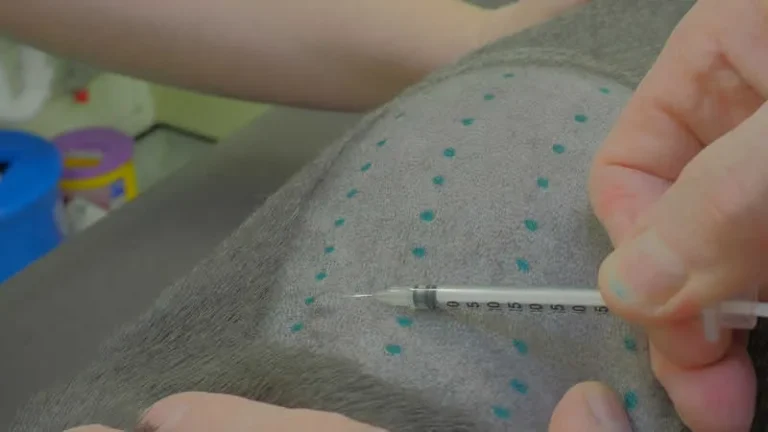
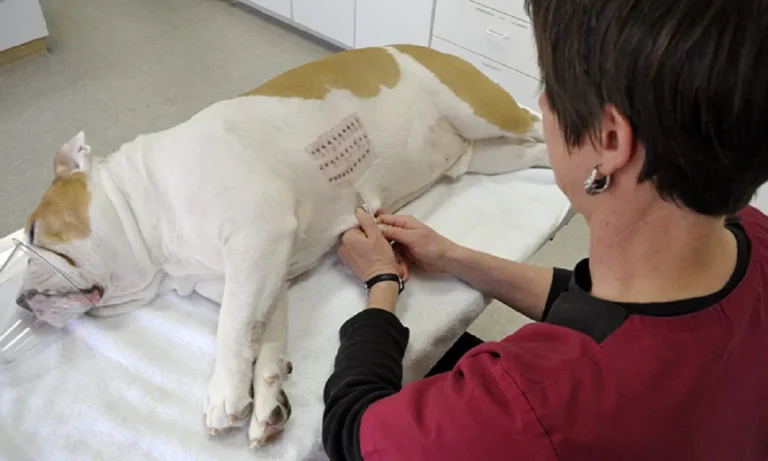
If a food allergy is part of the picture, no amount of bathing or supplementation will fully resolve the itching. The only reliable home-based tool is the elimination diet trial, which is also the only way to confirm or rule out food allergies. Blood and saliva allergy tests for food are unreliable in dogs and are not recommended by most veterinary dermatologists.
The trial works like this. Pick a single novel protein and a single novel carbohydrate that your dog has never eaten before. Common choices include venison, rabbit, duck, or kangaroo paired with sweet potato, peas, or quinoa.
Feed only that combination, with no treats, no table scraps, no flavored medications, no dental chews, for 8 to 12 weeks. If the itching resolves or dramatically improves, you've likely found a food trigger.
Then you challenge the diet. Reintroduce previous ingredients one at a time, watching for a return of itching within 1 to 2 weeks. If chicken causes a flare, you now know to avoid chicken permanently.
This step is what makes the trial useful rather than just a guessing game.
Commercial limited-ingredient diets are an easier option than home cooking, and most dogs accept them. Read labels carefully, because even "limited ingredient" foods sometimes contain multiple proteins. Look for a food with one named animal protein and one named carbohydrate, and nothing else.
The biggest mistakes are giving up too early, sneaking treats during the trial, and using a protein the dog has eaten before. Any of these invalidates the results. Most owners who don't get answers from an elimination diet failed on one of these three points.
Cutting Allergens at Home: Cleaning, Bedding, and Air
Allergen control is the half of home care most owners underweight. You can bathe a dog every week and still see itching if the home environment is loaded with the trigger.
Vacuuming is the single highest-impact change. Use a vacuum with a sealed HEPA filter, which traps fine particles rather than blowing them back into the air. Vacuum two to three times a week during allergy season, focusing on areas the dog uses most.
Bare floors are easier to manage than carpet. If you have wall-to-wall carpet, consider washable area rugs the dog lies on.
Bedding is the next priority. Wash dog beds weekly in hot water (at least 130°F) to kill dust mites and remove dander. Use hypoallergenic, fragrance-free detergent.
Allergen-proof encasements for dog beds are available and worth it for severe environmental allergies.
Air quality matters more indoors than you'd think. A True HEPA air purifier (rated H13 or H14) in the room your dog sleeps in pulls pollen, dust, and dander out of the air continuously. For pet dander, aim for a Clean Air Delivery Rate that covers the room size plus 20 to 30 percent.
Replace filters on schedule, usually every 6 to 12 months.
Humidity is one more lever. Keeping indoor humidity between 40 and 60 percent reduces both dust mites and mold growth, two common environmental allergens. A cheap hygrometer from a hardware store will tell you where you stand.
Anything over 60 percent encourages mold. Anything under 30 percent dries the skin and airways.
Skip air fresheners, plug-in fragrances, and essential oil diffusers. Many irritate allergic airways and skin, and several essential oils are toxic to dogs even at low concentrations.
Managing Seasonal and Outdoor Allergens (Paws, Pollen, Grass)
For dogs with seasonal flares, outdoor exposure is the trigger you can't fully eliminate. You can manage it, though.
Paw washing is the simplest move. Wipe or rinse paws every time your dog comes in from a walk, especially during high pollen days. Use plain lukewarm water or a hypoallergenic paw wipe.
This single habit removes a large portion of the pollen load before it gets carried into the house and onto the dog's bedding.
Timing walks around pollen counts helps. Pollen peaks in the early morning and on dry, windy days. Walking at dusk or right after rain, when pollen is washed out of the air, cuts exposure noticeably.
After-rain walks also reduce grass contact allergens.
Wipe downs matter too. A quick wipe of the belly, inside of the legs, and chest with a damp microfiber cloth removes pollen that would otherwise sit against the skin for hours. Doing this after every walk is tedious but effective for highly allergic dogs.
For dogs that react to grass specifically, dog booties are a legitimate option. They look silly and most dogs need a few days to accept them, but they create a complete barrier between paws and grass. Combine with a t-shirt or bodysuit for severe cases where the belly is affected.
Launder outdoor gear weekly. Collars, harnesses, and outdoor blankets trap pollen and dander just like bedding does. Toss them in the wash on the same schedule as the dog's bed.
Apoquel and Cytopoint: Prescription Options Worth Knowing About
Even the best home plan has limits. Two prescription options have changed the game for atopic dogs and are worth understanding, even if you're pursuing home care first.
Apoquel (oclacitinib) is a daily oral tablet that blocks the itch signal at the cellular level. It starts working within 4 hours for most dogs and is approved for long-term use in dogs over 12 months of age. Aggregate clinical data reports significant itch reduction in the majority of dogs within the first week.
Cytopoint (lokivetmab) is an injection given by a vet every 4 to 8 weeks. It works through a different pathway, neutralizing a specific itch-signaling protein in the dog's system. Onset is around 24 to 48 hours, and many dogs see full relief within a week.
Both are prescription-only and require a vet visit. Both cost more than home remedies, with monthly Apoquel often landing in the $60 to $150 range depending on dog size, and Cytopoint typically priced per injection. As of 2026, both remain the most-used prescription options for chronic allergic itch in dogs.
Home remedies and prescription options aren't either-or. Many dermatologists recommend combining them. Apoquel or Cytopoint breaks the itch-scratch cycle quickly, while baths, omega-3s, and allergen control address the underlying inflammation over weeks.
The combination works better than either alone.
If you've been doing home care for 4 to 6 weeks with no meaningful progress, it's reasonable to ask your vet about these options. They're not a failure of home care. They're a tool for cases where home care isn't enough.
Mistakes Dog Owners Make When Treating Allergies at Home
The same mistakes come up over and over. Knowing them in advance saves weeks of frustration.
The biggest mistake is misdiagnosis. Assuming food allergy when it's environmental, or assuming fleas when it's atopic dermatitis, sends you down the wrong path. Rule out fleas first with a vet-approved preventative on every pet in the home.
Rule out infection next by checking ears and skin for odor and discharge. Then proceed with home care.
Bathing too often or with the wrong shampoo is a close second. Daily or every-other-day baths dry the skin out and weaken the barrier. Human shampoo, dish soap, and anything with fragrance does the same.
Stick to every 1 to 2 weeks with a dog-formulated oatmeal or hypoallergenic shampoo.
Stopping supplements too early. Omega-3s and probiotics both need 6 to 8 weeks at a therapeutic dose to show results. Owners who try for two weeks and quit never get the benefit.
Document your start date and dose so you can fairly judge at the 8-week mark.
Skipping the home environment. Baths and supplements won't matter much if the dog is sleeping on allergen-loaded bedding in a room with a dusty carpet. Vacuuming, washing, and air filtration are not optional extras.
They're half the plan.
Giving human medications without checking. Ibuprofen, acetaminophen, pseudoephedrine, and many combination cold medications are toxic to dogs. Even safe medications like diphenhydramine need the right dose and the right formulation.
Never guess.
Ignoring secondary infections. A dog that's been scratching for a week may have already damaged the skin barrier enough to allow a bacterial or yeast infection. Home remedies don't fix infections.
If the skin smells, oozes, or feels hot, the vet needs to weigh in before home care can do its job.
A Practical 2-Week Home Plan to Get Started Today
If you're at the beginning of this journey, here's a structured two-week kickoff plan. It's designed to address the most common allergy triggers simultaneously so you don't spend months figuring out which one helps.
Days 1 to 3. Set up the environment. Vacuum with a HEPA vacuum.
Wash the dog's bed in hot water. Place a True HEPA air purifier in the room your dog sleeps in. Start a symptom diary if you haven't already.
Check every pet in the home for fleas and start a vet-approved preventative.
Days 4 to 7. First oatmeal bath using the technique described earlier. Start omega-3 fish oil at the therapeutic dose based on your dog's weight.
Add vitamin E if your fish oil supplement doesn't include it. Begin paw washing after every walk.
Days 8 to 14. Second bath. Re-evaluate symptoms using your diary.
If scratching has dropped by 30 percent or more, the environmental and skin-barrier work is helping. If it's unchanged, lean harder into the elimination diet trial and consider a vet visit to rule out infection.
Weeks 3 to 8. Continue baths every 1 to 2 weeks. Maintain omega-3 dosing.
Run an elimination diet trial if food allergy is suspected. Watch for patterns in your diary. If scratching spikes, look back at what changed in the home or the weather.
Weeks 8 to 12. Evaluate the full plan. If symptoms are 70 to 100 percent improved, you're on the right track and can move to maintenance.
If improvement is partial, layer in prescription options with your vet. If there's been no change at all, a vet workup including allergy testing is the next step.
This plan is a framework, not a rigid schedule. Adjust based on your dog's response, your vet's input, and the seasonality of the symptoms.
When to Stop Home Care and Call the Vet Immediately
Knowing when to stop is as important as knowing what to try. Home care has limits, and pushing past them wastes time.
Call the vet right away if you see any of these. Facial swelling, hives, or sudden vomiting after a new food, treat, or environment. Bright red, oozing, or smelly skin.
Hair loss in patches or open wounds. Ear infections that keep coming back, more than two in six months. Constant scratching that interrupts sleep or eating.
Same goes for behavioral changes. A dog that's normally social but is withdrawing, snapping, or hiding because of constant itching is suffering. Pain behavior in dogs is often subtle.
Owners who notice it shouldn't wait for the next home remedy to kick in.
If you've followed a structured home plan for 4 to 6 weeks with no meaningful change, the vet visit isn't a failure. It's the next step. Veterinary guidance from a general practitioner or a board-certified veterinary dermatologist is the right move when home care plateaus.
FAQs About Helping Dog Allergies at Home
What can I give my dog for allergies at home?
For mild allergies, an oatmeal bath every 1 to 2 weeks, omega-3 fish oil at 50 to 75 mg EPA plus DHA per kilogram of body weight per day, and quercetin at 5 to 10 mg per pound twice daily are reasonable starting points. For moderate to severe itching, prescription options like Apoquel or Cytopoint from your vet work faster and more reliably.
How often should I bathe a dog with allergies?
Every 1 to 2 weeks during a flare, then every 2 to 4 weeks for maintenance. Use lukewarm water and an oatmeal-based or hypoallergenic dog shampoo. Bathing more often than weekly usually dries the skin and worsens itching.
How long does it take to see results from home remedies?
Omega-3s and elimination diets need 6 to 12 weeks at therapeutic doses. Oatmeal baths give relief within hours but don't last. Antihistamines may show partial response within a few days.
Expect the full home plan to take 8 weeks before judging its effectiveness.
Are over-the-counter antihistamines safe for dogs?
Diphenhydramine, cetirizine, and loratadine are generally safe at the right dose, but only use plain formulas without decongestants. Always confirm the dose with your vet, especially if your dog takes other medications or has any chronic conditions.
Can I cure my dog's allergies at home?
Not cure, but manage. Most environmental and food allergies in dogs are lifelong conditions that come and go. The goal of home care is to reduce flare frequency and severity so your dog is comfortable with minimal medication.
Some dogs improve enough to drop prescriptions entirely with consistent home care.
When should I take my dog to the vet for allergies?
If you see facial swelling, hives, oozing or smelly skin, patchy hair loss, or repeated ear infections. Also if home care has been consistent for 4 to 6 weeks with no meaningful improvement, or if your dog is so itchy they can't sleep or eat normally.
Final Thoughts: What Actually Works Long Term
Long-term relief comes from layering. Baths, omega-3s, smart cleaning, diet trials, and prescription options when needed. The dogs who do best are the ones whose owners stay consistent past the 8-week mark and adjust based on the symptom diary.
Allergies rarely disappear, but with the right plan, they shrink to a background hum instead of a daily fight.