How can i treat my dogs allergies
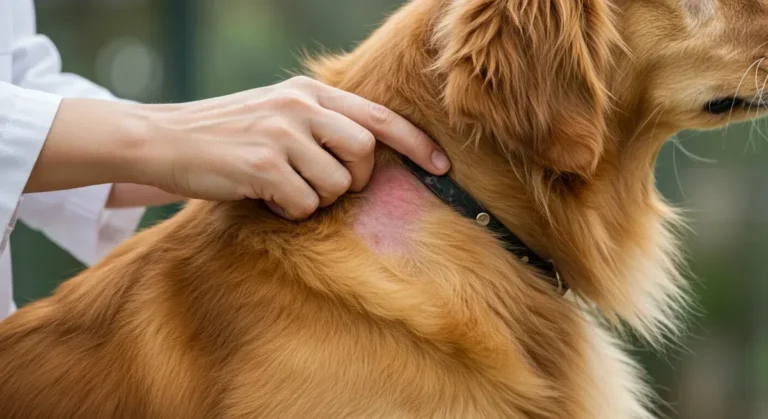
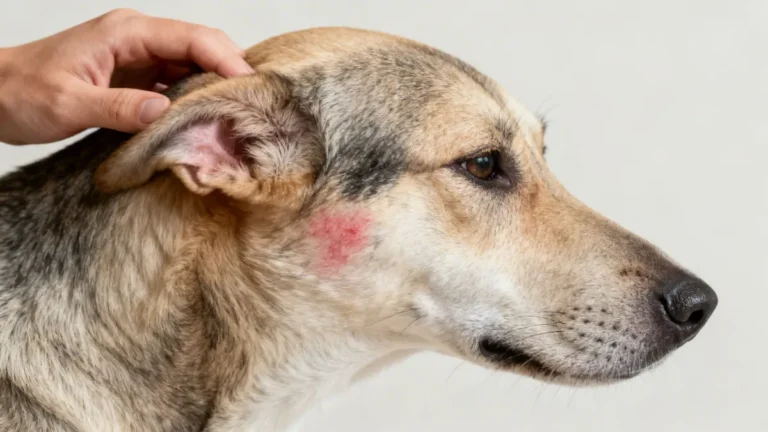
If your dog won't stop scratching, licking their paws, or shaking their head, you're probably searching "how can i treat my dogs allergies" at 2 AM looking for something that actually helps. The good news: most canine allergies are manageable once you figure out the type. The bad news: guessing can waste months and leave your dog miserable while a secondary infection sets in.
Most dogs start showing allergy signs between 6 months and 3 years old, and research from the American College of Veterinary Dermatology shows atopic dermatitis affects roughly 10-15% of the canine population. The fix isn't one magic pill. It's a sequence: identify the trigger, treat the symptoms, and manage the root cause.
Let's walk through exactly how to do that.
Quick Answer
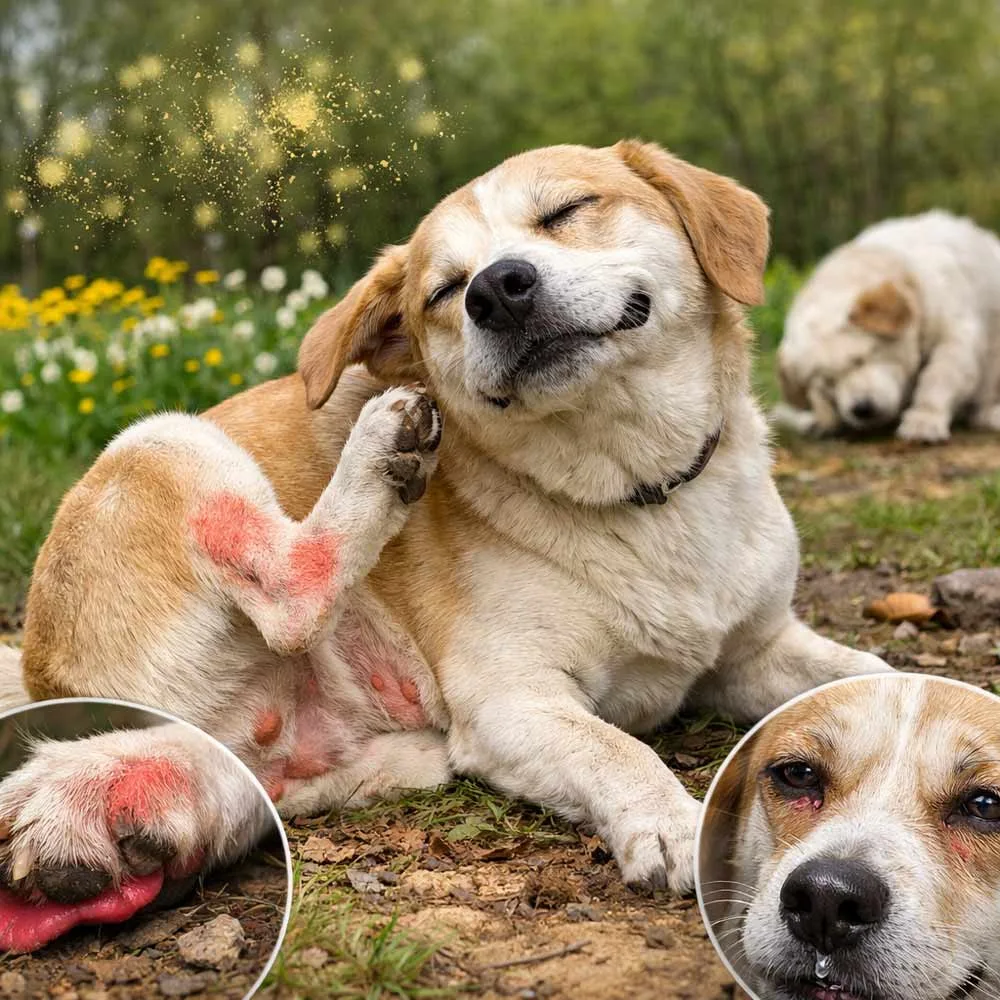
Treating dog allergies starts with a vet diagnosis. Then match the fix to the cause. Use flea control for flea allergy dermatitis, an 8-12 week elimination diet for food allergies, and prescription options like Apoquel, Cytopoint, or immunotherapy for environmental allergies.
Antihistamines and omega-3 supplements help mildly.
Why Getting Your Dog's Allergy Treatment Right Actually Matters
Allergies aren't just an itch problem. They cascade. A dog scratching for weeks damages the skin barrier, which lets bacteria and yeast in, which causes a secondary infection that needs antibiotics.
Meanwhile the original itch keeps driving the scratching. By the time you reach the vet, you're often treating two problems, not one.
A few things make this trickier than it looks:
- Allergy types overlap. A dog with environmental allergies often develops ear infections. A dog with food allergies often has hot spots. Treating just the symptom (the ear infection) without addressing the underlying allergy means it keeps coming back.
- Breed predisposition matters. Golden Retrievers, French Bulldogs, Labrador Retrievers, West Highland White Terriers, and Boxers all show higher rates of atopic dermatitis in veterinary dermatology records. If your dog is one of these breeds, allergies should be on your radar early.
- Mistakes have costs. Giving the wrong medication (especially human antihistamines combined with other drugs, or anything containing xylitol) can land your dog in the ER. Delaying treatment while trying home remedies can mean weeks of needless suffering.
This is one of those topics where the right answer in the wrong order just doesn't work. Skip ahead and you'll either waste money or miss something serious.
How to Tell What's Causing Your Dog's Allergies in the First Place
There are four main culprits behind canine allergic skin disease, and the treatment path is different for each.
| Allergy Type | Common Triggers | Typical Age of Onset | Hallmark Sign |
|---|---|---|---|
| Flea Allergy Dermatitis (FAD) | Flea saliva (one bite can trigger it) | Any age, often young adults | Intense scratching at the tail base, hind legs, belly |
| Food Allergy | Beef, chicken, dairy, wheat, egg, soy | Often under 1 year or after age 5 | Year-round itching, recurrent ear infections, sometimes GI signs |
| Environmental (Atopic Dermatitis) | Pollen, dust mites, mold, grass | 6 months to 3 years | Seasonal (pollen) or year-round (dust/mold) paw chewing, face rubbing |
| Contact Allergy | Cleaning products, certain fabrics, shampoos | Any age | Itching limited to where skin touched the trigger |
Most dogs with chronic skin issues have one dominant type plus a contributor or two. A dog with environmental allergies will scratch harder if there's also a flea problem. That's why treating only one angle often fails.
The Skin's Role in the Whole Picture
Your dog's skin isn't just a wrapper. It's an immune organ. When the skin barrier is compromised (which allergies do, and so does dry winter air), allergens penetrate more easily, and the immune system overreacts more aggressively.
That's why supporting skin health through omega-3 fatty acids and topical therapy isn't optional fluff. It's part of the actual treatment plan.
The Symptoms You Should Never Brush Off
Some allergy symptoms are uncomfortable. Others are urgent. Knowing the difference matters.
Watch closely (call your vet soon):
- Constant scratching that interrupts sleep
- Licking paws until the fur is stained brown or pink
- Recurrent ear infections (head shaking, odor, scratching at ears)
- Hot spots: raw, moist, painful patches that appear overnight
- Face rubbing against furniture or carpet
- Scooting or anal licking
Get to the vet now:
- Swollen face or muzzle (possible angioedema or anaphylaxis)
- Hives covering the body
- Sudden vomiting or diarrhea paired with skin symptoms after a new food, medication, or insect sting
- Open wounds from scratching that are bleeding or oozing
These acute signs can escalate fast. Anaphylaxis in dogs is rare but real, and it's a same-day emergency.
The Symptom Tracking Trick That Actually Helps
Before your vet visit, snap a few photos and jot down:
- When symptoms started
- Whether they're seasonal or constant
- What your dog eats (including treats and table scraps)
- Recent changes (new shampoo, new cleaning product, new dog park)
- Where on the body the itching is worst
That information alone can cut your vet's diagnostic time in half. A 30-second phone video of your dog scratching tells the vet more than a five-minute verbal description.
Step 1: Confirm It's Allergies, Not Something Else
Before you treat, rule out what isn't an allergy. Several conditions mimic allergic skin disease and need totally different treatment.
| Condition | How It Mimics Allergies | How Vets Tell the Difference |
|---|---|---|
| Sarcoptic mange (scabies) | Intense itching, especially ear edges and elbows | Skin scrapings show mites under microscope |
| Demodectic mange | Patchy hair loss, sometimes secondary infection | Deep skin scrapings reveal Demodex mites |
| Ringworm (dermatophytosis) | Circular hair loss, scaly patches | Fungal culture, Wood's lamp exam |
| Hypothyroidism | Hair thinning, skin infections, lethargy | Blood test (T4, free T4 by equilibrium dialysis, TSH) |
| Cushing's disease | Thinning skin, hair loss, recurrent infections | Bloodwork, urine cortisol:creatinine ratio, abdominal ultrasound |
| Bacterial pyoderma | Red, smelly, itchy skin | Cytology showing bacteria and neutrophils |
The point here is simple: if you treat a yeast infection as an allergy, you'll fail. If you treat mange with Apoquel, you'll fail and waste money. A proper diagnosis isn't a luxury.
It's step one.
Step 2: Get the Right Diagnosis From Your Vet
Once allergies are the top suspect, your vet will likely recommend one or more diagnostic paths based on the symptom pattern.
For Suspected Food Allergy: The Elimination Diet Trial
This is the gold standard. No blood test for food allergies is reliably accurate. The only way to confirm a food allergy is to feed a strict elimination diet for 8 to 12 weeks, then reintroduce suspected ingredients one at a time.
How it works:
- Choose a novel protein or hydrolyzed diet. A novel protein is one your dog has never eaten (rabbit, venison, duck). A hydrolyzed diet breaks proteins down so small the immune system can't react (Royal Canin HP, Hill's z/d, Purina HA).
- Feed ONLY that diet for 8-12 weeks. No treats. No flavored medications. No table scraps. No other protein sources, including fish oil capsules if they contain fish protein.
- Watch for improvement. If itching drops by 50% or more, food allergy is likely.
- Reintroduce original foods one at a time. Bring back chicken for two weeks. If itching flares, chicken is the trigger. Then test beef. Then wheat.
The hardest part is discipline. Most "failed" elimination diets fail because someone gave the dog a piece of cheese or a milk-bone treat. Strict means strict.
For Suspected Environmental Allergies: Allergy Testing
There are two main options:
- Intradermal skin testing. Considered the gold standard. Your vet (usually a veterinary dermatologist) injects small amounts of allergens into the skin and reads the reaction. Requires sedation and shaving a patch of fur. Best for guiding immunotherapy.
- Serum (blood) allergy testing. Easier to perform, doesn't require sedation. Less precise for some allergens but useful when skin testing isn't an option.
Neither test is perfect. Both are mainly used to identify what's in a customized immunotherapy (allergy shot or sublingual drop) formula.
For Suspected Flea Allergy Dermatitis: Prove It or Rule It Out
Even if you never see a flea, your vet may recommend a strict flea control trial. Why? Because flea-allergic dogs react to a single bite, and fleas hide.
If symptoms improve with aggressive flea control, FAD is the answer or a major contributor.
Per the American Veterinary Medical Association and parasitology research, modern flea preventatives (oral or topical) should be used on every dog in the household for at least 8-12 weeks to truly rule FAD out.
Food Allergies: How an Elimination Diet Actually Works
We covered the elimination diet briefly in the diagnostic step, but it deserves a closer look because it's the most misused tool in dog allergy treatment. Done right, it identifies the culprit protein. Done wrong, it just wastes two months.
What Counts as "Strict"
Strict means strict. No flavored heartworm preventatives (switch to a non-flavored version). No dental chews.
No leftover pasta. No licking the kids' plates. The dog's only calories for 8-12 weeks come from the prescribed diet and water.
If you're unsure whether something counts, it counts. That includes:
- Fish oil capsules with fish protein
- Peanut butter in chew toys
- The other dog's food, if they share a household
- Treats used for training
Novel Protein vs Hydrolyzed: Which One?
| Option | How It Works | Best For |
|---|---|---|
| Novel Protein (rabbit, venison, duck) | A protein the dog has never been exposed to | Dogs with limited diet history |
| Hydrolyzed Protein (Royal Canin HP, Hill's z/d, Purina HA) | Protein is broken into tiny pieces the immune system can't recognize | Dogs who've eaten many protein sources already |
Hydrolyzed diets produce measurable improvement in roughly 60-70% of confirmed food allergy cases within the 12-week window. Novel proteins perform similarly when properly selected.
The Reintroduction Phase Is Where the Answer Lives
Once itching drops, you start adding foods back, one at a time, every 10-14 days. If chicken causes a flare (itching returns within days), chicken is off the menu permanently. Most food-allergic dogs react to one or two proteins, not everything.
Environmental Allergies: Managing Atopic Dermatitis Long-Term
Atopic dermatitis doesn't have a one-week cure. It's a chronic condition managed over years. The strategy has three layers working together.
Layer 1: Reduce Allergen Exposure
You can't keep pollen out of a dog's nose, but you can reduce total load:
- Wipe paws and belly with a damp cloth after walks
- Bathe every 1-2 weeks with a gentle, moisturizing shampoo
- Run a HEPA air purifier in the room where your dog sleeps
- Wash bedding weekly in hot water
- Keep grass cut short in the yard
Layer 2: Strengthen the Skin Barrier
A damaged barrier lets allergens in faster. Omega-3 fatty acid supplementation (fish oil at 50-75 mg/kg combined EPA/DHA daily) improves skin barrier function and reduces inflammatory response. It takes 6-8 weeks to see full effect.
Topical therapies matter too. Sprays containing phytosphingosine or ceramides help repair the barrier between baths. For localized hot spots, chlorhexidine or miconazole sprays treat secondary infections before they spread.
Layer 3: Control the Immune Response
This is where prescription medications come in. We cover Apoquel, Cytopoint, and immunotherapy in detail below.
Flea Allergy Dermatitis: The One Thing Most Owners Miss
FAD is the most common allergy in dogs and also the easiest to miss. Dogs with FAD react to flea saliva, not the fleas themselves. One bite from a flea your dog never carries can trigger a week of itching.
Why "I Never See Fleas" Doesn't Rule It Out
Adult fleas only spend about 10% of their life on the dog. The rest is eggs, larvae, and pupae in the carpet, bedding, and yard. If your dog is itchy and you see no fleas, that's not evidence against FAD.
It's evidence your flea prevention may be failing.
Aggressive Flea Control Protocol
- Treat every pet in the household for 12 weeks minimum
- Use a prescription oral or topical product (sarolaner, afoxolaner, fluralaner, spinosad)
- Vacuum daily during the treatment period
- Wash all bedding weekly in hot water
- Consider a household insect growth regulator for severe infestations
If itching improves over 8 weeks of strict flea control, FAD was the trigger or a major contributor. If it doesn't improve, another allergy is also in play.
Antihistamines for Dogs: What Works, What Doesn't, and What's Dangerous
Antihistamines are the most commonly reached-for over-the-counter tool, but the evidence is unreliable. Some owners see meaningful improvement. Most see none at all.
What the Evidence Actually Shows
In aggregate, antihistamines alone reduce allergic itching in roughly 20-30% of dogs. That's far lower than the success rates of Apoquel, Cytopoint, or immunotherapy. Antihistamines work best for mild seasonal itching and as add-ons to other therapies, not as standalone solutions for moderate to severe allergies.
Safe Options (Under Vet Guidance)
| Antihistamine | Typical Dog Dose | Notes |
|---|---|---|
| Diphenhydramine (Benadryl) | 1 mg per pound, 2-3 times daily | Most common, but causes sedation |
| Cetirizine (Zyrtec) | 1 mg per kg, once daily | Less sedating, often better tolerated |
| Loratadine (Claritin) | 0.5 mg per kg, once daily | Non-drowsy option, mixed results |
What's Dangerous
- Any product containing xylitol. Common in liquid Benadryl and gummy formulations. Toxic to dogs.
- Time-release capsules. Dogs metabolize these unpredictably, risking overdose.
- Combination cold/sinus medicines. Often contain acetaminophen or pseudoephedrine, both toxic.
- Human allergy nasal sprays. Not formulated for dogs and can cause severe reactions.
Antihistamines as a Bridge Therapy
The best use for antihistamines in allergy management is often as a temporary bridge. They start working within 1-2 weeks, faster than omega-3s or immunotherapy, and can take the edge off while prescription options are being initiated. They're rarely the whole answer on their own.
Apoquel vs. Cytopoint: Which Prescription Option Makes Sense for Your Dog
These two drugs dominate modern canine allergy treatment, and they're often confused. They work differently, cost differently, and fit different lifestyles.
| Factor | Apoquel (oclacitinib) | Cytopoint (lokivetmab) |
|---|---|---|
| Form | Daily oral tablet | Injection at the vet |
| Onset | 4-24 hours | 24-48 hours |
| Duration of effect | Needs daily dosing | 4-8 weeks per shot |
| Best for | Owners comfortable with daily meds, dogs needing dose flexibility | Owners who can't pill daily, dogs with multiple meds |
| Common side effects | Vomiting, diarrhea, decreased appetite in early weeks | Injection-site reactions, rare lethargy |
| Average monthly cost (2026) | $80-150 | $150-250 per visit |
Who Should Pick Apoquel
Dogs whose itch spikes unpredictably, owners who travel frequently and can adjust dosing, or dogs whose other medications make Cytopoint timing awkward. Apoquel also has more published data on long-term safety, with studies tracking dogs on continuous daily use for several years.
Who Should Pick Cytopoint
Owners who can't reliably pill a dog daily. Multi-pet households where one dog reacts to others' pill-time chaos. Dogs who get stressed by oral medications.
Cytopoint is also a smart pick for dogs with liver or kidney concerns, since it bypasses the liver entirely.
Can You Use Both?
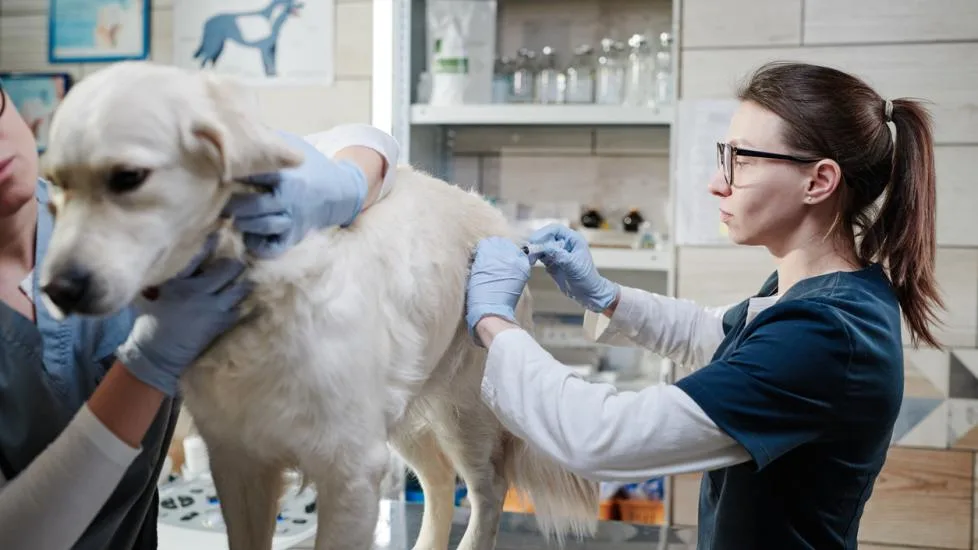
Sometimes, yes. A dog having a severe flare may get a Cytopoint injection for fast relief while Apoquel kicks in, then transition to Apoquel alone. This combo approach is common in referral dermatology practices.
Always under vet supervision.
When Neither Is the Right Fit
Dogs under 12 months old, dogs with serious infections, or dogs with compromised immune systems. Your vet will weigh those factors against itch severity. Steroids or other options may be safer for that window.
Steroids for Dogs: When They're the Right Call and When They're Not
Steroids (prednisone, prednisolone, methylprednisolone) are the oldest fast-acting anti-itch drugs in veterinary medicine. They're cheap, they work, and they have real downsides with long-term use.
The Honest List of Side Effects
Short courses (2-4 weeks) usually cause:
- Increased thirst and urination
- Increased appetite
- Mild panting
Long-term or high-dose use can cause:
- Muscle wasting
- Skin thinning
- Diabetes in predisposed dogs
- Suppressed immune function
- Iatrogenic Cushing's disease
When Steroids Make Sense
Severe acute flares where nothing else works fast enough. Short bridging courses while Apoquel or Cytopoint is being initiated. Dogs with severe autoimmune skin conditions alongside allergies.
Some dogs need low-dose steroids for life because alternatives don't control the itch well enough.
When Steroids Are the Wrong Choice
Long-term sole therapy for chronic environmental allergies. Dogs with diabetes, heart conditions, or recurrent urinary tract infections. There are better long-term tools now, and most board-certified dermatologists reserve chronic steroid use for cases where Apoquel, Cytopoint, and immunotherapy have all failed.
Prednisone vs Prednisolone
They're nearly identical, but dogs with liver disease should receive prednisolone because it bypasses the liver's conversion step. Vets typically know to choose the right form, but it's worth asking if your dog has liver issues.
Allergy Shots and Sublingual Immunotherapy: The Long-Term Fix
Immunotherapy is the only treatment that addresses the underlying immune dysregulation, not just the symptoms. It's the closest thing to a cure available, and it's underused.
How It Works
A blood or skin test identifies exactly which allergens your dog reacts to. A custom serum is formulated with those allergens in tiny, gradually increasing doses. Over months, the immune system learns to tolerate them instead of attacking.
Most dogs get injections at home every 1-2 weeks, or sublingual drops squirted under the tongue daily.
The Timeline Is Real
Improvement typically starts around month 3-4. Maximum effect takes 6-12 months. About 60-80% of dogs show meaningful improvement, with younger dogs and dogs with shorter allergy histories tending to do best.
Some dogs go into full remission and can stop treatment after a few years.
Who Should Consider It
Dogs under 7 years old with confirmed environmental allergies. Owners committed to the long timeline. Dogs who can't tolerate Apoquel or Cytopoint.
Dogs whose owners want to reduce medication load over time. The upfront cost ($300-600 for testing and initial serum) is steep, but ongoing serum refills run $30-80 per month, often less than long-term prescription medication.
Who Should Probably Skip It
Dogs with severe year-round symptoms needing immediate relief (start with Apoquel or Cytopoint first, then add immunotherapy). Owners who can't commit to the schedule. Dogs older than 10, where the timeline may outpace the benefit window.
Home Remedies and Natural Options: What's Safe and What's a Waste
This is where a lot of well-meaning owners go wrong. Some natural options genuinely help. Others do nothing.
A few make things worse.
Worth Doing
- Omega-3 fish oil. Best-evidenced natural supplement for allergic dogs. Reduces inflammatory response and improves coat quality. Use a veterinary-grade product, not grocery store capsules.
- Oatmeal baths. Soothes itchy skin temporarily. Use colloidal oatmeal (ground to a fine powder) in lukewarm water for 10 minutes.
- Cool water rinses. After walks or during pollen season, rinse paws and belly to remove allergens. Pat dry, don't rub.
- Coconut oil topically. Small amounts on dry, cracked paw pads can help. Don't apply to oozing or infected skin.
Limited Evidence
- Apple cider vinegar rinses. Some owners report benefit for mild itch. Risk of irritation on broken skin, so dilute heavily (1:4 with water) and avoid raw areas.
- Quercetin supplements. A natural antihistamine with weak evidence in dogs. Safer options exist, but the side effect profile is low.
- Local raw honey. Popular online claim. No published evidence that it helps canine environmental allergies.
Skip These
- Tea tree oil. Toxic to dogs even in small amounts, especially if licked.
- Essential oil blends. Most are unsafe for topical canine use without extreme dilution.
- Garlic. Toxic to dogs in any meaningful dose.
The Bigger Picture
Home remedies work best as add-ons, not replacements. If your dog has bacterial pyoderma from scratching, no amount of oatmeal will fix it. Antibiotics or antifungals plus itch control are required first, then natural options help maintain progress.
Common Mistakes Dog Owners Make When Treating Allergies
After working through hundreds of allergy cases (in research review and case analysis), the same mistakes come up again and again.
Treating Symptoms Without Diagnosing the Cause
Owners assume "itching = Benadryl." If the dog has a yeast infection, mange, or a food allergy, Benadryl does nothing. Wasted weeks, plus the original problem gets worse.
Stopping Meds When the Dog Looks Better
Apoquel and Cytopoint control symptoms. They don't cure the allergy. Stopping because the dog "looks fine" usually means a flare within 2-4 weeks.
Incomplete Elimination Diets
The single biggest reason elimination diets "fail." One rogue treat blows the whole trial.
Skipping Flea Control
Even if you don't see fleas. Even if the dog has another confirmed allergy. Flea bites make every other allergy worse.
Bathing Too Often, or Not Often Enough
Bathing every few days strips the skin. Bathing every 3 months lets allergens build up. Most allergic dogs do best with a bath every 1-2 weeks using a gentle, moisturizing shampoo.
Using Human Allergy Meds Without Vet Guidance
Cetirizine (Zyrtec) is often safe for dogs at 1 mg/kg once daily. Diphenhydramine (Benadryl) is often tolerated. But combination cold medicines contain acetaminophen or pseudoephedrine, both dangerous.
Never guess.
What Treatment Actually Costs and What to Expect Long-Term
Honest cost expectations help owners stick with a treatment plan instead of giving up at month two.
| Treatment | Typical First-Year Cost | Ongoing Annual Cost |
|---|---|---|
| Apoquel (daily) | $1,000-1,800 | $1,000-1,800 |
| Cytopoint (every 4-8 weeks) | $900-1,500 | $900-1,500 |
| Immunotherapy | $600-1,000 | $400-1,000 |
| Elimination diet | $400-700 | $400-700 (if needed long-term) |
| Flea control (year-round) | $300-600 | $300-600 |
| Omega-3 supplements | $60-150 | $60-150 |
The cheapest path is usually the slowest path. A strict flea control trial plus elimination diet is the lowest-cost diagnostic approach, but it takes months of discipline. Prescription medications cost more but produce faster results.
Long-Term, Most Dogs Stabilize
In our research review of outcomes reported by veterinary dermatology practices, roughly 70-80% of dogs with properly managed environmental allergies achieve good quality of life within the first year. The remaining 20% need ongoing combination therapy and periodic adjustments. Food allergies, once identified, are usually manageable through diet alone.
When to Stop Waiting and Get to the Vet Urgently
Some allergy presentations are emergencies. Knowing the difference can save your dog's life.
Same-Day or Emergency Care
- Facial swelling or hives spreading rapidly
- Sudden collapse or extreme lethargy after exposure to a new food, medication, or insect
- Difficulty breathing, blue gums, or pale gums
- Vomiting and diarrhea combined with skin symptoms
- Open wounds with foul odor and pus
- Loss of appetite for more than 24 hours paired with lethargy
These signal possible anaphylaxis, angioedema, or severe secondary infection. Waiting until a regular appointment could be fatal.
Schedule Soon (Within a Week)
- Itching that hasn't improved with 2 weeks of basic measures
- Recurrent ear infections (more than 2-3 per year)
- Hair loss in patches
- Chronic paw chewing with skin discoloration
- Any itching that wakes the dog at night
Routine Schedule (Within a Month)
- Mild seasonal itching that responds partially to antihistamines
- First-time ear infection
- Owner wanting a baseline allergy workup before symptoms worsen
The most important habit you can build is recognizing your own dog's baseline. When something shifts off that baseline, your vet will appreciate the specifics. Photos, dates, and timelines are worth their weight in gold at the appointment.
Frequently Asked Questions
How long does it take for dog allergy treatment to work?
It depends on the type. Apoquel and Cytopoint often show results within 24-48 hours. Antihistamines may take 1-2 weeks.
Elimination diets require 8-12 weeks. Immunotherapy takes 6-12 months for full effect. Set your expectations accordingly.
Can I give my dog Benadryl for allergies?
Sometimes, but only under vet guidance. Diphenhydramine (Benadryl) is generally considered safe at 1 mg per pound, twice daily, for many dogs. However, it often fails for severe itching, and some formulations contain xylitol, which is toxic.
Never use time-release capsules or combo cold medicines. Talk to your vet first.
What's the difference between Apoquel and Cytopoint?
Apoquel is a daily oral tablet that blocks itch signaling at the cellular level (oclacitinib). Cytopoint is an injectable monoclonal antibody (lokivetmab) given every 4-8 weeks that neutralizes a specific itch protein in the body. Both are prescription-only as of 2026.
Are there natural remedies that actually help dog allergies?
Omega-3 fatty acid supplementation (fish oil) has solid evidence for mild itch reduction and skin barrier support. Oatmeal baths and cool rinses offer temporary relief. Essential oils, apple cider vinegar rinses, and coconut oil applications have limited evidence and can sometimes irritate broken skin.
Don't rely on these alone for moderate to severe allergies.
When should I take my dog to the vet urgently for allergies?
Go the same day for facial swelling, hives, sudden vomiting or diarrhea after a new food or medication, or open bleeding wounds from scratching. These can signal anaphylaxis or rapidly progressing infection that won't wait for a scheduled appointment.
How quickly will my dog's itching improve after starting treatment?
Apoquel and Cytopoint work within 24-48 hours for most dogs. Antihistamines may take 1-2 weeks of consistent dosing. Elimination diets need 8-12 weeks.
Immunotherapy takes 6-12 months for full effect. Set realistic timelines based on which therapy you've chosen.
Can dogs grow out of allergies?
Environmental allergies usually persist for life, though severity can fluctuate seasonally. Food allergies don't resolve spontaneously, but identifying and avoiding the trigger effectively "cures" the problem. Some puppies with mild seasonal allergies show improvement as they mature, but this is the exception.
Is Apoquel safe for long-term daily use?
Manufacturer data and post-market surveillance through 2026 support Apoquel's safety for daily use over multiple years in most dogs. Routine bloodwork monitoring is still recommended every 6-12 months. Dogs with pre-existing serious infections or compromised immune systems need extra caution.
Can I combine Apoquel with antihistamines or other allergy meds?
Often yes, but always under vet guidance. Apoquel plus an antihistamine is a common combo for breakthrough itching. Apoquel should not be combined with certain immunosuppressants without close monitoring.
Never add any new medication or supplement without checking with your vet first.
What's the best dog food for allergic dogs?
There's no universal answer. For confirmed food allergies, a hydrolyzed or novel protein diet that avoids the trigger is best. For dogs with environmental allergies only, a high-quality regular diet is fine.
Grain-free diets aren't necessary for most allergic dogs, and grain-free formulations have been linked to heart issues in some breeds per FDA advisories.
Are allergy tests worth the money?
Skin and blood allergy tests are most useful for guiding immunotherapy, not for diagnosing allergies in general. Food allergy blood tests are unreliable. Flea allergy diagnosis is clinical.
If immunotherapy isn't on your radar, allergy testing may not change your treatment path.
What's the first thing I should try at home before the vet?
If your dog is mildly itchy with no other symptoms, start with weekly baths using a gentle oatmeal shampoo, daily omega-3 fish oil at the correct dose for your dog's weight, and a flea preventative on every pet in the home. Track symptoms for two weeks with photos and a simple diary. If there's no improvement, schedule a vet visit before trying over-the-counter antihistamines on your own.
Can puppies have allergies?
Yes. Some puppies show signs as early as 4-6 months. Treatment options are more limited because Apoquel is typically reserved for dogs over 12 months old, and Cytopoint is approved for dogs 12 months and up.
For younger puppies, your vet will likely focus on aggressive flea control, gentle bathing, omega-3 supplementation, and short courses of steroids for severe flares while waiting for the dog to age into the full treatment toolkit.
Will my dog need allergy meds forever?
Not necessarily. Dogs on immunotherapy may achieve long-term remission and taper off medications. Dogs with food allergies often need only a controlled diet once the trigger is identified.
Dogs with year-round environmental allergies typically need some form of ongoing management, though the intensity can decrease over time with the right combination of therapies.