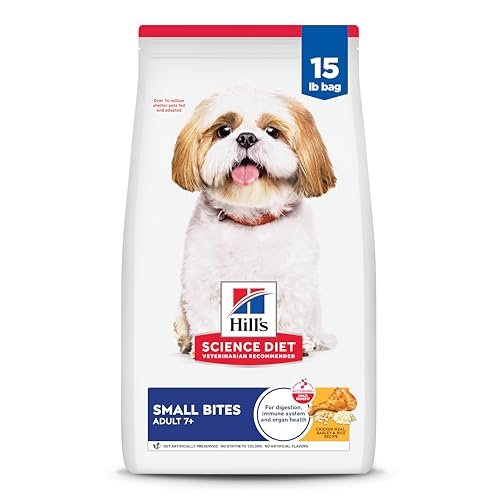
Adult Dog Food vs Senior Dog Food: Which Is Better?


Is Adult Dog Food Good?
Yes, for many healthy adult dogs. Adult dog food is built for maintenance rather than growth. That makes it a strong default for dogs that have reached adult size and have no special diet needs. When I compare adult dog food vs senior dog food, adult food wins on simplicity. It gives me a clear everyday option without assuming that age alone means a dog needs a major diet change.
I have also found that an adult formula can work well for an older dog that stays active and keeps a healthy weight. Think of it like a reliable pair of walking shoes. You do not replace them just because the calendar changed. You replace them when your dog’s needs change. Still, I would check calories, protein, fat, fiber, and mineral levels before keeping an older dog on the same food for years.
What Makes It Stand Out / Key Features
- Adult maintenanceDesigned to provide complete and balanced nutrition for adult dogs when the formula meets an appropriate adult maintenance standard.
- Steady caloriesMany adult formulas provide moderate energy for normal daily activity, though calorie levels vary by recipe.
- Protein supportProtein helps maintain muscle and body tissue. The right amount depends on the dog’s full diet and health.
- Wide choiceAdult formulas come in many recipes for size, activity, taste, and dietary needs.
- Simple routineA good adult formula can make daily feeding easy for healthy dogs with stable weight and normal activity.
- Life stage fitIt is a natural choice for dogs that are fully grown and do not need a special therapeutic diet.
My Recommendation
Consider adult dog food if your dog is fully grown, healthy, active, and holding a good weight. Check calories and the nutritional adequacy statement before choosing.
| Best For | Why |
|---|---|
| Healthy adult dogs | Provides routine maintenance nutrition. |
| Active older dogs | May fit dogs that still burn plenty of energy. |
| Stable weight dogs | Works well when current calorie needs are already met. |
Is Senior Dog Food Good?
It depends. Senior dog food can be useful when an older dog becomes less active, gains weight, or needs a diet with features aimed at healthy aging. But the word senior on the bag does not guarantee a better formula. In my adult dog food vs senior dog food comparison, I look past the label and check calories, protein, fat, fiber, and the ingredient and nutrient profile.
For an older dog that spends more time sleeping than running, a lower calorie senior recipe can feel like the right tool. It is a bit like changing from a heavy winter coat to a lighter jacket when the weather shifts. You want the fit to match the need. I would not switch only because a dog reaches an arbitrary birthday. A vet can help when age comes with kidney, heart, joint, dental, or other health concerns.
What Makes It Stand Out / Key Features
- Aging focused designSenior recipes are often made with the changing energy and nutrient needs of older dogs in mind.
- Calorie controlSome senior foods contain fewer calories per cup, which can help less active dogs manage weight.
- Protein and muscleAdequate protein remains important for older dogs because maintaining lean muscle supports mobility and daily function.
- Joint nutrientsSome senior recipes include ingredients such as glucosamine or chondroitin, but amounts and evidence vary by product.
- Fiber optionsSome formulas use added fiber to support digestion and help with fullness, especially when calories are controlled.
- Healthy aging focusSome recipes include antioxidants, omega fatty acids, or other nutrients selected for older dogs.
My Recommendation
Consider senior dog food when an older dog needs fewer calories or an age focused nutrient profile. Compare the actual nutrition panel instead of trusting the senior label alone.
| Best For | Why |
|---|---|
| Older, less active dogs | A lower calorie recipe may better match daily energy use. |
| Senior dogs gaining weight | Calorie control can make weight management easier. |
| Owners seeking aging support | Some recipes add nutrients selected for older dogs. |
adult dog food vs senior dog food: Side-by-Side Test
The biggest lesson from adult dog food vs senior dog food is that age alone should not decide the bowl. Two dogs of the same age can have very different needs.
I would start with body condition, activity, health, and calories. Then I would compare the food label. This keeps the choice practical and avoids treating every older dog the same.
Nutrition: Which Fits Better?
Both can provide complete nutrition, but the formula matters more than the label.
| Feature | Product 1 | Product 2 |
|---|---|---|
| Primary goal | Adult maintenance | Healthy aging support |
| Nutrient profile | Varies by recipe | Varies widely by recipe |
| AAFCO life stage | Adult maintenance profile available | No separate senior profile |
⭐ Adult Dog Food – 9/10 | Senior Dog Food – 8.5/10
Adult food has the edge for a simple, proven maintenance choice.
Calories: Which Helps Weight Control?
Older dogs often move less, so calorie density becomes a key part of the adult dog food vs senior dog food choice.
| Feature | Product 1 | Product 2 |
|---|---|---|
| Typical goal | Meet normal adult energy needs | Often supports lower energy needs |
| Weight control | Depends on calories and portions | Often easier when calories are reduced |
| Best match | Active or stable weight dogs | Less active or weight prone seniors |
⭐ Adult Dog Food – 8/10 | Senior Dog Food – 9/10
Senior food gets the edge when an older dog needs tighter calorie control.
Protein: Which Supports Muscle?
Older dogs still need protein. Cutting protein just because a dog is old is not a good general rule.
| Feature | Product 1 | Product 2 |
|---|---|---|
| Muscle support | Good when protein is adequate | Can be designed with older dogs in mind |
| Protein level | Varies by formula | Varies by formula |
| Medical needs | May not fit some conditions | May not fit some conditions |
⭐ Adult Dog Food – 8.5/10 | Senior Dog Food – 8.5/10
This category is a tie because the actual protein level matters more than the food label.
Joint Support: Which Helps More?
Mobility often becomes a bigger concern with age, so joint focused ingredients may matter more for some seniors.
| Feature | Product 1 | Product 2 |
|---|---|---|
| Joint ingredients | Depends on recipe | Often included in senior recipes |
| Omega fats | Depends on recipe | Often included in aging focused formulas |
| Joint disease treatment | Not a treatment | Not a treatment |
⭐ Adult Dog Food – 7.5/10 | Senior Dog Food – 9/10
Senior food has the edge for formulas that include useful joint focused nutrients.
Daily Activity: Which Wins?
A dog’s daily routine can change the best answer faster than the calendar does.
| Feature | Product 1 | Product 2 |
|---|---|---|
| High activity | Often a strong fit | May be too low calorie in some recipes |
| Moderate activity | Often suitable | Often suitable |
| Low activity | May need portion control | Often easier to match |
⭐ Adult Dog Food – 9/10 | Senior Dog Food – 8.5/10
Adult food wins for active dogs, while senior food can win for couch loving older dogs.
Choice: Which Is Easier?
Adult food usually has a wider market because adult dogs make up a large part of the pet food market.
| Feature | Product 1 | Product 2 |
|---|---|---|
| Formula range | Very broad | Broad but more age focused |
| Availability | Very easy to find | Usually easy to find |
| Price range | Low to premium | Low to premium |
⭐ Adult Dog Food – 9.5/10 | Senior Dog Food – 8.5/10
Adult food has the edge for selection and easy shopping.
Overall Value: Which Makes More Sense?
Value means more than the price of the bag. It means matching the food to the dog’s real needs.
| Feature | Product 1 | Product 2 |
|---|---|---|
| Healthy adult dog | Excellent fit | Usually unnecessary |
| Older low activity dog | Can work with portion control | Often a better fit |
| Special health condition | Vet guidance needed | Vet guidance needed |
⭐ Adult Dog Food – 9/10 | Senior Dog Food – 9/10
The best value depends on the dog’s body, activity, and health.
Final Verdict: Which Should You Buy?
In adult dog food vs senior dog food, there is no universal winner. Adult dog food is my top pick for healthy adult dogs and active older dogs that maintain a good weight. Senior dog food is a strong choice for older dogs that need fewer calories or an aging focused recipe.
The most important lesson is simple: do not buy a bag just because it says senior. Check calories, protein, fat, fiber, and the nutritional adequacy statement. If your dog has a health issue, ask your veterinarian before changing food. The right bowl should fit the dog, not just the birthday.