How much do dog allergy tests cost: Easy guide
How much do dog allergy tests cost depends on a lot more than just the price on the box. The range runs anywhere from $80 for a budget at-home kit to over $1,500 once you add a veterinary dermatologist, blood work, and intradermal skin testing. We've pulled together current pricing across all four common test types so you can match your dog's symptoms to the right diagnostic path.
Per manufacturer specifications and lab pricing published as of 2026, most vets quote serum IgE panels between $200 and $500, while a full intradermal skin test with a board-certified dermatologist typically falls between $500 and $1,500. Insurance coverage is patchy, and the cheapest tests are usually the least reliable, so the "best" choice depends on whether you're screening for food intolerance, environmental atopy, or a flea allergy. Let's walk through what each option actually delivers for the money.
Quick Answer
Dog allergy tests cost between $80 and $1,500 in 2026. At-home kits run $80 to $250. Vet blood serum tests cost $200 to $500.
Intradermal skin testing with a dermatologist costs $500 to $1,500. Test accuracy varies widely. Cheaper at-home kits have no validated reliability.
What Drives the Cost of Dog Allergy Tests (The Real Variables)
The sticker price on an allergy panel only tells you part of the story. Four variables move the number up or down more than the test itself does, and most owners only learn about them after they've already paid.
Who runs the test matters most. A saliva kit you mail in costs a tenth of what a board-certified veterinary dermatologist charges, but the dermatologist's visit includes a clinical exam, a properly validated IgE panel, and a treatment plan you can actually act on. You're paying for interpretation, not just data.
The number of allergens tested drives lab fees. A 40-allergen panel costs less than a 100-allergen regional panel. Geographic relevance matters too. A dog in Texas needs cedar and Bermuda grass coverage that a New England dog doesn't.
Pre-test prep adds hidden cost. Most accurate testing requires a 2 to 4 week washout from antihistamines, Apoquel, and steroids. If your dog is on any of these, you'll be treating flares out-of-pocket during the washout, which can run $50 to $200 per month.
Follow-up treatment often dwarfs the test cost. Allergen-specific immunotherapy (custom allergy shots or oral drops) runs $300 to $1,200 per year. If the test leads to a treatment plan, the diagnostic fee is only the entry ticket.
The Four Main Types of Dog Allergy Tests (and What Each One Does)
Before you compare prices, you need to know what's actually on the menu. Veterinary dermatologists generally recognize four test categories, each with different strengths and limits.
| Test Type | Sample Collected | Best For | Typical Reliability |
|---|---|---|---|
| Intradermal skin test | Tiny skin injections | Environmental allergens | ~80% in experienced hands |
| Serum IgE blood test | Blood draw from vein | Food + environmental allergens | 60 to 75% depending on allergen |
| Saliva-based kit | Cheek swab at home | Marketing claims only | No peer-reviewed validation |
| Hair/fur-based kit | Clipped hair sample | Marketing claims only | No peer-reviewed validation |
Intradermal skin testing is the clinical gold standard for environmental allergies. A veterinary dermatologist injects small amounts of allergens just under the skin, usually on a shaved patch on the dog's side, and measures the wheal-and-flare reaction after 15 to 20 minutes. It's done under mild sedation and gives immediate results.
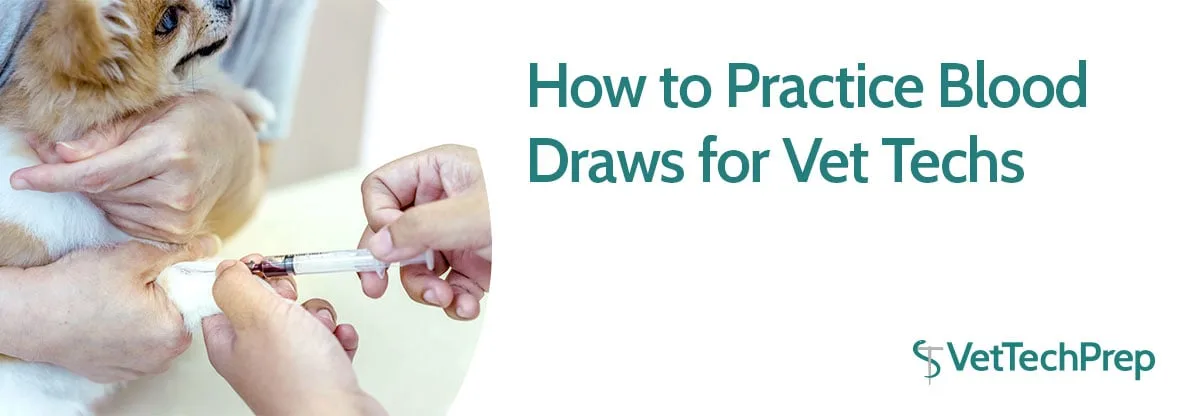
Serum IgE blood testing measures allergen-specific antibodies in a blood sample. It's the only validated way to screen for food allergies alongside environmental ones, and it's easier to perform because it doesn't require sedation or a specialist visit.
Saliva and hair-based kits are sold directly to consumers online. They claim to diagnose food sensitivities, environmental allergies, and nutritional deficiencies using a cheek swab or a few strands of fur. No major veterinary dermatology organization endorses them, and there's no peer-reviewed evidence supporting their diagnostic accuracy.
Cost Breakdown by Test Type
Here's what each option typically costs in 2026 U.S. dollars. Prices vary by region and clinic, but these are the ranges we see most often across general vet practices, specialty clinics, and direct-to-consumer brands.
| Test Type | DIY / At-Home | General Vet | Veterinary Dermatologist |
|---|---|---|---|
| Saliva kit | $80 to $150 | Not offered | Not offered |
| Hair kit | $100 to $250 | Not offered | Not offered |
| Serum IgE blood test | Not available | $200 to $500 | $300 to $600 |
| Intradermal skin test | Not available | Rarely offered | $500 to $1,500 |
A few things to keep in mind when reading that table. The at-home kits are the cheapest because they skip the vet entirely. The dermatologist column is the most expensive because you're paying for a board-certified specialist, often a Diplomate of the American College of Veterinary Dermatology, plus a full clinical workup.
Blood serum tests sit in the middle. Many general vets run them in-house using reference lab partnerships with companies like IDEXX or Heska, which is why pricing varies so much between clinics.
If your dog needs sedation for the intradermal test, add $50 to $200 to the dermatologist's quote. Sedation isn't always required, but anxious dogs, deep-chested breeds, and dogs with significant skin lesions often need it.
At-Home Dog Allergy Test Kits: Convenient but Risky
At-home kits are everywhere now. You swab your dog's cheek or snip a tuft of fur, mail it in, and get a colorful report in two to three weeks listing dozens of "sensitivities." It feels scientific. It feels affordable.
It feels like a smart move when your dog is scratching at 2 a.m. and the earliest vet appointment is three weeks out.
Here's the problem. There's no published, peer-reviewed evidence that saliva or hair testing reliably diagnoses allergies in dogs. Most of these kits measure IgG or IgA antibodies, which reflect exposure, not clinical allergy.
A dog can test "positive" for chicken on a saliva panel and have zero reaction to chicken in a properly conducted elimination diet.
The American Veterinary Medical Association and the American College of Veterinary Dermatology have both published position statements warning against using these kits as standalone diagnostic tools. That doesn't mean they're scams, but it does mean the results shouldn't drive a treatment decision on their own.
Where at-home kits can still be useful. If your dog has no access to a vet within reasonable driving distance, a kit gives you a starting point to discuss with a tele-vet. If your dog can't tolerate sedation or has a condition that makes blood draws risky, at least you've gathered some data.
Just don't let the report dictate a $1,200 switch to a prescription hypoallergenic diet without a vet's confirmation.
If you do go this route, expect to spend $80 to $250, then another $300 to $800 to confirm the results with a proper elimination diet or vet-supervised testing. That "cheap" kit rarely stays cheap.
Intradermal Skin Testing: The Clinical Gold Standard
Intradermal skin testing is what veterinary dermatologists reach for when environmental allergies (atopy) are the prime suspect. The procedure involves injecting tiny amounts of 40 to 80 allergens just under the skin on a shaved patch, usually the lateral thorax or inner thigh. A positive reaction shows up as a raised wheal within 15 to 20 minutes.
Reliability sits around 80% in experienced hands, which is why dermatologists prefer it. It detects active allergic sensitization, not just past exposure. Blood IgE tests can stay positive for months or years after symptoms resolve, but skin testing reflects what the dog is reacting to right now.
Cost runs $500 to $1,500 for the full workup. That price typically includes the dermatology consultation ($150 to $300), the allergens panel ($200 to $500), sedation if needed ($50 to $200), and the interpretation session that follows.
There's one big requirement that catches owners off guard. Dogs must be off antihistamines for 7 to 14 days and off steroids, Apoquel, or Cytopoint for 2 to 6 weeks before the test. Otherwise the wheals won't form and you'll get false negatives.
Plan the washout window with your vet before scheduling.
Is Intradermal Testing Worth the Higher Cost?
It's worth it when environmental allergies are clearly driving symptoms, when the dog is a candidate for allergen-specific immunotherapy, and when serum testing has already come back inconclusive. For food allergies, intradermal testing doesn't help at all. It only screens environmental allergens.
Blood Serum IgE Testing: The Vet-Office Middle Ground
Serum IgE testing is the most common option in general veterinary practice. A vet draws blood, sends it to a reference lab, and gets a panel of allergen-specific antibody levels back in 3 to 14 days. The dog doesn't need sedation, doesn't need a washout from every medication, and the visit takes about 20 minutes.
Accuracy varies by allergen. Pollen and dust mite IgE panels run 70 to 75% sensitive. Food allergen IgE panels drop to 60 to 70% because food reactions often involve non-IgE pathways that blood testing can't detect.
That's a key reason elimination diets remain the gold standard for food allergy diagnosis.
Pricing clusters between $200 and $500. Smaller panels cost less, and regional panels with 80 to 100 allergens run higher. Some vets mark up the lab cost, others pass it through at cost, so it's worth asking what the lab charges versus what the clinic charges.
Where serum testing shines is accessibility. Every general practice vet can order it, results arrive fast, and it's the only practical option for dogs who can't tolerate sedation or who live far from a specialist. Where it falls short is sensitivity.
False negatives are common, especially for food allergens, so a clean panel doesn't rule out allergies.
Saliva and Hair-Based Tests: Why Vets Don't Trust Them
Walk past the vendor booths at any vet conference and you'll see the slick marketing for saliva and hair-based allergy kits. Same for late-night Instagram ads. They promise comprehensive results from a cheek swab or a few strands of fur, no vet visit required, results in your inbox in two weeks.
The science doesn't hold up. These kits measure antibodies or other markers that haven't been validated for diagnostic use in dogs. A peer-reviewed review of canine allergy diagnostics published in Veterinary Dermatology found no evidence supporting saliva or hair testing for food or environmental allergy diagnosis.
The risk for owners is real. A false positive on a saliva kit can drive a $1,200 switch to a prescription hydrolyzed diet that the dog doesn't actually need. A false negative can convince an owner their dog's itching is behavioral when it's a genuine grass or storage mite allergy that needs immunotherapy.
If you've already done one of these kits, don't panic. Bring the results to your vet as a starting point for discussion. Just don't treat the report as a diagnosis.
When a Veterinary Dermatologist Makes Sense (and When It Doesn't)
Not every itchy dog needs a specialist. General practice vets handle most allergy cases competently, especially when the trigger is obvious (seasonal) or the response to a single medication is clean.
A dermatologist earns the referral fee when symptoms have lasted more than 3 to 4 months, when multiple medications have failed, when skin or ear infections keep returning, or when you're considering immunotherapy and want the most accurate allergen map possible.
Cost is the obvious barrier. The American College of Veterinary Dermatology lists fewer than 500 active Diplomates in the U.S. as of 2026, mostly concentrated in major metros. Waiting lists can run 4 to 12 weeks.
Tele-dermatology consults have grown to fill the gap, usually priced at $200 to $400 for the consult plus the cost of any blood testing ordered.
If your local vet has a strong track record with skin cases and you've already tried a serum IgE panel with clear results, you may not need the specialist. If you're six months in with no clear answer and a dog who's still miserable, the $500 to $1,500 specialist visit usually pays for itself in reduced trial-and-error spending.
Does Pet Insurance Cover Allergy Testing?
Coverage depends entirely on your policy and provider. Most accident-and-illness plans cover diagnostic testing for allergies once your deductible is met, but coverage varies wildly for the actual procedures.
Here's what the major U.S. pet insurers typically do as of 2026:
| Insurer (Examples) | Allergy Testing Coverage | Notes |
|---|---|---|
| Healthy Paws | 80% after deductible | Covers serum IgE, excludes at-home kits |
| Trupanion | 90% after deductible | Covers IDT and serum, no kit coverage |
| Embrace | 70 to 80% after deductible | Requires vet submission, no direct-to-consumer |
| ASPCA | 80% after deductible | Same restrictions as Embrace |
| Many budget plans | 0% | Exclude chronic/dermatologic conditions |
Pre-existing conditions are the catch. If your dog's itching started before your policy's effective date, almost no insurer will cover the testing. That's why getting a young dog insured before any skin symptoms appear is the smart play.
If you're uninsured or your dog is pre-existing, CareCredit and similar healthcare credit cards are the most common workaround. Most vet clinics accept them, and many offer 6 to 12 month interest-free promotional periods on bills over $200.
What About HSA or FSA Funds?
Allergy testing for dogs doesn't qualify as a human medical expense, so HSA and FSA funds don't apply. Worth knowing before you try to charge it.
The Hidden Costs Most Owners Miss (Treatment After Diagnosis)
A positive test result is the start of spending, not the end. Most owners budget for the diagnostic fee and then get blindsided by what comes next. Here's what to expect once you actually have an answer.
Allergen-specific immunotherapy is the most common treatment following a positive environmental panel. Custom serum or oral drops cost $300 to $1,200 for the first year, with maintenance doses tapering to $200 to $500 annually after that. Cyclosporine, used for severe atopic dermatitis, adds $50 to $150 per month on top of that.
Food allergy cases require a prescription hydrolyzed diet during the diagnostic elimination trial. Expect $60 to $120 per month for a 25 to 30 pound dog, and plan for 8 to 12 weeks minimum to confirm or rule out a food trigger. If the elimination diet confirms a food allergy, you'll be feeding that expensive diet for years.
Don't forget the supporting costs. Omega-3 supplements ($20 to $40 monthly), regular ear cleanings for dogs with chronic otitis externa, and periodic skin cytology to catch secondary bacterial or yeast infections. Those recurring items often add $30 to $80 per month.
How Accurate Are These Tests, Really?
No canine allergy test is 100% accurate, and any provider claiming otherwise is selling something. The honest accuracy ranges based on aggregate clinical research:
- Intradermal skin testing (board-certified dermatologist): 75 to 80% for environmental allergens.
- Serum IgE blood testing: 60 to 75% depending on the allergen.
- Elimination diet (for food allergies): ~85% when properly conducted.
- Saliva/hair kits: no validated diagnostic accuracy.
The practical takeaway is that a negative result doesn't rule out allergies, and a positive result should always be weighed against the dog's actual clinical signs. A dog with chronic ear infections and seasonal itching that tests positive for Bermuda grass is probably a real positive. A dog with vague digestive issues that tests positive for chicken on a saliva kit needs an elimination diet to confirm.
The Elimination Diet Alternative: Cheaper, Slower, More Reliable
For food allergies specifically, no blood or skin test outperforms a properly conducted elimination diet. The process is straightforward. Feed a novel or hydrolyzed protein source for 8 to 12 weeks, watch for symptom improvement, then reintroduce old ingredients one at a time to identify the trigger.
Cost runs $200 to $500 for the trial period, mostly food. That's a fraction of serum IgE panel pricing, and the diagnostic confidence is higher. The trade-off is time.
Twelve weeks is a long time when your dog is uncomfortable, and compliance is hard. Family members slip treats. Well-meaning guests share bites.
Every accidental exposure resets the clock.
For pure food allergy diagnosis, an elimination diet is usually the better first move. Skip the blood panel unless the dog has both food and environmental symptoms, in which case you need the serum IgE results to address the environmental side while the diet runs.
Mistakes That Make Allergy Testing a Waste of Money
Even the best test fails when the prep is wrong or the follow-through is sloppy. These are the errors we see most often.
Skipping the medication washout. Antihistamines, Apoquel, steroids, and Cytopoint all suppress the immune response. Test during these medications and you'll get false negatives.
Plan the washout window before you schedule.
Treating the report instead of the dog. A positive on paper means nothing if the dog has no clinical signs tied to that allergen. The reverse is also true.
A negative panel in a clearly allergic dog doesn't mean nothing's wrong.
Stopping Apoquel the day of the test. Apoquel requires a 2 to 3 week washout. Stopping it the morning of testing does nothing except make your dog miserable for no diagnostic benefit.
Doing a saliva kit and a blood panel and trusting whichever result you like better. Pick one validated path and follow it. Don't mix at-home kits with clinical testing unless your vet is explicitly interpreting both.
Skipping flea prevention. Flea allergy dermatitis is the single most common allergy in dogs, and a positive test for environmental allergens means nothing if fleas are still biting. Keep your dog on year-round flea prevention throughout the diagnostic process.
How to Choose the Right Test for Your Dog: A Decision Guide
The right test depends on what you're trying to figure out. Here's a simple decision framework that covers most situations.
If your dog's symptoms are seasonal (spring/summer/fall): Start with a serum IgE environmental panel from your general vet ($200 to $500). Skip food testing for now since food allergies don't follow seasons.
If your dog has year-round itching plus digestive symptoms: Skip the blood test initially and go straight to an 8 to 12 week elimination diet ($200 to $500 in food costs). Food allergies rarely respond to serum IgE panels anyway.
If multiple medications have failed over 3 to 6 months: Request a referral to a veterinary dermatologist for intradermal skin testing ($500 to $1,500). At this point you need the most accurate map possible before committing to immunotherapy.
If your dog can't tolerate sedation or you live 4+ hours from a specialist: Run a serum IgE panel and ask your vet to consult a tele-dermatology service for interpretation. Costs roughly $300 to $700 combined.
If money is the primary constraint: Start with strict flea prevention and an elimination diet. Skip the kits entirely. You'll spend $200 to $400 total and rule out the two most common allergy categories.
Whatever path you choose, document your dog's symptoms with photos and notes before testing. Symptom logs help your vet correlate test results with what the dog is actually experiencing, and that correlation is what turns a lab report into a useful diagnosis.
Real-World Cost Scenarios
Mild seasonal itching, otherwise healthy dog: Serum IgE panel at the general vet. Total cost around $300 to $500. Treatment: Apoquel as needed during flare season.
Annual cost roughly $400 to $700.
Year-round itching with digestive symptoms: Elimination diet first, blood panel second if needed. Total cost $400 to $900 over 4 months. Treatment: hydrolyzed diet plus targeted environmental immunotherapy.
Severe atopic dermatitis, multiple failed meds: Veterinary dermatologist referral, intradermal skin testing. Total cost $800 to $1,800 upfront. Treatment: custom immunotherapy plus Apoquel, $800 to $1,500 annually.
What to Do After You Get Results
Schedule a follow-up to interpret results with your vet. Start immunotherapy if recommended, or transition to an elimination diet if food allergies are confirmed. Track symptoms weekly for 3 months to measure treatment response.
Frequently Asked Questions
How much does a dog allergy test cost at a regular vet?
A serum IgE panel at a general practice vet costs $200 to $500 in 2026. The visit and exam fee add $50 to $150 on top of that.
Are at-home dog allergy tests worth it?
No. They lack peer-reviewed validation and frequently produce false positives. Use them only as conversation starters with your vet, never as a diagnosis.
What's the cheapest way to test my dog for allergies?
An elimination diet for $200 to $500 in food costs is the cheapest valid option. Skip the saliva kits entirely since they don't change treatment decisions.
Does pet insurance cover allergy testing for dogs?
Most accident-and-illness plans cover 70 to 90% after the deductible. Pre-existing conditions are excluded. At-home kits are never covered.
How accurate are dog allergy tests?
Intradermal skin testing is 75 to 80% accurate. Serum IgE is 60 to 75%. Elimination diets reach 85%.
Saliva and hair kits have no validated accuracy.
Can a vet do allergy testing without a dermatologist?
Yes. General vets routinely run serum IgE panels. The dermatologist adds value for severe or unclear cases that haven't responded to first-line treatment.