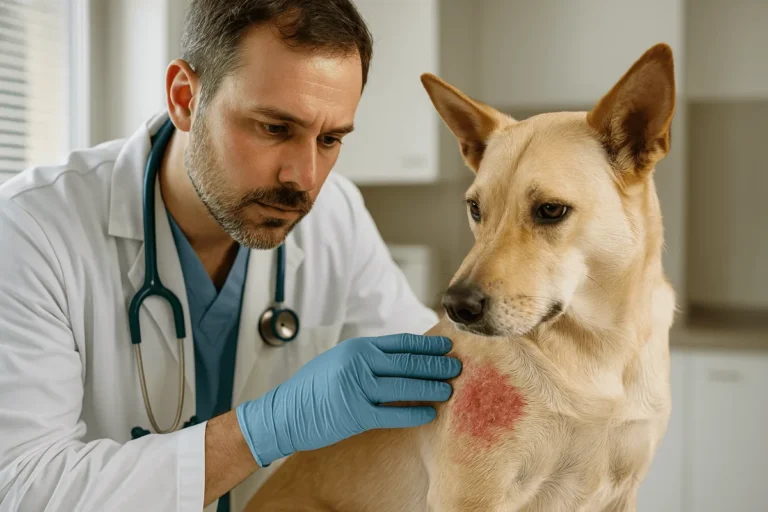
How to treat flea allergy dermatitis in dogs at home: Easy guide
Your dog won't stop chewing at the base of their tail, and you've spotted the first fleabite. That's the moment you start searching how to treat flea allergy dermatitis in dogs at home, because the itch came on fast and you want relief tonight. Here's the honest truth: flea allergy dermatitis (FAD) is one of the most common causes of skin problems in dogs, and most mild to moderate cases respond well to a consistent home protocol, as long as you treat the dog, the home, and the yard at the same time.
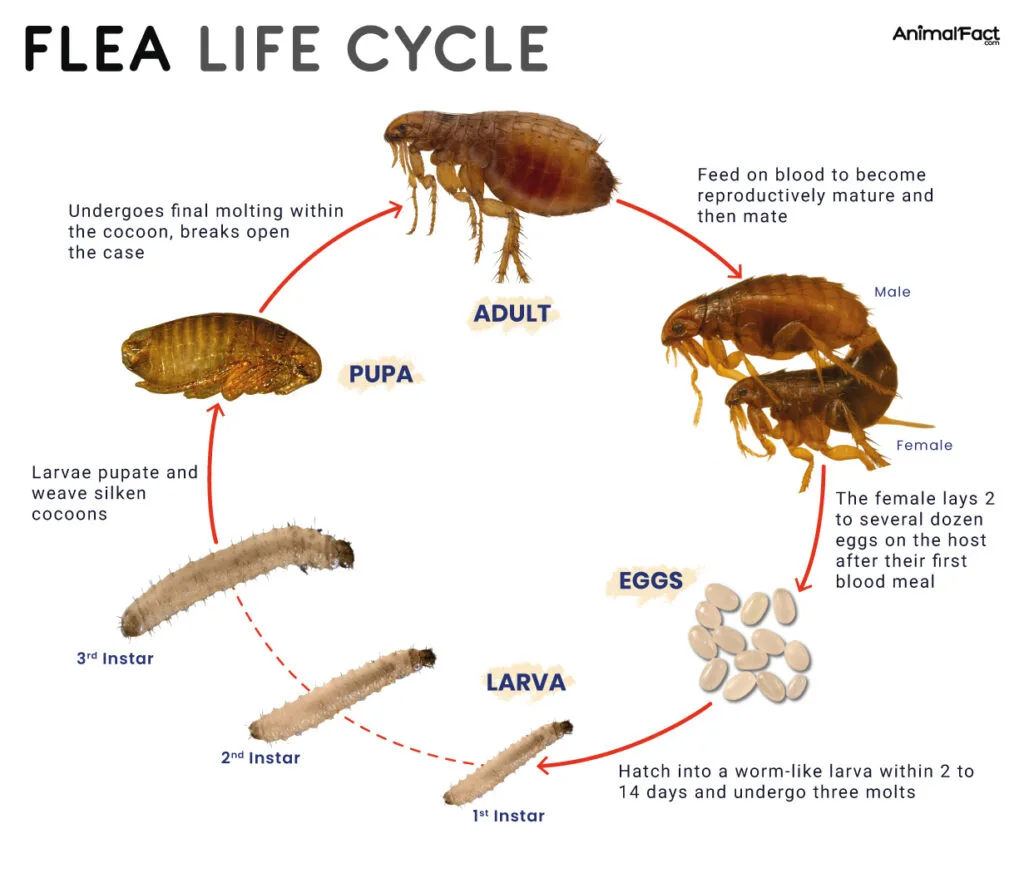
One flea is all it takes. Dogs with FAD react to a single bite because they're hypersensitive to proteins in flea saliva, so spotting one adult fleabite on your dog usually means dozens more are living in your carpet, bedding, or couch cushions. Research from veterinary dermatology references, including the Merck Veterinary Manual, shows the fleabite life cycle (egg to adult) runs roughly 2 to 3 weeks, which is the timeline you'll be working against.
Let's get into what FAD actually looks like, when home treatment makes sense, and how to walk through the protocol step by step.
Quick Answer
Treat flea allergy dermatitis at home by killing all fleas on the dog, breaking the fleabite life cycle in the home and yard, soothing the damaged skin, and starting a strict monthly prevention plan. Use a vet-approved oral or topical preventive on every pet in the house. Wash all bedding in hot water (60°C / 140°F or higher) and vacuum daily for at least two weeks.
See a vet if the skin is infected or itching hasn't improved in 7 to 14 days.
Why Flea Allergy Dermatitis Needs a Careful Home Approach
FAD is different from a regular fleabite infestation. A normal dog gets itchy when fleabites pile up. An FAD dog reacts to a single fleabite, sometimes within minutes, because their immune system treats fleabite saliva proteins like a major threat.
That single fleabite can trigger a week-long scratching storm, hair loss, and hot spots.
Because of this hypersensitivity, you can't treat FAD the way you'd treat a basic fleabite problem. Killing the adult fleas you can see is only 5% of the job. The other 95% is the fleabite eggs, larvae, and pupae hiding in carpet fibers, couch seams, baseboards, and yard soil.
Miss those, and a new batch of adults emerges in two to three weeks, re-triggering the cycle.
A careful home approach also means knowing when to stop. FAD dogs are prone to secondary bacterial infections (pyoderma) and yeast overgrowth, both of which need prescription treatment. If the skin smells bad, oozes, or has crusting, home care alone won't cut it.
What Flea Allergy Dermatitis Actually Is (and Why One Bite Matters)
Flea allergy dermatitis is a hypersensitivity reaction to antigens in fleabite saliva. The main allergens are proteins called Cte f 1 and Cte f 2, which are present in fleabite saliva before the fleabite even fully feeds. When a fleabite injects saliva into your dog's skin, the immune system releases histamines and cytokines, which is what causes the intense itching.
The Hypersensitivity Mechanism
In a non-allergic dog, a fleabite is a small itch that fades in a day. In an FAD dog, the immune system has already produced IgE antibodies against fleabite saliva from past fleabite exposures. The next fleabite triggers a full allergic cascade, which is why a single fleabite can cause:
- Intense scratching within 15 to 30 minutes
- Red, raised bumps at the fleabite site
- Hair loss from repeated scratching and chewing
- Thickened, darkened skin over time
- Secondary infection from skin damage
Why One Bite Is Enough
A fleabite takes about 10 minutes to feed. Most FAD dogs react within minutes. Even if your dog is on prevention, a single missed dose or a delayed application can be enough for one fleabite to cause a flare.
This is why FAD dogs need strict, year-round prevention, not seasonal treatment.
Spotting FAD: Symptoms Most Dog Owners Miss
FAD has a classic look, but the early signs are easy to miss or blame on dry skin. Here's what to look for:
Classic Location Pattern
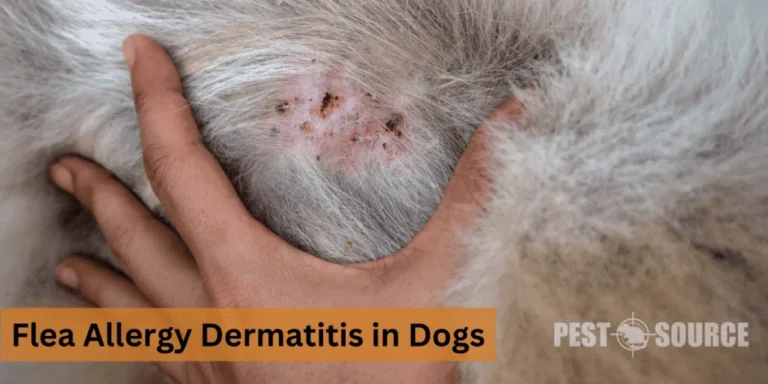
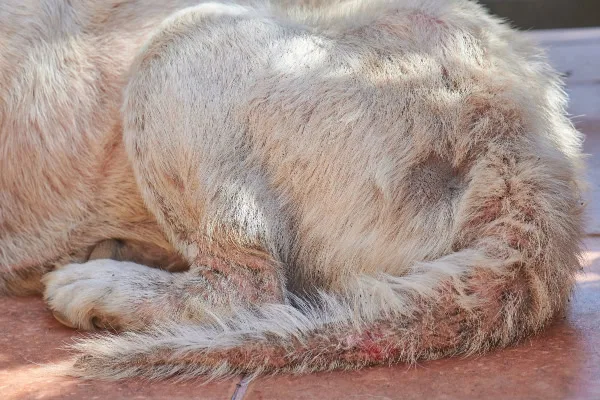
The fleabite target zone is the lower back, tail base, hind legs, belly, and groin. Scratching concentrated in these areas is a major FAD clue. Fleabites on the face, ears, or paws usually point to a different allergy, such as atopic dermatitis or food allergy.
Early Symptoms
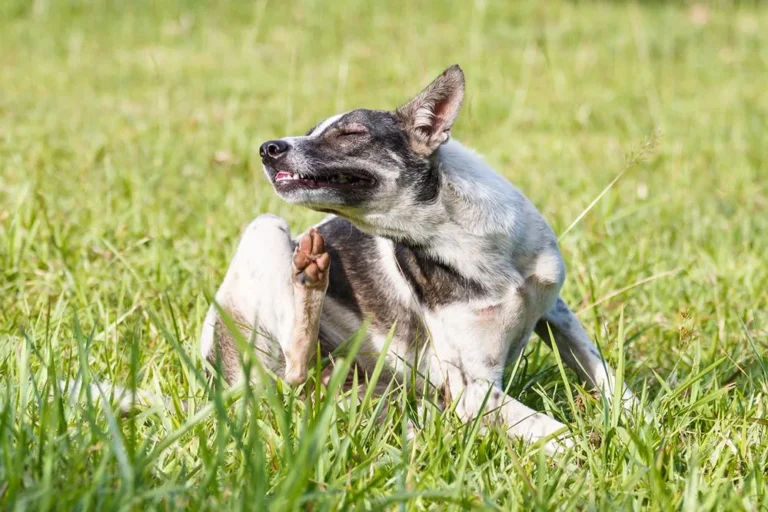
- Frequent scratching, licking, or chewing at the tail base
- Restlessness, especially at night
- "Scooting" the rear on the floor
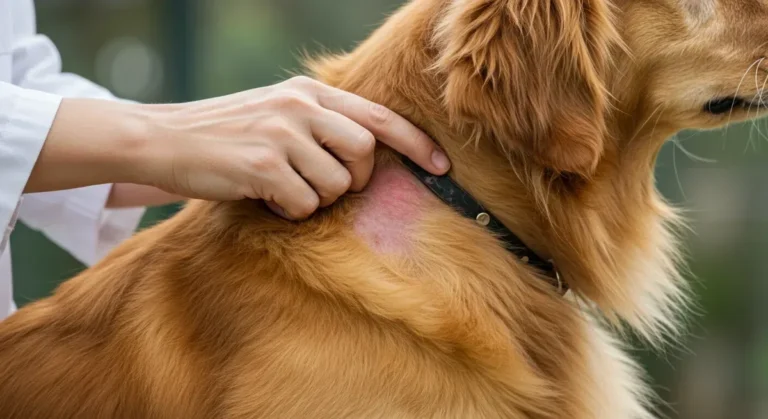
- Red, bumpy rash along the lower back
- Thin, broken hairs at the tail base
Advanced Symptoms
- Bald patches along the lower back and tail base
- Hot spots: red, moist, oozing sores
- Thickened, leathery skin (lichenification)
- Darkened skin color from chronic inflammation
- Foul odor from bacterial or yeast overgrowth
Quick At-Home Fleabite Test
Stand your dog on a white towel and brush them with a fleabite comb. Fleabite dirt (digested blood fleabites leave behind) looks like black pepper flakes. Drop the flakes onto a damp paper towel.
If they turn reddish-brown, those are fleabite droppings, which confirms an active fleabite infestation, even if you haven't seen an actual fleabite.
When Home Care Is Safe — and When You Need a Vet Now
Home treatment works well for early, mild FAD. It also works as ongoing maintenance once a vet has ruled out complications. Some signs mean stop home treatment and book a vet visit right away.
Home Care Is Safe When:
- Scratching started within the past week
- Skin is red but not oozing or crusting
- No foul odor from the skin
- Your dog is otherwise eating, drinking, and behaving normally
- You can confirm active fleabites on the dog or in the home
See a Vet Right Away If:
- Skin is oozing, crusting, or has a strong odor (likely pyoderma)
- Hot spots are spreading fast
- Your dog is in obvious pain when touched
- Scratching hasn't improved after 14 days of consistent treatment
- Your dog is on immunosuppressive medication or has a chronic illness
- Puppies under 8 weeks old or dogs under 2 lbs (preventives have age and weight minimums)
Veterinary guidance from the American Veterinary Medical Association recommends a vet exam when skin changes don't resolve with flea control alone, because secondary infections need prescription antibiotics or antifungals.
Red Flags Specific to FAD Dogs
FAD dogs can develop severe skin damage from scratching alone. One rough night can turn mild redness into a full hot spot. If you see any hot spot forming, treat it as urgent: clip the hair around it, clean with chlorhexidine, and call your vet for next steps.
Step-by-Step: Treating Flea Allergy Dermatitis at Home
The protocol below covers the full reset: dog, home, and yard. Skip any step and the fleabite cycle keeps going.
Step 1: Confirm It's Really Fleas (Quick At-Home Check)
Don't skip this step. Treating for the wrong problem wastes time and lets the real cause worsen.
Tools needed:
- Flea comb (fine-toothed metal, not plastic)
- White paper towel or damp cotton ball
- Good lighting
Process:
- Comb your dog over a white towel, focusing on the back, tail base, and belly.
- Look for fast-moving brown fleabite adults, and for black fleabite dirt specks.
- Drop the black specks onto a damp paper towel. Reddish smearing confirms fleabite feces.
- If you find nothing, repeat for three days. FAD dogs may have so few fleabites that they're hard to find.
Step 2: Kill the Fleas Living on Your Dog
Once you confirm fleabites, every pet in the home needs a vet-approved preventive on the same day. Treating only the itchy dog leaves a fleabite reservoir in the other pets.
Preventive options:
| Format | Active ingredients | Duration | Notes |
|---|---|---|---|
| Oral chewable | Afoxolaner, fluralaner, sarolaner, lotilaner | 30 days to 12 weeks depending on product | Fast-acting, can't wash off; requires a prescription |
| Topical spot-on | Fipronil, imidacloprid, selamectin | 30 days | Apply between shoulder blades; avoid bathing 48 hours before and after |
For FAD dogs, oral preventives are usually the better pick. They're waterproof, work fast, and don't get washed away if your dog needs medicated baths.
Process:
- Weigh your dog. Don't guess. Dosing is weight-based, and under-dosing is one of the top reasons preventives fail.
- Apply or give the preventive exactly per the label.
- Mark the calendar for the next dose. One missed dose re-triggers the hypersensitivity cascade.
Step 3: Break the Flea Life Cycle in Your Home
Adult fleabites on the dog are the tip of the iceberg. For every adult fleabite you see, there are roughly 100 eggs, larvae, and pupae in the environment. The Merck Veterinary Manual confirms the fleabite cycle (egg to adult) runs 2 to 3 weeks under typical home conditions.
Wash and heat-treat everything soft:
- Wash all pet bedding, your bedding, throws, and removable cushion covers at 60°C / 140°F or higher.
- Dry on high heat for at least 30 minutes. Heat kills fleabite eggs and larvae.
- Don't forget the dog's collar, harness, and any fabric toys.
Vacuum with purpose:
- Vacuum daily for 14 days, then every other day for another 14 days.
- Focus on carpet seams, baseboards, under furniture, and along couch cushions.
- Seal the vacuum bag in a plastic bag and toss it in the outdoor trash. Fleabite eggs can hatch inside the vacuum.
Use an insect growth regulator (IGR):
- IGRs like methoprene and pyriproxyfen stop fleabite eggs from hatching and larvae from maturing.
- Look for household fleabite sprays or "fleabite bombs" that include an IGR. Adulticides alone won't break the cycle.
- Vacuum first, then apply. IGRs work best on freshly disturbed carpet.
Step 4: Treat the Yard and Outdoor Exposure Points
If your dog goes outside, the yard is a fleabite reservoir. Wild animals like opossums, raccoons, and feral cats drop fleabite eggs in the grass, and fleabites hatch in shaded, moist soil.
Yard protocol:
- Mow the lawn short. Fleabite larvae hide in tall grass.
- Remove leaf piles, debris, and thick mulch. These are fleabite nurseries.
- Treat shaded areas with a pet-safe yard spray containing an IGR.
- Consider beneficial nematodes for long-term fleabite suppression in soil.
If you live in an apartment, focus on shared entryways and elevator carpets. Fleabite eggs travel in on shoes and pant cuffs.
Step 5: Soothe the Itch and Heal the Skin
Once fleabites are under control, the skin needs help recovering. Broken skin, scabs, and hair loss take 2 to 6 weeks to heal.
Safe at-home options:
- Oatmeal-based or chlorhexidine shampoos, used 2 to 3 times per week for the first two weeks.
- Cool water rinses to calm inflamed skin.
- Omega-3 fatty acid supplements (fish oil) to support skin barrier repair.
- Elizabethan collar (cone) to stop self-trauma while skin heals.
Use with caution:
- OTC antihistamines like diphenhydramine or cetirizine. They help a small percentage of dogs and need vet dosing guidance.
- OTC hydrocortisone sprays. Short-term use on small areas can help, but never use on infected skin or near the eyes.
Avoid entirely:
- Tea tree oil, citrus oils, pennyroyal, and other essential oils. Many are toxic to dogs.
- Apple cider vinegar on broken skin. It stings and can damage healing tissue.
Step 6: Lock In a Monthly Prevention Schedule
FAD doesn't have a cure. It has management. Every FAD dog needs year-round prevention.
Sample monthly schedule:
- Day 1: Apply or give preventive. Mark the calendar.
- Day 7: Bath day (if using shampoo therapy).
- Day 30: Next preventive dose. Set a phone reminder.
If you live in a warm, humid climate (Gulf Coast, Southeast US), year-round prevention is essential. Fleabite eggs survive mild winters outdoors, and indoor heating keeps fleabite cycles going all year.
Choosing the Right Flea Preventive for an Allergic Dog
Not all preventives are equal for FAD dogs. The goal is fast kill, consistent coverage, and waterproof protection.

Best Fit by Situation
Best for fast relief: Oral preventives containing fluralaner or afoxolaner start killing fleabites within hours.
Best for dogs that swim or get bathed often: Oral preventives. Topicals wash off with repeated bathing.
Best for multi-pet homes with both dogs and cats: Coordinate treatment across species. Never use a permethrin dog product on a cat. The FDA Center for Veterinary Medicine keeps an updated list of approved products by species.
Best for households with young children: Oral preventives leave no residue on the fur.
Best for severe infestations: Add a one-time dose of nitenpyram (a fast-kill oral) to the regular monthly preventive for the first 24 hours.
Comparing the Main Flea Treatment Options
Once you've confirmed FAD, picking the right preventive format matters more than picking the brand. Most prescription products work well when dosed correctly. The difference is how they fit your dog's lifestyle and your household routine.
Oral Chewables vs. Topical Spot-Ons
| Format | Speed to kill fleas | Wash-resistant | Best for |
|---|---|---|---|
| Oral chewable | 2 to 8 hours | Yes | Dogs that swim, get bathed often, or have sensitive skin |
| Topical spot-on | 12 to 24 hours | No, avoid bathing 48 hours around application | Dogs that resist oral medications |
Prescription vs. OTC Preventives
OTC preventives sold at big box stores often contain older active ingredients like fipronil or imidacloprid. These still work in many regions, but the Companion Animal Parasite Council (capcvet.org) has tracked reduced efficacy in some flea populations. Prescription options, including those containing isoxazolines, generally show faster kill times and longer coverage in aggregate review data.
Fast-Kill Add-Ons
For severe infestations, a one-time dose of nitenpyram kills adult fleas within 30 minutes. It's a short-rescue tool, not a monthly preventive. Pair it with your regular preventive for the first 24 hours of treatment.
Common Mistakes That Keep FAD Coming Back
Most FAD treatment failures come down to a handful of repeat errors. If your dog's flare keeps returning, walk through this list.
- Treating only the itchy dog. Every pet in the home needs a preventive on the same day.
- Skipping the environmental reset. Adult fleas are 5% of the problem. Eggs and larvae are the rest.
- Under-dosing preventives. Weight your dog at each dose. Guessing under-doses and the product fails.
- Bathing after spot-on application. Wait 48 hours on each side of application.
- Stopping prevention in winter. Indoor heating keeps flea cycles alive year-round.
- Skipping yard treatment. Wildlife like opossums and raccoons reseed your yard with flea eggs.
- Using essential oils. Tea tree, pennyroyal, and citrus oils are toxic to dogs.
How Long Until Your Dog Stops Itching (Real Timeline)
A realistic timeline helps you know if treatment is actually working. Here's what to expect when the protocol is followed correctly.
Week 1
Adult fleas on the dog are dying. New bites drop sharply. You may still see scratching as old saliva reactions fade.
Week 2
Itch intensity drops by 50% or more. Skin redness begins to fade. Hot spots start drying out.
Week 3 to 4
Hair regrowth begins in bald patches. Damaged skin heals from the edges inward.
Week 6
Full skin recovery in most mild cases. Chronic FAD dogs with thickened skin may need 8 to 12 weeks.
If scratching hasn't improved by day 14, that's your signal to call the vet. Secondary infection is the most common reason home care stalls.
Cost Breakdown of a Full Home FAD Reset
Costs vary by region and product choice, but here's a realistic range for a full reset in a typical US household, as of 2026.
| Item | Estimated cost |
|---|---|
| Vet exam (if needed) | $50 to $150 |
| Prescription oral preventive (per dose) | $20 to $45 |
| Topical spot-on (per dose) | $15 to $30 |
| Medicated shampoo (16 to 24 oz) | $15 to $25 |
| Flea comb | $8 to $20 |
| IGR household spray | $20 to $40 |
| Professional extermination (optional) | $150 to $400 |
A complete reset including dog, home, and yard usually lands between $200 and $600. Monthly maintenance after that runs roughly $20 to $45 per dog per month.
Safe Home Remedies vs. Risky Ones
A few home remedies support FAD recovery. Most do nothing, and some are genuinely dangerous.
Safe and Useful
- Oatmeal baths: soothe inflamed skin and wash away allergens. Safe for daily short-term use.
- Cool water rinses: reduce itch and swelling. Avoid hot water, which worsens inflammation.
- Omega-3 fish oil: supports skin barrier repair over 4 to 8 weeks.
- Elizabethan collar: stops self-trauma while skin heals.
Unproven or Risky
- Apple cider vinegar: no proven flea-killing effect. Stings broken skin.
- Essential oils: tea tree, pennyroyal, citrus, and wintergreen are toxic to dogs even in small amounts.
- Borax or diatomaceous earth on pets: effective in carpet but a lung irritant if inhaled.
- Garlic: toxic to dogs in the doses sometimes suggested online.
When to Stop Home Treatment and Call the Vet
Home care has clear limits. Stop and book a vet visit if you see any of these signs.
- Skin is oozing, crusting, or smells bad
- Hot spots are spreading hour by hour
- Scratching continues past 14 days of consistent treatment
- Your dog develops a fever or stops eating
- Puppies under 8 weeks old, or dogs on immune-suppressing medication
The Merck Veterinary Manual advises prescription intervention when secondary bacterial pyoderma is suspected, usually a 3 to 4 week course of antibiotics.
FAD in Multi-Pet Homes: What Changes
FAD treatment in multi-pet homes only works if every pet is covered. Even indoor cats sharing the same air space can carry fleas into the dog's environment.
Rules for multi-pet homes:
- Treat every pet on the same day
- Use species-appropriate products. Permethrin dog products kill cats.
- Wash shared bedding together on hot cycles
- Vacuum the same shared furniture daily
If one pet shows symptoms but the others don't, treat them all anyway. The itch-free pet may still be carrying fleas that re-trigger the allergic dog in 2 to 3 weeks.
Seasonal and Regional Factors That Affect Flea Pressure
Flea activity varies sharply by region and season. Your prevention plan should match local pressure.
- Southeast US, Gulf Coast: year-round flea pressure. Indoor heating extends outdoor seasons.
- Northeast, Midwest: peak season runs May through October, but indoor fleas survive winter.
- Southwest, arid climates: lower outdoor pressure, but indoor infestations still happen.
- Apartments: shared hallways and elevator carpets reseed units. Year-round prevention matters.
Humidity above 50% is the threshold for flea egg survival. Dry climates reduce outdoor populations but rarely eliminate risk.
Maintenance Plan: Keeping FAD From Flaring Again
Long-term control is mostly about consistency. A simple maintenance plan keeps your dog flare-free.
- Monthly: give the preventive on the same date. Set a phone reminder.
- Quarterly: wash all pet bedding on hot. Vacuum thoroughly.
- Annually: schedule a vet check to review prevention choice and weight-based dosing.
Stick to the schedule. One missed dose is enough for an FAD dog to flare.
Expert Tips From Veterinary Dermatology
A few tips from the veterinary dermatology field sharpen your home protocol.
- Weigh your dog at every dose. Even small weight changes shift the dose range.
- Oral preventives beat topicals for FAD dogs. They work even with frequent baths.
- Document the flare. Photos of the rash help your vet confirm progress or spot a relapse.
- Don't stack products. Combining multiple flea preventives can cause toxicity.
- Watch for tapeworms. Fleas carry tapeworm eggs. If your dog scoots, ask your vet to check a stool sample.
Frequently Asked Questions
How long until my dog stops itching from flea allergy dermatitis?
Most dogs show visible itch reduction within 7 to 14 days of starting consistent flea control. Full healing of damaged skin takes 4 to 6 weeks. If scratching is unchanged after 14 days, see your vet to rule out secondary infection or a misdiagnosis.
Can I treat flea allergy dermatitis at home without a vet visit?
Yes, for mild cases where the skin is red but not infected, and you've confirmed active fleas. If the skin is oozing, crusty, or smelly, or if your dog is in pain, a vet visit is needed. Secondary infections require prescription medication.
What's the fastest way to stop flea allergy dermatitis itching?
Combine a fast-kill oral preventive (fluralaner or afoxolaner) with a cool oatmeal bath and an Elizabethan collar to stop self-trauma. The combination gives relief within hours, but full resolution still takes days.
Is flea allergy dermatitis contagious to other dogs or humans?
FAD itself isn't contagious, but the fleas that cause it spread easily between pets. Bedding, carpets, and shared spaces can carry flea eggs. Treat every pet in the home on the same day.
Fleas can bite humans too, but they don't live on people.
Do natural flea remedies like apple cider vinegar or diatomaceous earth work?
Research doesn't support apple cider vinegar as an effective flea treatment. Diatomaceous earth can kill flea larvae in carpet, but it's a lung irritant and should be used with caution around pets and children. Neither replaces a vet-approved preventive for an FAD dog.
How often should I bathe a dog with flea allergy dermatitis?
Two to three times per week for the first two weeks, using an oatmeal or chlorhexidine shampoo. After the initial reset, once a week is enough unless your vet advises otherwise. Over-bathing dries out the skin and slows healing.
Can my dog have flea allergy dermatitis without seeing fleas?
Yes. FAD dogs react to a single bite. Even brief outdoor exposure can trigger a flare.
Use a flea comb test to confirm flea dirt instead of looking for adults.
Do flea collars work for dogs with flea allergy dermatitis?
Most OTC flea collars don't kill fleas fast enough for FAD dogs. Prescription collars containing flumethrin plus imidacloprid work better but are still slower than oral preventives.
How do I tell the difference between flea allergy dermatitis and food allergies?
FAD concentrates on the lower back, tail base, and hind legs. Food allergies more often affect the face, ears, paws, and anal region. Both can occur together, so diagnosis from a vet is often needed.
Can I use flea preventives on a pregnant or nursing dog?
Some preventives are labeled safe for pregnancy, including selamectin. Others, like isoxazolines, are not fully studied in pregnancy. Ask your vet before continuing prevention in pregnant dogs.
Why does my dog still scratch after flea treatment?
It takes 2 to 4 weeks for old flea saliva reactions to fade. Continued scratching after 14 days points to environmental fleas, secondary infection, or a misdiagnosis. A vet visit is the next step.
Will flea allergy dermatitis ever go away completely?
No. FAD is a lifelong hypersensitivity. With strict, year-round prevention, most dogs live symptom-free, but a single missed dose can re-trigger the cycle.
Your Action Plan Starting Today
Treat every pet in the home with a vet-approved preventive today. Wash all bedding at 60°C or higher. Vacuum daily for two weeks.
Use an IGR-based household spray. Add an oatmeal bath and an e-collar to break the scratch cycle. Set a recurring reminder for the next preventive dose 30 days out.
As of 2026, flea preventives continue to evolve, with newer oral options offering 12-week coverage per dose, so ask your vet which one fits your dog best. FAD is manageable, and once you break the cycle, your dog gets their comfort back, and you get your furniture back.