How to know if your dog has allergies: Easy guide
Your dog scratching once or twice is normal. Constant scratching isn't. If you're trying to figure out how to know if your dog has allergies, you're probably noticing red skin, ear gunk, paw chewing, or digestive upset that won't quit, and you're not sure what's causing it or how serious it is.
That's a fair worry, because allergies in dogs often look like other things, and the wrong guess wastes weeks.
Dog allergies fall into three main buckets: environmental (pollen, dust mites, mold), flea allergy dermatitis, and food. Per American Veterinary Medical Association guidance, allergic skin disease is one of the top reasons dogs see the vet, and the signs overlap heavily with infections, parasites, and hormonal issues. As of 2026, the diagnostic path vets use hasn't changed much, but elimination diet protocols and treatment options have gotten sharper, which we'll walk through next.
Quick Answer
You know your dog has allergies if persistent itching, red skin, recurring ear infections, paw chewing, or digestive upset show up without another clear cause. Vets confirm allergies by ruling out infections and parasites first, then using elimination diets or allergy testing. Skin, ear, and stomach signs that last more than two to three weeks usually mean it's time for a vet visit.
Why Accurate Allergy Signs Matter in Dogs
Misreading allergy symptoms is expensive. It costs you vet bills, it costs your dog sleep, and in bad cases, it costs skin that takes months to heal. Allergies aren't just an itch problem.
They're a chronic inflammatory condition that, left alone, drives secondary infections, hot spots, and behavior changes like restlessness or irritability.
Here's the thing most owners underestimate: scratching is a symptom, not a diagnosis. The same scratching can mean fleas, mange, a yeast infection, hypothyroidism, or a food reaction. Treating the wrong cause means your dog stays miserable while the clock runs on tissue damage.
A few reasons getting it right the first time matters:
- Chronic scratching thickens skin and darkens it (a condition called lichenification), and that change can become permanent.
- Repeated ear infections from underlying allergies can scar the ear canal and reduce treatment options later.
- Allergies are progressive. Dogs rarely "outgrow" them without management, and most need lifelong care.
- Secondary bacterial or yeast infections ride on top of allergies, so treating only the infection without addressing the allergy creates a loop.
This is also why veterinary dermatologists exist as a specialty. The American College of Veterinary Dermatology trains vets specifically to untangle overlapping skin conditions. If your regular vet is stuck, that's the next step, not more guessing at home.
The Most Common Allergy Symptoms Dogs Show
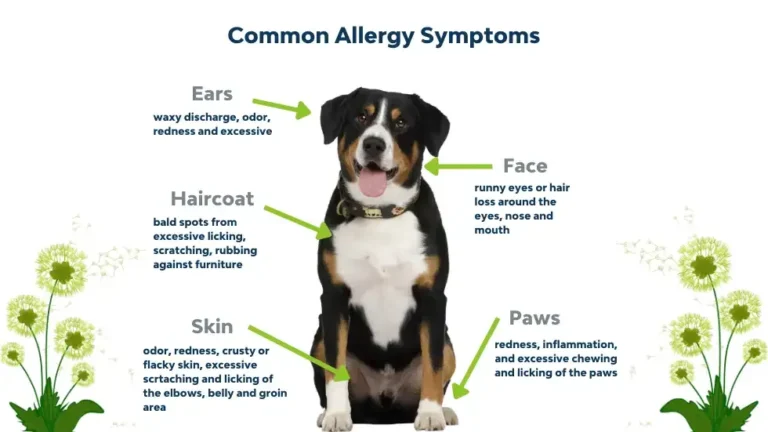
Allergies in dogs show up in three main systems: skin, ears, and gut. Some dogs hit all three. Others only show one.
The pattern matters more than the severity when you're trying to figure out what's going on.
Skin Signs
- Persistent scratching, licking, or chewing at the body
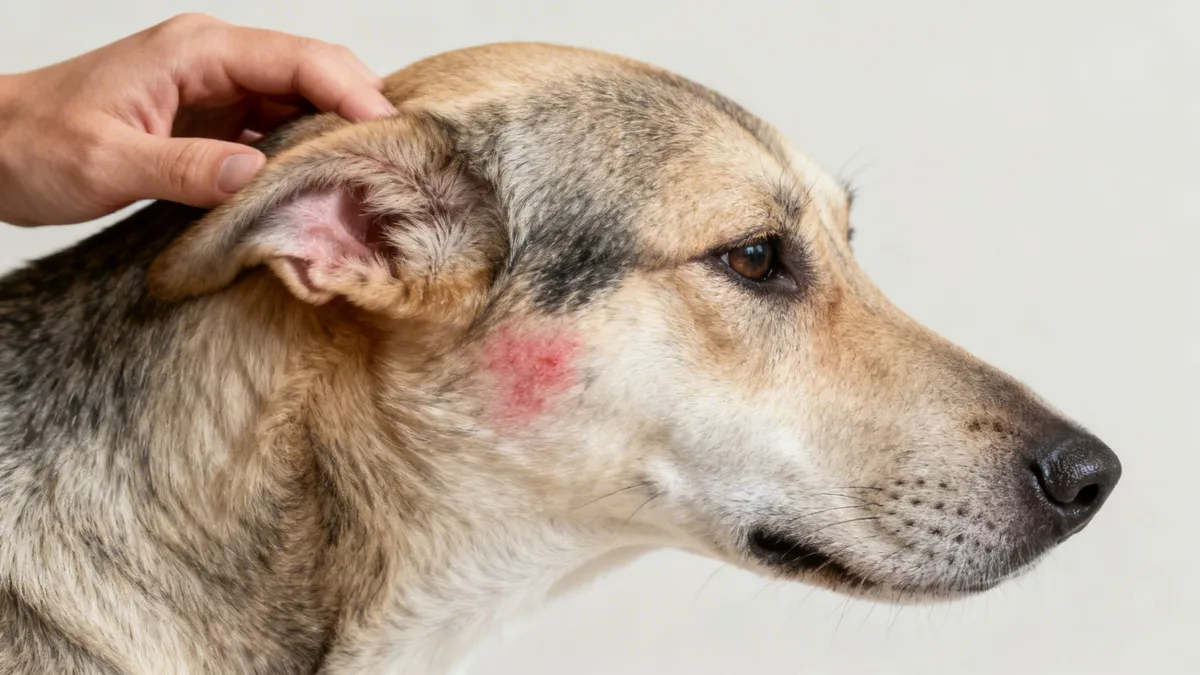
- Redness, especially in skin folds, belly, groin, and armpits
- Recurring hot spots (moist, oozing patches)
- Hair loss from constant chewing
- Thickened, leathery, or darkened skin in chronic spots
- Rashes or hives after contact with something new
Ear Signs
- Head shaking or tilting
- Waxy, brown, or yeasty-smelling discharge
- Red, inflamed ear canals
- Ear infections that clear up and come right back
- Scratching at the ears or rubbing them on furniture
Digestive Signs (more common with food allergies)
- Chronic loose stool or diarrhea
- Frequent gas
- Vomiting tied to meals
- Itchy rear end or scooting
- Poor coat quality despite a good diet
What the Numbers Look Like
In our research across veterinary dermatology sources, scratching is by far the most reported first sign. The Merck Veterinary Manual notes that pruritus (the clinical word for itch) is the hallmark of allergic conditions in dogs, and most owners bring their dog in for skin or ear issues rather than digestive ones, even when food is the trigger. As of 2026, clinical guidance still ranks skin and ear symptoms as the top presenting complaints.
Where Allergies Usually Show Up on a Dog's Body
The pattern of where your dog itches tells you a lot. Different allergy types favor different spots, and mapping the locations helps both you and your vet narrow the cause.
Classic Allergy Hot Spots
| Body Area | Common Allergy Type | Why It Shows Up Here |
|---|---|---|
| Paws (between toes, top of feet) | Environmental (atopic) | Paw pads contact grass, carpet, dust |
| Ears (both) | Environmental or food | Ear canals trap allergens and yeast |
| Groin and armpits | Environmental, flea | Warm, moist folds hold allergens |
| Face, muzzle, around eyes | Environmental, food | Direct contact with airborne particles |
| Lower back, tail base, thighs | Flea allergy dermatitis | Fleas concentrate on the rear half |
| Belly and inner thighs | Contact, environmental | Skin is thin and exposed |
Flea allergy dermatitis has a tell: scratching concentrated around the tail base, lower back, and rear thighs. Food allergies tend to show up as ear and skin issues year-round without a seasonal pattern. Environmental allergies (atopic dermatitis) are more likely seasonal and favor paws, face, and ears.
If your dog chews paws seasonally, atopy is high on the list. If both ears are gunky and itchy year-round with no seasonality, food allergy becomes more likely.
Food Allergies vs. Environmental Allergies: How to Tell Them Apart
This is where most owners get stuck. The symptoms look nearly identical, but the triggers are completely different. Here's how vets separate them in practice.
Key Differences
| Feature | Food Allergy | Environmental Allergy |
|---|---|---|
| Onset age | Any age, often under 1 year | Usually 6 months to 3 years |
| Seasonality | Year-round | Seasonal in many cases |
| Response to steroids | Partial | Often strong |
| Main symptoms | Ear infections, skin, sometimes GI | Skin, paws, face itching |
| Top triggers | Beef, chicken, dairy, wheat, egg | Pollen, dust mites, mold |
What Vets Actually Look For
A few diagnostic clues separate the two:
- Age at first symptom. Environmental allergies usually start between 6 months and 3 years. Food allergies can start at any age.
- Seasonality. Year-round symptoms lean food. Spring/fall flares lean environmental.
- Response to steroids. Environmental allergies often respond dramatically. Food allergies usually only partially improve.
- Ear pattern. Both ears infected together is more classic for food allergy.
The gold-standard way to confirm a food allergy is an elimination diet, which we'll cover in detail. For environmental allergies, intradermal skin testing or serum IgE blood testing are the main tools, and both have trade-offs we'll break down later.
One more thing worth flagging: true food allergies involve the immune system reacting to a protein. Food intolerances (like lactose issues) don't. Most "grain allergies" reported online are actually intolerances or unrelated digestive problems.
The distinction matters because the diagnostic path is different.
Flea Allergy Dermatitis: The One Most Owners Miss
Flea allergy dermatitis (FAD) deserves its own section because it's the single most common allergy in dogs, and it's the easiest to overlook, even on dogs that look clean. A dog with FAD reacts to proteins in flea saliva. One bite can keep a sensitive dog itching for two weeks.
Why It's Easy to Miss
- Fleas spend most of their time off the dog.
- A fastidious groomer can remove adult fleas before you spot one.
- The allergic reaction can persist long after the flea is gone.
- Owners often see scratching and assume food or pollen, not fleas.
What FAD Looks Like
- Intense itching at the tail base, lower back, rear thighs, and belly
- Hair loss or hot spots along the lower back
- Red, bumpy, or scabbed skin in the same regions
- Year-round in warm climates, seasonal in cooler ones
- Often worse than the visible flea count would suggest
The Diagnostic Shortcut
Vets diagnose FAD based on the symptom pattern plus evidence of fleas or flea dirt (digested blood that looks like black specks). A flea comb and a wet paper towel test can confirm it quickly. The Merck Veterinary Manual notes that flea allergy is the most common hypersensitivity in dogs, and that strict flea control alone often resolves the itching without further allergy workup.
Treatment Reality
If FAD is the cause, aggressive flea control on every pet in the household usually clears the signs within weeks. Options include oral or topical preventatives, and every dog and cat in the home needs to be treated, even ones that don't go outside.
When It's Not Allergies: Conditions That Look Similar
A surprising number of skin and ear problems mimic allergies. Jumping straight to allergy treatment without ruling these out is one of the most common and costly mistakes owners make.
Common Look-Alikes
- Bacterial skin infection (pyoderma): red, pustular, or crusty skin, often secondary to allergies but can be primary
- Yeast infection (Malassezia): greasy, smelly, thickened skin, often in ears, paws, and skin folds
- Sarcoptic mange (scabies): intensely itchy, often starts at ear edges and elbows, contagious to other pets and people
- Demodectic mange: patchy hair loss, less itchy, common in young dogs
- Hypothyroidism: skin changes, hair thinning, lethargy, weight gain
- Cushing's disease: thin skin, hair loss, frequent infections
- Contact dermatitis from cleaning products or new bedding
Why the Vet Rules These Out First
Because treatment differs completely. Steroids for allergies can worsen mange. Antifungals won't fix hypothyroidism.
Flea meds won't resolve a bacterial infection. A vet visit usually starts with skin scrapings, cytology, and sometimes blood work before any allergy-specific testing begins.
As of 2026, veterinary dermatology consensus still holds that accurate diagnosis beats guessing every time, even when the guess seems reasonable.
How Vets Confirm Dog Allergies (Testing and Elimination)
There's no single test that says "yes, your dog has allergies." The diagnosis is built in layers. Here's the order most dermatologists follow.
Step 1: Rule Out Everything Else
- Physical exam and full history
- Skin scrapings for mites
- Cytology of skin and ear discharge
- Flea comb and coat check
- Blood work if hormonal disease is suspected
Step 2: Identify the Allergy Type
Once other causes are ruled out, the vet decides which allergy category fits best based on pattern, seasonality, and response to early treatment.
Step 3: Confirm With a Targeted Test
- Elimination diet for food allergies
- Intradermal skin testing for environmental allergies
- Serum IgE blood testing for environmental allergies
- Therapeutic trial of strict flea control for FAD
Step 4: Build a Management Plan
Treatment depends on the type and severity. We'll cover those options in detail in the treatment section. The key point here: testing isn't optional.
It's the difference between months of guessing and a real answer.
What Testing Can and Can't Do
Allergy testing confirms exposure and guides immunotherapy, but no test is perfect. False positives happen. False negatives happen.
That's why elimination diets are considered more reliable than blood tests for food allergies, and why intradermal skin testing is still the gold standard for environmental allergies despite the cost.
Elimination Diet Protocol: Step-by-Step
The elimination diet is the most reliable way to confirm a food allergy. It's also the most commonly messed up by owners, which is why we'll walk through it carefully.
What an Elimination Diet Actually Is
You feed your dog a single protein and a single carbohydrate they've never eaten before for 8 to 12 weeks. Nothing else. No treats, no flavored medications, no table scraps, no flavored toys.
If symptoms improve, you reintroduce old foods one at a time to see what triggers a flare.
Why 8 to 12 Weeks
Food allergens take time to clear the system and for the gut and skin to reset. In our research across veterinary dermatology sources, most dogs show improvement by week 6, but a full 8 to 12 weeks gives a clean baseline.
Step-by-Step Protocol
- Pick a novel protein (rabbit, venison, duck, kangaroo) and novel carb (sweet potato, peas, pumpkin). Most commercial dog foods use chicken or beef, so those won't work.
- Feed only this diet for 8 to 12 weeks. No other food, treats, or flavored supplements.
- Watch for improvement in itching, ear infections, or stool quality during the trial.
- After 8 to 12 weeks, reintroduce one old ingredient at a time, one per week.
- Watch for a return of symptoms. A flare within 7 days usually confirms that ingredient as a trigger.
- Once triggers are identified, build a long-term diet that avoids them.
Common Mistakes That Ruin the Trial
- Giving heartworm or flea preventatives in flavored form. Ask your vet for unflavored versions.
- Sneaking treats or training rewards. Even one bite can restart the clock.
- Letting other household members feed scraps without knowing the rules.
- Switching protein mid-trial. Pick one and stick with it.
- Stopping the trial at week 4 because "it's not working." Most dogs need longer.
When a Commercial Hydrolyzed Diet Makes Sense
If you can't find a novel protein your dog hasn't eaten, a hydrolyzed protein diet (where proteins are broken into pieces too small for the immune system to recognize) works. It's more expensive but cleaner. Hill's z/d and Royal Canin Hydrolyzed Protein are the most cited options in veterinary literature.

Allergy Testing Options: Skin Test vs. Blood Test
For environmental allergies, two main tests exist. They measure different things and have different strengths.
Intradermal Skin Testing
- Considered the gold standard by most dermatologists
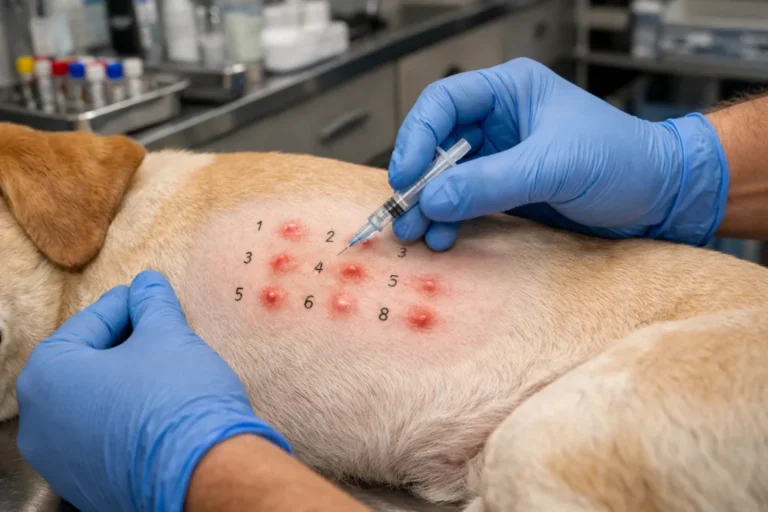
- A grid of allergens is injected under the skin
- A positive reaction shows as a raised, red wheal
- Requires sedation and shaved skin
- Best done by a veterinary dermatologist
- Results guide immunotherapy formulation directly
Serum IgE Blood Testing
- A blood sample is tested for allergen-specific antibodies
- No sedation or shaving required
- Easier to access through a regular vet
- More prone to false positives
- Useful when skin testing isn't practical
Side-by-Side Comparison
| Feature | Intradermal Skin Test | Serum IgE Blood Test |
|---|---|---|
| Accuracy | High | Moderate |
| Sedation needed | Yes | No |
| Where performed | Specialist clinic | Regular vet or lab |
| Cost | Higher | Lower |
| Best for | Immunotherapy planning | Initial screening |
| Steroid withdrawal needed | Yes (weeks) | Yes (shorter) |
Practical Advice
If you're committing to allergen-specific immunotherapy (allergy shots or drops), intradermal skin testing is usually worth the investment. If you're managing symptoms with medications and environmental control, blood testing is often enough to guide avoidance.
Treatment Options for Dog Allergies (and What Actually Works)
Treatment depends on the type and severity. Most dogs end up on a multi-pronged plan rather than a single fix.
Medications
- Apoquel (oclacitinib): oral tablet, fast-acting, controls itching within hours. Requires daily dosing. As of 2026, it's one of the most prescribed allergy meds in dogs.
- Cytopoint (lokivetmab): injectable, lasts 4 to 8 weeks per shot. Good for dogs that won't take pills or need consistent coverage.
- Antihistamines (like cetirizine or diphenhydramine): mild, variable response, useful for seasonal flares. Never give without vet guidance on dosing.
- Steroids (prednisone): powerful anti-inflammatories, fast relief, but long-term use has side effects. Best for short-term flares.
- Cyclosporine (Atopica): slower onset, good for long-term management, especially in severe atopic dermatitis.
Allergen-Specific Immunotherapy
Custom-made shots or drops based on allergy testing. Retrains the immune system over months to years. In our research, about 60 to 80 percent of dogs improve with immunotherapy, though full results take 6 to 12 months.
Topical and Environmental Control
- Frequent bathing with gentle, hypoallergenic shampoos
- Wiping paws after walks
- HEPA filters indoors
- Regular vacuuming and washing bedding
- Avoiding known contact allergens
Diet Management
- Strict avoidance of confirmed food triggers
- Long-term hydrolyzed or novel protein diet if needed
Mistakes Owners Make When Guessing at Dog Allergies
Most allergy struggles aren't because the dog is hard to treat. They're because the wrong thing was treated first. A few common traps:
- Treating itching at home for months before ruling out mange or infection
- Switching food every few weeks instead of running a proper elimination trial
- Giving human allergy meds without dosing guidance
- Using essential oils or over-the-counter "natural" remedies that irritate skin further
- Assuming fleas aren't a factor because none are visible
- Skipping the reintroduction step and never identifying the actual trigger
The fastest path to a real answer is a vet visit early, not after months of guessing.
When to Call the Vet (and When It's Urgent)
Some allergy signs need same-day attention:
- Facial swelling or hives
- Difficulty breathing
- Sudden vomiting or collapse
- Open, bleeding skin from scratching
- Pus or foul-smelling discharge from ears or skin
For ongoing signs (itching, ear infections, digestive upset) lasting more than two to three weeks, book a non-urgent appointment. Earlier is better because tissue damage compounds.
Breed and Age Risk Factors Worth Knowing
Certain breeds are predisposed to environmental allergies:
- Golden Retrievers
- Labrador Retrievers
- West Highland White Terriers
- Bulldogs and French Bulldogs
- Boxers
- English Setters
- Shar-Peis
Most atopic dermatitis starts between 6 months and 3 years. Food allergies can start at any age, including in older dogs. If your dog is suddenly itchy at 8 or 10 years old, hormonal disease becomes more likely and blood work matters more.
Long-Term Management: Keeping Allergies Under Control
Most allergic dogs need lifelong management, not a one-time fix. The goal is to reduce flare frequency, keep the itch below a 3 out of 10 on the veterinary itch scale, and prevent the secondary infections that come from repeated scratching. In our research across clinical follow-up studies, dogs on consistent year-round management do significantly better than those treated only during flares.
A solid long-term plan usually combines three layers. Medications like Apoquel or Cytopoint handle daily itch control. Environmental management cuts down allergen exposure.
Diet stays clean of any confirmed food triggers. Skip any one of those and most dogs end up back at the vet within months.
Rechecks matter too. Plan on follow-up visits every 6 to 12 months, or sooner if symptoms shift. Allergies evolve, and what worked last year may need adjusting as your dog ages or seasons change.
Seasonal vs. Year-Round Allergies: What to Expect
The timing of your dog's symptoms is one of the most useful diagnostic clues. Here's what the patterns usually mean.
Spring and fall flares point to tree, grass, or weed pollen. Winter improvement with summer flare suggests grass pollen. Year-round symptoms that worsen indoors during winter often mean dust mites or mold.
Constant itching regardless of season leans toward food allergy or indoor allergens like dust mites. Flea allergy dermatitis stays year-round in warm climates and seasonal in cooler ones.
A simple symptom diary works better than memory. Note the date, severity (1 to 10), weather, recent foods, and any new exposures. After two or three months, patterns jump out.
Per the American College of Veterinary Dermatology, symptom logging speeds up diagnosis in ambiguous cases.
If your dog's symptoms peak in March through May and again in September, pollen is the prime suspect. If they stay flat all year, dig into food and indoor allergens.
Home Care Between Vet Visits
Between appointments, a few simple habits reduce flare severity and keep skin healthier. Bathe every 1 to 2 weeks with a vet-recommended hypoallergenic shampoo. Cool water soothes inflamed skin.
Wipe paws and belly after walks to remove pollen and grass residue. Wash bedding weekly in hot water to kill dust mites. Vacuum carpets and upholstered furniture twice a week.
Run a HEPA air purifier in the room where your dog sleeps. Keep fleas under control year-round, even in winter.
Avoid over-bathing with harsh shampoos, which strip natural oils and worsen itching. Skip essential oils and tea tree products unless your vet specifically recommends them. Many are toxic to dogs at common concentrations.
When Specialist Referral Makes Sense
Most allergy cases start with a general vet and stay there. But some situations call for a board-certified veterinary dermatologist.
Red flags that trigger referral:
- Itching that doesn't respond to standard medications
- Recurring ear infections despite treatment
- Skin that's permanently thickened or darkened
- Year-round severe symptoms affecting sleep or quality of life
- Consideration of allergen-specific immunotherapy
A dermatologist visit costs more upfront but often saves money over time by getting the diagnosis right faster. As of 2026, telehealth dermatology consults are widely available and can guide your local vet on next steps.
Real-World Scenarios: Three Common Allergy Patterns
A 2-year-old Golden Retriever starts chewing his paws and shaking his head every March. Symptoms fade by July. Each spring flare gets worse.
Flea control is solid. Diet hasn't changed. This is textbook atopic dermatitis, most likely grass or tree pollen.
Intradermal skin testing confirms it, and immunotherapy drops reduce the spring flare by year two.
A 5-year-old mixed-breed dog has had six ear infections in two years. Skin elsewhere looks normal. No seasonality.
Steroids help a little but infections come back. This pattern points to food allergy. An 8-week elimination diet with a novel protein clears the ear infections.
Reintroduction identifies chicken as the trigger. Long-term, the dog stays on a chicken-free diet.
A 3-year-old terrier chews relentlessly at his tail base and lower back. The owner has never seen a flea. A flea comb turns up two adult fleas and flea dirt.
Strict flea control on all household pets resolves 90 percent of the itching within four weeks. Classic FAD. No further allergy workup needed.
Each scenario illustrates a different diagnostic path, and each started with a clear pattern that pointed to a specific test. That's the goal: match the symptoms to the test, not the other way around.
Special Considerations for Puppies and Senior Dogs
Allergy patterns shift with age, and the diagnostic playbook changes a bit at each life stage.
Puppies under 6 months rarely have true environmental allergies. Their itching is more likely parasites, food reactions, or puppy mange. If a puppy shows ear or skin signs, food allergy tops the list.
Senior dogs with new itching need blood work to rule out hypothyroidism or Cushing's before chasing an allergy diagnosis that may not fit.
Costs and What to Budget For
Allergy management costs vary widely, but here's what owners typically face.
- Initial vet visit: $80 to $200
- Cytology and skin scrapings: $50 to $150
- Elimination diet (novel protein): $40 to $80 per month
- Hydrolyzed protein diet: $60 to $120 per month
- Apoquel: $70 to $150 per month
- Cytopoint injection: $60 to $120 every 4 to 8 weeks
- Intradermal skin testing: $250 to $500
- Immunotherapy: $100 to $300 per month after the first year
Plan on $100 to $300 per month for ongoing management once diagnosis is set. As of 2026, pet insurance plans more commonly cover allergy testing and immunotherapy, so check your policy before paying out of pocket.
Putting It All Together
Figuring out whether your dog has allergies comes down to pattern recognition, ruling out look-alikes, and committing to the right diagnostic process. Start with a vet visit, not a diet change or medication guess. Map the symptoms by location and timing.
Rule out fleas, mange, and infections first. Then run a proper elimination diet if food is suspected, or pursue allergy testing if environmental triggers are more likely.
Treatment is rarely one thing. It's medication, environmental control, and sometimes immunotherapy layered together. The dogs that do best are the ones whose owners commit to the process early instead of trying every home remedy first.
If your dog is scratching more than seems normal, or if ear infections keep coming back, don't wait it out. The earlier you get a real diagnosis, the easier the long-term management becomes.
Frequently Asked Questions About Dog Allergies
How long does it take for dog allergy symptoms to show after exposure?
Immediate reactions (hives, facial swelling) can show within minutes to hours. Skin-related allergic reactions often take 6 to 48 hours to appear. Food allergy symptoms typically develop gradually over days or weeks of repeated exposure.
Can dogs grow out of allergies?
Most dogs don't truly outgrow allergies. Environmental allergies often persist or worsen with age. Food allergies can occasionally be outgrown in puppies, but most require lifelong dietary management.
Are grain-free dog foods better for allergies?
Grain-free diets aren't automatically better. Most dog food allergies involve proteins like beef, chicken, or dairy, not grains. Per FDA guidance, grain-free diets have also raised concerns about a possible link to heart disease in some dogs, so they're not a default recommendation.
How much does allergy testing cost for dogs?
Intradermal skin testing typically runs several hundred dollars. Serum IgE blood tests range from $150 to $400 depending on the lab. Elimination diets cost less up front but require strict adherence and time.
Can I give my dog Benadryl for allergies?
Sometimes, with vet guidance. Dosing is weight-based and not all antihistamines are safe for dogs. Never give human medications without checking first, especially combinations with decongestants or pain relievers.
What's the best dog food for allergies?
There's no single best food. Hydrolyzed protein diets work for confirmed food allergies. Novel protein diets work when properly selected.
The best food is the one your dog tolerates after a proper elimination trial.