How to treat a dog with grass allergies: Easy guide
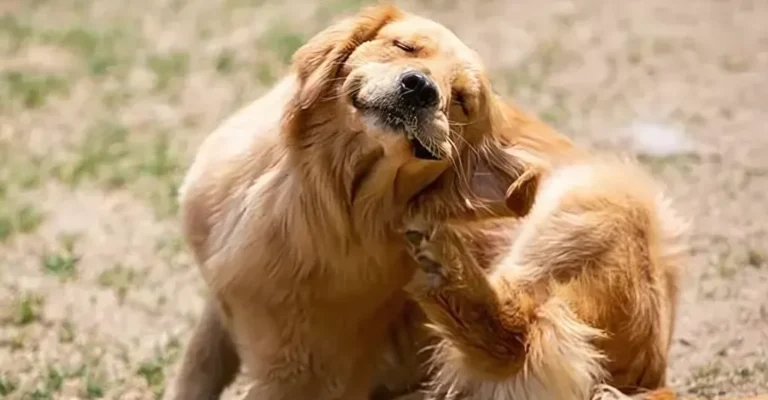
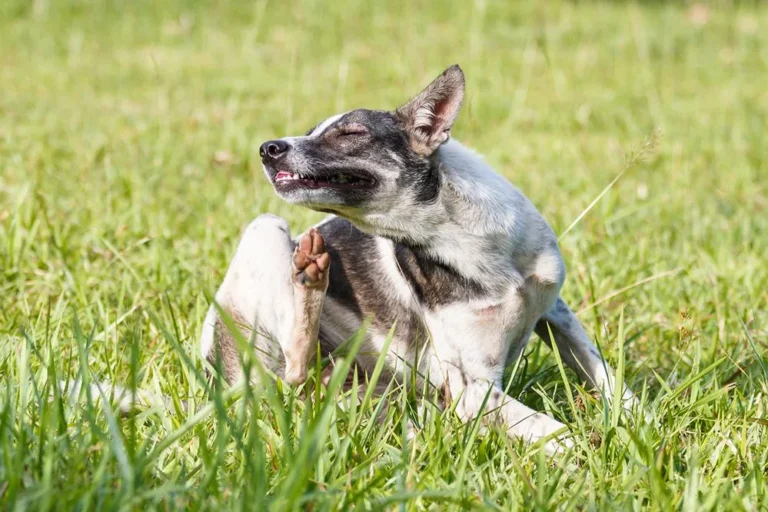
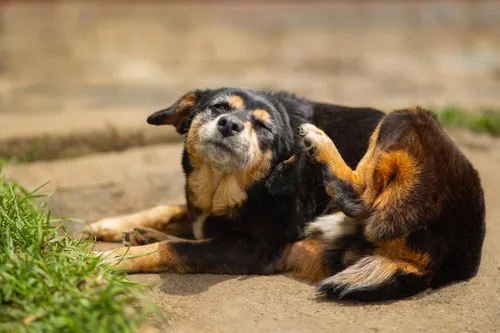
If your dog comes inside from the yard and won't stop licking its paws or scratching its belly, you're probably looking at how to treat a dog with grass allergies. It's one of the most common reasons dogs see the vet in spring and summer, and it can look identical to fleas, food reactions, or even anxiety. The good news is that grass allergies in dogs are very treatable once you understand what's actually happening under the skin.
Most cases fall under a condition called canine atopic dermatitis, and recent peer-reviewed work in Veterinary Dermatology reports that environmental allergens, including grass pollens, drive the majority of chronic itch cases in dogs. Treatment usually works best when you combine vet-prescribed medications with consistent at-home skin care, and timing matters. Grass pollen seasons in the U.S. now run longer than they did a decade ago, so building a plan that covers flare windows through the year is what separates a dog that barely itches from one that's miserable every weekend.
Let's walk through how to spot it, what to do at home, and when it's time to call the vet.
Quick Answer
Grass allergies in dogs are managed with three layers of care. Veterinary medications like Apoquel or Cytopoint calm the immune response. Topical care, including medicated wipes and barrier-repair baths, keeps the skin from breaking down.
And environmental control, like wiping paws after walks and timing outdoor time around pollen peaks, lowers daily allergen load.
Why Accuracy Matters With Grass Allergies in Dogs
Allergies look simple on the surface, but the wrong move can quietly make things worse. Steroid creams meant for humans can cause skin thinning and hormone issues if a dog licks them off. The wrong shampoo can strip the skin barrier and let bacteria in.
Antihistamines that work great in people often barely touch dog itch. And a grass allergy that's actually a flea allergy, or vice versa, will keep flaring no matter what you try.
That's why a real plan starts with the right diagnosis, not the closest over-the-counter product. The American College of Veterinary Dermatology, the recognized specialty body for veterinary skin disease in North America, recommends ruling out parasites and infection before starting any long-term allergy therapy. Their guidance is worth following because skin issues compound fast: scratching opens the skin, bacteria colonize the wound, yeast moves in, and suddenly you're treating three problems at once instead of one.
A second reason accuracy matters is the dog itself. As of 2026, the FDA-approved dosing for Apoquel (oclacitinib) is restricted to dogs 12 months and older, and Cytopoint (lokivetmab) injections require a confirmed diagnosis from a vet. Skipping those steps doesn't just waste money.
It can mask a more serious problem, like sarcoptic mange, that mimics allergies almost perfectly.
What a Grass Allergy in Dogs Actually Looks Like
A grass allergy is an overreaction of the dog's immune system to proteins in grass pollen. When those pollen grains land on the skin or get inhaled, the body releases histamine and other inflammatory signals. The result is itchy, inflamed skin that often shows up in very specific patterns.
You'll usually see one or more of these signs:
- Chewing or licking the paws, especially between the toes
- Redness or rash in the armpits, groin, and belly
- Repeated ear infections or head shaking
- Rubbing the face against furniture or carpet
- Hot spots, which are moist, raw patches that appear fast and spread quickly
The pattern matters because dogs with flea allergies tend to itch over the back and tail base. Dogs with food allergies often have recurrent ear and anal gland issues year-round. Grass allergies follow a seasonal rhythm, usually worsening in late spring and peaking through summer, then easing in fall and winter.
Knowing this rhythm is how you and your vet decide what's really going on.
Common Symptoms and Where They Show Up First
The classic textbook distribution for canine atopy is the front paws, the underside of the body, the face, and the ears. Why those areas? Grass pollen is heavy and tends to drop close to the ground rather than floating high like tree pollen, so the paws and belly take the first hit.
Here's a quick symptom map that vets use:
| Symptom | Where it shows up | Common season |
|---|---|---|
| Paw licking and redness | Between toes, paw pads | Spring through fall |
| Belly and groin rash | Armpits, groin, lower abdomen | Peak grass pollen months |
| Face rubbing | Muzzle, around the eyes | Whenever pollen is high |
| Recurrent ear infections | Both ears, sometimes one-sided | Year-round if untreated |
| Hot spots | Anywhere, often over the hip or thigh | After a scratching binge |
If your dog's symptoms match this map and get worse every spring, grass pollen is a likely culprit. If the itch is constant and doesn't change with the season, you're probably looking at food or indoor allergens instead.
Grass Allergy vs. Flea Allergy vs. Food Allergy: How Vets Tell the Difference
This is the step most online guides skip, and it's the step that decides whether treatment actually works. The three big allergy categories in dogs look almost identical on the surface, but the treatments are completely different.
Vets use a combination of history, physical exam, and tests to sort them out. Here's how the logic usually runs:
- Flea allergy: A vet will look for flea dirt or live fleas and recommend a strict flea control trial on every animal in the house for 8 to 12 weeks. If the itch resolves, it was fleas, even if you never saw one.
- Food allergy: This is the only one diagnosed through an elimination diet. The dog eats a novel or hydrolyzed protein diet for 8 to 12 weeks with no other treats, table food, or flavored meds. Improvement on the diet and a flare-up when old food is reintroduced confirms it.
- Environmental allergy (grass, dust, molds): This is the default if fleas and food are ruled out. Vets confirm it with intradermal skin testing or a serum IgE panel to find which specific pollens your dog reacts to.
The reason this matters is simple: Apoquel won't fix a flea infestation. A hypoallergenic diet won't help a dog whose problem is Bermuda grass. If you've been treating your dog for months without results, the diagnosis was probably wrong, not the medicine.
A note on skin infections: in our research, most dogs with chronic grass allergies also have a low-grade bacterial or yeast infection on the skin at the time of diagnosis. Vets often take a tape sample or swab before starting allergy meds because treating the infection first makes everything else work better.
The Vet's Diagnostic Workflow: Skin Scrapes, Cytology, and Allergy Testing
Once you get to the vet, expect a process rather than a single test. The goal is to rule out everything that mimics allergies before committing to long-term treatment.
A typical visit for a suspected grass allergy goes like this:
- History and physical exam. The vet asks about seasonality, where the dog itches, what you've already tried, and whether other pets or family members have skin issues. This narrows the list fast.
- Skin scrape. A small blade is used to collect cells from the surface of the skin to check for mites like Sarcoptes or Demodex. Sarcoptic mange mimics allergies perfectly and is contagious to other pets and sometimes people.
- Cytology. A swab or tape press of the skin or ears is stained and examined under the microscope to look for bacteria (Staphylococcus) and yeast (Malassezia). Most itchy dogs have some level of overgrowth, and treating it is step one.
- Flea control trial. Even if no fleas are seen, the vet may start or upgrade flea prevention to rule out a hidden flea allergy component, which is extremely common.
- Food elimination trial (if indicated). For dogs with year-round or gut-linked symptoms, an 8 to 12 week diet trial with a hydrolyzed or novel protein food is the gold standard. Per the FDA Center for Veterinary Medicine, treats and flavored medications must be removed during the trial for results to be valid.
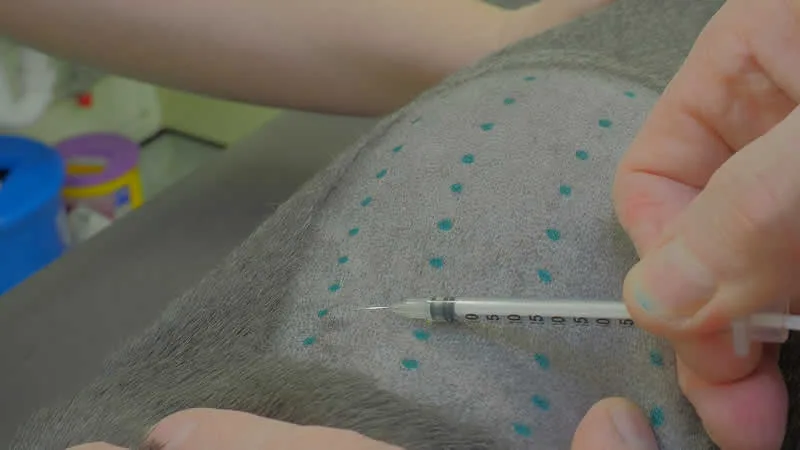
- Allergy testing. Once other causes are ruled out, the vet may recommend intradermal skin testing (small amounts of allergens injected into the skin under sedation) or a serum IgE blood test. These identify exactly which grasses, trees, or molds your dog reacts to. Results guide immunotherapy and seasonal planning.
The whole workup can take a few months, especially with a food trial. That's normal. Rushing past these steps is the most common reason allergy treatment fails.
When You Need a Vet vs. When You Can Manage at Home
Not every itchy dog needs a same-day appointment. The trick is knowing which signs mean "try home care first" and which ones mean "get in today."
You can usually start at-home management if your dog has:
- Mild seasonal itching that started within the last few days
- No open wounds, pus, or strong odor from the skin
- Normal energy and appetite
- No history of sudden facial swelling or hives
Call the vet soon (within a day or two) if you notice:
- Constant scratching that interrupts sleep
- Red, angry patches spreading fast
- Hot spots, oozing sores, or crusty skin
- Repeated head shaking or smelly ears
- Hair loss in clumps
Treat it as urgent if you see:
- Facial swelling, hives, or sudden vomiting after being outside (possible anaphylaxis, rare but real)
- A hotspot that doubles in size within hours
- Lethargy, fever, or refusal to eat
Anaphylaxis from grass exposure is uncommon, but it's the one scenario where minutes matter. If your dog's face swells or breathing changes after outdoor time, head to an emergency clinic right away. For everything else, the layered approach below covers the bulk of grass allergy cases.
Antihistamines for Dogs: What Works, What Doesn't, and What's Safe
Antihistamines are the first thing most owners try, and for good reason. They're cheap, available over the counter, and safe in many dogs. The catch is that they often disappoint.
Aggregate reviews of canine allergy research show that antihistamines alone help only about 10 to 30 percent of dogs with environmental allergies. They work best before symptoms start, used as a daily preventive during pollen season, rather than as a rescue drug once itching is in full swing.
Here's the practical picture:
| Antihistamine | Common dog dose | Notes |
|---|---|---|
| Diphenhydramine (Benadryl) | 1 mg per lb, every 8 to 12 hours | Sedation is the main side effect; less effective than newer options |
| Cetirizine (Zyrtec) | 0.5 mg per lb, once daily | Less sedating; useful for dogs that get drowsy on Benadryl |
| Loratadine (Claritin) | 0.25 mg per lb, once daily | Non-drowsy option; works for some dogs, useless for others |
| Hydroxyzine | Prescription only | Stronger, often used when OTC options fail |
Never use combination cold or flu products. The "D" versions (like Benadryl-D) contain pseudoephedrine, which is toxic to dogs. And never dose by guessing.
Your vet can calculate the right milligram amount for your dog's weight, which matters more than the pill size on the box.
If antihistamines alone aren't doing enough, that's not failure on your part. It simply means the allergic inflammation in your dog's skin needs a stronger tool, which is where prescription meds come in.
Apoquel and Cytopoint: How Prescription Allergy Drugs Fit In
When antihistamines don't cut it, two prescription options dominate modern canine allergy care. Apoquel (oclacitinib) is a daily oral tablet that blocks itch signaling at the JAK1 enzyme. Cytopoint (lokivetmab) is an injectable antibody given at the vet every 4 to 8 weeks that neutralizes a key itch cytokine called interleukin-31.
The choice between them usually comes down to your dog's personality and your schedule. Apoquel works fast, often within hours, and gives you daily control you can adjust. Cytopoint is great for dogs that fight pills or have sensitive stomachs.
Aggregate clinical reviews suggest both reduce itch scores by more than 50 percent in the majority of treated dogs.
Neither is a cure. Both manage the immune response while you address the underlying triggers. Many dogs end up on one or the other for years, often combined with topical care and immunotherapy during flare seasons.
Topical Treatments That Actually Help (Wipes, Mousses, Medicated Baths)
Topicals are the underrated half of grass allergy care. They remove allergens from the coat, restore the skin barrier, and treat low-grade infections that fuel the itch cycle.
The three main formats each have a role:
- Medicated wipes: Chlorhexidine or acetic acid wipes on paws and belly after walks physically remove pollen before it absorbs. Quick, easy, and surprisingly effective.
- Mousses: Leave-in products with chlorhexidine, miconazole, or both. Good for dogs that hate baths. Apply between baths on days when itching spikes.
- Medicated shampoos: Oatmeal and chlorhexidine blends are the workhorses. Manufacturer specs typically call for a 10 to 15 minute contact time, so don't rinse early. Baths every 1 to 2 weeks during flare season keep yeast and bacteria under control.
Skip human dandruff shampoos. They often contain zinc or salicylic acid concentrations that aren't safe for dogs. Stick to products labeled for canine skin, or ask your vet for a prescription shampoo matched to your dog's specific skin findings.
Allergen-Specific Immunotherapy: How Allergy Shots and Drops Work
Immunotherapy is the only treatment that retrains the immune system instead of just blocking its signals. A vet mixes a custom serum based on your dog's allergy test results, exposing them to tiny, controlled amounts of the offending pollens. Over months, the body learns to stop overreacting.
There are two delivery formats:
- Subcutaneous injections: Given at home or at the vet, starting with a low dose that ramps up. Most dogs reach a maintenance dose within a few months.
- Sublingual drops: Squirted under the tongue daily. Easier for owners who don't want to inject, though the evidence base in dogs is still growing.
Per published outcomes in Veterinary Dermatology, roughly 60 to 80 percent of dogs on immunotherapy show meaningful improvement, and many can reduce or stop other medications over time. The catch is patience. Full effect typically takes 6 to 12 months, so immunotherapy is a long game, not a quick fix.
Dogs with severe flares often pair it with Apoquel or Cytopoint during the first year while the immune system is recalibrating.
Step-by-Step Home Management Plan for Grass Allergy Dogs
Here's the day-to-day routine our research shows works best for most dogs with confirmed grass allergies. Adjust it to your dog's severity, but use it as a starting framework.
- Wipe paws, belly, and groin with a chlorhexidine or acetic acid wipe after every outdoor session. Pollen sitting on the coat is the easiest trigger to remove.
- Bathe with a medicated shampoo every 7 to 14 days during peak pollen season. Stick to the 10 to 15 minute contact time.
- Run your vet-prescribed medication on schedule, whether that's daily Apoquel or periodic Cytopoint injections.
- Brush the coat daily during flare season to lift pollen out before it reaches the skin.
- Wash bedding weekly in hot water to keep indoor allergen load low.
- Keep grass cut short in your yard. Shorter grass releases less pollen.
- Time walks for early morning or after rain, when pollen counts drop.
- Consider immunotherapy as a long-term add-on if flares return every year.
Consistency matters more than perfection. Skipping wipes for a week during peak season usually shows up as a flare within days.
Mistakes Owners Make That Make Grass Allergies Worse
A few recurring habits undermine otherwise good treatment plans. Watch for these:
- Over-bathing, which strips the skin barrier and actually increases allergen penetration. Twice a week is plenty, even during flares.
- Stopping meds the moment itching improves. Apoquel and Cytopoint work as long as you give them. Going off mid-season almost guarantees a rebound.
- Using hydrocortisone cream from the human medicine cabinet. Dogs lick it off, which can cause hormonal side effects and skin thinning.
- Skipping flea control because "I never see fleas." Flea allergy is the most common co-conspirator with grass allergy. Per the Merck Veterinary Manual, consistent year-round flea prevention is standard for any atopic dog.
- Feeding table scraps during a food trial. A single bite of flavored treat can invalidate weeks of diagnostic work.
Costs, Pricing, and What to Budget for Long-Term Allergy Care
Budget roughly $150 to $300 for allergy testing, $50 to $100 per month for Apoquel, and $200 to $500 per year for immunotherapy serum plus injections.
Seasonal Timing: Pollen Calendars and Flare Windows by U.S. Region
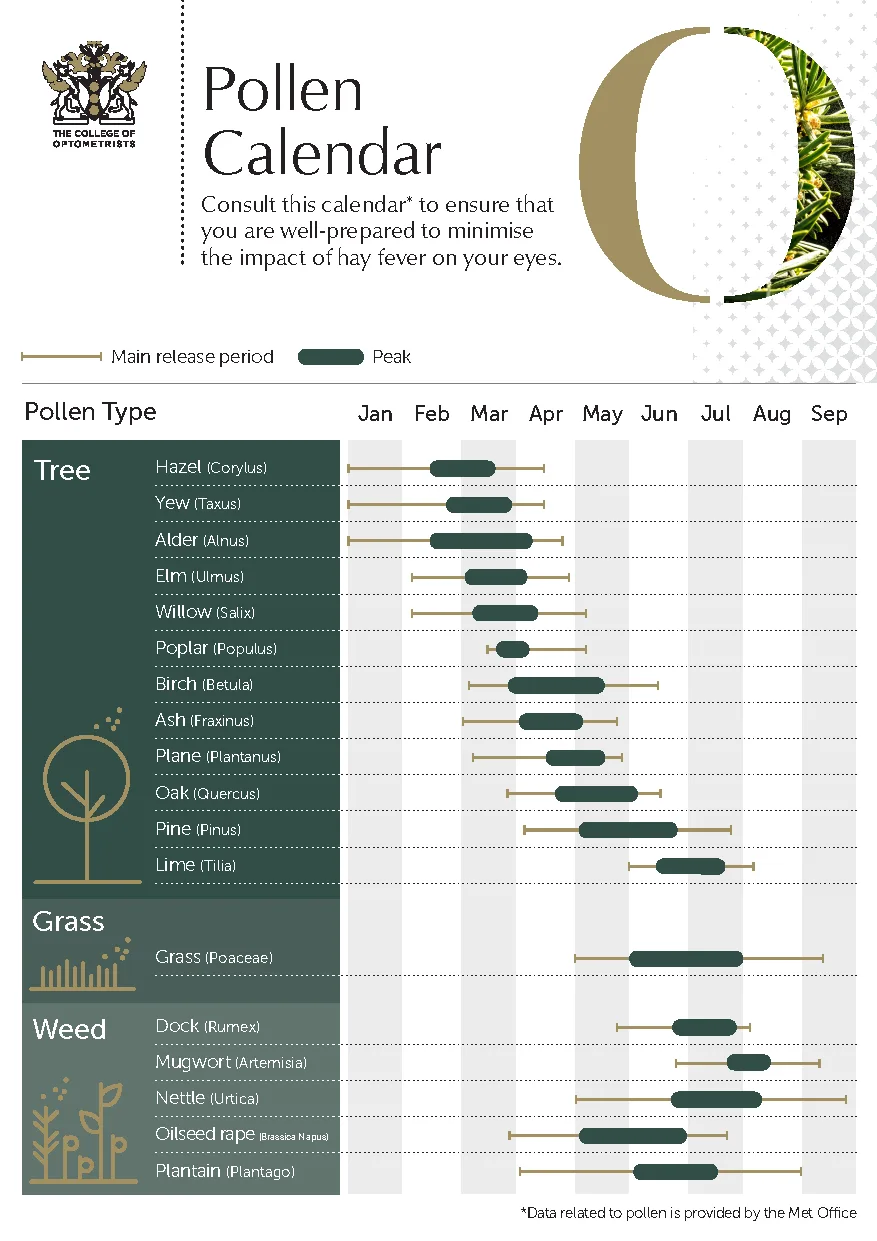
Grass pollen peaks differ sharply by region. The Southeast deals with Bermuda grass from March through October, the Midwest sees Timothy and bluegrass spikes in May and June, and the Southwest battles Johnson grass into late summer. Check local pollen counts weekly and start meds a few weeks before your region's peak.
Breeds and Life Stages Most Prone to Grass Allergies
French Bulldogs, Westies, Golden Retrievers, Boxers, and German Shepherds top the atopy risk list. Symptoms usually show between 6 months and 3 years of age.
Safety Warnings: Human Meds, Steroid Creams, and What to Never Use
Never apply over-the-counter hydrocortisone cream meant for humans without vet guidance. Dogs lick it off, risking hormonal side effects and skin thinning. Avoid combination cold medicines containing pseudoephedrine, which is toxic.
Real Scenarios: Mild Seasonal Flare, Chronic Atopic Dog, and Multi-Dog Household
A mild seasonal case typically responds to wipes, weekly baths, and an OTC antihistamine within two weeks. A chronic atopic dog usually needs year-round Apoquel or Cytopoint plus immunotherapy. In multi-dog homes, treating every animal for fleas is non-negotiable, since one untreated pet can keep the allergic dog's flare going.
The Verified Summary: A Smart, Safe Plan for Your Dog
Effective grass allergy care rests on three pillars. Rule out fleas, food, and infections first. Then layer prescription meds with consistent topical and environmental control.
Finally, plan around your region's pollen calendar and consider immunotherapy if flares return every year. With that structure, most dogs go from miserable to comfortable within a single season.
Frequently Asked Questions
Can a dog suddenly develop a grass allergy?
Yes. Most atopic dogs first show symptoms between 6 months and 3 years, but a sudden immune shift can happen at any age, especially after a high-exposure event.
How long does a grass allergy flare last?
Without treatment, symptoms can persist for the entire 6 to 8 month pollen season. With consistent meds and topical care, most flares settle within 2 to 4 weeks.
Is there a cure for grass allergies in dogs?
No permanent cure exists, but allergen-specific immunotherapy can produce long-term remission in many dogs and reduce medication needs over time.
Are grass allergies the same as seasonal allergies?
Grass allergies are a subtype of seasonal allergies. Dogs can also react to tree pollen, weed pollen, and mold spores, which often appear at different times of year.
Can I give my dog Benadryl for grass allergies?
Often yes, at 1 mg per pound every 8 to 12 hours, but check with your vet first. Plain diphenhydramine only is safe. Avoid combination products.
Does bathing a dog help with grass allergies?
Yes. Medicated baths every 7 to 14 days physically remove pollen and lower bacterial and yeast load on the skin.