How do i know my dog has allergies: Easy guide
If you've ever watched your dog scratch nonstop and wondered "is this normal or am I missing something," you're not alone. Asking how do i know my dog has allergies is one of the most common concerns dog owners bring up with vets, and for good reason. Roughly 10, 15% of dogs develop some form of allergic condition during their lifetime, and the symptoms often look like simple itchiness until they escalate into skin damage, ear infections, or hot spots.
The tricky part? Allergies in dogs don't announce themselves with a single obvious sign. They show up as scratching, licking, recurring ear gunk, red paws, or digestive issues, and the same symptom can come from three very different root causes.
As of 2026, veterinary dermatologists still rely on a layered approach (history, exam, parasite rule-out, diet trial, and testing) to land on the right answer. Below, we'll walk through how to spot the signs, sort out which type of allergy you're dealing with, and know when it's time to call your vet.
Quick Answer
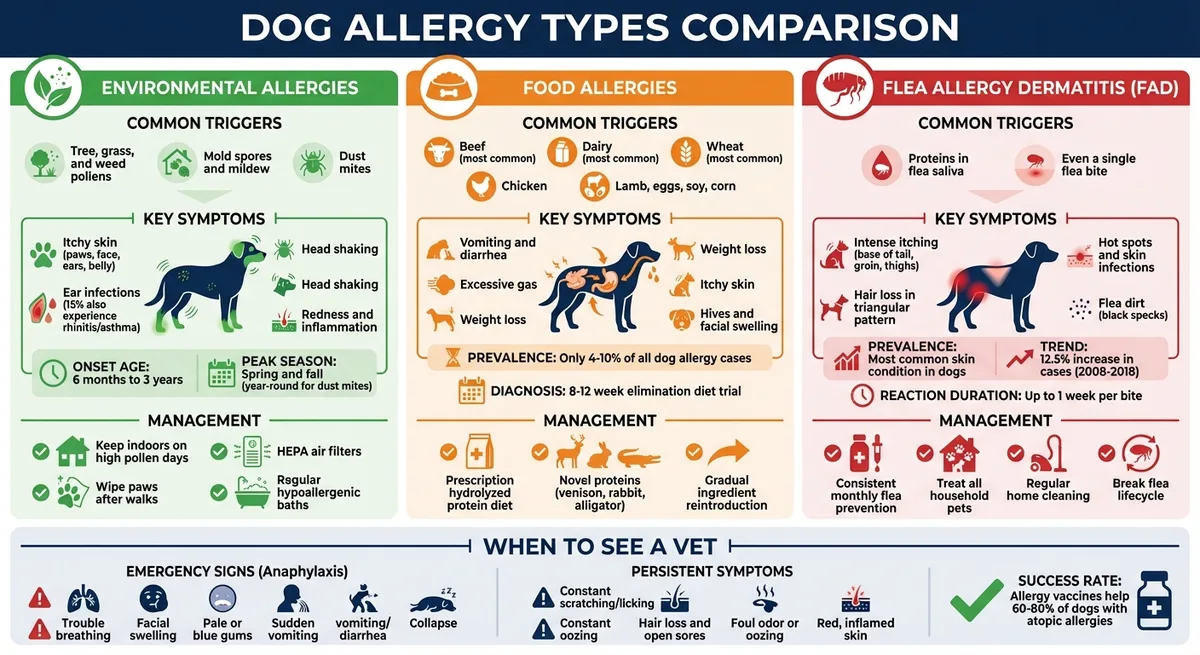
The clearest signs your dog has allergies are persistent scratching, paw licking, ear rubbing, red or inflamed skin, and recurring ear infections. Symptoms usually start between 6 months and 3 years of age. Allergies fall into three main categories: flea, environmental, and food.
A vet diagnosis requires ruling out parasites first. Diet trials take 8 to 12 weeks. Blood or skin testing pinpoints environmental triggers.
Why Getting This Right Matters for Your Dog
Allergies aren't just an itch problem. Left unmanaged, the chronic inflammation breaks down the skin barrier, opens the door to bacterial and yeast infections, and turns a manageable issue into a long, expensive medical journey. A dog with undiagnosed food allergies may end up on round after round of antibiotics for ear infections that keep coming back because nobody addressed the root cause.
There's also a quality-of-life side that matters just as much. A dog who's up all night scratching isn't sleeping. A dog who's constantly licking their paws isn't comfortable in their own body.
Owners often describe their allergic dog as "restless" or "always chewing on themselves," and once the allergy is treated, they see a completely different temperament.
The other reason accuracy matters: treatment looks very different depending on the allergy type. Steroids help environmental allergies but do nothing for a food sensitivity. A flea prevention plan resolves flea allergy dermatitis (FAD) but won't touch pollen.
Treating the wrong thing wastes months and money, and in some cases makes the dog worse. Getting the diagnosis right the first time is the single biggest factor in how fast your dog finds relief.
The Three Main Types of Dog Allergies (And How They Differ)
Most allergic conditions in dogs fit into one of three buckets, and knowing which bucket your dog falls into is half the battle.
Flea Allergy Dermatitis (FAD)
This is the most common allergy in dogs, and it's caused by a reaction to flea saliva, not the fleas themselves. A single flea bite can trigger weeks of itching in a sensitive dog, which is why FAD shows up even in well-groomed, indoor-only pets. In warm or humid climates, FAD accounts for roughly 50% of allergy cases seen by vets.
The classic pattern is intense scratching at the lower back, tail base, and hind legs. You'll often see hair loss in those areas, sometimes called "flea dirt" (actually flea feces) along the lower back, and red, irritated skin that can quickly become infected.
Environmental Allergies (Atopic Dermatitis)
These are reactions to airborne or contact allergens like pollen, dust mites, mold spores, and grass. Symptoms are usually seasonal at first, flaring up in spring or fall when certain pollens peak, though some dogs become year-round sufferers as more triggers stack up.
The itch tends to concentrate on the paws, face, ears, belly, and groin. Dogs with atopic dermatitis often lick their paws obsessively (you'll notice pink or rust-colored staining on white fur), rub their face on carpets, and develop recurrent ear infections that flare alongside the skin symptoms.
Food Allergies and Food Intolerance
True food allergies involve an immune response, usually to a protein source like beef, chicken, dairy, or eggs. Food intolerance is a digestive issue without the immune component, and the symptoms look different: vomiting, diarrhea, gas, or soft stools rather than skin issues (though both can coexist).
Food allergies in dogs are actually less common than people think. Per the Merck Veterinary Manual, food hypersensitivity accounts for roughly 10% of allergic skin disease in dogs. The biggest clue is a year-round, non-seasonal pattern that doesn't respond to flea control or steroids, often paired with digestive signs.
Most Common Allergy Symptoms in Dogs
Symptoms can overlap heavily between allergy types, which is why pattern recognition (when, where, and how often) matters more than any single sign. Here's what to watch for.
Skin and Coat Signs
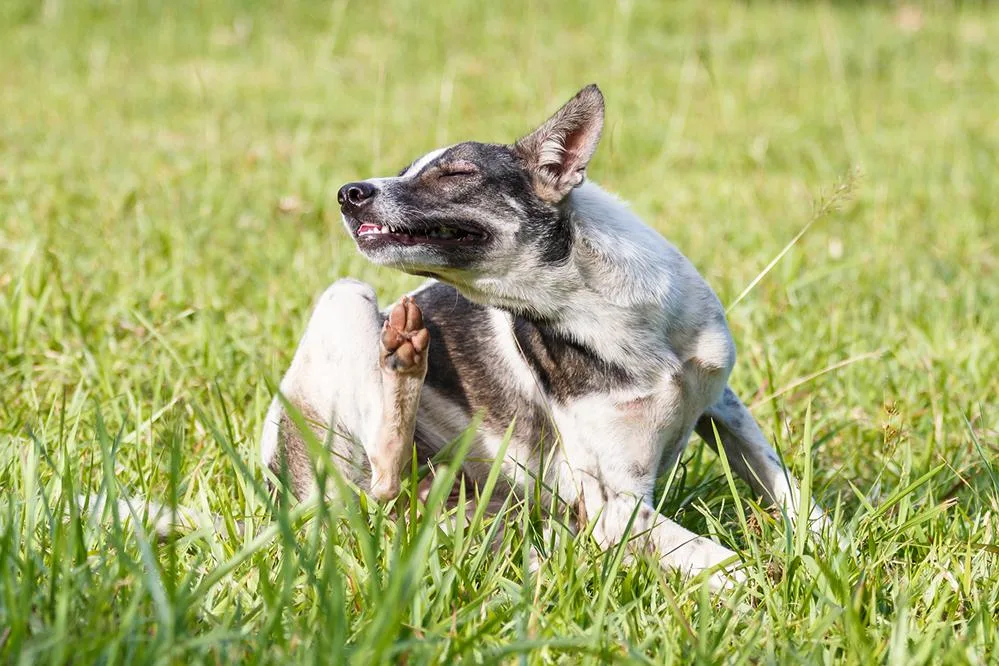
- Persistent scratching, licking, chewing, or biting at the skin
- Red, inflamed, or darkened patches (especially belly, groin, armpits)
- Hair loss or thinning coat
- Hot spots (acute moist dermatitis), which are raw, painful, oozing lesions
- Recurring skin infections (bacterial or yeast)
Ear Signs
- Head shaking or tilting
- Frequent scratching at the ears
- Brown, yellow, or waxy discharge
- Recurrent ear infections (more than 2, 3 per year is a red flag for underlying allergy)
Paw and Face Signs
- Constant paw licking or chewing, often with rust-colored saliva staining
- Rubbing the face on furniture, carpet, or the floor
- Redness between toes or on paw pads
Digestive Signs (more common with food-related issues)
- Chronic soft stool or diarrhea
- Increased gas
- Vomiting shortly after meals
- Poor coat condition despite good diet
Behavioral Clues
A lot of owners notice behavioral shifts before they spot the physical signs. Allergic dogs are often restless, irritable, less playful, and slow to settle at night. If your dog used to sleep soundly and now paces, scratches, and shifts constantly, allergy discomfort is worth ruling out.
If your dog is showing any combination of the above, especially with a seasonal pattern or recurring ear issues, it's time to dig deeper. The American Veterinary Medical Association recommends scheduling an exam within a week of noticing persistent symptoms to prevent secondary infections from setting in.
How to Tell If It's Flea Allergy vs. Environmental vs. Food
This is where most owners get stuck, because the symptoms genuinely do overlap. The trick is to look at three variables: timing, location on the body, and response to basic interventions.
A Quick Pattern-Matching Guide
| Clue | Likely Flea Allergy | Likely Environmental | Likely Food Allergy |
|---|---|---|---|
| Seasonality | Year-round, worse in warm months | Spring/fall flares or year-round in warm climates | Year-round, no seasonal shift |
| Primary itch location | Lower back, tail base, thighs | Paws, face, ears, belly, groin | Ears, rear, paws, sometimes full body |
| Response to flea control | Major improvement in 4–8 weeks | Little or no change | Little or no change |
| Digestive signs | Rare | Rare | Common (soft stool, gas) |
| Ear infections | Sometimes | Very common | Sometimes |
| Age of onset | Any age | 6 months to 3 years typical | Any age, often under 1 year |
How Vets Narrow It Down
The first move is almost always parasite rule-out. Even if you've never seen a flea, your vet will likely recommend a strict flea prevention protocol for 8, 12 weeks because one missed bite can keep a sensitive dog itching. Products like prescription-strength flea preventives (topical or oral) are used, not over-the-counter options which often fail.
If itching persists despite good flea control, the next branch depends on the pattern. Seasonal symptoms push toward environmental allergy testing (blood serum IgE test or intradermal skin testing). Year-round, non-seasonal symptoms with digestive signs push toward a food elimination trial, which we'll cover in detail in the next section.
A common mistake is jumping straight to allergy blood tests before ruling out fleas or food. Blood tests for environmental allergens are far more reliable once fleas and food are out of the picture. Skipping steps leads to false positives and treatment plans that miss the actual trigger.
Breeds Most Prone to Allergies
While any dog can develop allergies, certain breeds show higher predisposition in veterinary studies. If your dog is on this list, it's worth being proactive about watching for early signs.
- Retrievers (Golden and Labrador): High rates of atopic dermatitis, often starting before age 2
- Bulldogs (English and French): Prone to skin fold dermatitis and environmental allergies
- Terriers (West Highland White, Yorkshire, Bull): Classic "atopic breed," frequent skin and ear issues
- Boxers: Susceptible to both food and environmental allergies, plus mast cell tumors that can mimic allergic lesions
- Shar-Peis: Skin fold infections and high allergy rates
- Dalmatians, Vizslas, Basset Hounds, German Shepherds: Above-average rates of allergic skin disease
Breed isn't destiny, though. Mixed-breed dogs develop allergies at meaningful rates too, and the only way to confirm is through proper workup.
What a Vet Will Actually Do During the Exam
The first vet visit for suspected allergies is more of a detective session than a treatment appointment. Expect the appointment to run longer than a standard checkup, often 30 to 45 minutes, because history matters as much as the physical exam.
Your vet will ask pointed questions about when symptoms started, whether they're seasonal, what the dog eats, what flea prevention is in use, and whether any specific activities or environments make things worse. Bring notes if you can: even rough symptom logs from your phone help a lot.
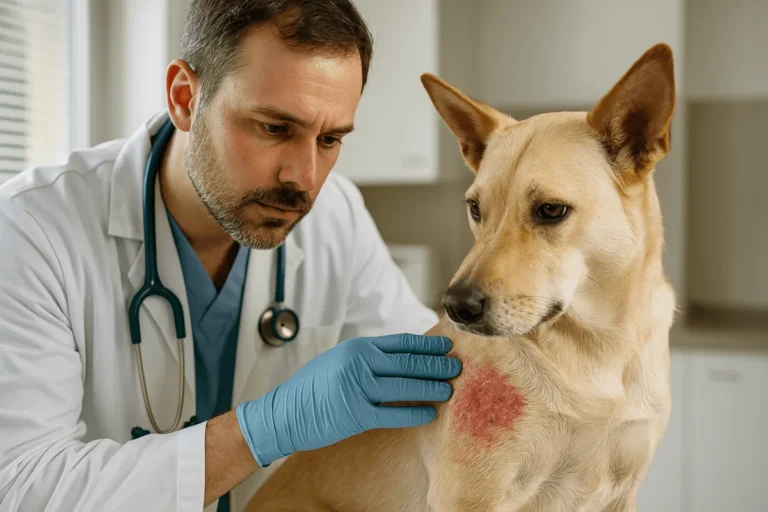
The physical exam typically includes a skin scrape to rule out mites (like Sarcoptes), a flea comb pass to check for flea dirt, and a close look at the ears. Many vets also do cytology on the skin or ears to check for secondary yeast or bacterial infections. These are quick, inexpensive tests that change the treatment plan dramatically if positive.
Blood work may be run to rule out thyroid or other metabolic causes of skin issues, especially in middle-aged dogs where allergies can mimic other conditions. According to the American College of Veterinary Dermatology, a complete workup at the first visit saves months of trial-and-error later. Don't be surprised if your vet says "let's do a thorough baseline now" rather than jumping to allergy medications.
The Elimination Diet: How It Works and Why Vets Trust It
The elimination diet trial is the gold standard for diagnosing food allergies in dogs. It's also the most misunderstood piece of advice owners receive, because it requires real commitment.
How the Trial Works
Your vet will pick a single novel protein and single novel carbohydrate the dog has never eaten before. Common choices include venison and sweet potato, rabbit and pea, or duck and potato. The dog eats only this food for 8 to 12 weeks.
No treats, no table scraps, no flavored medications, no dental chews.
The trial fails when anything besides the prescribed food enters the dog's mouth. That means other household pets can't share food bowls with this dog, and you'll need to wash your hands if you handle other pets' food before touching your dog.
Why 8 to 12 Weeks?
Food allergens take a long time to clear from the body and for skin to reset. Most dogs show improvement by week 6, but some need the full 12 weeks for symptoms to fully resolve. Stopping early because "it's not working yet" is the most common trial mistake.
Reading the Results
If symptoms significantly improve by the end of the trial, the next step is the "challenge phase": reintroducing old foods one at a time to identify the specific trigger. A flare within 1 to 2 weeks of reintroducing chicken, for example, confirms chicken as the culprit.
The elimination diet is tedious, but it's the only reliable food allergy test. Blood tests and saliva tests marketed for food allergies consistently underperform in peer-reviewed studies. If your vet suggests a diet trial, take it seriously.
The discipline pays off.
Blood Testing vs. Intradermal Skin Testing: Which Is Better?
Once fleas and food are ruled out, environmental allergy is the likely culprit. To target treatment, your vet (or a veterinary dermatologist) needs to identify which allergens are involved. Two main approaches exist.
Blood Serum IgE Testing
A blood sample is analyzed for allergen-specific antibodies. It's quick, doesn't require sedation or shaving, and is widely available through general practice vets.
Intradermal Skin Testing
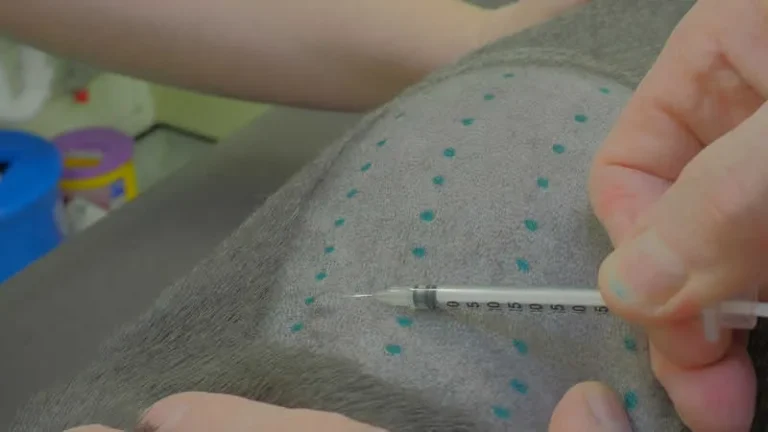
Small amounts of suspected allergens are injected into the dog's skin (usually on the side of the chest, which is shaved). A positive reaction shows as a raised wheal at the injection site. The dog is sedated for this procedure.
Which Is Better?
Veterinary dermatologists generally consider intradermal testing the gold standard for environmental allergies because it shows the actual skin reaction, not just circulating antibodies. Blood tests can show false positives (the dog has antibodies but no symptoms) and false negatives.
That said, blood testing has real advantages. It's easier to access, requires no sedation, and works for dogs who can't be off steroids for the required washout period before skin testing. For many owners, blood testing is the practical first step, with skin testing reserved for refractory cases or dogs heading toward immunotherapy.
A Note on Saliva and Hair Tests
Walk away from any company offering saliva or hair-based food or environmental allergy testing for dogs. The AVMA and ACVD have both published position statements noting these tests are unvalidated and can produce misleading results. Stick with blood, skin, or dietary methods.
Treatment Options Explained: Apoquel, Cytopoint, Steroids, and Immunotherapy
Once the diagnosis is set, treatment falls into a few main categories. Your vet will pick based on allergy type, severity, and the dog's overall health.
Apoquel (oclacitinib)
A daily or twice-daily oral tablet that blocks the itch signal at the JAK1 enzyme level. Works within 4 hours and is now the first-line treatment for many atopic dogs. Manufacturer specifications indicate a starting dose of 0.4 to 0.6 mg/kg twice daily for 14 days, then once daily for maintenance.
Most dogs tolerate it well long-term, though periodic bloodwork is recommended.
Cytopoint (lokivetmab)
An injectable monoclonal antibody given every 4 to 8 weeks at the vet clinic. It neutralizes interleukin-31, the main itch-triggering cytokine in dogs. Great option for owners who can't give daily pills.
Per Zoetis published data, roughly 80% of dogs show meaningful itch reduction within a day of the first injection.
Steroids (prednisone, etc.)
Still used for short-term flare control because they're fast and cheap. Not ideal for long-term use due to side effects: increased thirst, hunger, panting, and over time, potential liver or adrenal effects. Best reserved for acute flares while a longer-term plan kicks in.
Allergen-Specific Immunotherapy (ASIT)
Based on the results of skin or blood testing, a custom serum is formulated with the dog's specific allergens. Given as subcutaneous injections at gradually increasing doses, or sometimes as oral drops. Average improvement takes 3 to 12 months.
ASIT is the only treatment that addresses the underlying immune response rather than masking symptoms, and roughly 60 to 80% of dogs respond well per published veterinary studies.
Which Treatment Is Right for Your Dog?
| Option | Best For | Onset | Maintenance |
|---|---|---|---|
| Apoquel | Year-round environmental allergies, fast relief needed | 4 hours | Daily pill |
| Cytopoint | Dogs who hate pills, owners wanting fewer daily meds | 1 day | Injection every 4-8 weeks |
| Steroids | Short-term flare, budget constraints | Hours | Short course |
| Immunotherapy | Long-term allergy modification, young dogs | Months | Injections or oral drops |
Most atopic dogs end up on Apoquel or Cytopoint for immediate relief, with immunotherapy layered in for the long game.
Mistakes Owners Make When Trying to Figure It Out at Home
A few missteps come up so often they're worth calling out clearly. These can cost weeks or months of progress.
Switching Foods Repeatedly Without a True Trial
Rotating through multiple "hypoallergenic" foods without sticking to one for 8 to 12 weeks resets the clock every time. If you suspect food allergy, commit to a single novel protein trial under vet guidance.
Using Over-the-Counter Allergy Meds Without Vet Input
Antihistamines like Benadryl help only a small percentage of allergic dogs, and the dosing is weight-specific. Worse, many OTC cold meds contain pseudoephedrine or acetaminophen, both toxic to dogs.
Skipping Flea Prevention Because "I Never See Fleas"
Flea allergy dermatitis is triggered by a single bite. Even indoor-only dogs in flea-controlled homes can get bitten by hitchhiker fleas. Prescription flea control (like Bravecto, NexGard, or Simparica) for all pets in the household is non-negotiable during a workup.
Bathing Too Often or With the Wrong Shampoo
Frequent baths with harsh shampoos strip the skin barrier and make itching worse. If you're bathing an allergic dog, use a gentle, soap-free or oatmeal-based shampoo and limit baths to once a week or less unless your vet says otherwise.
Treating the Ear Infection Without Treating the Allergy
Recurring ear infections are almost always a symptom of an underlying allergy. Treating the infection alone means it'll come back in 4 to 8 weeks. The allergy is the real problem, and it needs a plan.
Waiting Too Long to See the Vet
Owners often wait 6 to 12 months hoping the itching will "go away on its own." It rarely does. The longer you wait, the more secondary infections set in, and the longer the eventual recovery takes.
Red Flags That Mean You Should See a Vet Sooner
Some symptoms shift from "schedule an appointment" to "go in this week." Here's when to escalate.
Emergency-Level Signs
- Facial swelling, hives, or sudden whole-body itching after a new food, medication, or bee sting (possible anaphylaxis)
- Difficulty breathing or collapse
- Severe vomiting or bloody diarrhea alongside skin symptoms
- Open wounds, hot spots spreading rapidly, or skin that feels hot and wet to the touch
Schedule-Within-Days Signs
- Ear infections that smell bad or produce dark discharge
- Hot spots forming or hair falling out in clumps
- Paws so inflamed the dog is limping
- Constant scratching that interrupts sleep or eating
- Skin that looks thickened, leathery, or hyperpigmented
If your dog is a puppy under 6 months and showing intense itching, get them seen quickly. Puppies rarely have classic environmental allergies at that age, and other conditions (mites, fungal infections) need to be ruled out before assuming allergy.
Tracking Symptoms at Home: A Simple Log That Helps Your Vet
A symptom log turns a vague "she's been itchy" into actionable data. Your vet will thank you, and you'll spot patterns you didn't notice.
What to Track
- Date and time of scratching episodes, especially at night
- Body locations scratched (front paws, ears, belly, etc.)
- Recent food, treats, or new environments
- Weather and pollen conditions if you can check
- Ear or skin discharge changes
- Stool quality if food allergy is suspected
- Any medications or preventives given
Tools That Help
A simple notebook works. A notes app on your phone works better, especially with photos. Take a quick picture of any rashes, ear discharge, or paw staining on the worst days.
Skin changes are easier to compare side by side when you can see them.
Most owners who keep a 2-week log walk into the vet visit with a clear pattern and walk out with a focused plan. It's the single highest-ROI thing you can do before the appointment.
Long-Term Management: Keeping Allergies Under Control
Allergy management is a marathon, not a sprint. Once the diagnosis is locked in, the goal is to keep symptoms at a manageable level rather than chasing a permanent cure.
Build a Daily Routine
Most allergic dogs do best on a predictable routine: prescription flea prevention year-round, consistent diet (or hypoallergenic diet if applicable), regular baths with the right shampoo, and daily meds or scheduled injections as prescribed.
Adjust Seasonally
For environmental allergies, pre-treat before the bad season. Many vets bump Apoquel up or add Cytopoint injections a few weeks before spring pollen hits, based on the dog's prior history.
Watch for Secondary Infections
Allergic dogs are more prone to skin and ear infections, especially during flares. Check ears weekly. Sniff your dog's skin.
If you notice a sweet or yeasty smell, or if ears go from clean to gunky fast, call your vet before it explodes into a full infection.
Recheck Regularly
Plan on at least twice-yearly vet visits for an allergic dog, more often during diagnosis. Bloodwork every 6 to 12 months is common for dogs on long-term Apoquel or steroids. Adjustments to the plan are normal as the dog ages or new triggers develop.
The good news: well-managed allergic dogs live completely normal, happy lives. They hike, swim, sleep through the night, and play like any other dog. The work is real, but the payoff is a dog who isn't suffering anymore.
Frequently Asked Questions
How long does it take for dog allergy symptoms to show up?
Environmental allergies usually appear between 6 months and 3 years of age, though they can develop later. Food allergies can show up at any age, but most dogs show signs within the first year of eating the offending protein. Flea allergy dermatitis can develop at any age after a dog is exposed to fleas.
Can I give my dog Benadryl for allergies?
Benadryl (diphenhydramine) is sometimes used in dogs, but only under veterinary guidance. The dose is very different from humans, and some formulations contain pseudoephedrine, which is toxic to dogs. Never give an over-the-counter antihistamine without checking with your vet first.
Are dog allergy tests accurate?
Blood serum allergy tests for environmental allergens are reasonably reliable when used after fleas and food are ruled out. Intradermal skin testing (performed by a veterinary dermatologist) is considered the gold standard for environmental allergies. Food allergy blood tests are widely considered unreliable; an elimination diet is the only trustworthy method for diagnosing food allergies.
What does a flea allergy look like on a dog?
The hallmark is intense scratching and hair loss at the lower back, tail base, and rear thighs. You may see small red bumps, crusty patches, and "flea dirt" (tiny black specks that turn red when wet). Even a single flea bite can trigger weeks of itching in a flea-allergic dog, so the absence of visible fleas doesn't rule it out.
When should I take my dog to the vet for allergies?
Schedule a vet visit within a week if you notice persistent scratching, paw licking, face rubbing, or recurring ear issues. Go sooner if you see open sores, hot spots, foul-smelling ears, or any sudden swelling, as these can indicate secondary infection or a more serious condition. Puppies under 6 months with sudden itching should also be seen promptly.
Will my dog's allergies ever go away?
Allergies are managed, not cured. Most allergic dogs need lifelong management, though the intensity often lessens with the right combination of flea control, diet, environmental management, and medication. Some puppies outgrow food allergies, but environmental allergies typically persist throughout life.
Your Next Step: What to Do Tonight if You Suspect Allergies
If you've gotten this far and you're seeing the signs, here's a tight action plan for the next 24 to 48 hours.
- Start a symptom log today. Note itch locations, time of day, and any recent food or environment changes.
- Check your dog for fleas and flea dirt, especially along the lower back and tail base.
- Put every pet in the household on prescription flea prevention if they aren't already.
- Don't start any new food, supplement, or over-the-counter antihistamine without vet input.
- Schedule a vet visit within the next week if symptoms have lasted more than a few days.
- Take photos of any rashes, ear discharge, or paw staining to bring to the appointment.
The diagnosis will take a few weeks of work, but most dogs feel meaningfully better within 30 to 60 days once the right plan is in place. Stick with the process, partner with your vet, and your dog will get back to being a dog instead of a scratching machine.