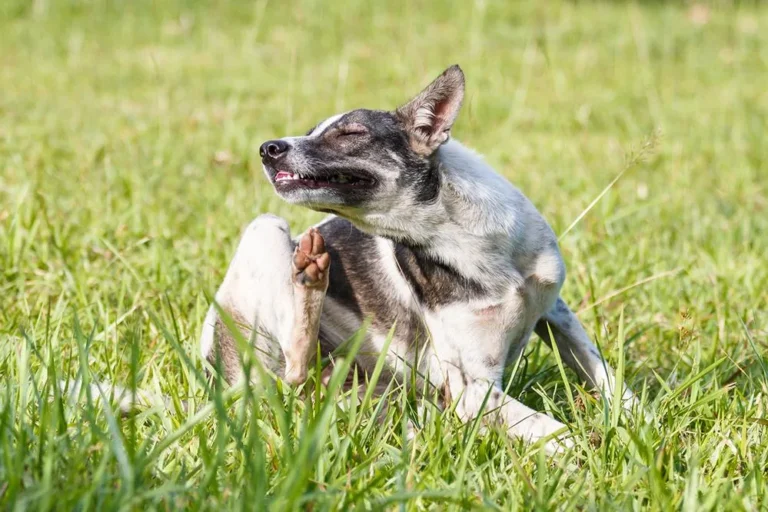
How to treat dog skin allergies: Best Guide
If your dog won't stop scratching, chewing, or licking, you've probably already typed "how to treat dog skin allergies" into a search bar at 2 a.m. with a half-bald Golden Retriever staring up at you. The good news: most allergic skin disease in dogs is manageable once you know the trigger. The bad news: the wrong approach (a random antihistamine, a "hypoallergenic" shampoo off Amazon, or waiting it out) usually makes things worse, fast.
Roughly 10 to 15% of dogs develop atopic dermatitis in their lifetime, and many more deal with flea or food-related skin issues. The Merck Veterinary Manual notes that accurate diagnosis is the single biggest predictor of treatment success, which is why the next few sections walk you through what actually works, what to skip, and when to stop Googling and call your vet.
Quick Answer
Treat dog skin allergies by getting a vet diagnosis first. Then control fleas, run a strict 8 to 12 week elimination diet if food is suspected, and use prescription medications like Apoquel or Cytopoint for itch relief. Add omega-3s, hypoallergenic bathing, and trigger management.
Severe cases may need allergen-specific immunotherapy.
Why Treating Dog Skin Allergies Demands a Real Plan (Not Just Quick Fixes)
Allergies in dogs are not a single problem. They're a category of conditions, and each one needs its own approach. Treating the wrong thing (or treating the right thing wrong) wastes weeks, costs hundreds in ineffective products, and lets secondary infections take hold.
Here's what you need to know up front: the most common reason "treatments" fail isn't that the medicine is bad. It's that the diagnosis was incomplete. A dog with chronic ear infections, a yeasty smell between the toes, and a red belly might look like it has "allergies," but could also have hypothyroidism, demodectic mange, or a stubborn Staph infection.
Skin issues mimic each other, and guessing is expensive.
A real plan has three pillars: accurate diagnosis, targeted treatment, and long-term management. Skip any one and you're back at square one within a few months. The rest of this guide walks you through each pillar so you can have a real conversation with your vet instead of just nodding along.
The Three Main Types of Dog Skin Allergies (And Why the Difference Matters)
Most itchy-dog cases come down to one of three things. Knowing which category your dog falls into shapes everything that follows, from what tests to ask for to what you'll spend each month.
Flea Allergy Dermatitis: The Overlooked Trigger
Flea allergy dermatitis (FAD) is the single most common allergic skin disease in dogs, and it's also the easiest to miss. Dogs with FAD aren't itchy because they have fleas. They're itchy because they're allergic to flea saliva.
One bite can keep a sensitive dog scratching for two weeks.
The classic signs: intense scratching at the tail base, the back of the thighs, the lower back, and the belly. Hair loss on the rump. Sometimes a hot spot or two.
You might not see a single flea because the dog has groomed them all off, but that doesn't mean they're not there.
Treatment starts with strict flea control for every pet in the house, not just the itchy one. That means a vet-recommended adulticide (oral or topical), environmental treatment for the home, and consistency. Steroids or Apoquel may be needed short-term to break the itch cycle.
Per the American College of Veterinary Dermatology, FAD is the first thing any vet should rule out before moving to allergy testing.
Environmental Allergies (Canine Atopic Dermatitis)
Atopic dermatitis is what most people mean when they say "dog allergies." It's an inherited tendency to react to airborne allergens like pollen, dust mites, and mold. Symptoms usually show up between 6 months and 3 years of age.
The pattern is predictable. A dog with atopic dermatitis scratches the axillae (armpits), groin, paws, ears, and the face. The paws get licked raw.
The ears get gunky. The skin darkens over time from chronic inflammation. Some dogs are seasonal, flaring in spring or fall.
Others are year-round because dust mites and mold never take a holiday.
The picture below shows the typical distribution pattern that helps your vet (and you) recognize atopic dermatitis early.
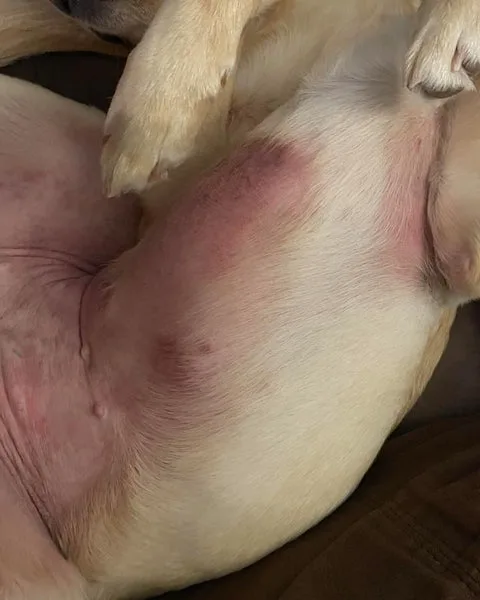
Treatment combines itch control (Apoquel or Cytopoint, more on those below), allergen avoidance where possible, skin barrier support with omega-3s, and often allergen-specific immunotherapy. According to peer-reviewed research in Veterinary Dermatology, immunotherapy is the only treatment that changes the underlying immune response rather than just suppressing symptoms. The Merck Veterinary Manual outlines the standard diagnostic and treatment pathway for atopic dermatitis in dogs.
Food Allergies and Food Intolerance
True food allergies in dogs are less common than people think (most "food allergy" guesses are wrong), but they do happen, and they look a lot like environmental allergies. The key difference: food allergies are non-seasonal. If your dog itches the same in January and July, food is on the shortlist.
The most common culprits are beef, chicken, dairy, and eggs. Grains rarely cause trouble, despite the marketing of "grain-free" diets. Symptoms can include itchy skin, recurring ear infections, hot spots, and sometimes digestive issues like soft stool.
The only reliable way to diagnose a food allergy is a strict elimination diet trial, covered in detail later. Blood tests for food allergies in dogs are notoriously unreliable, and most veterinary dermatologists don't recommend them.
Red Flags That Mean a Vet Visit Today (Not Tomorrow)
Some skin issues are urgent. If you see any of the following, skip the home remedies and get to a vet.
When "Just Itching" Becomes an Emergency
- Open wounds, oozing sores, or rapidly spreading hot spots
- Facial swelling, hives, or sudden vomiting after a new food, treat, or medication
- Difficulty breathing or collapse (this is anaphylaxis, and seconds matter)
- A dog so uncomfortable they stop eating, can't sleep, or are panting constantly
Signs of Secondary Infection You Shouldn't Ignore
Constant scratching breaks the skin barrier. Once that happens, bacteria and yeast move in. A "simple allergy" can become a complex medical problem in days.
Watch for:
- Yellow or green pus, crusting, or a foul smell
- Dark, thickened, or "elephant-like" skin
- Greasy, smelly ears that smell like corn chips
- Red, raw, or rust-colored staining between the toes
These are signs of bacterial pyoderma or a Malassezia yeast overgrowth, both of which need prescription medication. Bathing won't fix it. Antihistamines won't fix it.
Delaying treatment lets the infection spread, and treating the allergy on top of an untreated infection never works.
If your dog is showing any of these signs, that's your cue to book the appointment. Don't wait for it to "calm down on its own."
How a Vet Actually Diagnoses Dog Skin Allergies
Diagnosis isn't a single test. It's a process of elimination, and your vet will follow a fairly standard sequence.
The First Steps: Ruling Out Fleas, Mites, and Infections
The first visit is mostly about ruling out the obvious. Your vet will comb for fleas, do a skin scrape to look for mites (Sarcoptes, Demodex), and likely take a skin cytology sample to check for bacteria or yeast under the microscope. As of 2026, this workup is still the standard of care, and it usually takes less than 30 minutes in the clinic.
If fleas or mites are found, treatment is straightforward and the itching usually resolves within weeks. If an infection is found, antibiotics or antifungal meds are prescribed, and the underlying allergy is addressed once the skin is no longer raw and inflamed.
Allergy Testing: Blood Test vs. Intradermal Skin Test
Once the obvious is ruled out and the itching persists, the next question is "what's the allergen?" Two main options exist:
| Test Type | How It Works | Pros | Cons |
|---|---|---|---|
| Intradermal skin test | Small amounts of allergens injected into shaved skin | Considered the gold standard by dermatologists | Requires sedation, shaved area, specialist |
| Serum (blood) test | Blood drawn and tested for allergen-specific antibodies | Easier, no sedation, done by regular vets | Higher false-positive rate, less precise |
Neither test is perfect, and both work best after the skin infection is cleared and the dog is off steroids for a few weeks. If your vet recommends a board-certified veterinary dermatologist for testing, that's a good sign they take the case seriously. Per the American College of Veterinary Dermatology, intradermal testing remains the most accurate method for identifying environmental allergens in dogs, especially when immunotherapy is being considered.
That's the foundation. Once you know what you're actually dealing with, treatment becomes a whole lot simpler.
Treatment Options That Actually Work
Once the diagnosis is in hand, treatment gets a lot more focused. Most dogs end up on a combination approach: something to break the itch cycle, something to fix the skin, and something to address the root cause.
Apoquel (Oclacitinib): Fast Relief, Long-Term Management
Apoquel is a daily oral tablet that blocks the itch signal at its source. It starts working within 4 hours and controls most itching within 24. It's FDA-approved for dogs over 12 months old and works for both environmental and flea allergies.
It's not a cure. It suppresses the immune response, so you'll likely need it long-term during flare-ups or year-round for chronic cases. Side effects are generally mild (occasional vomiting, diarrhea), but Apoquel does suppress the immune system slightly, so dogs on it should be monitored.
The FDA's Center for Veterinary Medicine approved oclacitinib for canine use in 2013, and manufacturer specs confirm ongoing safety monitoring through 2026.
Cytopoint Injections: A 4–8 Week Solution
Cytopoint is an injectable antibody that neutralizes a key itch protein (interleukin-31) in the dog. One shot lasts 4 to 8 weeks. It's a great fit for dogs that hate pills, dogs with multiple health issues, or dogs that flare seasonally and just need coverage for a few months.
It can be used alongside most other medications. It's not immunosuppressive like Apoquel or steroids, which makes it a popular choice for older dogs or dogs with frequent infections. Per Zoetis manufacturer data, Cytopoint has been used in over 10 million dogs worldwide.
Antihistamines: Why They Rarely Work for Dogs
Here's the frustrating truth: antihistamines like Benadryl (diphenhydramine) work great in humans and barely in dogs. Studies show they reduce itching in only about 10 to 30% of dogs. They're worth a try if the itching is mild and seasonal, but don't expect a magic fix.
If you do try one, use plain diphenhydramine with no decongestant. Pseudoephedrine and similar additives are toxic to dogs. Always check with your vet on dosing based on your dog's weight.
Steroids: When They're Necessary and When They're Risky
Prednisone and other corticosteroids are the oldest itch control drugs in veterinary medicine. They're cheap, fast, and effective. They're also the source of most long-term side effects: increased thirst, weight gain, panting, and over months or years, potential liver changes and muscle loss.
Steroids are useful for short-term rescue when nothing else is working, or for breaking a severe flare. They're not ideal as a year-round maintenance drug. Most vets now reserve them for short courses while transitioning to Apoquel, Cytopoint, or immunotherapy.
Allergen-Specific Immunotherapy: The Only Long-Term Fix
Immunotherapy is the only treatment that retrains the immune system to stop overreacting. After testing identifies the specific allergens, a custom serum is made. The dog gets tiny, gradually increasing doses either as injections or oral drops.
Over 6 to 12 months, the immune system learns to tolerate the allergens.
It doesn't work for every dog. Success rates hover around 60 to 80%, and it takes patience. But for dogs with severe, year-round environmental allergies, it's often the best shot at reducing medication long-term.
Medicated Shampoos and Topical Therapies: What's Worth Using
Topical therapy is the unsung hero of allergy treatment. It doesn't get the headlines, but it makes a real difference in skin healing and comfort.
Choosing the Right Shampoo (Chlorhexidine, Benzoyl Peroxide, Oatmeal)
The right shampoo depends on what's going on. For bacterial overgrowth, chlorhexidine is the gold standard. For oily, greasy skin with yeast, benzoyl peroxide or chlorhexidine-miconazole combos work well.
For general soothing, colloidal oatmeal is fine, but it won't treat infection.
A quality medicated shampoo matters, and the example below shows what to look for on the label.
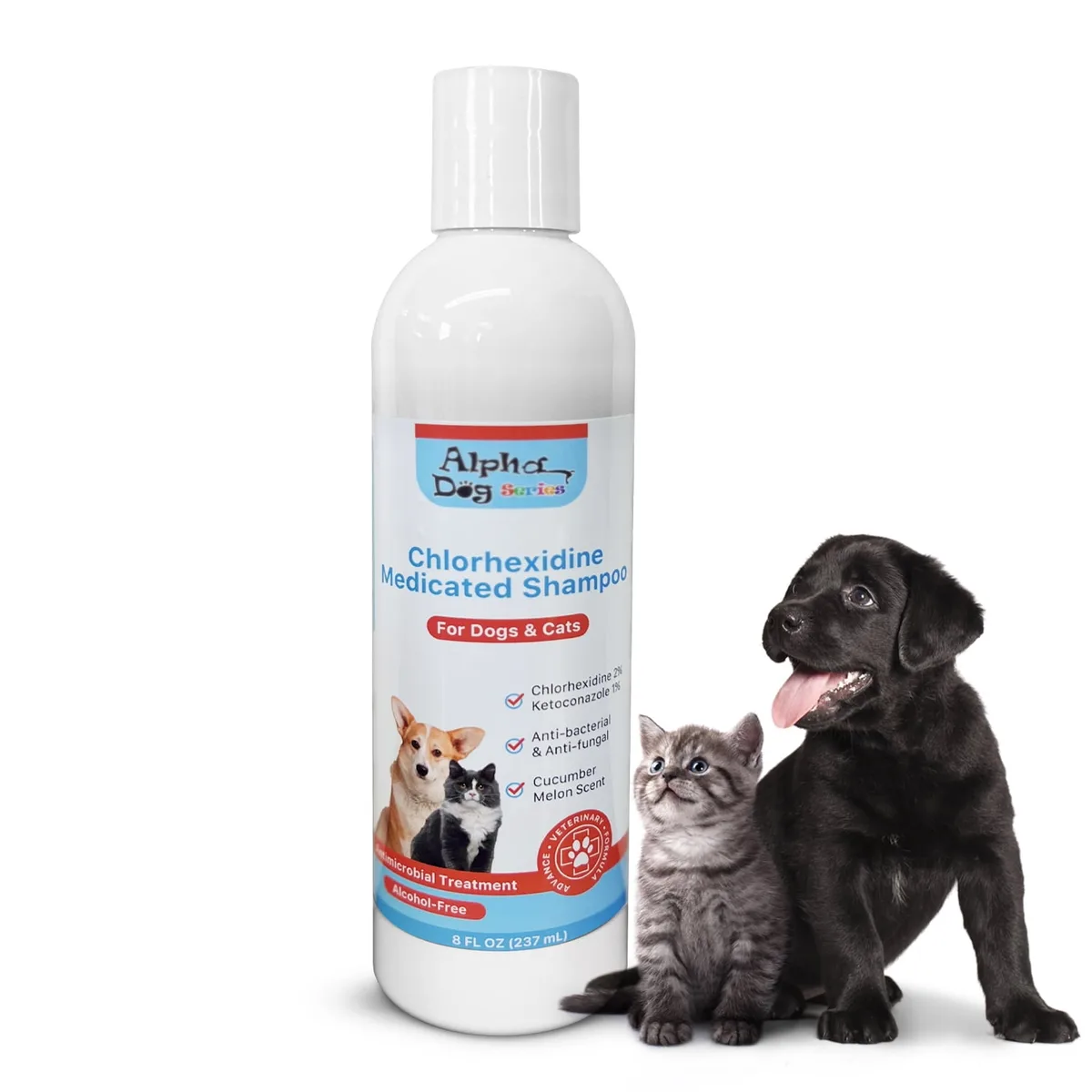
Chlorhexidine 2 to 4% is the most common active ingredient. Benzoyl peroxide is stronger but can be drying. Oatmeal is gentle enough for puppies but rarely strong enough for an active infection.
How Often to Bathe a Dog With Allergies
During a flare, bathe 1 to 2 times per week. Let the shampoo sit for 10 minutes before rinsing. That contact time is what kills the bacteria and yeast.
Rinsing it off in 30 seconds doesn't do much.
For maintenance, every 2 to 4 weeks is usually enough. Over-bathing strips the skin barrier and can make things worse. Always use a moisturizing conditioner or rinse after medicated baths, especially with benzoyl peroxide.
Elimination Diet Trials: The Gold Standard for Food Allergies
If food allergy is on the table, the only real diagnostic tool is an elimination diet trial. It's tedious, but it works.
How Long the Trial Must Last (and Why Most Owners Quit Early)
A proper elimination diet takes 8 to 12 weeks. Most owners quit at 3 or 4 because the dog "looks better." That's the trap. Improvement doesn't mean the allergens are gone.
It takes weeks for the immune system to calm down fully, and a single bite of the old food can reset the clock.
During the trial, your dog eats one protein and one carbohydrate source, and nothing else. No treats, no table scraps, no flavored medications (ask your vet for unflavored alternatives). If symptoms improve, you then "challenge" with the old foods one at a time to see which one causes a flare.
Novel Protein vs. Hydrolyzed Protein: Which to Pick
Two main approaches exist:
| Diet Type | How It Works | Best For |
|---|---|---|
| Novel protein | Uses a protein the dog has never eaten (rabbit, venison, duck) | Dogs with limited past diet exposure |
| Hydrolyzed protein | Protein is broken into pieces too small for the immune system to recognize | Dogs that have eaten many protein types |
Hydrolyzed diets are usually the safer bet because they rule out the possibility of a hidden cross-reaction. Prescription hydrolyzed diets from your vet are more reliable than over-the-counter "limited ingredient" foods, which are often contaminated with other proteins during manufacturing.
At-Home Support That Actually Helps (And What's a Waste of Money)
Beyond prescription meds, a few at-home additions can support skin healing. A few are useless. Knowing the difference saves money.
Omega-3 Fatty Acids and Skin Barrier Repair
Omega-3s from fish oil (EPA and DHA specifically) reduce inflammation and improve the skin barrier. Most dogs benefit from a daily dose based on their weight. The effect builds over 4 to 6 weeks, so don't expect overnight results.
Look for a product with both EPA and DHA on the label, and check that it includes vitamin E as a preservative. Cod liver oil works in a pinch, but the dosing is less precise.
Wipes, Mousses, and Sprays for Paws and Folds
For dogs that lick their paws constantly, daily paw wipes with chlorhexidine or acetic acid can cut down on yeast and bacteria. Mousses work for hard-to-bathe areas like the groin and armpits. These products are not a replacement for full baths, but they help between baths.
Home Remedies to Avoid
A few popular remedies do more harm than good. Apple cider vinegar on raw skin burns. Tea tree oil is toxic to dogs, even in small amounts.
Essential oil diffusers can cause respiratory irritation. Coconut oil is harmless but mostly ineffective for true allergies. Stick to evidence-based options and run anything new past your vet first.
Costs, Pricing, and What to Expect Financially
Allergy treatment is rarely a one-time expense. The good news is that once the heavy lifting is done, most of the cost flattens out into a manageable monthly figure.
Typical Cost Ranges for Testing and Treatment
Here's a realistic range based on aggregate veterinary pricing data as of 2026:
| Item | Typical Cost (USD) | Frequency |
|---|---|---|
| Initial vet exam + skin workup | $150 to $300 | Once |
| Intradermal skin testing | $300 to $500 | Once |
| Serum allergy test | $200 to $400 | Once |
| Apoquel | $2 to $3 per day | Daily during flares |
| Cytopoint injection | $50 to $150 per shot | Every 4 to 8 weeks |
| Custom immunotherapy | $150 to $300 per vial | Every few months |
| Medicated shampoo | $15 to $40 per bottle | Monthly |
| Elimination diet (prescription) | $60 to $100 per month | 3+ months |
A dog with severe year-round allergies might run $1,500 to $2,500 in the first year, then $800 to $1,500 per year after that. Mild or seasonal cases often come in much lower.
Ways to Manage Long-Term Expenses
A few practical moves help. Pet insurance that covers chronic conditions (read the fine print for pre-existing exclusions) can offset a big chunk. Buying Apoquel and Cytopoint through pharmacies with a vet prescription often beats clinic pricing.
And generic oclacitinib is now available, which has dropped the cost meaningfully since launch.
Building a Long-Term Management Plan
The dogs that do best are the ones whose owners treat allergy care like maintenance, not a sprint.
Working With a Veterinary Dermatologist vs. Your Regular Vet
A board-certified veterinary dermatologist brings two things: more experience with tricky cases and access to intradermal testing. Per the American College of Veterinary Dermatology, a specialist referral is recommended when symptoms don't respond to standard therapy, when infections keep coming back, or when immunotherapy is being considered.
For routine management, your regular vet is fine. For complex or refractory cases, a specialist visit (often $200 to $400 for the consult alone) can save thousands in trial-and-error.
Tracking Symptoms and Flares Over Time
A simple symptom diary works wonders. Note the date, weather, food, medications, itch score (1 to 10), and any new exposures. After a few months, patterns show up.
Maybe flares hit every August (ragweed). Maybe the dog itches more on carpet than hardwood. Maybe a new chicken-flavored chew triggered a hot spot.
That data turns you from a reactive owner into a proactive one. And your vet will thank you for it.
Frequently Asked Questions
How long does it take for dog skin allergies to clear up?
Most dogs show improvement within 2 to 4 weeks of starting proper treatment, but full resolution of the underlying allergy takes longer. Elimination diets need 8 to 12 weeks. Immunotherapy needs 6 to 12 months.
Expect gradual progress, not overnight results.
Can I give my dog Benadryl for skin allergies?
You can, but don't expect much. Antihistamines work in only about 10 to 30% of dogs, and even then, they take the edge off rather than solve the problem. If you try it, use plain diphenhydramine (no decongestants) at 1 mg per pound, and check with your vet first.
What's the best dog food for skin allergies?
The best food is the one your dog tolerates during a proper elimination trial. Most prescription hydrolyzed protein diets are reliable starting points. Over-the-counter "grain-free" or "limited ingredient" foods are often cross-contaminated and not ideal for a true diagnostic trial.
Are Cytopoint and Apoquel safe for long-term use?
Both have good long-term safety profiles in published veterinary research. Cytopoint is not immunosuppressive and is often preferred for older dogs. Apoquel is mildly immunosuppressive, so it requires occasional bloodwork monitoring.
Discuss your dog's specific situation with your vet.
When should I take my dog to the vet for skin allergies?
Sooner rather than later. If itching has lasted more than a few days, if you see any open sores, hair loss, ear gunk, or a bad smell, or if your dog seems miserable, book the appointment. Early treatment prevents secondary infections and shortens the overall course.
Final Take: How to Get Your Dog Real Relief (Not a Lifetime of Scratching)
Start with a vet visit, not a Google search. Get the diagnosis right (flea, environmental, food, or some combination), treat any secondary infection first, then build a plan around itch control, skin support, and trigger management. The dogs that do best are the ones whose owners commit to the long game: consistent flea prevention, regular bathing, steady medication, and patience with elimination diets or immunotherapy.
You don't have to do it perfectly. You just have to do it consistently.