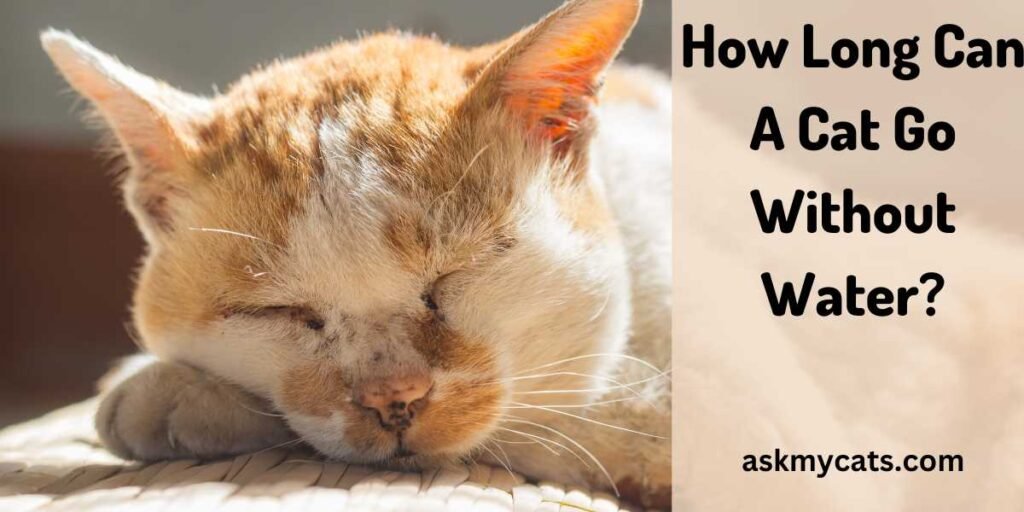
A cat may survive only three to four days without water, but dehydration can begin within 24 hours. Never wait this long to seek veterinary help.
If you live with a cat in the United States, you may wonder how long your pet can safely go without water when a bowl spills, a water fountain stops working, or your cat suddenly refuses to drink. The answer matters because water keeps a cat’s kidneys, heart, digestion, and other organs working. A lack of water can become dangerous long before a cat reaches its survival limit.
A commonly cited estimate is that a cat might survive about three to four days without water. However, this is not a safe waiting period or a guarantee. Heat, illness, vomiting, diarrhea, age, and the moisture in a cat’s food can change how quickly dehydration develops. Some cats may become seriously ill much sooner.
If your cat has stopped drinking, offer fresh water and contact a veterinarian promptly, especially if the problem has lasted close to 24 hours or your cat has other symptoms. Seek urgent care for severe weakness, collapse, repeated vomiting, breathing trouble, or very dry gums. The goal is to protect your cat before dehydration causes serious harm.
Source: cleverpetowners.com
How Long Can a Cat Go Without Water?
Most general veterinary guidance places the possible survival period for a cat without any water at around three to four days. This is a broad estimate, not a reliable prediction for an individual animal. A cat’s health can worsen well before that point, so survival time should never be used to decide when to seek help.
Dehydration may start within the first 24 hours when a cat has no meaningful fluid intake. The risk can rise faster if the cat is losing fluids through vomiting, diarrhea, fever, or heavy breathing. A cat that is already ill may have far less ability to cope than a healthy adult.
The key question is not simply how many days a cat can live without water. It is whether the cat is getting enough fluid to replace normal daily losses. If your cat refuses water, seems unwell, or has a clear drop in drinking, act early rather than waiting for visible signs of dehydration.
Source: img.thepets.net
First several hours
A short period without drinking may not cause a problem in an otherwise healthy cat, especially if the cat eats moisture-rich food. Check whether water is available and whether your cat is eating normally.
Around 24 hours
A cat that has not been drinking should receive prompt veterinary advice. Illness, fluid loss, and poor food intake can make the situation more urgent.
After one or more days
The danger rises as the lack of fluid continues. Do not wait for a cat to become severely weak or reach a supposed survival limit before seeking treatment.
At any time
Collapse, severe weakness, repeated vomiting, breathing problems, or suspected inability to urinate calls for urgent veterinary care.
Is Three to Four Days a Safe Limit?
No. The three-to-four-day estimate describes a possible survival period under some conditions. It does not mean a cat can remain healthy for that long without water. Dehydration affects circulation, temperature control, kidney function, and the balance of salts in the body.
Two cats can respond very differently to the same period without drinking. A healthy adult that eats wet food may get some water from meals, while a cat with kidney disease and vomiting may lose fluid quickly. There is no universal number of hours that guarantees safety.
Treat the estimate as a warning
Use it to understand the seriousness of water deprivation, not to plan how long your cat can be left without water.
Act on symptoms, not just time
A cat with concerning symptoms needs care even if the water bowl has been empty for only a short time.
Why Cats Need Water Every Day
Water helps a cat maintain normal body temperature, move nutrients, digest food, and remove waste through urine. It also supports healthy blood flow and helps cells work as they should. Without enough fluid, the body must conserve water, and normal functions can become harder to maintain.
A cat loses water through urine, stool, breathing, and other normal body processes. The cat must replace these losses through drinking and food. When intake falls below what the body needs, dehydration can develop.
Cats evolved from ancestors adapted to dry environments, and many domestic cats have a relatively low thirst drive. That does not mean they need little water. It means caregivers should make fresh water easy to reach and pay attention to changes in drinking habits.
Source: askmycats.com
Kidney function
The kidneys use water as they filter waste from the blood and produce urine. Inadequate fluid intake can place added strain on the body.
Digestion
Water helps move food through the digestive tract. Poor hydration can contribute to hard stools and constipation.
Body temperature
Water supports normal temperature control. Heat exposure can increase fluid needs and make dehydration more dangerous.
Circulation
The body needs adequate fluid to maintain blood volume and deliver oxygen and nutrients to tissues.
How Much Water Does a Cat Need Each Day?
A useful general estimate from Cornell University College of Veterinary Medicine is about four ounces of water per five pounds of lean body weight each day. For a 10-pound cat, that works out to about eight ounces, or one US cup, of total daily water. This is a starting point, not a fixed prescription for every cat.
Total water includes moisture from food as well as water drunk from a bowl or fountain. A cat eating canned food may drink much less directly than a cat eating dry kibble because canned food often contains a high proportion of water. Your cat’s health, activity, environment, and diet can also affect its needs.
If you notice a major change in how much your cat drinks or urinates, speak with a veterinarian. A sudden increase in thirst can also be a sign of illness, including diabetes or kidney disease. More drinking is not always proof of good hydration.
A 5-pound cat
The general estimate is about four ounces of total water per day, with individual needs varying.
A 10-pound cat
The general estimate is about eight ounces, or one US cup, of total water per day.
A 15-pound cat
The same estimate gives about 12 ounces of total water per day. Ask a veterinarian to help assess the needs of a cat with a health condition or an unusual body weight.
What Factors Affect How Long a Cat Can Go Without Water?
A cat’s ability to cope without water depends on its current health, age, food, environment, and rate of fluid loss. These factors explain why a general survival estimate cannot predict what will happen to your pet. A cat can become dangerously dehydrated even when the time without drinking seems short.
Pay particular attention when your cat is ill or exposed to heat. A healthy cat in a cool room may lose fluid more slowly than a cat with diarrhea in a hot home. Several risks can also occur together, making the situation harder to judge from appearance alone.
Source: lifechacha.com
Age
Kittens have smaller reserves and can deteriorate quickly. Senior cats may have health conditions or reduced ability to maintain hydration.
Existing illness
Kidney disease, diabetes, fever, and digestive illness can affect fluid balance. Some medicines can also change water loss.
Food type
Wet food supplies substantial moisture. Dry food contains much less water, so cats eating it often rely more on drinking.
Temperature
Hot weather, poor ventilation, and exposure to a hot car or enclosed space can raise the risk of dehydration and heat illness.
Vomiting or diarrhea
These problems can remove water and electrolytes from the body. Continued fluid loss makes a lack of drinking more dangerous.
Access to water
A blocked room, overturned bowl, broken fountain, or conflict with another pet may prevent a cat from drinking even when water exists elsewhere in the home.
Are Kittens and Senior Cats at Greater Risk?
Yes. Kittens can lose a dangerous amount of fluid in a short time because they have small bodies and limited reserves. A kitten that will not drink, refuses food, has diarrhea, or seems weak should be assessed promptly by a veterinarian.
Older cats may have kidney disease, diabetes, dental pain, or other problems that affect thirst and hydration. They may also have difficulty reaching a bowl if they have joint pain or weakness. Keep water close to resting areas and seek advice if drinking changes.
For kittens
Do not wait a full day if a kitten refuses fluids or shows signs of illness. Call a veterinarian for advice as soon as you notice the problem.
For senior cats
Watch for changes in thirst, urine output, appetite, mobility, and energy. New changes may point to a medical problem that needs treatment.
Does Wet Food Help a Cat Go Longer Without Drinking?
Wet food can contribute a large amount of a cat’s daily water intake. Many canned foods contain around 70% to 80% moisture, while dry kibble contains far less. A cat that eats wet food may therefore drink only small amounts from its bowl.
However, wet food is not a reason to leave a cat without access to drinking water. If your cat stops eating and drinking, it may lose both sources of moisture. A cat that eats wet food but shows signs of dehydration still needs veterinary assessment.
Check the full picture
Consider how much food your cat eats, the moisture listed on the food label, how much it drinks, and whether its urine output or behavior has changed.
Keep water available
Offer fresh drinking water even when wet food is the main diet.
Signs of Dehydration in Cats
The most useful warning signs include unusual tiredness, weakness, reduced appetite, dry or sticky gums, and sunken eyes. A dehydrated cat may hide, move less, or seem less interested in its normal activities. These signs can be subtle at first, and a cat may hide discomfort until the problem becomes serious.
Dehydration cannot be measured reliably by looking at a cat alone. Some signs may be caused by other illnesses, and a cat can be dehydrated without showing every common symptom. If you suspect dehydration, contact a veterinarian rather than relying on a home check to rule it out.
Source: askmycats.com
Lethargy or weakness
Your cat may sleep more than usual, avoid play, move slowly, or struggle to stand. Severe weakness requires urgent veterinary care.
Dry or sticky gums
Healthy gums are generally moist. Gums that feel unusually dry or tacky can be a warning sign, although this check cannot confirm the degree of dehydration.
Sunken eyes
Eyes that appear unusually sunken can occur with more severe dehydration and should prompt urgent assessment.
Poor appetite
A cat may eat less when it is ill or dehydrated. Poor appetite can also reduce the moisture it gets from food.
Vomiting or diarrhea
Ongoing digestive symptoms can cause rapid fluid loss. Contact a veterinarian if they continue or occur with weakness or refusal to drink.
Changes in urination
Your cat may produce less urine when dehydrated, but urinary tract disease can also reduce urine output. Straining or repeatedly visiting the litter box while producing little or no urine is an emergency.
Can You Check Dehydration at Home?
You can observe your cat’s behavior, appetite, gum moisture, and litter box habits while arranging veterinary advice. Some caregivers gently lift a small fold of skin over the shoulders and see whether it returns quickly. Skin that remains raised may suggest dehydration, but this test is not reliable for every cat.
Age, body condition, and other factors can affect skin elasticity. An older cat may have slow skin return even when adequately hydrated, while a cat with dehydration may not show an obvious change. Do not use a normal-looking skin fold as proof that your cat is safe.
If your cat seems weak, has sunken eyes, cannot keep water down, or is not urinating normally, do not delay care to perform more home tests. A veterinarian can examine your cat and decide whether blood tests, urine tests, or fluid treatment are needed.
Observe
Check alertness, appetite, gum moisture, drinking, and litter box output.
Record
Note when your cat last drank, ate, and urinated, along with any vomiting or diarrhea.
Get help
Share these details with your veterinarian. Do not wait for every symptom to appear.
What to Do If Your Cat Is Not Drinking Water
If your cat has stopped drinking, first make sure fresh water is available and check for obvious problems with the bowl or fountain. At the same time, look for illness, weakness, vomiting, diarrhea, and changes in urination. Do not assume that a cat is simply being fussy when its drinking habits change suddenly.
Contact your veterinarian if your cat is not drinking and the problem continues, especially as it approaches 24 hours. Call sooner if your cat is young, elderly, has a known illness, or shows any concerning symptoms. If severe symptoms are present, go to an emergency veterinary clinic rather than trying home care first.
While arranging help, keep your cat calm and offer clean water in an easy-to-reach place. You can offer its usual wet food if it is alert and willing to eat. Do not force food or water into its mouth, because liquid can enter the lungs and cause serious harm.
Source: askmycats.com
Step 1: Provide fresh water
Fill a clean bowl with fresh water. If your cat dislikes its usual bowl, try another clean bowl made of glass, ceramic, or stainless steel.
Step 2: Check access
Make sure the cat can reach the bowl easily and that another pet is not blocking access. Check whether an automatic fountain has stopped working.
Step 3: Offer moisture-rich food
If your cat is alert and willing to eat, offer its usual wet food. You may mix a little plain water into the food if your cat accepts it.
Step 4: Track symptoms
Write down when your cat last drank, whether it is eating, and any changes in energy, vomiting, stool, or urination.
Step 5: Call a veterinarian
Explain the length of time without drinking and any other symptoms. Follow the clinic’s advice about how quickly your cat needs to be seen.
Step 6: Seek emergency care when needed
Do not delay if your cat collapses, cannot stand, has labored breathing, repeatedly vomits, or strains to urinate without producing urine.
Should You Give Water With a Syringe?
Do not squirt water into a cat’s mouth unless a veterinarian has specifically shown you how and instructed you to do so. A weak, distressed, nauseated, or resisting cat may inhale the liquid. This can cause aspiration and potentially severe lung injury.
If your cat will not drink voluntarily, offer a bowl and contact a veterinarian. A clinic can assess whether the cat needs fluids under the skin or through a vein. The right method depends on the cat’s hydration, illness, and overall condition.
Avoid forced fluids
Never pour water into the mouth or force a cat to swallow.
Avoid human medicines
Do not give human medication or electrolyte products unless your veterinarian approves the exact product and use.
How Do Veterinarians Treat Dehydration?
A veterinarian will assess your cat’s condition, hydration, circulation, and likely cause of the problem. Depending on the symptoms, the clinic may recommend blood work or urine testing to check kidney function, electrolyte balance, and other possible causes.
Treatment may include fluids given under the skin or intravenously. More severe cases may need hospitalization and close monitoring. The veterinarian will also treat the reason your cat stopped drinking, such as nausea, dental pain, or another illness.
Do not try to calculate and give large amounts of fluid at home without veterinary direction. Cats with certain illnesses, including some heart or kidney conditions, may need carefully managed fluid treatment.
Mild cases
The veterinarian may recommend a feeding and hydration plan if the cat is stable and can drink safely.
Moderate or severe cases
Veterinary fluid therapy and monitoring may be needed to restore hydration and correct related problems.
How to Encourage Your Cat to Drink More Water
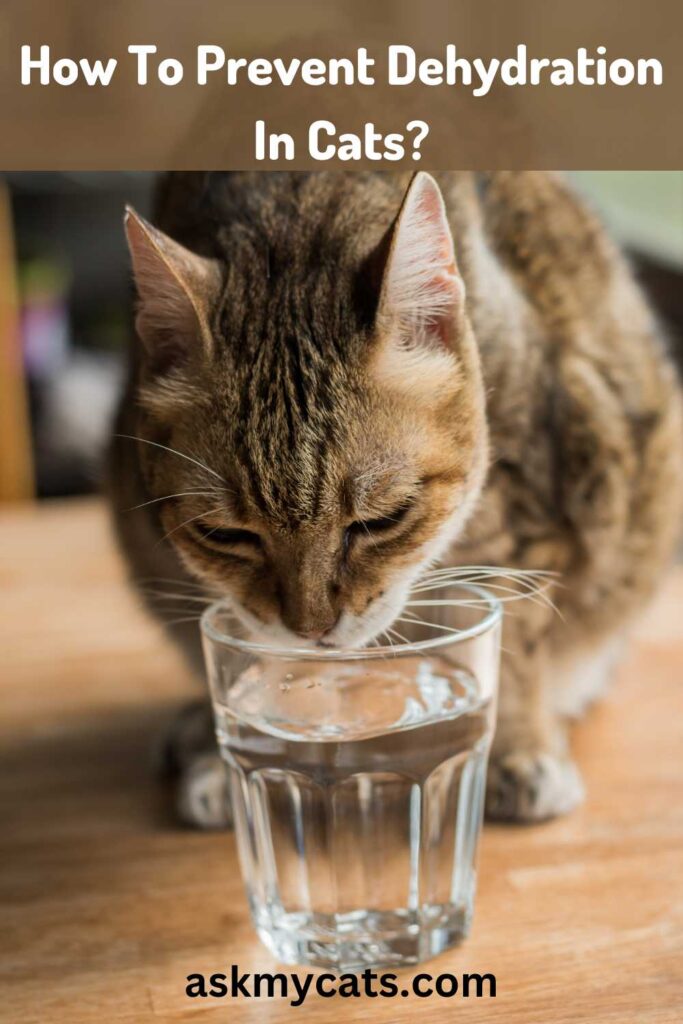
The best way to prevent dehydration is to make clean water easy to find and appealing to your cat. Some cats prefer a wide, shallow bowl, while others like running water from a fountain. Small changes to the drinking area may help, but a sudden refusal to drink still needs attention.
Place water in quiet spots where your cat feels safe. In a home with several pets, provide more than one water station so one animal cannot guard every bowl. Keep water away from dirty litter areas and clean bowls often to remove residue and odors.
Source: img.thepets.net
Refresh the water daily
Wash and rinse bowls each day and refill them with clean water. Change the water sooner if it becomes dirty or contains food.
Try a different bowl
A wide, shallow bowl may suit cats that dislike their whiskers touching the sides. Glass, ceramic, and stainless steel are useful options.
Add more water stations
Place bowls in quiet, easy-to-reach areas, especially in larger homes or homes with multiple cats.
Consider a water fountain
Some cats prefer moving water. Clean the fountain and replace its filter according to the manufacturer’s instructions.
Offer wet food
Canned food adds moisture to the diet. Ask your veterinarian about dietary changes if your cat has a medical condition.
Try a little plain water in food
Mix a small amount into wet food if your cat accepts it. Increase the amount gradually rather than making a sudden change that causes the cat to stop eating.
Can You Add Broth or Tuna Water?
A small amount of plain water from tuna packed in water or a little low-sodium chicken broth may encourage some cats to drink. Use only products without onion, garlic, heavy seasoning, or other ingredients that may harm cats. Avoid salty broth and products containing flavorings that are unsafe for pets.
These options are only ways to encourage voluntary drinking. They are not treatments for significant dehydration, and some cats with kidney or heart conditions need specific dietary limits. Ask your veterinarian before adding flavored liquids if your cat has a medical condition.
If your cat still refuses water or shows signs of illness, stop experimenting with flavors and seek veterinary advice. A change in drinking habits may reflect pain or disease rather than a preference problem.
Choose simple ingredients
Avoid onion, garlic, high salt levels, and seasonings. Check ingredient labels carefully.
Keep plain water available
Flavored water should never replace access to fresh, clean drinking water.
Do not delay care
Refusing all water or showing signs of dehydration requires veterinary guidance, not a long trial of different drinks.
Common Mistakes Cat Owners Should Avoid
A cat that does not drink may appear normal at first, which can tempt an owner to wait. The problem is that cats often hide pain and illness. Watching closely is useful, but it should not replace veterinary care when the change continues or other symptoms appear.
Avoid trying to make up for a long period without water by forcing your cat to drink a large amount at once. Do not use human sports drinks, medicines, or home electrolyte mixtures without veterinary approval. The wrong product or method can cause further harm.
Source: lifechacha.com
Waiting for the survival limit
Three to four days is not a safe target. Call a veterinarian well before this point if your cat is not drinking.
Assuming wet food solves everything
Wet food supplies moisture, but a sick cat that stops eating may lose this source of fluid too.
Relying only on skin tests
Skin elasticity is affected by age and other factors. A home check cannot reliably rule out dehydration.
Forcing water into the mouth
Forced water can enter the lungs. Let the cat drink voluntarily and seek veterinary advice.
Ignoring reduced urination
A drop in urine output can signal dehydration or another illness. Straining with little or no urine is an emergency.
Restricting water
Never withhold water to reduce accidents or litter box use. Increased thirst or urination needs a veterinary assessment.
When Is It a Veterinary Emergency?
Seek emergency veterinary care if your cat collapses, cannot stand, has severe weakness, struggles to breathe, or has repeated vomiting with marked lethargy. Pale or very dry gums and sunken eyes are also concerning signs that need urgent assessment.
A cat that repeatedly strains in the litter box but produces little or no urine may have a urinary blockage. This is a life-threatening emergency, particularly in male cats. Do not assume that the cat simply needs more water or wait to see whether the problem clears.
If your cat has not drunk for about 24 hours, contact a veterinarian promptly even if no dramatic symptoms are visible. A cat with a chronic illness or ongoing fluid loss may need help much sooner.
Go now
Collapse, breathing difficulty, inability to stand, severe weakness, or straining without urine calls for immediate veterinary care.
Call promptly
Persistent refusal to drink, vomiting, diarrhea, reduced appetite, or unusual tiredness should be discussed with a veterinarian without delay.
How to Monitor Your Cat’s Daily Water Intake
Tracking water use can help you notice changes before your cat becomes visibly ill. Start by measuring how much water you put in the bowl and how much remains after a set period. Keep notes on food intake, urine output, and any signs of illness.
This method gives an estimate rather than an exact measure. Water may evaporate or spill, and another pet may drink from the same bowl. If several cats share a home, separate feeding and drinking areas briefly when practical so you can better observe each cat.
Do not focus only on the number of ounces. A cat that drinks less than usual may be getting more moisture from wet food, while a cat that suddenly drinks much more may have a health problem. Look for a change from your own cat’s normal pattern.
Source: askmycats.com
Measure the starting amount
Use a measuring cup to record how much water you add to the bowl.
Check the remaining water
Measure what remains at the same time the next day and account for spills or evaporation as best you can.
Record food moisture
Note whether your cat eats wet food, dry food, or a mix, because this affects water intake from the bowl.
Watch the litter box
Look for changes in the amount or frequency of urine. Straining or producing no urine needs urgent attention.
Share the record
Bring your notes to the veterinarian if your cat’s drinking, eating, or urination changes.
What If Your Cat Drinks Very Little but Seems Fine?
Some cats drink very little from a bowl because they get much of their water from wet food. If your cat eats normally, acts normally, urinates as usual, and has always had this pattern, the amount you see may not reflect total water intake.
However, a sudden drop in drinking is different from a long-standing habit. Contact your veterinarian if the change continues, if your cat eats less, or if you notice changes in energy or urination. A normal appearance alone cannot confirm that hydration is adequate.
Consider the diet
Wet food can provide a substantial share of daily fluid needs.
Compare with normal behavior
A sudden change is more concerning than a stable pattern in a healthy cat.
Ask for an assessment
A veterinarian can help decide whether the cat’s water intake is suitable for its diet and health.
Frequently Asked Questions
Q
How long can a cat go without water before it becomes dangerous?
Dehydration can begin within about 24 hours when a cat has no meaningful fluid intake, although the timing varies. A cat may survive around three to four days without water under some conditions, but serious illness can develop much sooner. Contact a veterinarian if your cat is not drinking, and seek help sooner if it has other symptoms.
Q
Can a cat survive 24 hours without water?
Some healthy adult cats may get through a 24-hour period without obvious illness, particularly if they eat moisture-rich food. That does not make it safe to leave a cat without water. If your cat has not been drinking for about 24 hours, contact a veterinarian for advice, especially if it is not eating or seems unwell.
Q
Can a cat get enough water from wet food?
Wet food contains substantial moisture and may provide much of a cat’s daily water needs. This is why cats eating canned food often drink less from a bowl than cats eating dry food. Still, always provide fresh drinking water, and contact a veterinarian if your cat stops eating, appears dehydrated, or suddenly changes its drinking habits.
Q
What are the first signs of dehydration in a cat?
Early signs may include lower energy, reduced appetite, and gums that feel dry or sticky. More serious dehydration can cause weakness and sunken eyes. These signs are not specific to dehydration, and home checks cannot reliably measure its severity. Contact a veterinarian if you suspect your cat is dehydrated.
Q
Should I force my cat to drink water if it refuses?
No. Do not pour water into your cat’s mouth or force it to swallow with a syringe unless a veterinarian has specifically instructed you and shown you how. Liquid can enter the lungs and cause serious injury. Offer fresh water voluntarily and contact a veterinarian if your cat continues to refuse it.
Q
How can I encourage a cat to drink more water?
Offer fresh water in clean bowls placed in quiet, easy-to-reach locations. Try a wide, shallow bowl or a pet fountain if your cat prefers moving water. Wet food or a little plain water mixed into food may also help increase moisture intake. If the cat suddenly stops drinking, do not rely on these changes alone; seek veterinary advice.
Q
Do kittens become dehydrated faster than adult cats?
Kittens are more vulnerable because their small bodies have limited reserves. A kitten that refuses water or food, has vomiting or diarrhea, or becomes weak needs prompt veterinary advice. Do not wait for a full day if a young kitten appears unwell.
Q
Can dehydration cause kidney problems in cats?
Severe dehydration can reduce blood flow to the kidneys and contribute to serious kidney injury. Cats with existing kidney disease may also be more prone to dehydration because their bodies can have trouble conserving water. Veterinary treatment may be needed to restore fluid balance and address the cause.
Q
When should I take my cat to an emergency veterinarian?
Seek emergency care for collapse, severe weakness, difficulty breathing, repeated vomiting with marked lethargy, or straining to urinate while producing little or no urine. Sunken eyes and very dry gums are also serious warning signs. If your cat has not been drinking for about 24 hours, contact a veterinarian promptly even if it still appears alert.
✦ Wrapping Up
Conclusion
A cat may survive about three to four days without water, but that estimate should never be treated as a safe waiting period. Dehydration can begin within 24 hours and may develop faster in kittens, senior cats, sick pets, or cats losing fluid through vomiting or diarrhea.
The safest approach is to keep clean water available at all times, watch your cat’s normal drinking and litter box habits, and act when those habits change. Wet food, clean bowls, and water fountains can help support hydration, but they cannot replace veterinary care when a cat is ill or refusing fluids.
If your cat has stopped drinking, contact a veterinarian promptly, especially if the problem is continuing or other symptoms are present. Severe weakness, collapse, breathing trouble, or difficulty passing urine requires urgent care. Early action can help protect your cat’s health and prevent a manageable problem from becoming a crisis.
💡 Key Takeaway
Check your cat’s water bowl, food intake, energy, and litter box today. If your cat is refusing water, has concerning symptoms, or has gone about 24 hours without drinking, contact a veterinarian rather than waiting to see how long it can survive.